A New Lens on Erotic Flagellation: More Than Sensation
For generations, practices like erotic flagellation were pushed into the shadows, labeled as deviant or misunderstood by mainstream society. Yet within LGBTQ+ circles, these very acts have blossomed into something far richer—a glue that binds people together, a source of comfort, and a celebration of identity. This piece delves into the transformation of kink environments from hidden corners to vibrant hubs of belonging, particularly for queer individuals. We'll journey through their origins, the birth of safety rituals, and the ongoing push to welcome every body and story into the fold.
Key Insights into LGBTQ+ Kink Evolution
Queer kink networks carry a deep legacy, shifting from clandestine meetups to proud, visible gatherings that nurture a shared sense of self. The devastation of the AIDS epidemic became a turning point, forging essential safety protocols and mutual aid systems that centered on collective well-being. Today's spaces strive for broader inclusivity, adapting to the needs of those with disabilities, trauma histories, and varied identities. Community stands at the heart of kink exploration, providing bonds and backup that digital platforms enhance but cannot replace. Ethical practice rests on explicit consent, ongoing dialogue, continuous learning, and thoughtful aftercare, crafting experiences of respect and transformation.
Tracing the Origins of Queer Kink Togetherness
Shifting from Stigma to Solidarity in the Last Century
For decades, any sexual expression outside rigid norms faced scorn or legal punishment. But queer folks ingeniously carved out connections, constructing genuine communities despite widespread hostility. This was never solely about physical acts; it revolved around discovering kindred spirits and a sanctuary where one could simply be. Those early bonds laid the groundwork for what would become organized kink culture, proving that resilience could turn isolation into a powerful collective force.
Leather Culture, Chosen Kinship, and First Gatherings
In the wake of World War II, numerous gay veterans forged tight-knit brotherhoods, drawing on military camaraderie and infusing it with homoerotic undertones. These weren't casual hangouts; they operated on codes of loyalty, structured rituals, and distinct aesthetics. This phenomenon seeded the formal BDSM scenes we recognize in the West today. Picture the inaugural leather bars emerging in cities like San Francisco and Chicago. They functioned as more than watering holes—they were theaters of identity where leather jackets, boots, and specific gear became a shared language, and dynamics like Dominant/submissive or Master/slave solidified into core aspects of self-expression. Operating largely in secrecy under constant threat of raids or judgment, these venues nonetheless birthed a subculture. BDSM evolved from isolated bedroom activities into a communal tapestry with its own norms and histories.
Waves of Liberation and Growing Visibility
The 1960s and 70s ushered in radical shifts. The broader sexual revolution challenged old taboos, while research revealed that fascinations with spanking, restraint, and power play were far more common than previously admitted. Concurrently, movements championing sexual autonomy and feminist thinkers began publicly dissecting desires once deemed unspeakable. Kink themes crept into literature and cinema, exposing fresh audiences to these worlds. This era also witnessed kink communities structuring themselves more formally. Organizations like the Society of Janus in San Francisco launched educational workshops and peer-led classes. These forums became crucial for teaching the art of negotiation, harm reduction, and robust consent protocols. It marked a period of reclaiming pleasure and architecting communities around it, stepping tentatively from the margins toward a more discernible, though still fiercely protected, existence. Queer-led BDSM circles were frequently pioneers in devising more consensual and safer avenues for sexual discovery.
How the AIDS Crisis Reshaped Safety and Support
Pioneering Safer Intimacy and Care Networks
The 1980s unleashed the catastrophic AIDS epidemic, disproportionately ravaging LGBTQ+ populations. Amidst this tragedy, a profound metamorphosis occurred within kink enclaves. Individuals already adept at mobilizing around shared passions and weathering social condemnation rose to the occasion. They transformed from mere participants into nurturers, activists, and teachers. Many in the leather and BDSM realms were at the vanguard of organizing benefits, delivering hands-on care to the ailing, and weaving support webs when governmental and medical institutions lagged or outright refused aid. This chapter instigated a deep pivot toward risk-aware philosophies, elevating collective health above mere personal gratification.
The Emergence of Risk-Conscious Frameworks
As comprehension of HIV transmission deepened, the imperative for clear safety guidelines within kink intensified. The community methodically crafted approaches to safer sexual and impact play. The goal was never to erase risk entirely but to empower informed decision-making. Dialogues around concepts like Safe, Sane, and Consensual (SSC) gained traction, later complemented by Risk-Aware Consensual Kink (RACK), which offered a more flexible lens. These models championed transparent discussions about serostatus, meticulous boundary setting, and the integration of protective barriers. It was a grueling yet vital maturation, propelled by the urgent mission to safeguard lives.
Mutual Aid in Times of Heartbreak
At the epidemic's peak, queer kink communities displayed staggering fortitude and tenderness. They fashioned havens of reciprocal care, dispensing not only practical assistance like meals and rides to appointments but also emotional solace and a profound sense of belonging to those shunned by the outside world. Gatherings and dance parties doubled as critical fundraisers channeling money toward treatments and scientific inquiry. This epoch cemented the understanding that kink environments could transcend mere erotic exploration; they could become sites of deep nurturing, solidarity, and found family, especially amidst overwhelming hardship. The wisdom gleaned around consent, dialogue, and shared duty during this time continues to inform conscientious kink today.
Let's examine some pivotal shifts:
- Fundraising innovations: Leather contests and BDSM events recalibrated their missions to generate substantial funds for AIDS service organizations and research initiatives.
- Grassroots education: Kink networks became early adopters and distributors of safer sex knowledge, tailoring it explicitly to activities like flogging or fisting.
- Care collectives: Members routinely stepped into roles as informal nurses, bedside companions, and grief counselors for their stricken peers.
- Fierce advocacy: Practitioners emerged as outspoken champions for queer health equity, battling the pervasive stigma attached to the virus.
Designing Kink Spaces That Welcome Every Body
Questioning Defaults in Queer Erotic Venues
Historically, queer sexual spaces have been lifelines for community formation, yet they've frequently fallen short on true inclusivity. Many clubs and parties, even those with LGBTQ+ signage, can unknowingly erect barriers. This often stems from designing with a monolithic audience in mind—typically cisgender, able-bodied men. Consequently, disabled individuals, trans and non-binary folks, and survivors of sexual trauma can feel merely accommodated rather than genuinely embraced. It's disheartening when a venue meant to liberate ends up feeling confining. Conscious effort is required to dismantle these unintentional exclusions and cultivate genuinely open arms.
Navigating Disability and Trauma with Sensitivity
True accessibility in kink settings extends far beyond wheelchair ramps and widened doorframes, though those physical adaptions are non-negotiable. It equally encompasses emotional and sensory dimensions. Consider provisions like areas free of strobing lights for epileptic attendees or quiet decompression zones for those prone to overstimulation. For trauma survivors, engineering a sense of security is foundational. This translates to unequivocal communication about limits, consent mechanisms, and staff trained to navigate delicate disclosures with empathy and discretion. It's about cultivating trust so individuals can delve into their desires without hypervigilance. The aim is an atmosphere where every person feels witnessed and honored, unlocking authentic connection and delight in kink.
Here are practical considerations for enhancing accessibility:
- Mobility access: Step-free entries, elevators, spacious corridors, and restrooms equipped for wheelchairs.
- Sensory adaptations: Designated low-stimulation zones, adjustable illumination, and fragrance-free policies.
- Emotional safeguards: Transparent consent protocols, trained harm-reduction monitors, and visible resource contacts.
- Clear communication: Advance descriptions of event features, legible signage, and multiple channels to voice needs.
Forging Sanctuaries and Safer Engagement
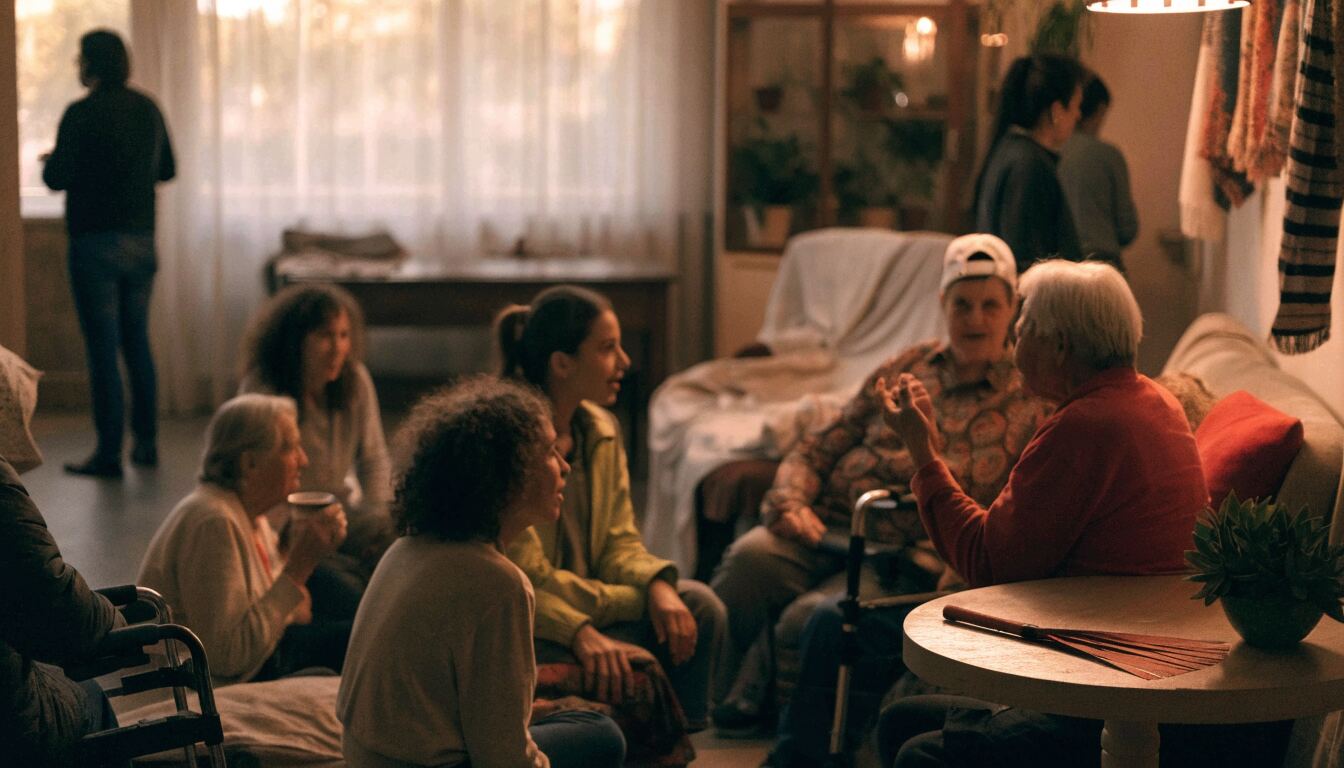
Building community around BDSM joy requires crafting environments where people feel emboldened to be themselves and investigate their kinks. This goes beyond mere physical premises; it's about nurturing a culture of attentiveness. Envision events that prioritize consent and dialogue, like those offering unambiguous guidelines and support personnel. Some venues, for instance, have instituted monitor systems where trained individuals can discreetly intervene if boundaries blur, providing a layer of protection. It's about being proactive in preventing harm and steadfast in aiding recovery. Such intentional design fortifies a more robust, resilient community where everyone can engage wholeheartedly. Seeing people connect and express themselves authentically makes the labor worthwhile.
Modern Kink: Identity, Digital Threads, and Shared Elation
The Vital Role of Community in Exploring Fetishes
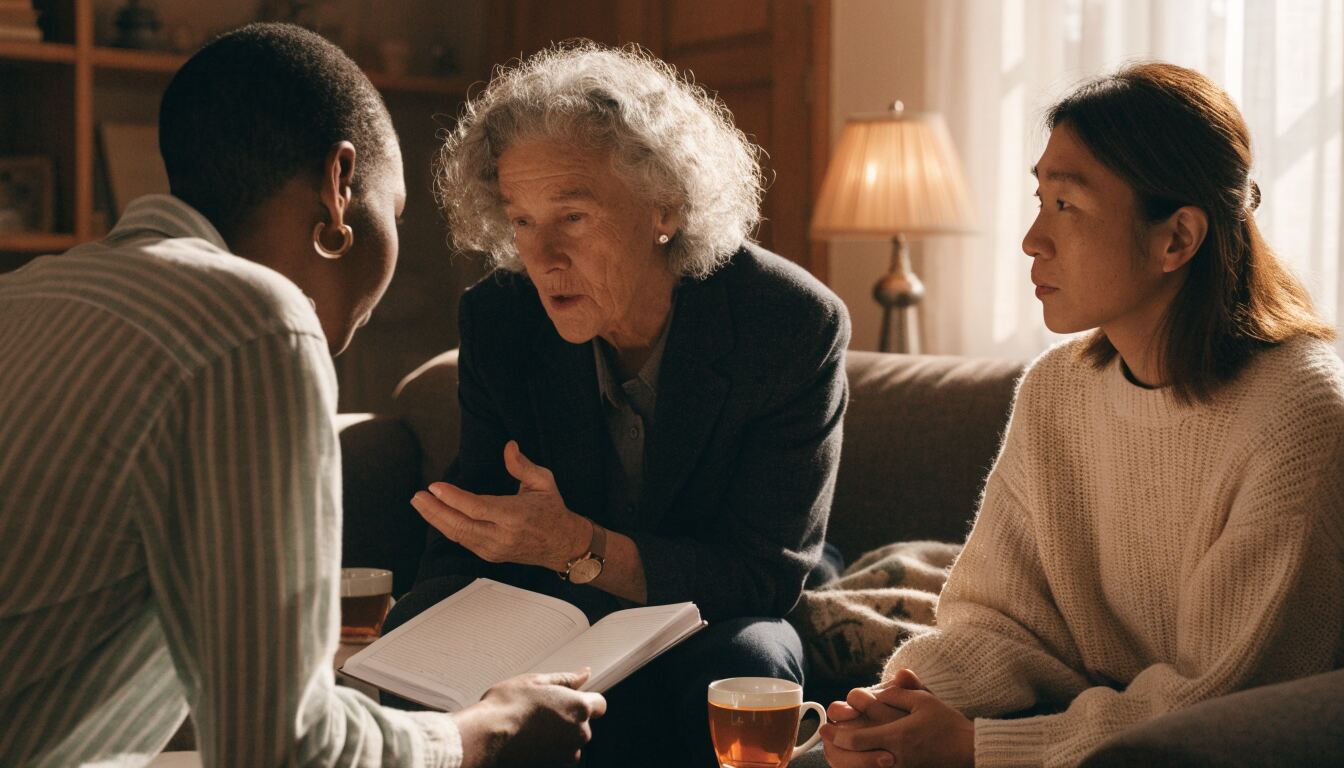
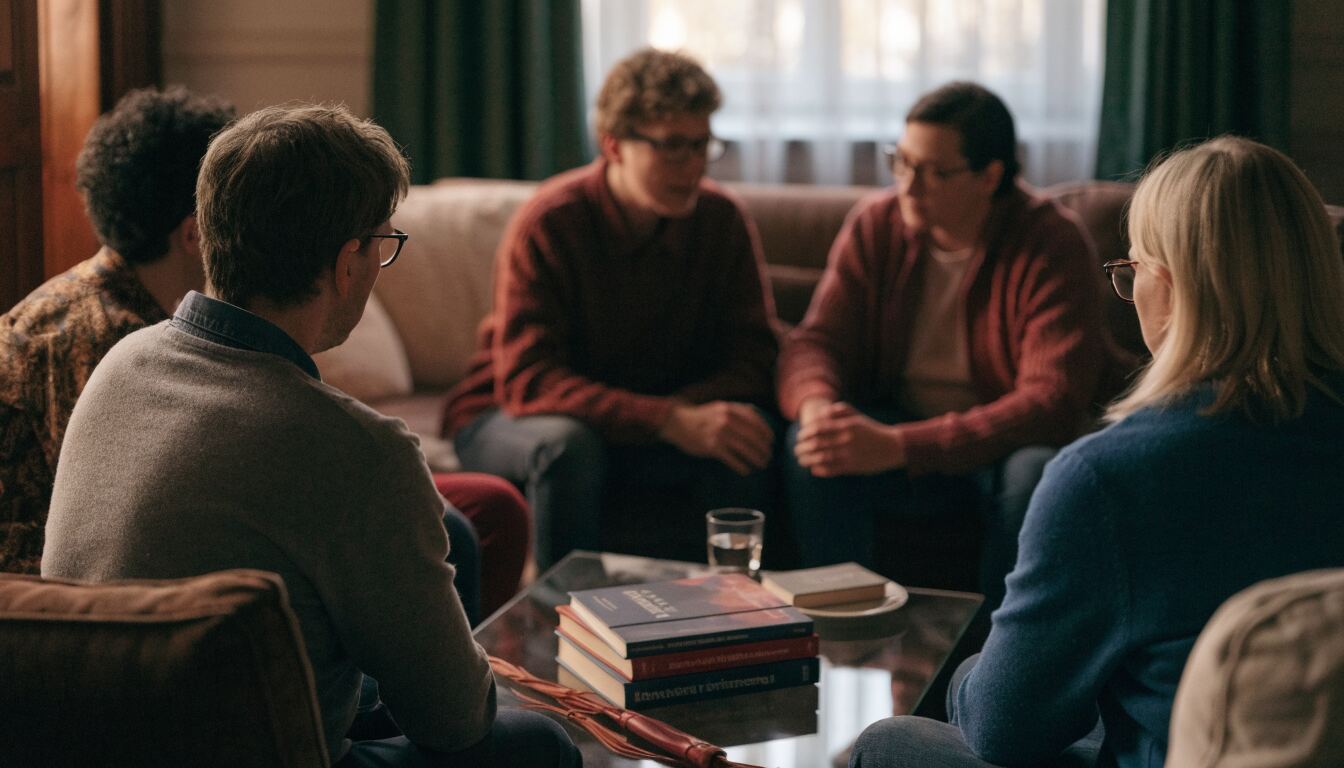
It's remarkable how much kink culture has transformed. Once a heavily concealed aspect of life, it's now far more visible, largely due to the proliferation of intentional communities. For countless individuals, locating their tribe is equally as crucial as exploring their desires. Consider this—where else can you candidly discuss a longing to be restrained or a fascination with a specific sensation, and have others genuinely comprehend? These circles, whether digital forums, neighborhood munches, or private group chats, are where we absorb knowledge, exchange tales, and diminish isolation. It's within these relationships that we truly decode ourselves and our kinks.
Blending Online Connection with In-Person Presence
We now possess myriad ways to interlink. The internet has revolutionized access. Platforms and apps enable people to discover others with aligned interests, irrespective of geographic isolation. You can study new methods, consume erotica, and even pinpoint local happenings. However, the physical realm retains immense significance. Brick-and-mortar venues, like clubs or structured conferences, offer a distinct quality of connection—the palpable electricity of a roomful of shared passions, the serendipity of face-to-face encounters, and the visceral sense of fitting in. It's a synergy of both domains. You can locate your digital cohort and then solidify those bonds through tangible meetups.
Championing Fluidity and Subtlety in Practice
One of the most refreshing shifts in contemporary kink is the departure from rigid categorizations. People aren't solely "Dom" or "sub" anymore. A significant portion identify as "switches," relishing the spectrum between roles. We're also witnessing broader acceptance of diverse relationship architectures and a finer understanding that kink isn't invariably about elaborate scenes. Sometimes it manifests in a knowing glance, a particular garment, or a hushed intimate conversation. It's about what resonates and feels correct for the individuals involved. This adaptability means kink can weave into numerous lives and partnerships, not just a singular type of encounter. It's a canvas for personal expression and discovering what sparks connection and bliss, however that materializes.
A snapshot of how bonds form:
- Virtual message boards and social media collectives
- Local BDSM/kink community mixers and play parties
- Skill-share workshops and educational symposiums
- Private residence gatherings and curated events
Core Pillars of Conscientious Kink Engagement
When we discuss delving into activities like rope artistry or percussive play, the conversation extends well beyond physical thrills. It fundamentally concerns constructing trust and ensuring all parties feel positive about the interaction. This isn't a chaotic free-for-all; foundational principles maintain safety and regard for every participant.
Decoding Consent: Applying the FRIES Model
Consent is the cornerstone, the non-negotiable bedrock of any ethical kink endeavor. While we frequently hear the term, dissecting it renders it more actionable. The FRIES acronym serves as a handy mnemonic for its essential facets:
- Freely Given: Agreement must be offered without duress, manipulation, or coercion. If someone feels obligated to say yes, the consent is invalid.
- Reversible: Any person can retract their consent at any moment, for any rationale. If a scene is unfolding and someone needs to halt, that decision must be honored instantly and without debate.
- Informed: Participants need a clear picture of what they're consenting to. This necessitates pre-scene discussions about potential actions, inherent risks, and established boundaries.
- Enthusiastic: Ideally, consent is more than a hesitant "okay." It's an animated, positive "yes!" People should be eager and willing collaborators.
- Specific: Consent for one activity doesn't blanket-cover others. Agreeing to impact play doesn't automatically imply consent for sensory deprivation or restraint.
The Centrality of Dialogue and Safety Signals
Conversation is paramount, both prior to and throughout any encounter. Before initiating explorations with rope or impact implements, engage in a substantive talk. Begin by articulating what genuinely excites and motivates you. Then take time to voice any apprehensions or concerns that may require reassurance or a slower pace. Explicitly state your hard limits—the activities or dynamics that are entirely off the table. Lastly, identify your soft limits: areas you might be open to approaching gradually, with confidence, communication, and the unconditional option to pause at any juncture.
During play, safe words are your lifeline. They are not mere suggestions; they are directives that demand immediate compliance. A widely adopted system includes:
- "Yellow": Signals "ease up," "check in," or "I'm nearing a threshold.
- "Red": Signals "stop everything right now." No inquiries, no hesitation.
It's also wise to establish a non-verbal cue if speech becomes difficult, such as a distinct hand gesture or dropping a held object.
Education, Aftercare, and Reciprocal Growth
Learning is an unending journey. Seek out literature on techniques, attend accessible workshops, and converse with seasoned community members. Grasping the risks tied to activities like rope suspension (potential nerve compression, circulatory issues) or percussive play (bruising, skin integrity) is a facet of accountability.
After the scene concludes, aftercare is equally vital as the play itself. This is the interval for emotional and physical reconnection. It can encompass:
- Embracing or gentle holding.
- Debriefing the experience—what resonated, what felt challenging.
- Hydrating and nourishing with water or a light snack.
- Simply resting in shared stillness.
Aftercare assists in grounding everyone and processing the intensity of the engagement. It's through this cycle of communication, consent, play, and aftercare that profound connection and mutual transformation can flourish within kink practices.
Common Questions About LGBTQ+ Kink and Erotic Flagellation
What exactly is erotic flagellation, and how does it fit into queer communities?
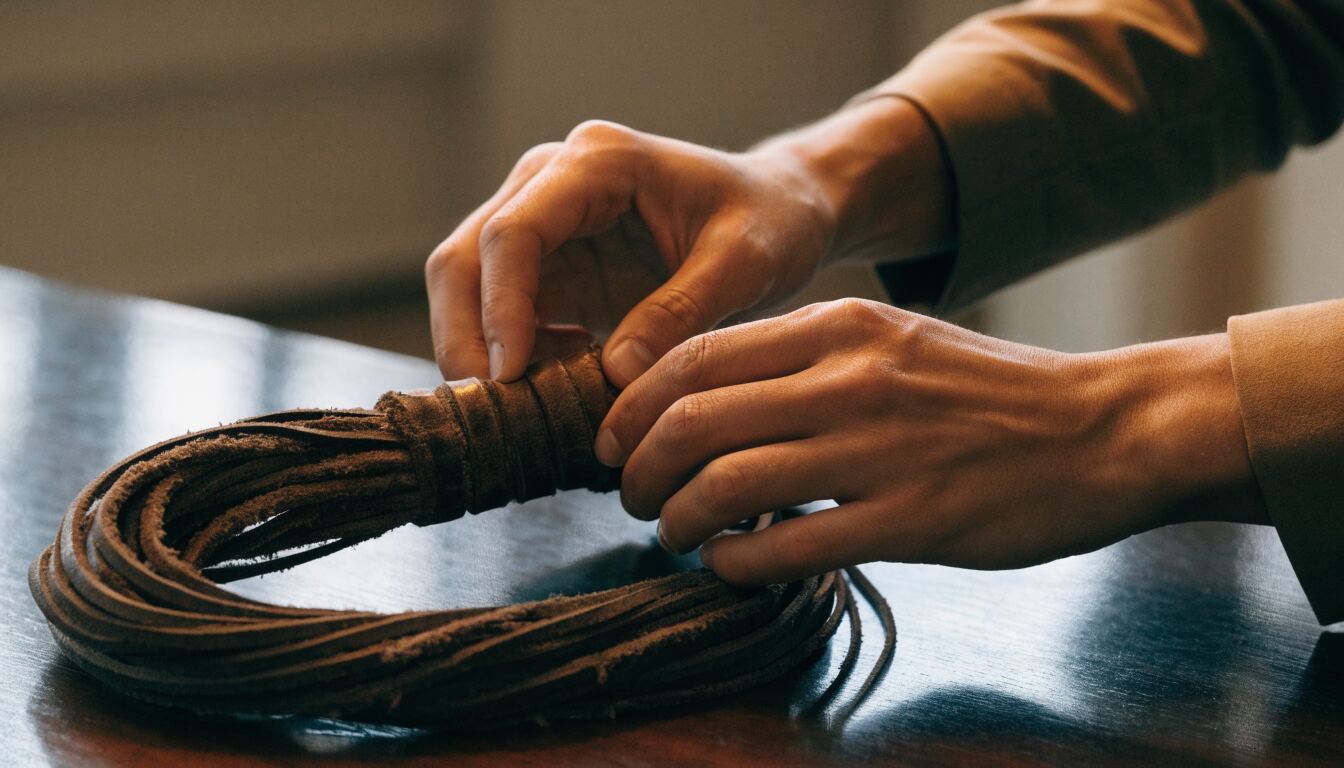
Erotic flagellation involves using implements like floggers, whips, or paddles to produce pleasurable sensations within a consensual dynamic. In LGBTQ+ kink circles, it's typically woven into a broader tapestry emphasizing trust, transparent dialogue, and collective experience. These communities boast a lengthy history of constructing secure havens for people to investigate their desires, especially when they felt alienated by the wider culture.
What are the origins of LGBTQ+ kink communities?
Many queer kink communities trace their roots to covert venues like bars and private clubs, particularly during the mid-20th century. These spaces were vital for individuals to find others like themselves, exchange lived experiences, and cultivate a sense of kinship when they couldn't be open about their lives elsewhere. It transcended mere sexuality; it was about discovering a chosen family.
How did the AIDS crisis impact these circles?
The AIDS crisis struck LGBTQ+ and kink communities with brutal force. Yet rather than disintegrating, many members mobilized to nurse the sick, generate funds for medical care, and formulate safer sex protocols. This harrowing period illuminated the extraordinary strength of these communities and their profound commitment to one another, even amidst staggering loss.
What does meaningful consent look like in kink environments?
Consent is absolutely central. It signifies that every involved party freely agrees to the unfolding activities. A useful way to recall this is the FRIES acronym: Freely given, Reversible, Informed, Enthusiastic, and Specific. It involves continuous check-ins with your partner and ensuring everyone remains comfortable and genuinely engaged in the activity.
Are kink spaces genuinely safe for people with disabilities or trauma survivors?
Many contemporary kink communities are actively laboring to become more inclusive. This entails considering elements like physical accessibility (such as ramps or maneuverable space for mobility devices), emotional safety, and recognizing that individuals may have distinct needs stemming from past experiences. The objective is to forge spaces where every person feels welcomed and esteemed.
Can you explain aftercare in a kink context?
Aftercare refers to the period following a play session. It's a dedicated time to tend to yourself and your partner(s) emotionally and physically. This might involve cuddling, discussing what transpired, or simply resting in each other's company. It serves as a method to ensure everyone feels grounded and connected after potentially intense experiences.
Stepping Forward with Care and Kinship
So, what does all this signify for erotic flagellation and parallel kink expressions within LGBTQ+ spaces? It powerfully illustrates that these are far more than solitary sexual acts. They've emerged from a hunger for connection, a mechanism for building chosen families, and a platform to safely navigate identity. From the nascent leather bars to today's sprawling online networks, the nucleus has perpetually been about people locating one another and generating mutual support. As we advance, the emphasis on rigorous consent, accessible education, and shaping these spaces to welcome everyone, irrespective of background or ability, remains paramount. It's about perpetually constructing upon that bedrock of care and community, ensuring that kink endures as a positive catalyst for connection and self-discovery for all.