A Fresh Look at Being Seen
Learning to feel at home in your own skin rarely happens overnight. For a lot of people, that path winds through unexpected territory—including the quiet thrill of letting yourself be witnessed. When we talk about showing up and being visible, it’s easy to jump to conclusions about attention-seeking behavior. But what if we reframed it? What if choosing to be seen, in ways that feel good to you, was actually one of the most sincere forms of self-celebration? At its core, this practice isn’t about fishing for compliments or external approval. It’s about stepping fully into who you are, even when the world around you has plenty of opinions about how you should look or act.
Think of it as a dialogue between you and your own reflection—one where you get to set all the rules. The camera on your phone, the mirror in your bedroom, the outfit you pick out on a morning when you need a lift: these can all become tools for acknowledging your own presence. Society often teaches us to shrink, to hide what we’ve been told isn’t perfect. Pushing back against that narrative, even in small, private ways, can feel revolutionary. It’s a reminder that your body is yours to appreciate, to present, and to feel proud of, without waiting for anyone else’s green light.
The Art of Self-Appreciation in Everyday Life
You don’t need a stage or an audience to begin exploring what it means to own your image. Much of this work happens in the quiet, unshared corners of daily life. It’s less about spectacle and more about building a steady, private sense of worth that radiates outward over time. Let’s break down a few ways this shows up, often without us even labeling it as anything profound.
Your Camera Roll as a Personal Gallery
Consider the photos you take solely for yourself. Not the curated posts destined for social feeds, but the shots you snap because the afternoon light is doing something lovely across your shoulders, or because you caught a glimpse of your own smile that made you pause. Those moments are tiny acts of self-recognition. You’re not performing for likes or comments; you’re documenting a version of yourself that you want to remember. This kind of private cataloging can gradually rewire how you perceive your own beauty. Instead of critiquing every flaw, you start noticing the angles, expressions, and moods that make you feel genuinely good. It’s a gentle, ongoing practice of saying, “I see you, and I like what I see.”
The Quiet Spark of Self-Admiration
There’s a particular energy that arises when you allow yourself to truly look at your own form with kindness. Maybe it happens when you’re padding around your home in comfortable undress, or when you catch an unexpected reflection in a darkened window. That little jolt isn’t vanity in the negative sense—it’s a sign of healthy connection. You’re treating your body like a piece of art you’re still getting to know, one that deserves your attention and respect. This internal gaze can be surprisingly affirming. It shifts the focus from how others might judge you to how you experience yourself. Over time, that shift builds a foundation of confidence that doesn’t crumble when external opinions fluctuate.
Taking Back the Power of the Gaze
For generations, many people—particularly women—have been positioned as objects of a gaze they never consented to. Their bodies were scrutinized, commented on, and valued based on standards they didn’t create. Intentional visibility flips that dynamic on its head. When you decide how, when, and why you are seen, you transform exposure from a vulnerable state into an empowered one. This reclamation isn’t always loud. It might mean wearing an outfit that reveals a little more than usual because it makes you feel powerful, not because you owe anyone a view. It’s about authoring your own visibility narrative, rather than letting someone else hold the pen.
Everyday Expressions of Showing Up
When the word “exhibitionism” comes up, many minds leap to dramatic, public scenarios or sensationalized media portrayals. But that’s a narrow slice of a much broader spectrum. For most people, this impulse manifests in far more relatable, low-key ways. It’s woven into how we present ourselves and how we cultivate comfort in our own physicality. Let’s look at some common, everyday forms this can take.
Controlled Sharing in Digital Spaces
Posting a slightly more revealing image to a close friend or a private story group is a modern form of controlled exposure. You’re choosing a trusted circle, setting the boundaries, and sharing a part of yourself that feels good to display. This isn’t about broadcasting to the masses; it’s about curating an intimate audience where you feel safe. The key here is control—you decide the who, what, and when. That sense of agency can be deeply affirming, especially in a world where digital boundaries are often blurred.
Private Comfort in Your Own Space
Sometimes, the most meaningful acts of self-acceptance happen with no witnesses at all. Moving through your home without clothes, simply enjoying the sensation of air on your skin while you do mundane tasks, can be a quiet rebellion against body shame. It’s a way of normalizing your own form, of treating it as something natural and worthy of ease rather than constant concealment. This private practice builds a comfort that eventually follows you out the front door, even if you’re fully dressed.
Style as a Statement of Self
Clothing choices offer a subtle but powerful playground for visibility. A sheer fabric, a neckline that dips, a posture that radiates confidence—these are all ways of engaging with how you’re perceived. It’s not about dressing for others’ approval, but about experimenting with your own presentation and noticing how different choices make you feel. When you walk through the world with your shoulders back and your head high, you’re already practicing a form of everyday visibility. The clothes are just one layer of that expression.
Why Stepping into the Light Feels So Good
What drives someone to genuinely enjoy being the focal point of attention? The answer is rarely as simple as vanity. For many, it’s a deliberate and layered choice rooted in a desire to be seen authentically, to engage with the world playfully, and to tap into a well of personal power.
Reclaiming Agency Through Visibility
Choosing to be seen on your own terms is a profound act of reclaiming agency. Historically, certain groups have had their bodies evaluated without their input. Intentional visibility says, “I’m the one who decides what you notice, and when.” This shift from passive object to active subject can feel incredibly empowering. It transforms the experience of being looked at from something potentially invasive into something you orchestrate. There’s a playful, almost mischievous quality to it—a way of engaging with the world from a place of strength rather than seeking its approval.
The Positive Feedback Loop of Being Noticed
There’s an undeniable psychological lift that comes from knowing you look good and sensing that others register it too. It’s a jolt of energy that reinforces a positive self-image. This isn’t about craving constant praise; it’s about a natural cycle: you feel confident, that confidence shows, others respond to it, and you feel even more assured. For anyone who has wrestled with self-doubt, this loop can be a powerful tool for rebuilding self-esteem from the ground up. It’s an active participation in your own desirability, rather than a passive hope for validation.
The Adrenaline Edge of Risk
Let’s be honest: there’s often a thrill woven into the experience. When there’s an element of perceived risk—the possibility of being discovered, or simply the intensity of focused attention—your body responds physiologically. Heart rate climbs, senses sharpen, and a rush of adrenaline floods your system. That biochemical reaction can be genuinely intoxicating. It’s not unlike the high sought by thrill-seekers, except the dare here involves revealing rather than jumping. For some, the allure lies precisely in that edge, the playful dance with what feels slightly forbidden.
Navigating Visibility with Care and Ethics
If you’re intrigued by exploring this side of yourself, enthusiasm should be paired with a strong ethical compass. The line between a liberating personal practice and behavior that harms others—or lands you in legal trouble—must be crystal clear. Responsible exploration means ensuring everyone involved is on board and that you’re operating within appropriate boundaries.
Consent and the Law: Non-Negotiable Foundations
Consent sits at the very heart of ethical visibility. If you’re considering revealing yourself to someone, that person must be fully willing and capable of agreeing. No pressure, no deception, and absolutely no exposing yourself to unconsenting strangers. Actions like flashing in public or sending unsolicited explicit images online aren’t expressions of self-love—they’re violations that can cause real harm and carry serious legal consequences. Laws around indecent exposure and cyberflashing exist for good reason, and penalties can include fines, criminal records, or incarceration. Respecting others’ boundaries is the baseline for any exploration in this realm.
Finding the Right Environments for Expression
So where can you safely explore? Look for spaces where this kind of expression is understood and welcomed. Clothing-optional beaches provide a context where nudity is the norm and everyone present has opted into that environment. Certain clubs or events, particularly those within kink or BDSM communities, often have designated areas where consensual display is part of the scene. These settings come with built-in norms and expectations that prioritize safety and mutual respect. Digital platforms also offer options, such as private cam sessions or controlled-access feeds, where you manage exactly who sees what—provided you adhere to the platform’s rules and never compromise anyone’s privacy.
Distinguishing Social Nudity from Intentional Display
It’s helpful to untangle two concepts that often get conflated. Social nudity—like at a nude beach, a co-ed sauna, or a naturist resort—centers on comfort and freedom in a non-sexualized context. The focus is on body acceptance and shared ease, not on arousal or performance. Intentional display, on the other hand, typically carries a more deliberate, often sensual charge. It’s about the act of being seen, the power dynamic, and the personal thrill that comes with it. Both involve nudity, but the intention and the setting draw a clear line between them. One prioritizes communal relaxation; the other often involves a conscious exploration of personal excitement or empowerment.
Questioning the Messages We Receive About Bodies
We’re steeped in a culture that constantly broadcasts narrow definitions of attractiveness. From advertising to entertainment to social media, the pressure to conform can feel relentless. These messages can make us want to hide the parts of ourselves that don’t fit the mold, or convince us that our worth is tied to meeting certain physical standards. Unpacking and challenging these societal narratives is a crucial part of embracing visibility as self-love.
The Commercialization of the Human Form
Notice how frequently bodies are used to move products. Advertisements, film, and even casual scrolling through apps present bodies as objects for consumption. This persistent objectification can distort our self-perception and how we view others. It reduces a whole person to their appearance, making it easy to forget that bodies are vessels for experience, emotion, and life—not just items to be evaluated. Recognizing this pattern is the first step toward disconnecting your self-worth from these commodified images.
Fashion as a Social Script
Clothing serves more than a practical function; it’s a language we’re taught from childhood. What we wear signals conformity, rebellion, status, or belonging. Often, societal norms use clothing to police bodies—dictating what’s appropriate to show or conceal based on size, age, or gender. The body positivity movement has pushed back against these scripts, encouraging us to question who these rules really serve. Dressing for your own comfort and joy, rather than external expectations, is itself a form of quiet defiance.
The Tug-of-War Between Concealment and Revelation
There’s a strange contradiction in how society treats bodily display. We’re constantly sexualized through media, yet simultaneously judged harshly for how we choose to present ourselves. The implicit message is: be attractive, but don’t seem like you’re trying; show some skin, but not too much. This double bind creates confusion and internal conflict. Moving past societal judgment involves finding a way to feel settled and confident in your own choices, regardless of how you decide to dress or present. Here are some practical steps to start shifting these perceptions:
- Audit your media diet: Pay attention to the content you consume daily. Does it reinforce negative body image, or does it align with how you want to feel about yourself? Curate your feeds intentionally.
- Cultivate body gratitude: Set aside time to appreciate your body for its functionality and resilience, not just its aesthetics. Notice what it allows you to do, from walking to hugging to healing.
- Seek out diverse representation: Actively look for images, stories, and creators that showcase a wide range of body types, ages, and abilities. Normalizing variety helps dismantle narrow ideals.
- Ppractice intentional dressing: Before choosing an outfit, ask yourself how you want to feel. Pick clothes that match that emotional goal, rather than defaulting to trends or perceived rules.
The Psychology Behind the Urge to Be Seen
What’s happening beneath the surface when someone feels drawn to reveal themselves? The motivations are rarely one-dimensional. While a desire for attention can factor in, the deeper psychological landscape often involves self-perception, emotional needs, and even brain chemistry.
Self-Worth and the Search for Validation
For many, the impulse connects directly to how they value themselves. When self-esteem feels shaky—perhaps due to life transitions, perceived failures, or a lack of other forms of power—being seen can provide a potent, if temporary, boost. It can serve as a way to compensate for feelings of inadequacy. In some cases, this ties into what psychologists might describe as narcissistic concerns: a heightened focus on physical appearance, youth, or strength as a means of holding onto a sense of desirability or significance. This can become particularly pronounced during periods of change, like aging or shifting social roles.
- Filling a validation gap: When other sources of self-worth feel inaccessible, the intense feedback from being seen can fill that void, offering a quick hit of perceived value.
- Physical reassurance: For those anxious about aging or losing their looks, this can become a way to seek external confirmation that they’re still attractive.
- A sense of control: In situations where someone feels powerless, dictating who sees what and when provides a significant psychological anchor.
The Brain’s Reward System at Play
Biology also has a seat at the table. Engaging in behavior that feels daring or boundary-pushing can trigger a release of dopamine, the neurotransmitter associated with pleasure and reward. Combine the risk of exposure with the potential for admiration or a strong reaction, and you get a neurochemical cocktail that can be quite compelling. For some, this rush becomes something they chase, not unlike the thrill sought in extreme sports. It’s the body’s own reward system responding to a situation that feels exciting and slightly dangerous.
When Visibility Becomes a Way of Life
While this impulse can sometimes signal deeper issues, for a segment of people it evolves into a conscious lifestyle choice. It’s not rooted in a lack of self-worth, but rather in a deliberate preference for certain kinds of experiences and interactions. These individuals integrate visibility into their identity, finding satisfaction and meaning in the practice itself. It becomes part of how they engage with the world—a chosen mode of self-presentation and a way to elicit specific, desired responses. This can involve actively challenging societal norms and embracing personal freedom as a core value.
- Identity integration: The practice becomes a central thread in how they define and express who they are.
- Sensation seeking: The unique blend of exposure, risk, and reward becomes a sought-after and valued experience in its own right.
- Norm challenging: It serves as an active, ongoing way to push against cultural expectations and explore the boundaries of personal liberty.
Practical Pathways to Safe Exploration
If you’re curious about dipping your toes into this world, start small and prioritize safety. The goal is to feel empowered, not exposed in a way that leaves you feeling raw or regretful. Here are some grounded, practical approaches:
- Begin with yourself: Spend time alone with your reflection, without judgment. Notice what you appreciate about your form. Take photos that are just for you. Build that private foundation of self-acceptance first.
- Curate a trusted circle: If you want to share more openly, choose one or two people you trust implicitly. Share a photo or a thought and notice how it feels to be seen in that way by someone safe.
- Explore designated spaces: Research clothing-optional beaches, resorts, or clubs where the environment is built for this kind of expression. Being around others who share the same understanding can normalize the experience.
- Use digital tools wisely: Private accounts, close friends lists, and secure platforms allow you to control your audience with precision. Always respect the terms of service and the privacy of anyone who might appear in your content.
- Check in with yourself regularly: After any experience, ask yourself how you feel. Empowered? Anxious? Regretful? Your emotional feedback is your best guide for adjusting your boundaries.
Building a Lasting Sense of Body Confidence
Ultimately, this journey circles back to one central theme: owning your body with a sense of pride and care. Whether you never share a revealing photo or you find joy in more public forms of expression, the underlying work is the same. It’s about replacing shame with curiosity, and self-criticism with self-recognition. Every time you choose to see yourself with kind eyes, you’re laying another brick in a foundation of confidence that no outside opinion can easily shake. The world will always have opinions. But the one that matters most is the one you hold about yourself.
The Ripple Effect on Close Connections
When someone explores the desire to be seen in a more revealing light, it doesn’t happen in a vacuum—it often sends waves through their closest bonds. Partners, in particular, can find themselves on an emotional rollercoaster, grappling with feelings that range from bewilderment to a sense of personal hurt. This isn’t merely about the physical act of displaying oneself; it’s about what that choice signals to the person who thought they knew you best. A partner might start questioning the entire foundation of the relationship, wondering if they ever truly understood your needs or if something essential has been hidden from them all along.
Trust, that delicate and vital glue, can start to dissolve. Imagine discovering that your significant other has been sharing intimate parts of themselves with strangers or in semi-public spaces without a prior conversation. It can feel like a door has been slammed shut on the mutual vulnerability you thought you shared. The discovery plants seeds of doubt: Why wasn’t I enough? or What else don’t I know? This period of reckoning is often messy, filled with late-night talks, tears, and a painful reassessment of what intimacy means to both people. Rebuilding from this requires not just apologies, but a deep, patient excavation of each person’s emotional world.
When the Outside World Weighs In
The complications don’t stop at the couple’s doorstep. If an individual’s choices become known to a wider circle—friends, relatives, colleagues, or the local community—a whole new layer of strain emerges. Society is rarely gentle in its judgment of behaviors that step outside the norm. Whispers, cold shoulders, or outright confrontation can become a daily reality. This external chorus of disapproval acts like a pressure cooker, intensifying the stress on the primary relationship. Instead of being able to work through their issues privately, the couple now has to manage public perception, defend their choices, or cope with ostracism.
Family members can be particularly reactive, driven by a mix of protectiveness and their own ingrained values. They might stage interventions, issue ultimatums, or distance themselves, all of which can make the person at the center of the storm feel even more isolated. For a partner, navigating the disapproval of in-laws or their own relatives while trying to understand their significant other’s motivations can feel like an impossible task. It’s a powerful reminder that personal exploration often carries a social cost, and that cost is rarely paid alone.
Redefining Boundaries and Respect
At the heart of much of this turmoil is the concept of shared boundaries. Every relationship, whether romantic, familial, or platonic, operates on a set of unspoken agreements about privacy, modesty, and mutual respect. When one person engages in exhibitionistic behavior, it can feel like a unilateral redrawing of those lines. It’s not just about violating a social rule against public nudity or lewdness; it’s about the sense of a private agreement being broken. The partner may feel that a sacred, exclusive space—the intimacy of the body and its display—has been opened to an audience without their consent.
This perceived breach can make a person feel deeply unsafe and disrespected within the relationship. The home, which should be a sanctuary, can start to feel like a place where vulnerability is a liability. The partner might begin to guard their own emotional and physical self, pulling back from the very closeness that the relationship is meant to foster. Healing this rift involves more than just a promise to stop; it requires a collaborative effort to re-establish what privacy means for both individuals, creating new, explicit boundaries that honor each person’s comfort and sense of security.
Owning Your Narrative: The Power of Choice
Stepping back from the relational challenges, there’s a deeply personal philosophy at play: the radical idea that your body is yours to present as you see fit. This isn’t about seeking validation from an audience, but about seizing the reins of your own visibility. Whether you’re experimenting with a daring fashion choice that hints at more, capturing a private image that makes you feel stunning, or simply reveling in the sensation of your own skin, the true thrill lies in authorship. You are the director, the lead actor, and the editor of your own display. The focus shifts from “Who is watching?” to “What am I choosing to reveal, and for whom?”
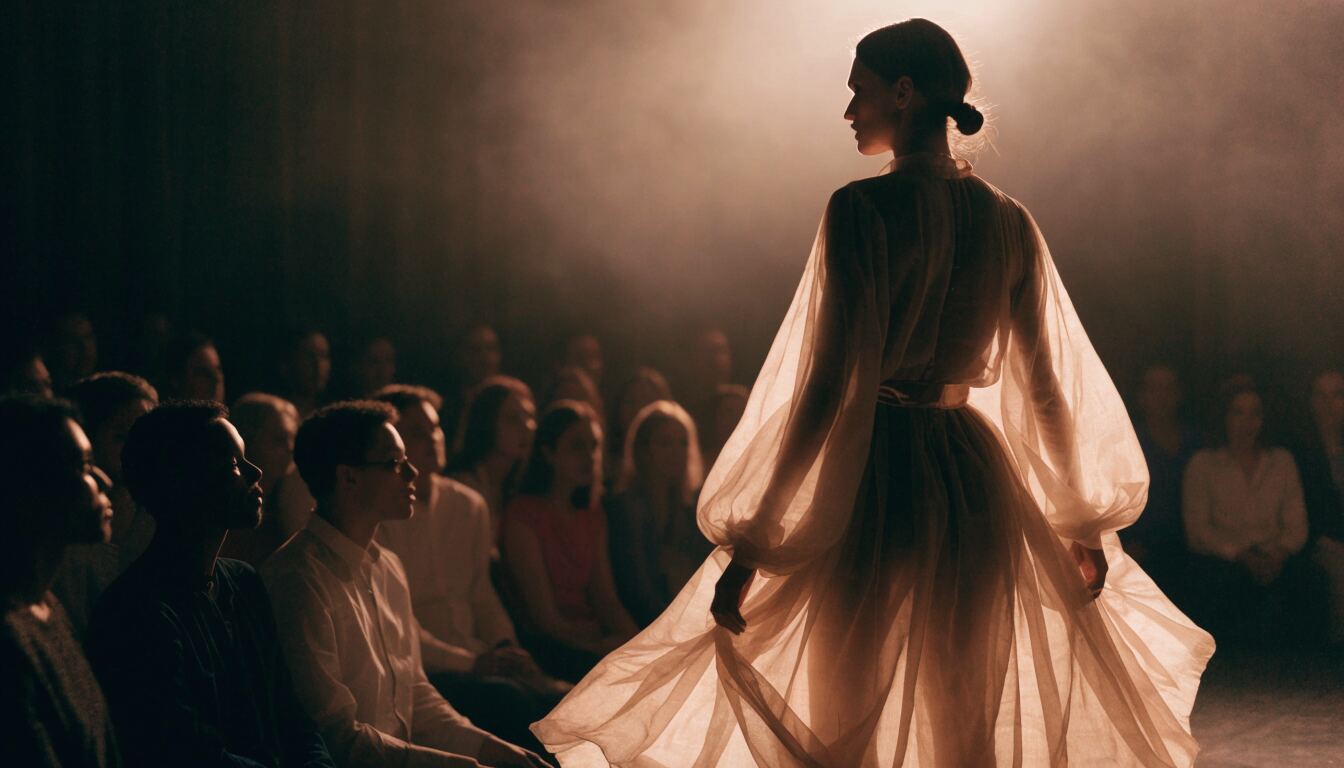
This mindset transforms the act from one of potential passivity into an active declaration of self-possession. It’s about making deliberate, conscious decisions that align with your inner sense of power and beauty. The world may offer a stage, but you are the one who writes the script, designs the costume, and decides when the curtain rises. Embracing this control is a profound act of self-love, where confidence blooms not from others’ applause, but from the integrity of your own performance.
Common Questions, Unpacked
What does exhibitionism really mean?
At its simplest, it’s the drive to show parts of the body typically kept private—like the chest, buttocks, or genitals—to an unsuspecting or consenting observer. The motivation can vary wildly: for some, it’s about the jolt of surprise or shock they can cause, while for others, it’s a deep-seated erotic charge that comes from the act of being watched during a vulnerable moment.
Are selfies a modern form of this?
Absolutely. The act of taking a photo not for social sharing, but for personal admiration, is a powerful, self-directed form of display. You might be captivated by the way a shadow traces your collarbone, or simply feel a surge of self-appreciation. In that moment, you are both the exhibitionist and the sole, adoring audience, which can be an incredibly affirming experience of your own beauty and agency.
What’s the appeal of being watched?
The reasons are as unique as the individual. A common thread is the intoxicating feeling of wielding control over the gaze of others—dictating the narrative of how you are perceived. For many, the adrenaline spike from the inherent risk is a major draw, a thrilling edge that heightens the senses. It can also function as a potent self-esteem booster, a way to physically feel attractive, desirable, and powerful in your own body.
Can this be explored in a healthy, lawful way?
Safety and legality are non-negotiable. The golden rule is consent: every person involved must be a willing participant. Ambushing non-consenting strangers in public is illegal, a violation of their peace, and ethically wrong. Healthy exploration happens in clearly defined, accepting environments. This could be a private, online community built on shared interests, a designated clothing-optional beach, or a private party where everyone has agreed to the rules of engagement. Always know the law and prioritize enthusiastic, ongoing consent.
How do these desires affect a partnership?
The impact can be seismic if not handled with transparency. When one person acts on these urges without their partner’s knowledge, it can detonate the trust at the relationship’s core. The fallout often includes confusion, a profound sense of betrayal, and deep embarrassment. It can feel like a violation of the couple’s private world, eroding the foundational layers of intimacy and mutual respect that take years to build.
Is this always a sign of insecurity?
Not at all. While a lack of self-worth can be one underlying factor for some, it’s a mistake to paint the entire experience with that brush. For countless others, it’s a journey of sexual discovery, a way to reclaim power, or an adventure in sensation-seeking. Far from being a symptom of a fragile ego, it can be a joyful celebration and a robust expression of feeling fantastic about who you are.
Embracing Self-Discovery as a Path to Confidence
Navigating the world of self-display is a complex journey that intertwines personal empowerment with relational sensitivity. The core of this exploration isn't about reckless exposure but about a mindful, consensual reclaiming of your body and your story. When approached with honesty and respect for boundaries—both your own and those of your loved ones—this path can become a profound act of self-love. It's an invitation to look inward, understand your deepest motivations, and communicate them with clarity and compassion. The ultimate goal isn't to provoke or to shock, but to arrive at a place where you feel so wholly at home in your skin that how you share it becomes a deliberate, joyful, and confident choice, enhancing rather than undermining the connections that matter most.