
Embracing the Art of Thoughtful Planning
Organizing a gathering that centers on shared, consensual intimacy with one person as the focal point is a journey that demands more than just a casual invitation list. It’s an intricate dance of logistics, emotional intelligence, and unwavering respect. The fantasy can be thrilling, but transforming it into a positive reality for everyone, particularly the individual at the heart of the experience, requires a deliberate and caring approach. This isn't about throwing open the doors and hoping for the best; it's about sculpting an environment where desire, safety, and clear communication coexist harmoniously. Let’s explore how to build such an event from the ground up, ensuring the atmosphere is charged with excitement yet anchored in profound mutual regard.
Every decision, from the initial concept to the final moments of winding down, should be filtered through the lens of comfort and enthusiastic participation. When you strip away the sensationalism, what remains is a deeply human endeavor to connect, explore, and share pleasure on clearly defined terms. The most successful events are those where the groundwork is so solid that the attendees can simply be present in the moment, trusting the framework that has been established for them. We’ll walk through the essential phases, turning a complex idea into a manageable and deeply rewarding process.
Foundations First: Crafting a Clear Blueprint
Before any venue is booked or a single invitation is sent, the foundational work must be done. This stage is entirely about introspection and explicit dialogue. It involves defining the non-negotiable parameters and the aspirational desires that will guide every subsequent step. Rushing past this phase is the quickest way to invite confusion and discomfort, so let's dive deep into what it means to build a solid, consensual blueprint.
Mapping Your Personal Landscape of Desire
The very first conversation is the one you have with yourself, or if you’re a couple, the transparent conversation you share together. What is the genuine motivation behind this exploration? It’s not just about cataloging physical acts; it's about understanding the emotional and psychological contours of the experience you’re seeking. Are you hoping for a feeling of being powerfully desired, an exploration of a specific dynamic, or the simple pleasure of orchestrating a complex, shared joy? Getting granular is invaluable. Consider creating a personal inventory that distinguishes between different levels of interest and tolerance.
Start by identifying your enthusiastic yeses—the scenarios that spark genuine excitement. Then, map out your soft limits, which are activities you might consider with the right person and under the right circumstances, but that require careful navigation and in-the-moment check-ins. Finally, rigorously define your hard limits: the absolute boundaries that are not up for discussion under any circumstance. Beyond physical acts, consider your social and environmental preferences. Do you thrive as the central focus, or do you need moments to step back and observe? What kind of energy from others makes you feel safe and open? Writing these reflections down isn’t just an exercise; it’s the creation of a personal charter for the event, a reference document for later communication.
The Power of Direct and Ongoing Dialogue
Once your internal landscape is charted, the next step is translating it into accessible, unambiguous language for others. This is a skill that requires shedding any fear of being perceived as demanding or difficult. Articulating your needs is an act of generosity to everyone involved, as it provides the clear map they need to ensure your pleasure and their own. This communication must happen well before the event, in a neutral and private setting, not in the heat of the moment. Use direct, kind, and straightforward phrasing. You might say, "For me to feel completely relaxed, I need to know that [specific act] is completely off the table, and here’s what I’d love to experience instead."
It’s equally vital to establish that consent is a continuous, dynamic state, not a one-time contract. An agreement made days earlier can be withdrawn in an instant, and that withdrawal must be met with immediate, gracious acceptance. Check in with simple, non-pressuring questions: "How are you feeling right now?" or "Is this still good for you?" Learning to gracefully receive a "no" or "let's pause" is just as important as articulating your own boundaries. This creates a culture of psychological safety where everyone can be fully present, knowing their voice will be heard and honored without drama or resentment.
Honoring the Central Person's Authentic Vision
In a dynamic where one person is the focal point of multiple partners' attention, there is a unique responsibility to ensure their desires are the guiding star. A common pitfall is the gap between a fantasy entertained in the mind and the reality of a physical, multi-person experience. What feels empowering in theory can quickly become overwhelming in practice. It is the role of a good host and respectful participants to create space for the central person to express these nuances honestly. They may want a high-energy, physically intense experience, or they may desire a more sensual, slow-paced connection with each individual present.
Probe gently: "What does your ideal version of this look and feel like? What would make you feel the most celebrated and safe?" Listen for what is not said as well as what is spoken. Their comfort should be the barometer by which the entire event’s success is measured. A positive experience is not about performing for an audience or fulfilling a checklist of acts; it is a co-created journey where the central person’s pleasure and emotional security are paramount. Any pressure to conform to a predetermined script must be consciously dismantled, replaced with a fluid, responsive approach that adapts to the lived moment.
Designing the Environment: From Location to Ambiance
With the human blueprint in place, attention turns to the physical world. The space where the gathering unfolds is far more than a backdrop; it’s an active participant that shapes the mood, flow, and overall safety of the event. Selecting and preparing a location is a tangible expression of the care you’re investing in the experience. Every detail, from the width of a walkway to the softness of a towel, sends a message about the kind of atmosphere you intend to cultivate.
Selecting a Venue That Serves the Vision
The choice of location must directly correspond to the scale and tone of your gathering. For a smaller, deeply intimate circle, a well-appointed hotel suite can offer privacy, neutrality, and luxury. When considering this option, think about how to manage the logistical burden. A collaborative approach where guests might contribute by covering the room cost or bringing refreshments can build a sense of shared investment, but always navigate this with discretion and an awareness of local regulations. For a larger, more expansive event, a dedicated lifestyle club often provides the most robust infrastructure. These venues are purpose-built for group interactions, with staff experienced in maintaining a safe, clean, and respectful atmosphere. A club setting inherently removes the host’s burden of managing the property and often provides support staff, allowing you to focus on the social and emotional dimensions of the event.
Curating a Space for Comfort and Ease of Movement
Once the venue is secured, the art of preparation begins. The goal is to create a space that feels both inviting and functional. Visualize the flow of the evening. How will people move from a social area to a play area? The layout should minimize awkwardness and maximize comfort. Remove or reposition furniture that could become an obstacle or create a sense of clutter. A spacious, open floor plan is often ideal for group dynamics, allowing for various configurations without participants feeling boxed in. Think about creating distinct zones: a soft, well-lit area for conversation and connection; a dedicated, easily cleanable space for play with all necessary supplies within arm’s reach; and a quiet cooldown corner with water, light snacks, and a place to simply sit and breathe. The atmospheric elements are powerful tools. Use dimmable, warm lighting to create a flattering and relaxing glow. A carefully curated, instrumental music playlist can provide a consistent emotional undercurrent, smoothing over silences and cultivating a shared rhythm without dominating conversation.
Stocking the Sanctuary with Essentials
The difference between a good event and a great one often lies in the thoughtful provisioning of practical supplies. This is a non-negotiable aspect of responsible hosting. High-quality lubricant and an ample variety of condoms, including non-latex options, should be placed in multiple accessible, discreet locations. Never assume a venue will have your preferred brands; personally curate this kit. Similarly, have a generous supply of clean, soft towels, a few absorbent waterproof throws for protecting surfaces, and easily accessible disposal bins. Hygiene is a silent communicator of care. Beyond safer sex supplies, think about comfort boosters. A selection of hydrating drinks and light, non-messy finger foods kept in a separate area helps maintain energy without disrupting the play space. Having a range of sanitized toys displayed artfully can serve as a wonderful icebreaker, sparking conversation and offering visual suggestions without verbal pressure. Being impeccably prepared allows everyone to relax, knowing that their physical needs have been anticipated and met.
The Art of Gathering: Curating Your Participants
The energy of your event is a direct reflection of the people in the room. Therefore, populating your guest list is arguably the most critical task you will undertake. This process transcends simple invitation; it is a careful act of curation, assembling a group of individuals whose presence will enhance safety, respect, and collective pleasure. A poorly chosen attendee can disrupt the delicate ecosystem you’re working so hard to build, while a perfectly matched group creates a symphony of positive energy.
Extending Invitations with Clarity and Intention
How you ask is as important as who you ask. Vague, open-ended invitations are a recipe for mismatched expectations. Instead, craft your invitation as a precise and honest description of the evening’s spirit. For private gatherings, leverage your trusted network of individuals known for their emotional intelligence, communication skills, and respectful nature. Your invitation might read: "I'm organizing a private, curated evening focused on a shared, consensual exploration centered around one person's experience. I'm seeking a few open-minded and articulate individuals who are deeply comfortable with clear boundaries and group dynamics. The priority is a connected, safe, and genuinely celebratory atmosphere."
This language immediately signals the level of intentionality required. It filters out those seeking a casual, unstructured encounter and attracts those who are excited by the prospect of a thoughtfully designed experience. For clubs, this means tapping into a vetted membership base, perhaps starting with a private invitation to known regulars who consistently demonstrate the values you're prioritizing. Be upfront about the nature of the gathering and the non-negotiable rules that will govern it. Early, transparent communication sets the stage for effortless adherence later on.
A Thorough Vetting Process Is Your Best Safeguard
A screening process is an act of profound care for every guest, not a sign of distrust. It is the mechanism that transforms a hopeful concept into a secure reality. This should be a calm, conversational, yet thorough exploration of a potential participant's mindset. The goal is to gauge their authentic understanding of enthusiastic, ongoing consent, their ability to articulate their own limits, and their genuine respect for the limits of others. A brief, informal chat or a thoughtfully designed questionnaire can cover essential ground.
Inquire about their past experiences in similar settings, not as a judgment, but to understand their comfort level and self-awareness. Ask them to describe a time they navigated a boundary successfully. Pose hypotheticals: "How would you respond if the central person decided to pause all activity mid-scenario?" Their answer should be immediate, gracious, and free of any hint of disappointment or pressure. Listen to your intuition as much as their words. if someone seems evasive, overly theoretical, or communicates a sense of entitlement, it is perfectly acceptable to decline their participation with a polite, non-negotiable statement. Preserving the container of safety you’re building is always the priority over filling a spot."
Mastering the Numbers for an Optimal Dynamic
A chaotic, overcrowded room is the enemy of a safe and pleasurable group experience. Finding the right ratio of participants is a crucial logistical and energetic calculation. The focus should be on quality of interaction, not quantity of bodies. For a scenario with one central person, too many attendees can create a sense of pressure, reduce individual connection, and make it harder to monitor everyone's well-being. A smaller, carefully selected group allows for a more relaxed pace, where interactions can be more meaningful and less transactional.
A flexible guideline might be to aim for a group of three to five participants per central person, but this is highly dependent on the specific dynamic and the desires expressed during the planning phase. it's wise to have a short list of trusted backup individuals who understand their role is to be on standby. Life happens, and last-minute cancellations can unbalance a carefully planned ratio. Having flexible, understanding backups allows you to adapt without stress. Managing the numbers isn't about restriction; it's about engineering an environment where the central person can feel profoundly attended to, not overwhelmed, and where every participant has the physical and psychological space to engage fully and respectfully.
Guiding the Live Experience with Grace
When the evening arrives and the carefully selected guests are present, the role of orchestration begins. This is not about rigidly directing the action, but about mindfully guiding the energy, tending to the atmosphere, and being a guardian of everyone's comfort. The goal is to hold the space so securely that the participants, especially the honored central figure, can lose themselves in the experience, knowing a safety net is expertly woven around them.
Assigning Roles for a Seamless Flow
Designating a few key roles can transform a potentially chaotic situation into a smoothly flowing event. The host, or a designated, trusted co-host, acts as the primary energy monitor. Their function is to subtly scan the room, not as a voyeur, but as a guardian. They notice body language, sense shifts in energy, and step in to offer a glass of water, a fresh towel, or a quiet word before anyone has to voice discomfort. This role requires high emotional intelligence and the ability to intervene with such discretion that it feels like a natural part of the evening's rhythm. Another person might be the logistics lead, ensuring supplies are perpetually restocked and the music remains a perfect, understated complement. The participants, in turn, have a clear role: to be present, respectful, and attuned to the central person's cues and the boundaries that were established. When everyone understands their part, the collective experience becomes a graceful, collaborative dance.
Weaving an Atmosphere of Enchantment and Security
The sensory environment is the silent conductor of the evening's mood. Scent can be a powerful, often overlooked tool; a subtle, non-overpowering essential oil diffuser with a calming or grounding scent like sandalwood or vanilla can add a layer of olfactory comfort. The tactile environment matters just as much. Ensure the play area is layered with soft, inviting textures—plush blankets, velvety throws—that signal luxurious comfort. The transition from socializing to intimacy should feel organic, not jarring. This can be facilitated by having a designated "no-play" social zone where attendees can converse, connect, and calibrate before moving into the more focused space. This allows everyone to acclimate at their own pace, building a foundation of social comfort that enhances the later physical connection. The goal is to craft an environment that feels both alive with possibility and profoundly safe, a sanctuary where vulnerability is met with unwavering respect.
Maintaining Vigilant, Non-Intrusive Oversight
The commitment to safety is a continuous, active process that doesn't end once the event begins. The designated monitors must practice a form of relaxed vigilence. This means being consistently aware without being overbearing. A simple, pre-arranged system of non-verbal signals can be a lifeline. A specific hand gesture, a certain phrase, or even direct eye contact with a monitor could mean "I need a moment to pause," or "Please check in with me." The response to such a signal should be swift, calm, and utterly free of drama. The monitor might gently guide the person to the quiet cooldown area, offer a hydrating drink, and ask open-ended questions like, "How is your heart doing right now?" The intervention is always framed as support, never as a disruption. The aim is to resolve a flicker of discomfort before it becomes a flame, ensuring the evening’s positive momentum is maintained through a foundation of deeply attentive care.
Preparing for a Group Encounter
Before diving into a group experience, the most vital step is having an honest conversation with your partner. This isn’t just a quick chat—it’s about deeply understanding what the central person desires and where their comfort zone ends. Take time to map out specific boundaries together, like what activities are welcome and what’s off-limits. Writing these down can help avoid misunderstandings later. Also, discuss emotional check-ins: how will you signal if someone needs a pause? This groundwork builds trust and ensures everyone enters the event with a shared vision, making the whole adventure smoother and more enjoyable.
Selecting Suitable Participants
The people you invite can make or break the atmosphere. Prioritize individuals you already know and trust, or those who come with solid recommendations from the lifestyle community. A thorough screening process is essential—arrange brief video calls or meet-ups to gauge their personality and confirm they respect boundaries. Ask about their past experiences and observe how they communicate; a respectful, open demeanor is a green flag. Start with a modest guest list to keep things manageable, especially if you’re new to this. A smaller group allows for easier coordination and a more intimate, relaxed vibe where everyone can stay attuned to the central person’s cues.
Crafting the Ideal Setting
The environment plays a huge role in shaping the experience. For a private gathering, a spacious hotel suite with multiple areas can work wonders—think about clear pathways and cozy spots for breaks. However, dedicated social clubs are often a top choice because they’re designed with these dynamics in mind, offering discreet rooms, proper equipment, and staff who understand the flow. Whichever venue you pick, focus on practical details: stock plenty of fresh towels, ensure condoms and lubricant are within arm’s reach everywhere, and set lighting that’s flattering but functional. A well-organized space reduces stress and helps everyone stay present in the moment.
Prioritizing Safety and Comfort
Keeping everyone safe is non-negotiable. Beyond having a generous supply of barriers and lubricants, establish a clear non-verbal signal—like a specific hand gesture or a word that’s easy to remember—that anyone can use to halt activities instantly. Assign a supportive coordinator to oversee the scene; this person isn’t a participant but a guardian, watching for signs of discomfort and ensuring rules are upheld. They can also manage practicalities, like refreshing supplies or guiding late arrivals. Regular check-ins, even just a quick thumbs-up, help maintain a caring atmosphere where everyone feels protected and heard.
Roles and Flow During the Event
In this setup, the lady takes the lead as the focal point, setting the pace and directing interactions based on her comfort and curiosity. A designated facilitator keeps the background humming—they’re the ones monitoring energy levels, enforcing boundaries, and stepping in if anything feels off. The other participants are there to elevate her pleasure, following her guidance with attentiveness and respect. This structure isn’t about rigid rules; it’s a fluid collaboration where clear roles help everyone relax into the experience without guesswork or awkwardness.
Winding Down and Reconnecting
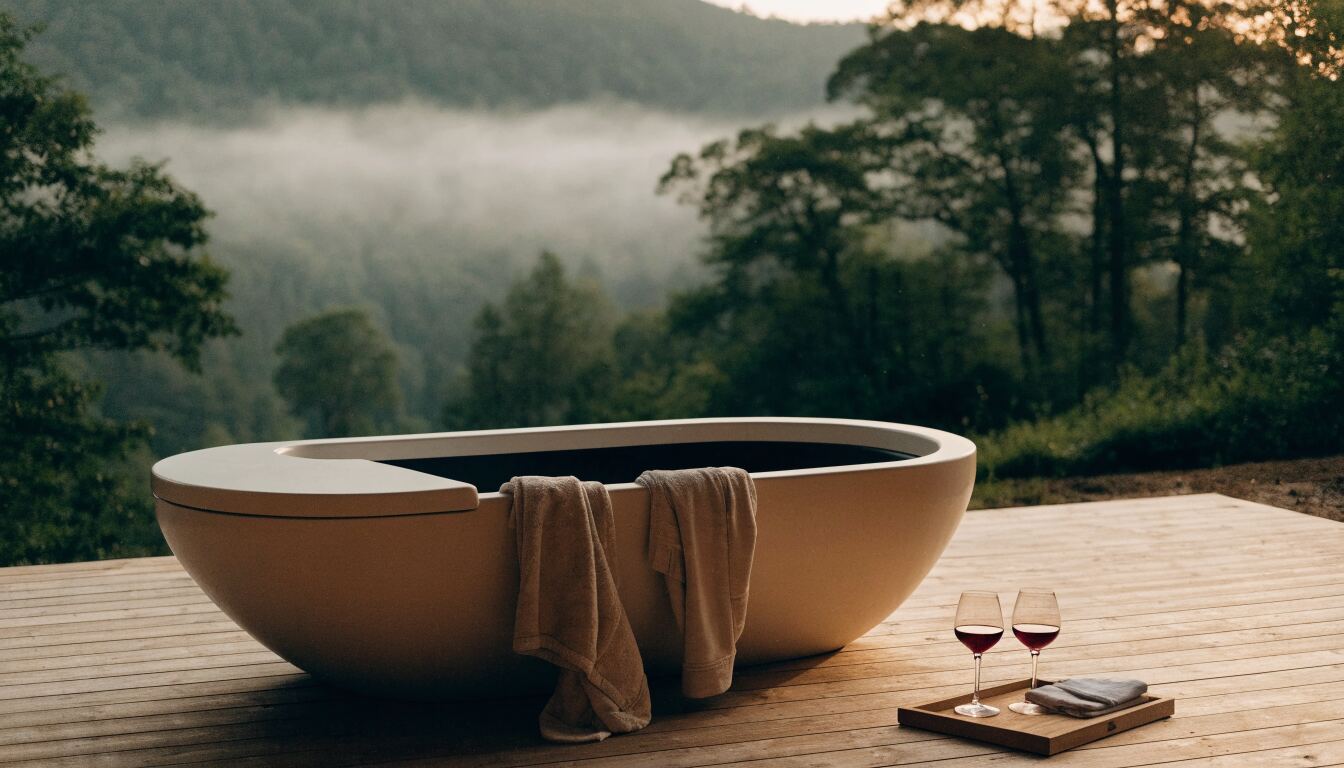
Once the event concludes, immediate tidying up is a practical must—dispose of used items, air out the space, and offer refreshments. But the deeper work comes later, when couples turn inward. Plan a quiet ritual to reconnect: share a warm bath, eat a favorite meal together, or simply cuddle and talk through your feelings. Acknowledge what felt exciting or vulnerable, and reaffirm your bond. This emotional aftercare is as crucial as the event itself, transforming a shared adventure into a lasting source of closeness and understanding.
Final Thoughts
Navigating a group scenario with grace comes down to preparation, communication, and care. By choosing the right people, crafting a thoughtful space, and honoring both physical safety and emotional well-being, you create a foundation for a positive, memorable encounter. Remember, the goal is mutual enjoyment—when everyone’s needs and limits are respected, the experience can be exhilarating and deeply fulfilling for all involved.