A Different Kind of Shared Adventure
Adding something new to your intimate repertoire can feel like stepping into uncharted territory. The curiosity is real, but so is the hesitation. With electrostimulation, the questions often circle around control, comfort, and whether both people will genuinely enjoy the experience. Many partners wonder if they can even try it without someone feeling pressured or overwhelmed.
The encouraging reality is that there is no requirement to push boundaries early on. When the focus shifts to attentive communication, small gradual adjustments, and truly seeing each other's reactions, this kind of sensory play can actually strengthen the bond between you. It becomes less about the device and more about the dialogue it creates. The insights that follow are drawn from couples who have approached the process with patience and presence, discovering that the most satisfying sessions are built on curiosity rather than intensity.
Why Beginning Gently Changes Everything
One of the smartest moves you can make is to start at a level that feels almost imperceptible. The numbers on a screen tell you very little about how a current will translate into physical sensation on different areas of the body. By beginning at the lowest possible setting, you remove the invisible pressure to perform or to achieve a specific outcome right away.
Imagine a first session filled with quiet questions like, "Is that even on?" followed by shared laughter. That playful, low-stakes atmosphere is invaluable. It allows both people to identify a neutral baseline together, learning how the equipment behaves on their unique skin without anyone suddenly tensing up or pulling away. This is particularly useful for couples who are already navigating other new dynamics in their relationship, whether that involves honest talks about opening up or simply incorporating a fresh shared interest. When the initial goal is pure exploration, relaxation follows naturally. There is no unspoken rule that a higher number equals a better connection. The real objective is simply mapping out what feels pleasant, what feels neutral, and where the line of "too much" currently sits.
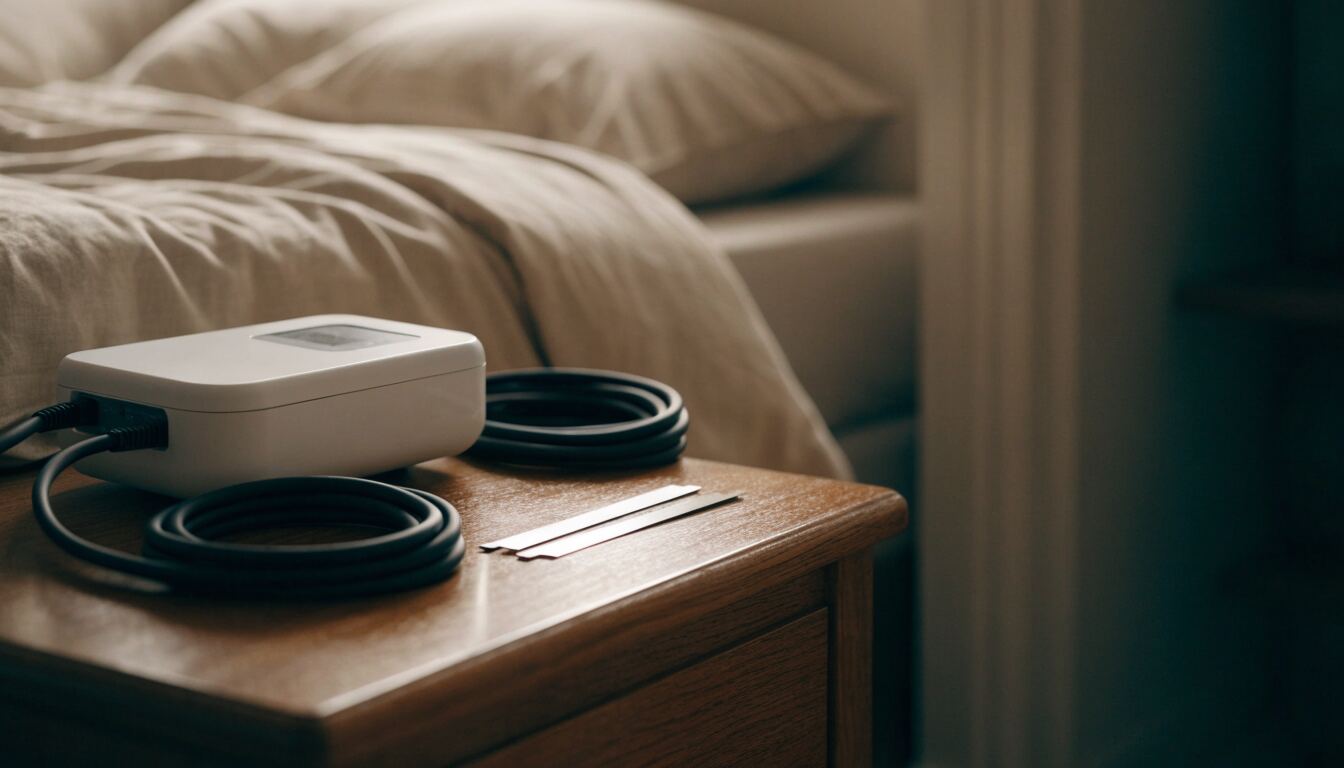
Give yourselves explicit permission to let that first encounter be wonderfully uneventful. Dedicate time just to noticing the device's rhythm, the placement of any attachments, and how your individual body responds. Familiarity breeds confidence far more effectively than chasing a thrill does.
Tuning Into the Subtle Language of the Body
Recognizing when a sensation is starting to tip from enjoyable into uncomfortable is a skill that sharpens over time. Waiting until a clear spike of pain registers is often a missed opportunity; the body usually sends quieter signals well before that point. A muscle might stiffen imperceptibly, a previously relaxing hum might start to feel like an annoyance, or one person might simply become very still.
A common trap is the belief that a setting is fine as long as it doesn't technically hurt. This logic overlooks the entire purpose of the experience. If a thought like "I wish this were a notch lower" drifts through your mind, that thought alone is a perfectly valid reason to dial it back. The session is meant to be a source of pleasure or intrigue, not a test of endurance. Paying attention to these early whispers is a profound way to practice mutual care. It minimizes the chance that someone will suppress their own comfort out of a sense of politeness or a desire not to disrupt the flow. In any form of partnered exploration, this habit of early, gentle correction safeguards the emotional safety that makes deeper exploration possible.
Even when one person is entirely in charge of the controls, the same rule applies. Comfort is fluid, not fixed. A setting that felt wonderful several minutes ago may have subtly shifted in its effect. Staying continuously aware, rather than relying on a single "good?" at the very beginning, keeps the moment connected and responsive.
Making Communication the Main Event
Conversation isn't just a prelude to the activity; it is the very framework that holds the experience together. When one partner operates the controls, it's remarkably easy for assumptions to fill the silence. Couples who find genuine ease with this practice learn to eliminate guesswork completely. They check in actively, and they also learn to offer feedback unprompted.
Short, clear phrases become the most powerful tools: "Keep it right there," "A tiny bit lower," or "Let's pause for a moment." This kind of instant signaling frees both people from the exhausting task of trying to read a partner's mind. As many have noted, that direct clarity paradoxically makes the entire encounter more relaxed. There is no mystery to decode. This straightforward way of communicating has a beautiful ripple effect. Partners who become fluent in these low-stakes, in-the-moment check-ins often discover that discussing boundaries, secret desires, or limits in other areas of their intimate life becomes significantly easier. The simple skill of stating a need without a lengthy preamble builds an unshakeable foundation of trust.
It's vital that both individuals view communication as a shared project. The person on the receiving end can commit to speaking up early and often. The person with the device can make a habit of inviting feedback regularly. Before long, this exchange feels as natural as breathing.
Knowing When to Turn the Dial (and When Not To)
There is no universal timeline that dictates when you should increase the power. The only reliable compass is sustained, relaxed comfort. If a particular level has been consistently pleasant for a while and both bodies remain soft and at ease, you might make a single, tiny increment—and then simply wait and observe the response.
One of the most common revelations is just how significant a small adjustment can feel. There is no trophy for reaching a certain digit on the display. Some evenings, the gentler settings will simply resonate more deeply, and that represents a total success. Reframing intensity as an optional flavor rather than a ladder to climb immediately dissolves performance anxiety. It also keeps your attention anchored in the actual sensation instead of some abstract goal of "progress." When couples adopt this easygoing mindset, they tend to play more freely because the emotional stakes feel so much lower.
Playing with Patterns Before Power
Power is only one dimension of the experience. The rhythm or pattern of the current can transform the feeling just as dramatically, often without requiring any increase in strength at all. A continuous, steady signal can feel entirely different when it shifts into a rolling wave or a gentle pulse, even while staying within the exact same intensity range.
Many duos stumble upon this realization later than they might have hoped. The initial impulse is nearly always to reach for the intensity dial. Yet once they start exploring the device's pattern modes while remaining inside a window of power that already feels safe and good, a whole new landscape of variety opens up. This approach makes it far easier to linger in settings that are already confirmed as enjoyable. For anyone hoping to keep sessions fresh and engaging over the long term, experimenting with different rhythms offers a gentle way to introduce something new. It also perfectly aligns with the philosophy of small, reversible changes. If a new pattern doesn't land quite right, switching back to a trusted favorite is immediate and effortless.
The Art of Pacing a Longer Session
During initial explorations, there is a natural tendency to keep nudging the level upward because it feels like the obvious direction to go. But sensation accumulates, and what was pleasant can gradually build into a wall of "too much." Seasoned couples learn the counterintuitive trick of deliberately reducing the intensity or taking a complete break before that point arrives.
A short reset, even just thirty seconds of stillness and conversation, can make a familiar sensation feel crisp and noticeable again when you return to it. This shifts the focus away from chasing the next incremental bump and toward genuinely feeling what is happening in the present moment. This kind of thoughtful pacing is what allows a longer session to remain a source of pleasure rather than becoming a fatiguing marathon. The same concept applies to your emotional cadence. Pausing to share a laugh, to get a glass of water, or simply to lie quietly together keeps the overall arc connected and human. When you treat the session as an ongoing conversation between your bodies and the device, rather than a steep climb toward a finish line, the enjoyment naturally stretches out and deepens.
Keeping Your Foundation of Safety Solid
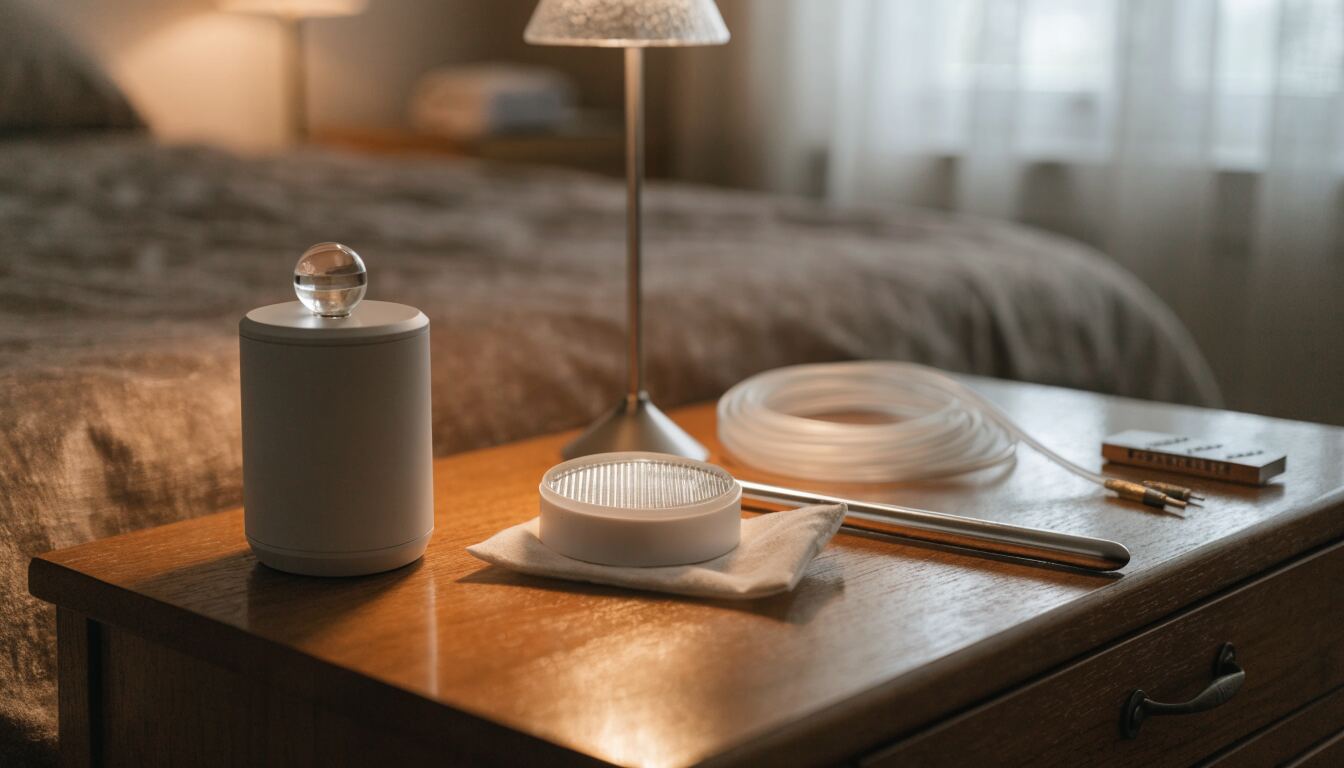
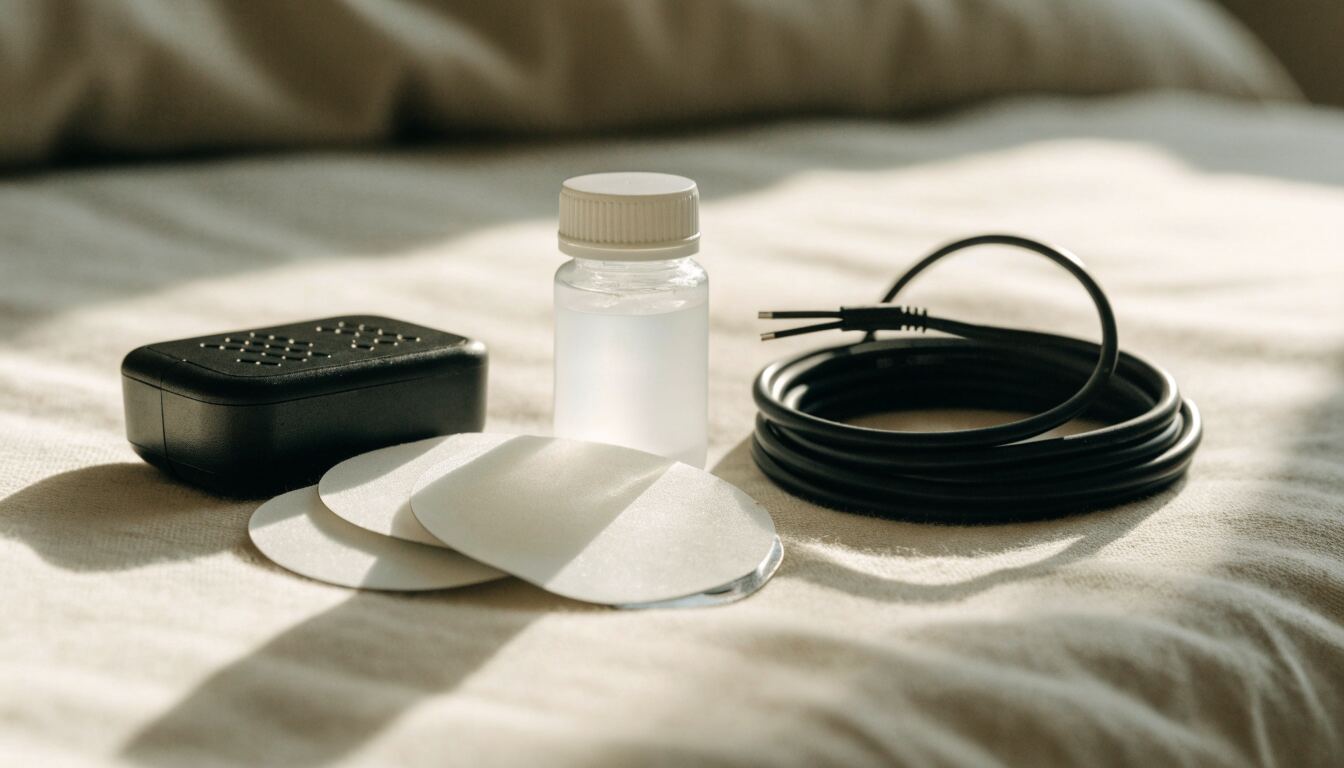
As familiarity grows, it is human nature to become slightly more casual with routines. Yet couples who continue to enjoy this practice over months and years are the ones who keep certain habits firmly in place: inspecting the equipment before use, cleaning the skin and any conductive surfaces properly, following placement guidelines carefully, and speaking up at the very first sign of a sharp, hot, or scratching sensation.
One particularly protective agreement is deciding in advance that calling a stop requires zero justification in the heat of the moment. Any reason is a good reason. The processing and discussion of what happened can wait until you are both fully grounded again. This single, simple rule slashes through hesitation and makes both people far more willing to explore, secure in the knowledge that an immediate halt is always available and will be met with total respect. These safety rituals don't fade with experience; they actually become more refined. Expertise doesn't breed carelessness—it sharpens your attention to detail.
Core Principles to Remember
- Start at the very lowest setting and frame your first session as pure discovery, not a performance.
- Watch for the early messengers of discomfort—a subtle tensing, a shift from pleasure to irritation—and adjust the dial before pain enters the picture.
- Let communication flow continuously using short, simple language and frequent, unprompted check-ins from both sides.
- Only consider increasing intensity after a setting has proven comfortable for a sustained period, and make those increases in the smallest possible increments.
- Experiment with different pulse rhythms inside a familiar power zone before deciding to turn the level up.
- Weave deliberate pauses and resets into longer sessions so the sensations remain engaging rather than overwhelming.
- Make safety practices specific and automatic: inspect your gear, clean surfaces properly, and stop immediately for any burning or sharp feeling.
- Agree beforehand that stopping needs no explanation in the moment.
- Measure success by shared comfort and curiosity, not by the number on the dial.
- Allow confidence to grow through repeated, gentle exposure, not through pushing past edges.
Finding Your Own Rhythm
Electrostimulation doesn't need to be dramatic to be deeply meaningful. When two people commit to starting low, staying in constant dialogue, and letting the body's honest feedback lead the way, the entire experience transforms into a practice of mutual attentiveness. The couples who speak about it with the most ease are invariably the ones who stopped treating a higher setting as the goal and started treating comfort and connection as the entire point.
If you are intrigued but nervous about getting it "right," offer yourselves the grace to keep those first few sessions quiet, slow, and investigative. Talk more than you think is necessary. Notice what feels genuinely good, what feels simply neutral, and what you would instinctively prefer to turn down. Over time, the familiarity you build will become your deepest source of confidence. Whatever shape your intimate world takes—whether it is deeply private or involves a wider circle of trusted connections—the habits of transparent communication, respect for early signals, and shared command over the experience will enrich every corner of it. Begin exactly where you are. Fine-tune as you go. Allow the whole journey to unfold at a pace that keeps both of you completely present and entirely at ease.