Why Couples in Solid Relationships Consider Gentle Exploration
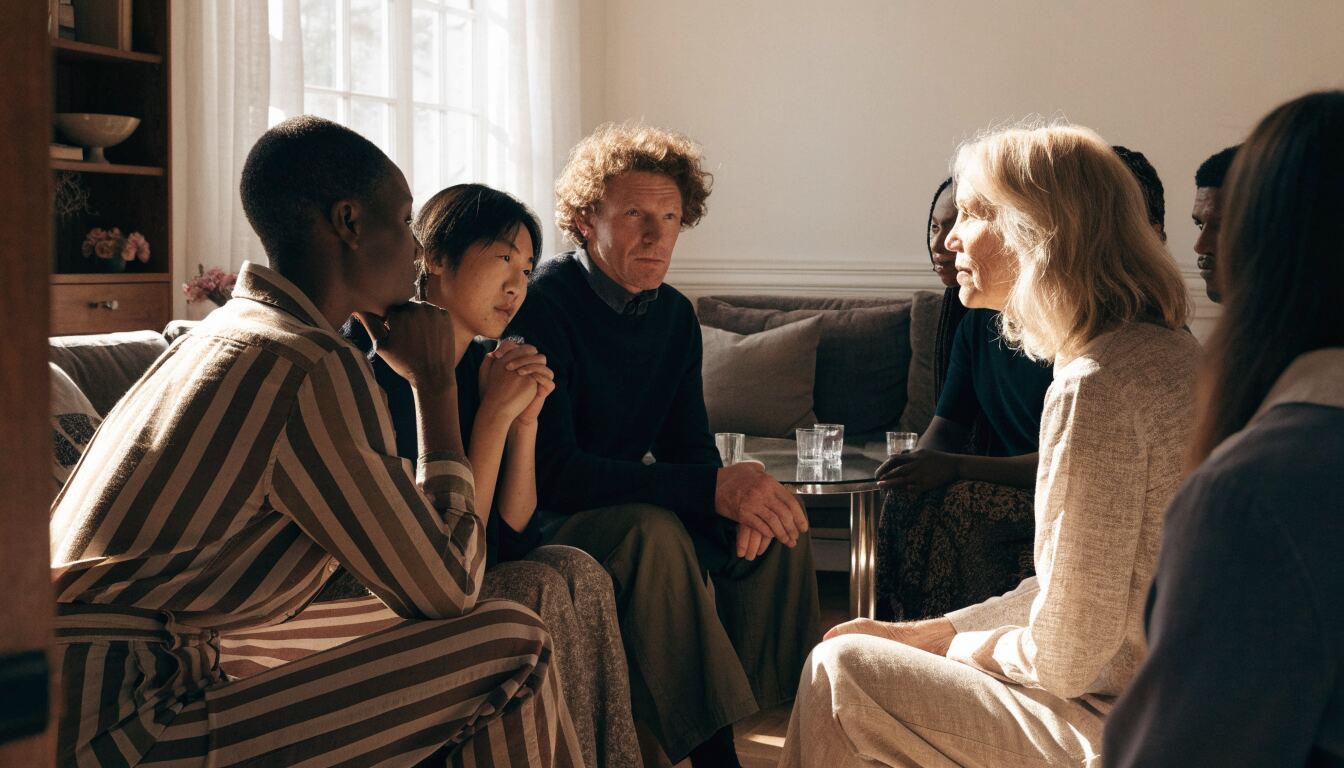
When people imagine couples opening up their relationship, they often picture a frantic search for novelty or a last-ditch effort to save something broken. The reality, for many, is strikingly different. Partners who have built years of trust and shared history sometimes arrive at a mutual curiosity: what if we explored a softer side of non-monogamy together? This isn't about escaping each other. It's about co-creating a fresh chapter, one where vulnerability and discovery deepen what already exists. The appeal goes far beyond physical sensation. It rests in the shared glance across a room, the nervous laughter during a first conversation with new people, and the quiet debrief on the drive home. Those moments often become the real treasure.
For long-term pairs, the daily rhythm can feel predictable in both comforting and, at times, stifling ways. Introducing gentle exploration—where the focus stays on sensual connection rather than full intercourse—can reignite a sense of teamwork and adventure. It shifts the perspective from "you and me" to "us, experiencing something together." Many describe a renewed appreciation for their partner's desires, quirks, and even insecurities. Seeing your spouse through someone else's eyes, even briefly, can remind you of qualities you started taking for granted. The journey often strengthens the primary partnership precisely because it demands such intentional focus on what you two are building.
It's rarely about chasing a missing piece. Instead, it's about adding a new dimension to a foundation that already feels secure. The physical element is just one thread in a larger fabric woven from emotional honesty, mutual encouragement, and the thrill of a joint secret. Couples who thrive here treat the lifestyle as a project they manage together, with regular check-ins, shared goals, and plenty of room for clumsy moments. They learn that desire is not a finite resource but something that can expand when nurtured with care and curiosity.
Building a Framework of Honest Dialogue and Shared Limits
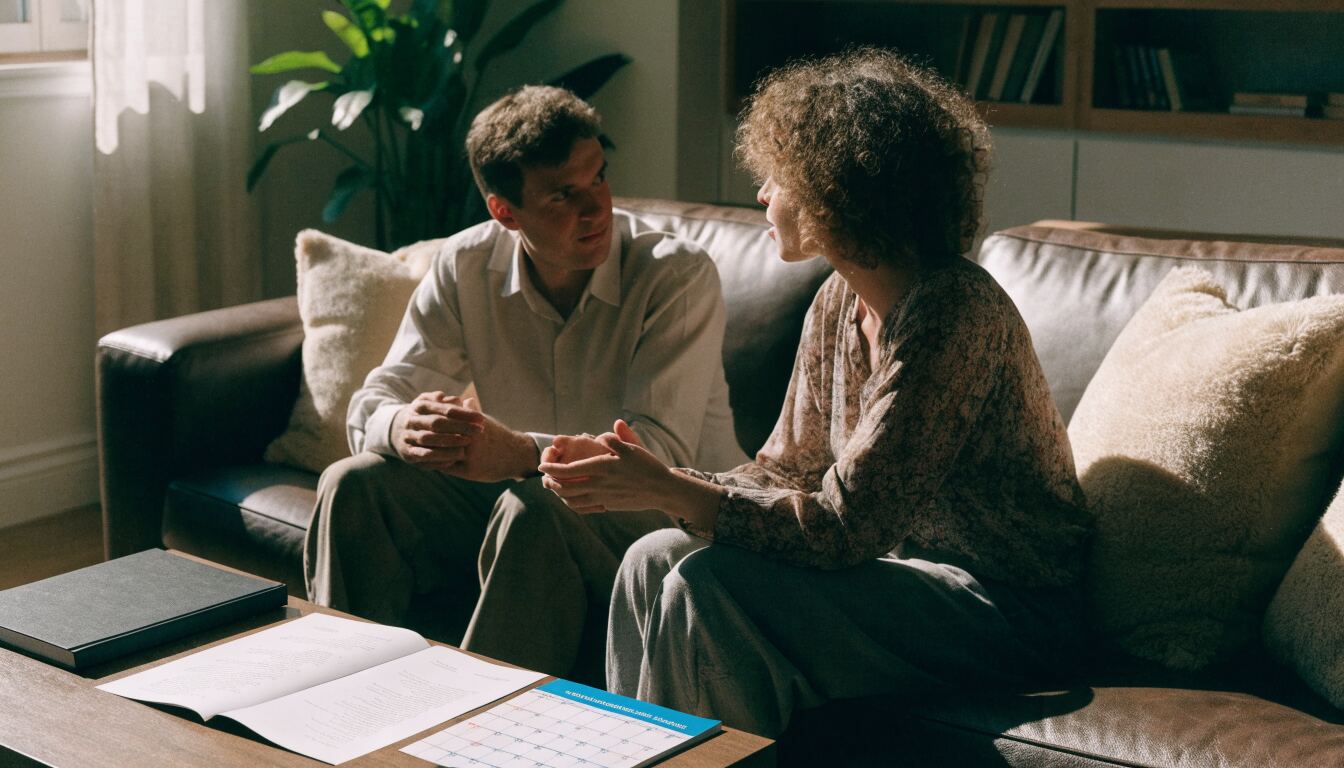
Before any plans take shape, the real work begins at the kitchen table or during long walks. Talking through what you each imagine, fear, and hope for is the only solid ground on which to stand. These aren't one-time chats. They evolve over weeks or months, often revealing layers neither partner expected. A crucial misstep many make is assuming they already know their spouse's boundaries. Assumptions lead to hurt. Explicit, repeated conversations lead to clarity.
Start with broad questions: What does "soft" mean to each of you? For one person, it might mean kissing and light touching only. For another, it could include oral contact but nothing further. Neither definition is wrong, but both need to be voiced. Then narrow down specifics. Some couples even create a visual chart or shared document listing what feels green-lit, what's yellow (needs more discussion), and what's firmly red. This isn't about restricting fun; it's about creating a container where fun can happen safely. When everyone knows the edges of the sandbox, play becomes more relaxed.
Key Areas to Address Together
- Emotional proximity: How much ongoing connection with others feels comfortable? Are ongoing friendships encouraged, or do you prefer single, contained encounters? Talk about what happens if feelings begin to stir.
- Physical parameters: Be granular. Is sensual massage okay? What about certain types of touch? Clarity prevents in-the-moment confusion and later resentment.
- Practical logistics: Where can these experiences happen? Are hotels best, or could a guest room work if kids are away? What times of the week or month feel manageable given work and family commitments?
- Health and safety protocols: Even with lower-risk activities, discuss what precautions you both want to take. This includes regular testing, open conversations with any other participants, and agreements about what you'll do if a boundary is crossed.
- Privacy and disclosure: Who in your social circle, if anyone, gets to know? Some couples value complete discretion; others find a trusted confidant makes processing easier.
These talks will likely stir up unexpected feelings. One partner might feel a wave of jealousy just imagining a hypothetical. That's not a sign to stop; it's valuable data. Sit with it. Ask gentle questions: What specifically feels threatening? Is it a fear of being left out, of not feeling special, or something else? Often, naming the exact worry robs it of its power. Couples who navigate this well learn to welcome these emotional signals as guideposts, not roadblocks. They build a shared vocabulary for discussing discomfort without blame.
Regular check-ins after any experience are just as vital. A Sunday morning coffee ritual where you both share one thing that felt good and one thing that felt wobbly can prevent small fissures from becoming cracks. The goal isn't perfection but a living, breathing agreement that adapts as you both learn.
Weaving Exploration into the Fabric of Everyday Life
One of the most grounding realizations about soft swinging is that it doesn't exist in a vacuum. The couple who explore on a Saturday night are the same couple who pack school lunches, navigate aging parents, and meet work deadlines on Monday morning. Integrating this dimension requires a kind of logistical tenderness that rarely gets depicted in sensational stories. It's about recognizing that the lifestyle is an addition to your life, not a replacement for its foundations.
Many find that scheduling becomes a surprising act of care. Rather than spontaneous chaos, they carve out specific windows—a weekend afternoon every other month, an evening when the kids are at grandparents'. This might sound unromantic, but it actually protects the experience from the constant interruption of daily duties. It signals to both partners that this exploration matters enough to plan for. Inside those windows, phones are set aside, work emails ignored, and attention turned fully toward each other and the experience at hand.
Balancing careers and personal ambitions alongside the lifestyle takes conscious effort. A partner pursuing a creative project or a demanding job still needs space for that individual identity. The lifestyle shouldn't consume all available emotional energy. In fact, maintaining outside passions often makes the exploration richer because each person brings a full, interesting self to the table. Support each other's solo endeavors as fiercely as your shared ones. Celebrate a work promotion with the same enthusiasm you'd bring to a successful new encounter. This keeps the relationship from becoming too enmeshed or defined solely by swinging.
Family remains a central anchor. Couples with children often find that their commitment to protecting their kids' sense of stability shapes how they engage with the lifestyle. Discretion isn't just about privacy; it's about preserving a safe, predictable world for young ones. This means careful vetting of when and where, and a mutual agreement that the family unit's wellbeing always comes first. Many parents report that the communication skills they sharpen through swinging actually improve their co-parenting and family dynamics, as they become more adept at discussing hard topics with grace.
Practical Strategies for Juggling Responsibilities
- Designate a shared calendar: Mark not just the exploration dates but also one-on-one reconnection time, family events, and individual hobby slots. Visualizing the week helps prevent overcommitment.
- Create transition rituals: After an experience, have a small ritual to return to everyday mode—a shower together, a cup of tea, or simply lying in bed talking about non-lifestyle topics. This helps compartmentalize without disconnecting.
- Check energy levels: Before accepting an invitation or planning a meet-up, honestly ask each other: Do we have the emotional bandwidth this week? Sometimes the most loving choice is to postpone.
The Inner Journey: Personal Growth and Emotional Stirs
Beyond the logistics and boundaries lies a deeply personal terrain. Exploring softer forms of non-monogamy acts almost like a mirror, reflecting back aspects of yourself you might have ignored. Some discover a well of confidence they didn't know existed, finding a new voice in expressing what they want. Others encounter insecurity they thought they'd long outgrown, rising unexpectedly in a moment of watching their partner laugh with someone else.
This emotional turbulence isn't a sign of failure. It's the raw material of growth. When jealousy surfaces, it often carries a hidden message: Maybe I need more reassurance right now. Maybe I'm tired and overstimulated. Maybe there's an old wound this is poking. Learning to decode these signals rather than act on them impulsively is a skill that strengthens with practice. One helpful technique is the "pause and name" method: when a strong feeling arises, pause whatever is happening, name the emotion silently to yourself, and then choose a response rather than reacting. Share it with your partner later, not as an accusation but as a piece of data: "I noticed I felt a twinge when I saw you two dancing. I think I just need a hug and some eye contact."
Many couples find that facing these inner challenges together creates a bond that feels almost bulletproof. You've seen each other at your most vulnerable, handled it with care, and come through the other side. That shared history of navigating complexity becomes a source of pride. Personal growth often includes a more mature understanding of love itself—moving from a model of possession to one of choice. You realize your partner is with you not because they have no other options, but because they actively choose you, every day. That realization can feel profoundly affirming.
Emotional honesty is the compass here. When you can say, "I'm feeling a little shaky today and I'm not sure why," without fear of judgment, you've built something rare. The lifestyle then becomes a container for practicing radical authenticity. And as you both grow individually—perhaps one partner becomes more assertive, the other more empathetic—the relationship itself evolves into a more flexible, resilient entity.
Seing Ourselves in Stories: Relatable Narratives
When we look for reflections of these dynamics in media, we often find either wild sensationalism or moralistic cautionary tales. Rarel, do we encounter the messy middle ground where real couples live. Stories that portray characters with jobs, children, aging parents, and unglamorous weeknights alongside their exploration feel like a breath of fresh air. They show a partner trying to meet a writing deadline while also processing feelings from a recent encounter. They show a couple arguing about household chores and then, later, having a tender conversation about boundaries. These narratives remind us that people in open relationships aren't a separate species; they're just humans working through the same clutter of life as everyone else, with a few extra layers.
The most compelling portrayals avoid the trap of making the lifestyle the character's entire identity. A protagonist isn't just a "swinger"; she's a marketer, a mother, a gardener, a friend. This multiplicity matters because it mirrors reality. When a story shows how exploration impacts self-esteem, ambition, and family ties, it offers a richer, more useful mirror than any how-to guide. It also normalizes the awkwardness—the first meet-up where nobody knows where to sit, the conversation that stumbles into unexpected territory, the moment of quiet reconnection afterward that feels more intimate than any physical act.
These narratives also serve a quiet educational function. By watching characters navigate misunderstandings, recover from mistakes, and reaffirm their commitment, readers absorb a model of resilience. They see that even in unconventional arrangements, the old relational virtues—patience, kindness, curiosity, the willingness to apologize—remain central. The best stories remind us that love isn't about the absence of challenges but about the commitment to facing them side by side.
Common Missteps and How to Navigate Them
Even with solid intentions, things will go sideways at some point. A boundary gets fuzzy in the moment. A partner says yes when they really meant maybe, and resentment simmers. A text message is misread, and suddenly there's a chasm of hurt. These aren't catastrophes; they're almost inevitable growing pains. What matters is the repair.
One frequent pitfall is moving too fast. The excitement of a new possibility can create a momentum that outpaces one partner's comfort. If you notice your spouse seems quiet or withdrawn after a plan is made, pause. Revisit the conversation. It's okay to slow down or even step back temporarily. The relationship is the priority, not the calendar. Another common issue is making assumptions about the other person's feelings without checking in. You might think your partner is fine with a situation because they didn't object, when in truth they were struggling to find words. Proactive check-ins—"How are you really feeling about next weekend?"—can unearth hesitations before they harden into hurt.
Comparison is another sneaky gremlin. One partner might perceive that the other is having more "success" or enjoyment. This can breed insecurity. Counter it by focusing on what you as a couple are getting from the experience, not a scoreboard. Celebrate each other's joys without keeping tally. Finally, external stressors like work pressure or family illness can amplify emotional sensitivity. During those periods, it's wise to press pause on exploration entirely and focus on being a safe harbor for each other. The lifestyle should serve the relationship, not strain it further.
The Ripple Effects on Trust and Closeness
When couples engage in gentle exploration with care, the effects often radiate outward in unexpected ways. The trust required to share fantasies and then act on them, even in limited ways, can create a sense of being truly known by your partner. Many report a new level of emotional intimacy that surpasses anything they'd experienced before. There's a profound relief in no longer hiding parts of yourself.
This deepened trust often shows up in small daily gestures. A couple might find themselves more physically affectionate, more patient with each other's moods, more willing to extend grace. The communication skills honed through the lifestyle—active listening, expressing needs clearly, owning one's feelings—seep into every corner of the relationship. Conflicts about money or in-laws might still happen, but they're handled with more dexterity. Some even find their sex life within the primary partnership improves, not because of any specific technique learned, but because the whole atmosphere of openness and curiosity has been refreshed.
Love, in this context, becomes a verb more than a noun. It's demonstrated through the consistent choice to prioritize the partnership, through the humility to admit when you've messed up, and through the generosity to celebrate your partner's pleasure even when it doesn't involve you directly. This isn't a love that feels fragile or contingent; it feels earned and sturdy. The journey reveals that a relationship can be both a safe base and a launchpad for adventure, a place of comfort and a source of growth.
Is This Path Right for Your Relationship?
There's no universal answer, but there are reflective questions that can guide you. Does the idea spark more excitement than anxiety when you imagine it as a shared project? Can you talk about it without one partner feeling pressured? Are you both willing to invest the significant time and emotional energy required before any actual exploration happens? If the answer to these is a tentative yes, the next step is simply more conversation.
Start by reading together, not just articles but memoirs or fiction that portrays the ups and downs realistically. Discuss what resonates and what doesn't. Consider finding a couples therapist who is knowledgeable about non-monogamous structures, not to be talked into anything but to have a neutral space for exploring the idea. Some couples spend a full year just in the discussion phase before taking any action. That's not hesitation; it's wisdom.
Remember that there's no single model. Some couples only ever attend events and watch, never engaging with others. That alone can be a powerful shared experience. Others might have a single, carefully chosen experience and then decide that was enough. The goal isn't to reach some external benchmark of "real" swinging but to find what genuinely enhances your connection. Listen to your own rhythm, and trust that you know your relationship better than any guide or guru.
Portraying This Journey Authentically
When we talk about open relationships, whether in conversation, writing, or art, the temptation is often to focus on the sensational. But the real story is quieter and more profound. It's in the couple who debrief over coffee the next morning, the moment of choosing to turn toward each other rather than away when things feel hard. Authentic portrayals honor the complexity without glamourizing or demonizing. They show that people in these dynamics still worry about their kids' grades, still get annoyed about unwashed dishes, still age and change and sometimes feel lost.
What makes a narrative ring true is the presence of genuine emotional stakes. The question isn't just "What will they do?" but "How will this shape them?" Will a character's insecurity lead to a breakthrough or a retreat? Will a misstep be repaired or will it fester? Showing the work—the conversations, the therapy sessions, the quiet apologies—grounds the story in reality. It also offers a more generous vision of what love can look like: not a fairy tale of perfect harmony, but a lived practice of returning to each other, again and again, with open hands.
Ultimately, the lifestyle, when pursued with care, becomes less about the encounters themselves and more about the ongoing choice to build something unique together. It's a testament to the idea that intimacy can be expansive, that commitment can coexist with curiosity, and that the most enduring adventures are often the ones we undertake hand in hand.
Common Questions About Gentle Swinging
What Defines Gentle Swinging for Committed Couples?
Gentle swinging refers to a style where partners in a steady relationship open up to shared intimate encounters with others, emphasizing emotional bonds and mutual discovery over purely physical interactions. Picture it as a journey you embark on together, guided by agreed-upon boundaries and continuous dialogue. It’s a way to introduce fresh energy and explore hidden desires side by side, with a strong foundation of trust keeping everything grounded.
How Do Couples Sustain Open Dynamics Over Time?
Making an open arrangement last requires dedication and a solid framework. Couples who succeed often treat their primary bond as a priority, nurturing it with regular check-ins about emotions and comfort levels. They practice transparent communication, discussing everything from fleeting insecurities to evolving limits. Over time, this practice can strengthen their connection, as they learn to navigate challenges as a team and celebrate each other’s happiness. A practical tip is to schedule weekly conversations to review how each person is feeling, ensuring no one feels overlooked.
Is It Possible to Juggle This Lifestyle with Daily Responsibilities?
Balancing an adventurous relationship style with work, parenting, and household duties is a real challenge that demands mindful planning. Couples often treat their explorations like any other priority, setting aside dedicated time while ensuring it doesn’t interfere with family stability or professional commitments. This might involve coordinating calendars, arranging childcare, and maintaining clear boundaries between their private adventures and public life. The key is teamwork—viewing the lifestyle as a shared project that enhances their partnership without disrupting the rhythm of everyday life.
What Are the Cornerstones for Couples Starting Out?
Honesty and a deep sense of security form the bedrock of any successful exploration. Partners need to feel unconditionally valued and supported, knowing they can voice even uncomfortable thoughts without judgment. A helpful practice is to create a safe word or phrase for checking in during social situations, allowing either person to pause and reconnect. The underlying goal is mutual fulfillment—wanting your partner to experience joy and growth, whether it’s within or beyond the relationship. This mindset shifts the focus from restriction to shared adventure.
What Pitfalls Might Arise in Open Relationships?
Like any relationship model, open dynamics come with their own set of hurdles. Miscommunications can occur, or one partner might wrestle with unexpected jealousy after a new encounter. Sometimes an experience might not match expectations, leaving one person feeling unsettled. Addressing these moments head-on is crucial—treat them as learning opportunities rather than setbacks. A practical approach is to debrief after any encounter, discussing what worked and what felt off, and adjusting boundaries accordingly. This turns bumps into building blocks for a stronger bond.
Does This Path Always Revolve Around Physical Intimacy?
While physical connection is often a component, the heart of gentle swinging frequently lies in emotional richness, shared experiences, and personal evolution. Many couples find that the greatest reward is deepening their own partnership through joint exploration, where intimacy take the form of vulnerable conversations or exhilarating new activities together. It’s about broadening your relationship’s horizons, with the emotional journey being just as significant as any physical aspect. By prioritizing connection and growth, couples can craft a narrative that’s uniquely theirs, far beyond the bedroom.
Final Thoughts on Navigating This Journey
Exploring gentle swinging within a committed relationship is a nuanced path that blends excitement with responsibility. It’s not about following a script but about writing your own story, one where trust, communication, and shared intention guide every step. The real beauty emerges when couples use this as a tool to deepen their understanding of each other, facing vulnerabilities together and celebrating moments of joy. Whether you’re just curious or already on this road, remember that the strength of your original partnership is both your anchor and your compass. By keeping dialogue open, expectations flexible, and care for each other at the forefront, you can discover new layers of intimacy that enrich your life together in unexpected ways.