Why the Kitchen Table Becomes the Heart of Poly Celebrations
In a polyamorous dynamic, certain objects take on deeper meaning, and the kitchen table is perhaps the most powerful of them all. It stops being merely a surface for meals and transforms into a living emblem of togetherness and mutual regard. The philosophy known as Kitchen Table Polyamory hinges on this very idea: curating a space where every person, no matter their role or romantic entanglement, feels genuinely welcomed and seen. When holidays roll around, this approach becomes even more vital. The festive season brings both joy and complexity, and how we gather can either deepen our bonds or expose hidden fractures. This guide walks you through the art of hosting celebrations that don’t just accommodate everyone—they actively nurture the connections that make your polycule unique.
Laying the Groundwork for an Inclusive Atmosphere
Before the first guest arrives or the oven preheats, the foundation of any successful gathering is the emotional and physical environment you cultivate. A truly welcoming space doesn’t happen by accident; it’s designed with care and attentiveness to the varied needs within your network.
Crafting an Ambiance That Invites Closeness
Start by picturing the emotional temperature you want to set. Is your group craving a serene, candlelit evening of deep conversation, or a boisterous afternoon filled with games and laughter? Your choices around lighting, background music, and even furniture placement will steer the experience. Soft, warm bulbs and acoustic playlists encourage intimacy, while brighter lights and upbeat tunes can energize the room. Think about seating, too—arranging chairs in a circle rather than rigid rows removes hierarchy and promotes eye contact. It’s also wise to designate a quiet corner or a separate room where someone can retreat if the stimulation becomes overwhelming. Stock it with a comfortable chair, a soft blanket, and perhaps a calming book. Setting realistic expectations ahead of time, such as an approximate end time or a loose flow of events, helps everyone mentally prepare and reduces anxiety.
Weaving Individuality into the Decor and Menu
One of the most tangible ways to signal that each person matters is to infuse the celebration with elements that reflect their identities. This goes far beyond a generic centerpiece. Invite members of your polycule to contribute decorations that speak to their cultural heritage, personal aesthetics, or significant memories. Maybe one partner hangs ornaments they’ve collected from travels, while another displays a traditional woven cloth. The same principle applies to food. A potluck model works beautifully here, but with a twist: ask each participant to prepare a dish that holds personal meaning, whether it’s a family recipe passed down through generations or a comfort food tied to a cherished moment. When someone sees their grandmother’s pie or their favorite spiced drink on the table, they feel an unspoken acknowledgment of their place in the whole. Small gestures, like using a partner’s handmade pottery for serving or playing a playlist that includes everyone’s favorite songs, layer in that sense of being truly known.
Opening Channels for Authentic Exchange
Connection doesn’t always bloom on its own; sometimes it needs a gentle nudge. Structuring opportunities for meaningful interaction can prevent the gathering from splintering into cliques or lapsing into superficial chatter. Consider placing conversation starter cards at each setting, with prompts ranging from lighthearted (“What’s the strangest holiday gift you’ve ever received?”) to more reflective (“Share a moment this year when you felt deeply supported”). A gratitude circle, where anyone who wishes can voice something they appreciate about another person present, can be incredibly powerful—though it should always be optional, never forced. The underlying goal is to cultivate an environment where vulnerability is safe and laughter flows freely. Not every interaction needs to plumb emotional depths; sometimes the simple act of assembling a puzzle together or telling silly stories achieves the same connective magic.
Navigating the Emotional Landscape of Group Festivities
Holidays amplify feelings—excitement, nostalgia, and sometimes, more difficult emotions like jealousy or loneliness. In a polyamorous setting, where multiple relationships overlap and intersect, these undercurrents can become particularly pronounced. Acknowledging this reality and preparing for it with compassion is far more effective than pretending everything will be flawless.
Working Through Jealousy and Insecurity with Care
It’s almost guaranteed that at some point, a twinge of envy or self-doubt will surface for someone. Perhaps a partner receives an especially thoughtful gift from another, or two people share an inside joke that excludes a third. The first and most critical step is to normalize these feelings without shaming anyone for having them. Create a pre-gathering agreement that any difficult emotions can be named openly, either in the moment with a code word or during a private check-in later. Encourage individual self-care practices leading up to and during the event—adequate rest, alone time if needed, and personal affirmations can shore up emotional reserves. Shifting focus toward gratitude can also be a powerful counterbalance; actively noticing what’s going right, rather than fixating on perceived slights, rewires the brain toward abundance. If jealousy does flare, a brief, private conversation where the feeling is expressed without accusation (“I’m feeling a little vulnerable right now, could I have a hug?”) can defuse tension before it escalates.
Ensuring No One Feels Like an Outsider
Inclusivity is an active practice, not a passive state. It requires vigilance against the subtle ways people can be left on the periphery. During planning, make a deliberate effort to solicit input from everyone, especially those who tend to be quieter or whose relationship to the group is newer. Be mindful of references, stories, or nicknames that only a subset of people understand; either explain them or gently steer toward shared topics. Throughout the celebration, look for natural opportunities to create one-on-one moments with each partner—a quick walk to the kitchen together, a sincere compliment, a few minutes of undivided attention. These micro-connections reassure individuals that they are valued not just as part of a collective, but as a distinct person with a unique bond to you.
Handling Disagreements with Grace and Speed
Even with the best intentions, conflicts can spark—a misinterpreted comment, a clash over a game rule, stress spilling over from outside life. When this happens, the priority is to contain and resolve the issue without letting it poison the atmosphere for everyone else. Agree on a protocol beforehand: if voices rise or tension spikes, anyone can call for a short pause. Stepping into another room, taking some deep breaths, or splashing cold water on your face can reset the nervous system. When you reconvene to address the problem, practice active listening, where each person paraphrases what they heard the other say before responding. The aim is understanding first, solutions second. Keep the focus on behavior and feelings rather than character attacks (“I felt hurt when that was said” instead of “You’re so thoughtless”). If a full resolution isn’t possible in the moment, table it for a later, calmer discussion, and agree on a temporary truce so the celebration can continue.
Forging Traditions That Reflect Your Polycule’s Identity
Rituals are the connective tissue of any chosen family. They create a shared history, a sense of continuity, and something to look forward to year after year. In a kitchen table polyamorous structure, building your own traditions is a beautiful way to cement belonging.
Designing Customs That Are Uniquely Yours
Look beyond standard holiday conventions and brainstorm rituals that emerge from your group’s specific personality. Maybe you host an annual “heritage potluck” where each person brings a dish tied to their ancestry and shares its story. Or perhaps a talent showcase becomes your signature event, with acts ranging from musical performances to dramatic readings of terrible poetry. A collaborative art piece—a large canvas everyone adds to, a quilt made of fabric squares from each member, a time capsule filled with notes and small objects—can become a treasured yearly touchstone. Other ideas include crafting a shared playlist where each person contributes one song that defined their year, or holding a “white elephant” gift exchange with items that represent inside jokes. The magic lies in co-creation; when everyone has a hand in shaping the ritual, it belongs to all of you equally.
Honoring Personal and Collective Milestones
While birthdays and anniversaries are obvious markers, a rich tapestry of celebrations includes a much broader spectrum of achievements. Did someone finish a grueling project at work? Navigate a difficult conversation with grace? Reach a personal health goal? Acknowledging these moments within the group context reinforces that you’re all invested in each other’s growth, not just the romantic connections. This could be as simple as a toast during dinner where each person names a win from the past month, or a dedicated “brag board” where notes of congratulations are pinned up. The act of witnessing and celebrating the full scope of each other’s lives deepens intimacy far beyond what couple-centric holidays can provide.
Building a Reservoir of Joyful Memories
Shared experiences are the currency of close relationships. Intentionally plan outings or activities that generate stories you’ll retell for years. A weekend cabin trip where you cook all meals together, a themed movie marathon with elaborate costumes, a day spent volunteering for a cause you all care about—these shared adventures become part of your collective mythology. The key is to be fully present during these times. Put phones away, engage with each other, and soak in the moments. Taking photos or journaling afterward preserves the memories, but the real treasure is the feeling of unity forged in the doing.
The Central Role of Clear Communication in Planning
A harmonious holiday doesn’t materialize from thin air; it’s built on a scaffold of explicit, thoughtful conversation. When multiple partners, possibly with their own additional partners, are involved, the logistics and emotional considerations multiply quickly.
Bringing Expectations into the Open Early
Long before any dates are set or menus drafted, initiate a group dialogue about what everyone envisions for the season. Which holidays hold emotional weight, and which feel more flexible? Are there any non-negotiables—perhaps a particular religious observance, or a need for some quiet time on a specific day? What are people’s hopes for gift-giving, including budget ranges and whether you’ll draw names or shop for everyone? Laying all of this out transparently prevents the quiet disappointment of unspoken assumptions. It’s also the moment to discuss potential friction points, like how to handle invitations to extended family events or how to divide time if not everyone can be together for every celebration.
Striking a Balance Between Personal Desires and Group Harmony
Within a polycule, individual needs can sometimes get swallowed by the momentum of the group. One person might dream of a raucous New Year’s Eve dance party, while another craves a solitary walk on the beach on January first. Neither is wrong. The solution lies in flexible structuring: perhaps the group celebration happens on a different day, or the day is split into segments where some are communal and some are private. The goal isn’t perfect uniformity, but a patchwork that honors each person’s core needs while still weaving you together. This requires negotiation, compromise, and a generous spirit, but the outcome is a holiday experience that feels nourishing rather than draining for everyone.
Leveraging Digital Tools to Simplify Coordination
There’s no shame in admitting that orchestrating a multi-person holiday takes logistical prowess. Embrace technology to reduce the mental load. A shared online calendar (Google Calendar or similar) allows everyone to block out availability and see at a glance when joint activities are planned. A dedicated group chat on a platform like Signal or WhatsApp keeps all discussions in one searchable place, preventing fragmented conversations. For finances, apps like Splitwise are invaluable for transparently tracking who paid for the turkey, the decorations, or the group gift, and settling up without awkwardness. Even a simple collaborative spreadsheet can work wonders for meal planning, listing who’s bringing what and flagging any allergens. These tools aren’t cold or impersonal; they’re acts of care that free up mental space for actual connection.
Embracing the Rich Diversity Within Your Circle
One of the greatest strengths of a polyamorous network is its potential for containing a wide range of backgrounds, beliefs, and preferences. Holidays become infinitely richer when this diversity is not just tolerated but actively celebrated.
Integrating Varied Cultural and Spiritual Practices
Your gathering might include people who observe different religious holidays, or who have cultural traditions completely unfamiliar to others. Approach this with curiosity and respect. Spend time learning about each other’s practices—not in a performative way, but from a genuine desire to understand what’s sacred or significant to your loved ones. This might mean lighting a menorah alongside decorating a tree, or incorporating elements from a Lunar New Year celebration into your winter feast. Ask each person to share a small ritual or story from their background. The fusion that results isn’t about diluting traditions, but about creating a larger, more inclusive container that honors the full spectrum of who you all are.
Navigating Dietary Needs with Thoughtfulness
Food is central to most celebrations, and dietary requirements can be a minefield if not handled sensitively. Allergies, intolerances, ethical stances like veganism or vegetarianism, religious dietary laws—all of these deserve careful consideration. Well in advance, circulate a clear request for everyone’s needs and restrictions. When planning the menu, aim for dishes that are naturally inclusive or can be easily adapted. Labeling food with ingredients is a simple but profound courtesy that allows people to navigate the buffet without anxiety. Make sure there are abundant, satisfying options for everyone, so no one feels relegated to a sad side salad while others feast. This attention to detail communicates that each person’s well-being is a priority.
Validating the Full Spectrum of Relationship Structures
Not all connections within a polycule look the same, and holidays can accidentally center certain relationship styles over others. A married couple might unconsciously fall into hosting patterns that make a newer or less traditional partnership feel secondary. Counteract this by explicitly making space for all configurations. This could involve a toast that names and honors each relationship, or a tradition where people express appreciation for different types of bonds—romantic, platonic, sexual, or otherwise. Encourage partners to exchange small tokens of affection openly across all their connections, normalizing the idea that love and care flow in multiple directions simultaneously. The message is clear: every bond here is real and worthy of celebration.
Deepening Connections Through Collective Experiences
The ultimate goal of kitchen table polyamory is to weave a resilient fabric of support and friendship that extends beyond dyadic romantic ties. Holidays offer a concentrated opportunity to strengthen that fabric.
Facilitating Activities That Unite the Group
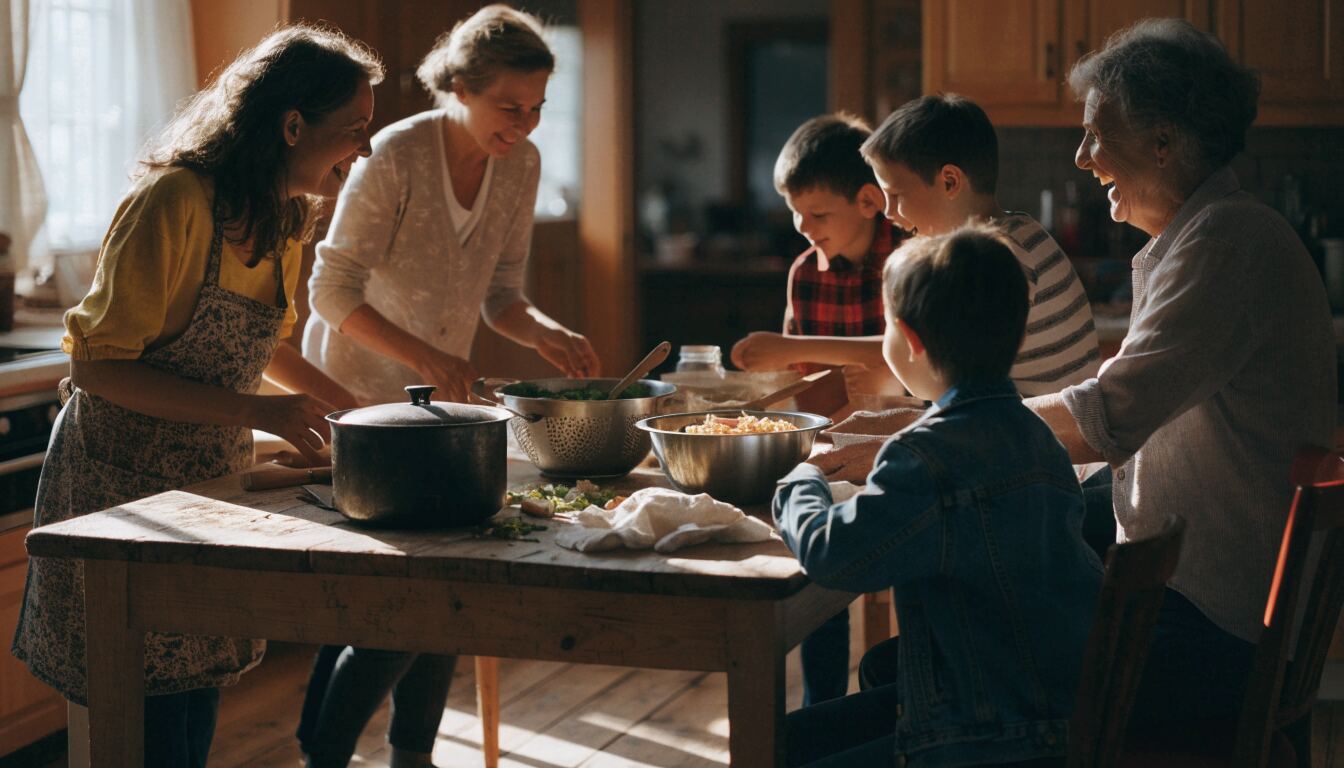
Shared action is a fast track to bonding. Choose endeavors that require collaboration and are accessible to different energy levels. A group cooking session where everyone has a task, from chopping vegetables to setting the table, turns meal preparation into a communal ritual. Board game tournaments, puzzle races, or cooperative video games foster playful teamwork. Outdoor adventures like a gentle hike or a bonfire with storytelling connect you to nature and each other. The common thread is that everyone is engaged in a shared project, dissolving barriers and creating a sense of collective accomplishment.
Cultivating an Environment of Mutual Care
A supportive atmosphere is palpable. It’s the feeling that you can show up as your full self—tired, joyful, anxious, or silly—and be met with acceptance. Foster this by modeling vulnerability and offering reassurance freely. When someone shares a struggle, respond with empathy rather than immediately jumping to solutions. Celebrate each other’s strengths and offer gentle encouragement in areas of growth. This kind of emotional safety is what allows people to let their guards down and connect authentically. It’s built over time through consistent, small acts of kindness: a hand squeeze, a knowing glance, a genuine “I’m glad you’re here.”
Promoting Active, Reciprocal Support Networks
In a healthy polycule, support doesn’t just flow from a central hub; it crisscrosses in every direction. Encourage this by highlighting opportunities for members to help each other in tangible ways. Maybe one person is excellent at budgeting and can assist another with financial planning. Perhaps someone needs childcare during a stressful week, and another partner has a flexible schedule. Creating a culture where asking for and offering help is normalized turns the group into a reliable safety net. This practical interdependence, combined with emotional backing, transforms the polycule from a collection of relationships into a true community.
Tackling the Inevitable Hurdles of Group Gatherings
No amount of planning can eliminate every challenge. The path to a rewarding kitchen table celebration includes navigating external pressures and internal complexities with resilience and grace.
Dealing with Outside Judgment and Misunderstanding
Not everyone in your broader social or family circles will comprehend or approve of your relationship structure. Holidays can bring this into sharp relief, especially if you’re fielding questions about who’s attending your gathering or why certain people are present. Prepare yourselves as a team. Discuss how much you’re comfortable sharing and with whom, and craft some simple, firm responses for nosy inquiries. Remember that you don’t owe anyone a detailed explanation of your private life. The most powerful defense against external judgment is the visible strength and joy of your internal bonds. Focus your energy on nurturing the people within your circle rather than defending it to those outside.
Walking the Line Between Intimacy and Personal Space
Kitchen table polyamory champions openness, yet every individual has a different threshold for privacy and solitude. A gathering that feels wonderfully connected to one person might feel claustrophobically enmeshed to another. Regular check-ins, both during the planning phase and throughout the event itself, can help gauge where everyone stands. Normalize statements like, “I’m feeling a bit peopled-out, I’m going to take 20 minutes alone,” without anyone taking it as a rejection. Establish clear boundaries that protect individual autonomy—for instance, agreeing that certain topics are off-limits for group discussion, or that some parts of the holiday are kept intentionally small and intimate. The health of the community depends on the well-being of each person within it.
Steering Through the Intricacies of Multi-Partner Dynamics
With more people comes more complexity. Relationship histories, varying communication styles, and different attachment patterns can all interact in unpredictable ways. The cornerstone of managing this complexity is unwavering commitment to honest, kind dialogue. Make it a practice to address small irritations before they fester into larger resentments. When a recurring dynamic causes strain—for example, two partners who consistently misunderstand each other—consider facilitated conversations or structured check-ins to clear the air. View these challenges not as signs of failure, but as opportunities to deepen your collective emotional intelligence. With patience and a shared dedication to growth, the polycule can become a laboratory for exceptionally skilled relating.
Frequently Asked Questions
What does Kitchen Table Polyamory actually mean?
It describes a style of polyamory where all members of a network are comfortable and friendly enough to literally sit around a kitchen table together. The emphasis is on community, openness, and interconnectedness rather than keeping relationships strictly separate.
How can I make my home feel inviting for a polycule gathering?
Focus on creating sensory warmth through soft lighting, comfortable seating arranged for conversation, and a curated playlist. Offer snacks and drinks upon arrival to ease transition, and consider a quiet retreat space for anyone needing a breather. Personal touches like incorporating everyone’s favorite foods or displaying shared photos also signal belonging.
What’s the best way to respond when jealousy arises during a celebration?
First, acknowledge the feeling without judgment—both to yourself and, if appropriate, to a trusted person. Use “I” statements to express what you’re experiencing, and ask for specific reassurance if needed. Sometimes a brief, private check-in with a partner can provide immediate relief. If the emotion is intense, step away temporarily to self-soothe before re-engaging.
How do we go about establishing our own holiday traditions as a polycule?
Begin by brainstorming together about what feels meaningful and fun. Experiment with simple rituals like a yearly game night, a special meal where everyone contributes a dish, or a gratitude circle. Let the traditions evolve organically; the most enduring ones are those that genuinely reflect your group’s personality and values, not forced imitations of conventional family customs.
What communication strategies help with complex holiday planning?
Start early with a group discussion to align on expectations, must-haves, and potential conflict areas. Use shared digital calendars for scheduling and group messaging apps for ongoing conversation. For dividing costs, expense-tracking apps remove awkwardness. The key is radical transparency—leaving nothing assumed and everything explicitly agreed upon.
How can we honor different cultural and dietary backgrounds in our celebrations?
Proactively invite each person to share traditions or dishes from their heritage, and weave these elements into the larger event. For food, collect detailed dietary information well ahead of time and ensure there are plentiful, delicious options for every need. Label dishes clearly. The goal is a feast where everyone can partake fully and see their identity reflected.