When the Stage Becomes a Canvas for Conversation
Music tours have long been spaces where artists push boundaries, but one current global phenomenon has taken this to a new level. During a recent string of sold-out shows, a celebrated singer has integrated a segment that playfully acts out various intimate positions, turning each performance into a viral moment. Far from being a mere gag, these demonstrations have become a lightning rod for broader cultural discussions. They touch on everything from personal empowerment to the shifting norms around public displays of sexuality, all while keeping audiences laughing and engaged.
What makes this especially noteworthy is how it blends humor with a deeper message. Each night, the routine invites the crowd into a shared joke, but it also opens a door to talk about comfort zones, consent, and the joy of physical connection. By framing these acts in a theatrical, almost burlesque-style delivery, the artist transforms a potentially awkward topic into something approachable. This approach has resonated widely, generating memes, sports team shout-outs, and countless social media threads that dissect the meaning behind the moves.
Behind the Playful Demonstrations
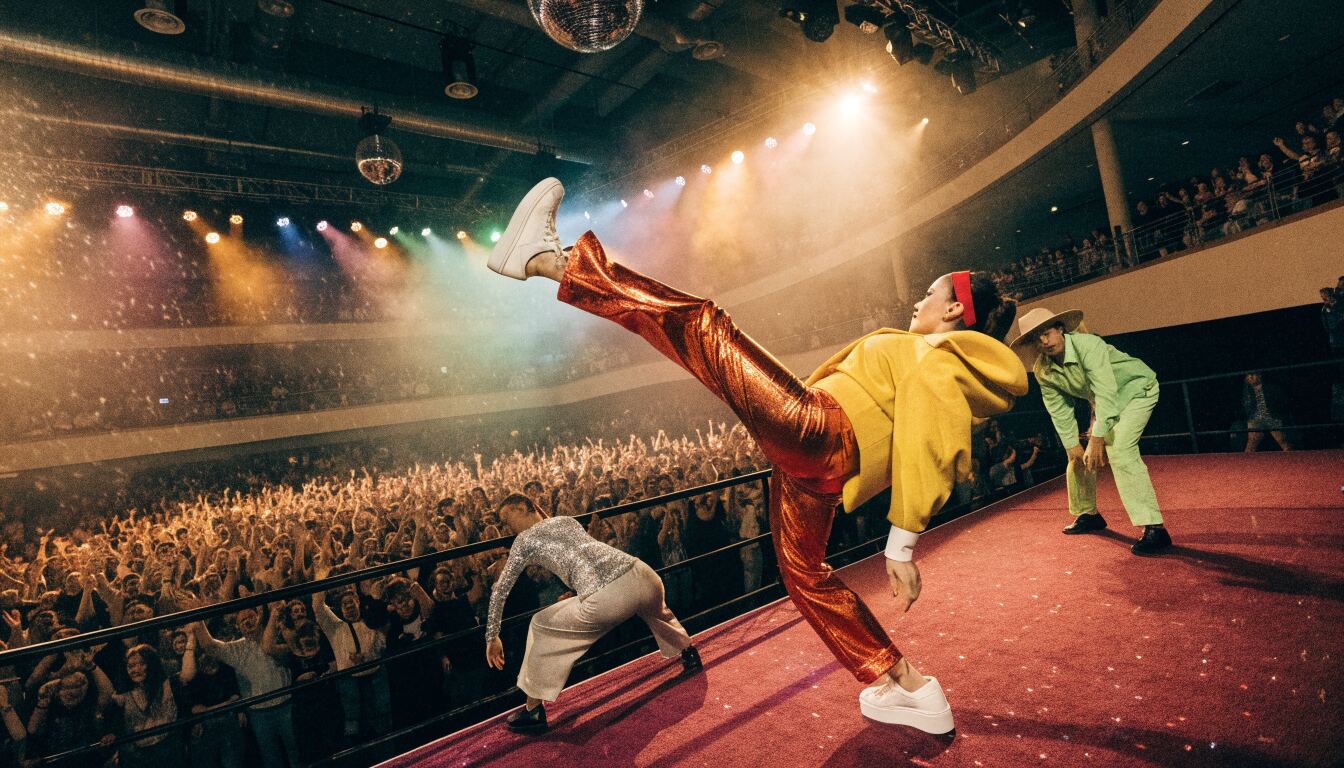
The centerpiece of this viral sensation occurs during a specific song, where the performer pauses to ask the audience if they've experienced a certain pose before. With the help of her dance crew, she then mimes it in an exaggerated, comedic fashion. The choice of positions varies by city, often tying into local culture—one night in a famous European capital saw a reference that cleverly matched the city's iconic landmark, sending online chatter into overdrive.
These aren't random stunts. They're carefully choreographed moments that serve multiple purposes. On one level, they're pure entertainment, reminiscent of classic vaudeville acts where physical comedy met risqué themes. On another, they're a deliberate nod to how modern memes and viral trends can spark real dialogue about intimacy. For many attendees, it's a chance to laugh at something that's often treated with excessive seriousness, while also feeling seen in their own experiences. The segment has become a signature of the tour, with fans eagerly anticipating which pose will appear next.
It's worth noting how this flips the script on typical pop performances. Instead of suggestive dancing alone, the direct engagement with the crowd breaks down barriers. The artist isn't just performing for spectators; she's creating a participatory moment that says, "We can talk about this openly." This shift from passive viewing to active, humorous conversation is a key reason the act has traveled so far beyond concert halls, into sports arenas and living rooms worldwide.
A Spectrum of Public Reactions
As with any boundary-pushing art, responses have been anything but uniform. Many fans and commentators have celebrated the sheer boldness and wit on display. They argue that it injects a necessary dose of fun into discussions that are often clouded by shame or secrecy. For these supporters, the act is a refreshing rejection of outdated taboos, especially those that have historically policed how women express their sexuality in public. Social media posts have praised the theatricality, comparing it to classic burlesque traditions where innuendo and humor reigned supreme.
Others, however, have voiced concerns. Some critics suggest that such explicit material, even when played for laughs, might not belong in a mainstream concert setting with diverse age groups. There's also a thread of critique that questions whether the performances cater to a so-called "male gaze," potentially undercutting the empowerment message. Yet, a counterargument frequently emerges: context matters. The segment is framed as a joke, often tied to a specific cultural reference, and the artist's clear agency in directing the narrative complicates any simple reading of exploitation.
What's fascinating is how these debates often circle back to double standards. Observers have pointed out that male performers have engaged in equally suggestive stage antics for decades with far less scrutiny. The current discourse thus becomes a mirror reflecting broader societal attitudes about gender and sexual expression. Whether one finds the act hilarious, distasteful, or liberating, it's undeniable that it has succeeded in getting people talking—and thinking—about these underlying issues.
Crossing Over into Unexpected Arenas
The ripple effects of this tour have reached well beyond music fandoms. In a surprising twist, a professional American football team recently used the viral poses as inspiration for their annual schedule announcement video. By playfully mimicking the much-discussed moves, the team tapped into an internet-savvy humor that connected with a younger audience. This crossover illustrates how deeply the act has penetrated pop culture, becoming a shared reference point for meme creators and marketing teams alike.
Such mainstream adoption signals a shift in what's considered acceptable for public consumption. When a sports franchise, typically associated with a broad and conservative-leaning fan base, feels comfortable riffing on a sex-positive joke, it suggests that the conversation around intimacy is becoming less cloistered. The humor acts as a Trojan horse, carrying messages about openness and confidence into spaces where they might otherwise be absent. It also highlights the power of viral moments to unite disparate communities under a banner of shared laughter, even if the underlying interpretations differ wildly.
Unpacking the Sex-Positive Message
At its core, the stage segment champions a playful and guilt-free approach to physical connection. By showcasing a variety of poses—from the classic to the acrobatic—the performance normalizes the idea that intimacy can be a source of joy, experimentation, and mutual fun. It challenges the notion that certain acts carry inherent moral weight, instead framing them as options in a broader menu of consensual possibilities. This aligns with a growing movement that encourages individuals to explore their desires without shame, provided all parties are informed and willing.
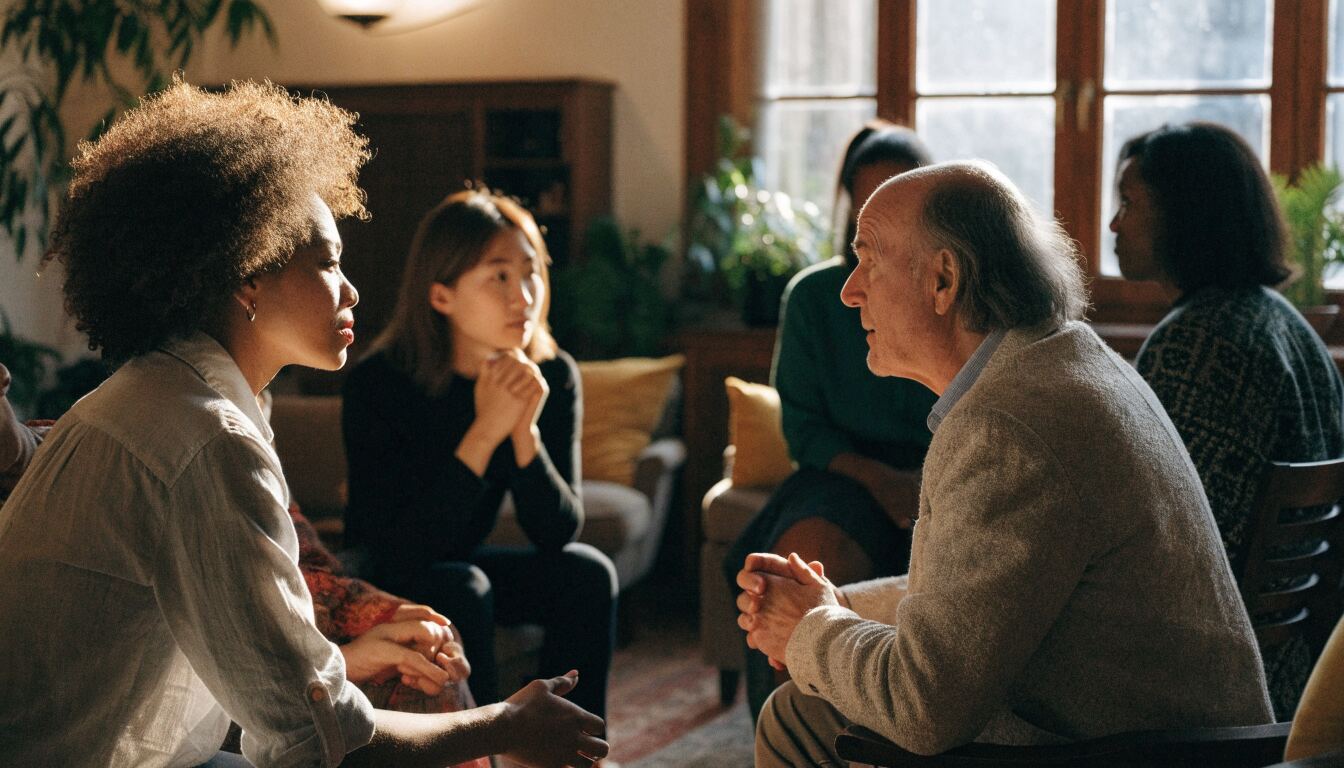
One of the more subtle messages woven into the act is about communication. By literally asking, "Have you ever tried this one?" and then demonstrating, the artist models a way of bringing up new ideas with a partner. It turns a potentially nerve-wracking conversation into something lighthearted and shared. For couples or individuals watching, it can serve as a low-stakes icebreaker, making it easier to voice curiosities that might otherwise stay buried. This practical takeaway—that talking about likes and limits can be fun—is a valuable lesson in relationship health.
Additionally, the performances encourage a re-examination of comfort zones. Seeing positions that require trust, balance, or vulnerability acted out with a wink invites viewers to consider their own boundaries. It's not about pressuring anyone to replicate what's on stage, but rather about fostering an environment where exploration feels safe and even silly. The emphasis on humor is key; it strips away the intimidation factor that often surrounds new intimate experiences, replacing it with a sense of adventure.
Navigating the Double-Edged Sword of Public Expression
While the empowerment angle is strong, it's important to acknowledge the complexities. Public figures, especially young women, often walk a tightrope when expressing sexuality. They can be celebrated as trailblazers one moment and condemned as reckless the next. This tour's viral moments have reignited discussions about where the line lies between self-expression and performance for external validation. Some voices in the debate argue that true empowerment comes from context and intent, which are often lost in short video clips that circulate online.
Another layer to consider is the impact on younger audience members. Parents and guardians have expressed mixed feelings, with some appreciating the open door for age-appropriate conversations at home, and others feeling blindsided by content they deem too mature. This tension isn't new—it's been part of pop culture since Elvis shook his hips—but the global reach of social media amplifies it. The solution, many suggest, isn't censorship but rather proactive dialogue. When a cultural moment sparks widespread chatter, it creates an opportunity for families to discuss values, respect, and the difference between performance and reality.
Ultimately, the dual nature of the response—praise and pushback—underscores the act's effectiveness as cultural commentary. It holds up a magnifying glass to our collective discomforts and evolving standards, proving that art, even in its most comedic form, still has the power to provoke meaningful reflection.
Practical Takeaways for Your Own Journey
Beyond the headlines and hot takes, there are tangible insights that anyone can apply to their personal life. The central theme is about embracing confidence in your own skin and relationships. Here are a few ways to channel the spirit of this pop culture moment into your own world:
- Use Humor as a Bridge: When bringing up a new idea or fantasy with a partner, try framing it with a light touch. A shared laugh can reduce pressure and make both people feel more at ease. Referencing a funny video or meme—like the ones inspired by this tour—can be a natural entry point.
- Celebrate Playfulness: Intimacy doesn't always have to be serious. Allowing room for silly moments, awkward adjustments, and genuine giggles can strengthen your bond. The goal is mutual enjoyment, not perfection.
- Discuss Boundaries Openly: Before trying anything new, have a clear conversation about desires and limits. Enthusiastic consent is key, and checking in throughout the experience ensures everyone stays comfortable.
- Challenge Outdated Scripts: Reflect on where your ideas about what's "normal" or "appropriate" come from. Are they serving your happiness, or just inherited expectations? Questioning these can open up new avenues of fulfillment.
- Find Your Own Stage: You don't need a concert tour to express your authentic self. Whether it's through dance, conversation, or simply how you carry yourself, owning your desires is a form of personal artistry.
The Bigger Picture: Shifting Cultural Tides
This isn't just about one artist's cheeky choreography. It's a symptom of a larger shift in how society processes sexuality, humor, and gender roles. Gen Z and younger millennials, in particular, have shown a tendency to embrace fluidity and openness, rejecting the strict binaries and silences of previous generations. For them, a pop star miming positions on stage might not register as scandalous but as a relatable, funny moment that breaks the ice on topics too often whispered about.
Moreover, the integration of these themes into sports, marketing, and everyday meme culture suggests a normalization that's quietly revolutionary. When something previously confined to adult spaces becomes a punchline on a football team's social media, the taboo begins to erode. This doesn't mean all contexts are appropriate for all content, but it does indicate a growing sophistication in how audiences consume and interpret playful sexual expression. People are increasingly capable of holding multiple truths at once: it's a joke, it's a statement, it's entertainment, and it's a teaching moment.
As the tour continues and the poses keep changing, one thing is clear: the conversation isn't ending anytime soon. Each new city brings a fresh wave of reactions, memes, and think pieces. For those interested in relationship dynamics and personal growth, it's a fascinating case study in how public performance can inspire private reflection. Whether you see it as vaudeville, feminism, or pure marketing genius, the ripple effects are undeniable, proving that sometimes the most profound discussions start with a wink and a nudge on a brightly lit stage.
In the end, the real takeaway might be simpler than all the analysis suggests: feeling good in your own body and relationships is something worth celebrating, out loud and with a smile. The stage is just a metaphor—your own life is where the real performance happens, and you get to write the script.