What a Consent-Forward Private Lounge Actually Feels Like
Walking into a private adult social lounge for the first time can stir up a mix of curiosity and nerves. You might picture something intense, chaotic, or pushing you into situations you're not ready for. The reality at spaces built around enthusiastic consent is often the opposite—a warm, low-lit environment where conversation comes first, and everything else is genuinely optional. These venues intentionally distance themselves from the old-school, high-pressure reputation that sometimes clings to alternative lifestyle spaces. Instead, they prioritize comfort, clear communication, and the freedom to simply observe if that's where your comfort zone lies.
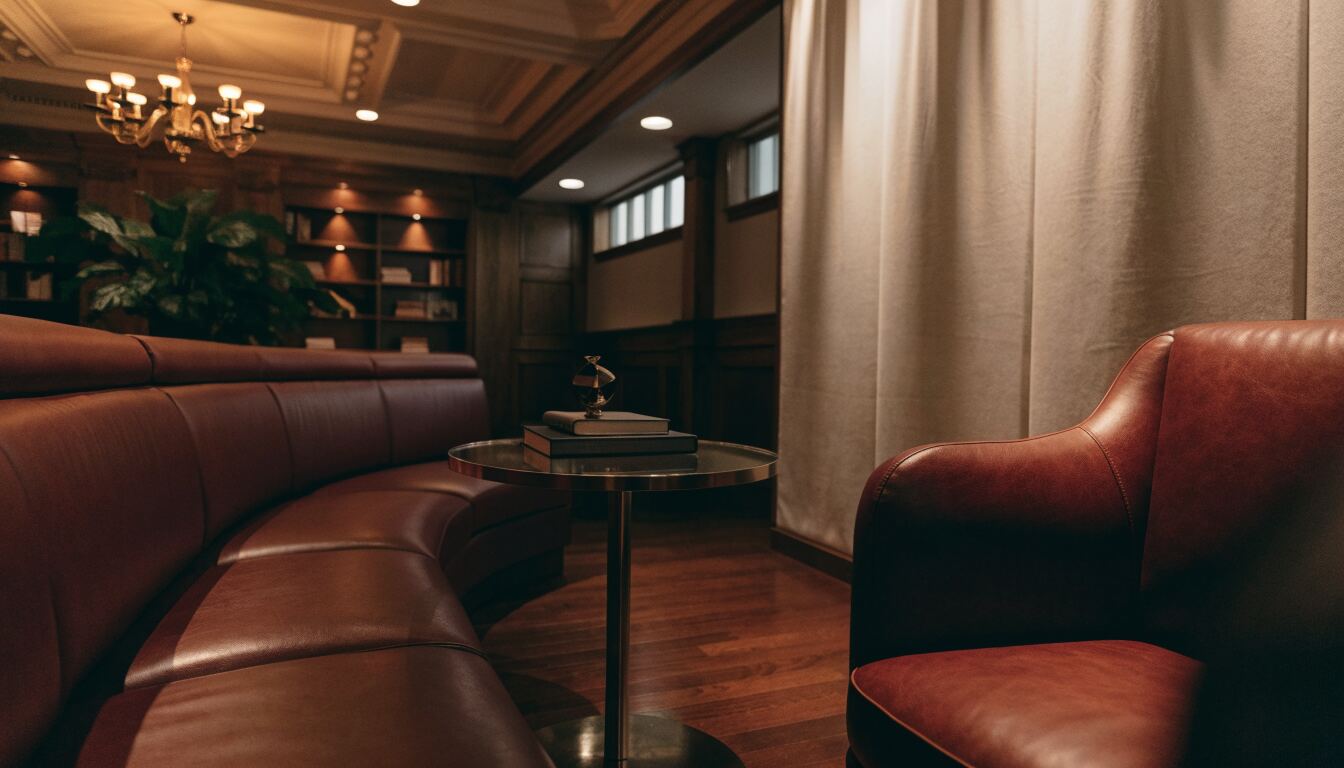
The atmosphere inside tends to feel more like a carefully curated lounge than a nightclub. Think soft lighting, intentional decor, and hosts who greet you warmly, ready to answer questions or give you a tour. Music plays at a level that allows actual conversation, and seating areas are arranged to encourage mingling without forcing it. People arrive dressed with intention—clean, confident, and event-appropriate—which sets a tone of mutual respect before a single word is exchanged. This isn't about rigid dress codes but about showing up like you made an effort, which subtly reinforces that everyone in the room values the experience.
What surprises many newcomers is how relaxed the social flow can be. You might spend the first hour simply chatting with your partner or a friendly couple about travel, hobbies, or what brought you through the door. Flirtation happens organically, not as a requirement. The core cultural promise is that you can engage at your own pace—whether that means dancing, watching, talking, or eventually exploring further—without anyone making you feel like you owe them something. That "zero expectations" framework is what transforms a potentially intimidating evening into one where you can actually be yourselves.
Who These Lounges Welcome (and the Labels They Avoid)
One common misconception is that private adult social clubs cater exclusively to swingers. While many have roots in that community, the modern iteration of these spaces casts a much wider net. You'll find ethically non-monogamous couples, polyamorous individuals, kink-curious explorers, and even monogamous pairs looking to reconnect in a charged but respectful environment. The unifying thread isn't a specific relationship model—it's an openness to alternative ways of connecting, paired with solid communication skills and a respect for boundaries.
Singles and solos are also part of the fabric, though the balance varies by event night. Some evenings lean more couple-heavy, while others intentionally create a mixed crowd. The key is checking the event calendar beforehand to match your preferred dynamic. What you won't encounter is pressure to define yourself with a label. The culture emphasizes showing up as you are, with whatever level of experience or curiosity you bring. Newcomers are expected, welcomed, and often given extra orientation to help them settle in.
Inclusivity extends beyond relationship styles. These venues typically enforce clear anti-discrimination policies that prohibit harassment based on race, gender identity, sexual orientation, body type, age, or ability. The goal is to build a community where diverse adults can coexist comfortably, which means the enforcement of respect isn't just lip service—it's backed by staff authority and clear consequences for violations. For anyone who has felt marginalized in mainstream nightlife, this explicit commitment to safety can be a significant draw.
The Membership Model: Why It Exists and What to Expect
Private adult lounges operate on a membership structure for reasons that go beyond exclusivity. The application process serves as a first-line filter, helping to curate a community aligned with the venue's stated values of consent, respect, and intentionality. It's not about judging anyone's lifestyle or appearance—it's about ensuring that everyone walking through the door has agreed to the same code of conduct before they ever set foot inside. This upfront commitment weeds out those who might treat the space casually or disregard its rules.
Expect to complete a free application that includes identity and age verification. You must be at least 21, and a government-issued photo ID is part of the process. Some venues require a face photo during application but offer privacy controls that allow you to hide that image from other members. This balances the need for accountability with the very real desire for discretion that many guests prioritize. Once approved, your membership grants access to a private online community where you can connect with others, learn about upcoming events, and get a feel for the crowd before attending in person.
It's crucial to understand that membership and event admission are typically separate. Your approved membership makes you eligible to purchase tickets or pay door fees for specific nights. Some venues offer premium tiers—think VIP passes—that bundle event access for frequent attendees, often with perks like early entry or reserved seating. But for most members, planning a night out means securing both your membership approval and your event spot. Check the venue's specific instructions so you don't arrive assuming membership alone covers admission.
Navigating Your First Night: A Practical Roadmap
Preparation can make the difference between an anxious evening and an exhilarating one. Start by confirming the event details: date, theme, arrival window, and any special instructions. Some nights might encourage themed attire, while others are more casual. Dressing intentionally—think "put-together" rather than overly formal or sloppy—helps you feel confident and signals respect for the space. If you're uncertain, reach out to the venue beforehand; hosts are typically happy to guide newcomers.
Since many of these lounges are BYOB and not licensed to sell alcohol, plan your beverages in advance. Bring what you'd like to drink, understanding that staff will typically check in your alcohol and serve it back to you responsibly. Mixers and basic bar staples are often provided, but it's wise to confirm. Equally important is arranging a safe ride home—designate a driver, schedule a rideshare, or have a backup plan. The culture promotes responsible enjoyment, and overconsumption is both a personal risk and a quick way to dampen the atmosphere for everyone.
When you arrive, expect to check in with identification and possibly go through a brief orientation if it's your first time. Hosts or staff members are there to show you around, explain the layout, and answer any questions. Take advantage of this—it grounds you in the space and demystifies what lies beyond the main social area. Some venues designate specific staff members, sometimes called safer space monitors, who wear identifiable attire and are available if anything feels uncomfortable or if you simply need guidance.
Phone use is typically restricted to protect privacy. You may be asked to keep devices put away during the event, and if you need to take a call, stepping outside is the norm. This rule isn't about control—it's about creating an environment where people can relax without worrying about being photographed, recorded, or shared on social media. The peace of mind that comes from knowing everyone in the room is equally committed to discretion is hard to overstate.
Consent as Culture, Not Just a Policy
In spaces like these, consent isn't a box to check—it's the operating system. The standard is enthusiastic, informed, and ongoing. That means silence or hesitation is treated as a no, and permission must be secured before any form of touch, whether social, sensual, or sexual. This applies universally: to couples, singles, newcomers, and veterans alike. The clarity removes ambiguity and makes interactions feel safer because everyone understands the baseline.
What this looks like in practice is remarkably freeing. You can accept a compliment without feeling obligated to reciprocate. You can flirt without it being interpreted as an invitation for more. You can change your mind at any point, for any reason, and expect that decision to be respected immediately. Staff are trained to reinforce these norms, and venues typically have clear pathways for reporting concerns—whether that means speaking to a monitor on the spot or submitting an incident report after the fact. Consequences for violations range from warnings to permanent removal, signaling that the community takes boundary breaches seriously.
For couples exploring together, this framework is especially valuable. It reduces the fear of being separated, cornered, or pressured into scenarios you haven't discussed. You can stay connected with each other, explore parallel play, or simply enjoy the charged atmosphere as a shared experience. The emphasis on ongoing consent also encourages partners to check in with each other throughout the night, strengthening communication and making the entire experience more collaborative.
Privacy Protections That Let You Breathe
Discretion ranks among the top concerns for anyone considering an adult social lounge, and the best venues treat it as a foundational principle. Beyond the no-phones policy during events, expect strict rules against cameras and recording devices. Some clubs curate their own promotional photos carefully, capturing the ambiance and energy without revealing identifiable member faces. This allows the venue to share its vibe publicly while safeguarding the privacy of everyone inside.
Online privacy controls extend to the membership platform as well. You can often manage what other members see on your profile, hiding photos or personal details until you're comfortable sharing. The application process itself is designed to be discreet, and venues typically don't disclose membership information to outside parties. This layered approach—physical, digital, and procedural—creates a container where people can explore without the nagging worry of exposure.
For those in professional roles, small communities, or family situations where privacy is paramount, these protections are non-negotiable. Knowing that the person next to you has agreed to the same standards and faces the same consequences for breaking them builds a foundation of mutual trust. It transforms the space from a potential liability into a genuine refuge.
Alcohol, Substances, and Keeping the Vibe Intact
The approach to alcohol in consent-forward lounges is notably structured. BYOB policies mean you control what you drink, but staff manage the service to promote responsible consumption. You hand over your beverages upon arrival, and they're returned to you in measured pours throughout the night. This system discourages overindulgence while still allowing guests to enjoy a drink or two as part of the social experience.
Illegal substances are uniformly prohibited, and the policy on impairment is clear: being visibly intoxicated or altered undermines consent and can result in removal. The logic is straightforward—consent requires clear-headed communication, and anything that clouds judgment puts both the individual and the community at risk. If you're planning to drink, pace yourself, hydrate, and keep an eye on how you're feeling. The goal is to enhance connection, not escape from it.
This structured approach to substances also benefits those who choose not to drink at all. Since alcohol isn't the central focus—no one is pushing shots or running drink specials—sober guests don't feel out of place. The social energy comes from conversation, flirtation, and shared curiosity rather than a bar-driven buzz.
Safer Space Programs and On-Site Support
Some venues go beyond basic policies by participating in structured safer space initiatives. These programs layer additional support into the guest experience, including trained monitors who circulate during events, visible in identifiable attire, ready to assist if boundaries feel crossed or if someone simply needs a grounding conversation. Their role is proactive and supportive, not punitive—they're there to help maintain the welcoming atmosphere, not to police behavior aggressively.
Health resources may also be part of the offering. Certain clubs partner with clinics to provide on-site STI testing during specific event nights, normalizing sexual health as part of the lifestyle rather than treating it as a taboo afterthought. This practical support reflects a holistic view of community care, acknowledging that informed, healthy guests contribute to a safer environment for everyone.
Incident reporting mechanisms, often available 24/7 online, ensure that concerns don't get lost in the shuffle. If something feels off during an event and you're not comfortable addressing it in the moment, you have a channel to report it afterward. This dual approach—immediate in-person support plus accessible follow-up—signals that the venue takes its responsibility seriously, not just in marketing language but in operational reality.
Choosing the Right Night for Your Comfort Level
Not all events at an adult social lounge are identical, and matching the night to your preferences can dramatically shape your experience. Some evenings are designed as low-key social mixers—ideal for first-timers who want to acclimate without any expectation of play. Others might lean into specific themes, kink exploration, or play-focused atmospheres where the energy is more overtly sexual. Reviewing the event calendar and reading descriptions carefully helps you land on a night that aligns with where you are emotionally and experientially.
If you're a couple just beginning to explore, look for events labeled as newcomer-friendly, social-forward, or mixed-crowd. These tend to emphasize conversation and connection over action, giving you space to feel out the environment together. If you're a solo attendee, some nights may be more balanced in gender and relationship status than others—again, the calendar is your guide. Don't hesitate to contact the venue with questions; their willingness to help you choose is often a good indicator of the culture you'll encounter inside.
Arriving early can also ease the transition. Walking into a half-empty room gives you time to settle, meet hosts, and get comfortable with the layout before the crowd builds. It's a simple strategy that pays off in reduced anxiety and a greater sense of control over your experience.
What the Space Actually Offers: Socializing, Dancing, and Optional Exploration
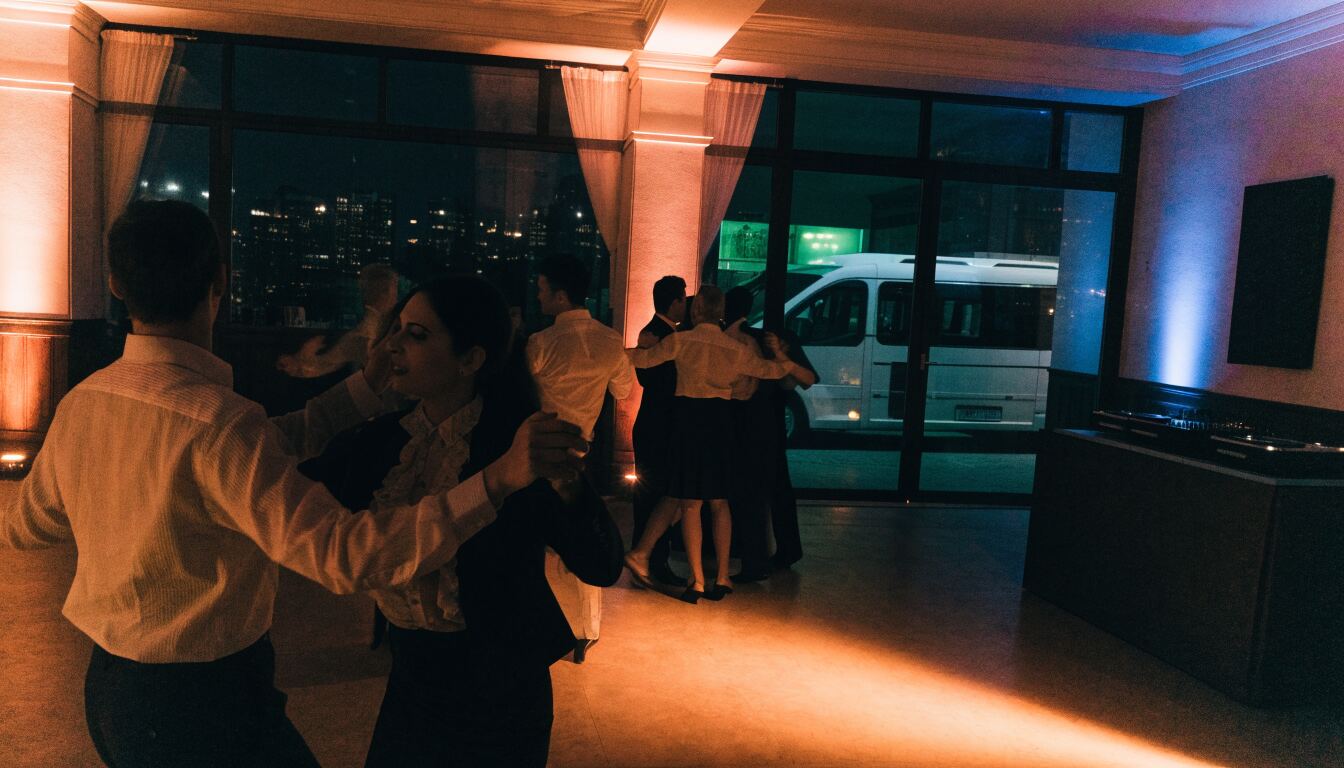
Inside, the physical layout typically reflects the venue's priorities. The main area is built for socializing: comfortable seating, a dance floor, perhaps a bar setup for the BYOB service. Music sets a mood without overwhelming conversation. Lighting is warm and flattering, designed to make people feel attractive and at ease. This is where most of the evening unfolds—people talking, laughing, flirting, and moving at their own rhythm.
Separate from the social zone, there may be play areas available depending on the event and the club's specific rules. Access to these spaces is always optional and governed by the same consent standards that apply everywhere else. Some nights might keep these areas open for exploration, while others might close them to maintain a purely social focus. Understanding the layout during your orientation helps you decide where you want to spend your time—and where you don't.
The beauty of this design is its flexibility. You can spend the entire night in the lounge, enjoying the company and the atmosphere, without ever venturing further. Or, if the mood strikes and all parties are enthusiastically on board, you can explore what lies beyond. Neither choice is judged, and neither defines your experience as more or less valid. That freedom is precisely what makes these spaces feel liberating rather than prescriptive.
For Couples: How to Approach the Experience Together
If you're attending as a couple, a little pre-event communication goes a long way. Talk about what you're each hoping for—curiosity, connection with others, parallel play, or simply a sexy date night out. Discuss boundaries honestly, acknowledging that they might shift once you're in the environment, and agree on a signal or phrase that means "I need to check in" or "let's pause." This preparation isn't about scripting the night; it's about building a safety net that lets you both relax.
Once inside, stay connected. Check in with each other regularly, not just about what you're doing but about how you're feeling. If one of you feels overwhelmed, it's perfectly acceptable to step outside, take a breather, or call it a night early. The venue's culture supports this—there's no prize for staying until close, and no stigma in leaving when you're ready. Prioritizing your relationship over external expectations is exactly what these spaces encourage.
For couples who are newer to lifestyle exploration, starting with a purely social night can be a low-stakes way to dip your toes in. Agree in advance that you're just there to observe, chat, and experience the atmosphere. Removing the pressure to "do" anything frees you to simply be present, and often that's where the most meaningful connections—with each other and with others—begin.
For Singles and Solos: Navigating with Confidence
Attending alone carries its own set of considerations, but the structured environment of a consent-forward lounge can actually be more comfortable than traditional bars or dating apps. The rules are clear, the expectations are explicit, and staff presence provides a layer of security that chaotic nightlife lacks. You can engage at your own pace, knowing that "no" is respected and that you won't be cornered or harassed without recourse.
Arrive with a mindset of openness rather than expectation. Some solo attendees come seeking connection, others want to observe and learn, and still others simply enjoy the freedom of a space where alternative lifestyles are normalized. All of these approaches are valid. Introduce yourself to hosts when you arrive—they can help you get oriented and may introduce you to other friendly regulars. Building a few low-pressure connections early in the evening can anchor you socially and make the rest of the night feel more navigable.
Remember that being solo doesn't obligate you to be available. You set your own terms for interaction, and the consent culture reinforces your right to decline attention without explanation. That autonomy is rare in many social settings, and it's worth honoring as part of what makes these spaces valuable.
Dress Codes, Themes, and Showing Up Intentionally
The guidance around attire in private lounges is less about rigid rules and more about intentionality. You're encouraged to show up looking like you made an effort—clean, confident, and appropriate for the evening's theme. This could mean cocktail attire for an upscale mixer, all black for a sleek themed night, or casual-but-polished for a low-key social. The common thread is respect for the space and the people in it.
If a specific theme is advertised, lean into it within your comfort zone. Themes are meant to be fun, not stressful. A small nod—a particular color, an accessory, a hint of costume—shows participation without requiring a full transformation. The goal is to contribute to the atmosphere, not to win a costume contest. When in doubt, reach out to the venue for guidance; they'd rather help you feel prepared than have you stay home out of uncertainty.
Beyond clothing, consider your overall presentation. Good hygiene, fresh breath, and a mindful approach to fragrance all contribute to the comfort of those around you. In close-contact environments, these details matter. Packing a small bag with essentials—mints, deodorant, a change of shirt—can help you feel fresh throughout the evening. Thoughtfulness in these areas signals that you value the experience and the people sharing it with you.
Common Mistakes First-Timers Make (and How to Avoid Them)
One frequent misstep is conflating membership with event admission. Arriving at the door expecting entry because you've been approved as a member, only to discover you still need a ticket, is an awkward and avoidable situation. Always confirm whether the night you're attending requires separate registration, and handle that in advance when possible.
Another is overdrinking in an attempt to calm nerves. While a drink can take the edge off, overconsumption dulls your ability to communicate clearly, read social cues, and maintain boundaries—both yours and others'. Pace yourself, alternate with water, and remember that the venue reserves the right to remove anyone who appears impaired. The goal is a memorable evening, not a blurry one.
Some newcomers also arrive with rigid expectations about what "should" happen. They might feel disappointed if they don't connect with anyone, or pressured to make something happen because they've invested time and money. Releasing those expectations before you walk in transforms the experience. View the night as an experiment in atmosphere, a date with your partner, or simply a chance to people-watch in a unique setting. Anything beyond that is a bonus, not a requirement.
Why the Consent-First Model Changes Everything
The shift from traditional nightlife or old-school swingers clubs to consent-forward lounges represents a genuine evolution in how adults gather. By making enthusiastic, ongoing consent the explicit standard—nd backing it with staff training, monitoring, and enforcement—these venues create conditions where people can relax into their authentic desires without hypervigilance. The nervous system settles when you know that "no" will be heard and that help is nearby if needed.
This model also attracts a different caliber of attendee. People who are willing to go through an application process, agree to a code of conduct, and respect privacy protocols tend to be more intentional about their participation. They're not there to gawk, push boundaries, or treat others as props. They're there to connect, explore, or simply exist in a space that doesn't judge their lifestyle. The result is a self-selecting community that reinforces the culture the venue works hard to protect.
For anyone who has felt excluded, unsafe, or overwhelmed in mainstream adult spaces, this approach can feel like a revelation. It proves that sexy, adventurous environments don't require chaos or coercion—they require clarity, care, and a shared commitment to treating each other well. That's not just good policy; it's good design for human connection.
Is This the Right Environment for You?
Deciding whether to visit a private adult social lounge comes down to alignment. If you value clear communication, appreciate structured social settings, and are curious about alternative lifestyles without wanting to be pushed into anything, these spaces are likely a good fit. If you're uncomfortable with explicit conversations about boundaries, prefer anonymous nightlife where rules are unspoken, or aren't willing to engage with the membership process, you might find the environment frustrating or overly formal.
Consider starting with research. Explore the venue's website, read their policies thoroughly, and get a feel for their tone. Reach out with questions—he responsiveness and warmth of their reply will tell you a lot about what to expect inside. If possible, connect with someone who has attended and can share their honest impressions. Knowledge reduces anxiety, and anxiety is often the biggest barrier to a positive first experience.
Ultimately, these lounges exist to provide a container for adult exploration that prioritizes safety, respect, and genuine connection. They're not for everyone, and that's by design. But for those who resonate with the values and are curious about the experience, they offer something increasingly rare: a space where you can be fully yourself, at your own pace, surrounded by people who get it.
Upcoming Gatherings and Selecting Your Ideal Evening
Your time at The Body Shop Social Lounge can shift dramatically depending on the specific event you attend. Some evenings foster a lighthearted, chatty atmosphere perfect for building new connections, while others embrace bolder themes and draw larger crowds. The key is to pick a night that aligns with where you currently feel at ease, show up ready to mingle, and treat any further exploration as a bonus rather than a goal.
Notable Dates on the Horizon (Mid-December 2025)
Here’s a snapshot of upcoming events pulled directly from the venue’s official schedule:
- Friday, December 19, 2025 — "Wild Friday Escapades" (8 PM–2 AM)
- Saturday, December 20, 2025 — "Mischief on the Nice List" (8:30 PM–3 AM)
- Friday–Saturday, December 26–27,2025 — Shuttered for the festive break
- Wednesday, December 31, 2025 — "A Night of Gatsby Glamour: New Year's Eve Celebration" (8 PM–4 AM)
- Friday, January 2, 2026 — Closed
- Saturday, January 3, 2026 — "Cozy Layers and Secret Desires" (8:30 PM–3 AM)
- Friday, January9, 2026 — "Wild Friday Escapades" (8 PM–2 AM)
- Saturday, January 10, 2026 — "Unleash the Rhythm" (8:30 PM–3 AM)
- Friday, January 16,2026 — "Wild Friday Escapades" (8 PM–2 AM)
- Saturday, January 17, 2026 — "Winter Flirts" (8:30 PM–3 AM)
- Friday, January23,2026 — "Wild Friday Escapades" (8 PM–2 AM)
- Saturday, January 24, 2026 — "Bound by Desire" (8:30 PM–3 AM)
- Friday, January30,2026 — "Wild Friday Escapades" (8 PM–2 AM)
Matching the Evening to Your Mood
For first-timers or those wanting a gentle introduction: Friday events, such as the recurring "Freaky Friday," tend to offer a more relaxed setting. These nights prioritize conversation and getting acquainted with the space, so you won’t feel thrust into an overwhelming, high-energy scene. It’s an excellent way to ease in and observe the rhythm.
For a livelier, more bustling experience: Saturday themes generally bring the energy up a notch. Expect more elaborate outfits, a palpable buzz, and a crowd that’s ready to dive into the fun. Events like "North Pole Naughty List" or "Snow Bunnies" exemplify this vibrant, main-event atmosphere.
For a standout, special-occasion evening: The New Year’s Eve celebration, dubbed "Gatsby After Dark," runs longer than usual and carries a distinct, glamorous theme. If you’re after a packed house and a memorable, elevated vibe, this is the clear choice.
Practical Advice for a Seamless Evening
Before settling on your attire, decide what kind of energy you want to engage with. A whimsical theme night feels entirely different from one centered on high-intensity fetish wear. Dedicate the opening hour to socializing—tour the venue, introduce yourself to others, grasp the layout, and build a sense of comfort. Have a departure strategy ready, whether that involves a ride-share service, a designated driver, or a pre-agreed exit time with your partner, which keeps the night enjoyable and free of tension. Remember, dressing to match a theme is never mandatory; arriving fresh, deliberate, and self-assured will help you blend in beautifully, even with a minimalist look.
Guidance for Newcomers: Essentials, Etiquette, and Crafting a Positive Evening
Stepping into The Body Shop for the first time calls for a straightforward approach: arrive with curiosity, maintain respect, and release any rigid expectations. This social lounge is built on a foundation of enthusiastic consent, where you’re free to chat, watch, flirt, or engage only when it genuinely feels right. Participation is always your choice, and the entire culture revolves around zero pressure and mutual respect.
1) Secure Your Approval and Time Your Entry Wisely
Access is limited to members, requiring a complimentary application and a screening process that includes confirming your age (21+ with valid identification) and verifying your identity. This system helps cultivate a community rooted in safety and consideration. A practical move: plan to arrive on the earlier side rather than hurrying in at the last minute. Getting there early lets you acclimate, find your bearings, and absorb the social atmosphere as it gradually builds.
2) Essentials Guide: What to Pack and What to Leave Behind
Items to have on hand:
- Your official photo ID (mandatory for the 21+ requirement)
- Your own alcohol if you plan to drink, since the venue operates as BYOB and doesn’t sell liquor
- An outfit that shows thoughtfulness (more on this shortly)
- A mindset centered on positivity and consent—this is the most crucial element
Things to leave behind:
- Any device for recording or a "content creation" agenda. Privacy is paramount here, and strict rules govern phone and camera use.
- Substances that could cloud your judgment. The space emphasizes clear-headed, pressure-free interactions, which demand sound decision-making.
3) Navigating BYOB and Drinking Mindfully
The club operates on a bring-your-own-beverage model. Staff members check in your drinks and serve them back to you responsibly, often providing mixers and basic bar staples. They actively promote sensible consumption, the use of designated drivers, and turning to rideshare options when needed. A wise tactic: pace yourself more slowly than you typically would. The combination of a new setting, excitement, and nerves can intensify alcohol’s effects unexpectedly.
4) Attire Guidelines: "Dress to Impress" Made Simple
The main tip is to dress to make an impression, as if you're stepping out for an intriguing first encounter. You can choose a subtle look or go for a bold statement, but ensure you're covered enough to comply with public decency laws in areas like the patio or deck. Certain items are usually not allowed unless they fit the party's vibe, including but not limited to:
- Athletic or sportswear
- Basic white tees or overly casual shirts
- For those presenting male: tank tops, sleeveless shirts, shorts (though kilts may be acceptable under certain conditions), flip-flops, or open-toe footwear
- Casual hats or sports caps that don't match the outfit
- Sturdy work or combat-style boots (except during fetish or kink-focused nights)
When in doubt, err on the side of being slightly overdressed. Looking intentional instantly boosts your confidence and helps you mesh with the ambiance.
5) Master the Consent Basics to Fit Right In
This is the most straightforward path to having a wonderful night and ensuring you’re welcomed back:
- Seek explicit permission before any physical contact, every single time
- Receive a "no" with grace and without persistence
- Avoid lingering near others in a manner that could feel coercive
- If you’re observing, maintain a considerate distance and stay aware of the surrounding dynamics
The venue explicitly describes itself as a place where consent carries real weight, and where you can move at your own rhythm and simply watch if you prefer.
6) Respecting Privacy: Phone Discipline Is Key
During events, using your cell phone is not permitted inside the space. If you must take a call, step outside entirely. Cameras and recording tools are strictly banned to safeguard member confidentiality. A helpful practice: store your phone in your vehicle or keep it powered down and out of sight. This not only signals respect but also helps you stay fully present in the moment.
7) Safer Play Spaces and Steps if Discomfort Arises
The venue has established a "Safer Play Spaces" initiative, with trained Safer Space Monitors present on select nights. Their role is to uphold a culture of consent, minimize potential harm, and serve as a visible point of contact if any guest requires assistance. They also provide a process for reporting incidents and urge members to voice concerns if they encounter or notice something wrong. Should anything leave you feeling uneasy:
- Listen to your gut reaction
- Remove yourself from the situation
- Seek assistance from a team member or a Safer Space Monitor
8) A Low-Pressure Blueprint for Couples
For couples, especially those newer to the scene, the environment at The Body Shop thrives when you approach the night as a date focused on connection:
- Begin by simply socializing and taking in the atmosphere
- Discuss and agree on boundaries beforehand, along with a discreet check-in signal
- Prioritize enjoying each other’s company rather than pursuing a specific outcome
When you lead with open communication and shared connection, anything else that unfolds tends to feel more organic and free of unnecessary drama.
Looking Beyond a Single Evening: Finding Community and Events
An unforgettable evening can spark a desire for more—but building lasting bonds in this community is where true joy resides. If you're keen to connect with nearby swingers, adventurous couples, and trusted individuals beyond a single club or event, a quality network becomes vital. It helps you find events, nurture friendships, and explore at your own rythm, making sure the thrill continues long after the night ends.