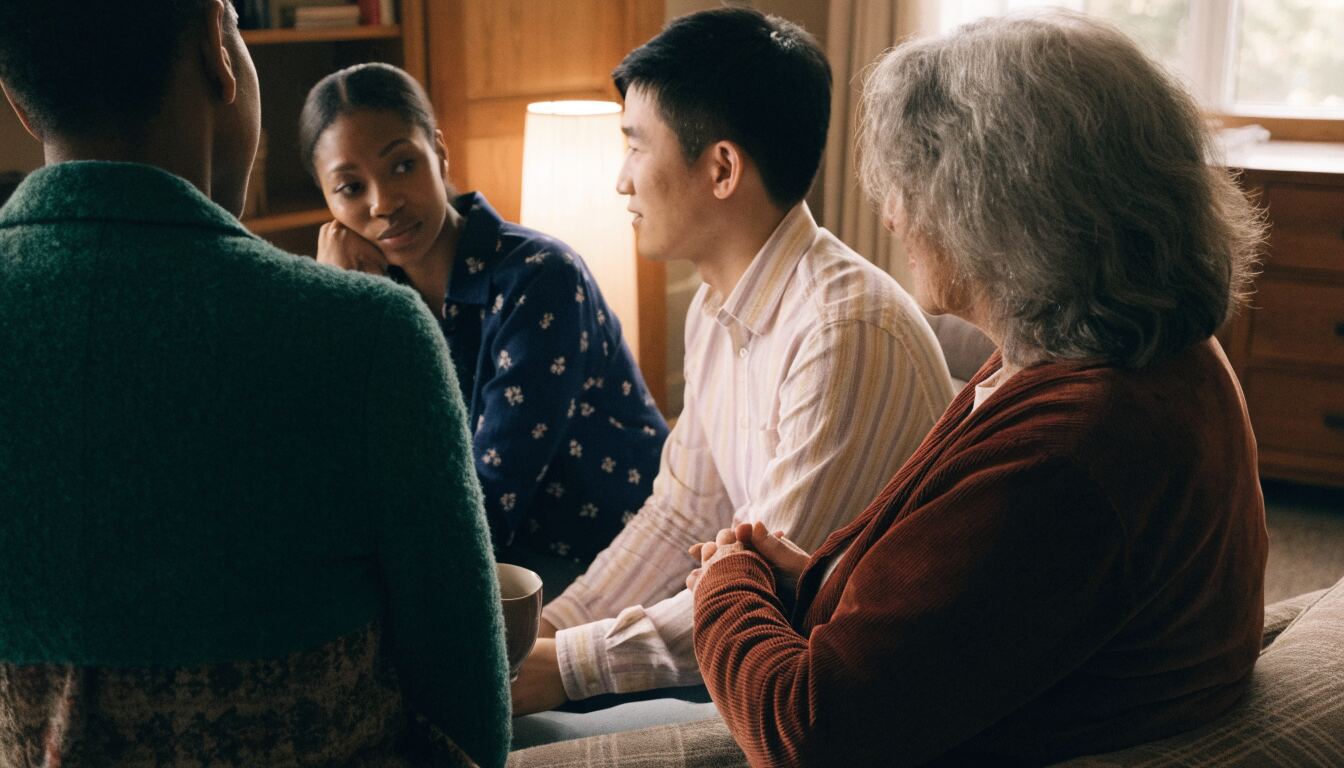
What Draws People to a Committed Circle
Romantic paths rarely stick to a single blueprint. While many thrive in conventional pairings, others uncover profound satisfaction in bonds that include more than two individuals. At first glance, the idea might seem daunting—how do you balance emotions, reliability, and dedication when the circle widens? A growing number of people find their answer in a framework known as polyfidelity. This approach carves out a special, closed unit where every person pledges loyalty to the others, remaining exclusive within that chosen network. It isn’t about accumulating connections for the sake of novelty, but rather cultivating a steady, transparent sanctuary built on mutual care. Unconventional? Perhaps. Unworkable? Far from it. For those who cherish both intimacy and expansive affection, it can feel remarkably organic and reassuring.
Grasping the Essence of Polyfidelity
When newcomers encounter the concept, their minds often leap to scenes of disorder or overwhelming complexity. The phrase “multiple partners” can trigger assumptions of a romantic free-for-all. Yet for most practitioners, the reality stands in stark contrast. At its foundation, polyfidelity is about constructing a durable, loving collective where all participants agree to exclusivity with one another. Picture it as a deliberately formed family, a tight circle of mutual obligation and devotion.
Mapping the Territory: Shared Affection, Clear Limits
So what precisely defines this arrangement? Polyfidelity is a relationship model in which a group commits to romantic or physical intimacy solely among themselves. The goal isn't maximizing the number of partners; it’s about enriching the connections within a predetermined, mutually accepted unit. This pledge generates a distinctive form of security. It allows for multiple deep loves, yes, but operates inside clearly articulated and jointly honored perimeters. People experience profound closeness and a sense of place without the ongoing pursuit of outside entanglements.
Moving Past the Couple Model: Stability and Distributed Care
Many individuals gravitate toward this structure because it delivers a brand of steadiness that differs from standard monogamy. Instead of a dyad, you might have a triad, a quad, or an even larger constellation where duties and emotional backup are spread across more shoulders. This doesn't automatically make things simpler, but it does mean the weight gets shared. Think about having extra people to navigate life’s highs and lows with, more sources of comfort during hardship, and additional hands to manage daily tasks. It’s a method for erecting a robust support network where each person feels nurtured and appreciated.
The Heart of the Matter: Belonging, Reliability, and Security
Establishing trust within these multi-person dynamics, particularly in polyfidelitous ones, is absolutely critical. The entire structure depends on a base of candor, transparent dialogue, and a collective feeling of safety. When you dedicate yourself to such a group, you’re effectively stating, “I select all of you, and I will remain faithful to this circle.” This reciprocal devotion cultivates a powerful sentiment of inclusion. It’s the knowledge that you are recognized, welcomed, and cherished by several people who are equally pledged to each other. That shared allegiance forges a protected haven where openness is greeted with tenderness and comprehension.
Laying the Groundwork: Core Principles for a Strong Start
Devotion Inside the Circle: United Faithfulness
In these arrangements, dedication doesn’t revolve around a single conventional vow. Rather, it centers on a collective promise to stay exclusive within the delineated group. This united loyalty forms the cornerstone of confidence. When everyone agrees to respect these borders, it generates a safe and dependable atmosphere for affection to bloom. It represents a deliberate choice to privilege the ties inside the circle, making the whole unit feel secure and reliable for every participant. This mutual investment is what transforms a collection of individuals into a genuine team.
Why Adaptability Matters So Much
Life inevitably delivers surprises, and polyfidelitous partnerships are no exception. Careers shift, people relocate, and unforeseen hurdles arise. The capacity to bend without breaking is essential for weathering these storms. It involves accepting that modifications are normal and tackling them with patience and consideration. The focus isn’t on clinging to a rigid blueprint, but on evolving together as circumstances demand.
Practical ways to stay flexible include recognizing that life never stands still and viewing change as a shared journey rather than a personal threat. When problems surface, gather the whole group to brainstorm creative solutions, ensuring every voice contributes to the path forward. Sometimes a short-term tweak—like temporarily adjusting schedules or redistributing chores—can relieve pressure until a more permanent fix emerges. This willingness to pivot preserves harmony and prevents minor friction from escalating into major rifts.
Dividing the Weight: How Teamwork Lightens the Load
An often underappreciated advantage of this lifestyle is the ability to distribute the burdens of everyday existence and emotional support. From tackling household upkeep to providing solace during rough patches, no single individual must shoulder everything alone. This collaborative spirit can markedly lower stress and intensify the bonds among partners. When obligations are spread out, love feels more sustainable and less like an exhausting duty.
Consider how this plays out in daily life:
- Task Allocation: Explicitly dividing errands, cleaning, or cooking so no one feels overburdened.
- Emotional Safety Net: Having multiple confidants to turn to when you need a listening ear or a shoulder to lean on.
- Parenting Coordination: Sharing the responsibilities of raising children, from school runs to bedtime stories.
- Money Management: Pooling resources for shared goals or transparently managing joint expenses to reduce financial strain.
How Polyfidelity Unfolds in Everyday Life
Beyond the Physical: The Primacy of Emotional Ties
When outsiders glimpse examples of multi-partner relationships, they frequently leap to assumptions about the physical dimension. But inside a polyfidelitous arrangement, that aspect represents merely one thread in a much richer tapestry. For many, the true adhesive is the emotional bond. It’s the reassurance that your partners are genuinely invested in your overall welfare—not just physically, but across every facet of your life. This profound feeling of inclusion and protection emerges from overlapping values and reciprocal backing. Affection feels fuller and more resilient when constructed on this kind of reliability, rather than on transient attraction alone. The daily texture of connection becomes woven from shared meals, collaborative problem-solving, and the quiet comfort of knowing you belong to a steadfast unit.
The Value of Structure and Explicit Understandings
Unlike more fluid varieties of ethical non-monogamy, polyfidelity frequently flourishes with well-defined understandings and perimeters. Imagine these less as rigid commandments and more as shared pledges that help everyone feel anchored. Putting such agreements in place can paradoxically make the relationship feel more liberating, not less. They act as guardrails that prevent confusion when numerous lives and duties intertwine. The aim is to construct a framework where everyone grasps what to anticipate and feels genuinely respected.
Key areas where agreements prove vital include safeguarding each person’s emotional space so that no one feels overlooked or drained. They also create a predictable environment where trust can deepen without constant guesswork. Finally, clear understandings ensure that affection has room to expand organically, unhampered by recurring friction over unmet expectations.
Handling Jealousy When the Group Is Your World
Envy can surface in any intimate connection, and polyfidelity is no exception. However, the method for addressing it often looks quite distinct. Since everyone is pledged to the collective, jealousy tends to be interpreted less as a sign of a crumbling bond and more as a cue that someone needs extra reassurance or that a standing agreement may require revisiting. Open conversation becomes the primary tool here. The process involves acknowledging the feeling without allowing it to dominate, and then collaborating to unearth its origins.
Groups often navigate these moments by prioritizing honest dialogue, where emotions are shared freely and without condemnation. Active reassurance follows, with partners deliberately showing through words and actions that each person remains valued and secure within the circle. Periodically, the group may review existing agreements to check whether they still serve everyone’s evolving needs, making adjustments that restore equilibrium and reinforce mutual trust.
Keeping the Flame Alive: Sustaining Long-Term Bonds
Maintaining a polyfidelitous relationship over the long haul really distills down to a handful of consistent practices. It isn’t sorcery, but it does demand steady effort from every participant. Picture it like cultivating a garden; you can’t simply scatter seeds and walk away expecting a lush harvest. You must water, prune, and supply the right conditions for sustained growth.
Dialogue as the Lifeline
Transparent and sincere conversation forms the absolute foundation here. When you’re dedicating yourself to several partners within a closed group, misunderstandings can multiply rapidly if left unaddressed. The goal is to foster an environment where everyone feels secure enough to voice their thoughts, emotions, and worries without dreading judgment. This demands genuine listening, not merely pausing until it’s your turn to respond. Consistent check-ins, whether brief daily touchpoints or more thorough weekly discussions, can yield enormous benefits. The focus isn’t on endless chatter, but on meaningful, intentional connection.
Effective strategies include scheduling regular group gatherings where everyone can connect and discuss how things are progressing, both logistically and emotionally. Practice active listening by striving to comprehend a partner’s perspective fully before crafting your reply. Use “I feel” statements to convey your inner experience without assigning fault, which keeps the conversation constructive rather than defensive.
Overlapping Values as the Bedrock
What does devotion signify for each individual in the group? What shape does loyalty take in daily practice? Possessing a shared grasp of these fundamental principles is what renders a polyfidelitous relationship stable. When everyone aligns on the crucial concepts of respect, faithfulness, and what it means to function as a cohesive unit, it establishes a resilient base. This doesn’t demand that everyone be identical in thought or personality, but rather that they agree on the guiding principles that steer their collective life. Such alignment helps keep the entire group moving in a unified direction, even when external circumstances grow tangled.
Reimagining Permanence as a Group Journey
Within polyfidelity, the notion of “forever” often undergoes a transformation. Rather than signifying a single lifelong partner, permanence can mean a sustained dedication to the group, maturing and evolving as a unit across the years. This doesn’t imply a path free of obstacles, but it does offer a unique brand of enduring security. It’s about accumulating a shared history and crafting a future in which every member holds a stake. This re-envisioned form of lasting commitment can feel remarkably grounding and freeing, demonstrating that stability need not conform to a solitary template. The emphasis lands on the collective voyage, not merely isolated destinations.
Distinctive Features of Polyfidelitous Living
At its core, polyfidelity revolves around constructing a devoted circle of affection and allegiance. It’s a relationship style that often appears unconventional from an external vantage point, but for those inside it, it delivers a profound sense of place and safety. This approach questions traditional assumptions about partnerships, generating dynamics that can be exceptionally fulfilling.
Families That Grow in Unexpected Directions
When youngsters are part of polyfidelitous households, they frequently gain from a broader support structure. Instead of only two primary guardians, children might have three, four, or even more adults deeply invested in their flourishing. This translates into more hands for homework guidance, more laps to crawl into for comfort, and a wider net of affection. It resembles having a built-in village, which can supply a strong sense of community and resilience for the kids. Naturally, this necessitates careful planning and transparent communication about roles and duties, but the result can be an extraordinarily secure and nurturing atmosphere.
More caregivers mean increased individual attention and mentorship for each child. Distributing parenting responsibilities can dramatically lower stress on any single adult, preventing burnout. A robust network creates a palpable sense of community, teaching children the value of cooperation and shared care from an early age.
Loyalty Reframed, Yet Still Central
Faithfulness in polyfidelity isn’t measured by devotion to a single person; it’s gauged by honoring the agreements established within the group. It means pledging yourself to the partners inside your chosen circle and refraining from pursuing romantic or physical connections beyond it. This exclusivity within the collective can feel profoundly comforting. It’s about remaining true to the promises extended to everyone involved, constructing a foundation of trust that is every bit as robust as that found in monogamous pairings—and sometimes even more so. It embodies a commitment to the whole, a vow to nurture the bonds that tie the circle together.
A Deep Sense of Community and Inclusion
One of the most potent dimensions of this lifestyle is the profound feeling of community and belonging it can generate. Partners aren’t merely individuals in separate, parallel relationships; they form part of a unified whole. This shared dedication fosters a distinctive variety of intimacy and reciprocal support. It’s about fashioning a safe harbor where every person feels seen, appreciated, and secure in their position within the relationship structure. This sentiment of inclusion acts as a powerful counterforce to loneliness and isolation, offering a steady and affectionate environment for all participants. For those seeking deep connections and a resilient sense of family, polyfidelity can be an immensely rewarding path. It provides a way to experience abundant love while preserving a strong sense of exclusivity within the chosen group.
Examining the Long-Term Potential
Why Stability Attracts So Many
A significant number of people are drawn to polyfidelity precisely because it offers a particular brand of steadiness. In contrast to more open polyamorous styles, polyfidelity involves a pledge to a specific set of partners, forming an exclusive circle. This exclusivity, paired with transparent agreements and overlapping values, can construct a powerful foundation that endures over time. The focus isn’t on perpetual searching or juggling multiple outside connections; it’s about intensifying the bonds already present within the group. This emphasis on internal dedication can feel exceptionally safe for those involved, providing a predictable and grounded relational home.
The Indispensable Role of Open Conversation
Honest and transparent communication serves as the absolute bedrock of any lasting relationship, and in polyfidelity, its importance multiplies. With several people sharing lives, emotions, and obligations, misinterpretations can surface swiftly. Routine check-ins, where everyone feels sufficiently safe to disclose their thoughts and sentiments without condemnation, are vital. The objective is ensuring that every individual feels genuinely heard and comprehended.
What makes these conversations productive? Scheduled check-ins provide dedicated time for the entire group to talk without distractions. Active listening means truly absorbing what others are expressing, rather than merely preparing your rebuttal. Relying on “I feel” statements allows for the expression of personal emotions without casting accusations. And unwavering honesty about needs, desires, and concerns keeps the relational soil fertile and free of hidden resentments.
Evolving Through Life’s Shifts
Life hurls unexpected challenges, and polyfidelitous relationships are no different. The capacity to adapt and mature collectively is what enables them to withstand the test of time. This demands flexibility when circumstances shift, whether those shifts involve career changes, evolving family needs, or individual personal growth. The commitment isn’t solely to the people themselves, but to the relationship structure, and that structure can and should evolve gracefully. Embracing change as a unit, rather than resisting it, transforms potential fractures into opportunities for deepening the shared bond.
Bringing It All Together
So, polyfidelity. It certainly doesn’t mirror the standard love narratives we encounter everywhere, but the lived experiences of those within it confirm that it works beautifully for many. The entire framework rests on constructing a tightly woven circle where every member is devoted to the others. Cultivating this bond demands abundant honest dialogue, the adaptability to bend when life delivers surprises, and a collective understanding of what loyalty signifies for everyone involved. From an outside perspective, it may appear intricate, but for those immersed in it, this model can feel profoundly stable, secure, and loving. Ultimately, it serves as a reminder that affection arrives in countless shapes and dimensions—and what truly counts is the care and dedication you choose to share with your chosen circle.
Common Questions About Polyfidelity
What precisely defines a polyfidelitous relationship?
Polyfidelity describes a relationship model where a group of individuals agrees to be romantically or physically exclusive to one another. Imagine it as a committed circle where every person inside the group pledges loyalty solely to the others within that same circle. It permits multiple deep loves while stipulating that no one seeks additional partners beyond the established unit.
How does this differ from broader polyamory?
While all polyamory involves sustaining multiple romantic connections, polyfidelity specifically requires that everyone within the group remain exclusive to each other. In other polyamorous configurations, individuals might date people outside their core group, but in polyfidelity, the dedication stays firmly contained within the defined circle, creating a closed loop of commitment.
Does jealousy become a bigger issue with more people?
Jealousy can certainly emerge, just as it does in any intimate bond. However, within polyfidelity, it’s often approached from a different angle. Because everyone has consented to exclusivity inside the group, envy typically stems from feeling overlooked or uncertain about one’s place in the circle, rather than from fear of a partner seeking someone new externally. Open dialogue and deliberate reassurance are the primary tools for addressing it.
What factors contribute to long-term success?
Enduring success in polyfidelity largely hinges on robust communication, transparent agreements, and overlapping values. When every group member remains honest about their needs and emotions, respects the established boundaries, and collaborates through obstacles, the relationship can be remarkably stable and gratifying. It’s fundamentally about constructing trust and practicing teamwork daily.
Do families in these arrangements include children?
Absolutely, families within polyfidelitous relationships can and do include kids. Having multiple committed partners often means additional support and affection for the children involved. While it necessitates strong organizational skills and clearly defined roles, many families discover that it cultivates a powerful sense of community and security for every member, especially the youngest ones.
Is polyfidelity considered a stable choice?
For a great many people, stability is a primary motivation for selecting polyfidelity. By forming a closed group, there’s a palpable sense of predictability and safety. Understanding precisely where everyone’s commitment lies can diminish the uncertainty that might accompany other relationship styles. It delivers a grounded, intentionally chosen family structure that many find deeply reassuring.