Why Private House Parties Appeal to Modern Adventurous Couples
For many open-minded duos, the thought of stepping into a commercial lifestyle club can feel overwhelming. Bright lights, walk-in traffic, and a public-facing address often create a different kind of energy—one that doesn't always align with couples who prioritize discretion, gradual comfort, and genuine social connection over immediate action. That's where invitation-only residential gatherings carve out a distinct niche.
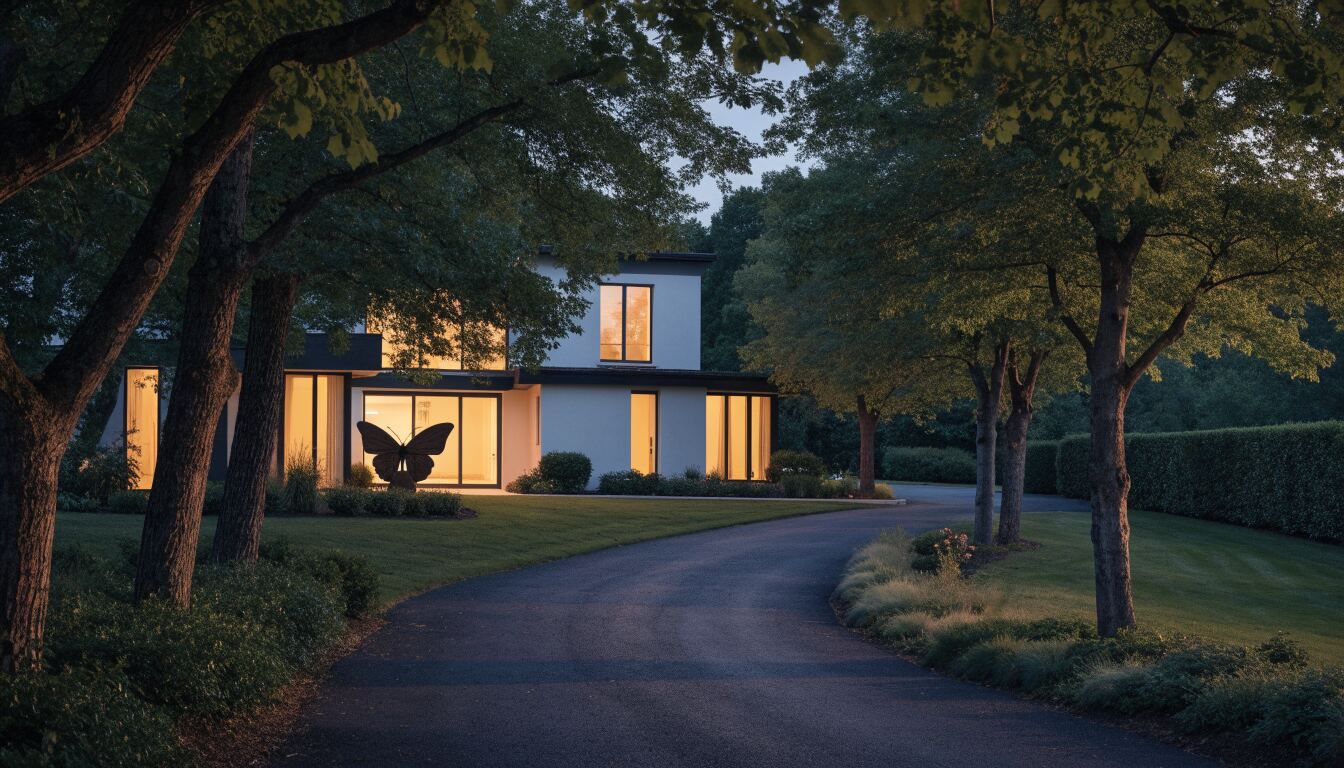
These events operate on a fundamentally different model. Instead of a storefront anyone can locate, the venue remains a private home, and attendance hinges entirely on pre-approval. The location is never posted publicly; only confirmed attendees receive the exact address, usually just days before the gathering. This approach isn't about exclusivity for its own sake—it's a deliberate design choice that protects everyone's privacy and creates a controlled, respectful atmosphere from the moment you walk through the door.
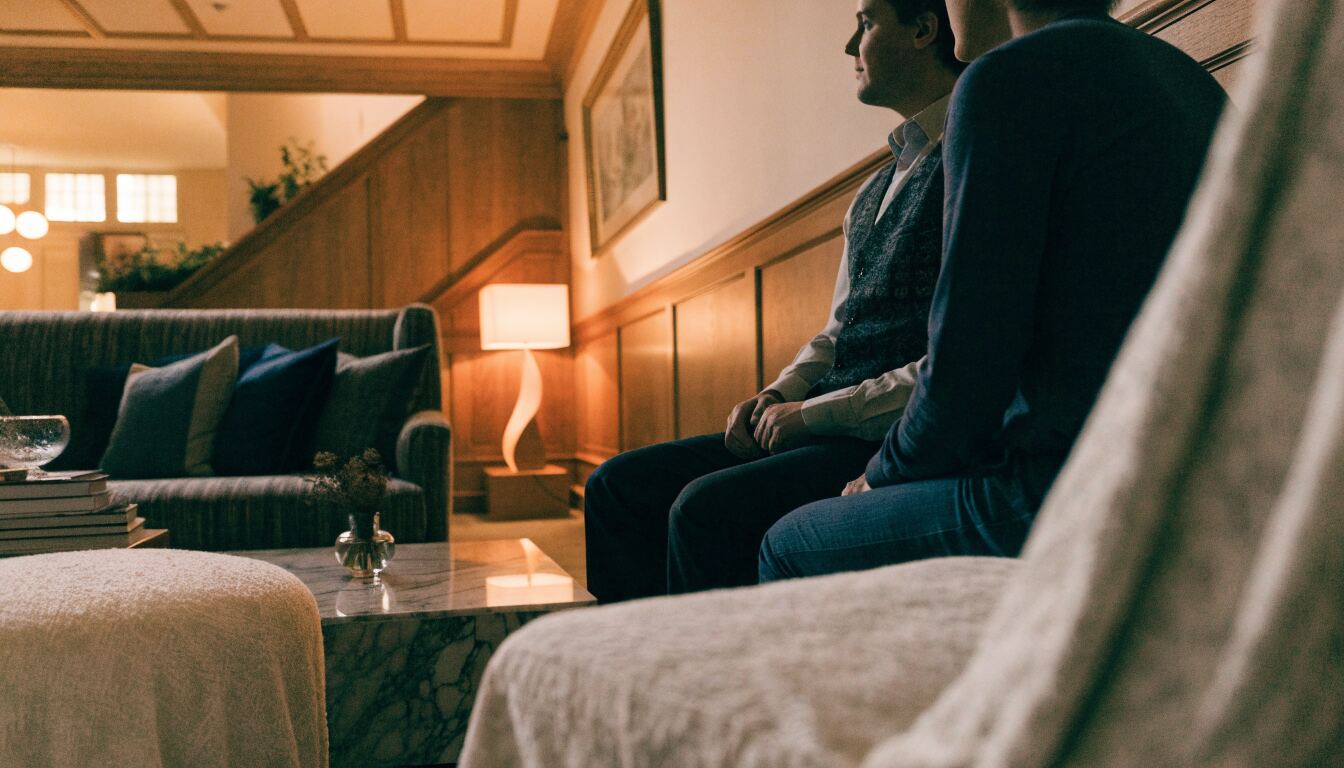
What makes this format especially attractive to couples is the emphasis on a social-first experience. You're not walking into a high-pressure environment where the expectation is immediate participation. Instead, the night typically unfolds at a relaxed tempo: arrive, settle in, grab a drink, chat with other guests, and gradually explore the space at your own pace. Many first-timers use their initial visit purely to meet people and observe the dynamics, and that's not just accepted—it's encouraged.
The hosts behind these recurring events put significant thought into structural elements that help newcomers feel at ease. Clear behavioral guidelines, a defined verification process, and a strong focus on mutual respect and consent are all non-negotiable pillars. When you combine that with amenities like provided food, mixers, ice, and multiple zones for different comfort levels, you get an experience that feels more like a curated evening among like-minded adults than a chaotic free-for-all.
The Guest List Model: How Screening and Verification Actually Work
One of the biggest shifts for couples accustomed to public venues is understanding that these events require planning. You can't decide on a whim and show up unannounced—the entire framework depends on a managed RSVP system. Here's how it typically functions.
When you express interest in attending, you're not just providing a headcount. You're entering a verification flow designed to maintain a safe, balanced environment. The hosts review requests, and only approved individuals make it onto the official guest list for that specific date. This step is crucial because it filters out anyone who might disrupt the intended atmosphere, ensuring that everyone present has been vetted as a good fit for the community.
Once you're approved, the address is shared shortly before the event—often around midweek prior to a weekend party. Guests are explicitly asked not to forward the location to friends or acquaintances. If someone you know wants to join, they must go through the same RSVP and screening process independently. This protects the privacy of the host and all attendees, and it prevents the kind of unexpected drop-ins that can throw off the carefully calibrated guest mix.
Entry rules are firm. You must be on the verified list to gain admission, and bringing along someone who isn't approved can result in the entire group being turned away at the door. Age verification is also standard, with a minimum requirement of 21, and IDs are often checked upon arrival. These policies aren't meant to be harsh—they're there to prevent discomfort and maintain consistency for everyone who followed the proper channels.
Reliability matters, too. Hosts track RSVP patterns, and repeated no-shows can lead to removal from future guest lists. This is especially important because private parties depend on accurate attendance numbers to keep a comfortable crowd balance. If you commit to attending, treat it as a firm plan. If something changes, communicate early so you stay in good standing for future invitations.
Understanding the Crowd: Who Attends and What the Vibe Feels Like
If you're picturing a specific demographic, it helps to know that these gatherings are designed primarily for adventurous couples, with single women welcomed and a limited number of carefully selected single men invited to maintain a couple-friendly atmosphere. This curated mix is a deliberate choice that sets the tone for the entire evening, making it feel less like a public free-for-all and more like a private dinner party where everyone's presence has been thoughtfully considered.
The age spread tends to lean toward a mature crowd, with many attendees falling somewhere between their late 30s and early 50s, though anyone 21 and older is welcome. What this often translates to in practice is a date-night energy: couples arriving together, socializing over drinks, and letting chemistry develop organically rather than rushing into anything. For those who are newer to the scene, this slower, more conversational pace can be incredibly reassuring.
Because the guest list is curated, you're less likely to encounter the kind of aggressive or unbalanced dynamics that can sometimes surface in less structured environments. The hosts actively manage the ratio, which helps create a space where couples feel comfortable engaging at their own level—whether that means mingling all night or eventually exploring the play areas together.
Timing, Arrival Logistics, and How the Evening Unfolds
Unlike a club with fixed operating hours, private house parties often shift their start times based on the season and theme. Cooler-weather events typically kick off in the early evening, while warmer months may see earlier start times that stretch later into the night—sometimes until 2:00 a.m. when outdoor amenities like pools are involved. The most reliable way to plan is to treat your RSVP confirmation and the specific event listing as your definitive source for timing details.
One non-negotiable rule across most events is the arrival cutoff, usually set around 10:00 p.m. This isn't arbitrary. Closing the door to new arrivals serves two purposes: it protects privacy and minimizes disruption once the party is in full swing, and it maintains a smoother, more controlled atmosphere for couples who don't want a revolving door of latecomers. If you anticipate arriving after the cutoff, you're expected to coordinate with the hosts well in advance—not assume you can stroll in whenever.
Once you arrive, the night generally begins with a social orientation. Most couples check in, get a lay of the land, and ease into the evening with a drink or some food. First-time attendees are often given a brief tour of the property, which is incredibly helpful for understanding the layout: where the conversation areas are, where dancing might happen, and which spaces are designated for more intimate activities. This walkthrough reduces uncertainty and helps you settle in faster.
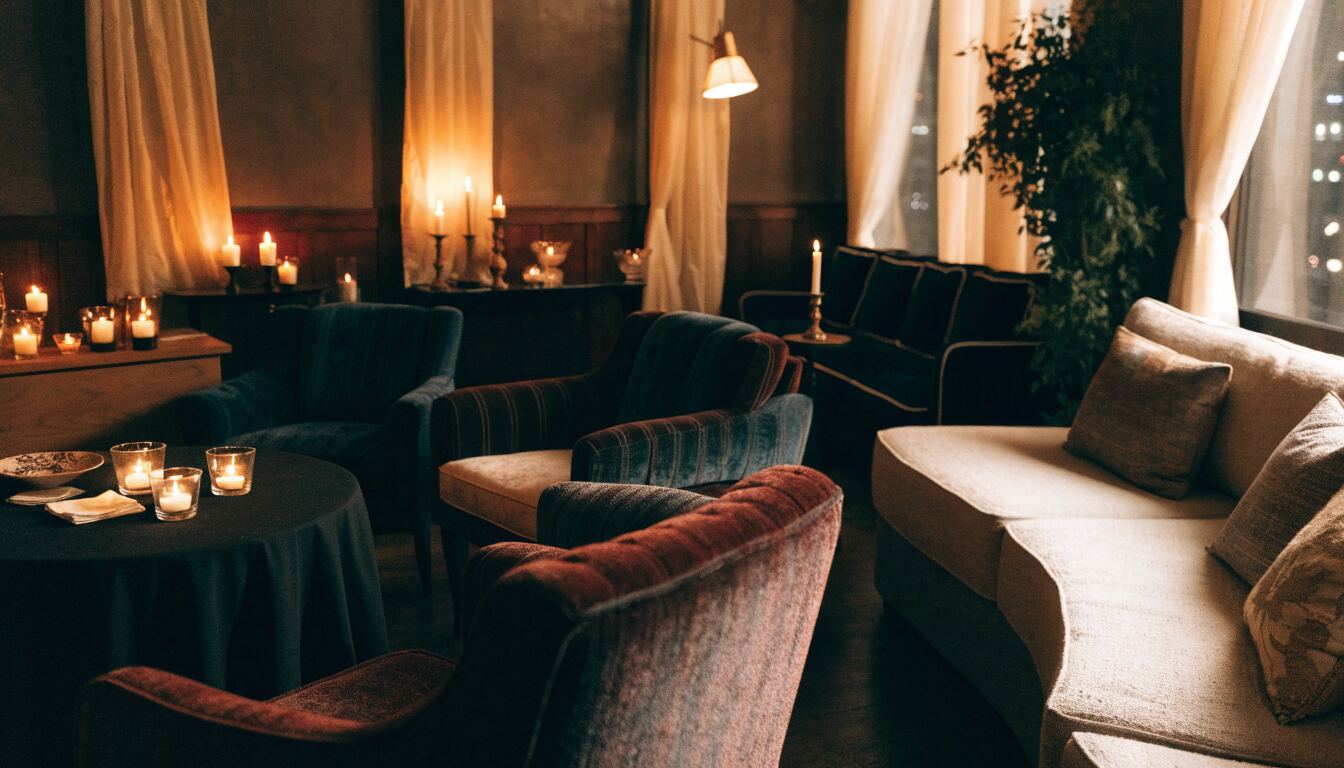
As the hours progress, the event tends to branch into multiple concurrent experiences rather than one monolithic party. There are typically zones for chatting and mingling, areas with music and dancing if the theme calls for it, and separate rooms set aside for play. This multi-zone setup is a major draw for couples because it allows you to shift your engagement level throughout the night. You can step away, take a breather, and rejoin the social flow whenever you're ready—without feeling observed or pressured.
The practical takeaway is straightforward: aim to arrive with enough time to acclimate before the door closes, use the early part of the night to connect socially, and let your comfort level guide the rest of the evening.
What the Hosts Provide and What You're Expected to Bring
Private house parties operate on a self-sufficient model, so couples should plan to arrive prepared while still enjoying the hosting touches that make the night feel like a shared event. Understanding the split between what's provided and what's your responsibility eliminates last-minute scrambling and helps you focus on having a good time.
On the host side, you can typically expect a food spread—often described as finger foods or a light buffet—along with mixers and plenty of ice. This means you don't necessarily need to eat a full meal beforehand, though pacing yourself is still wise. The provision of mixers is particularly convenient because it lets you focus on bringing your preferred alcohol without worrying about sodas, juices, or tonic.
As for your own packing list, the event is BYOB, so bring whatever you'd like to drink throughout the night. Personal safer-sex supplies like condoms and lubricant are also your responsibility, as are towels. Towels are especially important if the party features outdoor amenities like a pool or hot tub, or simply if you prefer having your own on hand for comfort. Some experienced attendees suggest bringing a small "couples kit" with breath mints, a compact toiletry item or two, and anything else that helps you feel confident and refreshed as the night goes on.
The hosts also note that guests are welcome to bring items that increase their comfort, like camp chairs for outdoor areas. This small detail signals a broader philosophy: the environment is meant to be casual and accommodating, not rigidly formal. Pack light, keep valuables at home, and think in terms of a long date night rather than an overnight trip—unless you've specifically arranged to stay on-site.
Speaking of which, overnight accommodations on the property can sometimes be arranged if you communicate your interest in advance. This isn't a guaranteed amenity for every guest on every night, but it's a valuable option for couples who'd rather not drive late or who want a more relaxed, unhurried ending to the evening. Treat it as a conversation to have early, not an assumption to make at the door.
House Rules, Consent Culture, and Privacy Expectations
The foundation of any well-run private gathering is a clear, consistently enforced set of behavioral guidelines. Because these events take place in someone's home rather than a commercial venue, the rules often feel more personal and are taken seriously by both hosts and attendees.
The overarching principle is a respectful, no-pressure environment where consent is the baseline, not an afterthought. You should assume a social-first flow: ask before initiating any physical contact, and accept any decline as final and respected without negotiation. Couples who thrive in these spaces are those who communicate their boundaries with each other early, stay attuned to their partner's comfort throughout the night, and understand that participation is always optional. Watching, mingling, and simply meeting new people are considered perfectly valid ways to spend the entire evening.
Privacy is treated as a core value. Since the address is shared only with approved guests, discretion is expected both during and after the party. The general standard is that what happens at the event stays there, and attendees are responsible for protecting the anonymity of others. In a private residence setting, this typically includes a strong expectation around photography and recording: phones should be put away, and no images or videos should be taken, allowing everyone to relax without worrying about being documented.
The hosts also enforce practical safety rules. Illegal substances are strictly prohibited, and responsible alcohol consumption is emphasized in a BYOB context. Smoking is generally confined to designated outdoor areas, with indoor smoking or vaping treated as a violation. If outdoor features like a pool are part of the night, additional rules apply—such as avoiding glass near the water and being mindful of shared space and other guests.
Some events also have specific policies around optional rentals like cabanas or tents, which are often first-come, first-served and may require a deposit. Rules regarding cleanliness and no smoking inside these structures are clearly communicated, reinforcing the hosts' active role in maintaining an organized, comfortable environment rather than letting things become chaotic.
What Sets Private House Parties Apart from Public Clubs
If you're weighing a private house party against a commercial swingers club, several distinctions are worth considering. The most obvious is the venue itself: a private residence versus a public-facing establishment. This difference ripples through every aspect of the experience, from how you find the event to how you're treated once you arrive.
The curated guest list model is perhaps the most significant differentiator. Public clubs often allow walk-ins or one-time visitors with minimal screening, which can lead to unpredictable crowd dynamics. Private house parties, by contrast, require advance RSVPs and verification, creating a more controlled and often more comfortable atmosphere—especially for couples who are newer to the scene or who value a balanced gender ratio.
The physical layout also tends to differ. Rather than a single large room or a few designated play areas, private residences often feature multiple spaces spread throughout the home, including outdoor patios, pool areas, and separate rooms with beds. This multi-zone design lets couples move between social, dance, and play environments at their own pace, taking breaks as needed without feeling trapped in one type of energy.
Recurring events also build a sense of community. When a host organizes gatherings regularly, you start to see familiar faces, established norms, and a more predictable social flow. This consistency can be reassuring for couples who want to build connections over time rather than navigating a completely new crowd every time they go out.
Finally, the cost structure is often different. Instead of fixed ticket prices, private house parties may operate on suggested donations that help cover food, mixers, supplies, utilities, and cleaning. This voluntary model can feel more accessible and less transactional, though it's still important to contribute fairly to support the hosts who open their home.
Tips for Couples Attending Their First Private House Party
If you're new to this format, a little preparation goes a long way toward transforming nervous anticipation into excited confidence. Start with communication: have an honest conversation with your partner about boundaries, desires, and any concerns before you even RSVP. Knowing you're on the same page removes a huge layer of uncertainty and lets you focus on enjoying the night together.
When you pack, think practically. Bring your own alcohol, safer-sex supplies, towels, and any small comfort items that help you feel at ease. Avoid overpacking—you don't need a suitcase, just a discreet bag with the essentials. Leave valuables at home, and consider bringing a change of comfortable clothes if the event includes outdoor spaces and you want to transition from social attire to something more relaxed.
Arrive early enough to settle in before the door closes. Use the first hour to get a tour if one is offered, find the food and drink stations, and start conversations at a comfortable pace. Don't feel pressure to do anything beyond socializing on your first visit. Many couples use their initial experience purely to observe, meet people, and decide if the environment feels right for them.
Respect the house rules as if you were a guest in a friend's home—because in a very real sense, you are. Keep your phone away, don't take photos, and honor the privacy of everyone present. If you're unsure about a particular policy, ask the hosts rather than assuming. They'd much rather clarify upfront than address a misunderstanding later.
Finally, plan your exit strategy. Decide in advance roughly when you'd like to leave, and check in with each other throughout the night to make sure you're both still feeling good. Having a agreed-upon signal or phrase can make it easy to communicate if one of you is ready to go. And if you've arranged overnight accommodations, confirm those details before you arrive so there are no surprises at the end of the evening.
Making the Most of Themed Nights and Seasonal Events
Many private house parties incorporate themes, which can range from simple dress codes to fully immersive concepts. These themed nights serve multiple purposes: they break the ice, give guests a shared conversation starter, and add a playful layer to the evening. For couples, themes can also be a fun way to collaborate on outfits and build anticipation before the event.
Seasonal variations also affect the experience. Summer parties may feature pool access, outdoor lounging, and earlier start times that take advantage of daylight. Fall and winter gatherings often feel cozier, with indoor socializing and later kickoff times. Pay attention to the specific event listing for details on what the theme entails and whether it affects practical considerations like what to wear or bring.
If a theme involves outdoor amenities like a pool, come prepared with appropriate attire, extra towels, and sun protection if the party starts during daylight hours. For indoor-focused themes, comfort is key—wear something that makes you feel confident but also allows you to relax as the night goes on. The hosts often use themes to enhance the atmosphere without making participation mandatory, so don't stress if you're not fully decked out; the priority is always on comfort and enjoyment.
Building Confidence Through Community Connection
One of the most underrated benefits of attending recurring private events is the opportunity to build genuine connections over time. When you see familiar faces at multiple gatherings, the initial awkwardness of being new fades faster. You start to recognize people, remember conversations, and feel more like part of a community than a one-time visitor.
This sense of belonging can be especially valuable for couples who are exploring the lifestyle together and want to do so in a supportive environment. Rather than feeling like you're navigating uncharted territory alone, you're surrounded by others who understand the dynamics, respect boundaries, and share a similar outlook on adventure and connection.
To accelerate this process, consider engaging with lifestyle community platforms where you can connect with other couples before attending events. When you've already established some rapport online, walking into a party feels less like meeting strangers and more like reuniting with acquaintances. This pre-event connection can smooth the social transition and make the entire experience more intentional and enjoyable.
Ultimately, the best private house parties succeed because they prioritize the comfort, safety, and enjoyment of their guests above all else. By understanding the structure, respecting the rules, and approaching the night with open communication and realistic expectations, couples can discover a vibrant, welcoming world that feels more like an extended dinner party among friends than a high-pressure scene.