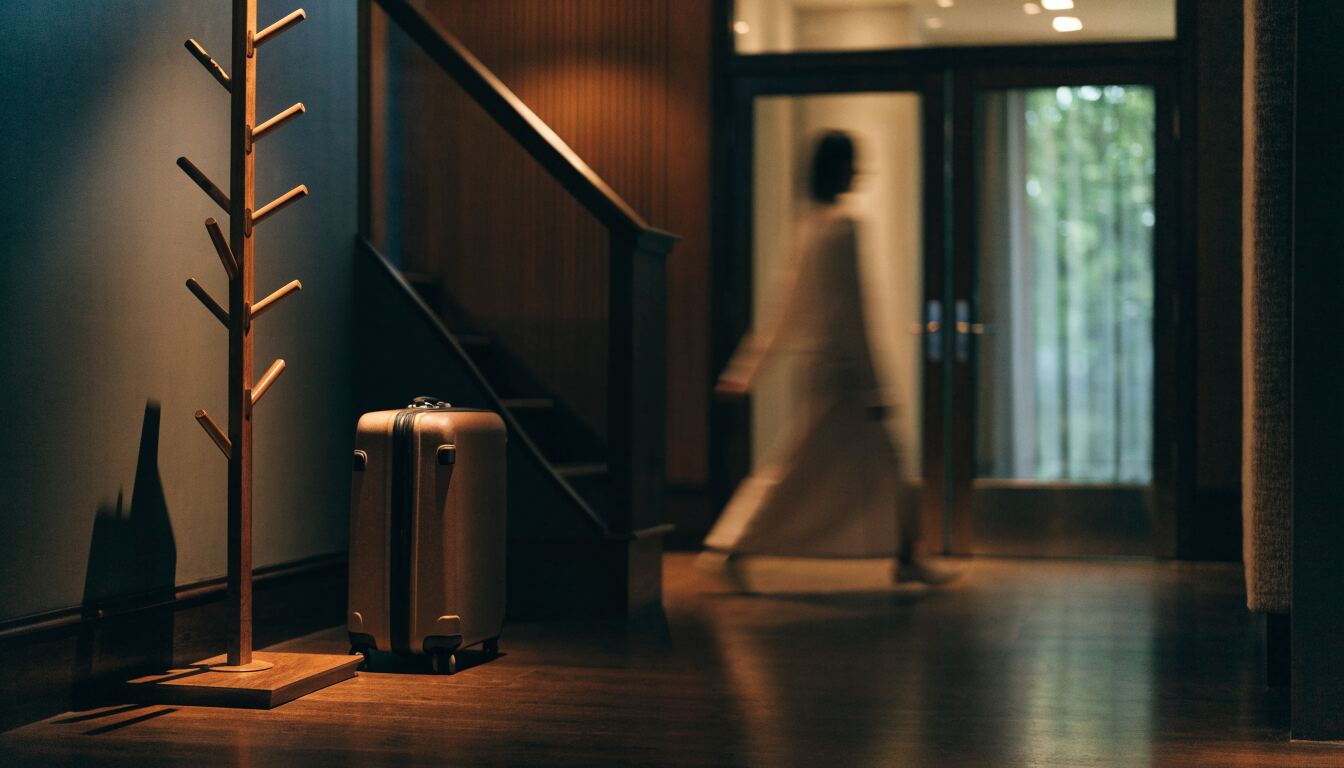
Embracing the Quiet Escape: An Introduction to Stealthy Travel
Picture this: a weekend away designed purely for relaxation and connection, where the outside world fades into a gentle blur. For many, the true allure of a private retreat lies in its invisibility. Crafting a journey that leaves no wake requires a blend of foresight and subtlety. It's about curating an experience where every detail, from your initial booking to your final unpacking, is wrapped in a comforting layer of secrecy. This isn't about hiding in shadows; it's about moving through the world with a quiet confidence that protects your personal sphere from unwanted curiosity.
Whether you're meeting like-minded souls at a intimate gathering or simply seeking uninterrupted time with a partner, the principles of a low-profile trip remain the same. We'll walk through the essential pillars: securing your digital life, choosing a sanctuary that respects your anonymity, navigating social scenes with grace, and packing with intention. The aim is to equip you with a mental toolkit that transforms potential stress into effortless enjoyment. After all, the best memories are forged when you're fully present, not when you're looking over your shoulder. Let's explore how to make your next journey a masterclass in quiet sophistication.
Building Your Invisible Armor: The Core of Travel Privacy
Before you even glance at a map or browse accommodations, the foundation of any discreet trip is a mindset often called operational security, or OpSec. This isn't jargon for spies; it's a thoughtful process of identifying and protecting the information that defines your private life. For those planning secluded couples' retreats or discreet social excursions, OpSec is the silent partner ensuring every moment stays just that—yours. It's a proactive habit of compartmentalizing, ensuring that the details of your lifestyle don't accidentally bleed into professional or casual social circles.
Decoding the Privacy Mindset
At its heart, this practice involves a shift in awareness. You begin to see potential information leaks not as malicious threats, but as routine oversights. It's about recognizing that a casual mention of a hotel's name to a neighbor, an automatic check-in on a social app, or a luggage tag left in plain sight can each be a single thread that, when pulled, unravels a larger picture. The core idea is to map out the journey of your information. Who needs to know what? A coworker might learn you're taking time off, but not the destination. A family member might know the city, but not the nature of the event. This deliberate filtering is the essence of safeguarding your peace.
Why Discretion Shapes Your Social World
We all navigate a complex web of relationships: colleagues, childhood friends, family, and the special community that shares our lifestyle. Each has a different level of clearance. The friction occurs when these worlds collide unintentionally. Imagine a colleague asking for restaurant recommendations in the same small town you're visiting for a private meetup. A thoughtful OpSec approach gives you a ready, truthful, yet vague answer, like recommending a place you read about in a generic travel guide. This isn't about deception; it's about maintaining healthy boundaries. The goal is to prevent the awkwardness that arises from oversharing, protecting both your own comfort and the privacy of others involved in your plans. This practice is what turns an anonymous couple's retreat from a nerve-wracking gamble into a serene reality.
Constructing Your Secure Travel Blueprint
Building a secure travel framework is like constructing a series of concentric circles, each adding a layer of protection. It's a combination of digital routines, physical awareness, and social finesse. Let's break down the foundational layers to consider before you even pack a bag:
- Digital Housekeeping: Before a trip, audit your digital trails. Disable location services for apps that don't need them. Log out of shared devices. Consider a dedicated, clean device for travel if you want a hard separation. This ensures your primary phone, filled with personal connections, doesn't become a liability.
- Physical Pre-planning: Think about your physical footprint. Will you use a ride-sharing app, and does your profile name match the one you want to project? If renting a car, is your insurance information linked to a home address you prefer to keep separate? These small logistical points can create unintended links.
- Social Scripting: Rehearse a few neutral, consistent narratives. “A quiet weekend to unplug” or “Exploring some antique shops out of town” work wonders. The key is to keep it boring and vague. A story that is too detailed often invites more questions, while a simple, bland statement closes the topic naturally.
Remember, the aim is to reduce the amount of accessible information to near zero. This isn't about living in fear, but about creating a seamless bubble where you control the aperture of your private life. A well-constructed framework makes your stealthy adult getaways feel less like a covert operation and more like a well-deserved, peaceful interlude.
Sanctuary Selection: Finding a Home Base that Guards Your Peace
The place you lay your head is far more than a bed; it's your operational headquarters, your safe harbor. Choosing accommodation that inherently respects anonymity is a critical factor in a successful discreet trip. You're looking for an environment where privacy feels baked into the architecture and service style, not just a feature listed on a website. Think about the emotional atmosphere you want: the impersonal efficiency of a large hotel can sometimes offer more anonymity than a chatty bed-and-breakfast, yet a secluded private rental might offer the ultimate seclusion. The right choice is the one that makes you feel comfortably invisible.
Going Beyond Star Ratings to Find Privacy-Focused Hotels
When evaluating a hotel, the star rating is often a measure of luxury, not discretion. A boutique property with a quiet, library-like loby and a no-photography policy in common areas can be a goldmine. Look for reviews that hint at the staff's demeanor; phrases like “respectful,” “unobtrusive,” and “professional” are green flags. Conversely, complaints about thin walls or overly familiar staff are red alerts. Consider the hotel's marketing too. An establishment that brands itself as a party hotspot or a family hub will have a different energy than one that advertises itself as a serene, urban escape. The latter often attracts a clientele that values quietude, making it easier to blend in. Hotels with multiple, discreet entrances or wings separated from the main loby allow you to come and go without parading through a central stage.
Evaluating a Property's Security Ethos
True security is often invisible. It's not just about a chain on the door, but a holistic sense of safety. When researching, look for structural elements that limit public access. Do elevators require a room key to operate? Are stairwells accessible only from inside guest floors? These features naturally filter out non-guets. Check for mentions of a well-lit, secured parking area, especially if you're arriving by car. An in-room safe is a basic expectation, but a hotel that offers secure luggage storage after check-out or has a discrete package-handling policy shows a deeper understanding of guest privacy. A quick call to the front desk to inquire about their “quiet hours” policy or how they handle unexpected visitors can also reveal a lot about their general approach to guest protection without you having to state your specific needs.
The Art of the Invisible Check-In
The check-in process is often the moment of highest visibility. Your goal is to be a polite, unmemorable transaction. Preparation is key. If you've booked under an alias, have a plausible, simple explanation ready only if directly questioned, though this is rare. More commonly, you might want to ensure your reservation doesn't display your full name on a publicly visible screen. You can call ahead and politely ask if they can use just a first name or initials for your stay, framing it as a personal preference for simplicity. Timing your arrival for mid-afternoon, when the lobby is often quiet, can mean fewer guests and a less harried check-in clerk. Dress to match the hotel's generic vibe—neither too casual nor too flashy. The entire interaction should be brief, friendly, and forgettable. For an even deeper level of separation, consider properties that offer self-check-in kiosks or mobile key access, where you can bypass the front desk entirely. This shift from a person-to-person interaction to a digital one adds a substantial layer of anonymity.
When sifting through your options, use this mental checklist:
- Neighborhood Vibe: Is the area residential and quiet, or is it on a main drag with heavy foot traffic that makes your comings and goings public?
- Auditory Privacy: Do reviews mention solid soundproofing, or can you hear conversations from the next room? This is crucial for your own comfort and for not disturbing others.
- Staff Philosophy: Is the service described as “theatrical” or “seen-and-not-heard”? The latter is infinitely better for a discreet stay.
- Layout and Access: Does the property have private villas, casitas, or rooms with external corridors that allow you to avoid a main lobby?
Your accommodation sets the entire emotional tenor of your trip. It's the place where you can exhale completely, free from the feeling of being observed. Selecting it with a critical eye for these subtle details transforms a simple room into a genuine sanctuary.
Navigating Social Waters with Understated Grace
Moving through social events, whether a large private gathering or a quiet meetup, is a delicate dance. The key to keeping your activities private lies not in avoidance, but in a practiced subtlety. It's about modulating your presence so you're an active participant without becoming the focal point. This starts long before you arrive at the venue and continues in every interaction you have.
Scouting Discreet Venues for Gatherings
The right location is your greatest ally. Look for venues that naturally cultivate intimacy and discretion. A cocktail lounge with deeply upholstered booths, low lighting, and a hushed atmosphere allows for private conversation without whispered secrecy. A private dining room in an unassuming restaurant is another excellent choice. The ideal spot is one where the design itself creates pockets of privacy. Avoid places with a “scene” reputation, loud music that forces you to shout, or a layout where everyone can see everyone else. A house party, if the host is mindful of the guest list and manages arrivals to avoid a swarm of cars, can be perfect. When scouting, consider the parking situation; a venue with a private, out-of-sight lot is preferable to one where everyone must park on a busy street and walk in.
Consider these factors when choosing a venue:
- Acoustic Design: Does the space absorb sound, or does it echo? You want to hear your companions without being overheard.
- Seating Geography: Are there corners, alcoves, or high-backed seating that create natural visual barriers?
- Accessibility: Is it easy to find but not on a main thoroughfare where you might be spotted by acquaintances?
The Subtle Art of Blending In
Once you're at the event, your demeanor is your camouflage. This begins with your attire. Research the venue's typical dress code and aim for the middle of it. Being overdressed or underdressed draws the eye. Your goal is to be sartorially unremarkable. Observe the room's energy and modulate yours to match. If the mood is calm and conversational, a boisterous entrance will make you a spectacle. Keep your body language open but not expansive, and your voice conversational in tone and volume. This isn't about suppressing your personality, but about channeling it in a way that harmonizes with the environment. Think of yourself as a guest musician in an orchestra, playing your part beautifully but always in tune with the whole.
Mastering Discreet Introductions
Meeting new people is a pleasure, but oversharing in the first few minutes is a common pitfall. A warm smile and a simple, “Lovely to meet you, I'm [first name],” is all you need. If someone asks what you do, have a generic but truthful answer ready, such as “I work in finance” or “I'm in tech,” and then quickly pivot to a question about them. People love to talk about themselves, and this graceful deflection keeps the spotlight off you. If someone is overly inquisitive, a polite, “I keep my work life pretty separate, but tell me more about your travels!” is both a boundary and a bridge. Remember, you are curating the information you release. A person can be charming and engaging while revealing almost nothing personal. The connection is in the moment, not in the exchange of biographical data.
Securing Your Digital Echo: Communication and Footprints
In our hyper-connected world, your digital trail is often louder than your physical one. A discreet getaway requires a parallel digital strategy to ensure your online activities don't broadcast what you're trying to protect. This isn't just about what you say in messages, but the invisible data you generate—your location, your search history, your network connections. Managing this digital echo is a cornerstone of modern privacy.
Fortifying Your Channels with Encrypted Messaging
Standard SMS and unencrypted calls are like sending a postcard; anyone handling it can read the contents. For any communication related to your trip, switch to applications that provide end-to-end encryption. This technology scrambles your messages so only your intended recipient's device can unscramble them. Signal is a widely trusted option for this, known for its strong security protocol. Telegram's “Secret Chat” feature also offers this level of protection. When using these tools, also explore their disappearing message features. Setting a timer for messages to auto-delete after a set period can be a powerful way to ensure no residual sensitive conversation history exists on any device. This practice cleans up your digital space automatically.
Erasing Your Digital Breadcrumbs
Every online action leaves a trace. Your phone's location services can pinpoint you on a map, public Wi-Fi networks can expose your traffic, and even your browser cookies can tell a story. To travel with a lighter digital footprint, a Virtual Private Network (VPN) is essential. A VPN creates an encrypted tunnel for your internet traffic, masking your true IP address and making your online activity appear to originate from a different server. This is crucial when using a hotel's or cafe's Wi-Fi, which is often poorly secured. Additionally, proactively turn off your phone's location services for any app that doesn't require it to function. This prevents apps from silently logging your movements. Before you leave, clear your browser's cache, cookies, and search history. Consider using a privacy-focused browser for all trip-related searches and bookings.
Shielding Your Personal Data Online
Social media is often the biggest leak in personal privacy. Even with “private” profiles, metadata in photos can reveal your location, and comments from friends can inadvertently tag you. Adopt a policy of never posting in real-time. Share photos and stories only after you've returned home. Review your social media privacy settings rigorously: who can see your posts, who can tag you, and how your profile appears in search engines. For any new accounts or sign-ups related to your trip, use a temporary, burner email address. These services allow you to create an email that self-destructs after a short time, perfect for one-time verifications. Be deeply skeptical of phishing emails or texts that ask for your credentials, especially around the time of your travel. A simple checklist for digital hygiene includes:
- Conducting a privacy audit in your social media settings.
- Disabling automatic location tagging on your phone's camera.
- Using a password manager to create and store strong, unique passwords for every account.
- Regularly reviewing and revoking access for third-party apps connected to your primary accounts.
The Stealthy Suitcase: Packing with Intention and Subtlety
What you carry is a visual statement. The goal of packing for a discreet trip is to be aggressively unremarkable. Your luggage, your clothes, and even your accessories should whisper “ordinary traveler” rather than scream for attention. This is about making deliberate, thoughtful choices that serve your privacy without looking like you've tried to do so.
Choosing Luggage that Doesn't Shout
Retire the bright, patterned suitcase with the loud brand logo. Your ideal travel companion is a study in understatement. A soft-sided, dark-colored bag in navy, charcoal, or black is perfect. It absorbs into a sea of similar luggage on a carousel and in a loby. A well-made, but not overtly designer, duffel bag or a functional backpack with a clean silhouette projects an air of casual, non-specific travel. The material should look durable but not tactical. A bag with a few scuffs or a worn-in look can actually be an asset; it looks lived-in and unremarkable. Avoid bags with a multitude of external straps and clips that suggest specialized gear. The message your luggage should send is, “I'm here for a simple weekend,” nothing more.
Dual-Purpose Items and Clever Concealment
The smartest packing involves items that serve more than one function, reducing the amount you need to carry. A large, plain pashmina can be a scarf, a light blanket on a plane, or a discreet cover-up. A simple, unbranded baseball cap can help shield your face from obvious camera view in a loby without looking out of place. For any sensitive but necessary items, think creatively. A hollowed-out compartment in a classic, hardback book is a timeless, if clichéd, solution. A money belt worn under clothes remains effective for the most critical documents. For tech, consider a secondary, prepaid “burner” phone for the trip, a device not linked to your primary Apple ID or Google account, used solely for logistics and encrypted communication. A classic, spiral-bound notebook and pen are invaluable for jotting down addresses or plans without creating a digital record.
Aoiding Gear that Raises Eyebrows
A cardinal rule is to leave anything overtly “scene” or tactical at home. This means no camouflage print unless you are literally on a hunting trip in a place where that is the norm. Avoid heavy, military-style boots, cargo pants with a dozen pockets, or any equipment that looks like it belongs in a spy movie. The same goes for fetish wear or overly suggestive accessories; these should be packed in a non-descript bag within your main luggage, not worn or visible. The goal is to ensure that if a stranger glances at your belongings, nothing triggers a second thought or a sense of curiosity. Distribute your gear so no single bag looks overstuffed or oddly shaped. A tidy, well-organized, boring bag is your best disguise.
Liing the Discreet Narrative: In-Trip and Post-Trip Practices
The flight is booked, the bag is packed, and you've arrived. Now the real-time practice of discretion begins. This phase is about embodying the plan, moving with a quiet awareness that protects your bubble. And the need for this mindfulness doesn't end when you walk through your front door; the post-trip wind-down is equally important to ensure the serenity you built remains intact.
Behavorial Tactics for Effortless Invisibility
Your behavior is your most dynamic camouflage. The key is to mirror the local context. Observe the pace of the city or town. Are people walking quickly with purpose, or strolling slowly? Match it. What's the ambient volume of conversation in a cafe? Adjust yours to it. Keep your phone tucked away; a person staring at a screen is oblivious, but a person constantly looking around is noticeable. Be a considerate, generic guest. This extends to your interactions. A simple, genuine smile and a quiet “thank you” to service staff makes you a pleasant but unmemorable blip in their day. Your posture should be relaxed, your movements fluid, not hurried or furtive. The art is to be present in your own experience without letting your experience become a public performance.
Handling Unexpected Run-Ins with Poise
Despite the best plans, you might lock eyes with a familiar face. The moment requires ice-cold composure, not panic. The first rule is: don't over-explain. A genuine, slightly surprised smile and a simple, “Fancy seeing you here! We're just taking a few days to unplug,” is all that's needed. The phrase “unplug” is magic; it implies a desire for disconnection, which makes further questions feel intrusive. If they ask where you're staying, a vague “Oh, just a little place downtown” suffices. If they're insistent or you feel cornered, a polite, “I'd rather keep the details off the radar, you know how it is—just trying to truly escape!” is a firm yet friendly boundary. The goal is to be so pleasantly bland that the encounter fades from their memory quickly. Afterwards, you can discreetly alter your route or timing to avoid a repeat meeting.
Tying Up Loose Ends: The Post-Trip Privacy Protocol
Your journey might be over, but its digital and social residue lingers. A post-trip OpSec routine is your final, crucial step. Start with your devices. Delete any location tags from photos you took. Remove the trip from your calendar. Clear your GPS history and any saved locations from maps apps. If you used a burner phone or temporary email, securely dispose of or deactivate them. Next, audit your social media. Resist the urge to post a delayed album; even a week later, the metadata and comments can create a retrospective trail. If you must share, do so in a very limited, trusted group, and strip the photos of their EXIF data first. Finally, manage your verbal narrative. Your story to colleagues and casual friends should be consistent, brief, and boring. “It was a quiet, relaxing weekend” is the perfect full stop. This final act of tidying up ensures that the beautiful, private world you created remains a sealed, cherished memory, untouched by the outside world's gaze.
Common Questions About Low-Profile Getaways
What Is Operational Security and Why Does It Matter for Travel?
Operational security, often shortened to OpSec, refers to the careful methods used to shield your personal plans and movements from prying eyes. When applied to travel, it means taking deliberate steps to ensure your itinerary, activities, and companions remain confidential. This is especially valuable for journeys where you'd prefer to avoid scrutiny from social circles or professional networks. By controlling the flow of information, you create a buffer that lets you relax fully, knowing your private life stays separate from other aspects of your world.
How Do You Choose Accommodations That Prioritize Privacy?
Selecting the right place to stay is a cornerstone of a discreet trip. Steer clear of large, bustling resorts in tourist-heavy zones. Instead, seek out boutique hotels, bed-and-breakfasts tucked away on quiet streets, or vacation rentals with self-check-in options. When researching, dig into reviews for mentions of peaceful atmospheres, soundproofing, or staff that respect boundaries. Features like private entrances, in-room dining, and minimal interaction with front-desk personnel can make a significant difference. A property that blends naturally into its surroundings without flashy signage helps you arrive and depart without drawing unwanted attention.
What Are the Best Practices for Secure Communication on the Road?
Your digital footprint can easily undermine a carefully planned private escape. Rely on end-to-end encrypted messaging platforms such as Signal or Telegram for any sensitive conversations, as these services encode your exchanges so they remain between you and your recipient. Steer clear of standard text messages or social media platforms for discussing details of your trip. It's also wise to disable read receipts and location sharing on your devices temporarily. For an extra layer of caution, consider using a virtual private network (VPN) when connecting to public Wi-Fi, which masks your online activity from network monitors.
How Can Your Luggage Choices Support a Low-Key Journey?
The gear your carry can either help you blend in or make you stand out. Opt for functional, understated bags like a classic canvas backpack, a sleek roller suitcase in a neutral color, or a simple duffel. Avoid anything with bold patterns, vibrant hues, or prominent branding that might trigger recognition or curiosity. The goal is to look like any other traveler, not someone with a unique story to tell. Packing light also helps, as it allows for quicker, less conspicuous arrivals and departures.
What Steps Should You Take After Returning Home to Maintain Privacy?
Once your getaway ends, a thoughtful wind-down keeps the experience contained. Resist the urge to immediately share stories or photos online; even a seemingly innocent post can spark questions. Save detailed recollections for trusted, in-person chats with those who already know. Review any digital trails you may have left, such as location tags or app permissions, and clear them if needed. Think of this phase as securing the memory: cherishing it privately ensures the freedom you felt during the trip remains untarnished by outside chatter.
Embracing a discreet approach to travel isn't about hiding—it's about crafting a space where you can fully enjoy experiences on your own terms. By carefully selecting your accommodations, securing your communications, blending in with unassuming gear, and managing post-trip sharing, you build a protective bubble around your personal life. These habits let you explore with confidence, knowing that your adventures remain exactly where you want them: in your own treasured recollections.