Why Energy Awareness Matters in Group Dynamics
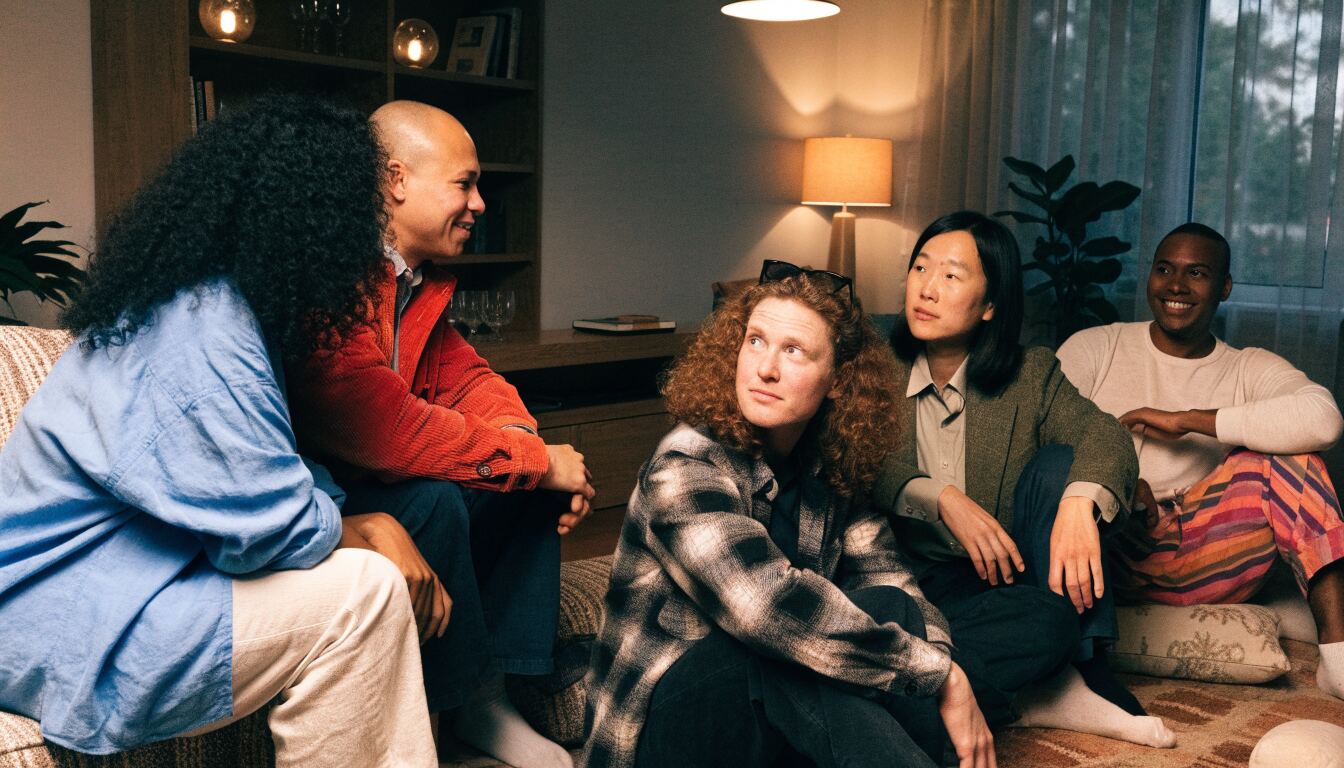
Picture a social gathering where the atmosphere is meant to be open and connective. One corner buzzes with animated laughter and quick banter, while a quieter cluster shares soft smiles and slower conversation. These contrasting rhythms are natural, yet they can create subtle friction if no one pays attention. Being mindful of how different temperaments interact isn’t about policing fun—it’s about ensuring nobody feels steamrolled or invisible. When you walk into a setting where people express themselves at varying volumes and speeds, a little emotional intelligence goes a long way.
Think of it like a potluck dinner: some guests bring spicy, bold dishes, and others offer mild, comforting flavors. The meal works because there’s enough variety for everyone to find something satisfying. In the same vein, a social or intimate environment thrives when people honor each other’s unique contributions without demanding uniformity. This mindset forms the backbone of considerate participation, especially in spaces where personal boundaries and comfort levels vary widely.
Breaking Down the Spectrum of Personal Energy
Not everyone operates on the same internal clock. Some individuals arrive at an event already buzzing with enthusiasm, ready to dive into lively exchanges. Others need time to warm up, preferring observation before active engagement. Then there are those who oscillate depending on factors like fatigue, mood, or the general vibe of the room. Recognizing this spectrum is the first step toward genuine inclusivity.
High-energy participants often bring infectious excitement, but they may unintentionally overshadow more reserved attendees. Meanwhile, low-key individuals contribute depth and calm, yet they risk being overlooked if the pace feels relentless. Neither style is superior; they simply offer different flavors of connection. When you stop labeling one approach as “better,” you open the door to richer, more balanced interactions. Pay attention to how people enter a space—do they make eye contact easily, or do they hover near the edges? These small observations help you tailor your approach without making anyone self-conscious.
What Mixed Energy Play Actually Looks Like
Mixed energy play refers to any scenario where participants bring contrasting levels of intensity, enthusiasm, or engagement to a shared experience. This could unfold during a casual game night, a dance floor moment, or more intimate encounters. The common thread is that everyone involved deserves to feel at ease, regardless of where their personal dial is set.
Imagine a scenario where one person craves fast-paced, spontaneous interaction while another prefers a gradual, sensory-focused approach. Without communication, the faster-moving individual might misinterpret slowness as disinterest, while the more deliberate person could feel rushed or pressured. The sweet spot lies in acknowledging these differences openly and adjusting the tempo so both parties feel seen. It’s less about compromising your own preferences and more about co-creating a rhythm that accommodates multiple truths at once.
Practical tip: before any group activity, take a moment to gauge the collective mood. A quick check-in like “How’s everyone feeling tonight?” can reveal whether the group leans toward high-energy fun or a more relaxed vibe. Use that insight to guide the initial pace, then remain flexible as things evolve.
Honoring Individual Preferences Without Judgment
Every person carries a unique blueprint for what feels enjoyable and safe. Some thrive on adrenaline and novelty, while others crave emotional intimacy and unhurried connection. Many enjoy a blend, shifting between modes depending on context. The danger arises when we project our own preferences onto others, assuming everyone wants the same intensity we do.
Cultivate curiosity instead of assumption. Ask open-ended questions like “What kind of atmosphere helps you feel most comfortable?” or “Is there anything you’d love to see more of in our time together?” These inquiries signal respect and invite honesty. Equally important is observing non-verbal feedback—someone might verbally agree to an activity while their posture screams hesitation. Trust those signals and pause to clarify. A simple “You seem a bit quiet—want to try something different?” can prevent discomfort from snowballing.
Remember that preferences aren’t fixed. A person who usually enjoys high-energy exchanges might crave stillness after a stressful week. Treat each interaction as a fresh opportunity to learn, rather than relying on past patterns. Flexibility is a superpower in any group dynamic.
Embracing the Richness of Diverse Play Styles
Variety isn’t just the spice of life—it’s the foundation of a vibrant community. When you welcome different ways of expressing joy, you expand your own horizons. Someone who favors gentle, slow-paced connection might teach you the beauty of savoring small moments. Conversely, a more exuberant participant could inspire you to embrace spontaneity you didn’t know you had.
Creating space for diverse styles requires active effort. It means designing environments where multiple activities can coexist: a quiet corner for deep conversation, a lively area for games or dancing, and perhaps a middle zone for those who want to float between energies. It also means checking your internal biases. Do you secretly judge people who are louder than you, or dismiss those who are quieter as boring? Catching these thoughts is the first step toward genuine acceptance.
Encourage expression by celebrating small acts of authenticity. When someone shares a vulnerable thought or tries a new activity, acknowledge their courage. Positive reinforcement builds trust and makes it easier for others to step outside their comfort zones without fear of ridicule.
Laying the Groundwork with Clear Expectations
Before any gathering, invest time in setting the stage. This doesn’t have to be a formal negotiation—it can be as simple as a group chat where everyone shares their hopes for the event. Transparency about what you’re comfortable with prevents awkward surprises later. Think of it as drawing a map before a road trip: you can always take detours, but knowing the general direction keeps everyone from getting lost.
Discuss practical details too. Will there be designated quiet zones? Is there a signal for when someone needs a breather? Clarifying these logistics upfront demonstrates care and reduces anxiety. It also normalizes the idea that needing space or a slower pace is perfectly valid, not a buzzkill.
Opening Honest Channels of Dialogue
Communication isn’t a one-and-done checkbox. It’s an ongoing practice that deepens over time. Start conversations well before any event, and continue them during and after. Share not just your boundaries but also your desires—what excites you, what makes you curious, and what feels a bit intimidating. Vulnerability invites vulnerability, creating a cycle of trust.
Use “I” statements to express yourself without sounding accusatory. For example, “I feel more connected when we take things slowly at first” lands differently than “You always rush into things.” The former shares your experience; the latter can feel like criticism. Practice active listening by reflecting back what you hear: “It sounds like you’re hoping for a mix of playful energy and quiet connection tonight—did I get that right?” This simple technique prevents misunderstandings and shows you’re truly engaged.
Building Respectful Boundaries Together
Boundaries are gifts you give each other. They clarify where comfort ends and discomfort begins, allowing everyone to relax within known limits. When establishing boundaries, be specific. Instead of a vague “I’m not into anything too wild,” try “I’m comfortable with X and Y, but Z is off the table for now.” Specificity eliminates guesswork.
Treat boundaries as living agreements that can evolve. A monthly check-in with regular partners or friends can reveal shifts in what feels okay. Maybe something that was a hard no last year now sparks curiosity, or vice versa. The key is to revisit these conversations without pressure, ensuring everyone feels empowered to update their limits. Respect also means accepting a boundary without demanding an explanation. “No” is a complete sentence.
Making Consent an Ongoing Conversation
Consent isn’t a gate you pass through once; it’s a path you walk together. Enthusiastic participation at the start of an evening doesn’t guarantee the same feeling an hour later. Fatigue, unexpected emotions, or simply a change of heart can shift someone’s willingness. Regular check-ins keep everyone on the same page.
Develop a habit of pausing to ask, “Still feeling good about this?” or “Is there anything you’d like more or less of?” Normalize these questions so they feel caring rather than intrusive. Pay equal attention to what isn’t said—averted eyes, stiff shoulders, or sudden silence often communicate more than words. If you sense hesitation, slow down or stop entirely. It’s always better to pause and preserve trust than to push through and cause harm.
Reading the Room When Energies Shift
Environments are dynamic; they breathe and change like living organisms. A room that starts with crackling energy might mellow into thoughtful quiet after an hour. The skill lies in noticing these transitions and adapting accordingly. Scan the space periodically: Are people still engaged, or do some look drained? Is laughter genuine or forced? These observations help you modulate your own energy to match or gently influence the collective mood.
Body language offers a wealth of information. Crossed arms might indicate defensiveness or cold, while leaning in suggests interest. Fidgeting could signal restlessness or anxiety. Instead of making snap judgments, use these cues as invitations to check in. A private “I noticed you seem a bit distant—everything okay?” can open a supportive dialogue. Reading the room isn’t about hyper-vigilance; it’s about staying gently attuned so you can respond with care.
Adapting When the Vibe Changes
Flexibility is your best tool when navigating shifting moods. Suppose a group starts with animated storytelling, but gradually people drift into smaller, quieter conversations. Clinging to the original high-energy format might feel forced. Instead, flow with the change. Lower your voice, settle into a more relaxed posture, and mirror the emerging calm.
Sometimes a single person’s mood can ripple through the group. If someone seems upset or withdrawn, address it with sensitivity. Pull them aside privately and offer support without demanding they explain. A simple “I’m here if you need anything” respects their autonomy while showing you care. Adapting doesn’t mean abandoning your own needs; it means finding a middle ground where everyone’s emotional state has room to exist.
Knowing When to Offer Support or Step Back
There’s an art to knowing when to lean in and when to give space. If someone appears overwhelmed, your instinct might be to rush over and help. But sometimes, the most supportive act is to create a clear exit path. Let them know they can step away without judgment, and that their well-being matters more than any activity.
Create a culture where taking breaks is normalized. Designate a quiet room or outdoor area where people can decompress. Make it known that anyone can use this space at any time, no questions asked. This simple provision reduces pressure and signals that self-care is a priority. When someone does return from a break, welcome them warmly without prying, reinforcing that their needs were respected.
Practicing Respectful Engagement in Every Interaction
Respect isn’t a grand gesture; it’s woven into small, consistent actions. It shows up in how you greet newcomers, how you respond to hesitation, and how you handle moments of uncertainty. Prioritizing comfort and safety means erring on the side of caution. If you’re unsure whether someone is enjoying an activity, pause and ask. The brief interruption is worth the clarity it brings.
Avoid making assumptions about what someone wants based on their past behavior, appearance, or reputation. People are complex and their desires can’t be predicted by a formula. Treat each person as a fresh mystery to be discovered through conversation and observation, not a puzzle to be solved with stereotypes. This mindset keeps you humble and attentive.
Steering Clear of Pressure and Presumptions
Pressure can be incredibly subtle. It might show up as a repeated request after someone has already declined, or a joking comment that dismisses someone’s boundaries. Even well-intentioned encouragement can feel coercive if the person isn’t genuinely enthusiastic. Watch for phrases like “Oh, come on, just try it!” or “You’ll love it once you start.” These may seem harmless but can erode trust.
Instead, accept the first answer with grace. If someone says no, respond with “Thanks for letting me know” and move on without sulking or withdrawing affection. This reaction reinforces that their honesty is valued more than any specific outcome. It also models healthy behavior for others in the group, creating a ripple effect of respect.
Mastering the Art of Active Listening
Listening goes far beyond hearing words. It involves tuning into tone, pace, and the emotions beneath the surface. When someone speaks, give them your full attention—put away distractions, make gentle eye contact, and nod to show you’re tracking. Resist the urge to formulate your response while they’re still talking. Instead, let their words land fully before you reply.
Reflective listening deepens connection. After someone shares, summarize what you heard: “So you’re feeling excited but also a bit nervous about tonight—is that right?” This technique not only confirms your understanding but also makes the speaker feel truly heard. In group settings, active listening prevents the loudest voices from dominating and ensures quieter perspectives get airtime.
Decoding the Unspoken Language of Connection
Words carry only a fraction of our communication. The rest travels through posture, facial expressions, breathing patterns, and even the energy we radiate. Becoming fluent in this silent language elevates your ability to navigate social spaces with empathy. Notice the difference between a genuine smile that reaches the eyes and a polite one that stays on the lips. Observe whether someone’s shoulders relax or tense when you move closer.
Micro-expressions—those fleeting facial changes that last less than a second—can reveal hidden emotions. A quick furrow of the brow might indicate confusion or concern, even if the person quickly masks it with a smile. You don’t need to call out every micro-expression, but noticing them helps you decide whether to check in or adjust your approach. Cultivate this awareness gently; the goal is attunement, not surveillance.
Using Safe Words and Signals Effectively
Safe words are well-known in certain contexts, but their utility extends far beyond. Any group can benefit from having a shared signal that means “pause” or “stop.” This could be a word, a hand gesture, or even a specific object placed in a visible spot. The key is that everyone knows the signal and agrees to honor it immediately, without requiring justification.
Practice using safe words in low-stakes situations to normalize them. If you’re feeling tired during a game night and need a break, use the agreed-upon signal. This demonstrates that it’s okay to advocate for your own needs and encourages others to do the same. Review signals periodically to ensure they still work for everyone, and consider having tiered options: one for “slow down,” another for “stop completely,” and maybe a third for “I need emotional support.”
Picking Up on Subtle Hints
Not everyone feels comfortable using a direct safe word, especially in environments where they fear being seen as difficult. That’s why honoring subtle cues is so crucial. A person might become unusually quiet, avoid eye contact, or physically withdraw without saying a word. These shifts are quiet requests for a change.
When you notice such cues, respond with gentle curiosity rather than confrontation. You might say, “I sense something’s shifted—want to take a break or try something different?” This phrasing leaves the door open without putting them on the spot. If they’re not ready to articulate their feelings, simply pausing the activity and offering a comforting presence can be enough. The message you send is clear: their comfort matters more than any agenda.
Creating a Warm, Welcoming Atmosphere
A positive environment doesn’t happen by accident. It’s built through intentional choices that signal safety and acceptance to everyone who enters. Start with the physical space: soft lighting, comfortable seating, and a layout that allows for both group interaction and private nooks. These details communicate that different needs are anticipated and welcomed.
But atmosphere goes beyond decor. It lives in the way people greet each other, the tone of conversations, and the unspoken norms that govern behavior. Foster a culture where newcomers are introduced warmly, where laughter is inclusive rather than exclusionary, and where vulnerability is met with kindness. When someone shares a personal story or admits to feeling nervous, respond with empathy rather than dismissal. These small moments accumulate into a sense of belonging.
Championing Inclusivity and True Acceptance
Inclusivity means actively making room for differences. It’s not enough to passively tolerate diverse expressions; you must celebrate them. This might mean adjusting the music volume for someone with sensory sensitivities, or ensuring that activities don’t all cater to extroverted preferences. Ask for input: “What would make this space feel more welcoming for you?” Then actually implement the feedback.
Challenge exclusionary behavior when you see it. If someone makes a joke that marginalizes a particular style or preference, gently call it out. You don’t need to be confrontational—a simple “I think we can appreciate different approaches here” can shift the tone. Modeling inclusive language and behavior sets a standard that others will follow, gradually transforming the group’s culture.
Centering Mutual Enjoyment
Mutual enjoyment isn’t about everyone having identical experiences; it’s about everyone feeling that their pleasure and comfort are valued. Check in with the group periodically: “Is everyone still having a good time? Anything we should adjust?” This democratic approach prevents anyone from silently suffering through an activity they dislike.
Design activities with multiple entry points. For example, a game could have roles that require different levels of energy—some active, some observational. This way, people can choose their involvement level without feeling pressured. Celebrate the diversity of experiences rather than expecting uniform enthusiasm. When someone expresses a different preference, thank them for sharing rather than trying to convince them otherwise.
Honoring Each Person’s Unique Expression
Every individual brings a distinct flavor to the collective experience. Some express joy through loud laughter and physical movement; others through quiet smiles and thoughtful words. Neither is more valid. When you truly honor these differences, you create a mosaic that’s far more beautiful than any monoculture could be.
Encourage authenticity by modeling it yourself. Share your own quirks and preferences without apology. When you demonstrate comfort in your own skin, you give others permission to do the same. Compliment specific expressions you appreciate: “I love how you always bring such calm energy to our gatherings” or “Your enthusiasm is contagious.” These affirmations reinforce that there’s no single right way to show up.
Handling Rough Patches with Poise
Even the most thoughtful groups encounter friction. Misunderstandings, hurt feelings, and mismatched expectations are inevitable. What separates healthy communities from toxic ones is how they handle these bumps. Approach problems with a mindset of repair rather than blame. The goal isn’t to determine who’s at fault but to understand what went wrong and how to prevent it in the future.
When tension arises, address it sooner rather than later. Lingering resentment festers and corrodes trust. A private, calm conversation can often resolve issues that seem insurmountable in the heat of the moment. Use “I” statements to express your experience without attacking: “I felt hurt when X happened, and I’d like to understand your perspective.” This framing invites collaboration rather than defense.
Resolving Misunderstandings with Care
Misunderstandings often stem from differing assumptions. What one person intended as playful teasing, another might receive as genuine criticism. When clarifying, focus on the impact rather than the intent. You can acknowledge that no harm was meant while still validating the hurt feelings. “I know you didn’t intend to upset me, and I appreciate that. I still wanted to share how it landed for me so we can avoid it next time.”
Seek to understand before seeking to be understood. Ask questions like “What was your experience in that moment?” or “How did things look from your side?” This curiosity de-escalates conflict and often reveals that both parties had valid perspectives. Summarize what you hear to confirm accuracy before sharing your own viewpoint.
The Power of Sincere Apologies and Forgiveness
A genuine apology contains specific acknowledgment of what went wrong, an expression of regret, and a commitment to do better. Avoid defensive qualifiers like “I’m sorry if you felt that way” which shift blame onto the other person’s perception. Instead, try “I’m sorry I spoke over you earlier—that was dismissive, and I’ll be more mindful next time.” This takes ownership and rebuilds trust.
Accepting an apology is equally important. Forgiveness doesn’t mean pretending the hurt didn’t happen; it means choosing to release the grip of resentment so the relationship can move forward. If you need time before you can genuinely forgive, communicate that. “I appreciate your apology, and I need a little time to process before I can fully move past this” is honest and respectful.
Mining Lessons from Every Encounter
Each interaction, whether smooth or rocky, holds a gem of insight. After a challenging moment, reflect on what triggered the difficulty. Was it a mismatch in communication styles? An unspoken expectation? A boundary that needed clearer definition? Journaling or discussing with a trusted friend can help you extract these lessons.
Consider what you might do differently next time. Maybe you’ll check in more frequently, or clarify assumptions upfront, or practice better self-regulation when you feel triggered. Share these insights with your group if appropriate—collective learning strengthens the whole community. Remember that growth is a spiral, not a straight line. You’ll revisit similar lessons at deeper levels as you continue engaging with diverse energies.
Practical Tips for Everyday Application
Implementing these principles doesn’t require a complete personality overhaul. Start with one or two practices and build from there. Perhaps commit to doing a group check-in at the start of every gathering. Or practice noticing one non-verbal cue per conversation. Small, consistent steps create lasting change.
Create rituals that reinforce the culture you want. This could be a gratitude circle where each person shares something they appreciated about the evening, or a quiet moment of reflection before parting ways. Rituals anchor values in action and give everyone a shared language for connection. Over time, these practices become second nature, transforming how you navigate not just play spaces but all social interactions.
The heart of navigating mixed energies is simple: treat others as you’d want to be treated—with curiosity, respect, and a willingness to adjust. When you lead with empathy, even the most diverse group can find a rhythm that honors every participant. The result is not just smoother events but deeper, more authentic connections that enrich everyone involved.