
What Does "Intense" Really Mean?
When conversations turn to more adventurous forms of intimacy, terms like "extreme" or "edgeplay" can spark a mix of curiosity and apprehension. But pinning down what qualifies as intense is trickier than it sounds. The label shifts depending on who you ask, where they grew up, and what they've been exposed to. A practice that feels completely routine in one social circle might seem wildly transgressive in another. For someone new to exploring kink, even the thought of light restraints or a playful swat can feel like stepping off a cliff, while a seasoned participant might view those same activities as gentle warm-ups.
It's far more useful to think of intensity as a personal spectrum rather than a fixed category. Instead of sorting desires into neat boxes marked "normal" and "extreme," we can look at them through the lens of perceived risk, emotional weight, and how far they stretch someone's current comfort zone. Edgeplay—a term often used to describe activities like breath control, knife scenes, or intense psychological dynamics—sits on the far end of that spectrum not because it's inherently bad, but because the stakes are higher and the margin for error smaller. The important thing to remember is that people who engage in these practices aren't typically seeking danger for its own sake. They're navigating carefully chosen risks within a container of trust, preparation, and mutual agreement.
Understanding this spectrum helps dismantle the idea that there's a universal yardstick for what's acceptable. Your "too much" might be someone else's "just right," and vice versa. What matters isn't where an activity falls on some imagined chart of extremeness, but whether everyone involved can explore it with clear eyes and a solid safety net.
The Many Shades of Intensity
Think of intensity not as a single sliding scale but as a whole landscape. The same broad category of play can contain wildly different levels of physical and emotional engagement. Take impact scenes, for example. On one end, you have gentle, rhythmic tapping that's more about sensation and connection than force. On the other, you have heavy strikes that require precise anatomical knowledge and constant communication. Both are valid expressions, and neither is inherently superior. The difference lies in what the people involved want to experience and how they've prepared for it.
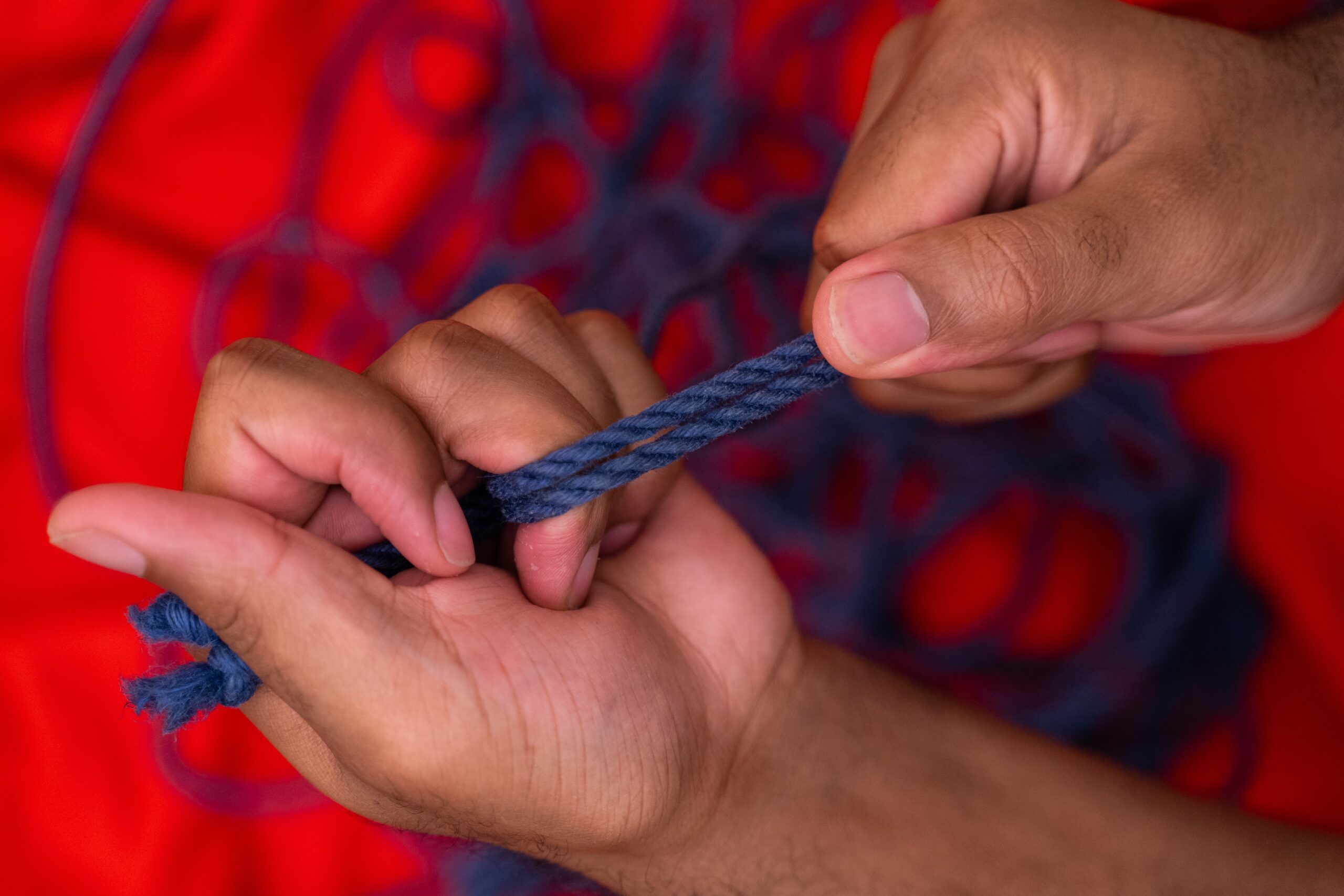
Bondage offers a similar range. A pair of soft cuffs and a blindfold can create a profound sense of vulnerability without any physical strain, while elaborate rope suspensions demand engineering-level skill and an intimate understanding of nerve pathways. The appeal across this spectrum often traces back to the same root: the deliberate exploration of personal edges. There's something deeply compelling about standing at the border of what you thought you could handle and discovering new facets of yourself—whether that means surrendering control, holding space for someone else's vulnerability, or simply feeling your body respond in unexpected ways.
Physiologically, pushing these edges lights up our internal reward circuitry in fascinating ways. Anticipation floods the brain with dopamine, sharpening focus and building excitement. As the scene intensifies, adrenaline kicks in, heightening awareness and making every sensation feel more vivid. Some people also experience a release of endorphins, which can create a floating, euphoric state that blurs the line between discomfort and pleasure. This neurochemical cocktail explains why intense play can feel so immersive and, for many, deeply bonding. It's not just about the physical acts; it's about entering an altered headspace together, one that requires immense trust and rewards it with a unique form of closeness.
What the Media Gets Wrong—and What Communities Actually Do
If you only learned about alternative sexual practices from movies, television, or sensational headlines, you'd walk away with a pretty distorted picture. Mainstream media tends to zoom in on the most shocking elements: unusual props, extreme scenarios, or rare accidents. The focus is almost always on spectacle rather than substance. This creates a cloud of fear and misunderstanding that obscures how these activities are actually navigated by thoughtful, responsible adults.
Within real-world kink communities, the vibe is dramatically different. Education is treated as a cornerstone. People attend workshops on negotiation techniques, anatomy, and risk mitigation. They read extensively, seek mentorship from more experienced practitioners, and engage in ongoing discussions about ethics and emotional care. The conversations that happen in these spaces are far more likely to revolve around consent check-ins and safeword protocols than around shock value. The gap between the lurid portrayals in popular culture and the meticulous, caring approach taken by most participants couldn't be wider.
Closing this gap matters because stigma often stems from ignorance. When people assume that intense kinks are inherently reckless or pathological, they miss the profound emphasis on communication and mutual respect that underpins responsible exploration. Recognizing that these practices exist within carefully constructed ethical frameworks is the first step toward a more nuanced, less judgmental understanding of human desire.
Why Intense Desires Appeal to Some People
If you've ever wondered what draws someone toward activities that seem intimidating from the outside, you're not alone. The motivations are rarely simple, and they almost never boil down to a desire for actual harm. Instead, the psychology behind intense kinks is a rich tapestry woven from curiosity, trust, brain chemistry, and the human appetite for meaningful risk-taking.
The Magnetic Pull of the Forbidden
There's a unique electricity in exploring things society has marked as off-limits. Taboo subjects carry a charge precisely because they push against the rules we're taught to follow. When two or more people decide, with full awareness and agreement, to step outside those lines together, it can amplify arousal and emotional intensity in ways that more conventional activities might not. The perceived risk—whether physical, emotional, or even social—adds texture to the experience. It's not that anyone is hoping for a bad outcome; rather, the awareness that they're doing something edgy sharpens their senses and makes the moment feel more alive. A useful analogy is the thrill of a rollercoaster: your body registers the danger signals, but your mind knows you're strapped in safely. That gap between perception and reality is where the exhilaration lives.
Trust as the Ultimate Intimacy Accelerator
At the heart of any intense scene lies a paradox: to explore something that looks, from the outside, like a loss of control, participants must actually exercise extraordinary control over their communication and boundaries. When someone willingly places their physical or emotional well-being in another person's hands, it demands a level of vulnerability that's hard to replicate in everyday life. Likewise, the person taking on that responsibility must remain acutely attuned to their partner's state, ready to adjust or stop at a moment's notice. This mutual reliance can forge a bond that feels far deeper than what might develop through more casual interactions. For many couples and play partners, the draw isn't the specific act itself—it's the profound closeness that comes from navigating intensity together and emerging on the other side feeling seen, held, and respected.
Your Brain on Intensity
We can't ignore the biological underpinnings. The brain responds to heightened stimulation by releasing a cascade of chemicals that alter mood, perception, and connection. Dopamine surges during anticipation, making the buildup feel almost as rewarding as the event itself. Adrenaline narrows focus and creates a state of hyper-awareness, where every touch and word lands with extra weight. Endorphins, the body's natural painkillers, can produce a dreamy, analgesic haze that transforms intense sensations into something manageable or even pleasurable. This combination can feel akin to the "runner's high" or the rush of extreme sports, which helps explain why people seek out these experiences repeatedly. It's less about the mechanics and more about the altered state of consciousness that comes with them—a state that, when shared, can feel incredibly bonding.
Building on Solid Ground: Safety Frameworks That Work
Walk into any reputable kink space, and you'll quickly notice that safety isn't a suggestion—it's the culture. The people who engage in high-intensity play are often the most meticulous about preparation, because they understand exactly what's at stake. Over the years, several guiding philosophies have emerged to help practitioners navigate risk with clarity and integrity.
SSC: Safe, Sane, and Consensual
One of the earliest and most widely recognized frameworks is SSC, which stands for Safe, Sane, and Consensual. The principle of "Safe" encourages everyone to take reasonable precautions to avoid causing physical or psychological damage. This might mean learning proper techniques for impact, studying anatomy before attempting bondage, or having first-aid supplies within reach. "Sane" refers to the mental and emotional state of the participants. It asks: Is everyone in a clear enough headspace to make informed decisions and communicate effectively? Being under the influence of substances, severely sleep-deprived, or in the grip of intense emotional distress can compromise that clarity. "Consensual" is the non-negotiable foundation. All parties must freely and enthusiastically agree to participate, with a full understanding of what's being proposed.
RACK: Risk-Aware Consensual Kink
As conversations around kink evolved, some practitioners found that SSC's emphasis on "safe" didn't fully capture the reality of certain activities. Some forms of play, by their very nature, carry risks that can't be entirely eliminated—only managed. Enter RACK: Risk-Aware Consensual Kink. This framework shifts the focus from an absolute promise of safety to a commitment to informed risk assessment. "Risk-Aware" means that everyone involved has done their homework. They understand the potential dangers, have weighed them against the desired experience, and have decided to proceed with eyes wide open. The "Consensual" piece remains as central as ever. RACK doesn't throw caution to the wind; it simply acknowledges that some edges can't be sanded down completely, and that honest acknowledgment is healthier than pretending otherwise. Many people find RACK particularly useful when discussing edgeplay, where the stakes are inherently higher.
Communication: The Thread That Holds Everything Together
No framework, however elegant, means anything without robust communication. This goes far beyond a simple "yes" or "no" before things start. Thorough negotiation is essential: What does each person hope to feel and explore? What are their absolute off-limits items? What potential complications could arise, and how will they be handled? This conversation should be detailed, unhurried, and free of pressure.
Safewords are another critical tool. A common and effective system uses "yellow" to signal "slow down, check in, or adjust something" and "red" to mean "stop immediately, the scene is over." These words need to be agreed upon in advance and honored without hesitation or debate. Non-verbal safewords—like a hand signal, a bell, or a dropped object—are vital when speech might be restricted. And communication doesn't end once the scene begins. Brief, embedded check-ins can help everyone stay connected and confirm that consent remains enthusiastic and ongoing.
Mapping the Physical and Emotional Terrain of Risk
Stepping into intense territory means acknowledging that things can go sideways if preparation is skimped on. That's not a reason to avoid exploration; it's a reason to approach it with your thinking cap firmly in place. Risks fall into two broad buckets: physical and psychological. Both deserve serious attention.
Physical Hazards to Keep on Your Radar
Physical risks are often the most visible, though they're not always obvious to someone new. Breath play, for instance, can seem straightforward but carries significant dangers. Restricting oxygen, even briefly, can lead to fainting, disorientation, and in severe cases, brain injury. It's an area where precise knowledge and extreme caution are non-negotiable. Restrictive bondage poses its own set of concerns. Prolonged pressure on nerves or blood vessels can cause numbness, weakness, or lasting damage. Knowing where major nerves run and how to check circulation is basic competency for anyone using ropes, cuffs, or other restraints.
Impact play and edgeplay bring additional considerations. Bruises, cuts, and burns are possible, and while some people welcome certain marks, unintended injury is never the goal. Hygiene is another layer: unsterilized toys, shared implements, or contact with bodily fluids can transmit infections. Having a well-stocked first-aid kit, knowing basic wound care, and understanding safer sex practices within the context of kink are all part of responsible engagement.
Here are some common physical risks to be mindful of:
- Breathing restrictions: Can cause fainting, disorientation, or long-term brain damage if not handled with extreme care.
- Circulation issues: Prolonged pressure or constriction can lead to numbness, pain, or permanent nerve damage.
- Skin and tissue damage: Cuts, abrasions, burns, or bruises from impact or sharp objects.
- Infections: From unhygienic practices, open wounds, or contact with bodily fluids.
Caring for the Mind as Much as the Body
Psychological risks can be subtler but are equally important. An intense scene can unearth emotions that no one saw coming. Past trauma may resurface unexpectedly, even if the activity itself wasn't designed to trigger it. Pushing further than planned, whether physically or emotionally, can leave someone feeling raw, ashamed, or disconnected in the hours or days afterward. This is sometimes called "drop" or "fallout." It's a jarring crash after the high of the scene, and without proper support, it can strain relationships and mental health.
Protecting psychological safety starts long before the scene. It involves honest self-reflection about your current emotional state, clear communication about potential triggers, and a mutual commitment to checking in regularly. It also means recognizing that someone's limits might shift in the moment, and that stopping or adjusting is always a valid choice, never a failure.
When to Seek Outside Guidance
Sometimes, the best way to stay safe is to admit you don't have all the answers. Kink-aware therapists, sex educators, and experienced community mentors can be invaluable resources. They can help you unpack complicated desires without judgment, navigate relationship dynamics that arise around intense play, and develop personalized strategies for managing risk. Seeking professional input isn't a sign that something is wrong with you—it's a sign that you're serious about doing things thoughtfully.
Aftercare: The Essential Cool-Down
Picture this: you've just come through a deeply immersive scene. Your heartbeat is gradually slowing, your skin is sensitive, and your thoughts might be a little scattered. The energy that was so focused and intense just minutes ago has dissipated, leaving a kind of quiet, sometimes shaky stillness. This is the moment where aftercare steps in—not as an optional add-on, but as an integral part of the entire experience.
What Meaningful Aftercare Looks Like
Aftercare is the intentional, compassionate process of helping each other transition back to baseline. Think of it as a gentle landing after a long flight. It's about tending to both the body and the spirit. The specifics vary enormously from person to person. One individual might crave physical closeness: being wrapped in a soft blanket, held quietly, and offered water or a light snack. Another might need verbal processing, talking through the highlights and the hard moments while receiving reassurance and validation. Some people prefer solitude for a few minutes before reconnecting. There's no universal recipe, which is why aftercare needs should be discussed during negotiation, not assumed.
Tending to Body and Heart
On the physical side, aftercare might involve checking for any marks or injuries, applying a cold pack or soothing lotion, ensuring the person is warm enough, and rehydrating. These small acts of tangible care send a powerful message: "Your well-being matters to me." Emotionally, aftercare is about creating a safe harbor. It's a time for gentle words, eye contact, and the kind of listening that doesn't rush to fix anything. Validating someone's experience—"I hear you," "You did so well," "I'm right here with you"—helps reinforce the bond that the scene was built on. It bridges the gap between the heightened reality of play and the ordinary world waiting outside.
Why Skipping This Step Is a Bad Idea
When aftercare is neglected, people can experience an emotional crash that feels confusing and isolating. The intense neurochemical high fades, and without a supportive buffer, someone might plummet into feelings of emptiness, anxiety, or self-doubt. This "drop" can hit hours or even a day or two later, and if the people involved haven't established a culture of checking in post-scene, it can breed resentment or misunderstanding. Good aftercare doesn't guarantee that no one will ever feel wobbly afterward, but it dramatically reduces the intensity of the fall and provides a shared language for navigating it together. It's a practice of kindness that honors the vulnerability everyone brought to the table.
Drawing the Lines That Protect Everyone
All the safety frameworks and aftercare protocols in the world won't help if the people involved haven't done the foundational work of identifying and communicating their non-negotiable boundaries. These lines aren't walls that kill the fun; they're the guardrails that make bold exploration possible without careening off a cliff.
Getting Clear on Your Own Limits
Before you can communicate your boundaries to someone else, you need to understand them yourself. This requires honest self-inventory. Reflect on past experiences—both within and outside of kink—that left you feeling uncomfortable, disrespected, or shut down. What specific elements triggered those feelings? Was it a certain type of touch, a particular power dynamic, a word or phrase? Sorting your limits into two categories can bring clarity:
Hard limits are the absolute no-gos. These are activities, scenarios, or dynamics that you will not engage in under any circumstances. They might include specific forms of physical intensity, certain roleplay themes, or anything involving particular bodily fluids. Hard limits are non-negotiable and should be stated clearly without apology.
Soft limits occupy a more nuanced space. These are things you feel hesitant about, or that you don't actively desire, but that you might—might—consider exploring under very specific conditions. Maybe you're open to trying a new sensation for a short duration, with a partner you trust deeply, and with the explicit understanding that you can stop instantly. Soft limits aren't an invitation for someone to push; they're a tentative door that only you can choose to open, and only when the conditions feel right.
It's perfectly normal not to have a complete map of your limits from day one. Self-knowledge is an ongoing project. Pay attention to your gut reactions. If something you read about or witness makes you recoil internally, note that. Your boundaries may also evolve over time, and that's healthy. What matters is that you stay in honest conversation with yourself.
Honoring the Boundaries Others Set
Just as your limits deserve unwavering respect, so do the limits of every person you interact with. This principle is absolute and doesn't bend based on role, experience level, or relationship status. A dominant partner has limits. A submissive partner has limits. Someone you've played with a hundred times still has limits, and they may have new ones since the last time you spoke.
Respecting boundaries in practice means:
- Active listening: When someone shares their limits, give them your full attention. Don't formulate your response while they're still talking.
- Validation: Acknowledge what you've heard without judgment. "Thank you for telling me that" or "I understand that's completely off the table" are simple, powerful phrases.
- Zero pressure: Never attempt to negotiate someone out of a hard limit. That's not negotiation—it's coercion. If someone says no, the conversation about that activity ends.
Remember that boundaries can be emotional as well as physical. Someone might have a hard limit around being left alone after a scene, or around certain words being used. These are just as valid as limits on physical acts.
Spotting Warning Signs in Negotiations
Even with good intentions, not every potential play partner will be a safe match. Certain behaviors during boundary discussions should give you serious pause. Learning to recognize these red flags can protect you from harmful situations:
"No limits" claims: Anyone who says they have no limits, or who seeks a partner with no limits, is either dangerously inexperienced or deliberately ignoring the reality that all humans have boundaries. This statement often signals a lack of seriousness about consent.
Dismissing your concerns: If you voice a worry or a limit and the other person minimizes it, laughs it off, or tries to logic you out of it, that's a major warning. Safe partners take your feelings seriously, even if they don't fully understand them.
Vagueness and evasion: Someone who won't clearly articulate their own limits or who dodges direct questions about boundaries may not have done the self-reflection necessary for safe play.
Rushing the process: Be wary of anyone who pushes to start playing before a thorough discussion of limits, desires, and safety protocols has taken place. Enthusiasm is great; impatience is a red flag.
Setting and respecting boundaries isn't about restricting joy. It's about creating a container strong enough to hold intense experiences without breaking. When everyone's lines are known and honored, the freedom to explore within those lines feels expansive rather than limiting. That's the paradox at the heart of ethical kink: the most exhilarating adventures are built on the firmest foundations of mutual care.
How Society Views—and Misunderstands—Intense Desires
The way popular culture portrays adventurous bedroom preferences often misses the mark by a wide margin. Sensationalized media clips tend to highlight the most visually startling moments, painting a picture of carelessness or emotional instability. News stories usually pounce on mishaps or controversies, which deepens public anxiety and breeds false assumptions. In reality, the vast majority of people who delve into these realms are meticulous about precaution and mutual agreement. They aren't courting disaster; they're pursuing a particular flavor of closeness and heightened sensation. One of the most stubborn myths is that anything labeled "extreme" must automatically be unlawful or fundamentally dangerous. Within conscientious circles, a tremendous amount of energy goes into discussing how to minimize hazards and maintain transparent dialogue—long before any physical activity begins.
Shifting these outdated narratives requires looking past the surface. When you hear about practices that seem jarring, remember that behind closed doors, responsible participants are often running through detailed checklists, establishing safe signals, and confirming comfort levels repeatedly. The stereotype of the reckless thrill-seeker ignores the discipline that genuine exploration demands. By challenging these misconceptions, we open the door to more honest conversations about human desire and the many forms it can take.
The Digital Revolution: Finding Your People Online
The internet has completely transformed how individuals discover and discuss unconventional interests. Dedicated websites, discussion boards, and invitation-only groups create spaces where people can speak candidly, swap educational materials, and locate kindred spirits who truly understand their perspective. These digital hubs have evolved into vital classrooms. For many, they provide the very first encounter with thoughtful, stereotype-free dialogue about topics that mainstream culture often mocks or condemns.
Of course, the web has its pitfalls—inaccurate advice can circulate just as easily as sound guidance. Yet for countless individuals, these online networks serve as an essential lifeline. They offer camaraderie and affirmation that can be nearly impossible to track down in everyday life. It's within these virtual gathering places that newcomers learn safety protocols directly from seasoned practitioners, absorbing wisdom that comes from real lived experience rather than guesswork.
A Generational Perspective: How Attitudes Are Softening
Younger adults are steadily rewriting the script on sexuality and unconventional tastes. Having matured with unprecedented access to information and increasingly frank cultural discussions around gender and selfhood, people in their twenties and thirties frequently display a greater readiness to challenge longstanding taboos and probe their own edges. While older cohorts may still carry some of the stigma absorbed during more conservative eras, emerging voices are championing a more nuanced outlook. They place heavy emphasis on personal authenticity, enthusiastic agreement, and psychological health.
This evolution means that dialogues about powerful cravings are migrating away from alarm and toward genuine comprehension. The focus is less on passing judgment and more on acknowledging the sheer breadth of human experience. As these perspectives gain traction, the cultural conversation becomes richer and more inclusive, making room for desires that were once whispered about in shame.
To illustrate this cultural shift, consider how different age brackets approach the topic:
- Traditional outlooks (often older generations): Tendency to view intense kinks through a lens of deviance or pathology. Limited access to nuanced information during formative years. Greater reliance on mainstream media depictions, which skew toward the alarming. Privacy and secrecy are often paramount.
- Transitional outlooks (middle generations): Growing curiosity tempered by residual discomfort. Exposure to early internet communities began to normalize certain discussions. A mix of caution and openness, often seeking "respectable" frameworks like SSC to justify exploration.
- Contemporary outlooks (younger generations): Emphasis on identity, self-expression, and mental wellness. Comfort with fluid labels and non-traditional relationship models. Expectation of transparent communication and proactive consent. More likely to see kink as a valid form of personal exploration rather than a secretive subculture.
Bringing It All Together: The Heart of the Matter
When discussions turn to high-intensity physical practices, it's tempting to fixate on the sensational elements. But the lived reality, particularly among communities that prioritize responsibility, revolves around meticulous preparation and mutual guardianship. The experience isn't solely about chasing pleasure or pushing limits for their own sake. It's rooted in ensuring that every participant shares a common understanding, acknowledges the potential pitfalls, and possesses a reliable method to pause or halt the action if boundaries are approached. Transparent conversation, rock-solid consent, and dedicated post-event care aren't optional extras—they form the very foundation of ethical engagement. Operating without them is akin to navigating a minefield blindfolded, and the resulting damage can be profound. Stretching personal frontiers is a valid pursuit; trampling over clearly stated limits is a violation, and that distinction marks the boundary between growth and harm.
Common Questions About Intense Desires and Boundaries
What qualifies a sexual activity as "extreme"?
The label is highly subjective and varies from person to person. Generally, it refers to actions that venture well beyond conventional intimacy, frequently carrying elevated risk, heightened physical or emotional intensity, or themes that society considers taboo. Examples might include elaborate restraint systems, controlled breathing scenarios, or intricate psychological role-play. There's no universal checklist; the definition hinges on how far individuals choose to journey past mainstream comfort zones, always anchored by mutual willingness.
What draws someone toward high-intensity erotic experiences?
Motivations are as diverse as the people who pursue them. For some, it's the adrenaline surge that comes from testing personal thresholds. Others discover a profound avenue for vulnerability and deep bonding with a partner. The appeal can also lie in the catharsis of exploring forbidden or hidden aspects of the self. Additionally, the altered headspaces and intense physical sensations that these practices can unlock hold significant allure for certain individuals.
Can you explain "Safe, Sane, Consensual" (SSC)?
SSC serves as a foundational compass for safer kink exploration. The "Safe" component involves taking concrete steps to prevent bodily or emotional injury. "Sane" confirms that everyone involved possesses clear judgment and is operating from a place of rational decision-making. "Consensual" underscores that all parties have willingly agreed to take part after fully grasping the potential consequences and stated limits. In essence, it's a framework to ensure collective well-being and enthusiastic buy-in.
What does "Risk-Aware Consensual Kink" (RACK) mean?
RACK offers an alternative safety philosophy that acknowledges certain activities come with inherent dangers that cannot be entirely erased. Instead of chasing an illusion of perfect safety, RACK prioritizes informed awareness. Participants actively educate themselves about possible hazards, engage in frank discussions about them, and jointly commit to proceeding with accountability. The emphasis is on thoughtful risk management rather than denial of risk's existence.
Why does aftercare matter so much following powerful encounters?
Aftercare is indispensable because emotionally and physically charged sessions can leave participants feeling exposed, depleted, or psychologically tender. It's the deliberate practice of reconnecting and tending to one another once the scene concludes. This might look like offering physical reassurance through touch or hydration, or providing emotional grounding through gentle conversation about what just transpired. Quality aftercare fosters a sense of security, affirmation, and continued connection, helping to prevent lingering distress or disorientation.
How do I establish and honor limits in high-stakes kink contexts?
Building solid boundaries begins with candid dialogue well ahead of any scene. Reflect on your own comfort zones and hard stops, then articulate them plainly to everyone involved. Attentively absorb the limits others express as well. Honoring boundaries means steadfastly refusing to nudge someone beyond their declared edges, even under the guise of playful encouragement. Recognizing and immediately respecting every person's "no"—whether spoken or signaled—is the single most critical practice for preserving safety and genuine consent.
Final Reflections
Navigating the world of profound desires and unconventional practices requires shedding the simplistic narratives we often inherit. Behind every headline that seeks to shock, there exists a community of thoughtful individuals who have built their interactions on a scaffold of clear agreements, ongoing education, and compassionate follow-through. Whether you're simply curious or actively exploring, the principles remain constant: communicate with honesty, seek enthusiastic consent at every step, and care for each other long after the intensity fades. By centering these non-negotiables, we transform what could be reckless into something deeply intentional—a shared journey into the outer reaches of human connection, grounded always in respect and mutual care.