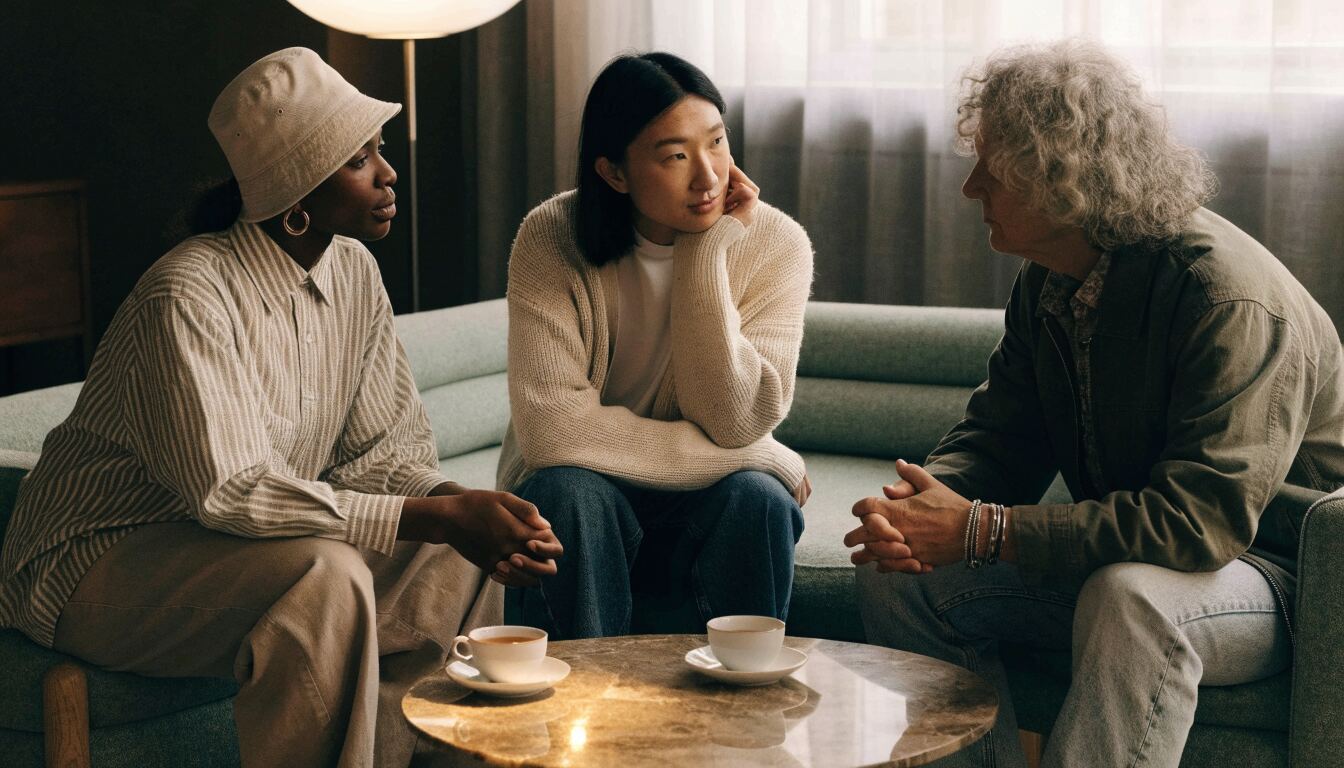
What Does an FFM Encounter Really Look Like?
If you’ve been turning over the idea of a shared intimate experience involving two women and one man, you’re certainly not alone. This particular configuration sparks curiosity for many, yet its shape can vary wildly depending on who’s involved. At its core, the label simply points to the genders present—two females and one male—but the interpersonal dynamics can range from a committed couple inviting a guest, to two friends exploring alongside a male partner, or even three unattached individuals following a mutual spark. The beauty lies in the flexibility. Grasping this basic definition is the entry point, but the real journey involves understanding the emotional currents and logistical details that make such an encounter fulfilling rather than fraught. We’ll walk through the entire landscape, from the initial whisper of a fantasy to the practical steps of making it a reality, always with an eye on respect and clear-headed communication.
Decoding the Letters: How FFM Differs from Other Group Setups
The alphabet soup of relationship acronyms can be dizzying, so let’s clarify a common point of confusion. An FFM arrangement places the emphasis on the connection between the two women, with the man participating in that shared space. Compare this to an MMF scenario, where the dynamic often highlights the interaction between the two men. The sequence of letters isn’t just semantics; it hints at where the focal point of the experience might naturally land. In an FFM context, the exploration of female-female intimacy is often a central theme, whether one woman is bi-curious, fully bisexual, or simply enjoys the sensual energy of another woman’s presence. Knowing this distinction helps everyone align their expectations from the very beginning, preventing mismatched assumptions about who will be the center of attention and how the energy will flow among the group.
The Many Reasons People Choose This Path
People venture into FFM experiences for a tapestry of reasons that go well beyond simple physical gratification. For some couples, it’s the culmination of a long-held shared daydream, a secret narrative they’ve co-authored in whispers and glances. Turning that fantasy into a lived moment can inject a profound sense of adventure and novelty into a long-term partnership. It’s less about chasing something missing and more about co-creating a peak experience together. For others, it serves as a gentle container for exploring same-sex attraction. A woman who has felt curious about intimacy with another woman might find an FFM setting feels safer and more exploratory than a one-on-one encounter, especially if her male partner offers a grounding, supportive presence. This isn’t about performing for a male gaze, but about authentic self-discovery within a consensual framework. Beyond fantasy and exploration, the very process of negotiating such an experience can act as a crucible for trust. The vulnerability required to voice hidden desires, set hard limits, and then jointly navigate the emotional aftermath can forge a deeper, more resilient bond between primary partners. It’s a collaborative project that, when done thoughtfully, teaches couples how to communicate with radical honesty.
A Spectrum of Motivations
- Joint Fantasy Realization: Transforming a mutually nurtured erotic story into a tactile, shared memory can significantly boost relational intimacy.
- Sexual Identity Exploration: Providing a consensual space for women to explore bisexuality or bi-curiosity without judgment, often with the security of a known partner nearby.
- Deepening Relational Trust: The intense communication required before, during, and after the encounter can fortify a couple’s emotional foundation, proving they can handle complex feelings together.
- Pure Adventurous Curiosity: Sometimes the motivation is simply a zest for new life experiences and a desire to step outside conventional scripts to see what unfolds.
The Bedrock of the Experience: Communication and Enthusiastic Consent
Before any clothing is shed, a series of deliberate, sometimes awkward, conversations must take place. This preparatory dialogue isn’t a buzzkill; it’s the scaffolding that supports a positive memory. The goal is to ensure that every person involved feels not just safe, but actively enthusiastic about the direction of the encounter. Consent isn’t a one-time checkbox; it’s a continuous, dynamic process that can be revoked or modified at any moment. When three sets of feelings, histories, and expectations converge, the margin for misunderstanding grows, making explicit verbal check-ins non-negotiable. This phase filters out those who aren’t truly ready and protects the emotional and physical well-being of everyone who moves forward.
Mapping Out Boundaries and Desires in Detail
This stage requires moving beyond vague statements and into granular specifics. A conversation that only brushes against the topic with "let's just see what happens" is a recipe for someone feeling blindsided or hurt. Instead, carve out dedicated time to talk, fully clothed and sober, where the only objective is to map the terrain of comfort and discomfort. You and a primary partner should first align on your shared vision, then later fold in the third person’s perspective once they are identified. Discuss the spectrum of physical acts with precision. Can mouths meet any mouth? Is manual stimulation welcome between specific pairings? Are certain power dynamics or toys on the table? Equally important are the emotional boundaries: is cuddling afterward reserved for the primary couple? Is overnight stays a possibility? The more you articulate, the fewer landmines you leave hidden in the dark.
Frame these talks as collaborative problem-solving, not a list of demands. Use "I" statements to own your feelings: "I would feel more secure if we didn't use pet names with someone else" lands differently than "Don't call her baby." This approach invites dialogue rather than defensiveness. Remember that the third person is not a prop in a couple’s fantasy; they arrive with their own full set of needs and limits that hold equal weight. If a boundary presented by the third person clashes with a couple’s desire, the desire must yield to the boundary, no questions asked. This egalitarian respect is the hallmark of an ethical encounter.
Setting the Stage Through Pre-Encounter Meetings
Jumping straight from online messages to the bedroom is a high-risk gamble. Insert a buffer step that allows everyone’s intuition to gather data. A low-stakes meeting in a neutral, public setting like a café or a walk in a park works wonders. This face-to-face interaction reveals the ineffable chemistry that profiles and texts cannot convey. Do their mannerisms put you at ease? Does the conversational flow feel natural or forced? This is also the perfect, low-pressure environment to circle back to the practical conversations about sexual health. Bringing up recent STI testing and barrier preferences over coffee is far less charged than doing so in an intimate setting. It signals maturity and mutual care. If a video call is the only prelude, it still serves a better purpose than pure text. Use it to observe body language and discuss the logistical flow of the evening: who will arrive when, where will everyone sleep, and what is the signal for when the encounter is winding down.
Maintaining Connection and Respect in the Moment
The main event is where all that preparation gets road-tested. The atmosphere should feel permissive for pauses and adjustments. A simple, whispered "Still good?" or a moment of sustained eye contact can function as a powerful check-in without shattering the mood. It’s a myth that skilled lovers can read minds; the most skilled lovers ask questions. Be vigilant about non-verbal cues—a slight stiffening, a forced smile, a sudden quietness. These are invitations to slow down and reconnect verbally. The concept of a safe word, a clear and unambiguous signal to halt all activity, is a gift to everyone present. It removes the pressure to articulate a complex emotional state in the heat of the moment. The word could be a classic like "red," or a whimsical one like "pineapple"—the key is that it’s universally understood as a full stop, no explanations required until later. Never, under any circumstance, apply pressure for someone to move past a stated boundary, even if you suspect their hesitation is temporary. A boundary honored in the moment builds a mountain of trust for the future.
The Art of the Post-Encounter Debrief
The experience doesn’t end when the physical intimacy concludes; it echoes into the following hours and days. A structured debrief is essential for processing feelings and preventing resentment from taking root. This conversation should ideally happen first between the primary partners, in a space that feels safe and private, and later can extend to include the third person if the dynamic allows. Start by sharing positive memories—what felt thrilling, beautiful, or surprisingly comfortable. Then, gently pivot to the more tender feelings. It’s entirely normal for one person to feel a sting of jealousy, a wave of insecurity, or a sense of emotional hangover, even if they intellectually enjoyed the event. Don’t shame these feelings; they are data, not a verdict of failure. Discuss how to offer each other extra reassurance in the coming days. Finally, look forward: would you do it again? What might you tweak about the setup, the pacing, or the choice of partner? This reflective practice turns a single event into a learning experience that strengthens your relational toolkit.
Navigating the Choppy Waters: Common Hurdles and How to Handle Them
Even with meticulous blueprints, bringing a third person into an intimate sphere can stir up unexpected turbulence. Anticipating these emotional and physical challenges doesn’t make you pessimistic; it makes you prepared. The goal isn’t to avoid all discomfort—some discomfort is a natural byproduct of growth—but to ensure that discomfort doesn’t cause lasting damage. By understanding the most common pitfalls, you can approach them with a spirit of curiosity and compassion rather than panic or blame.
Jealousy and the Comparison Trap
Jealousy is often framed as the villain of non-monogamous exploration, but it’s more accurately a flashing warning light on the dashboard of your psyche. It signals a perceived threat to a valued connection. In an FFM setting, it might flare up when a primary partner observes their significant other’s arousal directed at the new person, or when the third party feels like a side character in someone else’s love story. The act of comparing bodies, skills, or the intensity of reactions is a swift path to insecurity. To navigate this, reframe the situation not as a competition for a finite resource of pleasure, but as a collaboration to generate an abundance of it. Beforehand, agree on specific signals of reassurance you can deploy mid-encounter—a hand squeeze, a whispered affirmation, a moment of exclusive eye contact. If jealousy surges, take a breather. It’s okay to pause the action, step aside for a moment of private reconnection with your primary partner, and recalibrate. The feeling doesn't mean the adventure is a mistake; it means a need for connection has momentarily surfaced and requires attention.
Processing the Emotional Residue
The hours and days following an encounter can bring a confusing cocktail of emotions. A sense of euphoric closeness might coexist with a nagging feeling of vulnerability or sadness. This emotional hangover is a common physiological and psychological response to an intense, novel experience. One person might be riding a high while the other feels withdrawn, and that asymmetry can feel isolating. The key is to normalize this response. Plan for a low-key day afterward with plenty of time for gentle connection, whether that’s talking, cuddling, or simply sharing a quiet meal. Resist the urge to immediately dissect every detail if one partner isn’t ready. Instead, schedule a specific time to talk, giving both people space to process internally first. If feelings of confusion or hurt persist, consider seeking guidance from a therapist who is knowledgeable about non-traditional relationship structures. The emotional aftermath isn’t a sign of weakness; it’s a sign that something meaningful occurred.
Prioritizing Physical Health and Safety
Physical safety in a multi-partner scenario is a practice of radical responsibility. The conversation about sexual health should be as routine as discussing preferences for music or lighting. It’s not an accusation of distrust but a shared commitment to collective well-being. Before any sexual contact, have an open, non-shaming dialogue about recent STI testing schedules and results. Be ready to share your own information first to set a tone of transparency. For barrier use, make a specific plan for every type of contact: condoms for penetrative sex, dental dams or cut-open condoms for oral-vulvar or oral-anal contact, and gloves if manual stimulation involves any micro-abrasions. Have a generous supply of these items within arm’s reach so there’s no awkward fumbling. If pregnancy is a possible outcome, confirm that the contraceptive plan is solid and discuss what steps would be taken in the event of a failure. This clinical level of preparation might feel unsexy in the abstract, but it creates a profound sense of safety that allows everyone to relax more fully into the experience.
Voices from the Inside: What People Actually Feel During an FFM Encounter
When people share their stories about these experiences, a common thread emerges: the reality is far more textured and human than the fantasy. It’s rarely a seamless, cinematic montage. Instead, it’s often marked by moments of genuine laughter, slight awkwardness, and a surprising tenderness. Many women report a sense of liberation in being able to express attraction to another woman without the usual societal filters, finding it a space of profound acceptance. For couples, the shared secret of having navigated this territory together can become a powerful adhesive. They often describe feeling like co-conspirators in the best possible way, having witnessed each other in a state of vulnerability and pleasure and emerged feeling more connected. The individuals who report the most glowing experiences almost universally point back to the groundwork: the hours of patient conversation, the explicit negotiation of consent, and the deliberate choice of a third person who was treated as a full human being, not a fantasy object.
A Realistic Preview of the Dynamics
If you’re imagining a perfectly choreographed sequence, it’s wise to adjust your expectations toward a more organic, sometimes messy, reality. There will likely be moments where the rhythm feels off, where one person needs a break, or where someone accidentally elbows another. This isn’t a sign of failure; it’s the sign of real bodies interacting in real time. Expect that the flow of attention will ebb and flow. At one moment, two people might be deeply engaged while the third watches or offers gentle touch. This is a natural rhythm, not a slight. The key is to view your role as a flexible participant. Sometimes you’ll be a giver of pleasure, sometimes a receiver, and sometimes a supportive presence. Cultivate a mindset of being attuned to the group’s energy rather than fixating on your own script. Pacing is another variable to hold loosely. Things might escalate quickly, or they might unfold in slow, teasing waves. Be ready to suggest a pause, a water break, or a shift in position to recalibrate the energy. A successful encounter is defined not by the absence of awkward moments but by the grace with which they are handled.
The Search for a Compatible Third Partner
Once the internal conversations have laid a solid foundation, the practical task of finding someone who aligns with your vision begins. This isn’t like finding a date for a solo dinner; it requires a more nuanced approach. You’re seeking a person who is not only attracted to both of you but is also enthusiastic about the specific dynamic you’re proposing and respectful of the boundaries that frame it. Casting a wide, undiscriminating net is far less effective than targeted, honest outreach in communities that understand this terrain.
Where to Connect with Like-Minded Individuals
The digital landscape offers several avenues, each with its own culture. Specialized platforms designed for ethical non-monogamy are often the most fruitful ground. These spaces are populated by people who have already done the internal work of deconstructing traditional relationship models and are comfortable with direct communication about desires and limits. Apps like Feeld have cultivated a user base that spans a wide spectrum of alternative relationship styles, from polyamory to casual group play. You can also explore communities that are intentionally inclusive of bisexual and queer identities, as they tend to foster a more fluid and less prescriptive approach to sexual dynamics. Mainstream dating apps can technically work, but they require a strategy of radical upfront clarity. If you use them, your profile should state your coupled status and your specific interest in an FFM connection within the first two lines, saving everyone from wasted time and mismatched expectations. Regardless of the platform, approach every interaction with the same level of respect and transparency you would want in return.
Crafting a Joint Profile That Truly Represents You
A couple’s profile is a delicate piece of collaborative storytelling. It’s your chance to convey not just what you look like, but the texture of your relationship and the spirit of your invitation. Both partners must be equally involved in its creation, from selecting the words to choosing the images, as this act itself is a microcosm of the collaboration to come. For photos, opt for a mix of clear, warm shots that show you both together, engaging in a hobby or simply smiling at the camera. Steer clear of overly explicit imagery that can feel crass or objectifying before a connection is even made. The written bio is where you articulate your intentions with warmth and precision. State that you are exploring an FFM dynamic and describe the kind of connection you’re hoping to foster—is it a one-time shared adventure, or a potential ongoing friendship with benefits? Weave in a few details about your personalities: are you hikers, foodies, or film buffs? This helps a potential third person see you as multidimensional humans. Crucially, touch on your philosophy of communication and consent. A line like "We believe in clear, ongoing dialogue and ensuring everyone feels celebrated and safe" can be incredibly magnetic to the right person. This joint profile is your first act of setting the tone for an experience built on mutual respect and genuine human connection.
The Heart of the Experience
Beyond the surface excitement, what truly defines a successful FFM encounter is the groundwork laid before anyone steps into the bedroom. It’s less about the physical choreography and more about the emotional architecture you build together. Prioritizing open dialogue ensures that everyone’s comfort and enthusiasm are aligned. Whether you’re a couple venturing into new territory or an individual seeking a compatible trio, the quality of your conversations sets the tone for everything that follows. Approach this as a shared journey of discovery, where the aim is not just a thrilling moment but a respectful and fulfilling connection for all. The right mindset transforms a simple encounter into a meaningful exploration of intimacy. For those ready to find like-minded people, communities that welcome diverse relationship styles can offer a safe starting point. The ultimate victory is a memory that leaves everyone feeling valued and heard.
Common Questions Answered
Defining an FFM Threesome
At its core, an FFM threesome involves a sexual scenario with two women and one man. The acronym simply spells out the combination: Female-Female-Male. This arrangement is a widely held fantasy and a real-life adventure for many who are curious about expanding their relational horizons. It represents just one of many ways people can explore group dynamics.
Contrasting FFM and MMF Setups
The key distinction lies in the gender balance. While FFM features two women and one man, an MMF threesome involves two men and one woman. This shift in composition naturally leads to different focal points and energy. In an FFM setup, interactions might explore feminine connection alongside heterosexual dynamics, whereas MMF often centers on different forms of male and female interplay. Understanding this helps you choose the experience that best matches your curiosities.
Motivations Behind the Choice
People are drawn to FFM threesomes for a rich variety of reasons. For some, it’s about bringing a long-held mutual fantasy to life with a partner. Others see it as a safe space to investigate same-gender attraction or bisexual curiosity. It can also act as a shared project that deepens trust and injects fresh energy into a relationship, strengthening bonds through a joint adventure. Ultimately, the “why” is deeply personal and should be explored without judgment.
Essential Pre-Encounter Discussions
Before anything happens, thorough and transparent communication is non-negotiable. Carve out time to unpack everyone’s boundaries, comfort zones, and secret hopes. Get specific: What acts feel exciting? What’s off-limits? How will you handle unexpected emotions? Consent is a continuous process, not a one-time checkbox. Agree on a signal or safe word to pause or stop at any moment, ensuring that safety and enjoyment stay intertwined throughout the entire experience.
Navigating Potential Hurdles
Even with careful planning, challenges can surface. Jealousy or feelings of being compared to another person are common, especially for established couples watching their partner connect with someone new. The emotional aftermath matters just as much as the event itself; schedule a relaxed check-in afterward to share feelings without pressure. Don’t overlook practical safety—discuss protection and sexual health boundaries openly. Acknowledging these potential tripwires in advance makes them far easier to manage.
Finding the Right Partners
Discovering people who share your interest is easier with platforms tailored to non-traditional dating. Look for apps and sites that cater to open-minded singles and couples, where you can create a profile that clearly states your FFM curiosity. Honesty in your bio attracts matches who are on the same wavelength, saving you time and awkward conversations. These specialized communities often have features and norms that make connecting for group experiences more straightforward and respectful than general dating apps.
Final Thoughts
An FFM threesome is an exploration that thrives on mutual respect, clear boundaries, and a spirit of shared adventure. By focusing on the emotional and communicative foundations as much as the physical, you create space for a positive, memorable connection. Each person’s desires and limits are equally valid, and tending to them with care turns a fantasy into a rewarding reality for everyone at play.