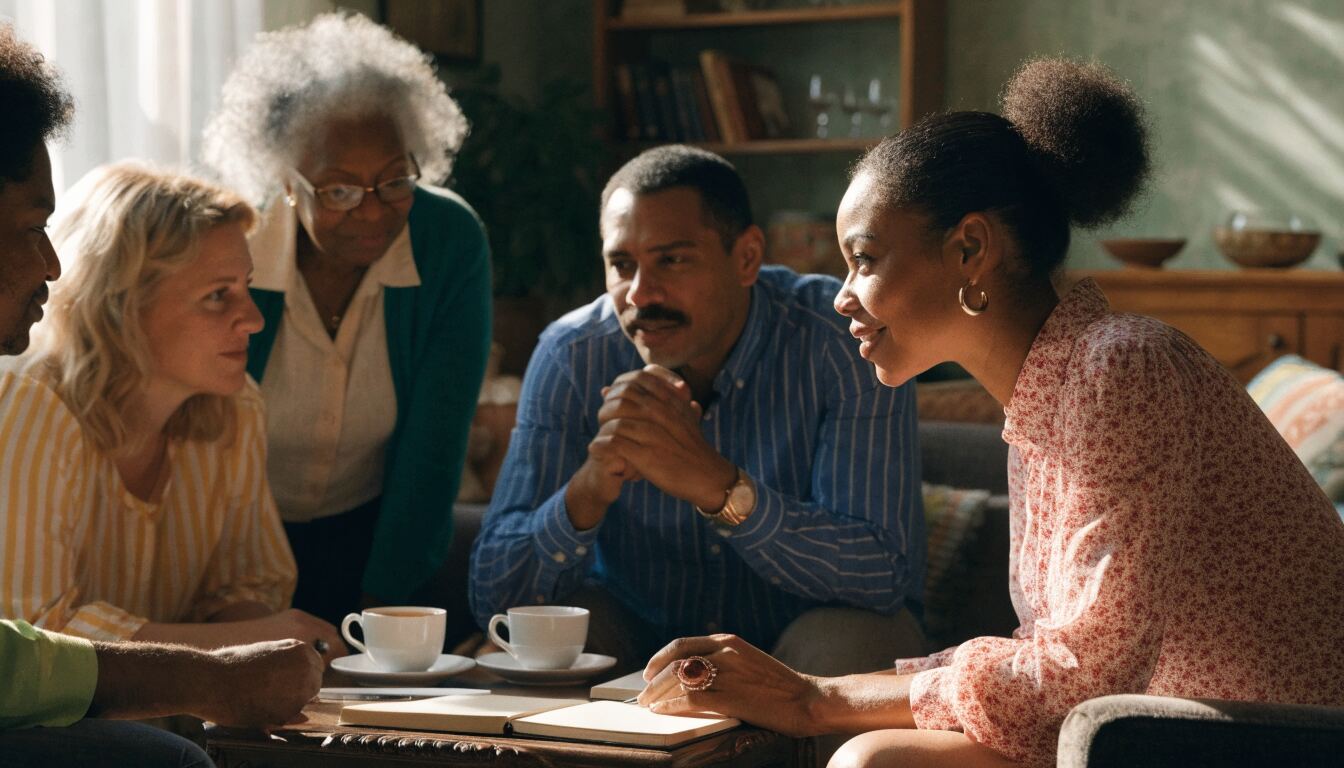
Expanding Our View of Healthy Relationships
For generations, society has often measured the strength of a romantic partnership by its exclusivity. The assumption has been that a healthy relationship is, by definition, a monogamous one. But a quiet revolution is taking place in how we understand love, intimacy, and commitment. A new wave of thought leadership, often embodied by specialized coaches, is gently challenging these long-held beliefs. They are not advocating for one style over another, but rather for a foundational shift in focus—from the structure of a relationship to its health. The core question is no longer "Are you exclusive?" but "Are you kind, honest, and respectful with one another?" This perspective suggests that a thriving partnership, whether between two people or several, is built on the same sturdy pillars: unwavering trust, transparent communication, and mutual respect. It’s a philosophy that moves the goalpost from simply staying together to genuinely growing together, in a way that honors everyone’s needs. This approach offers a liberating new lens through which to view our connections, emphasizing that the quality of our bonds matters far more than their quantity.
Navigating the World of Ethical Non-Monogamy
Venturing into ethical non-monogamy (ENM) can often feel like stepping into a vast, uncharted forest with countless paths and no clear map. The terminology alone—polyamory, swinging, open relationships, relationship anarchy—can be overwhelming. Many individuals and couples find themselves curious but paralyzed, unsure how to begin exploring in a way that is responsible, safe, and respectful to everyone involved. This is where thoughtful guidance becomes invaluable. A modern relationship coach specializing in this area acts as a compassionate guide, helping people find their own trail. They provide a framework for exploration, which often includes:
- Gaining a clear understanding of the diverse spectrum of ENM styles, from hierarchical polyamory to more casual swinging dynamics.
- Engaging in deep, honest conversations to establish crystal-clear personal and relational boundaries.
- Prioritizing the emotional and physical well-beig of all partners, making consent an ongoing, enthusiastic conversation rather than a one-time checkmark.
- Developing a shared language to express needs, fears, and desires without judgment or blame.
This process is not about adopting someone else’s blueprint, but about co-creating a relationship design that is uniquely tailored to the people within it. It’s a commitment to navigating the complexity with intention and care, turning a potential maze into a journey of mutual discovery.
The Central Role of Open Dialogue
If there is one skill that underpins every successful non-monogamous relationship, it is the ability to communicate with radical honesty. This goes far beyond simple daily updates. It involves cultivating a space where partners feel genuinely safe to voice their most vulnerable feelings—from excitement and desire to insecurity and jealousy—without fear of retribution or dismissal. A skilled coach teaches couples to move away from accusatory "you" statements and toward expressive "I" statements. For instance, instead of saying "You made me feel neglected when you went out," one might say, "I experienced a wave of loneliness last night and realized I need some extra reassurance today." This subtle shift transforms a potential conflict into an opportunity for connection. It’s about learning to listen not just to the words, but to the underlying emotional need being expressed. This kind of dialogue is the bedrock of trust. It acknowledges that challenges are normal and can be navigated as a team. The goal isn’t a friction-free relationship, but one where friction is addressed constructively, strengthening the intimacy and ensuring everyone feels heard and valued on the journey.
Leaving Traditional Structures Behind
Reigniting a Spark in Long-Term Partnerships
It’s a familiar story in many long-term relationships: the initial fire fades into a comfortable but predictable routine of shared chores, familiar dinners, and parallel existences. While comfortable, this can sometimes lead to a feeling of stagnation. Some couples are discovering that consciously exploring non-monogamy can, paradoxically, bring a renewed sense of vitality and excitement back into their primary partnership. This isn’t about finding a replacement for a beloved partner, but about co-creating a new, shared adventure. Think of it less like a problem to be fixed and more like a new, thrilling hobby you’re taking up together—one that requires immense trust, teamwork, and communication. The energy generated from new experiences can flow back into the original bond, fostering a sense of shared growth and rekindled passion. It’s a path that certainly isn’t for everyone, but for those who approach it with mutual curiosity and solidity, it can be a profound game-changer.
Understanding the Wide Spectrum of Lifestyles
A common misconception is that non-monogamy is a single, monolithic entity. In reality, it is a rich and varied spectrum of life styles, each with its own norms and philosophies. Polyamory, for example, centers on the capacity for multiple loving, emotionally intimate relationships simultaneously. Swinging, on the other hand, often focuses more on social and sexual experiences with other couples or individuals, typically with a strong emphasis on the primary partnership’s unit identity. And between these poles lie countless other models, such as open relationships where partners may have external sexual connections but not full-blown romantic ones. The journey for a couple is not to pick a label from a shelf, but to explore the landscape and piece together a dynamic that feels authentic to them. It requires an ongoing ethical discussion, a constant check-in to define what feels safe, exciting, and permissible for everyone. The destination is not a perfect structure, but a fluid, consensual framework that can evolve over time.
The Path of Self-Discovery
Opening a relationship is often as much about an internal journey as it is about an external one. It’s an accelerated course in self-knowledge. You may unexpectedly collide with deep-seated insecurities, discover new facets of your desire, or redefine your understanding of your own limits. This can feel destabilizing, but it is also incredibly powerful. It forces a level of self-awareness and personal responsibility that can be truly transformative. You are no longer operating on relationship autopilot; every choice is intentional. Some key aspects to keep in mind on this path include:
- Anticipating emotional surprises and treating them as valuable data rather than failures.
- Co-creating agreements that are clear, specific, and open to renegotiation as you learn and grow.
- Making communication and emotional honesty the non-negotiables of your daily practice.
There are many resources and supportive communities available for those navigating these waters. Seeking out guidance from experienced coaches or peers is a sign of strength, not weakness. And a crucial lesson is to hold your plans lightly; it’s completely acceptable, and even expected, to change your mind as you gather more experience and insight. The journey belongs to you, and its course can be adjusted at any time.
Unveiling the True Nature of Swinger Culture
Moving Past the Stereotypes
The swinger lifestyle is often shrouded in sensationalized myths and assumptions that have little to do with reality. The popular image rarely captures the truth that for many, this is a world built on a foundation of profound communication, rock-solid trust, and deep respect. The primary focus is not solely on physical encounters, but on shared exploration, social connection, and personal development within a committed partnership. People who thrive in this space often report that the constant, required communication brings them closer to their primary partner than ever before. They are seeking a deeper understanding of themselves and each other, using the lifestyle as a tool for growth rather than an escape. The reality is one of negotiation, care, and mutual empowerment, a far cry from the thoughtless hedonism so often portrayed.
Fostering Secure and Respectful Communities
The creation of safe, judgment-free environments is paramount within lifestyle communities, both online and at physical venues. These spaces function as sanctuaries where individuals and couples can explore their curiosities and connect with like-minded people, free from the scrutiny of the mainstream world. The culture of these communities is often meticulously maintained through clear rules and social guidelines. A strict emphasis on affirmative, ongoing consent is the unbreakable rule. Respect for stated boundaries is non-negotiabe, and discretion is highly valued. This intentional creation of safety allows people to shed their everyday armor and be their authentic selves, fostering a sense of belonging and acceptance that can be deeply healing and empowering.
Suprising Rewards of an Open Approach
Engaging in this kind of exploration can yield a harvest of unexpected benefits that extend far beyond the bedroom. For many couples, it leads to dramatically improved communication skills that permeate every aspect of their life together. Others discover a new-sewn confidence in themselves and a clarity about their own needs and desires. The process of facing complex emotions like jealousy head-on and working through them with a partner can build an unshakeable sense of mutual trust. The journey of self-disovery can be incredibly rewarding, leading to a more integrated and authentic sense of self. These benefits are not always the initial goal, but they are frequently the transformative outcome for those who approach the lifestyle with openness, integrity, and a commitment to doing the work. Some core insights from this world include:
- A deeplier, more resilient communication practice with one’s partner.
- Significant boosts in self-confidence and personal awareness.
- A much more nuanced and clear understanding of one’s own authentic desires.
Communication: The Heartbeat of Every Connection
Defining Your Shared Goals for Intimacy
It is a common and often unspoken pitfall to assume a partner intuitively knows what we need to feel loved and connected. This assumption is the root of much disappointment. A more effective and intentional approach involves sitting down together to co-author a vision for your shared intimacy. This is a collaborative map-making process for your relationship’s emotional and physical landscape. The conversation should go beyond just physical frequency and dive into what makes each of you feel truly seen, cherished, and deeply connected. For one person, it might be uninterrupted quality time and deep conversation; for another, it could be non-sexual physical touch and acts of service. The goal is to articulate these needs as specific, actionable goals. Be concrete, but also bring a spirit of flexibility and compromise. Remember, this is a shared project you are both investing in, a blueprint for a connection that actively works for everyone.
The Non-Negotiable Roles of Honesty and Limits
When a relationship moves beyond traditional structures, the importance of rigorous honesty is amplified tenfold. It transforms from a virtue into a survival skill. This means being transparent not just about actions, but about the full spectrum of internal experience: feelings of excitement, fear, insecurity, and desire. Boundaries are the natural companion of this honesty. They are not walls meant to trap a partner, but protective fences built to create a predictable, safe space where everyone can thrive. They are an act of care. A few principles to guide this process include:
- Be explicitly clear about your comfort zones; ambiguity is the enemy of safety.
- Honor a partner’s boundary even when you don’t completely grasp its logic; the rule is respect, not understanding.
- Schedule regular, calm "relationship audit" conversations to discuss how the current boundaries are working.
Cultivating Unshakeable Trust in Complex Dynamics
Trust is the invisible currency of any relationship, and in a multi-partner dynamic, the economy becomes more complex. It is not a static state of being; it is a living process that must be actively built and diligently maintained. The core actions are simple but demanding: being impeccably reliable, keeping your word, and showing up emotionally for your partners when they need you. It also requires the courage to be vulnerable, to share the frightening or messy feelings, trusting that your partner will hold them with care. This is the ultimate two-way street. You must be willing to extend trust to receive it. And when trust is inevitably damaged, as it may be in any human system, repair is possible, but it requires a conscious process of acknowledgment, deep empathy, and a patient willingness to forgive and slowly rebuild.
Dismantling Myths and Choosing Authenticity
Confronting Common Misunderstandings
The cultural narrative around open relationships is thick with misconceptions. One prevalent myth is that they are purely about sex and devoid of deep emotion. Another is that they are a last-ditch effort to save a failing partnership. These caricatures could not be further from the truth for those who practice ENM consensually and ethically. In fact, many couples find that the high level of intentional communication required actually strengthens their bond immeasurably. It’s about a radical expansion of what commitment means, not an abandonment of it. Commitment shifts from a promise of exclusivity to a promise of honesty, presence, and care, regardless of other connections. It is time to discard the tired stereotypes and recognize a more complex reality: open relationships can be deeply stable, profoundly fulfilling, and built on an unshakeable foundation of love and respect.
Letting Go of Relationship Perfectionism
We are bombarded daily with curated images of flawless, effortlessly happy couples—a standard that is a total fabrication. The pressure to achieve this "perfect" relationship can be crushing, and in non-monogamy, where things are inherently more complex, this pressure can feel especially acute. But the beautiful truth is that there is immense freedom in embracing imperfection. It is okay to be a beginner. It is okay to feel messy jealousy, to have insecurities flare up, and to not have all the answers. Authenticity lies in acknowledging these very human experiences and working through them together with compassion. It means building a relationship that is a true reflection of your needs and desires, not a polished performance for an external audience. The goal is to trade the anxiety of perfectionism for the grace of genuine connection.
Embracing Vulnerability as a Path to Depth
To open a relationship in any form is to take a monumental leap into vulnerability. It requires the courage to speak your deepest fears, your most tender desires, and your ugliest insecurities aloud to another person. This is profoundly uncomfortable work, yet it is the only gateway to a more profound level of intimacy. When you allow a partner to witness you in your full, unvarnished humanity—flaws and all—you create a container for a uniquely powerful connection. It is an act of ultimate trust. And when that trust is met with love and support rather than judgment, the bond that is forged can be incredibly resilient and deeply affirming. The connection is no longer based on a projected image, but on a true and radical acceptance of each other’s complete selves.
The Evolving Landscape of Relationship Coaching
The growing visibility and acceptance of ethical non-monogamy has created a clear need for a new breed of relationship professional. Traditional coaching models, often rooted in monogamous ideals, can be ill-equipped or even inadvertently damaging when applied to ENM dynamics. A new wave of specialized coaching is stepping into this space, fundamentally changing how practitioners approach the core concepts of intimacy, trust, and communication in relationships that involve more than two people. The focus is no longer on preserving a single structure, but on fostering health, ethics, and fulfillment within whatever structure the clients choose.
A Tailored Approach for ENM Couples
For ethically non-monogamous couples, generic relationship advice can feel alienating and irrelevant. A specialized coach offers a practice that is explicitly designed to address the unique challenges and opportunities of multi-partner dynamics. This involves moving beyond one-size-fits-all solutions and creating a highly tailored framework. This kind of specialized guidance often includes:
- Developing nuanced communication strategies designed for navigating the complexities of multiple relationships and preventing information silos or triangulation.
- Offering constructive, non-shaming tools for dealing with jealousy and insecurity, reframing them as opportunities for self-exploration rather than relationship failures.
- Helping clients build clear, sustainable frameworks for establishing, communicating, and renegociating personal and shared boundaries over time.
Gently Guiding the ENM-Curious
Many couples are intrigued by the idea of non-monogamy but stand paralyzed at the starting line, unsure of their first step. A knowledgeable coach provides a safe, non-prescriptive container for this initial exploration. They help couples navigate the delicate first conversations, set realistic expectations, and anticipate common early-stage pitfalls before they become crises. This guidance process is often centered on:
- Helping a couple honestly assess their relationship’s current stability and readiness for such a significant change.
- Providing educational resources and clarifying the different styles of ENM so the couple can make informed choices.
- Facilitating a structured dialogue between partners to ensure that the exploration is a joint, consensual project and not a unilateral one.
A Deeper Shift in Intimacy and Trust
The impact of this specialized coaching extends far beyond the practical logistics of managing multiple partners. It delves into the fundamental nature of intimacy and trust, challenging deep-seated cultural programming. Coaches in this field encourage couples to undertake a profound redefinition of these concepts. They guide them to:
- Redefine intimacy not as a finite resource guaranteed by exclusivity, but as a connection built on shared vulnerability, presence, and emotional honesty.
- Build a more resilient form of trust through radical transparency, where the safety comes not from a lack of outside activity but from a certainty of inside honesty.
- Cultivate a high degree of self-awareness and emotional intelligence, as the ability to manage one’s own internal state is a prerequisite for navigating external relationships ethically.
This transformative work is not only changing the lives of ENM individuals and couples but is also subtly influencing the broader field of relationship coaching, infusing it with a greater emphasis on the universal values of clear communication, enthusiastic consent, and personal growth, regardless of relationship structure.
Personal Evolution Through Conscious Exploration
The Supportive Role of Therapy
Engaging with a therapist who is knowledgeable about non-monogamous relationships can be a game-changer. It offers a confidential, non-judgmental environment to process the complex emotions that arise. Therapy is not just a tool for crisis management; it is a proactive space for deepening self-understanding. A skilled professional can help you untangle your feelings, identify the root of insecurities, and develop healthier, more effective communication habits. They can provide tailored guidance for the unique challenges of open lifestyles, helping you to navigate them with more grace and clarity. It’s an investment in your own emotional toolkit, making you a more resourced and self-aware partner.
Wisdom Gained from Varied Connections
One of the most enriching, and often unexpected, gifts of a non-monogamous life is the opportunity to learn from a diverse array of human connections. Each relationship, regardless of its length or intensity, acts as a unique mirror, reflecting back different aspects of yourself. A brief, passionate connection might teach you about a new facet of your desire, while a steady, long-term secondary partnership might challenge your ideas about attachment and security. These experiences collectively challenge your assumptions, expand your capacity for empathy, and build a more complex and mature understanding of love. People often report that this journey leads to:
- A profound increase in self-knowledge and emotional intelligence.
- Significantly more refined and effective communication skills across all relationships.
- A greater capacity for empathy, compassion, and a non-judgmental understanding of others' paths.
- A much deeper and clearer understanding of their own authentic needs and desires in a partnership.
Building Self-Awareness as a Core Practice
Self-awareness is arguably the most critical skill for thriving in an open lifestyle. It is the ongoing practice of understanding your own emotional triggers, recognizing your authentic needs, and taking full responsibility for communicating them effectively. It means being brutally honest with yourself before you can be honest with anyone else. This involves noticing when a feeling of jealousy is masking a deeper fear of abandonment, or when a desire for a new connection is really a way of avoiding an uncomfortable issue in an existing one. This journey of internal discovery is demanding work, but it is also the source of the most profound reward. It allows you to move from reactivity to intentionality, making conscious choices that align with your values and long-term well-being.
Final Thoughts
The shift we are witnessing in the conversation around non-monogamy is profound. It’s a movement away from judgment and toward curiosity, away from rigid rules and toward intentional design. The influence of specialized coaching in this space cannot be overstated. These professionals are not just helping people navigate alternative relationship structures; they are normalizing a new standard for relational health that prioritizes honest conversation, enthusiastic consent, and deep self-work. They are making it acceptable, even admirable, to explore different ways of loving without the heavy weight of societal shame. This cultural shift promises more than just better non-monogamous relationships. By championing the skills of radical communication, clear boundary-setting, and emotional intelligence, it holds the potential to elevate the quality of all our human connections, leading to relationships that are more honest, more resilient, and ultimately, more joyful.
Common Questions, Answered
What exactly does a modern relationship coach for non-monogamy do?
This type of coach acts as a specialist who helps individuals and couples explore ethical non-monogamy in a healthy, thoughtful way. Their work centers on fostering excellent communication, helping partners define clear and respectful agreements, and building a deep foundation of trust that can support a more complex relationship structure.
How does this kind of coaching strengthen a couple’s bond?
The core of the work is teaching partners to communicate with an unprecedented level of openness and honesty. By learning to articulate their deepest needs and fears, and to listen without judgment, couples build a much stronger and more resilient connection, regardless of whether they ever open their relationship.
Is this guidance only for people who identify as swingers?
No, skilled coaches in this field work with people across the entire spectrum of relationship diversity. This includes those who are just curious and exploring the idea of open relationships, as well as those who are already practicing polyamory, swinging, or other forms of consensual non-monogamy. The focus is on the health of the dynamic, not a specific label.
What specific communication skills do they teach?
They help couples move from vague complaints to specific, actionable requests. This includes learning to clearly articulate personal needs, define boundaries in a positive and clear way, and share complex or frightening feelings (like jealousy) constructively. The goal is to turn potential conflicts into moments of deeper understanding and connection.
Can this approach really change how we see relationships?
Absolutely. By showcasing that open relationships can be just as committed, loving, and meaningful as traditional ones, this coaching challenges deep-seated cultural myths. It encourages people to define for themselves what a successful relationship looks like, prioritizing authenticity and personal truth over societal prescription.
What does personal growth have to do with it?
Exploring non-monogamy forces a level of self-confrontation that is hard to replicate elsewhere. A good coach guides you in using these experiences as a mirror for deeper self-understanding. They help you build the self-awareness needed to make conscious, healthy choices, leading to not just happier relationships, but a more integrated and authentic life overall.