A Glimpse into Nashville’s Lifestyle Past
For couples venturing into Nashville’s adult social scene, one venue once sparked endless discussion. This spot masterfully merged a pulsating nightclub feel with the exclusive nature of a members-only swingers hub. It attracted both fresh-faced explorers and seasoned participants by crafting an atmosphere that was equal parts electrifying and welcoming. Unlike quiet, private gatherings or casual meet-and-greets, this place leaned hard into the nightlife experience, offering more than just a backdrop for encounters—it promised a complete evening of connection and discovery.
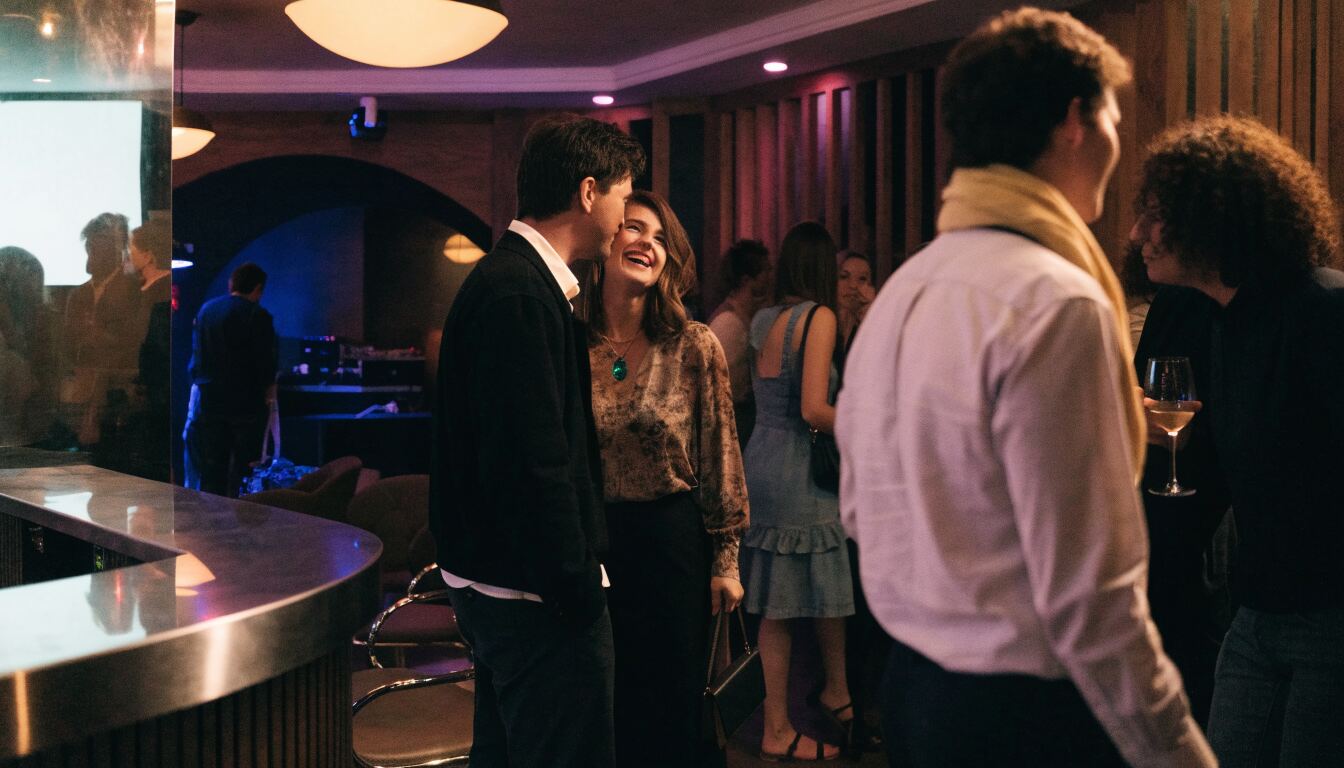
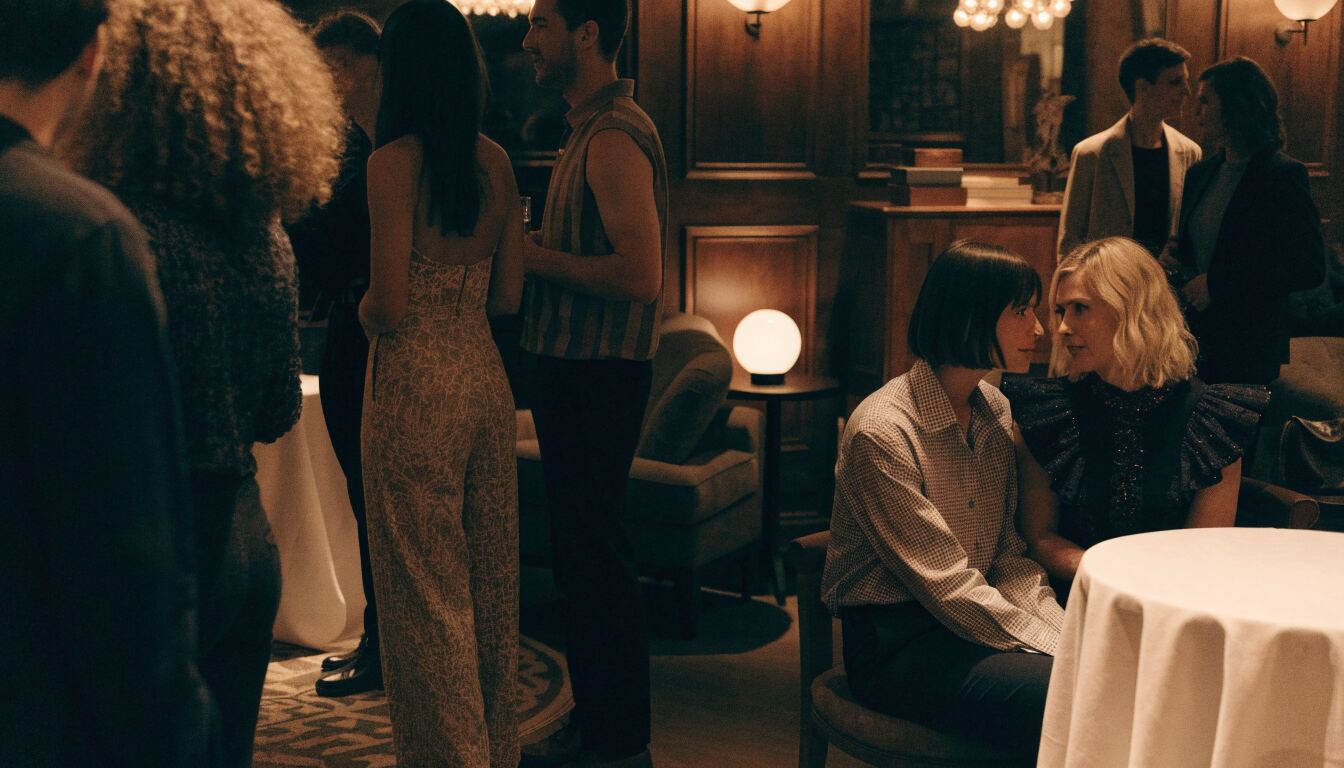
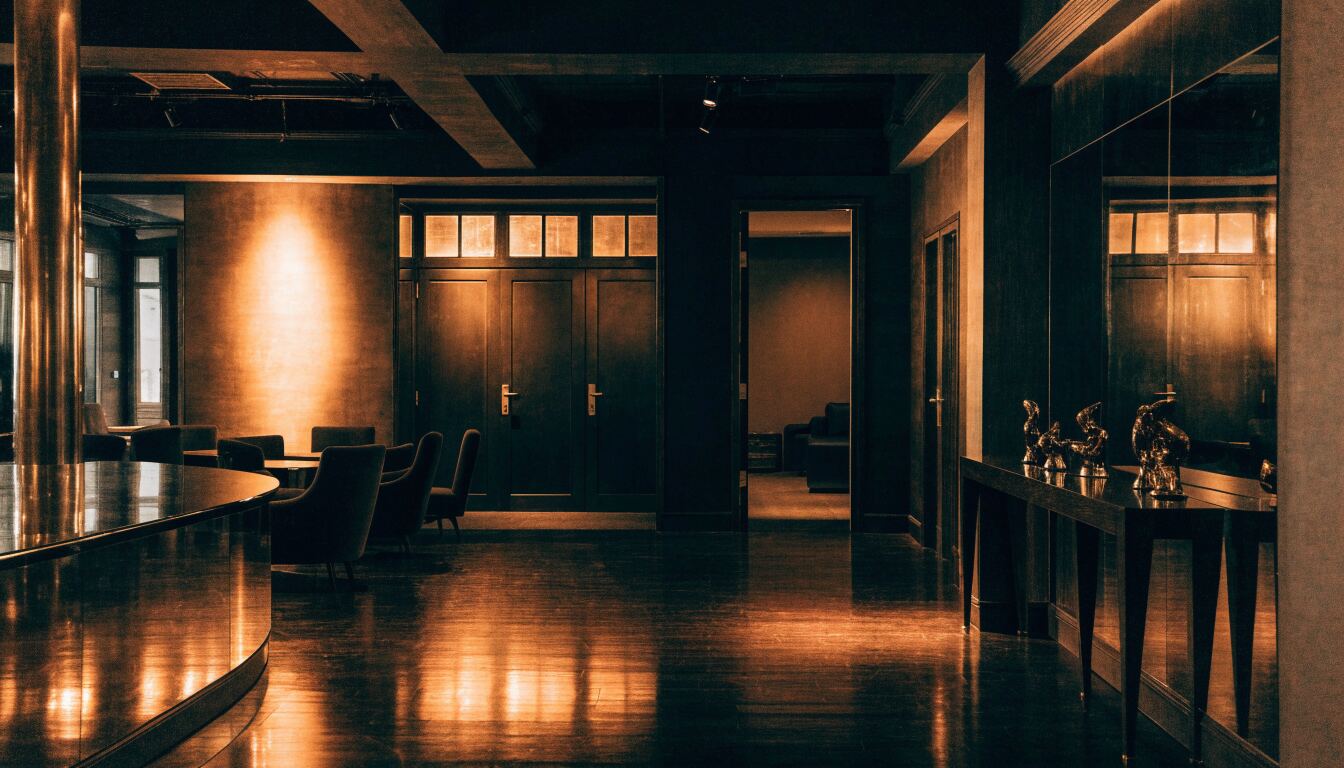
The layout itself was a marvel of design. Imagine stepping into a space dominated by a sprawling dance floor, flanked by two stages equipped with dance poles and raised platforms for performers. A generous bar anchored the room, while scattered lounge zones invited conversation. Beyond the party lights, guests found fantasy-inspired rooms and areas offering varying degrees of privacy, from semi-secluded nooks to fully shut-away chambers. This allowed couples to control their rhythm, moving from a vibrant, shared setting to a more secluded space whenever they chose. With a live DJ spinning Top 40 hits, an emcee driving themed events, and interactive mixers stirring the crowd, the mood was consistently lively, social, and playfully daring.
This blend of club vibrancy and lifestyle flexibility clarifies why the venue still appears in online searches and discussions. It wasn't just a place for physical connection—it was crafted as a full sensory journey where couples could socialize, relax, and mutually shape their evening's direction. Today, the original spot no longer operates. In 2020, the property at 701 Drexel Street became Drexel House, a shelter run by Room in the Inn. Although it's disappeared from Nashville's current scene, it stays a potent example for grasping what many pairs desire: a socially lively setting with an optional route to more secluded experiences later.
Defining Features That Set It Apart
What set this venue apart was its smart combination of a nightclub layout with a lifestyle-club model. According to its own ads, it boasted a "nightclub atmosphere with a twist," built around a spacious dance zone, two stages with poles, two raised platforms, a sizable bar, and scattered seating and lounge areas. This setup provided a more energetic, party-focused mood than smaller private gatherings or quiet socials, which is why it stood out in Nashville's landscape for so long.
Entertainment and thematic programming were also core to its identity. The club's descriptions highlighted a steady stream of Top40 dance mixes, with an MC steering events and many evenings revolving around a costume idea, competition, or icebreaker activity. For couples, this format likely lowered the threshold of intimidation compared to a space solely focused on physical engagement. It carved out room for grooving, chatting, and gradually settling in before making any choices about deeper involvement. The presence of a host and structured activities meant there was always a social anchor, reducing any awkardness for newcomers who might feel unsure how to initiate conversations.
Another major attraction was the internal range of spaces. The venue promoted fantasy rooms alongside semi-private and fully private play areas, establishing a clear division between its shared zones and its more hidden corners. This design approach is often deeply attractive to couples because it allows the night to unfold in layers: entering, settling in, socializing, and then a shared decision to stay purely social or move toward a more private experience. Outside sources like NewsChannel5 backed up these features, citing the same fantasy, semi-private, and private room choices, which strengthens the accuracy of the club's own picture. The layout essentially let couples write their own story, without any built-in requirement to do more than connect socially.
Collectively, these elements transformed the venue from a simple club night into a comprehensive lifestyle immersion. It seemed sculpted for duos who valued flexibility: a vivacious dance setting, a suggestive yet orderly mood, and the liberty to maintain a purely social evening or advance into a more private sphere. Though it no longer functions at701 Drexel Street, the establishment endures as a instructive example of the nightclub-style swingers venue many pairs hunt for when they prioritize a social-first milieu over a play-focused one. It demonstrated that a well-rounded experience could cater to multiple comfort zones simultaneously, making it a benchmark for what a balanced adult venue can be.
Entry, Membership, and Cost Structure
Like many adult-focused venues, this club apparently operated on a membership-based entry setup rather than as a typical walk-up bar. External archives holding its pricing data show initial membership costs of 25 dollars for newcomers, with additional tiers reportedly covering one-week, one-month, six-month, and one-year periods. Those same sources reveal nightly admission fees that varied by guest type, with couples generally paying less than single men, and single women often paying the lowest rates. Since the club is now closed, these figures should be seen as historical markers, not current entry prices.
The archived fee details vividly show how the club varied admission by group. Reported nightly charges spanned 25 to 80 dollars for couples, 5 to 20 dollars for single women, and 30 to 120 dollars for single men. This layered strategy is common in the lifestyle world because venues often try to keep a pair-friendly balance and avoid a heavily male-skewed environment. Practically, it signals the club was built primarily to attract couples, while still allowing limited single access under a more regulated system. This pricing structure quietly broadcast the venue's aims, keeping the social dynamic steady and welcoming for its main audience.
That pricing approach also clarifies the venue's positioning within Nashville. Rather than presenting itself as a casual walk-in bar, it operated more as a private adult club with controlled entry, membership norms, and event-driven admission. Listings tied to the club also indicated hours like Thursday through Saturday evenings, supporting the idea that it was centered on scheduled nightlife, not everyday, casual visits. This planned rhythm built a sense of occasion, making each night feel like a distinct happening rather than a routine choice.
The wider point isn't just the specific costs but the underlying approach. The club's entry system seems crafted to foster a more intentional atmosphere, where attendance was shaped by membership, guest type, and planned nightly events. Even though it's no longer running at 701 Drexel Street, that membership-plus-cover-charge model stays a useful illustration of how many lifestyle spots set themselves apart from standard nightlife and build a setting geared more toward couples and vetted visitors. It highlights the value of purposefulness in creating a secure, inviting space where guests feel acknowledged and respected.
Rules, Consent, and the Cultural Core
While no complete house-rules document survives in public records, the club's descriptions and layout still make its guiding principles fairly clear. It marketed itself as a members-focused lifestyle spot prioritizing social connection first: a spacious dance area, lounges, theme nights, mixers, an emcee, and a party vibe meant to keep people engaged in common areas before considering any move to private spaces. This is important because it hints that the club wasn't designed as an immediate action zone upon entry, but as a social hub where couples could interact, relax, and decide together how the night should progress.
This social-first design fits well with wider principles of consensual non-monogamy. Trusted sources define swinging as a type of consensual non-monogamy where adults engage by common agreement, with limits and rules set by those involved. Essentially, the bedrock is communication, mutual consent, and clear boundaries, not coercion or guesswork. For a place like this, that would have been vital because the club provided both public gathering spots and more secluded fantasy, semi-private, and private rooms—settings that only function smoothly when everyone knows that interest must be expressed, never assumed. The whole layout quietly taught that connection is a conversation, not an obligation.
This layout probably made the club feel less intimidating for couples than a space where public and private areas blend together. An evening could start with drinks, dancing, or a themed social event, with no push to go further. The availability of separate play areas created a tangible boundary between group mingling and personal moments, which tends to support the understanding that everything is voluntary and should only proceed when everyone is at ease. Even without a formal list of rules, the club's structure strongly implies a culture centered on gradual unfolding, shared interest, and the freedom to keep things purely social. This physical arrangement served as a quiet champion of personal choice, letting the setting itself reinforce guests' control.
This is one reason the location remains a notable landmark in Nashville's lifestyle past. It seemingly offered the kind of club culture many pairs seek in a swingers spot: lively but organized, suggestive without demanding instant involvement, and arranged to give guests space to talk and pick their own comfort level. Although it no longer operates, that consent-driven, social model stays one of the clearest signs of a thoughtfully crafted lifestyle venue. It established a benchmark for how a place can enable enjoyment while honoring personal limits, a balance vital for lasting trust in any adult community.
What a Typical Evening Looked Like
Judging by the club's own presentation, a typical evening probably began more like a nightlife gathering than a strictly play-centered event. The venue highlighted a sizable dance floor, two stages with poles, raised platforms, an expansive bar, and various seating and lounge spots, along with an emcee, upbeat mainstream music, and a schedule full of themed parties, competitions, and social mixers. This blend indicates the early part of the night was geared toward arriving, grabbing a drink, mingling, and absorbing the energetic ambiance before any deeper privacy was considered. The music and host created a rhythm that fostered conversation, helping newcomers shake off initial shyness.
The gradual, socially-oriented design likely helped the venue feel welcoming for partners. Rather than pushing attendees straight into a specific scenario, the space seemed designed to let the evening develop naturally in phases. Couples had the freedom to mingle at the bar, enjoy the music, or relax in communal spaces first, only later choosing whether to continue socially or venture into the more secluded sections. Because it featured fantasy-themed spaces and options for semi-private and private encounters, there was a clear divide between the lively public areas and the quieter, personal zones. This layered setup gave partners moments to connect and confirm their comfort, making sure their experience was a mutual progression rather than a hurried step.
To imagine the general atmosphere, think of a place that blended a high-energy nightclub with a lifestyle space, not a hushed, exclusive lounge. The focus on lively music, live hosts, themed competitions, and social gatherings suggests a setting where interaction and entertainment were key elements, not just afterthoughts. This is significant because many pairs, particularly those exploring the lifestyle, often seek a venue with space to chat, flirt, watch, and ease into things at their own speed rather than feeling hurried to join in. The club's design seems to have fostered exactly that gradual flow. It was a spot where the unfolding of the night was as important as any final outcome, encouraging guests to appreciate each phase.
Anyone learning about this place now should remember this is a historical snapshot, not a current guide. The original club is gone from 701 Drexel Street; the structure was bought in 2020 and turned into Drexel House, a shelter managed by Room in the Inn. Still, it serves as a solid example of how a nightclub-style swingers space can be arranged for couples: communal zones first, secluded areas later, and enough built-in fun that attendees could have a great time even if they stayed completely social. This model illustrates that a thriving adult venue doesn't have to focus solely on physical interaction but can flourish through social connection and personal agency.
The Club's Closure and Legacy
This venue is no longer active at its original Nashville site. Several accounts link its shutdown to the upheaval of the COVID-19 pandemic, with NewsChannel5 noting in 2021 that it was compelled to close during that time. The worldwide health crisis swept through many nightlife businesses, and this club was among those that didn't survive the disruption.
The structure at 701 Drexel Street then took on a profoundly different purpose. Religion News Service reported in November 2020 that Room In The Inn acquired the former property and relaunched it as Drexel House, a shelter and support space linked to its efforts with individuals experiencing homelessness. Room In The Inn's own historical record also notes the 2020 addition of Drexel House as part of its pandemic-era growth. This shift from an entertainment venue to a place of sanctuary shows how buildings can be reborn to address fresh community necessities.
For those looking today, this means the club is part of Nashville's lifestyle history rather than its present nightlife. Still, it pops up in searches because it left a recognizable template: a nightlife-focused swingers venue built on music, social areas, themed happenings, and private zones for pairs wanting more than a standard club outing. That ongoing curiosity makes sense, even though the original spot is gone and the building now serves a wholly different community function. Its format lingers in memory because it met a specific desire many still find intriguing.
Viewed this way, the place is best seen as a former Nashville lifestyle club embodying a nightclub-inspired approach to the swingers world, not an active destination couples can visit now. For anyone researching it today, the more helpful question isn't about current operations, but what its setup reveals about the social-first, vibrant atmosphere many pairs still look for in happening lifestyle events. It's a remnant of a blueprint, providing timeless insights into social architecture and couple-focused design.
Priorities for Couples Seeking Similar Experiences Now
Since the original venue is no longer active, the most valuable insight for today's couples isn't how to get there, but what to seek in a similar space. Based on its own details, the club's appeal came from its balance of nightlife excitement and structured options: a generous dance floor, bar, lounge seating, themed events, and distinct fantasy, semi-private, and private rooms. That kind of arrangement is vital because it gives couples choices. A place with strong social areas lets people enter, watch, talk, and settle in before jointly deciding if the night stays social or shifts toward intimacy. This adaptability is essential for lowering nerves and nurturing a good experience.
For many twosomes, the top priority should be talking things through long before arriving. The American Counseling Association describes consensual non-monogamy as relationship forms where partners connect with others through clear agreement, not guesswork, and stresses that these setups rely on defined boundaries and informed consent. Practically, this means couples tend to do better when they hash out expectations beforehand: what kinds of interaction feel okay, what's not allowed, how they'll touch base during the night, and what either can do to pause or depart. Establishing a safe word or silent signal for check-ins can also be transformative, making sure both feel listened to even amid noise.
Health and safety should be part of that conversation too. The CDC advises regular STI screenings, open discussions about sexual health with partners, and correct use of condoms or other barriers to lower risk. For couples thinking about any active lifestyle gathering, preparation becomes just as crucial as attraction or curiosity. A positive experience begins with knowing your limits, having a safer sex strategy, and ensuring both partners feel empowered to speak up in the moment if feelings shift. Assembling a small bag with items like barriers and lubricant can transform vague plans into solid readiness, giving both individuals confidence.
That's ultimately why this past venue still resonates as a reference, even though the original Nashville site closed and the building was transformed in 2020 into Drexel House. It stood for a kind of lifestyle club many couples actively seek: socially driven, lively, and designed so guests can proceed at their own speed. For readers hunting for similar events now, the top venues are often those blending that same mix of ambiance, mutual agreement, dialogue, and personal choice. Search for places that promote clear layouts, social activities, and stated consent guidelines—these are contemporary reflections of that enduring model.
Key Takeaways for Modern Explorers
This location is no longer a functioning Nashville spot, and the old property moved to a different mission long ago. NewsChannel5 reported its shutdown during the COVID-19 era, and Religion News Service detailed the purchase and rebirth as Drexel House through Room In The Inn. Room In The Inn's current website still lists Drexel House as part of its campus expansion, confirming the former club space is no longer part of Nashville's lifestyle nightlife. The physical era is over, but the conceptual one stays open for those ready to learn.
Still, it matters as a comparison because it reflected a format many pairs continue to want: a place that feels social before it turns intimate. Its own descriptions emphasized a large dance floor, multiple stages and lounge areas, a big bar, themed fun, and separate fantasy, semi-private, and private spaces. That mix helps explain the venue's lasting impression. It provided couples more than a place to show up and vanish; it offered a full evening, with chances to dance, converse, watch, and then mutually choose whether to stay social or slip into something more secluded. This all-encompassing approach transformed a plain outing into a joint escapade.
For readers investigating this club now, that's really the most useful perspective. The physical spot is gone, but the questions prompting the search are still relevant: What kind of vibe feels right? How much privacy exists? Is the space genuinely couple-focused, or does it feel unbalanced? Does the event allow room for talk and agreement before anything more personal happens? This venue seems to have struck a chord because it ticked many of those boxes simultaneously, which is why it still surfaces in discussions years after shutting down. It acts as a checklist of values, not directions to a vanished site.
In that light, it stays helpful not as a modern recommendation, but as a standard. It embodied a nightlife-driven, socially-oriented style of lifestyle venue that many adventurous pairs still pursue. For anyone using this guide to direct future picks, the core lesson is straightforward: hunt for current events that mix energy, design, privacy choices, and a culture where couples can move at their own tempo. That's the element of the experience that still feels relevant now, a lasting principle for building memorable and considerate adult social environments.