A Fresh Chapter Beckons
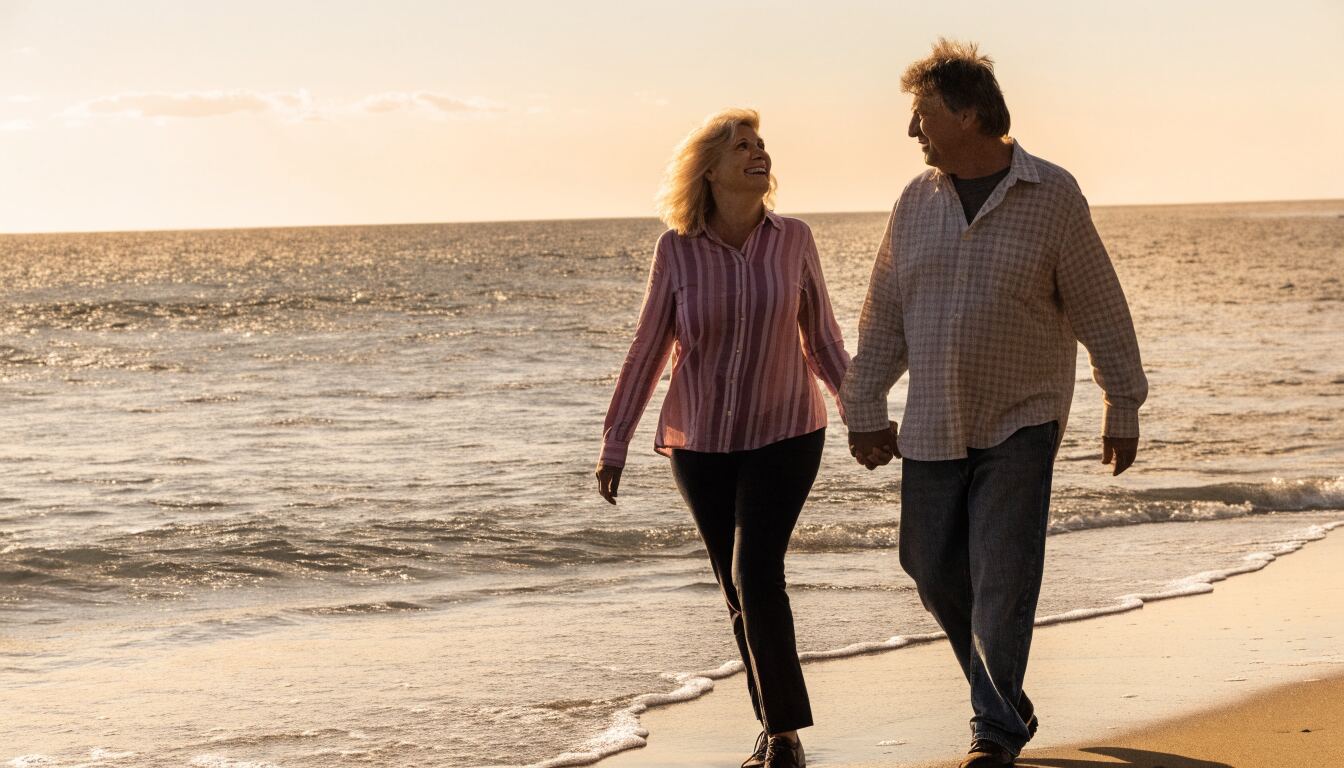
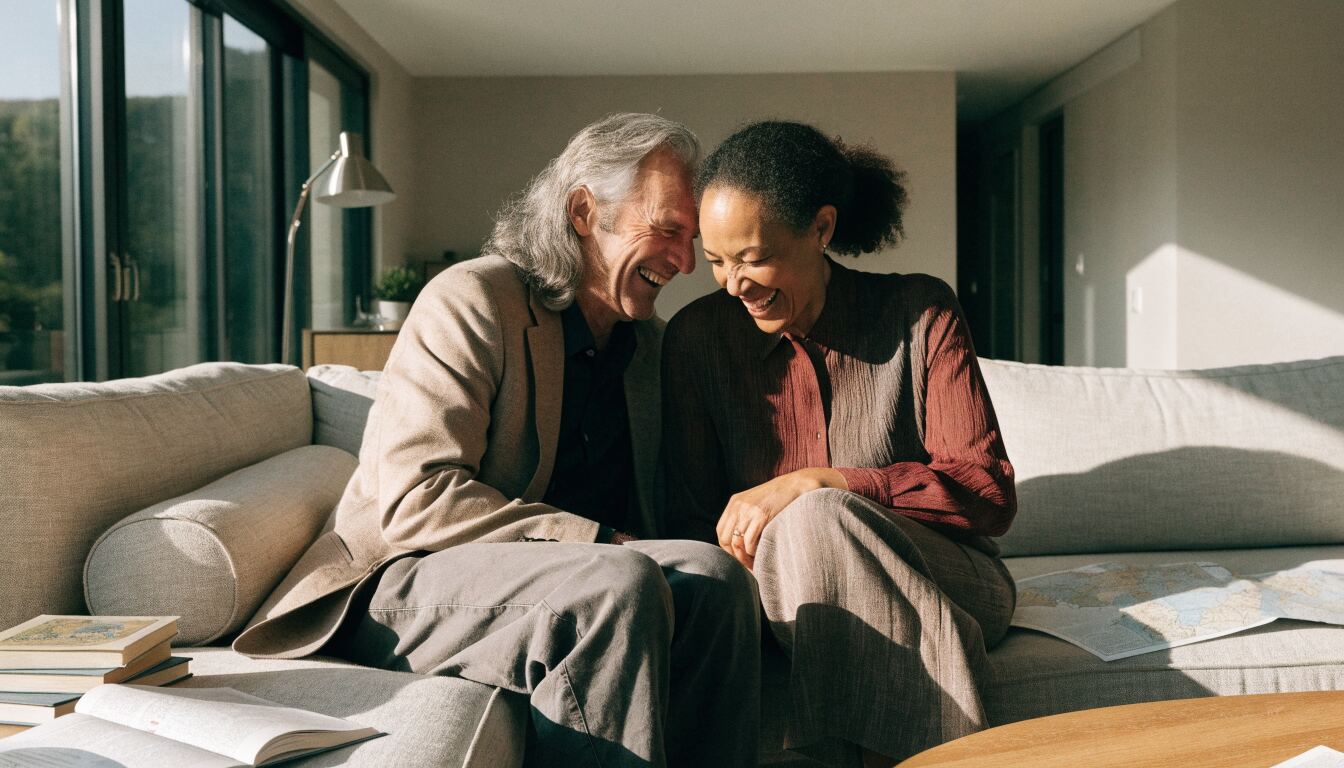
Reaching the age of fifty often stirs a mix of reflection and anticipation. Rather than viewing it as a marker of decline, many discover it’s an invitation to reshape daily life according to personal desires. The responsibilities that once dominated earlier decades—raising children, climbing career ladders—may start to ease, leaving room for exploration. This period can feel like opening a window to let in fresh air, where you decide which breezes to invite. It’s a moment to ask yourself what genuinely lights you up, whether that means reviving old interests or venturing into entirely new territory. The beauty lies in the freedom to craft a routine that prioritizes happiness over obligation, and to savor the wisdom accumulated along the way.
Embracing this stage involves more than just filling time; it’s about intentional living. You might find yourself drawn to activities that nurture your spirit, from creative pursuits to physical adventures. The key is to approach each day with curiosity, treating it as a blank canvas. By letting go of outdated expectations, you create space for authenticity to flourish, allowing the real you to step forward without apology.
Designing Your Own Roadmap
Half a century of life grants a unique perspective: you’ve learned what works and what doesn’t. Now is the opportunity to redraw the map, tossing aside routes prescribed by others. Instead of following a rigid script, consider what a fulfilling week looks like for you personally. Maybe it involves volunteering for a cause close to your heart, launching a small business from a hobby, or simply dedicating mornings to gardening. The shift is from external demands to internal compass, guiding choices that resonate deeply.
This redefinition also applies to relationships and social circles. You might decide to invest more energy in friends who uplift you while gently stepping back from draining connections. It’s about curating a life that reflects your values, not society’s timeline. Practical steps include listing three things you’ve always wanted to try, then researching local classes or groups to make them happen. The goal isn’t productivity—it’s joy, and the permission to pursue it wholeheartedly.
Awakening Dormant Interests
Many people shelve personal passions during busy midlife years, but the fifties provide a perfect window to dust them off. Perhaps you once loved painting, playing an instrument, or studying history, yet career and family took precedence. Returning to these activities can reignite a sense of purpose and excitement. It’s not about mastering a skill; it’s about the process of engagement, which stimulates creativity and boosts mood.
If you’re unsure where to start, think back to childhood fascinations. Did you enjoy building things, writing stories, or exploring nature? Local community centers, online platforms, and workshops offer low-pressure entry points. For example, a weekly pottery session can become a meditative ritual, while learning a new language might pave the way for travel adventures. These pursuits also connect you with like-minded individuals, expanding your social world naturally. The act of learning itself keeps the mind agile, reinforcing that growth has no expiration date.
The Gift of Lighter Living
With fewer dependents and possibly a more flexible work schedule, the fifties often bring a welcome sense of lightness. Daily life can shift from a checklist of must-dos to a menu of want-tos. This unburdened state allows for spontaneity—taking a weekday hike, hosting impromptu dinners, or booking a last-minute getaway. It’s a phase where you can prioritize experiences over possessions, savoring moments rather than accumulating things.
Empty nesters, in particular, find new rhythms that celebrate independence. Instead of viewing a quieter home as a loss, see it as a canvas for reinvention. Redecorate a room into a yoga studio, start a book club, or explore local cultural events. The freedom extends to emotional space too; you can focus on self-care without guilt, knowing that nurturing your own well-being ultimately enriches every other area of life. This mindset transforms ordinary days into opportunities for delight.
Cultivating Deep Bonds
Relationships take on richer meaning after fifty, shifting from quantity to quality. The acquaintances that cluttered earlier years may fade, leaving room for connections rooted in trust and mutual support. Investing in these ties involves showing up consistently—listening deeply, celebrating successes, and offering comfort during setbacks. It’s the shared history and vulnerability that forge unbreakable links.
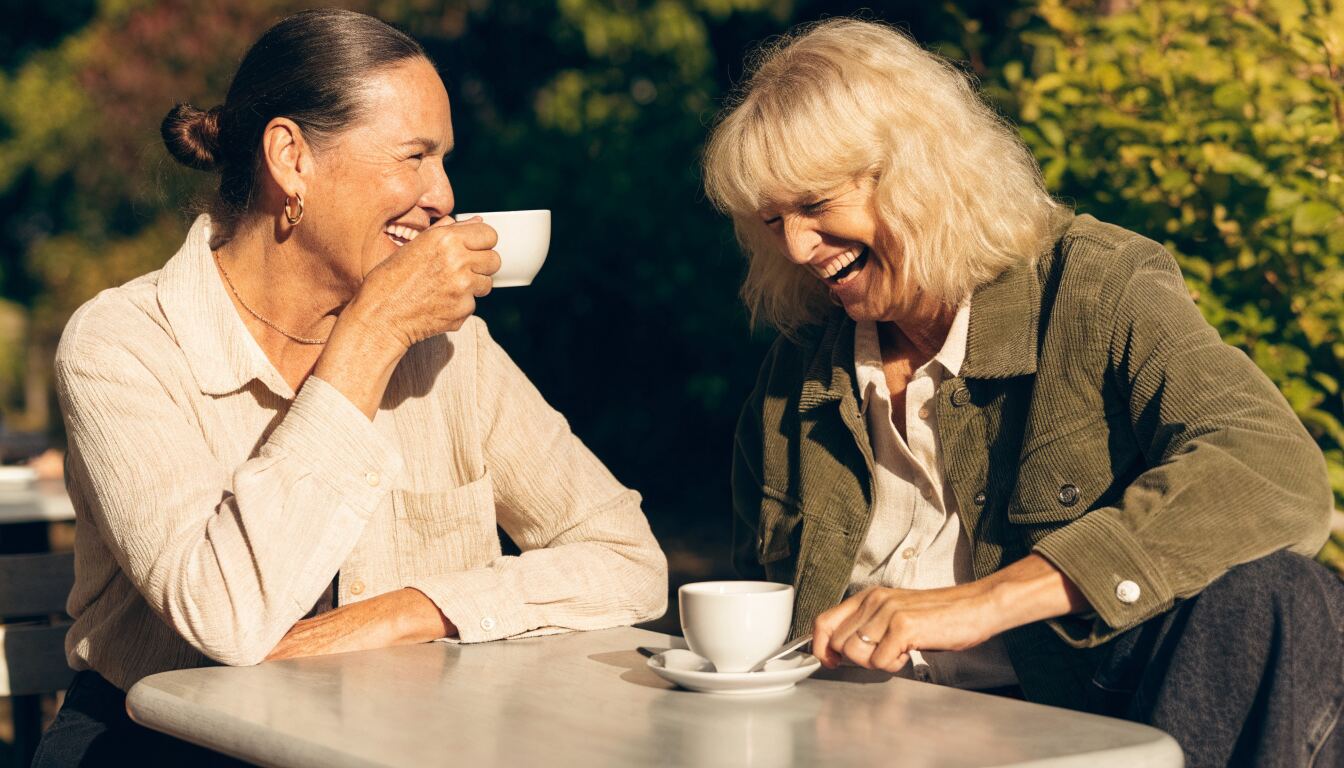
To strengthen existing bonds, initiate regular rituals: a monthly hike, a weekly coffee date, or a group chat for sharing daily wins. These small acts build a scaffold of belonging. Simultaneously, evaluate whether any relationships feel one-sided or draining, and give yourself permission to redirect that energy. The goal is a circle that reflects who you are now, not who you were decades ago, ensuring your social landscape nourishes rather than depletes.
Finding Your Community
Locating kindred spirits at this stage can feel daunting, but shared interests provide natural bridges. Consider what enlivenes you—whether it’s birdwatching, board games, or volunteering—and seek out local or virtual groups centered on those themes. Libraries, meetup platforms, and community bulletins are treasure troves of opportunities. The beauty of these gatherings is the instant common ground, which eases initial awkwardness and fosters genuine rapport.
Don’t hesitate to initiate your own group if nothing fits. A neighborhod walking club or a film discussion circle can start with just two or three people and grow organically. The act of creating community is empowering, reinforcing that you have agency over your social fulfillment. These connections often blossom into friendships that provide laughtr, accountability, and a sense of adventure, reminding you that new chapters can be shared.
Joy Through Shared Moments
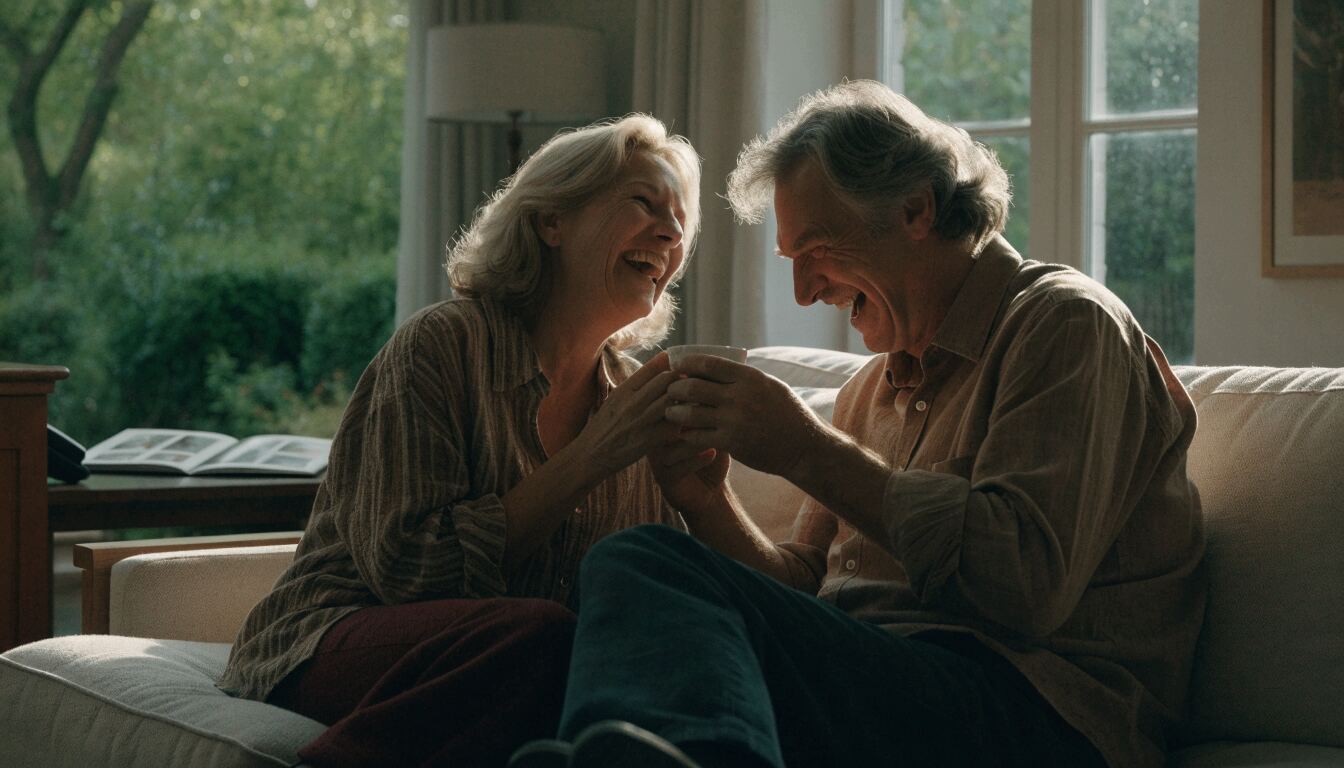
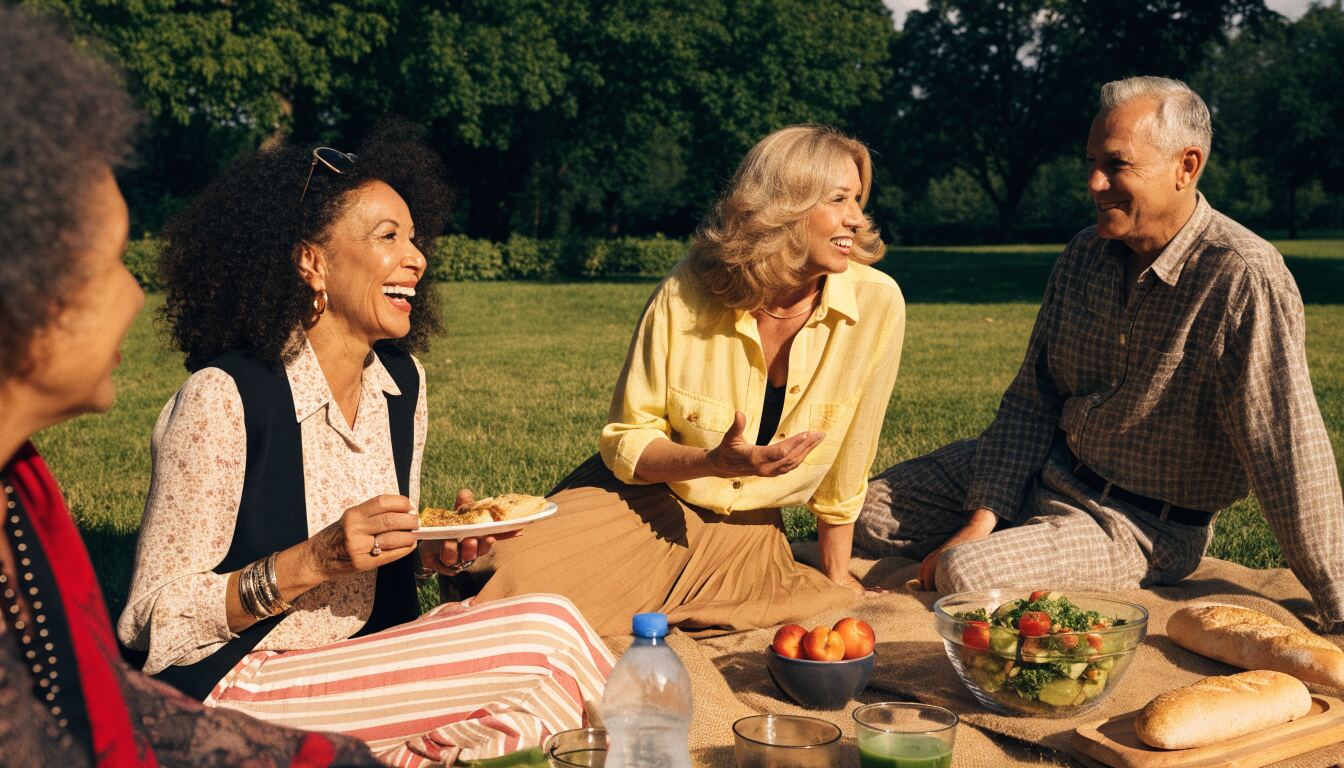
Laughter and collective experiences are potent medicine at any age, but especially in midlife. Planing activities with friends—a cooking class, a weekend camping trip, or even a regular game night—creates a reservoir of happy memories. These events don’t need to be elaborate; the essence is togetherness and play. They counterbalance the seriousness that can creep into adult life, injecting levity and warmth.
Such moments also deepen understanding between people. When you navigate a new city together or collaborate on a creative project, you see different facets of each other. This strengthens empathy and appreciation, reinforcing why these bonds matter. Prioritize fun not as a luxury but as an essential component of a vibrant life, and watch how it rippes outward, improving mood and resilience.
Honoring Your Physical Self
Well-being in your fifties extends beyond doctor visits; it’s a holistic embrace of body and mind. Adequate sleep becomes a cornerstone, as rest heals tissues and sharpens cognition. Stress management, through practices like deep breathing, journaling, or gentle yoga, protects against burnout and illness. And social connection itself bolsters immune function, making time with loved ones a health strategy. The interplay of these elements creates a foundation for vitality.
Instead of drastic overhauls, focus on sustainable tweaks. Swap precessed snacks for whole foods gradual, find movement that feels like play—dancing, swimming, cycling—and protect your sleep with a consistent bedtime routine. Listening to your body’s signals is key; if something causes pain or fatigue, adjust rather than push through. This respectful partnership with your physical self pays dividends in energy and outlook.
Nourishment and Joyful Movement
Nutrition needn’t involve deprivation. Think of meals as opportunities to fuel and delight, incorporating colorful vegetables, lean proteins, and whole grains in ways that please your palate. Experimenting with new recipes or cuisines can make healthy eating an adventure rather than a chore. Similarly, exercise shines when it aligns with your personality: a solo morning jog, a group Zumba class, or a peaceful tai chi session in the park.
Consistency trumps intensity. Even fifteen minutes of daily movement can lift spirits and maintain mobilty. Pair physical activity with social elements—a walk-and-talk with a friend, for instance—to double the benefits. The aim is to build habits that feel rewarding, not punishing, so they stick for the long haul. Over time, these choices compound, enhancing both longevity and daily enjoyment.
Appreciating Your Evolved Body
Bodily changes are inevitable, but your response to them shapes your experience. Rather than mourning youth, celebrate what your body continues to do: carry you through days, embrace loved ones, and experience pleasure. Shifting focus to function—strength, flexibility, endurance—fosters gratitude and reduces appearance-based anxiety. This mindset aligns with a broader acceptance of aging as a natural, even beautiful, process.
Practical steps include setting non-aesthetic goals, like hiking a certain trail or mastering a yoga pose, and noting daily achievements. Surround yourself with messages that honor diverse bodies, and speak to yourself with the kindness you’d offer a friend. This self-compassion radiates outward, influencing how you engage with the world and freeing mental energy for what truly matters.
Rethink Aging with Optimism
Your outlook colors every aspect of later life. Viewing aging as a continued unfolment, rather than a loss, transforms challenges into growth opportunities. Each year adds layers of insight, resilience, and emotional depth that younger decades couldn’t provide. This perspective shift isn’t about denying difficulties; it’s about choosing to emphasize gains, like the freedom to speak your mind or the confidence to set boundaries.
Cultivate this mindset by regularly reflecting on what you’ve learned and how you’ve grown. A simple evening practice of naming three positive moments from the day can rewire your brain toward appreciation. Surround yourself with people who embody vibrant aging, and consume media that portrays older adults as dynamic and capable. These influences reinforce that your story is still being written, with plenty of captivating chapters ahead.
Marking Milestones
Celebrations infuse life with meaning and motivation. Beyond birthdays, acknowledge personal victories: completing a project, overcoming a fear, or simply maintaining a healthy habit for a month. These rituals can be as modest as a special meal or as grand as a party; the point is conscious recognition. They combat the tendency to gloss over achievements, reminding you of your own agency and progress.
Involve others in these moments to amplify joy. Share your success with friends, and encourage them to do the same, creating a culture of mutual uplift. This practice also provides natural points for reflection, allowing you to see patterns of growth and adjust goals accordingly. Over time, it builds a narrative of capability and forward motion that counters any age-related stereotypes.
Everyay Sparks of Delight
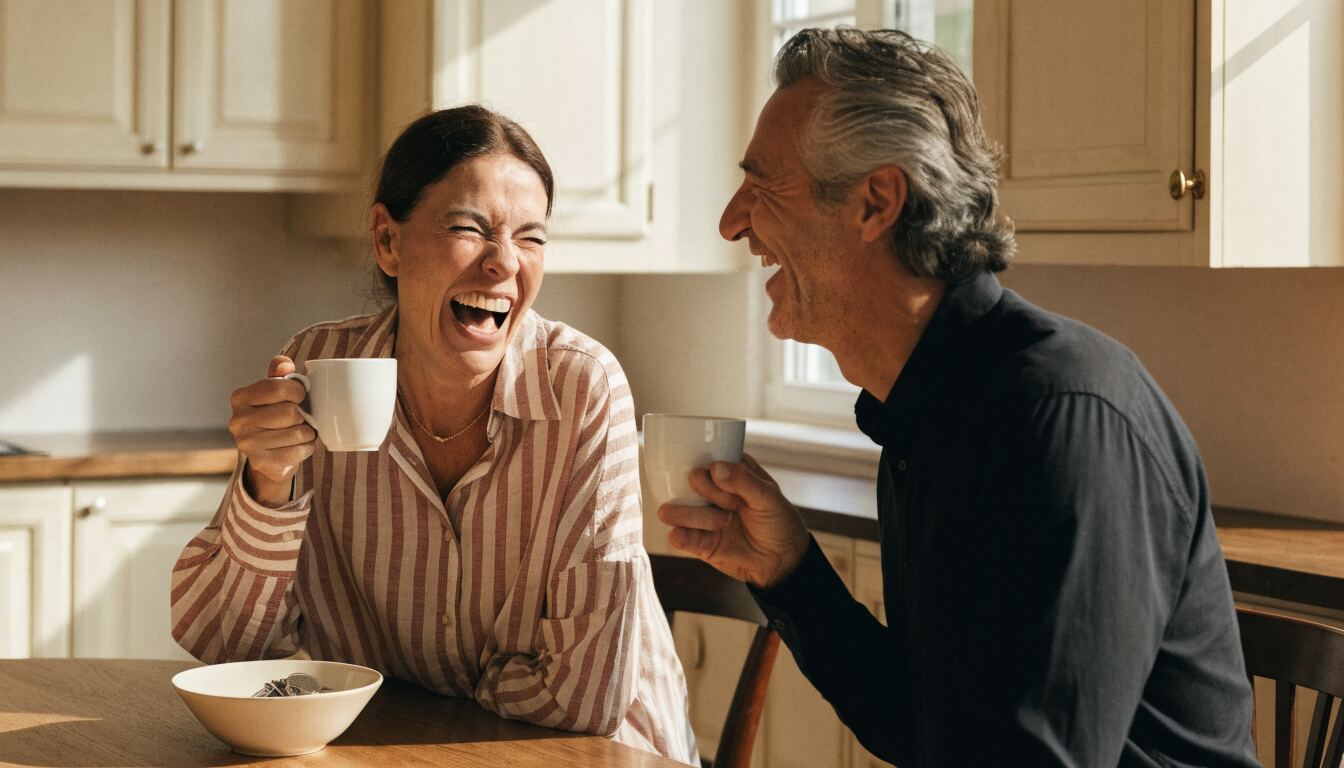
Hapiness often hides in plain sight: the aroma of morning coffee, a phone call with a grandchild, the feel of sun on your skin. Training yourself to notice these micro-joys shifts your baseline mood. A gratitude practice—joting down a few things each day—can heighten this awareness, turning ordinary routines into sources of contentment. It’s a skill that grows stronger with use, much like a muscle.
To weave this into daily life, set reminders on your phone or pair it with an existing habit, like brushing your teeth. Share your observations with a partner or friend to deepen the effect. This focus on the present moment not only increases happiness but also reduces worry about the future, anchoring you in the richness of now. It’s a simple yet profound tool for thriving.
Stepping Into the Unknown
Novelty keeps the brain and spirit alive. Your fifties are ripe for pushing past comfort zones, whether that means traveling solo to a foreign country, enrolling in a dance class, or starting a blog. The initial discomfort of the unfamiliar fades, replaced by exhilaration and expanded self-concept. Each new endeavor proves that you’re capable of more than you assumed, building courage for future risks.
Begin with small experiments to build confidence. Attend a lecture on an unfamilar topic, try a new cuisine, or strike up a conversation with a stranger. These acts accumulate, shifting your identity from someone who plays it safe to someone who embraces life’s possibilities. The key is to focus on the experience itself, not the outcome, allowing curiosity to lead the way.
Lifelong Learning Journeys
The mind thrives on stimulation, and the options for education in later life are vast. Online courses, local college programs, and community workshops cover everything from philosophy to coding. Engaging with new ideas strengthens neural pathways and can even delay cognitive decline. More than that, it’s deeply satisfying to master a subject purely for the love of it, without career pressures attached.
Choose topics that intrigue you, not those that seem practical. If astronomy fascinates, download a stargazing app and join a club. If history calls, plan trips to relevant sites. Learning also provides natural social opportunities, as you connect with fellow enthusiasts. This continuous growth reinforces a vibrant, engaged identity that defies any notion of slowing down.
Adventures on Any Scale
Adventure doesn’t require a passport or a large budget. It can mean exploring a nearby town, trying a new sport, or even rearranging your furniture to refresh your environment. The spirit of adventure lies in openness and presence, treating each outing as a mini-expedition. These experiences break up monotony and inject energy into your weeks.
Plan regular ‘adventure days’—perhaps once a month—where you do something novel. Keep a list of ideas gathered from friends, articles, or daydreams, and pick one at random. Document these outings with photos or journal entries to create a tapestry of memories. This proactive approach ensures that life remains dynamic and full of discovery, regardless of circumstance.
Embracing Your True Self
By fifty, you’ve likely spent decades conforming to various roles—employee, parent, partner. This stage invites you to peel away those layers and reveal the core individual beneath. It means honoring your preferences, from how you dress to how you spend your time, without seeking approval. Authenticity isn’t selfish; it’s a gift to yourself and others, as it allows for genuine interaction and deeper peace.
This process involves self-inquiry: journaling about your values, passions, and even your dislikes. Notice when you feel most energized and when you feel drained, and adjust accordingly. It may require difficult conversations as you reset boundaries, but the result is a life aligned with your truth. The freedom that follows is profound, unleashing creativity and contentment that were previously stifled.
Heeding Your Inner Guidance
Intuition is a quiet but powerful ally, honed by decades of experience. It often speaks through gut feelings, sudden insights, or persistent nudges. Creating space to hear it—through meditation, solitary walks, or simply sitting with a cup of tea—allows it to surface. Trusting these signals can steer you toward decisions that logic alone might miss, from relationship choices to creative projects.
To strengthen this connection, practice listening without immediately dismissing what arises. Keep a journal of intuitive hits and their outcomes to build confidence. Over time, you’ll distinguish between fear-based reactions and genuine inner wisdom. This skill is especially valuable now, as you navigate transitions with less external validation and more internal clarity.
Writing Your Own Story
Your life narrative is yours to author, and midlife offers a perfect revision point. Reflect on past chapters with compassion, extracting lessons without rumination. Then, envision the themes you want to emphasize moving forward: adventure, connection, creativity, or something else entirely. Set intentions, not rigid goals, allowing flexibility as you evolve.
Share your story with trusted confidantes, as articulation often brings clarity. Consider creative outlets like memoir writing, photography, or even scrapbooking to externalize your journey. This active shaping of your narrative reinforces agency and hope, proving that the most compelling chapters may still lie ahead. It’s an empowering reminder that you hold the pen.
Frequently Asked Questions
What makes the fifties a special decade?
This period often brings a unique blend of freedom and wisdom. With family responsibilities possibly lightening and career paths stabilizing, many find more time for personal pursuits. The life experience gained over decades also provides a clearer sense of what brings genuine happiness, allowing for more intentional choices about how to spend time and energy.
How can I maintain vitality as I age?
Focus on a balanced approach: eat nourishing foods, stay physically active in ways you enjoy, and prioritize restful sleep. Mental and emotional health are equally important—manage stress through relaxation techniques, and stay socially connected. Regular check-ups with your doctor help catch issues early, but daily habits form the foundation of long-term well-being.
Is it possible to pick up new skills later in life?
Absolutely. The brain remains capable of learning and adapting at any age. Many people discover hidden talents or passions in their fifties, from musical instruments to foreign languages. The key is to approach learning with curiosity and patience, focusing on the enjoyment of the process rather than perfection.
How do I build a fulfilling social life now?
Start by identifying activities you genuinely enjoy, then seek out groups or events centered on those interests. Book clubs, hiking groups, and volunteer organizations are great places to meet like-minded people. Also, invest time in nurturing existing relationships that feel supportive and uplifting, letting go of those that consistently drain you.
How can I feel more positive about getting older?
Shift your focus from perceived losses to the gains that come with age, such as deeper self-knowledge and emotional resilience. Celebrate milestones and daily joys, and surround yourself with people who view aging as an adventure. Practicing gratitude for what your body and mind can do fosters a more optimistic outlook.
What does living authentically mean at this stage?
It involves understanding and honoring your true preferences, values, and personality, rather than conforming to external expectations. This might mean making bold life changes or simply expressing yourself more openly in daily interactions. The result is a greater sense of peace and alignment, as your outer life reflects your inner reality.