Embracing Preparedness in Intimate Adventures
Stepping into new realms of connection, whether through group dynamics or one-on-one explorations, calls for a blend of excitement and mindfulness. Protecting everyone's well-being doesn't dampen the thrill—it actually enhances it by removing lingering worries. This piece dives into the practical items that support both pleasure and health, from the familiar shield of condoms to lesser-known aids like dental dams and beyond. We’ll examine what makes certain choices more effective, how to use them with confidence, and ways to weave them seamlessly into your experiences. The aim is to equip you with knowledge so you can pour your energy into enjoyment, not anxiety.
Navigating the World of Condoms for Open Connections
When you’re engaging with multiple partners, selecting the right condom becomes a cornerstone of thoughtful play. Their role extends far beyond pregnancy prevention—they’re a primary defense against infections in settings where trust and health histories vary. View them as a proactive step, not a buzzkill. A well-chosen condom can actually heighten comfort because it signals care and respect among everyone involved. The market offers countless options, so focusing on material, texture, and fit helps you stock up wisely. Latex remains the go-to for many, prized for its strength and elasticity, yet it’s not universal. Some individuals experience sensitivities that make alternatives necessary, and certain lubricants or toy materials can weaken latex, creating risks you didn’t anticipate. Getting familiar with these nuances ensures your choices aline with both safety and sensation.
Decoding Condom Materials and Their Uses
Latex condoms dominate the scene for good reason: they’re affordable, widely available, and highly effective when used correctly. However, they come with two significant caveats. First, oil-based products—like petroleum jelly, massage oils, or certain lotions—can degrade latex rapidly, leading to breakage. Second, some people genuinely react to latex proteins, experiencing irritation that ruins the mood. For these situations, polyurethane and polyisoprene step in as excellent substitutes. Polyurethane condoms are thinner, transmit heat well, and play nicely with any lubricant type, including oils. Polyisoprene offers a stretchier, more forgiving feel akin to latex but without the allergens. When using condoms as covers for shared toys, the material choice becomes even more critical. A latex condom stretched over a silicone toy might bond or tear if paired with a silicone-based lube, so sticking with water-based or hybrid formulas sidesteps that headache. Always check labels, and consider keeping a mixed stash—latex for general use, non-latex for sensitive partners or oil-heavy scenarios. This small effort transforms a basic supply into a versatile toolkit.
Beyond Standard Use: Condoms as Toy Shields
Shifting condoms from their typical role to toy protectors is a game-changer in communal play. Imagine a vibrator passing between individuals: even with a quick wipe, porous surfaces can harbor bacteria. Slipping a fresh condom over the toy before each person creates a disposable, clean layer that eliminates guesswork. The technique works for dildos, wands, and even some textured sleeves. Fit matters immensely—a loose condom can bunch up or slip off, while one too tight might rip. For oddly shaped toys, consider using finger cots or specialized covers sold at adult stores. Lubrication underneath the condom can help it glide on smoothly, but ensure the lube and condom material are friends, not foes. After use, simply peel it off and toss it; the toy underneath needs far less intensive cleaning. This approach doesn’t replace thorough sanitization, but it buys peace of mind when sinks aren’t nearby. It’s a practical hack that keeps the focus on shared joy rather than hygiene logistics.
Oral Barriers: A Closer Look at Dental Dams
Dental dams might seem mysterious if you’ve never encountered them, but they’re straightforward tools with a specific purpose. Picture a thin, flexible sheet—usually latex—designed to lay over the vulva or anus during oral contact. They act as a shield, drastically cutting down the chance of passing infections like herpes, HPV, or syphilis through skin-to-skin or fluid exchange. Some folks worry that inserting a barrier will mute all sensation, yet modern dams are crafted to be remarkably thin, allowing warmth and pressure to transfer. Many brands even infuse them with flavors like vanilla, mint, or tropical fruit, turning a safety measure into a playful addition. The key is using them correctly, which we’ll unpack shortly. While they’re not as commonly discussed as condoms, their value in a well-rounded safety kit is undeniable, especially in diverse social circles where oral exploration is part of the tapestry.
Material Options for Dams and Sensation Tips
Like condoms, dental dams primarily come in latex, but non-latex versions exist for those with allergies. Polyurethane dams tend to be slightly thinner and can transmit sensation more vividly, while nitrile options offer a durable, allergen-free alternative. Some users report that polyurethane feels closer to natural skin contact, which can ease the mental adjustment for newbies. To amplify pleasure, try adding a drop of water-based lubricant to the side facing the receiver’s body before positioning the dam. The moisture enhances glide and can make the experience feel more organic. Avoid oil-based lubes with latex dams, as they cause deterioration. Flavored dams add a sensory layer that can make oral play more inviting; just ensure the flavoring doesn’t contain sugars that might disrupt vaginal or anal pH. Experimenting with a few varieties at home—solo or with a trusted partner—can demystify the process and reveal what feels best. This isn’t about sacrificing intimacy; it’s about redefining it with creativity.
Step-by-Step Dam Application
Using a dental dam effectively hinges on a few simple actions. Start by checking the packaging for tears and the expiration date—expired latex can become brittle. Wash your hands before handling it to keep the surface clean. Unfold the dam and identify which side will contact the body; some have a subtle texture or powder that distinguishes them, but if not, just pick one and stick with it. Place it flat over the entire area you intend to stimulate, ensuring no skin peeks out at the edges. If you’re using lubricant, spread it on the receiver’s skin first, then lay the dam on top. During oral play, hold the dam in place with your hands or let the giver’s mouth pressure keep it secure—just avoid flipping it over, as that would transfer any fluids to the mouth. After finishing, fold the dam inward on itself, trapping any moisture inside, and discard it in the trash. Never flush dams, and never reuse them. A fresh dam for each new area or partner is non-negotiable. With practice, this routine becomes as automatic as fastening a seatbelt.
Keeping Shared Toys Clean and Safe
In communities where toys travel between bodies, hygiene isn’t a minor detail—it’s a foundational practice. Think of it like sharing utensils: you wouldn’t pass around a fork without washing it, and intimate items deserve even more care. Bacteria, fungi, and viruses can linger on surfaces, especially those with microscopic nooks. The good news is that a little knowledge about materials and cleaning methods goes a long way. By categorizing your collection and adopting consistent sanitization habits, you protect not just yourself but every person who joins in. This section digs into the divide between porous and non-porous materials, offers cleaning protocols, and revisits the condom-as-cover trick for extra security.
Porous vs. Non-Porous Toys: What You Need to Know
The fundamental split in toy safety rests on porosity. Non-porous materials—think borosilicate glass, medical-grade stainless steel, hard ABS plastic, and high-quality silicone—have surfaces so smooth and impermeable that germs struggle to cling. They can be scrubbed, boiled, or wiped with alcohol without degrading. Porous materials, by contrast, are like sponges. Jelly rubber, thermoplastic elastomer (TPE), PVC, and even some softer silicones contain tiny air pockets that trap moisture and microbes. Leather and fabric toys fall squarely in this camp too. Even after a thorough wash, you can’t guarantee they’re sterile, making them risky for sharing unless used with a barrier. A good rule of thumb: reserve porous items for personal use or with a fluid-bonded partner, and lean on non-porous options for group settings. When shopping, look for labels that say "body-safe silicone" or "non-porous," and avoid vague terms like "skin-safe rubber." Your future self will thank you when cleanup is a breeze.
Effective Cleaning Routines for Multiple Partners
Sanitizing toys between users demands more than a quick rinse. Begin by washing the item with warm water and a mild, unscented soap specifically formulated for intimate products—harsh chemicals can leave residues that irritate sensitive tissues. Pay attention to ridges, seams, and battery compartments if the toy is waterproof. For non-porous toys, follow up with a disenfecting step: a 70% isopropyl alcohol wipe, a bleach solution (one part bleach to ten parts water, only for materials that can handle it), or a commercial toy cleaner. Let the solution sit for the recommended time, then rinse abundantly. Dry the toy completely with a lint-free cloth or air-dry it before storing; trapped dampness invites mold. For motorized toys that can’t be submerged, use a damp cloth with cleaner and avoid getting liquid near openings. If you’re in a fast-paced environment like a party, having a stash of alcohol wipes and condoms ready lets you swab down and cover toys rapidly. Consistency here builds trust and shows respect for everyone’s health.
Expanding Your Safety Arsenal: Lubes, Gloves, and Wipes
Condoms and dams form the core, but a truly prepared individual thinks beyond the basics. Lubricants, gloves, and cleansing wipes round out a kit, addressing friction, manual contact, and quick clean-ups. These items often get overlooked, yet they can make or break an encounter’s smoothness. Lube, for instance, isn’t just about comfort—it reduces micro-tears in delicate skin that could otherwise serve as entry points for pathogens. Gloves offer a barrier when hands have small cuts or when you’re handling toys of uncertain cleanliness. Wipes provide a portable hygiene solution when soap and water aren’t an arm’s reach. Together, they create a cocoon of care that lets everyone relax deeper into the experience.
Lubricants: More Than Just Slip
A quality lubricant does double duty: it heightens pleasure and fortifies safety. Friction during play can cause condoms to snap or skin to chafe, and once micro-abrasions occur, infection risks climb. Water-based formulas are the unsung heroes here—they’re compatible with all condom materials and toy types, plus they wash off easily. Silicone-based lubes offer a silkier, long-lasting glide perfect for extended sessions or water play, but they can degrade latex condoms and shouldn’t touch silicone toys. Oil-based products, while tempting for massages, are a firm no with latex barriers. Hybrid lubes blend water and silicone for a balanced feel, but always check their condom compatibility. Travel-sized packets are brilliant for portability; they slip into a pocket or tiny bag and eliminate the need to carry bulky bottles. Keep a few varieties on hand—a water-based staple, a silicone option for specific scenarios—and you’ll adapt to whatever the night brings. Apply lube generously and reapply as needed; there’s no such thing as too much when safety and sensation are at stake.
Gloves: An Overlooked Layer of Protection
Nitrile gloves deserve a spot in your kit for several reasons. They shield both the wearer and the receiver from potential pathogens, especially useful if someone has a hangnail, paper cut, or skin condition. They also simplify toy handling—slipping on a fresh glove before grabbing a shared dildo or wand keeps the item cleaner for the next person. Nitrile is preferable to latex here because it eliminates allergy concerns and holds up well to most lubes. Some people incorporate gloves into sensory play, using different textures or temperatures to add novelty. Fit matters: choose snug but not restrictive sizes, and consider black or colored options for a sleeker look that feels less clinical. Change gloves between partners or activities, just as you would with condoms. After removal, wash hands or use a wipe before donning a new pair. This practice might feel formal at first, but soon it becomes a seamless part of the rhythm, much like switching dance partners gracefully.
Cleansing Wipes for On-the-Spot Freshness
When a sink isn’t nearby—at a club, outdoor event, or a friend’s living room—cleansing wipes save the day. Look for body-safe, fragrance-free options designed for intimate use; they’re pH-balanced and gentle enough for external areas. These wipes can quickly swab hands, toys, or skin between acts, cutting down on germ transfer. Some contain mild antibacterial agents like tea tree oil or benzalkonium chloride, but avoid anything with alcohol or harsh detergents that could sting or disrupt natural flora. Pack a small resealable pouch of wipes in your kit, and toss a few individually wrapped ones into a pocket for ultra-discrete access. They’re not a replacement for thorough cleaning, but as a stopgap, they’re invaluable. After using a wipe, let the area air-dry for a moment before proceeding—this ensures any residue evaporates and skin feels fresh. It’s a tiny ritual that amplifies comfort and consideration.
Special Considerations for Specific Toys
Not all playthings are created equal when it comes to sharing safety. Cock rings, vibrators, wands, and extenders each bring unique challenges based on their materials and designs. Understanding these nuances helps you decide when to share freely, when to cover, and when to keep an item personal. This awareness is a hallmark of seasoned, respectful participants in any lifestyle scene. Let’s explore how to handle each category with confidence, ensuring that the tools meant for delight don’t inadvertently cause concern.
Cock Rings: Material Awareness for Shared Use
Cock rings come in an array of materials, from sleek metal to stretchy elastomers to rugged leather. Metal and hard plastic rings are typically non-porous and easy to sanitize—just wipe with alcohol or wash with soap and water. Silicone rings range from dense and smooth (safe for sharing with cleaning) to softer, more porous blends that warrant caution. Leather rings, especially those with unfinished backsides, are porous and absorb fluids, making them difficult to fully clean. If a ring has fabric components, seams, or rough textures, it’s best treated as a personal item. For shared scenarios, opt for rings made of stainless steel, tempered glass, or high-grade silicone that can be boiled or chemically disenfected. When in doubt, wrap the ring in a condom before use—this isn’t always practical given the ring’s function, but for external-only styles, it can work. The guiding principle: if it can’t be thoroughly cleaned between partners, don’t pass it around.
Vibrators and Wands: Cleaning and Covering Strategies
Vibrators and wands are beloved for their power, but their surfaces demand scrutiny. A wand’s head might be made of silicone, PVC, or even a plush material. Silicone heads that are smooth and non-porous can be wiped down with toy cleaner or alcohol between users. Ttextured or softer silicone, however, may have micropores that trap bacteria, so adding a condom over the head is a smart move. For insertable vibrators, the material matters even more. Glass and stainless steel options are ideal for sharing because they withstand high heat and harsh cleaners. Jelly or rubbery vibrators should always be covered with a condom if shared, and even then, inspect for tearing afterward. Battery compartments and charging ports need care—never submerge a non-waterproof toy, and use a damp cloth with cleaner to wipe around seams. After cleaning, let the toy air-dry completely before storing in a breathable bag. Developing a quick routine: wash, disinfect, cover, enjoy, repeat—keeps the focus on the vibrations, not the germs.
Extenders and Sleeves: Navigating Limitations
Penis extenders and textured sleeves add dimension to play, but they frequently fall into the porous category. Many are crafted from TPE, TPR, or fabric blends that absorb moisture and resist full sterilization. Fabric sleeves, like those made of spandex or cotton, are particularly absorbent and should be considered single-use per partner unless washed on a hot cycle between encounters. Silicone sleeves exist and are safer for sharing provided they’re dense and non-porous; check the manufacturer’s description for "platinum-cure silicone" as a quality marker. If a sleeve is too soft or squishy, it likely has pores. A condom can sometimes be rolled over an extender, but the fit may be awkward—experiment at home first. For items that can’t be effectively cleaned or covered, the safest path is to keep them for solo or monogamous use. This isn’t a limitation but a thoughtful boundary that protects everyone’s well-being. When shopping, prioritize toys with clear care instructions and materials lists; transparency from brands often reflects a commitment to safety.
Building Your Personal Safer Sex Kit
Walking into a social gathering or a planned rendezvous with your own kit is an act of empowerment. It says you’re prepared, considerate, and ready to engage without last-minute scrambles. A personalized kit doesn’t need to be bulky or clinical—it can be as sleek as a small cosmetics pouch or a dedicated toiletry bag. The goal is to have essentials at your fingertips, tailored to your preferences and the scenarios you anticipate. This section guides you through assembling the basics, choosing travel-friendly sizes, and adapting your stash for different contexts. With a well-stocked kit, you shift from reactive worrying to proactive enjoying.
Core Items to Include
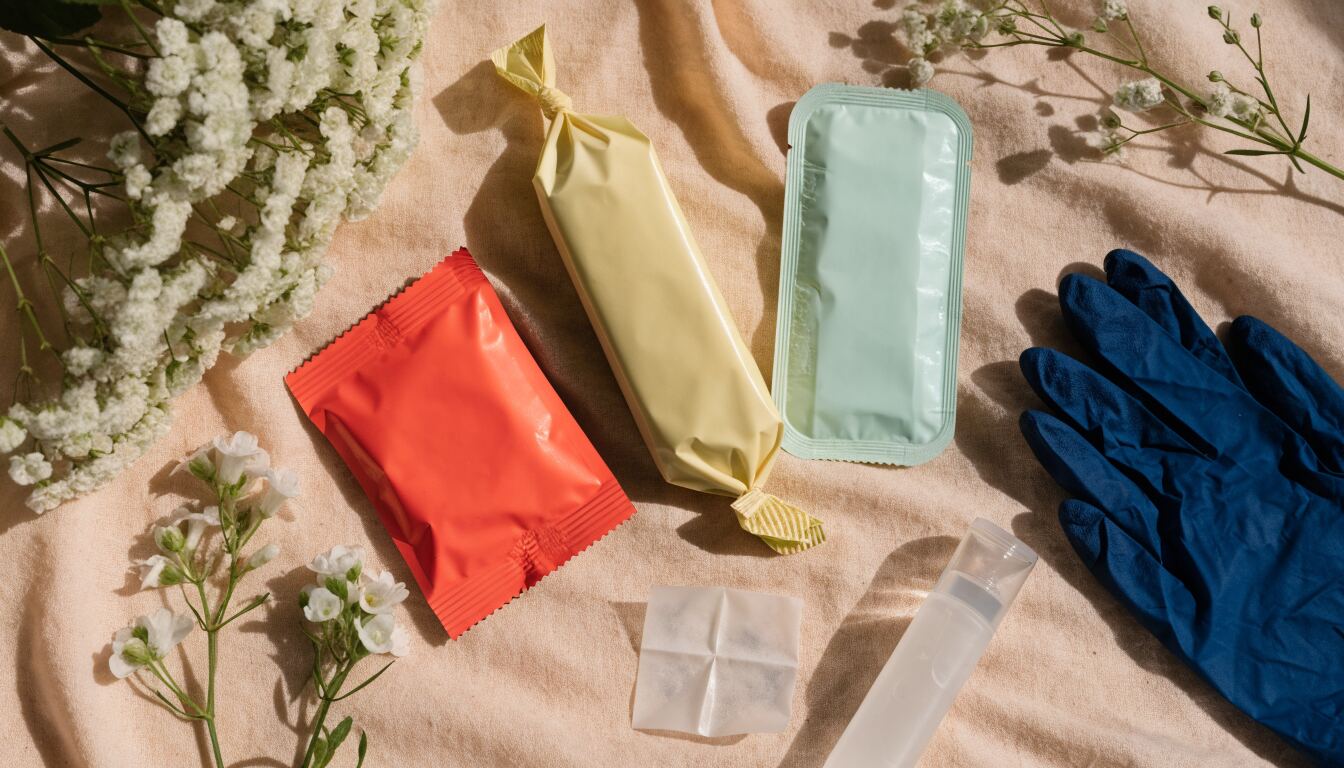
Start with a foundation of versatile supplies. Include a selection of condoms: at least five to ten in various materials (latex, polyisoprene, polyurethane) and styles (some ribbed or ultra-thin for variety, some standard for toy use). Add two or three dental dams, ideally in different flavors or materials to suit diverse tastes. A couple of small lubricant packets—one water-based, one silicone-based—cover most bases. Tuck in a pair of nitrile gloves, folded flat, and a handful of individually wrapped intimate wipes. If you use toys frequently, include a mini bottle of toy cleaner or a few alcohol prep pads. A small note with your name and any allergy info can be a thoughtful touch for new partners. Store everything in a discreet, washable bag with compartments to keep items organized. Check your kit monthly to replace expired items and restock used supplies. This ritual keeps you ever-ready and signals that safety is an ongoing commitment, not a one-time thought.
The Beauty of Travel-Sized Options
Minature products are the unsung heroes of kit-building. Single-use lube sachets eliminate the mess of leaky bottles and let you carry multiple types without weight. Condom tins or slim cases protect them from friction and heat. Dental dams often come in fold-flat packets no larger than a credit card. Many adult lifestyle brands offer sampler packs that let you test different condom textures or lube formulas, which is perfect for discovering what you like before investing in bulk. These tiny items fit into a clutch, a jacket pocket, or even a phone case slot. When packing for travel, check airline regulations for liquids, but solids like condoms and wipes pass through security without issue. The convenience factor can’t be overstated—having supplies at hand means you’re never reliant on a host or venue to provide them, and you can ensure the quality meets your standards. It’s a small effort that pays off in spontaneity and security.
Tailoring Your Kit to the Occasion
Your kit can evolve based on the event. For a low-key house party, pack extra wipes and a few more condoms, as things might flow casually and cleanup stations could be limited. A weekend retreat calls for a more comprehensive set: multiple gloves, a full-size toy cleaner if you’re bringing rechargeable items, and perhaps a spare charging cable. For a dedicated play session where toys will be central, load up on toy-compatible lubes and condoms specifically for covering, plus a small towel for drying items after cleaning. If you’re venturing into a club with a dance floor, choose a sleek, body-hugging bag that doesn’t hinder movement. Some people create multiple mini-kits for different vibes—one for high-energy nights, one for intimate dinners that might lead further. The act of customizing reinforces that safety is personal and flexible, not a rigid script. Over time, you’ll learn what you reach for most and adjust accordingly, making your kit a true reflection of your thoughtful approach.
Integrating Tools Seamlessly into Your Encounters
Having the right items is half the equation; using them with grace is the other half. The way you introduce a condom, offer a dam, or suggest a glove can set the tone for the entire interaction. Approach it as a natural part of the prelude, not an awkward interruption. Keep supplies within easy reach—maybe in a decorative box on the nightstand or a chic pouch on the coffee table. When the moment arrives, a simple, "I’ve got us covered" or "Let me grab a fresh dam" communicates care without fanfare. If a partner is unfamiliar with a tool, take a beat to explain it warmly, perhaps demonstrating on your own hand. This openness often puts others at ease and can even become a bonding moment. Remember, these tools exist to preserve the fun, not to dampen it. With practice, they blend into the background, allowing connection and chemistry to take center stage.
Communicating About Protection with Partners
Clear, friendly communication is the glue that holds safer practices together. Before things heat up, a quick check-in like, "What do you usually use for protection?" opens the door without pressure. Share your own preferences and any boundaries you hold. If someone resists using a barrier, stay calm and reiterate why it matters to you; often, it’s a matter of habit rather than objection. Phrasing like, "I feel way more relaxed when I know we’re protected—it lets me focus on you" can reframe the conversation. In group settings, it’s helpful to establish a group norm early, maybe with a lighthearted "House rules: fresh covers for every new partner" to normalize the practice. The more these dialogues happen, the less stigmatized they become. Over time, you’ll find that partners who share your commitment to safety are also likely to share your commitment to mutual respect, deepening the quality of every encounter.
Choosing the Right Protection for Toys and Play
When it comes to shared adult items, not all barriers are created equal. A key detail often missed is how condoms interact with different toy materials. Standard latex varieties can degrade when used with toys made from jelly, PVC, or certain rubbers, so checking compatibility is a must. Opt for protection that uses simple, body-safe lubricants to avoid irritation, especially if you have sensitive skin. This small step keeps your gear in good shape and your experiences comfortable.
Barriers Beyond the Basics
Dental dams might feel a bit unfamiliar at first, but they're a practical addition to oral play. These thin latex sheets act as a shield over intimate areas, cutting down the risk of passing infections while still allowing you to enjoy tactile sensations. It's a straightforward way to blend caution with closeness, and once you get used to them, they become just another part of your routine.
Smart Sharing of Toys
Knowing which toys can be safely swapped between partners starts with the material. Non-porous options like glass, stainless steel, or hard plastic are your best bet, as they can be thoroughly sanitized. On the other hand, items crafted from fabric, leather, or softer plastics such as jelly or thermoplastic rubber are porous—they harbor germs and resist deep cleaning. If you're set on sharing these trickier toys, slipping on a fresh condom creates a reliable barrier. For maximum safety, though, it's often wiser to dedicate porous items to one person.
Cleaning Methods That Work
For non-porous playthings, a simple wash with mild soap and warm water typically does the job. Pay extra attention to textured surfaces or crevices where residue can hide—a soft brush can help here. When dealing with porous toys, or if you're short on time, using a condom is an effective shortcut. Some people also pack cleansing wipes for quick refreshes between uses, which is handy during group scenarios.
A Closer Look at Vibrating Rings
Vibrating cock rings present a unique challenge. Most are built from porous materials that can't be fully disinfected, making them a poor choice for sharing. Even higher-quality silicone versions usually can't endure boiling or dishwasher cycles, so gentle hand washing is the limit. Since you can't sheath them in a condom for protection, it's safest to treat these as personal items rather than communal ones.
Building Your Own Safer Sex Kit
Assembling a personalized kit keeps you ready for anything. Start with an assortment of condoms—both for sexual contact and toy coverage—alongside dental dams and a few lubricant samples to test compatibility. Toss in nitrile gloves for added hygiene during manual play, plus some cleansing wipes for swift clean-ups. Travel-sized versions of these essentials fit neatly into a bag, so you're always prepared, whether at a party or a casual meet-up.
Wrapping It All Together
Exploring pleasure with multiple partners doesn't mean compromising on well-being. By matching barriers to materials, cleaning diligently, and curating a portable kit, you create a foundation of trust and care. These habits let you focus on connection and fun, knowing you've taken thoughtful steps to protect everyone involved.