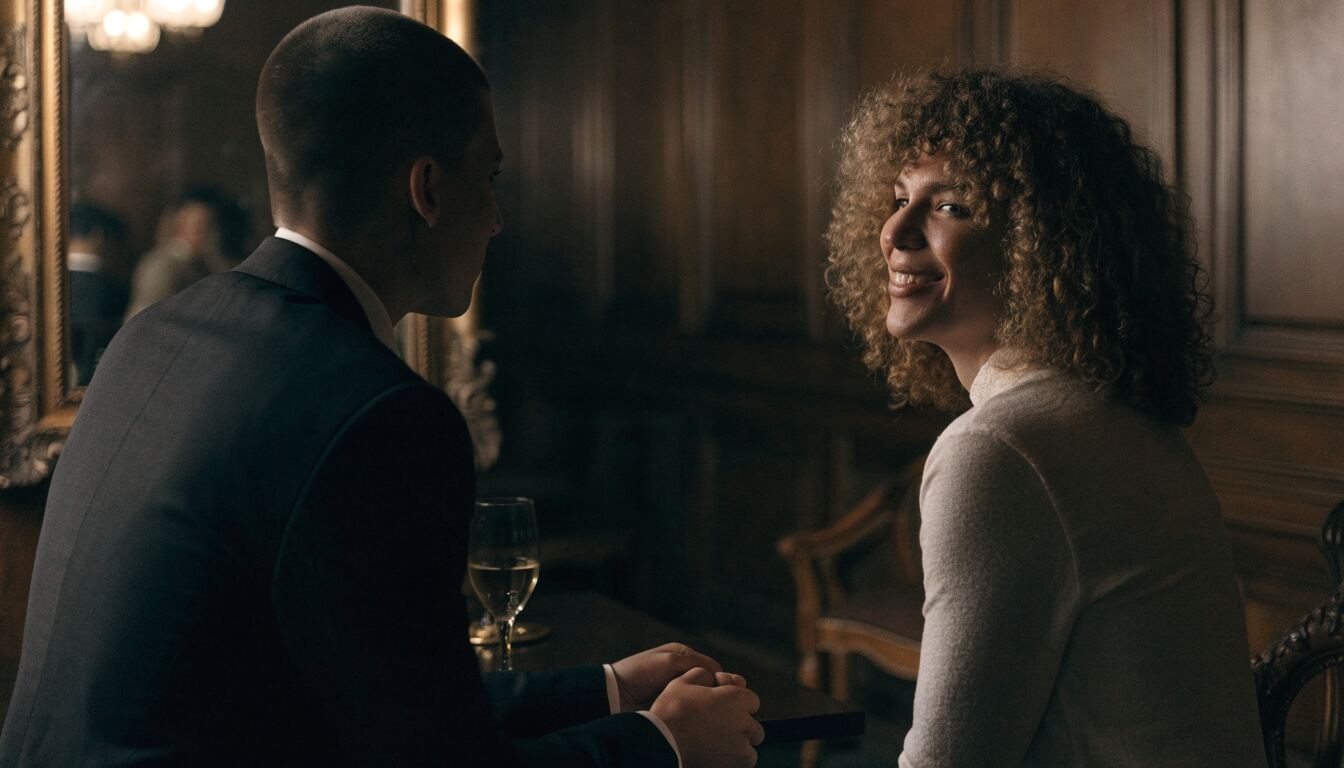
The Allure of Watching and Being Watched
Human desire is a mosaic of unique fascinations, and few are as deeply intertwined as the urges to observe and to be observed. For some, a spark ignites when eyes are on them during vulnerable moments; for others, the electricity comes from being the observer, soaking in a scene not meant for public view. These twin currents—exhibitionism and voyeurism—represent a dance of visibility and secrecy that has captivated people across cultures and eras. While they may appear as opposites, they frequently feed into each other, creating a loop of mutual arousal. Grasping this interplay is essential for anyone curious about broadening their sensual horizons with respect and awareness.
At their healthiest, these inclinations are far from the harmful stereotypes often portrayed in media. They live on a broad continuum, from fleeting daydreams to consensual shared adventures, and they touch a surprising number of lives. The foundation that keeps them in the realm of positive exploration is always the same: clear, enthusiastic agreement from everyone involved. Without that anchor, what could be a thrilling connection veers into damaging territory. This piece unpacks the psychology, the spectrum of practices, and the guardrails needed to navigate these twin desires thoughtfully.
Grasping the Core Dynamics
The Exhibitor's High: Finding Fire in the Gaze
What sits at the heart of exhibitionism? Fundamentally, it's about drawing sexual excitement from the notion—or the reality—that someone else is watching you while you're undressed or engaged in intimate acts. It carries a performative charge, a longing to command attention in a uniquely personal space. This shouldn't be confused with the non-consensual act of exposing oneself to unsuspecting strangers; that's an entirely separate issue rooted in violation. The kind of exhibitionism we're discussing thrives on mutual fantasy and deliberate permission.
It's remarkably common as a mental scenario. Research indicates that a significant slice of the population entertains thoughts about being intimate in spots where the risk of discovery adds a layer of spice. This doesn't always translate into action, but it highlights how the idea of a spectator can amplify arousal. The spectrum here is vast: one person might simply enjoy the thought of a partner's eyes roaming their body during a private moment, while another might seek out carefully structured environments where consensual viewing is part of the game. At its root, it taps into a primal satisfaction in being noticed, desired, and momentarily the star of the show.
Many people carry a faint exhibitor's streak without even labeling it. Enjoying a partner's appreciative stare, feeling a rush from a daring outfit, or fantasizing about a romantic encounter on a balcony under the stars—these are all whispers of the same impulse. The move from fantasy to practice is personal and doesn't need to be dramatic; it can be as simple as leaving the curtains open a crack during a private evening with a trusting partner, knowing the possibility of a distant observer adds a flicker of intrigue.
The Observer's Thrill: Finding Pleasure in the Glimpse
Flip the lens, and you find voyeurism: the jolt of arousal that comes from watching others in states of undress or sexual activity. Like its counterpart, this fascination is woven into the fabric of entertainment and daily life. The entire premise of performance—from theater to modern adult content—rests on a tacit agreement between those who display and those who view. When rooted in consent, voyeurism is a perfectly ordinary and healthy avenue of sexual interest.
The appeal often lies less in the specific visuals and more in the context of witnessing something private. It's the sensation of being a silent guest to an unguarded moment, a secret observer of genuine intimacy. This can stir feelings of connection, a rush of clandestine adventure, or a sense of privileged access. In softer forms, it shows up in everyday curiosities: lingering over a couple's quiet conversation in a park, getting hooked on reality television's unscripted dramas, or scrolling through candid snapshots on social media. These aren't inherently sexual, but they spring from the same well of human curiosity about others' lives.
Historically, this fascination runs deep. From the viewing boxes in 19th-century Parisian establishments to ancient myths like the story of Lady Godiva and the furtive onlooker, the desire to peer into hidden worlds is timeless. The concept has simply broadened with technology; today's version might involve anything from reading intimate confessions online to participating in digital spaces where people share glimpses of their private selves with a consenting audience. The line between innocent curiosity and sexual voyeurism is often a matter of intent and the nature of what's being observed, but both share a common root in the hunger to witness what's usually kept behind closed doors.
Where the Two Paths Cross
Exhibitionism and voyeurism aren't isolated islands; they're more like two halves of a single dynamic. The person who craves an audience finds their perfect match in the person who craves a private show. This synergy is what makes the pairing so potent in consensual settings. One partner's vulnerability becomes the other's visual feast, and the shared experience heightens satisfaction for both parties. The observer's rapt attention validates and excites the exhibitor, while the exhibitor's deliberate display fulfills the observer's longing to witness.
Think of it as a silent conversation where arousal bounces back and forth. In lifestyle communities, this dynamic is often the unspoken engine of many interactions. A couple might attend a club not to swap partners but simply to be seen together in an intimate moment, feeding off the ambient gazes of others who appreciate the view. Both roles are active, even if one seems passive; the watcher's focus is a form of participation, and the performer's openness is a gift of access. Recognizing this mutual dependency is key to understanding why these kinks are so frequently discussed as a package deal.
This interconnection also means that exploring one often naturally leads to curiosity about the other. Someone who starts by enjoying a partner's voyeuristic attention might later find themselves intrigued by watching another couple. The fluidity between the roles is normal and can add depth to a person's sensual repertoire. The guiding principle remains unchanged: every pair of eyes and every body on display must be part of the agreement.
Mapping the Exhibitor's Landscape
Fantasy as a Starting Point
For most, the journey into exhibitionism begins not in a crowded room but in the privacy of imagination. Visions of being watched during passionate moments are a staple of many people's inner erotic worlds. These mental pictures can be a safe sandbox for exploring what feels exciting without any real-world stakes. They might involve a faceless stranger admiring from a window, a partner's deliberate stare during a striptease at home, or the idea of a partner's camera capturing a consensual, beautiful moment.
These fantasies serve as a low-pressure way to gauge genuine interest. Sharing them with a partner can be a vulnerable but bonding step. A conversation might start with, "I had this dream where we were..." or "Have you ever thought about what it would be like if...?" The response can open doors to mutual exploration or simply remain a playful mental game. There's no requirement to act; sometimes the fantasy itself is the destination, providing a rich internal landscape that spices up solo or partnered sex.
From Mental Movies to Tangible Steps
When fantasy leans toward reality, the progression should be gradual and layered with communication. A common early step is the sharing of intimate visuals with a trusted partner. A suggestive photograph or a short, playful video sent consensually can replicate the dynamic of being seen, with the safety of a known recipient. The thrill comes from knowing the image is being viewed, perhaps saved, and appreciated later.
Another avenue is incorporating a touch of daring into public displays of affection. This doesn't mean anything explicit in a park; it's more about a lingering kiss on a quiet street corner or a hand placed a little higher on a thigh under a restaurant tablecloth. The frisson comes from the sliver of risk, the awareness that others could glance over. For those seeking a more immersive environment, lifestyle clubs, adult-only resorts, or sex-positive gatherings offer designated spaces where consensual watching is part of the accepted culture. In these venues, the rules are usually explicit: no means no, and observers keep a respectful distance unless invited closer. Researching a venue's policies and speaking with regulars online beforehand can ease first-timer jitters.
Separating Healthy Play from Harmful Compulsion
It's crucial to distinguish between a consensual kink and a psychological disorder. Exhibitionistic disorder involves persistent, overpowering urges to expose oneself to non-consenting individuals, typically causing marked distress or functional impairment in the person's life. This is a clinical condition, not a lifestyle choice. Healthy exhibitionism, by contrast, is built on a scaffolding of shared enjoyment and transparent agreement. It enriches rather than disrupts relationships and personal wellbeing.
Signs that an interest is veering into unhealthy territory include: feeling unable to control the impulse to expose oneself in inappropriate settings, persistently violating others' boundaries despite knowing the harm, and experiencing intense guilt or shame that spirals into anxiety or depression. The goal of ethical exploration is mutual elevation, not the assertion of one's desires over another's comfort. Keeping a personal journal or doing regular self-check-ins can help track whether the behavior remains a positive addition or is becoming a source of stress.
Navigating the Voyeur's Lens
The Layers of Observational Desire
Voyeurism, on the surface, seems simple: you watch, you feel aroused. But peel back the layers, and it's a nuanced experience shaped by context, intent, and personal history. For some, the excitement is less about explicit content and more about the act of witnessing something unguarded. It could be the quiet intimacy of a person undressing alone, unaware of the gaze, or the raw energy of a couple who've invited observation. The emotional cocktail often includes a dash of trespass, a sense of secret adventure, and a profound feeling of connection to the observed.
This curiosity doesn't always stay in the bedroom. People-watching at a bustling café, devouring tell-all memoirs, or getting lost in the curated realities of social media—these are all tendrils of the same fundamental drive. The difference lies in the sexual charge. When the viewing is deliberately framed as an erotic exchange, with all parties aware and agreeable, it shifts from passive curiosity to active participation in a shared scene. The observer's role becomes one of silent appreciation, a vital component of the dynamic.
Culturally, the acceptability of voyeurism has shifted dramatically. Where once it was confined to literal keyholes and secluded spots, it now has designated digital and physical arenas. The internet has created vast, opt-in spaces where people perform for an audience, and the audience gathers to watch. This normalization has helped reframe voyeurism from a shameful secret to a recognized facet of human sexuality, provided the ethical framework of consent is firmly in place.
How Gender Colors the Experience
Common assumptions often paint voyeurism as a primarily male domain, but the reality is more complex. Surveys do suggest that men report higher rates of arousal from voyeuristic scenarios and may be more likely to seek out opportunities to watch. However, women also express significant interest, though they might approach it with greater caution. The perception of safety plays a huge role; when the setting is controlled and the risk of exposure or judgement is low, reported interest between genders tends to narrow.
Factors like social conditioning and the higher stakes women often face regarding privacy and reputation can suppress open expression of voyeuristic curiosity. Yet in anonymous surveys or within trusted communities, women's interest in watching—whether it's erotic content, live scenes at clubs, or partner-swapping observation—is robust. The key takeaway is that the urge to observe is a human one, cutting across gender lines. How it's expressed is shaped by a mix of personality, cultural messages, and available safe outlets.
Consent: The Unshakeable Foundation
Why Agreement Cannot Be Optional
In the realms of exhibitionism and voyeurism, consent isn't a bureaucratic detail—it's the very mechanism that separates exhilaration from violation. Every participant, whether displaying or observing, must offer a clear, voluntary "yes" to the specific activities unfolding. There's no room for guesswork, no "they should have known," and certainly no retroactive justifications. Arousal rooted in someone else's discomfort or ignorance is not kink; it's harm.
This principle protects everyone's emotional and physical safety. It builds the trust that allows people to be vulnerable, whether they're the ones undressing or the ones watching intently. Without that trust, the experience is hollow at best and traumatic at worst. Consent must be ongoing, meaning a "yes" from five minutes ago doesn't automatically cover a new act now. Check-ins are sexy; they show care. If there's any ambiguity—a hesitant tone, a frozen posture, a lack of verbal response—the activity should pause immediately. Silence is not consent.
Applying Consent in Digital and Physical Spaces
The digital era has introduced new layers of complexity. Sharing a risqué photo might feel casual, but it's a profound act of trust. Sending unsolicited images, recording someone without their knowledge, or passing along private content to third parties are all severe breaches that can cause lasting damage. Even in long-term relationships, permissions should be refreshed. The fact that someone agreed to be photographed last month doesn't grant a permanent license.
Practical steps for digital safety include: using encrypted messaging apps that notify users of screenshots, discussing exactly who will see the content and for how long, and agreeing on deletion policies. In physical encounters, reading the room is vital. Body language speaks volumes, and a verbal "is this still okay?" can be a lifeline. In lifestyle clubs or parties, explicit house rules often govern where watching is permitted and how close observers can stand. Respect these boundaries scrupulously. A good rule of thumb: if you wouldn't feel comfortable asking the person directly for their permission, you shouldn't be participating.
When Lines Are Crossed: Legal and Ethical Fallout
Ignoring consent isn't just a moral failing; it can have severe legal consequences. Acts like public nudity in non-designated areas, surreptitious recording, or spying on unsuspecting individuals can lead to criminal charges, registration as a sex offender, and profound social ruin. Laws vary by jurisdiction, but the core ethic is universal: enthusiastic agreement is the only green light.
Ethically, the aftermath of a boundary violation can be devastating. It can shatter relationships, erode self-esteem, and leave emotional scars that take years to heal. If you realize you've crossed a line—even unintentionally—the responsible path is to own it without defensiveness, offer a sincere apology, and commit to changing the behavior. Seekng out educational resources on consent and possibly therapy can be part of making amends. The community's trust is fragile; protecting it is everyone's job.
Practical Paths for Responsible Exploration
Finding Your People and Places
Exploring these desires doesn't have to be a solo mission. Connnecting with like-minded individuals can normalize the experience and provide a network of support and wisdom. Online forums dedicated to ethical non-monogamy, kink, or swinging often have sub-sections for discussing exhibitionism and voyeurism. These spaces allow for anonyous questions, story-sharing, and vetting of potential meet-ups.
For in-person connection, local kink-friendly events, known as munches, are low-pressure social gatherings often held in public vanues like restaurants. They're explicitly non-sexual and designed for community building. From there, people often learn about private parties, club nights, or resort takeovers where consensual watching and being watched are part of the atmosphere. When attending a new venue, go first with the intention just to observe the vibe and ask questions. Many clubs offer orientation nights for newcomers. Having a trusted friend or partner along as a "buddy" can also ground the experience.
Pacing Yourself and Embracing Aftercare
The rush of a new experience can be intoxicating, but it's easy to overstep your own internal limits in the heat of the moment. Self-pacing is a skill. Before an event or scene, set personal intentions and boundaries. What do you absolutely not want to do tonight? What's your signal to a partner that you need a check-in? Afterward, you might feel a complex wave of emotions—euphoria, vulnerability, exhaustion, or unexpected sadness. This is normal.
Aftercare is the practice of tending to emotional and physical wellbeing after an intense encounter. For an exhibitor, it might involve a partner's reassurance, a warm blanket, and quiet conversation about what felt good. For a voyeur, it could be a grounding solo walk or journaling about the experience. The point is to transition back to a state of equilibrium with intention. Neglecting this step can lead to emotional drops or burnout. Treat the comedown as part of the adventure, not an afterthought.
Recognizing When to Press Pause
Spotting Compulsive Patterns
A healthy interest can sometimes morph into something that feels less like a choice and more like a compulsion. The shift is often gradual. You might notice that thoughts about watching or being watched are crowding out other interests, or that you're taking increasing risks to get the same thrill. The behavior might start to feel driven rather than desired, a itch that must be scratched regardless of consequences.
Red flags include: lying to partners about the extent of your activities, feeling unable to relax or feel normal without engaging in the behavior, escalating to more extreme or dangerous scenarios, and continuing despite negative fallout in your career or relationships. The internal experience is often one of fragmentation—a sense that your desires are running the show while the rest of you watches helplessly. This isn't a moral failing; it's a signal that professional support could be beneficial.
The Ripple Effects on Life and Love
Compulsive exhibitionism or voyeurism can strain the bonds that matter most. A partner might feel objectified, betrayed by secretive actions, or scared by escalating risk-taking. Trust, once fractured, is painstaking to rebuild. Beyond relationships, the mental toll can include chronic anxiety, waves of shame, and a fragmented self-image. The very thing that once brought joy becomes a source of isolation.
Legal troubles are another grim possibility when non-consensual acts enter the picture. The fallout can be life-altering, affecting employment, housing, and social standing. The weight of these consequences often intensifies the feelings of hopelessness that fuel the compulsive cycle. Breaking that cycle requires acknowledging the full scope of the damage and seeking a way out that addresses root causes, not just surface behaviors.
Reaching Out for Professional Support
Deciding to speak with a therapist or counselor who specializes in sexual health or compulsive behaviors is an act of courage, not weakness. These professionals provide a non-judgmental space to untangle what's driving the compulsions. They can help differentiate between a high-interest kink and a disorder, and they offer practical strategies for regaining agency. Treatment might involve cognitive behavioral techniques, exploring underlying trauma or attachment issues, and developing healthier outlets for the desires.
There are also support groups, both in-person and online, for people struggling with out-of-control sexual behaviors. Hearing others' stories can reduce the crushing sense of isolation. The goal of intervention isn't to eradicate desire but to restore a sense of balance and control, so that sexuality serves connection and joy rather than chaos and harm. Recovery is a process, and a compassionate, skilled guide can make the path far less daunting.
Weaving It All Together
Exhibitionism and voyeurism are not fringe oddities; they are threads in the vast tapestry of human eroticism. One person's longing to be seen and another's longing to witness create a circuit of arousal that, when powered by consent, can be a source of profound connection and delight. The spectrum is broad—from the quietest private fantasy to the most elaborately staged scene—and there is no single correct way to inhabit these roles. What matters is the presence of mutual agreement, ongoing communication, and a commitment to everyone's emotional safety.
For those who feel these pulls, the journey can start with simple curiosity: a conversation with a partner, a visit to a community forum, or a tentative step into a welcoming space. The key is to move at a pace that feels nourishing, not overwhelming, and to treat aftercare as an essential ritual. And if the desires ever morph from a source of joy into a source of distress, help is available. Understanding these two sides of desire is ultimately about understanding ourselves—and honoring the boundaries that keep our explorations luminous rather than destructive.
Common Questions About Watching and Being Seen
Desires around visibility and observation can raise many questions, especially for those new to these dynamics. Below, we explore some frequent inquiries, offering clarity and practical advice for curious minds.
How Do These Two Urges Differ?
At their core, these are complementary forces. One involves the thrill of being observed—finding arousal when others see you undressed or engaged in intimate acts. The other is the excitement of secretly gazing at people in similar vulnerable moments. Think of them as a natural pair, often intertwined in fantasy and practice.
Are These Fantasies Typical?
Absolutely. It's remarkably ordinary for people to imagine scenarios where they're watched during private moments, or to picture themselves as a hidden spectator. These mental explorations are healthy and widespread, provided they remain within the realm of imagination or involve willing participants who have clearly agreed to the arrangement.
When Does the Desire to Be Seen Cross a Line?
Trouble arises when actions bypass mutual agreement. For instance, exposing yourself to someone who hasn't consented is a clear violation. Additionally, if the craving to be watched intensifies to a point where it causes personal anguish, damages relationships, or interferes with professional responsibilities, it may signal a deeper issue that needs attention.
Safe Ways to Begin Exploring
Consent stands as the unshakable foundation. Always ensure that every person involved is fully informed and enthusiastically on board. You might start gently by sharing these fantasies with a trusted companion in a private setting, journaling about them to understand your feelings, or using online communities designed with strong emphasis on permission and personal limits.
Can These Roles Work in Harmony?
Indeed, they fit together beautifully. Since one role thrives on being the focus of attention and the other on providing that attention, they can create a mutually satisfying exchange. The person displaying enjoys the audience, while the observer delights in the view. For this partnership to flourish, both parties must offer wholehearted agreement and clear communication about boundaries.
What If the Urge Feels Overpowering?
When the impulse to be seen shifts from exciting to compulsive—generating distress or throwing your daily routine off balance—seeking professional guidance is a wise step. A counselor with expertise in sexual well-being can offer tools to navigate these emotions, helping you build healthier patterns and regain a sense of control.
A Balanced Perspective
These twin desires, when understood and practiced with care, can add a rich layer to personal exploration. The key lies in honoring consent, maintaining self-awareness, and knowing when to seek support. By approaching them with respect and thoughtfulness, you can enjoy their interplay without letting them dominate your life.