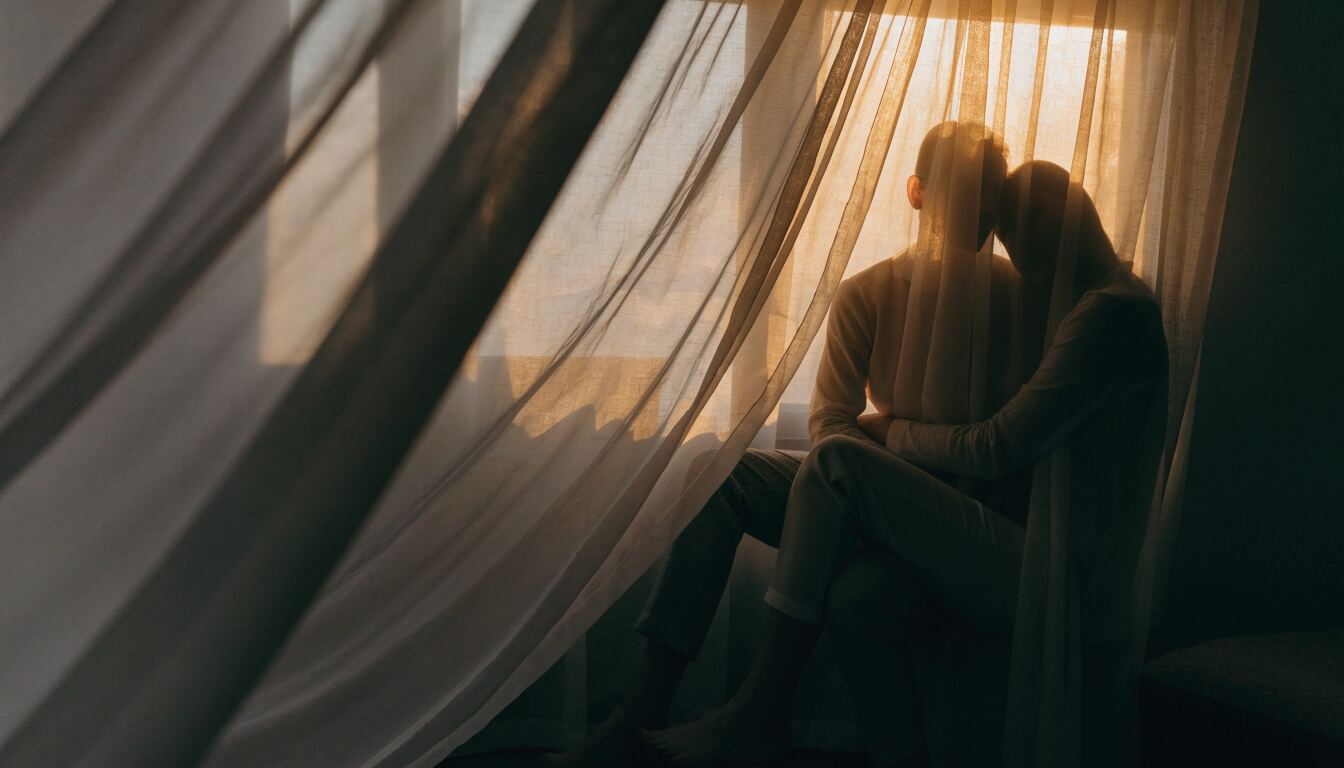
What Draws People to the Idea of Being Watched
For many, the excitement of sharing an intimate moment with an audience—or being the audience for someone else—adds a unique spark to their sexuality. This practice, often called consensual exhibitionism, relies entirely on mutual agreement and a shared sense of adventure. It transforms a private act into a collaborative experience, but only when everyone involved is genuinely enthusiastic. The foundation here is not just about baring skin; it’s about baring a part of yourself in a setting where trust and respect set the rules. Whether you’re in a quiet room at home, a digital space, or a secluded natural spot, the guiding principles remain the same: open dialogue, firm limits, and a constant check on everyone’s comfort level.
Unpacking the Layers of Consensual Exhibitionism
More Than a Flash: The Real Meaning
When people hear the term "exhibitionism," their minds often jump to negative stereotypes—someone in a trench coat on a street corner. That image couldn’t be further from what we’re discussing. True consensual exhibitionism is a nuanced, intentional act. It’s the desire to let someone see you in a vulnerable state, not to startle or offend, but to create a moment of charged connection. Think of it as curating a private viewing where the guests are handpicked and fully aware of the show. The thrill comes from the interplay of visibility and secrecy: you’re exposing something personal, yet it’s cocooned within a bubble of consent. This could mean undressing for a partner while they watch, performing on a webcam for a willing chat room, or simply sharing a knowing glance with someone at a private gathering. The defining line is that no one stumbles onto the scene accidentally; every pair of eyes has been invited.
Why Vulnerability Feels So Empowering
The psychology behind wanting to be observed is layered and deeply personal. For one person, it might be a surge of confidence—a way to reclaim their body and feel celebrated. Standing exposed, literally or figuratively, can flip a switch from insecurity to pride. For another, the appeal lies in testing limits; a controlled dose of risk can make the heart race and sharpen the senses, creating a kind of natural high. There’s also a profound release in voluntary vulnerability. Choosing to show a side of yourself that’s usually hidden—whether it’s your physical form or a fantasy you’ve kept tucked away—can feel like shedding a heavy coat. It’s an assertion of agency, a statement that says, "I decide what I share, and with whom." This sense of ownership over your own desires often becomes the core reward, far outweighing the act itself.
Drawing a Clear Line Between Consent and Coercion
Let’s be crystal clear: the moment consent disappears, the entire dynamic shifts into harmful territory. Consensual exhibitionism is a pact between adults who’ve all said yes, explicitly and enthusiastically. Non-consensual exposure—flashing, public lewdness, or any act where an unwilling person is subjected to sexual content—is a violation, plain and simple. It carries legal penalties and inflicts real trauma. The difference hinges on communication. Before any clothing comes off or any camera turns on, there should be a conversation. Who’s involved? What are they okay seeing or doing? Where will this happen? If someone hasn’t agreed, they’re not part of the equation. This isn’t just a courtesy; it’s the ethical backbone of the entire practice. When we talk about voyeurism in this context, we mean the kind where the watcher is a welcomed participant, not a secret intruder.
Laying the Groundwork for Secure Exploration
So you’re intrigued by the idea of being seen—or seeing someone else—in a deliberate, thrilling way. That curiosity is more common than you might guess, and with the right approach, it can become a fulfilling part of your life. The watchword here is preparation. We’re not talking about impulsive acts that could land you in trouble or upset others. Instead, this is about crafting experiences that balance exhilaration with safety, ensuring everyone walks away feeling positive.
How to Map Out Comfort Zones Together
No exploration starts without a thorough, honest conversation. If you’re involving a partner or a group, every single person needs to voice their limits. Sit down in a neutral moment—not when you’re already in the heat of things—and ask each other direct questions. What specific scenarios spark excitement? Maybe the idea of being watched while you undress slowly feels electric, but full nudity in a semi-public place crosses a line. What’s off the table entirely? Perhaps one of you is fine with a trusted friend observing, but a crowd of strangers at a club feels overwhelming. Write these details down if it helps; clarity now prevents confusion later.
It’s also wise to adopt tools from other kink communities, like safe words. Choose a word or phrase that means "stop immediately"—something unrelated to the action, like "pineapple" or "red light." This gives everyone an emergency brake if emotions shift or discomfort arises. And don’t treat consent as a one-and-done checkbox. Check in verbally during the experience: "Still feeling good?" or "Want to adjust anything?" Afterward, debrief together. What worked? What felt wobbly? These follow-ups build a stronger foundation for next time.
Picking Spots That Match Your Risk Level
Where you explore matters enormously. The ideal location offers a sense of exposure without genuinely endangering anyone’s privacy or legal standing. For beginners, controlled environments are golden. Private parties—like those hosted by lifestyle clubs or kink-friendly groups—are designed for exactly this purpose. Attendees know the score, consent is woven into the event’s culture, and you’re surrounded by people who share similar interests. Your own home is another excellent starting point. You can control the lighting, the guest list, and the vibe completely. Invite a couple of close, trusted friends over for an evening where boundaries are discussed upfront.
Some people crave a hint of the outdoors, and that’s possible with extreme caution. Think of a secluded balcony at night, a rented cabin deep in the woods, or a private backyard with tall fences. The rule of thumb is: if there’s even a small chance a non-consenting person could wander by, you need a plan. Keep a robe or a towel within arm’s reach, and agree on a signal that means "cover up now." The thrill shouldn’t come at the expense of someone else’s comfort.
Why Privacy Is Everyone’s Business
This point deserves its own spotlight. Consensual exhibitionism is a gift exchanged among willing participants. It’s never appropriate to foist your desires onto strangers, families, or anyone who hasn’t expressly agreed to take part. Before you settle on a location, scan it mentally and physically. Are there hiking trails nearby? Could a neighbor’s window overlook the spot? Even in seemingly isolated areas, unexpected hikers or late-night dog walkers can appear. Always assume someone could show up, and prepare accordingly. This might mean posting a trusted friend as a lookout or setting a timer to limit how long you’re exposed. Protecting the bystander’s experience is just as crucial as protecting your own.
Taking Exhibitionism into Digital Spaces
The internet has transformed how people connect over shared kinks, and exhibitionism is no exception. Virtual platforms offer a unique blend of distance and intimacy—you can be seen by dozens of people while sitting safely in your bedroom. This arena, often called ethical exhibitionism online, opens doors for those who want to explore without the logistical hurdles of physical locations.
Finding Your Tribe in Online Rooms and Cam Sites
A huge variety of communities exists for those curious about being watched. Cam sites, for instance, let you broadcast live to an audience that’s actively seeking that kind of content. You’re in the director’s chair: you decide when to start, what to show, and when to end. Many platforms also have chat features, so you can interact with viewers in real time, adding a social layer to the thrill. Beyond camming, there are forums and private groups on social media or dedicated apps where members share photos, stories, or fantasies. The key is to find spaces with clear rules about respect and consent. Look for communities that require age verification and have active moderators; this weeds out a lot of the chaotic or harmful behavior. Start by lurking for a while—read the room’s tone, see how people communicate, and join only when you feel the culture aligns with your values.
Shielding Your Identity in the Virtual World
Anonymity is your best friend online. Before you post a single image or turn on a webcam, take steps to separate your exhibitionist persona from your everyday identity. Create a username that has no link to your real name, birth year, or location. Set up a dedicated email address for platform registrations and communications. When camming, consider your background carefully—blur it or hang a plain sheet to hide identifiable details like family photos, unique furniture, or a view out the window. Some people also use masks, wigs, or strategic camera angles to obscure their face. Remember that screenshots and recordings can happen, even on "secure" sites, so only share what you’d be okay with potentially existing forever. A good practice is to ask yourself: "If this content ended up on a public forum, how would I feel?" Let that guide your choices.
Consent Doesn’t Disappear Behind a Screen
Just because an interaction is digital doesn’t mean the rules of engagement relax. Everyone on the other side of the screen is a real person with boundaries. If you’re watching someone’s stream, respect the performer’s stated limits. If they say "no requests for private shows" or "don’t ask for my location," honor that. If you’re the one performing, you have the right to block or report viewers who get pushy or disrespectful. In group chats or forums, always assume that not everyone is there for the same reason; some might just be curious observers, not active participants. A quick message like, "Hey, are you comfortable with this direction?" can prevent misunderstandings. The golden rule applies online just as firmly as offline: treat others’ boundaries the way you’d want yours treated.
The Allure and Care of Outdoor Settings
There’s a timeless appeal to blending exhibitionism with nature. The rustle of leaves, the open sky, the sensation of air on skin—it all amplifies the feeling of being alive and exposed in the best way. But stepping outside raises the stakes. To keep the experience positive, you need to think like a scout: be observant, prepared, and always a few steps ahead of any potential surprises.
Scouting Secluded Locations Like a Pro
The goal is to find places where the odds of encountering an uninvited guest are near zero. This takes a bit of research. Start with online maps to identify large parks, forests, or stretches of coastline away from tourist hotspots. Then, do a physical recon trip at the same time of day you plan to visit. Take note of foot traffic, nearby parking areas, and any signs of regular use (like worn paths or litter). Ideal spots often include:
- Overlooked Nature Trails: The paths that branch off from main routes, especially those that are overgrown or unmarked, tend to be empty on weekdays or during off-peak seasons.
- Hidden Beach Coves: Look for shoreline areas blocked by rocks or cliffs that require a bit of a scramble to reach. The effort deters casual beachgoers.
- Dense Wooded Sections: Deep inside a forest, away from trails, you can find clearings that feel utterly private. Just watch for poison ivy, unstable ground, or wildlife.
- Private Land with Permission: If you know someone with acreage, this is the gold standard. You can relax knowing no one else has access.
No matter the spot, always have an escape route. Know the quickest way back to your car or a covered area, and keep a cover-up literally in your hand or draped over a nearby branch.
Using Time and Weather to Your Advantage
When you go is just as critical as where. Timing can make or break the experience. Dawn and dusk are magical windows—the light is soft and flattering, and most people are either asleep or settling in for the evening. Weekdays are generally quieter than weekends. If you’re near a popular hiking area, avoid the prime morning hours when fitness enthusiasts are out in force. Nighttime adds a cloak of darkness that feels incredibly freeing, but it also reduces your own visibility. Bring a small flashlight with a red light mode to preserve your night vision without broadcasting your location. As for weather, a bit of drizzle can be your ally; it keeps the crowds indoors and adds a sensual feel to the air. However, avoid thunderstorms, extreme heat, or cold snaps that could turn a thrill into a health risk. Check the forecast, but also prepare for changes—nature is unpredictable.
What to Pack for a Smooth Outdoor Adventure
Being caught unprepared can sour the whole outing. Toss a small backpack with these essentials, and you’ll be ready for anything:
- A quick cover-up: A large, lightweight sarong or a loose dress that can be thrown on in two seconds.
- Towels or a blanket: For sitting on rough ground, drying off after a dip, or creating a makeshift privacy screen.
- Body-safe wipes and hand sanitizer: For cleaning up before and after, especially if you’re touching each other.
- A change of clothes: Stash a complete outfit in a sealed bag, including shoes, in case your original clothes get wet or dirty.
- Insect repellent and sunscreen: Even in low light, bugs can be relentless, and UV rays peek through clouds.
- Water and a light snack: Excitement can be dehydrating; keep a bottle handy.
- A fully charged phone: For navigation and emergencies, but switch it to silent so it doesn’t give away your position.
How Partnerships Shift the Dynamic
Bringing a partner into your exhibitionist explorations can deepen your connection in surprising ways. It’s one thing to pursue a thrill solo; it’s another to craft it as a team. But with that teamwork comes a need for extra sensitivity—two people mean two sets of desires, fears, and lines in the sand.
Being a Supportive Ally for Your Partner’s Desires
If your partner is the one driving the exhibitionist curiosity, your role is less about performance and more about presence. Listen to what excites them without jumping to judgment or solutions. Maybe they light up when talking about the idea of being watched while they undress by a window. Ask gentle questions: "What part of that feels most thrilling to you?" or "How do you imagine I’d fit into that scene?" Your genuine curiosity validates their feelings, even if you’re not ready to join in. You can support them by helping plan the logistics—scouting locations, managing the safe word, or simply being the trusted person who holds their robe and offers a reassuring smile. Sometimes, your steady presence is the anchor that lets them fly.
Negotiating Where Your Desires Overlap
Rarely do two people’s comfort zones match perfectly right away. One of you might dream of a masked ball at a swinger’s club; the other might prefer a quiet evening streaming from the laptop. This mismatch is normal, not a dead end. The trick is to map out your zones visually or verbally. Draw two circles: one for what you’re genuinely okay with, one for what they’re okay with. The overlap is your safe starting point. From there, negotiate small expansions. Maybe you agree to attend a club but only to watch the first time, with no pressure to participate. Or you start with online camming where you’re both off-camera but controlling the chat together. The key is that no one feels dragged along. Enthusiasm should be mutual, even if it’s enthusiasm for different roles—one as the exhibitionist, one as the supportive voyeur or protector.
Deepening Trust Through Shared Vulnerable Moments
Every time you navigate a consensual exhibitionist experience together, you’re essentially doing trust exercises on a profound level. You’re saying to each other, "I’m showing you a part of me that society often says to hide, and I trust you to handle it with care." That’s potent. Over time, these shared adventures weave a stronger fabric between you. You learn to read each other’s subtle cues—a slight tension in the shoulders, a certain look in the eyes—and respond without words. This creates a private language and a reservoir of shared memories that can make the everyday parts of your relationship feel more resilient and exciting. It’s not just about the sexual charge; it’s about knowing you have a co-conspirator who’s got your back in vulnerable moments.
Staying Grounded: Risks and Responsible Choices
As thrilling as this journey can be, it’s not without its thorns. Being responsible means looking at the potential downsides squarely and taking steps to avoid them. This isn’t meant to scare you off; it’s meant to arm you with foresight so your experiences stay in the positive column.
Understanding the Legal Landscape
Laws around public exposure are strict and often don’t care about your intentions or mutual agreements. If a non-consenting person could witness your act—even by accident—you could be charged with indecent exposure or a similar offense. This can lead to fines, a criminal record, or in some places, registration as a sex offender. The legal definition of a "public place" can be surprisingly broad, sometimes including your own front yard if it’s visible from the street. Before you plan any outdoor or semi-public activity, research local statutes. Terms to look up include "public indecency," "lewd conduct," and "disorderly conduct." A much safer route is to stick to private property or officially designated venues like lifestyle clubs, where the entire environment is built around consent and legal compliance.
Navigating Social Perceptions and Inner Turmoil
Even as society becomes more sex-positive, exhibitionism still carries a stigma for many. You might face raised eyebrows from friends, uncomfortable conversations with family, or professional repercussions if your activities become public knowledge. Beyond external judgment, there’s the internal landscape. What feels exhilarating in the moment might morph into shame or anxiety the next day, especially if you pushed past your true comfort zone. This emotional hangover is common and worth preparing for. One way to mitigate it is to plan aftercare for yourself and your partner: a quiet evening together, a journaling session, or a check-in call with a non-judgmental friend. Processing the experience helps integrate it into your sense of self without letting negative feelings fester. Also, consider the digital footprint risk. A screenshot from a cam session or a photo taken without your knowledge can circulate beyond your control, potentially impacting your job, relationships, or mental health. The "delete" button is rarely a guarantee.
Keeping Well-being at the Center of Every Decision
With thoughtful planning, you can keep your exploration joyful and safe. Here are several practices that experienced exhibitionists swear by:
- Review limits before every new scenario: Desires evolve. What was a hard "no" last month might be a "maybe" now, or vice versa. Don’t assume.
- Choose venues with built-in safety nets: Private clubs often have dungeon monitors or staff who enforce consent rules. Online, pick platforms with robust reporting and blocking features.
- Use closed, invite-only digital spaces: If you’re sharing content, consider encrypted messaging apps or private groups where members are vetted. This reduces the risk of leaks.
- Conduct a "fear audit" before acting: Sit with your partner and list every worry—legal, social, emotional, physical. Then, brainstorm a mitigation plan for each. For example, if you’re worried about being seen by a neighbor, decide to only use rooms with blackout curtains.
- Normalize pausing or stopping: Make it a rule that anyone can call a timeout at any point, no questions asked and no guilt applied. The experience is only successful if everyone feels good at the end.
If doubt creeps in, listen to it. Stepping back isn’t failure; it’s wisdom. The aim is to enrich your life, not complicate it with regrets or legal troubles. Keep your curiosity alive, but anchor it with kindness—to yourself, to your partner, and to the strangers who should never be unwitting participants.
Ultimately, consensual exhibitionism is about crafting moments of shared vulnerability that leave everyone feeling more alive and connected. When you root each decision in clear communication, respect for limits, and a genuine care for others’ privacy, you transform a simple desire into a practice that’s both electrifying and ethically sound. The journey is yours to shape—just keep the compass pointed toward safety and mutual joy.
Common Questions About Shared Exposure
Defining the Urge to Be Viewed
At its heart, exhibitionism is a pull toward revealing intimate parts of yourself or private acts to an audience. It thrives on the spark of being noticed, transforming something usually hidden into a shared experience. The key is that everyone present welcomes the scene, creating a bubble of mutual curiosity rather than an intrusion.
Separating Agreement from Violation
What sets healthy exploration apart from harmful behavior is clear permission. Consensual practices involve people who have actively said yes to participating or observing, fully aware of what will unfold. By contrast, exposing strangers without their okay crosses into illegal territory and can cause real emotional harm. Always verify that your chosen setting includes only willing eyes, and remember that public spaces rarely offer that guarantee.
Why People Seek the Spotlight
Motivations vary widely. Some find a boost in self-esteem, feeling powerful and desirable when their vulnerability is witnessed. Others chase the adrenaline rush of controlled risk, or use it to deepen a bond with a partner by sharing a secret thrill. For many, it's a playful way to rewrite personal rules about privacy, turning shyness into strength in a supportive environment.
Finding Safe Spaces to Show
Look for environments built on collective understanding. Private gatherings where attendees discuss comfort levels beforehand offer a solid foundation. Digital platforms let you curate your viewers, sharing only with those you trust. If you prefer outdoor settings, scout locations carefully—choose times and places far from accidental passersby. Open dialogue with everyone involved is your best tool for mapping out a secure experience.
Navigating Potential Downsides
Even with good intentions, pitfalls exist. Social stigma might surface if word spreads beyond your circle, so guard your privacy thoughtfully. A lapse in planning could mean an unconsenting person stumbles onto the scene, which carries emotional and legal consequences. Weigh each decision against the question: are all boundaries respected, and is our footprint entirely voluntary?
Broaching the Topic with a Partner
Start with gentle, honest conversation. Share your curiosities without pressure, then invite them to voice their own feelings and limits. Define what feels exciting versus overwhelming for each of you, and establish a signal to pause if needed. This isn't about persuasion—it's about co-creating a space where trust guides every step, ensuring you both feel seen and protected as you experiment.
Embracing the Journey Mindfully
Consensual exhibitionism can be a liberating form of self-expression when approached with care. It asks for empathy, preparation, and a commitment to honoring everyone's yes. By blending clear communication with smart choices about where and how you reveal yourself, you transform a private desire into a shared adventure that uplifts rather than disrupts. Whether you're stepping into the light alone or with a companion, let respect be your compass, and the experience can become a meaningful extension of your authentic self.