A Mosaic of Personal Freedoms Across the Rocky Mountain State
Colorado has earned a reputation as a place where unconventional paths in love and intimacy aren't just tolerated but genuinely embraced. Beneath the postcard images of ski slopes and craft breweries lies a complex social fabric woven from countless individual choices about how to connect, express desire, and structure relationships. This isn't about fleeting trends or sensationalized portrayals; it's about real people building communities around shared values of consent, curiosity, and authenticity. The local alt-sex landscape includes everything from structured power exchange to loving multi-partner households and specialized kink expressions, each carving out space for belonging in the shadow of the Rockies.
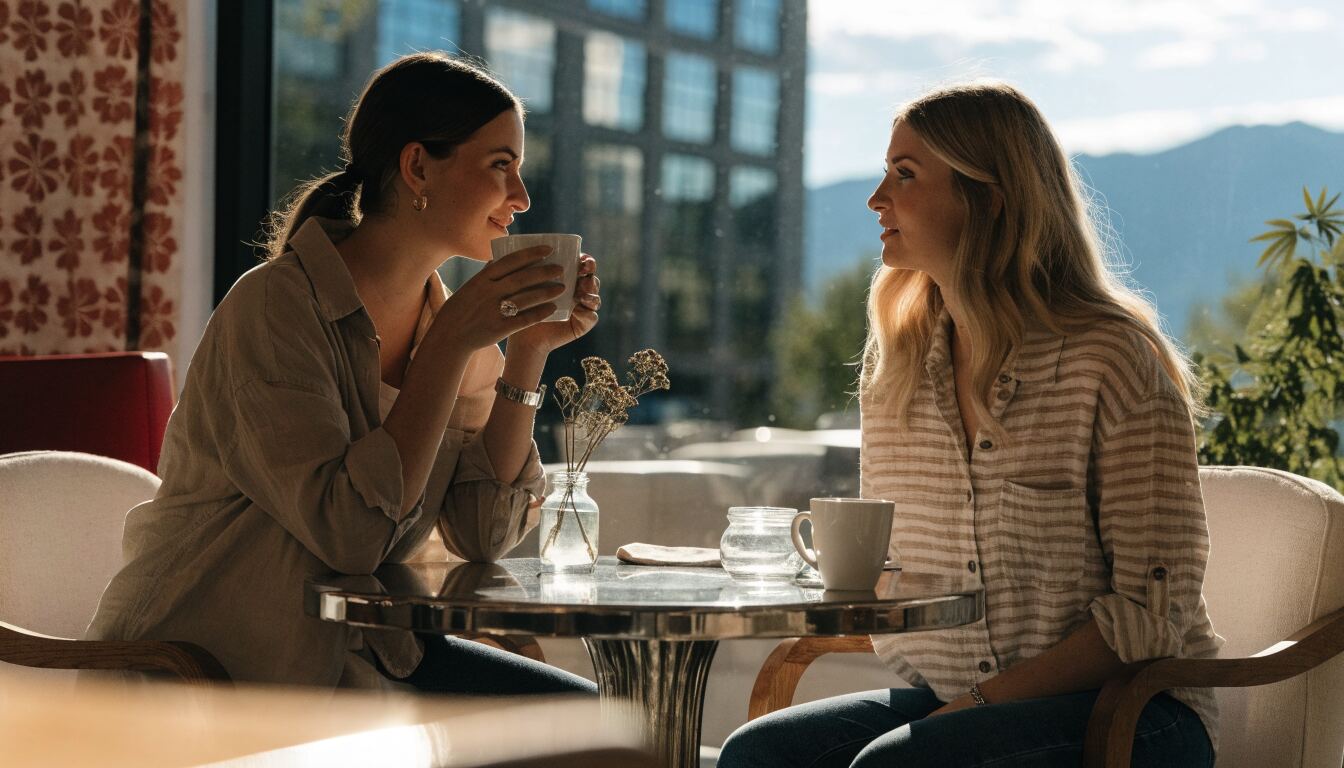
What makes the Centennial State particularly fertile ground for these scenes? Part of it stems from a broader cultural ethos that prizes self-reliance and open-mindedness. Another factor is the simple reality of geography: with vibrant urban centers like Denver and Boulder surrounded by vast open spaces, distinct social microclimates can develop and thrive. In these pockets, individuals who once felt isolated by their desires discover they're far from alone. They find workshops to hone negotiation skills, coffee meetups to swap stories, and advocacy groups fighting for recognition. The result is a dynamic, ever-evolving ecosystem where people craft relationship blueprints that fit their actual lives rather than default assumptions.
Understanding this world requires looking beyond stereotypes. Television dramas and clickbait headlines often reduce alternative sexuality to caricatures, missing the profound emotional intelligence and intentionality that frequently underpin these choices. Whether someone is drawn to rope artistry, maintaining three simultaneous romantic partnerships, or exploring a cuckolding dynamic, the common threads are communication, boundary-setting, and mutual respect. This exploration will walk through several key facets of Colorado's alt-sex communities, shedding light on how they operate, where newcomers can find footing, and what ongoing conversations about inclusivity look like on the ground.
Stepping Into the World of BDSM: More Than Leather and Latex
For many outsiders, the acronym BDSM conjures a narrow set of images, but Colorado's scene reveals a far broader reality. It encompasses a spectrum of activities from sensory deprivation and impact play to psychological domination and service-oriented submission. What unites practitioners isn't a specific act but a shared framework of informed consent and ongoing dialogue. At its core, this community functions as a vast educational network where experienced hands guide novices through the nuances of safe practice and emotional aftercare.
Newcomers often report feeling overwhelmed by terminology and etiquette before they attend their first event. The key is to approach the landscape with patience and a learner's mindset. Rather than trying to absorb everything at once, it's more effective to identify one or two areas of genuine curiosity and seek out targeted resources. Many local organizations host "101" nights specifically designed to demystify basic concepts without pressure to participate. These sessions frequently cover negotiation scripts, the difference between limits and boundaries, and how to recognize red flags in potential partners or venues.
Locating Your People: In-Person and Digital Hubs
Building a sense of community starts with finding the right entry points. Munches—casual, no-scene social gatherings often held at restaurants or parks—serve as the traditional front door. Here, conversation flows around everyday topics as much as kink, allowing organic friendships to form before any play is discussed. Colorado boasts a healthy rotation of these meetups, catering to different age brackets, gender identities, and interest areas. Some are broad-based, while others cater specifically to submissives, dominants, or switches seeking peer support.
Digital spaces complement physical gatherings by providing 24/7 access to discussion and event listings. While major platforms exist, many local groups maintain private forums or chat servers where vetting processes help maintain safety. When exploring online, it's wise to spend time reading past discussions before jumping in; this helps you gauge the group's culture and ensures your questions haven't been answered a dozen times already. Always verify event legitimacy through multiple sources and trust your instincts if an online interaction feels coercive or rushed.
Diving Into Varied Practices and Personal Exploration
The range of activities under the BDSM umbrella can surprise those new to the scene. Bondage enthusiasts might focus on intricate rope patterns that prioritize aesthetics and connection over restraint. Discipline dynamics often involve structured protocols and rituals that create a sense of security for both parties. Sadism and masochism, perhaps the most misunderstood elements, revolve around carefully calibrated sensations—from gentle scratching to intense flogging—always within pre-negotiated parameters. Other common explorations include sensory deprivation (using blindfolds or noise-canceling headphones), temperature play, and psychological scenes involving fear or humiliation fantasies.
Figuring out what resonates requires honest self-reflection and, ideally, low-stakes experimentation. Many Colorado venues offer "tasting" events where attendees can briefly experience different implements or sensations under expert supervision. Keeping a journal to track reactions—both physical and emotional—can reveal patterns that guide future explorations. Remember that interests often shift over time; what intrigued you five years ago might hold no appeal today, and that fluidity is entirely normal.
Structured Learning for Safer, More Fulfilling Play
Education forms the backbone of responsible kink practice, and Colorado's community takes this seriously. Workshops cover technical skills like proper rope tension to avoid nerve compression and the physics of different flogger materials. Equally important are the soft skills: how to conduct pre-scene negotiations that leave room for mid-scene check-ins, how to recognize sub-drop or dom-drop, and how to provide effective aftercare tailored to specific needs.
Many presenters bring decades of lived experience, blending practical demonstration with storytelling about lessons learned the hard way. Some classes focus on the history of leather culture and its intersection with LGBTQ+ activism, grounding contemporary practice in a broader social context. For those unable to attend in person, a growing library of recorded content exists, though live sessions remain invaluable for the hands-on feedback they provide. Investing in education isn't just about avoiding injury; it deepens the trust and intimacy that make power exchange so rewarding.
Multiple Loves: Polyamory's Steady Rise in Colorado
While BDSM focuses on power and sensation, polyamory centers on emotional connection multiplied. The idea that a person can maintain loving, committed relationships with more than one partner simultaneously—with everyone's full awareness and consent—has moved from fringe concept to increasingly visible lifestyle choice. Colorado's progressive social climate has made it a natural hub for this relationship orientation. Coffee shops host discussion groups, family law practitioners advertise poly-aware services, and local media occasionally profiles multi-partner households navigating daily life.
The growth isn't just anecdotal. Community organizers report swelling attendance at meetups and conferences, while online membership in regional poly groups continues to climb. This expansion brings both opportunities and growing pains: more resources exist than ever before, but newcomers sometimes struggle to distinguish healthy poly dynamics from dysfunctional ones dressed in the same language. The community's emphasis on education helps bridge this gap, offering frameworks for ethical practice that apply regardless of specific relationship configurations.
Defining Polyamory Beyond the Label
At its simplest, polyamory rejects the premise that romantic love must be exclusive to one person at a time. But that definition barely scratches the surface. Practitioners describe various structural approaches: hierarchical polyamory, where one relationship holds primary status; non-hierarchical or egalitarian models, where no formal ranking exists; solo polyamory, where individuals maintain autonomy while engaging in multiple relationships without seeking cohabitation or merging finances; and relationship anarchy, which questions all prescribed relationship categories.
People choose polyamory for diverse reasons. Some feel it aligns with their inherent orientation, much like sexual orientation. Others adopt it as a conscious philosophical stance, believing that limiting love artificially diminishes human potential. Practical motivations also play a role: couples with mismatched libidos might open to address sexual incompatibility while preserving emotional bonds, though experienced poly folks caution that adding people rarely fixes fundamental relationship cracks. The common denominator is a commitment to radical honesty—about feelings, time constraints, and changing needs.
Gatherings That Foster Connection and Learning
Face-to-face community remains vital even in an era of dating apps and virtual meetings. Colorado hosts regular polyamory-specific gatherings ranging from discussion circles in library meeting rooms to weekend retreats in mountain cabins. These spaces allow individuals to voice struggles—jealousy flare-ups, calendar logistics, coming out to family—and receive empathetic, experience-based advice rather than judgment.
Many groups structure meetings around rotating topics: navigating metamour relationships (your partner's other partners), legal considerations for multi-adult households, parenting in poly families, or managing new relationship energy without neglecting existing commitments. Some events welcome the poly-curious, while others create containers solely for experienced practitioners to discuss advanced challenges. Finding the right fit might take a few tries, but the payoff in genuine understanding is substantial.
Navigating Laws and Social Perceptions
Legal frameworks largely assume monogamous, dyadic relationships, creating complications for poly families. Hospital visitation rights, inheritance without a will, and parental recognition for non-biological parents all present hurdles. Some families use legal tools like powers of attorney, living trusts, and co-parenting agreements to approximate protections, but these are imperfect substitutes for comprehensive legal recognition. Advocacy organizations in Colorado work to document these challenges and push for incremental reforms, though significant legislative change remains a long-term project.
Social acceptance varies widely. Urban areas and younger demographics tend toward greater familiarity, but poly individuals still face discrimination in employment, housing, and child custody disputes. Many choose strategic disclosure, being open in safe spaces while maintaining privacy elsewhere. The community provides resources for navigating these decisions, emphasizing that no one owes disclosure to anyone and that safety always comes first. As visibility increases, so does public understanding, but the path isn't linear, and setbacks occur alongside progress.
Power, Pleasure, and the Cuckolding Dynamic
Among the various relational configurations gaining attention, cuckolding occupies a distinct space that blends emotional intensity with eroticized power exchange. Far from the simplistic humiliation trope that dominates mainstream portrayals, real-world cuckolding dynamics vary enormously in their emotional tone and practical expression. At its foundation lies a consensual agreement where one partner derives arousal from their significant other's intimate engagement with someone else, but the motivations, boundaries, and experiences differ dramatically from couple to couple.
Understanding this landscape requires separating the fantasy from the lived reality. Pornography and erotica present heavily scripted versions that bear little resemblance to how actual people navigate these waters. In practice, successful cuckolding relationships rest on exceptionally strong communication skills, as the emotional stakes are high and the potential for misunderstanding significant. Couples who thrive in this dynamic often spend more time discussing feelings, checking in, and adjusting agreements than they do on the actual encounters with outside partners.
Clarifying Terms: Cuckolding, Hotwifing, and Beyond
Terminology helps map the terrain, though individuals often blend or customize labels. In general usage, cuckolding typically involves a male partner who experiences arousal from his female partner's outside sexual activities, often with an element of psychological intensity that might include mild humiliation, denial, or power reversal. Hotwifing describes a related dynamic where the husband's enjoyment centers more on his wife's pleasure and sexual freedom, often without the humiliation component. Some practitioners use "stag and vixen" to describe a scenario where the male partner feels compersion (joy in a partner's joy) rather than any form of degradation.
These distinctions matter because they point to different emotional needs and risk profiles. A couple exploring hotwifing might focus on finding respectful thirds and celebrating shared experiences, while a cuckolding couple might carefully script scenes involving specific language or power dynamics. Neither is inherently more advanced or valid; they simply require different negotiation and aftercare. Some couples move between these styles over time as their comfort and curiosities evolve.
Finding Support Among Those Who Understand
The isolation that can accompany unconventional desires makes peer support invaluable. Colorado hosts informal groups where individuals in cuckolding and hotwifing dynamics can speak candidly without explaining basics or defending their choices. These gatherings range from small dinner meetups to larger discussion forums, and they serve multiple functions: normalizing experiences, troubleshooting common challenges, and sometimes facilitating trusted introductions.
Online spaces complement in-person connection, offering anonymity for those still exploring or not ready for face-to-face disclosure. Forums dedicated to the lifestyle feature threads on everything from managing unexpected jealousy to practical safety protocols for meeting new partners. The wisdom accumulated in these spaces—often hard-won through painful missteps—can spare newcomers significant distress. As with any online community, however, critical thinking is essential; not all advice is created equal, and what worked for one couple may prove disastrous for another.
The Many Shapes of Cuckolding Experiences
No two couples practice cuckolding identically. Some prioritize the visual, with the husband present during encounters, absorbing every detail. Others prefer a narrative element, with the wife recounting her experiences afterward in vivid detail—a practice sometimes called "reclaiming" when followed by intense reconnection between the couple. Still others maintain a more compartmentalized approach, where the husband knows encounters occur but receives minimal specifics, finding the mystery itself arousing.
The role of the outside partner also varies. Some couples seek ongoing connections with trusted individuals who understand the dynamic and respect its boundaries. Others prefer one-time encounters to minimize emotional entanglement. The "bull" or "third" is not a prop but a person with their own desires and limits, and ethical practice demands treating them with full respect and clarity about expectations. Increasingly, communities emphasize the importance of vetting thirds carefully and including them in relevant negotiations rather than treating them as interchangeable.
Nche Passions: Micro-Communities Within the Scene
Beyond the more visible categories of BDSM, polyamory, and cuckolding, Colorado hosts a fascinating array of specialized interest groups. These smaller communities allow individuals with highly specific affinities to find others who share their exact wavelength. The experience of discovering that your seemingly unique fascination has a name, a history, and a local group of practitioners can be profoundly validating. These niches often overlap with broader communities while maintaining distinct identities and practices.
Clothes-Free Kink: Where Naturism Meets Erotic Expression
A unique fusion has emerged combining the body-positive philosophy of nudism with the intentional eroticism of kink. Practitioners describe a liberating experience that strips away both clothing and pretense, creating vulnerability that can deepen connection. Events range from clothing-optional camping weekends with designated play areas to indoor gatherings that blend social nudity with kink education. The emphasis typically falls on body acceptance across all shapes, ages, and abilities, challenging the narrow beauty standards that dominate both mainstream culture and some corners of the kink world.
For those curious about this intersection, organizers recommend starting with clothing-optional social events that don't involve play, allowing gradual acclimation to social nudity before layering in kink elements. The community emphasizes that participation never requires nudity; many attendees remain partially clothed or use wraps, and consent applies as rigorously to gaze and photography as to touch.
Human Animal Role Play: Identity and Transformation
Human animal role play (HARP) encompasses a spectrum of practices centered on adopting animal personas. This can range from wearing ears and a tail while adopting feline mannerisms to more immersive experiences involving masks, movement, and non-verbal communication. For participants, the appeal often lies in temporarily shedding human concerns and accessing simpler, more instinctual modes of being. Some explore power dynamics within the roleplay—handler and animal, or predator and prey—while others focus purely on the sensory and psychological experience of transformation.
The community distinguishes between different levels of engagement. "Pet play" often involves a domestic animal dynamic with a caring owner figure. "Pony play" incorporates elements of training and equipment inspired by equestrian culture. "Primal" play taps into more wild, untamed energies. Each sub-community has its own norms, gear preferences, and event styles. Colorado's HARP gatherings range from casual "pack walks" in natural settings to structured indoor events with designated spaces for different species and dynamics.
Fashion as Fetish: Aesthetics That Signal Identity
For many in alt-sex communities, personal style serves as more than decoration—it's a form of communication and self-actualization. Specific aesthetics function as shorthand, signaling interests and values to those in the know while expressing internal landscapes externally. The craftsmanship involved in assembling these looks—whether sourcing vintage corsets, commissioning custom latex pieces, or hand-distressing leather—becomes a practice of devotion in itself.
Several distinct aesthetic lanes have developed strong followings in Colorado. Goth-inflected styles draw on Victorian mourning wear, romantic decay motifs, and dark elegance. Cyberpunk looks incorporate synthetic materials, LED elements, and dystopian futurism. Pin-up and vintage aesthetics celebrate mid-century silhouettes with a knowing, empowered twist. Other practitioners blend influences, creating hybrid styles that resist categorization. Beyond the visual impact, these fashion choices often facilitate connection: complimenting someone's carefully chosen accessories can open conversations that reveal shared sensibilities and lead to lasting friendships.
Crafting Welcoming Environments for Every Identity
The aspiration toward inclusivity appears frequently in community statements, but translating good intentions into lived experience requires ongoing, sometimes uncomfortable work. Colorado's alt-sex spaces, like any human institutions, carry histories of exclusion and blind spots that demand active correction. The most vibrant communities acknowledge these shortcomings openly and pursue concrete improvements rather than resting on rhetorical commitments to diversity.
True inclusivity extends beyond visible diversity to encompass emotional safety, accessibility, and the recognition that different bodies and identities navigate spaces with different levels of risk. A trans person of color, a disabled senior, or a single woman attending her first munch each faces distinct concerns that generic "everyone is welcome" messaging doesn't address. The communities that thrive are those willing to examine their own norms and adapt their practices based on feedback from marginalized members.
Centering LGBTQ+ Experiences in Kink Spaces
The historical entanglement of kink communities with LGBTQ+ activism runs deep, yet this doesn't guarantee that contemporary spaces automatically serve queer and trans individuals well. Assumptions about gender, sexuality, and relationship structures can create friction even in environments that consider themselves progressive. For example, gendered language in event descriptions, assumptions about the genitals participants possess, or dynamics that presume heterosexual pairings can all signal unwelcomeness to those whose identities don't fit those templates.
Addressing these gaps requires specific actions: using inclusive language that doesn't assume gender or partner configurations, offering events specifically for LGBTQ+ kinksters to build community without explaining basics, and ensuring that leadership and education teams reflect diverse identities. Some Colorado groups have implemented "ambassador" roles filled by community members who can confidentially receive feedback about exclusionary experiences and advocate for changes. The goal isn't perfection but a demonstrated willingness to listen and evolve.
Physical and Emotional Safety as Foundational Principles
Safety in alt-sex spaces operates on multiple levels. Physical safety involves dungeon monitoring, first-aid training, and clear protocols for emergencies. Emotional safety is subtler but equally crucial: it means environments where expressing discomfort or revoking consent doesn't invite social penalty, where aftercare resources are available, and where predatory behavior faces swift, transparent consequences. The most respected Colorado venues publish their conduct policies prominently and enforce them consistently regardless of an individual's status or popularity.
Some concrete practices that support safety include: clearly posted rules about consent and photography, designated "quiet rooms" for decompression, trained conflict resolution volunteers, and anonymous reporting mechanisms for violations. Communities also increasingly recognize the impact of trauma and offer trauma-informed approaches that avoid re-traumatization. This might mean avoiding surprise elements in scenes, providing content warnings for potentially triggering workshop material, or connecting individuals with kink-aware therapists who understand the context of their experiences.
Bridging Age Gaps and Accessibility Barriers
The perception that alt-sex communities cater primarily to the young and able-bodied can become a self-fulfilling prophecy if left unexamined. Older adults bring decades of relationship experience and often a clarity about their desires that enriches the community, yet they may feel invisible in spaces where imagery and programming skew young. Similarly, individuals with disabilities—whether mobility-related, sensory, or chronic illness—face barriers ranging from inaccessible venues to assumptions that they aren't sexual beings or potential kink practitioners.
Practical steps toward broader inclusion include: selecting venues with ramps, elevators, and accessible restrooms; offering events at varied times to accommodate different energy patterns and caregiver schedules; providing virtual participation options for those who can't attend in person; and featuring presenters and educators across age ranges. Some groups have begun offering "quiet hours" with reduced sensory stimulation or designated seating areas with clear sightlines to interpreters or presenters. These adaptations benefit not just the specific groups they target but the entire community, which gains wisdom and perspective from a wider range of voices.
The Social Calendar: Munches, Parties, and Beyond
Community doesn't sustain itself through online interaction alone. The rhythm of in-person gatherings—from weekly coffee meetups to annual balls—provides the connective tissue that turns acquaintances into chosen family. Colorado's calendar offers a steady stream of opportunities, each with its own flavor and purpose. Understanding the landscape helps newcomers choose entry points that match their comfort levels and interests.
Low-Pressure Meetups for First Steps
Munches remain the gold standard for initial contact with the community. These gatherings explicitly prohibit play and often discourage fetish wear, creating environments where conversation flows naturally over food and drinks. The casual setting allows for gradual disclosure; attendees can simply listen, ask general questions, or share as much or as little about themselves as feels right. Many lifelong friendships and partnerships trace their origins to a munch table where nervous newcomers found unexpected common ground.
Beyond generic munches, themed social gatherings cater to specific demographics or interests. There are munches for those over 40, for polyamorous parents, for queer kinksters, for newcomers specifically, and for practitioners of particular kinks. These focused events can feel less overwhelming and more immediately relevant. The key is to attend consistently; relationships build over repeated interactions, and a single munch rarely reveals the full texture of a community.
Imersive Events for Deeper Exploration
For those ready to move beyond conversation, play parties and themed events provide structured environments for consensual exploration. Dungeon nights designate areas for different types of play, with dungeon monitors ensuring safety protocols are followed. Fetish balls combine social dancing, elaborate costumes, and sometimes performance art with play spaces, creating celebratory atmospheres that blur the line between party and ritual. Educational intensives offer multi-hour or multi-day deep dives into specific skills or dynamics, often led by nationally recognized presenters.
Before attending any play event, thorough preparation is essential. This includes understanding the specific venue's rules, bringing any personal gear or supplies needed, arranging transportation and aftercare plans, and mentally preparing for the possibility that you might not play at all—and that this is perfectly fine. Many experienced attendees report that their most memorable nights involved extended negotiation, watching others, or simply soaking in the atmosphere rather than active participation. Pressure to perform is antithetical to the ethos of these spaces.
Building Your Network Over Time
The most rewarding aspect of community involvement often isn't the events themselves but the relationships that develop around them. Casual acquaintances become trusted confidants who can offer reality checks during intense emotional experiences. Experienced practitioners become informal mentors, sharing wisdom that no workshop can fully convey. Over time, individuals often find themselves transitioning from newcomer to greeter, paying forward the welcome they once received.
Networking happens organically—a conversation after a workshop, a shared meal before a party, an online exchange that leads to a coffee date. The key is showing up consistently and engaging authentically rather than instrumentally. People can sense when they're being viewed primarily as gateways to experiences rather than as whole humans worthy of connection in their own right. The communities that endure are built on genuine care, not transactional networking.
Resources That Support the Journey
Navigating alternative relationship and sexuality landscapes can feel isolating without access to reliable information and supportive peers. Fortunately, Colorado offers a growing infrastructure of resources designed to educate, connect, and protect those exploring these paths. Knowing where to look can dramatically shorten the learning curve and reduce unnecessary distress.
Digital Platforms for Connection and Learning
Online spaces serve as portals to community, especially for those in rural areas or not yet ready for in-person contact. Social networks built specifically for kink and non-monogamy offer event listings, discussion forums, and personal profiles that facilitate connection. General platforms host active sub-communities where Colorado-specific conversations unfold, from restaurant recommendations for munches to nuanced debates about consent philosophy.
When engaging online, privacy considerations are paramount. Many individuals maintain separate profiles for alt-sex community involvement, using distinct usernames and email addresses. Understanding platform privacy settings, being thoughtful about sharing identifying information or photos, and recognizing that screenshots and data breaches can expose private content are all part of responsible digital citizenship in these spaces. The goal isn't paranoia but informed caution that protects both individuals and the communities they belong to.
The Value of Experienced Guidance
Mentorship relationships, whether formal or organic, can provide context and reassurance that self-education alone can't offer. A trusted mentor can help interpret confusing experiences, flag potential problems before they escalate, and share lessons from their own missteps. These relationships work best when they're built on mutual respect rather than hierarchy; the best mentors remain curious and continue learning alongside their mentees.
Finding a mentor requires discernment. Look for individuals who demonstrate consistent ethics over time, who are respected by diverse community members (not just their own partners or admirers), and who respond thoughtfully to questions rather than offering formulaic answers. Be wary of anyone who presents themselves as having all the answers or who discourages you from seeking multiple perspectives. Healthy mentorship empowers the mentee's autonomy rather than creating dependency.
Advocacy and Broader Education Efforts
Beyond individual support, organizations work to shift broader cultural understanding and legal frameworks. These groups conduct public education campaigns, provide training for therapists and medical professionals, and advocate for policy changes that recognize diverse relationship structures. Their work benefits not just community members but the broader society, which gains from reduced stigma and increased understanding.
Supporting these efforts can take many forms: attending public events to show visibility, donating to advocacy organizations, sharing accurate information within personal networks, or volunteering skills like legal expertise or event planning. Systemic change happens through accumulated small actions over time, and every contribution matters. The increasing mainstream awareness of alternative sexualities and relationship styles reflects decades of persistent advocacy by those who refused to remain invisible.
Embracing Diversity in Intimate Connection
What emerges from exploring Colorado's alt-sex communities is a portrait of people actively shaping their lives around authenticity rather than convention. The specifics vary—rope, romance with multiple partners, cuckolding dynamics, niche kinks—but the underlying impulse is consistent: a refusal to accept that love, desire, and connection must follow a single script. These communities demonstrate that with sufficient communication, ethical grounding, and mutual care, humans can craft relationship structures as varied as the landscape that hosts them.
The path isn't always smooth. Internal community conflicts, external stigma, legal precarity, and the ordinary challenges of human relationships all persist. But the resources, networks, and accumulated wisdom described here offer scaffolding for navigating those difficulties. For those curious about any of the territories explored in this article, the invitation is open: show up with respect, listen more than you speak at first, and allow your understanding to evolve. The communities are there, waiting with the particular welcome that comes from people who know what it's like to search for belonging and finally find it.