Why On-Screen Portrayals Rarely Reflect Real Kink
When most people picture BDSM, they draw from what they've absorbed through popular entertainment. Movies and series thrive on visual drama, so they naturally gravitate toward the most intense imagery—chains, leather masks, and tear-streaked faces. The quieter, more meaningful aspects of these dynamics rarely make it past the editing room. Trust-building conversations, lengthy negotiations about boundaries, and the gentle moments of reconnection after a scene simply don't fit the fast-paced narrative formulas that studios rely on. What results is a collection of distorted snapshots that emphasize spectacle while erasing the human foundation beneath it all.
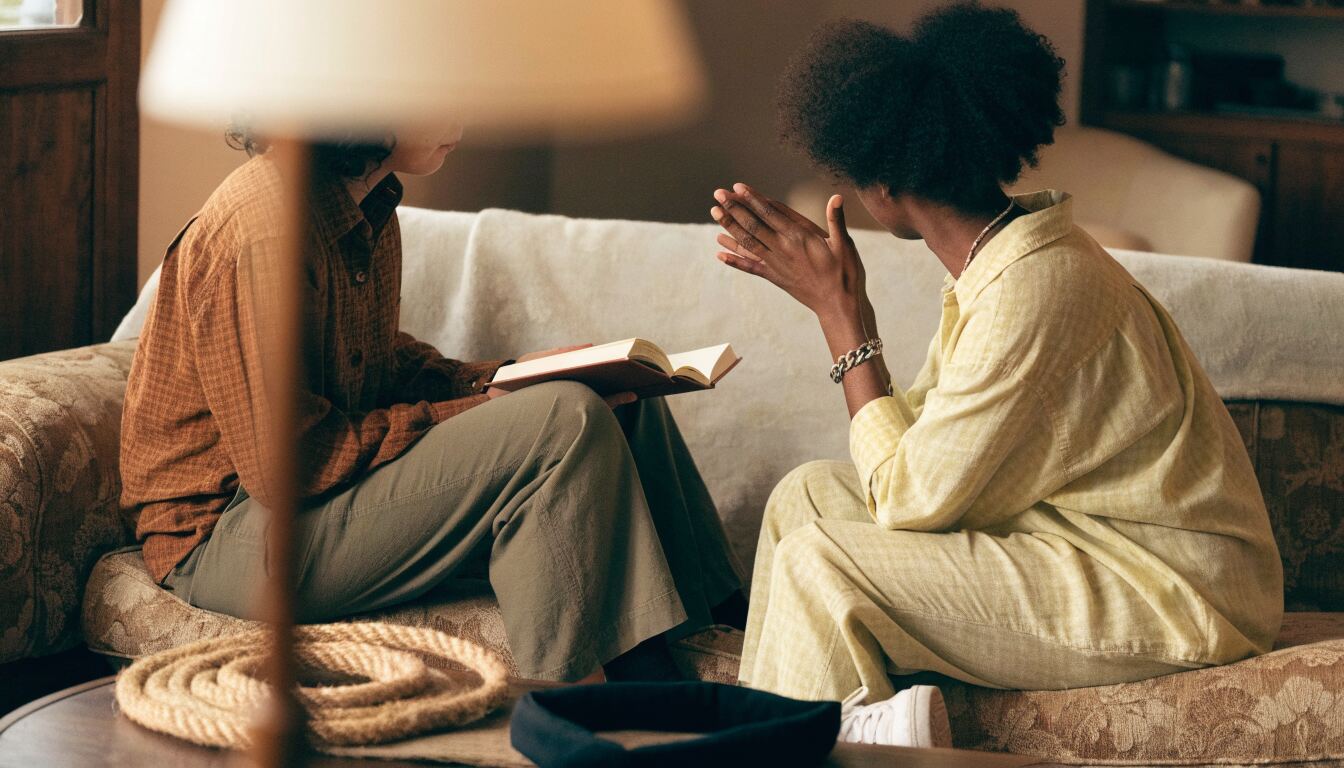
This gap between fiction and lived experience creates real confusion. People curious about exploring power dynamics or sensory play often hesitate because the media version looks extreme, dangerous, or emotionally cold. They don't see the laughter that can punctuate a scene, the check-ins whispered between partners, or the shared blankets and quiet talks that follow. Understanding where these portrayals go wrong is the first step toward appreciating what BDSM actually offers: a framework for profound connection built on mutual agreement and care.
The Invisible Framework: Consent and Aftercare
Perhaps the most glaring omission in fictional depictions is the central role of consent. On screen, characters often plunge into intense encounters with little more than a knowing glance, leaving audiences with the impression that agreement is implied or irrelevant. In authentic practice, consent operates as an ongoing dialogue rather than a single checkbox. Partners discuss preferences, hard limits, and emotional triggers well before any physical contact begins. They establish clear signals—often called safewords—that can pause or stop an interaction instantly if someone feels overwhelmed. These aren't dramatic plot devices; they're practical tools that preserve everyone's sense of safety.
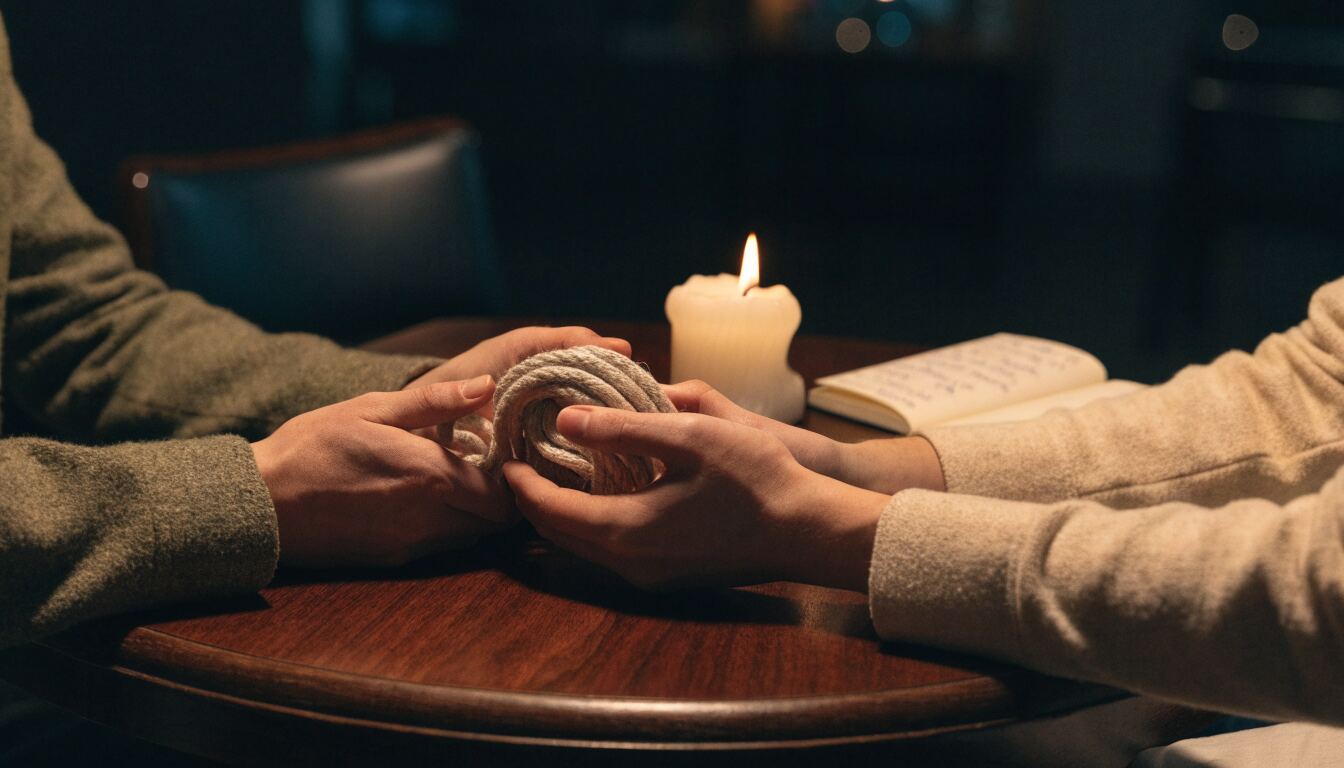
Equally absent from most narratives is aftercare. Films tend to cut away immediately after a scene reaches its climax, suggesting that the experience ends when the action stops. Reality looks quite different. Aftercare involves intentional time spent reconnecting, whether through physical comfort like holding each other, sharing snacks and water, or simply talking through what just happened. Some people need quiet reassurance; others benefit from lighthearted conversation to transition back to everyday headspace. This phase isn't optional or decorative—it's a deliberate practice that reinforces emotional well-being and prevents the kind of psychological drop that can follow intense experiences. When media skips this step entirely, it paints BDSM as harsh and uncaring, which couldn't be further from the truth for those who practice it responsibly.
Surface-Level Drama Versus Inner Connection
Cameras gravitate toward what looks striking. Restraints, elaborate costumes, and dungeon-like settings provide immediate visual impact, so directors lean heavily on these elements. The problem is that this focus reduces a multifaceted human interaction to a collection of props. For most practitioners, the equipment serves as a supporting actor, not the star of the show. What truly defines a healthy BDSM dynamic are the invisible threads: the trust earned over time, the vulnerability willingly offered, and the deep communication that allows partners to explore edges safely.
Think of it like photographing a conversation between close friends. You might capture their facial expressions or the coffee cups on the table, but you'd miss the shared history, the inside jokes, and the unspoken understanding that gives the exchange its meaning. BDSM scenes work similarly. The external elements—whether a silk blindfold or a carefully tied rope harness—matter because of the intention behind them, not because of how they photograph. When entertainment reduces kink to its visual components, it strips away the emotional richness that makes these experiences fulfilling.
Challenging the Biggest Misconceptions
Media narratives tend to repeat the same tired patterns, and over time these become accepted as truth by people with no direct exposure to kink communities. Let's examine several persistent myths and contrast them with what actually happens behind closed doors.
The Assumption of Fixed Gender Roles
One of the most stubborn stereotypes involves the idea that women naturally occupy submissive positions while men default to dominance. This framing appears so frequently in films that it can seem like an established rule rather than a creative shortcut. The reality is far more diverse. Women serve as confident, skilled Dominants in countless dynamics, guiding scenes with precision and care. Others identify as switches, moving between roles depending on the partner, the context, or simply their mood that day. Some men find deep fulfillment in submission, and their experiences are just as valid and common.
Power exchange roles aren't determined by gender any more than career choices are. They emerge from personal desire, self-awareness, and mutual negotiation. When media repeatedly pairs femininity with passivity and masculinity with control, it doesn't just misrepresent BDSM—it reinforces broader social biases that limit everyone's freedom to explore who they truly are. The kink community, at its best, offers space for people to inhabit roles that feel authentic regardless of what stereotypes might suggest.
Does BDSM Cause Emotional Harm?
Another common narrative paints kink as inherently damaging, something that leaves participants psychologically scarred. This assumption often stems from confusing consensual exploration with actual abuse. The distinction couldn't be clearer: abuse operates without agreement and disregards well-being, while BDSM functions through explicit consent and built-in care structures. The presence of aftercare alone demonstrates how seriously practitioners take emotional health. Partners check in about what worked, what felt challenging, and what might need adjustment next time. They offer reassurance and physical comfort, creating a container that holds the intensity of the experience without letting it spill into harm.
Far from causing damage, many people report that their BDSM relationships have deepened their self-knowledge and strengthened their bonds. Discussing vulnerable desires requires a level of honesty that many conventional relationships never reach. When someone knows your edges and treats them with respect, it builds a profound sense of safety. This doesn't mean every experience is easy or comfortable—growth often involves challenge—but the framework exists to process those challenges together rather than letting them fester.
The Myth of the Required Dungeon
Hollywood loves a dramatic setting. Stone walls, flickering candles, walls lined with implements—these visuals sell the fantasy of BDSM as something exotic and removed from ordinary life. The truth is much more accessible. Plenty of people explore kink in their own bedrooms, living rooms, or even through text-based roleplay that requires no physical space at all. A comfortable blanket can become a sensual restraint. A whispered command can shift the entire energy of a room. What makes BDSM real isn't the location or the price tag of the gear; it's the agreement between the people involved.
Some enthusiasts do invest in dedicated play spaces or quality equipment, but these choices reflect personal preference rather than necessity. Beginners especially benefit from starting simple, focusing on communication and trust before adding complexity. A well-negotiated scene with zero props can be far more powerful than an elaborate setup without genuine connection. The core ingredients—curiosity, respect, and clear agreements—cost nothing and fit in any home.
What Sensation Really Means in BDSM
Media portrayals fixate on pain as if it were the entire point. Characters grimace and cry out while ominous music swells, creating an impression of endurance rather than enjoyment. This misses the vast spectrum of physical and emotional sensations that draw people to kink. For many, the appeal lies in intensity that isn't necessarily painful: the steady pressure of bondage, the cool trail of a sensory toy across warm skin, or the electric anticipation of not knowing exactly what comes next. Even when pain does play a role, it's typically calibrated carefully—more like the satisfying burn of strenuous exercise than the sharp distress of injury.
The psychological dimension matters just as much. Surrendering control to a trusted partner can feel liberating. Taking responsibility for someone else's experience can feel purposeful and grounding. These internal states don't require suffering; they require presence and mutual investment. When entertainment reduces BDSM to a pain delivery system, it ignores the rich internal landscapes that participants actually navigate together.
Consent as an Ongoing Conversation
We've touched on consent already, but it deserves deeper exploration because it forms the absolute foundation of ethical kink. Before any scene begins, partners engage in negotiation that covers far more than a simple yes or no. They discuss specific activities, intensity levels, physical limitations, and emotional triggers. They establish what aftercare will look like and how they'll communicate if something needs to shift mid-scene. This isn't a bureaucratic hurdle; it's an act of care that allows everyone to relax into the experience knowing the guardrails are solid.
During a scene, consent remains active. A partner might check in verbally or notice non-verbal cues that signal discomfort. Safewords exist as an emergency brake, but many dynamics also use a traffic-light system where "yellow" means slow down or adjust and "red" means stop completely. The ability to pause without judgment keeps the experience safe and strengthens trust over time. Afterward, debriefing continues the conversation, helping both people process and learn for next time.
Choosing Tools with Intention
The implements shown in movies often look intimidating—spikes, heavy chains, harsh metal contraptions. In reality, experienced practitioners select gear based on safety, comfort, and the specific sensations they want to create. Soft leather cuffs distribute pressure evenly and minimize the risk of nerve damage. Quality rope has a particular texture and give that cheap alternatives lack. Even seemingly simple items like blindfolds get chosen for how they feel against the eyelids and how completely they block light.
This attention to craftsmanship isn't about luxury; it's about reliability. Poorly made equipment can break unexpectedly or cause injury, which violates the trust that BDSM depends on. When someone invests in well-constructed gear, they're investing in their partner's safety and the integrity of their shared experience. The aesthetic appeal matters less than how the item functions within the dynamic. A sturdy, comfortable restraint that allows for quick release will always beat a flashy but unreliable alternative.
Mutual Fulfillment Across Different Dynamics
Another media shortcut involves portraying BDSM as a one-way street where one person takes all the pleasure while the other merely endures. This framing makes for dramatic tension but bears little resemblance to healthy kink relationships. The exchange of power, when done well, benefits everyone involved—just through different channels.
A Dominant partner might draw satisfaction from the responsibility entrusted to them, the creative challenge of designing scenes, and the deep focus required to guide another person's experience safely. Watching a submissive partner enter a peaceful, floating headspace can be profoundly rewarding. The submissive partner, meanwhile, might find relief in temporarily setting aside decision-making, comfort in clear structure and expectations, and intense connection through vulnerability willingly offered. Both people give and both receive; the currencies simply differ.
This mutuality extends beyond the scene itself. Partners often report that the communication skills developed through BDSM improve their overall relationship. They learn to articulate needs clearly, listen without defensiveness, and prioritize each other's well-being. These aren't niche skills—they're relationship fundamentals that benefit any dynamic, romantic or otherwise.
The Remarkable Diversity of Kink Expression
If you only knew BDSM through media, you might think it follows a single template: dark rooms, stern commands, and dramatic power struggles. The reality encompasses an enormous range of styles and preferences. Some people practice what's often called "gentle domination," where the tone stays warm and nurturing rather than harsh. Others enjoy playful, giggly scenes that incorporate humor and lightness. Some dynamics exist only within designated scene times, while others weave subtle power exchange into daily life through rituals like morning check-ins or specific forms of address.
There's no governing body deciding what counts as real BDSM. The only requirements are that everyone involved consents enthusiastically and that the experience feels meaningful to them. This flexibility allows people to craft dynamics that fit their unique personalities, relationships, and circumstances. What works for one couple might look nothing like what works for another, and both approaches are equally valid.
How Intimacy Grows Through Deliberate Practice
The stereotype of BDSM as emotionally distant or purely physical collapses under even casual examination of real dynamics. Because these relationships demand such explicit communication about vulnerable topics, they often accelerate emotional closeness in ways that more conventional dating patterns don't. Discussing fears, desires, and boundaries requires a level of self-awareness and honesty that many people find challenging. When a partner receives that honesty with respect and care, it builds a powerful foundation of trust.
Small gestures carry significant weight in this context. A hand placed gently on a shoulder before a scene begins can communicate volumes about presence and attunement. The ritual of removing restraints and massaging circulation back into limbs becomes an act of tenderness. These moments don't make for exciting television, but they form the connective tissue of real kink relationships. Intimacy flourishes not despite the intensity of BDSM but often because of the deliberate care that surrounds it.
Gear as Enhancement, Not Identity
We've discussed how media overemphasizes equipment, but it's worth exploring what gear actually contributes when used thoughtfully. Well-chosen items can deepen immersion, signal role shifts, and create specific physical sensations that partners enjoy. A collar might represent a dynamic that exists far beyond any single scene. A particular flogger might carry associations from shared history that enhance its impact. These objects become meaningful through the intention and relationship they represent, not through their inherent properties.
Beginners sometimes feel pressure to acquire extensive collections before they've even figured out what they enjoy. This impulse often comes from media images that equate gear with legitimacy. The healthier approach starts with curiosity and conversation, adding tools only as specific desires emerge. Many experienced practitioners own surprisingly little equipment because they've learned that creativity and connection matter far more than inventory.
Craftsmanship Reflects Care
When people do choose to purchase gear, they tend to prioritize quality for practical reasons. Smooth finishes prevent skin irritation. Reinforced stitching prevents embarrassing and potentially dangerous failures. Materials that feel pleasant against the body enhance rather than distract from the experience. These considerations reflect the same attention to well-being that characterizes all aspects of responsible BDSM. Choosing equipment thoughtfully is simply another way of showing up for a partner, demonstrating that their comfort and safety matter in every detail.
This stands in stark contrast to the movie version, where gear often looks intimidating or deliberately harsh. Real practitioners generally avoid items that could cause unintended harm, regardless of how dramatic they appear. The goal isn't to look like a film set; it's to create conditions where everyone can relax into the experience without worrying about equipment failure or unexpected discomfort.
Moving Past Stereotypes About Participants
The media habit of portraying kinky people as damaged or deviant does real harm. It suggests that interest in BDSM signals some fundamental brokenness rather than a valid form of human expression. This narrative ignores the countless well-adjusted individuals who find meaning, connection, and even healing through consensual power exchange. Research consistently shows that BDSM practitioners are no more likely to have mental health issues than the general population, and many report positive effects on their relationships and self-awareness.
What often gets labeled as pathology is simply a different way of engaging with intimacy and sensation. The same curiosity that leads someone to explore BDSM might lead another person to train for marathons or pursue challenging creative work. Humans seek intensity and meaning through many channels; kink happens to be one that involves direct collaboration with another person, which may explain both its power and the stigma it attracts.
Understanding BDSM requires setting aside sensationalized images and listening to the actual experiences of people who practice it. Their stories reveal not dungeons of suffering but spaces of deliberate vulnerability, not cold transactions but warm exchanges built on mutual regard. The gap between portrayal and reality is wide, but bridging it simply takes curiosity and a willingness to question what entertainment has taught us.
Shifting Your Perspective Away from Media Influence
We've already explored how Hollywood tends to exaggerate and misrepresent the world of kink. The silver screen thrives on sensationalism, delivering high drama without diving into the genuine depth of these experiences. It's like watching a highlight reel with all the meaningful pauses edited out. The authentic lifestyle is far richer and more nuanced once you peel away those cinematic clichés. But how do you actually unlearn those stubborn, misleading impressions?
The journey begins with conversation, and lots of it. Forget the brooding, wordless exchanges you see in films. True discovery unfolds through open, ongoing dialogue. Picture hashing out wants, limits, and what sparks joy (and what definitely doesn't) over a casual chat, not in the heat of the moment. Immersing yourself in firsthand accounts from people within the community is another powerful step. Seek out personal blogs, discussion boards, or memoirs where individuals document their authentic journeys—the triumphs, the setbacks, and the everyday moments. The goal is to collect real narratives, replacing staged performances with lived wisdom.
Here are some practical ways to reframe your thinking:
- Center communication: Make discussing desires and boundaries the foundation, never a secondary detail.
- Search for genuine voices: Prioritize unfiltered stories and insights from the kink community itself.
- Foster pressure-free curiosity: Give yourself room to explore and learn without feeling compelled to act out a dramatic script.
- Recognize grounding moments: Pay attention to the subtle instances of trust and connection, beyond just the adrenaline highs.
Embracing the Real World, Not Escaping It
A persistent falsehood pushed by mainstream media is that kink serves as a wild departure from daily existence. It's framed as a realm where social rules dissolve and repercussions disappear. For most practitioners, nothing could be further from the truth. At its heart, the lifestyle is a profoundly engaged interaction with reality, not a retreat from it.
Consider the fundamentals: physical bodies have boundaries. Feelings are layered and intricate. Trust isn't a given; it's cultivated through reliable actions and genuine attentiveness. When you encounter seasoned participants who exhibit a calm, centered demeanor, it's typically because they grasp these truths deeply. They recognize that the depth of an encounter arises from authentic bonds and clearly negotiated limits, not from ignoring real-world constraints. Being fully present and mindful defines the experience, rather than tuning out.
This grounded approach transforms how you perceive everything. Instead of chasing an illusion of chaos, you start appreciating the structure. The interplay of vulnerability and strength becomes a conscious exploration, not an accidental byproduct. You learn to read a partner's non-verbal cues with precision, understanding that a flinch or a sigh carries meaning that must be respected. This heightened awareness actually roots you more firmly in the moment, creating a shared reality that is intensely vivid and mutually constructed. It's a practice of deliberate connection where every sensation and emotion is acknowledged, making the fantasy of escape seem hollow by comparison.
How Genuine Understanding Shapes Your Choices
Once you begin viewing kink through this realistic lens—as a practice anchored in communication, mutual agreement, and attentive care—your approach to tools and activities shifts significantly. You stop fixating on the fantasy props glorified in movies and start considering what genuinely serves you and your partner or partners.
Your buying habits evolve from impulse to intention. Rather than grabbing the most visually intimidating item, you evaluate craftsmanship, comfort, and safety. Questions start to guide your decisions: Does this material feel pleasant against the skin over time? Are these cuffs designed with enough care to prevent strain or injury? This thoughtful perspective might mean you accumulate fewer pieces, but each selection becomes meaningful and well-matched to your unique dynamic. You're investing in quality that deepens your bond, not merely acquiring dramatic accessories for a performance.
This principle extends beyond physical gear. Your choices about scenes and activities also mature. You begin designing experiences that prioritize emotional well-being alongside physical sensation. The focus moves from "what looks impressive" to "what feels fulfilling." You might discover that a simple, well-negotiated scenario built on a whisper and a steady gaze holds more power than any elaborate setup. Understanding the real foundation of the lifestyle turns every decision into an opportunity to reinforce trust and shared joy.
Stepping Away from the Screen for Good
It's clear that cinematic portrayals miss the core of what makes this world meaningful. It's rarely about startling visuals and contrived tension. In practice, it's predominantly about thorough communication, ensuring everyone is aligned, and genuinely prioritizing each other's welfare. Authentic dynamics are constructed on a bedrock of reliability and transparent dialogue, not on what appears striking through a camera lens. When you let go of the Hollywood template, you start to see how these connections function for everyday people, centering on mutual respect and closeness instead of a theatrical spectacle. Discovering what works for you and your partners, with safety and honesty at the forefront, proves far less convoluted and infinitely more gratifying than any big-budget dramatization.
Common Questions Answered
Why do films often depict kink as frightening or distorted?
Filmmakers frequently portray the lifestyle as extreme or hazardous because they rely on gripping imagery and rapid storytelling. The elements that truly matter, such as ongoing dialogue, building trust, and tending to a partner's emotional state, are challenging to convey visually. As a result, they amplify the dramatic components and routinely omit crucial aspects like enthusiastic agreement and post-scene care, creating a picture that starkly contrasts with lived reality.
Does engaging in kink always mean pain and distress?
Absolutely not. While some individuals may appreciate certain intense sensations, the essence lies in exploring a spectrum of feelings and relationship dynamics. Many participants find fulfillment in gentle restraint, following agreed-upon instructions, or simply the profound intimacy and trust that develops. It's centered on sensation and deep connection, not on causing harm.
Is kink solely about sexual activity?
For many, it can be a highly erotic experience, but it's not defined exclusively by sex. Often, it revolves around the exchange of authority, the profound trust between individuals, or the unique bond that emerges from navigating these dynamics together. It can encompass power, emotional closeness, and shared moments that exist entirely outside a sexual context.
Do you need elaborate equipment to begin?
You certainly don't require a collection of sophisticated gear to start exploring. The most vital tools are candid conversations, mutual trust, and a clear understanding of each other's limits. While items like soft restraints or a meaningful accessory can enhance the experience for some, they aren't essential. Creativity and a willingness to communicate openly are your greatest resources.
Are individuals drawn to this lifestyle emotionally troubled?
This is a widespread misconception with no basis in fact. An interest in kink doesn't indicate someone is damaged or struggling. In reality, those involved often place a high value on self-awareness, clear communication, and a deep understanding of both their own and their partner's emotional landscapes. It's about exploring diverse forms of relationships and intimacy, not remedying a flaw.
What does aftercare involve?
Aftercare is a crucial component of any scene. It refers to the time set aside after an activity concludes for partners to reconnect and ensure emotional and physical well-being. This period might include gentle physical touch, discussing the experience openly, sharing a drink or snack, or simply resting together. The overarching goal is to guarantee that everyone feels supported, valued, and secure, both throughout the encounter and in its aftermath.
Building Your Own Authentic Framework
Ultimately, moving past media myths requires building a personal understanding based on real-world principles. This means actively choosing education over entertainment when learning about the lifestyle. Attend workshops, listen to podcasts by community educators, and engage in discussions that prioritize safety and emotional intelligence. The more you fill your mind with accurate information, the quieter those old movie tropes become. You'll start recognizing that the most intense connections often bloom in the quietest moments of understanding, not in the loudest displays of drama. Your journey becomes one of continuous learning where mistakes are treated as lessons and every success is a testament to mutual effort. This path, built on patience and genuine curiosity, leads to a far more satisfying destination than any scripted fantasy ever could.