What to Expect from Private Socials in Grand Rapids
For those curious about the lifestyle scene in Western Michigan, there’s a particular kind of event that keeps popping up in conversation—gatherings that are discreet, warmly hosted, and designed with genuine connection in mind. These aren’t the loud, flashy parties you might imagine. Instead, they offer a relaxed environment where couples and open-minded adults can mingle without pressure, whether you’re a seasoned attendee or just starting to explore.
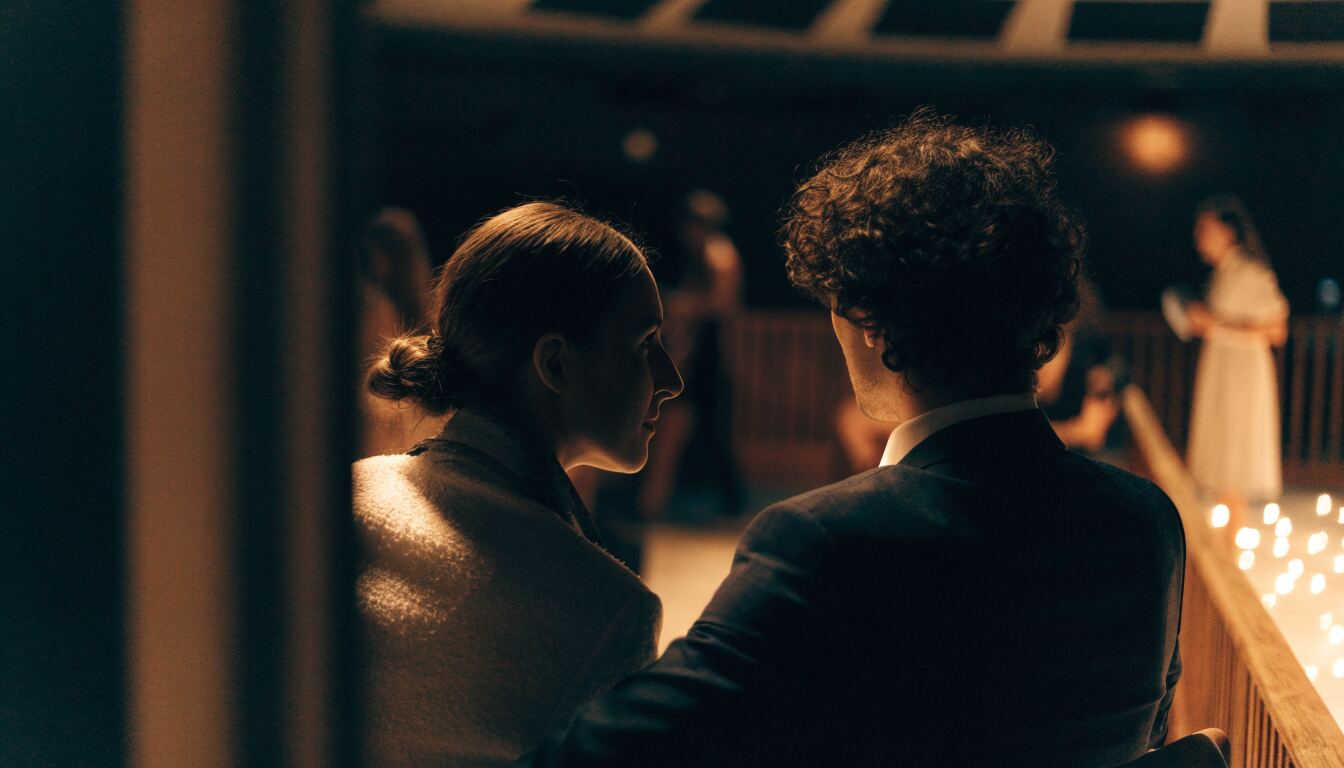
The focus here is on comfort and respect. Hosts put a lot of thought into the vibe, choosing rotating venues that feel more like an upscale lounge than a nightclub. Music stays at a conversational volume, lighting is flattering, and the guest list is carefully managed to maintain a balanced, friendly atmosphere. Every detail, from the dress code to the privacy rules, is built around helping people feel at ease while still embracing a sense of adventure.
Because these events are invite-only, the specifics—like the exact address, theme, and door time—are shared directly with confirmed guests. That can feel a bit mysterious at first, but it’s actually a sign of a well-run social. It protects everyone’s privacy and ensures that only vetted attendees show up. In this guide, we’ll walk you through everything you need to know: how to get on the list, what to wear, how consent works, and how to prepare for a night that’s both classy and memorable.
How to Get Invited and Confirm the Details
Since these gatherings don’t operate on a fixed public calendar, your first step is always to reach out to the organizers directly. Most groups have a simple website or contact page where you can send a message. Don’t be put off if the site looks sparse—that’s often intentional. The real information flows through personal communication, not a flashy online presence.
When you write, be polite and concise. Introduce yourself (and your partner, if applicable), express interest in attending, and ask for the next confirmed date. It’s also smart to request key details in one go so you don’t have to play email tag. Here’s a checklist of what to ask:
- Date and time: Get the exact start time, the window for arrival, and the cutoff for entry. Ask about the timezone if you’re traveling.
- Location model: Is it a hotel suite, a rented private space, or a reserved section of a bar? Knowing this helps you plan your outfit and transportation.
- Address release: Most hosts only share the venue after your RSVP is confirmed. Ask when and how you’ll receive it—via email, text, or a private portal.
- Eligibility: Confirm who’s welcome. Couples and single women are typically on the list, but single men may need pre-approval or face capacity limits.
- Pricing and payment: Costs can vary by guest type and event theme. Ask about the door fee, whether they take cash or digital payments, and if any early-bird discounts apply.
- Dress code and theme: Even if a theme is announced, get clarification on how strictly it’s enforced and if any items are banned.
- BYOB and bar details: Some venues let you bring your own drinks; others have a cash bar. Ask about mixers, glassware rules, and any bottle limits.
- Phone and photo policy: Most socials restrict cameras. Find out if they use phone stickers, lockers, or a simple honor system.
- Accessibility: If you have mobility concerns, ask about stairs, elevators, seating, and restroom access.
- Parking and rideshare: Learn where to park, whether it’s free, and where the best pickup and drop-off points are.
Once you have answers, cross-check them for consistency. A reliable host will give you clear, written details that match any previous communication. Watch out for red flags like pressure to prepay through odd channels, publicly posted addresses that contradict privacy claims, or vague responses that dodge practical questions. If anything feels off, trust your gut and ask for more clarity.
On the day of the event, send a quick message to reconfirm the time and address. Pack your ID, your preferred payment method, and any other essentials (we’ll get to those later). By the time you walk through the door, you should feel prepared and excited, not anxious.
The Venue Experience: What Spaces to Expect
Because these socials move between different locations, each night can have a slightly different flavor. One event might take place in a chic hotel suite with a separate lounge and play area, while another could be in a private home with a sprawling patio. The common thread is that every space is chosen to encourage mingling and comfort.
Typically, you’ll find distinct zones at any well-organized gathering:
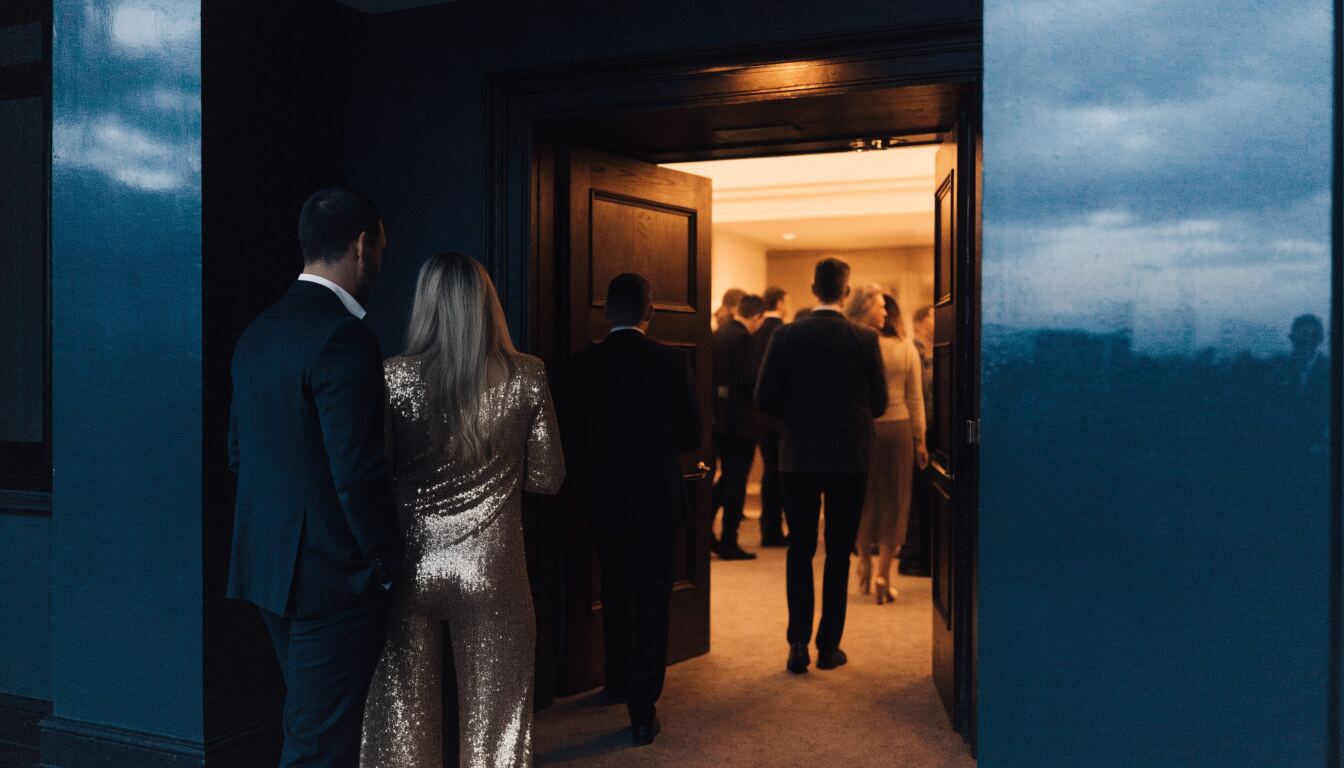
- The reception area: This is where you check in, show your ID, and get oriented. Hosts or volunteers will likely give you a wristband or stamp and explain the layout. If you’re new, this is a great moment to ask questions.
- Social and lounge spaces: Comfortable seating, cocktail tables, and a bar or refreshment station set the tone here. The music should be loud enough to create ambiance but quiet enough for real conversations. This is where most of the evening’s connections begin.
- Dance floor or activity area: Some events include a space for dancing or light entertainment. Even if you’re not a dancer, it’s a fun spot to people-watch and soak up the energy.
- Play-designated rooms (if offered): Not every event includes these, but when they do, strict rules apply. Closed doors usually mean privacy—knock once and wait for a response. Always place a towel down if provided, and clean up after yourself. Respect the line between social and play areas: what happens in one zone doesn’t automatically carry over to the other.
- Outdoor or smoking areas: If the venue has a patio or designated smoking spot, use it discreetly. Be mindful of noise levels, especially late at night, to avoid drawing attention from neighbors.
Amenities like lockers, showers, and water stations vary by location, so don’t assume anything. If you know you’ll want to freshen up or store valuables, ask the host beforehand. The same goes for temperature control—some older buildings can be drafty or stuffy, so a light layer is always a smart addition to your bag.
Accessibility is another key point to confirm. Not all private venues are equipped with elevators or ramps. If you need specific accommodations, reach out early so the hosts can give you an honest picture of what to expect. They’d much rather address your concerns in advance than have you struggle on the night.
Consent, Privacy, and the Rules That Keep Everyone Safe
The lifestyle community thrives on mutual respect, and these gatherings are no exception. The foundation of every interaction is enthusiastic consent. That means a clear, verbal “yes” every single time, without any pressure or ambiguity. If someone hesitates, says “maybe later,” or simply doesn’t respond with excitement, it’s a no. Past consent doesn’t apply to the present moment, and being in a play area doesn’t equal an invitation.
When you’re approaching someone, keep it classy. Start with a genuine compliment or a friendly conversation starter, then ask if they’re open to more. Never assume interest based on someone’s outfit, their partner’s behavior, or what you’ve seen them do earlier in the night. And if you get a polite decline, accept it gracefully. A simple “No problem, enjoy your evening” keeps the vibe positive and shows you’re a respectful guest.
Privacy is equally important. Most attendees use first names or screen names only, especially during initial introductions. Never share personal details like someone’s job or last name unless they’ve explicitly given permission. The event address is confidential—posting it online or telling uninvited friends is a serious breach of trust. And after the night is over, don’t out anyone by mentioning their attendance in public forums or social media.
Phones and cameras are usually restricted. Many hosts use stickers to cover your camera lens or ask you to leave your phone in a locker. Even if you’re allowed to keep your device, assume no photos or videos are ever okay. That includes candid shots of the crowd, the venue, or even your own outfit if others might be in the background. The goal is to create a space where everyone can relax without worrying about their image ending up online.
Substance use is another area where clarity matters. Arrive with a clear head; if you’ve had too much to drink or used anything that impairs your judgment, you shouldn’t be participating in any intimate actvities. Illegal drugs are strictly prohibited, and hosts have the right to remove anyone who becomes disruptive or unable to consent. It’s about protectng the safety and comfort of the entire group.
Hygiene also plays a role in consent. Feling fresh helps everyone relax. Bring a small kit with mints, deodorant, and maybe a travel-size body wipe. If you plan to use play spaces, carry your own protection and lubricant rather than relying on communal supplies. After using any shared area, tidy up—it’s a simple gesture that shows respect for the next person.
If you ever witness someone crossing a boundary or making others uncomfortable, report it to a host immediately. They’re trained to handle these situations discreetly and fairly. Rule breakers may be asked to leave without a refund, and repeat offenses can lead to a permanent ban. This might sound strict, but it’s what keeps the community safe and welcoming for everyone.
What to Wear: Dress Code and Theme Ideas
The overall vibe is upscale-sexy—think polished, confident, and a little bit daring. You want to look like you made an effort without appearing like you’re trying too hard. For women, that might mean a cocktail dress, a sleek jumpsuit, or chic clubwear. For men, tailored pants and a fitted shirt are a safe bet; dress shoes or clean, minimal sneakers complete the look. The key is to choose fabrics and silhouettes that you can move comfortably in for several hours.
Themes add an extra layer of fun, but they’re never mandatory. If the night has a specific idea—like Neon Glow, Masquerade, or Black & Gold—you can participate at two levels. For a low-key approach, incorporate one accent piece in the theme color: a belt, a clutch, or a pair of earrings. For full commitment, go head-to-toe with metallic accessories, UV-rective fabrics, or a dramatic mask. Just remember that comfort still matters. If you’re wearing heels, pack a pair of foldable flats for later.
Here are some common theme directions and how to interpret them:
- Neon or Glow: A black base with a pop of fluorescent color works wonders. If you go all out, look for UV-rective mesh, glow bracelets, or body paint that stays put and doesn’t transfer to furniture.
- Masquerade or Elegant: A simple eye mask paired with cocktail attire is perfectly chic. For a more dramatic take, consider a floor-length gown or a tuxedo with an ornate mask—just make sure your shoes are still danceable.
- Lingerie and Layers: A bodysuit under a blazer or a corset over a blouse hints at the theme while staying social-appropriate. If you want to reveal more later, bring a tasteful robe or kimono for transitioning between spaces.
- Festival or Pool Nights: Quick-dry fabrics and non-slip footwear are essential. A swimsuit under a light cover-up works well, and a small towel plus a hair tie will keep you comfortable.
Avoid anything that could be a nuisance in close quarters: heavy gliter that sheds, accessories with sharp edges, or overly strong fragrances that might bother others. Gymwear, flip-flops (unless it’s a pool event), and ripped jeans are generally too casual. If you’re unsure about a particular item, shoot the host a message—they’d rather clarify than see you turned away at the door.
Also, remember that clothing is not consent. A revealing outfit is a form of self-expression, not an invitation. Always ask before touching, and never assume someone’s attire signals their intentions. This rule is central to the culture and is reinforced by hosts throughout the night.
Pricing, Payment, and the RSVP Process
Since each event is planned individually, there isn’t a universal price list. Costs depend on factors like the venue rental, any added entertainment, and whether the night includes extras like a hosted bar. When you contact the organizers, ask for a clear breakdown by guest type. Couples often receive a joint rate, while single women might have a lower fee and single men a higher one—if they’re admitted at all.
Payment is usually handled at the door, often in cash. Some hosts accept digital payment apps, but don’t assume—confirm which ones are welcome and whether you need exact change. A few events might require a small deposit or prepayment to secure your spot, especially if capacity is tight. If that’s the case, ask about the refund and transfer policy before you send any money. A trustworthy host will be transparent about what happens if you need to cancel or change the name on your reservation.
The RSVP flow typically works in two stages. First, you reach out, get approved, and receive a confirmation. Then, closer to the event date—often the day before or morning of—you’ll get the exact address along with arrival instructions. Pay close attention to the door-close time. Many private socials have a firm cutoff, and if you’re late, you might not get in even with a confirmed RSVP.
At the door, expect to show your government-issued ID. The minimum age is almost always 21, but confirm this with the host. You’ll also need to give the name or screen name you used when you RSVPed. If the event uses wristbands or stamps for different access levels, the check-in team will explain what each one means.
Once you’re inside, keep your ID and payment method secure—a small crossbody bag or a pocket with a zipper is ideal. Avoid bringing large purses or unnecessary valuables. The less you have to keep track of, the more you can relax and enjoy the evening.
Preparing for a Smooth Night Out
A little forethought goes a long way toward making your experience seamless. Start with a practical packing list. Beyond your ID and payment, consider bringing a discreet cover-up (like a blazer or wrap) for moving between areas, especially if the venue has outdoor spaces. A small grooming kit with mints, deodorant, hair ties, and a travel-size stain remover can be a lifesaver. If you wear contact lenses, pack a spare pair and some rewetting drops—long nights can dry out your eyes.
Transportation logistics matter too. If you’re driving, know exactly where to park and whether the lot is secure. For rideshare, ask the host where the best pickup and drop-off point is—some venues prefer you use a side entrance or avoid congregating out front. Plan your route in advance so you’re not fumbling with your phone at the last minute. And always have a backup plan for getting home safely, especially if you plan to drink.
Communication with your partner is crucial. Before you arrive, talk about boundaries, signals, and what you’re both hoping to get out of the night. Check in with each other regularly throughout the event. A simple “How are you feeling?” or a pre-arranged hand signal can keep you connected even in a busy room. If one of you wants to leave early or take a break, honor that without guilt. The night should feel good for both of you.
When the event winds down, leave discreetly. Don’t linger in the parking lot or outside the venue, as this can draw unwanted attention. Once you’re home, take time to debrief with your partner. Talk about what you enjoyed, what surprised you, and anything you’d do differently next time. This aftercare is just as important as the event itself—it strengthens your bond and helps you both process the experience.
Staying Safe and Informed Over Time
The lifestyle scene is always evolving, and private groups like this one may change their format, venues, or contact methods over time. What’s true today might shift in a few months, so it’s wise to stay in touch with the hosts and watch for updates. If you hear about a gathering from a third-party site or a friend, always verify the details with the organizers before you commit. Unverified information can lead to confusion, wasted time, or even safety risks.
When you do attend an event, consider keeping a small log for yourself. Note the date, the venue model, what you paid, and any standout rules. This helps you compare future invitations and spot any inconsistencies. If you ever feel that a host’s communication has become vague or that safety standards are slipping, trust your instincts and take a step back.
For those new to the community, these socials can be a wonderful entry point. The emphasis on consent, clear communication, and low-pressure socializing makes them far less intimidating than they might seem from the outside. By doing your homework, dressing with care, and treating everyone with respect, you’ll not only have a great time but also contribute to the welcoming atmosphere that keeps these gatherings thriving.
Ultimately, the heart of any good lifestyle event is the people who attend. When everyone shows up with a spirit of curiosity, kindness, and responsibility, the result is a night that feels both exciting and safe. Whether you’re dancing, chatting over a drink, or simply soaking in the ambiance, you’re part of a community that values connection above all else. And that’s something worth dressing up for.