Separating Fact from Fiction in Male Same-Sex Connections
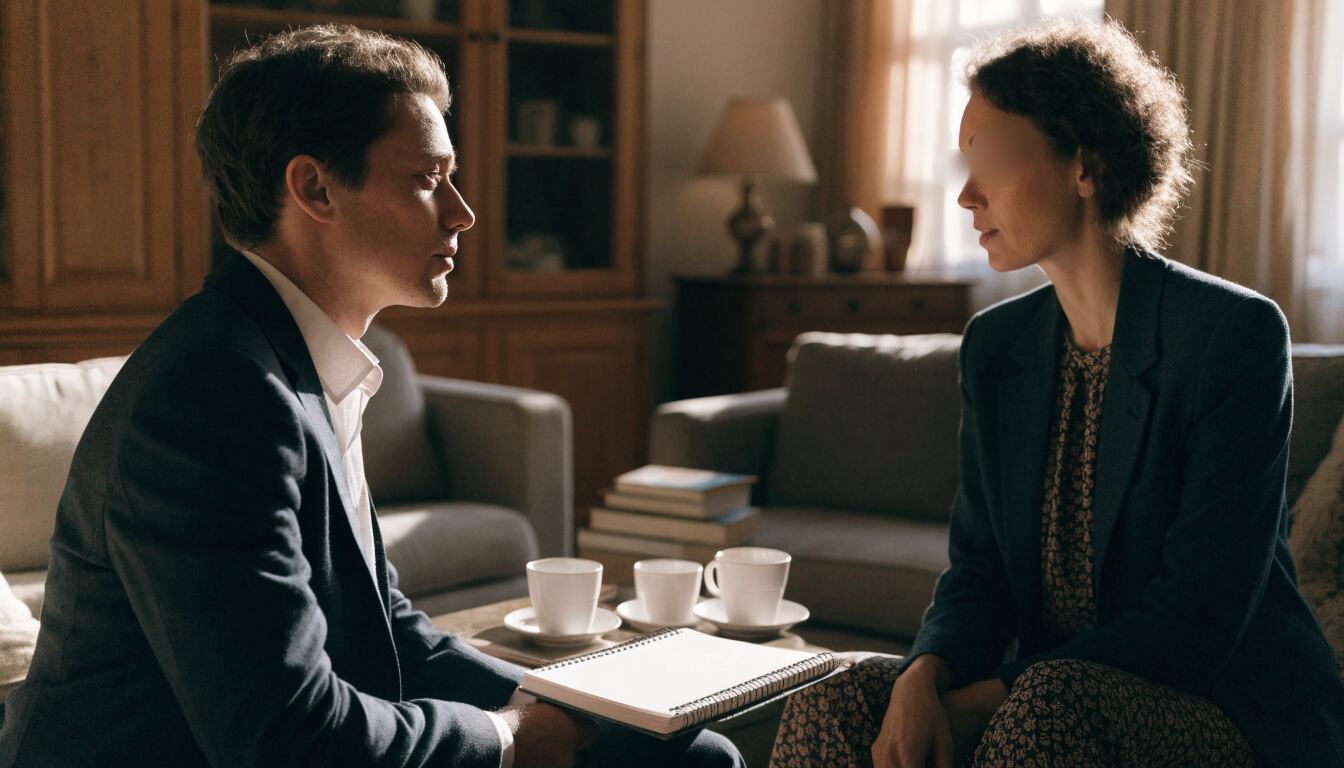
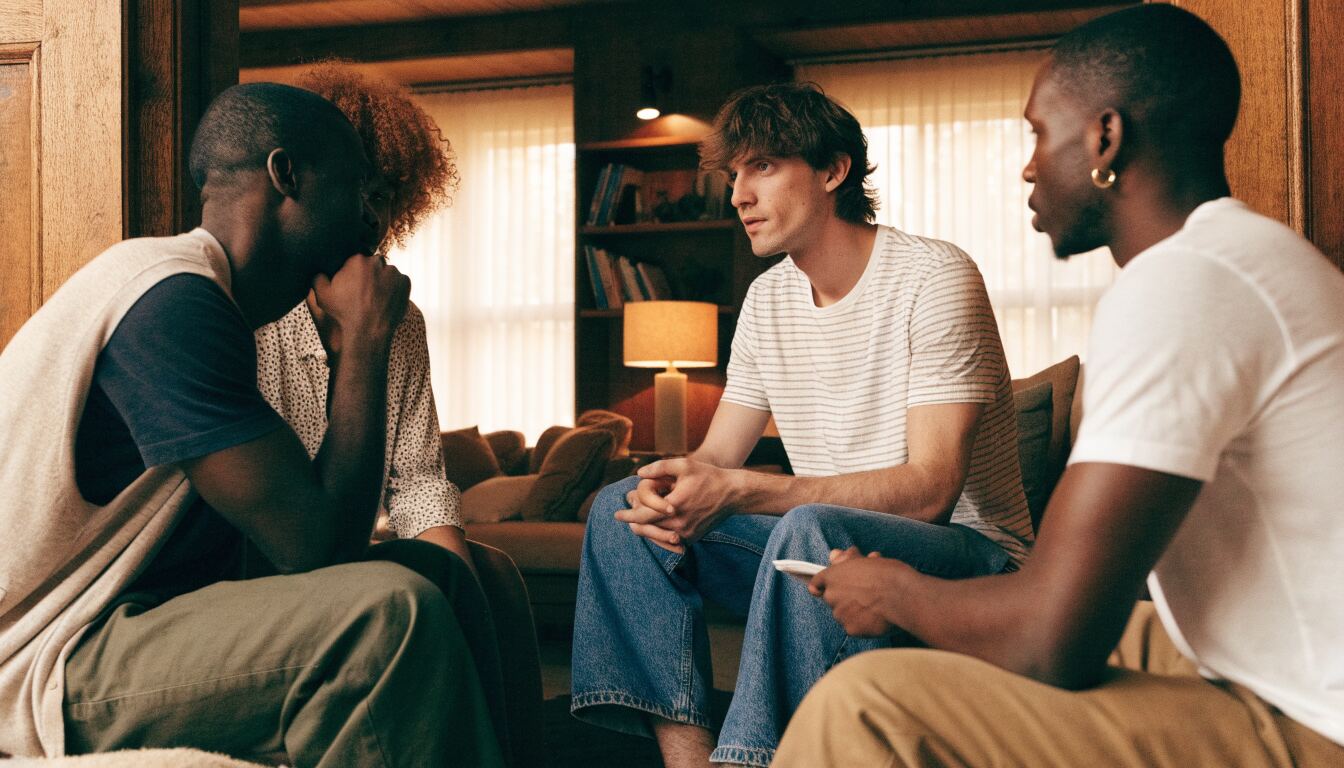
Misinformation travels fast, especially when it comes to topics that people don't openly discuss. Over time, a collection of assumptions has built up around men who explore same-sex experiences, shaping how society views them. These ideas often come from outdated media portrayals, hearsay, or simply a lack of exposure to diverse realities. The truth is far more nuanced, and it's time to unpack these beliefs one by one. This discussion aims to challenge the clichés and offer a clearer, more respectful picture of what these experiences actually involve, without falling back on tired narratives.
Many of the myths we'll explore don't just misrepresent individuals—they can also create barriers to honest self-exploration. When people internalize false narratives, it can lead to unnecessary shame or confusion. By addressing these topics directly, we can foster a more open environment where curiosity is met with understanding rather than judgment. Let's dive into the most common misconceptions and see what the reality looks like.
Reexamining Lifestyle Assumptions About Men Who Explore Same-Sex Play
The Party Scene Stereotype Doesn't Tell the Whole Story
One persistent image suggests that men interested in same-sex encounters are constantly immersed in nightlife—think endless club nights, wild events, and a calendar packed with social gatherings. While some individuals certainly enjoy vibrant social scenes, this portrayal flattens a rich diversity of lifestyles into a single, shallow caricature. It implies a lack of seriousness or maturity, which couldn't be further from reality for most.
Consider the actual scope of lives led by these men. They're fathers raising children, engineers solving complex problems, volunteers supporting their communities, and artists creating meaningful work. Some might relish a dance floor on a Saturday night, but others find joy in gardening, hiking solo, or hosting intimate dinner parties. The preference for a quiet evening versus a loud celebration isn't determined by who someone finds attractive. It's shaped by personality, energy levels, and personal priorities—factors that vary just as much within this group as they do in any other.
Practical tip: If you're meeting someone new in a lifestyle setting, avoid jumping to conclusions about their social habits. Ask open-ended questions about how they like to spend their free time. You'll often discover hobbies and routines that defy the party-centric stereotype entirely.
Fashion Sense Isn't Encoded in Orientation
Another widespread notion claims that men drawn to same-sex connections possess an innate, almost magical flair for style and grooming. This idea treats fashion awareness as a built-in feature rather than a personal interest. In truth, aesthetic preferences have nothing to do with sexual orientation. They stem from individual curiosity, cultural influences, and the time someone invests in developing their look.
Walk through any city and you'll see sharp-dressed men of all orientations alongside those who prioritize comfort over trends. Some gay or bisexual men could critique a runway show with expertise; others would struggle to match a tie with a shirt. The same range exists among straight men. Reducing anyone's entire aesthetic identity to their orientation ignores the beautiful randomness of personal taste. It's also worth noting that style evolves—someone might dress conservatively for years before discovering a love for bold patterns, and that journey is uniquely theirs.
When engaging with lifestyle communities, remember that appearance tells you very little about someone's inner world. A meticulously dressed individual might be shy and bookish, while a guy in worn jeans could be the life of the party. Let go of visual assumptions and get to know the person beneath the surface.
The Overblown 'Drama' Label Needs to Go
A particularly stubborn trope paints men who explore same-sex dynamics as excessively emotional, theatrical, or prone to stirring up conflict. This "drama queen" label often masks deeper discomfort with men expressing feelings openly, something society has historically discouraged. In reality, emotional expressiveness varies enormously across all human beings, regardless of who they love.
Some individuals are naturally more demonstrative—they laugh loudly, cry easily, and speak with passion. Others maintain a calmer exterior. Neither style is inherently linked to orientation. The problem with this myth is that it dismisses legitimate emotions as performative, making it harder for men to be authentic without facing ridicule. If a straight man vents about a bad day, he's "just letting off steam"; if a gay man does the same, the old stereotype might unfairly frame him as being dramatic.
To counteract this, practice taking emotional expressions at face value. If someone seems upset, ask what's going on rather than silently attributing it to a supposed group trait. Building this habit strengthens connections and chips away at harmful generalizations.
Navigating Masculinity and Self-Identity
The Complex Relationship with Traditional Manhood
Masculinity isn't a simple, one-dimensional concept for anyone, but men who engage in same-sex play often navigate an additional layer of complexity. Society sends conflicting messages: be a "real man" while also being true to your desires, which some people incorrectly view as contradictory. This creates an internal tug-of-war that many work through over years of self-reflection.
The experience can feel like trying to fit a square peg into a round hole. Traditional masculine ideals emphasize stoicism, physical toughness, and emotional restraint. Yet authentic self-expression might involve tenderness, vulnerability, or interests that don't align with those narrow boxes. The key insight here is that masculinity isn't a monolith—it's a spectrum, and there's no single correct way to embody it. Men in the lifestyle community often develop a more expansive view of what being a man can mean, one that accommodates their full humanity.
Why 'Straight-Acting' Pressure Exists
You've probably encountered the term "straight-acting" or felt its influence. This concept suggests that to be accepted—whether in professional settings, family gatherings, or even within certain dating circles—a man must downplay any traits that might be read as non-heterosexual. The pressure can be intense, pushing individuals to monitor their voice, gestures, interests, and even the way they walk.
This performance comes at a cost. Constantly policing oneself is exhausting and can lead to a fractured sense of identity. Some men describe feeling like they're living a double life, code-switching between different versions of themselves depending on the audience. The underlying message is damaging: that certain natural expressions are shameful and must be hidden. Breaking free from this pressure often involves finding communities where authenticity is celebrated rather than merely tolerated. Supportive spaces allow men to relax into who they truly are, whether that aligns with conventional masculinity or not.
Internalized Homophobia and Overcompensation
Sometimes the drive to appear ultra-masculine doesn't come from outside judgment but from within. Growing up in a culture that often stigmatizes same-sex attraction can plant seeds of self-doubt that take root deep in the psyche. This internalized homophobia may cause a man to overcorrect, adopting exaggerated masculine traits to prove something—to himself or to the world.
Manifestations can be subtle. He might exclusively pursue partners who embody rugged, traditional masculinity. He might feel uncomfortable around men who express femininity, not because of genuine preference but because it mirrors something he fears in himself. Working through these feelings requires honest introspection and sometimes professional support. The goal isn't to reject masculinity but to embrace it on one's own terms, free from the need to compensate for perceived inadequacies.
Attraction to Masculine Partners Is Perfectly Valid
Let's normalize this: many men who explore same-sex connections are genuinely drawn to partners who present in traditionally masculine ways. This preference isn't a rejection of femininity or a sign of self-loathing—it's simply what resonates for them. Think about it like any other aspect of attraction, such as being drawn to a particular sense of humor or a certain physical build.
This pull toward masculine energy can be about complementarity or shared understanding. A man who identifies strongly with his own masculinity might feel a natural kinship with someone on a similar wavelength. It's one thread in the rich tapestry of human desire, not a statement about the worth of other expressions. Recognizing this helps reduce judgment within communities and allows people to own their preferences without apology.
Some research into male same-sex dynamics has highlighted interesting patterns in how men perceive their own masculinity and what they seek in partners. While individual preferences vary widely, a notable portion of men express a desire to embody or connect with traditionally masculine traits. This doesn't diminish other ways of being; it simply reflects the diversity of attraction.
Correcting Dangerous Myths About Attraction and Behavior
Dismantling the Predator Stereotype
Perhaps the most damaging myth of all is the baseless idea that men interested in same-sex encounters are inherently predatory. This harmful falsehood has roots in fear, ignorance, and deliberate smear campaigns throughout history. It paints an entire group as threatening, ignoring the fundamental reality that healthy attraction between adults—regardless of gender—is based on mutual interest, clear communication, and respect for boundaries.
Predatory behavior is an individual issue, not a characteristic of any orientation. Straight men, gay men, bisexual men, and everyone else can behave ethically or unethically. The stereotype persists partly because it serves as a convenient scapegoat, allowing people to project anxieties onto a marginalized group rather than addressing the real complexities of consent and interpersonal dynamics. Every time this myth goes unchallenged, it inflicts real harm by making innocent people feel unsafe or unwelcome.
If you hear someone perpetuating this idea, a calm, factual response can go a long way. Explain that attraction and predation are fundamentally different concepts, and that lumping them together unfairly stigmatizes millions of decent individuals. Education, not fear, is the path forward.
Broadening Our Understanding of Gender Expression
Femininity Belongs to Everyone
For too long, traits labeled as feminine—gentleness, aesthetic sensitivity, emotional openness—have been cordoned off as the exclusive domain of women. This artificial division limits everyone. Men, irrespective of their sexual orientation, can and do express femininity in ways that feel authentic to them. This isn't about performance; it's about honoring the full range of human qualities that exist within each person.
Consider how arbitrary these categories really are. A man who nurtures children, arranges flowers beautifully, or cries during moving films isn't "acting like a woman"—he's being a complete human being. The boxes we've constructed around gender expression are relatively recent inventions in human history, and they've never fit perfectly. Moving beyond them opens up possibilities for richer self-expression and deeper connections with others.
Masculinity Isn't Reserved for Straight Men
>On the flip side, some people mistakenly believe that authentic masculinity is somehow incompatible with same-sex attraction. This couldn't be more wrong. Strength, assertiveness, athleticism, stoicism, and all the classic markers of traditional manhood can coexist perfectly well with any orientation. Many men in the lifestyle embody these traits daily—they're coaches, construction workers, military veterans, and outdoor enthusiasts.The disconnect comes from a cultural habit of viewing masculinity as something that must be performed for or validated by women. In reality, masculinity is an internal quality that exists independently of who someone dates or loves. Men can be masculine for themselves, for their partners of any gender, or simply because that's how they feel most comfortable. The pressure to appear "straight-acting" often reflects societal bias rather than any authentic limitation.
Embracing the Full Spectrum
Gender expression is more like a color wheel than a light switch—endless variations exist between and beyond the poles of masculine and feminine. Some days a person might lean more one way; other days, another. Some people find a consistent presentation that feels like home; others enjoy playing with different expressions depending on context or mood.What matters most is authenticity. When people feel free to present themselves honestly, without fear of judgment, they thrive. This freedom benefits everyone, not just those exploring same-sex dynamics. It creates a culture where individuals are seen for who they are rather than being squeezed into prefabricated molds. Here are a few principles to keep in mind:
>Myths Debunked: More Misconceptions About Male Same-Sex Play
Orientation Is Not a Medical Condition
>Let's state this unequivocally: experiencing same-sex attraction is not an illness, a disorder, or a problem requiring treatment. For decades, misguided medical establishments classified it as such, causing immense harm. Modern science has thoroughly repudiated these views. Landmark research by pioners like Evelyn Hooker demonstrated decades ago that mental health outcomes don't differ based on orientation when societal stigma is accounted for.Major health organizations worldwide—including psychological and psychiatric associations—recognize that same-sex attraction is a natural, healthy variation of human experience. It doesn't inherently cause distress; discrimination and prejudice do. Any suggestion that someone can or should be "cured" is not only scientifically baseless but ethically reprehensible. If you encounter these outdated ideas, remember that the consensus among experts is clear and overwhelming.
Athletic Ability Knows No Orientation
>The myth that gay or bisexual men can't excel in sports is particularly absurd when you examine it for even a moment. Athletic performance depends on physical conditioning, mental focus, strategic thinking, and countless hours of practice—not on who someone finds attractive. Yet this stereotype persists, likely because it's tangled up with narrow definitions of masculinity.Look at the evidence: openly gay athletes compete at the highest levels across virtually every sport, from Olympic diving to professional football to extreme mountain climbing. Their achievements speak for themselves. The locker room culture that sometimes discourages openness is a social problem, not a reflection of any inherent limitation. As more athletes share their authentic selves, the next generation sees that sports truly are for everyone.
Tip for lifestyle communities: If you're organizing recreational sports or fitness activities, explicitly welcome participants of all orientations. Visible inclusivity helps counter the myth and creates spaces where people can bond over shared interests without hiding parts of their identity.
Speech Patterns Are Highly Individual
>Another lazy generalization claims that men who explore same-sex dynamics all share a distinctive way of speaking. While some individuals may adopt certain vocal patterns or phrases—perhaps as a way of signaling community membership or simply because it feels natural—there's no universal "accent." Speech is shaped by geography, education, family background, peer groups, and personal idiosyncrasies.Linguistic research shows that vocal characteristics vary as much within orientation groups as between them. A man raised in rural Texas will likely sound different from one raised in urban London, regardless of who they're attracted to. The assumption that an entire diverse population sounds the same is not only inaccurate but erases the rich tapestry of individual voices. Everyone speaks in their own unique way, and that diversity is something to appreciate rather than erase.
Creating a Future Beynd Stereotypes
>We've walked through a landscape of misconceptions—from how men live their daily lives to how they express gender to what they're capable of achieving. The common thread is clear: stereotypes consistently fail to capture the nuanced reality of individual human beings. They're shortcuts that lead to dead ends, preventing genuine understanding and connection.Dismantling these myths isn't just an intellectual exercise. It has real-world consequences. When we let go of false narratives, we create room for people to explore their identities without shame. We build communities where honesty is met with acceptance rather than suspicion. We allow friendships and relationships to develop based on who someone actually is, not who we assumed they'd be.
The work of moving past stereotypes is ongoing. It requires us to catch ourselves when we make snap judgments, to speak up when we hear misinformation, and to remain curious about experiences different from our own. Every conversation that challenges a myth is a small step toward a more compassionate world. Let's keep having those conversations, keep learning from each other, and leave the tired old clichés where they belong—in the past.
Common Questions About Same-Sex Exploration for Men
Is it true that men into same-sex play are always out partying?
Hardly. While nightlife appeals to some, it's a tiny slice of a much bigger picture. Many men prefer low-key activities like hiking, cooking at home, attending book clubs, or spending time with family. Lifestyles are as varied as personalities, and assuming everyone fits the party mold ignores the quiet, grounded lives that many lead. If you're curious about someone's social preferences, just ask—you'll likely be surprised by the range of answers.
Do these men naturally have better fashion sense?
Not at all. Style is a personal interest, not a biological trait linked to orientation. Some men devote time to cultivating a sharp look; others couldn't care less about clothing trends. You'll find the same spectrum among straight men. The idea that attraction dictates aesthetic ability is just a stereotype with no basis in reality.
Are men who explore same-sex dynamics overly dramatic?
This tired label doesn't hold up. Emotional expressiveness varies from person to person and has nothing to do with orientation. Some individuals are naturally more animated, while others are reserved. The "drama" myth often stems from discomfort with men showing feelings openly—a cultural bias we'd all benefit from leaving behind.
Are they only attracted to very masculine guys?
Preferences are diverse. While many men do find masculine-presenting partners appealing, others are drawn to a wide range of gender expressions. Attraction is complex, involving personality, chemistry, shared values, and countless other factors. Reducing it to a single type oversimplifies how human connection actually works.
Can same-sex attraction be cured or treated?
>Absolutely not. Scientific consensus is firm: same-sex attraction is a natural, healthy variation of human sexuality, not a disease. Efforts to change orientation are unethical and harmful. The distress some people experience comes from societal stigma, not from the attraction itself. If you're struggling with these feelings, seek support from affirming professionals or community groups.Can men who explore same-sex play be good at sports?
Without question. Athletic skill depends on training, dedication, and natural ability—not on who someone dates. Openly gay and bisexual athletes compete and win at every level, from local rec leagues to international championships. The playing field is open to everyone, and orientation has zero impact on performance.