A Tale of Two Dating Worlds
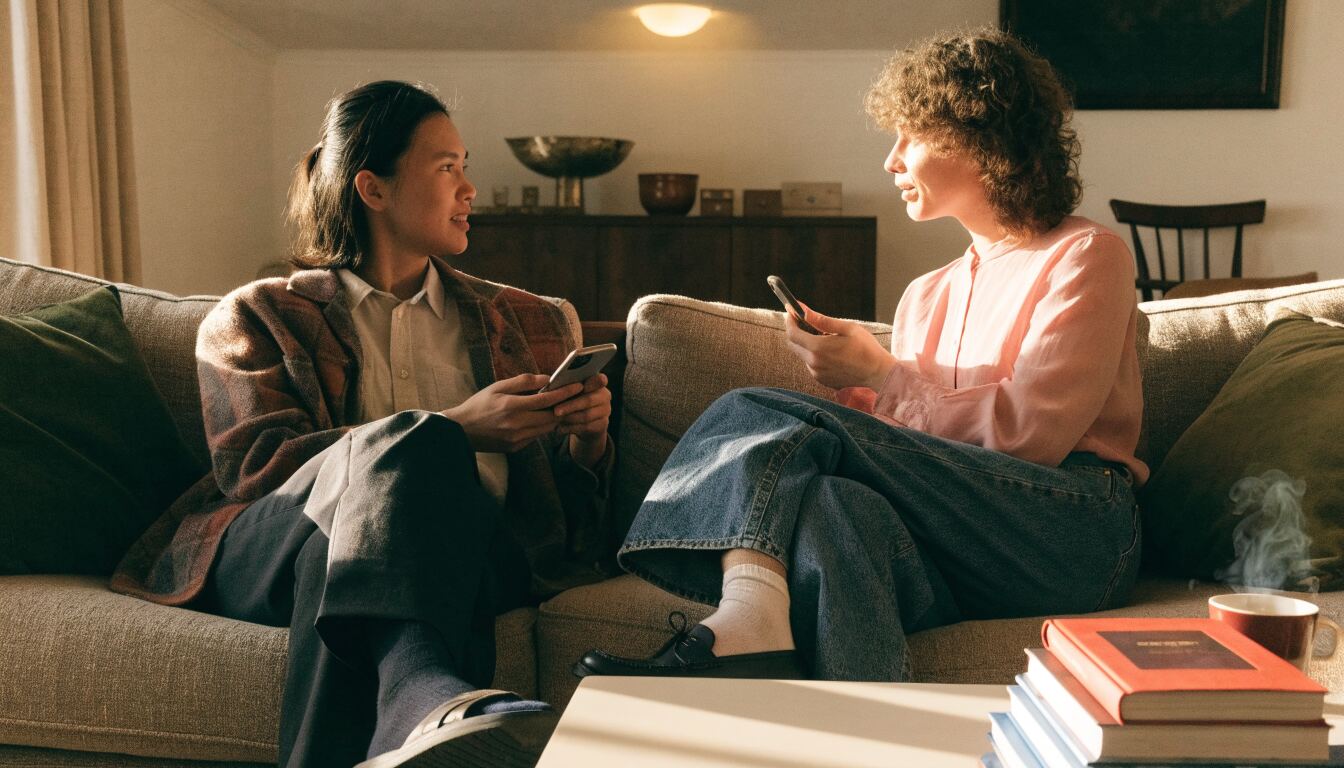
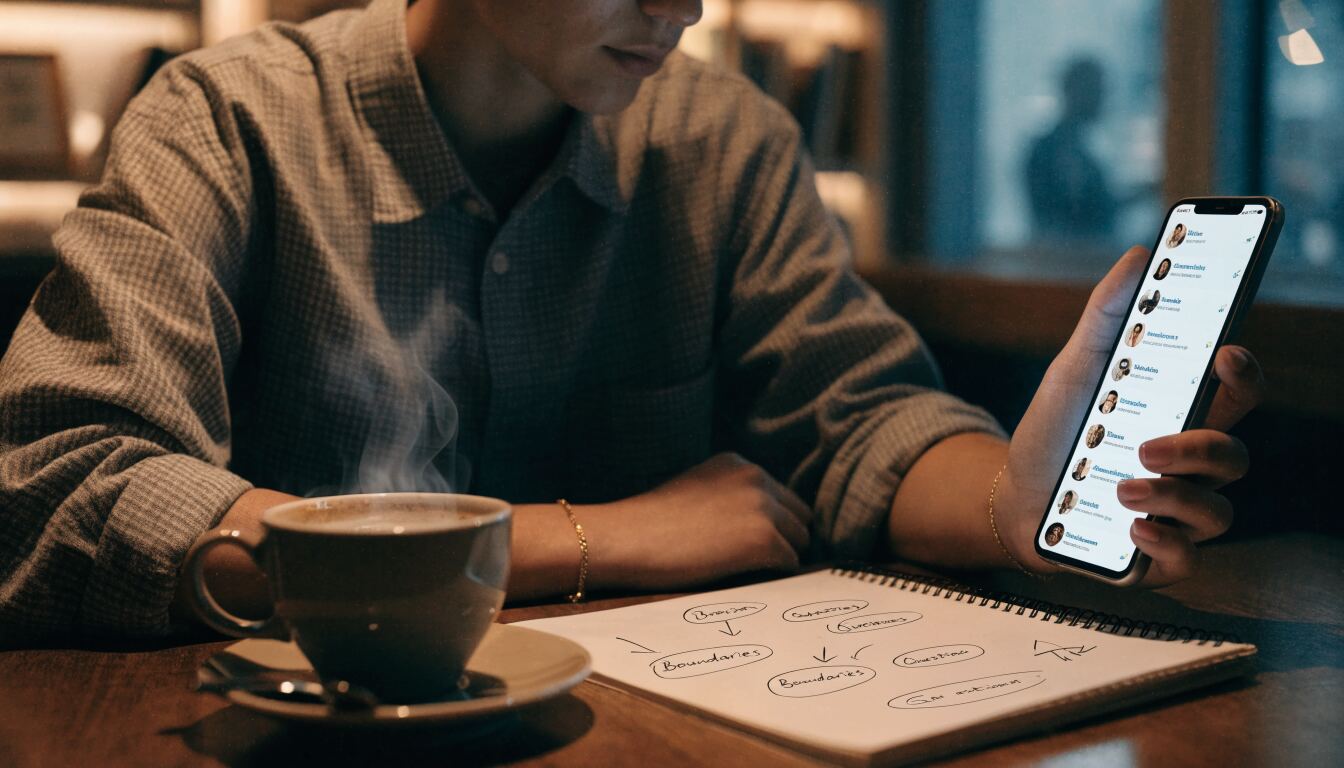
The romantic terrain of Brooklyn has undergone a seismic shift in recent years. Not long ago, meeting someone meant striking up a conversation at a coffee shop, being introduced by mutual friends, or attending a neighborhood event. Today, the dominant narrative revolves around dating apps—Tinder, Bumble, Hinge, and countless others—where a thumb swipe can determine the trajectory of a potential relationship. Yet a quiet countermovement is brewing. Many singles and couples are stepping away from their screens to rediscover the texture of offline socializing. This article dives into the tension between digital platforms and face-to-face encounters within Brooklyn's eclectic community, examining how locals are crafting their romantic lives and what each path offers for genuine connection.
The Digital Surge and Its Discontents
From Novelty to Necessity
When Tinder first arrived on the scene, it fundamentally altered the mechanics of meeting people. Before its launch, online dating carried a certain stigma and demanded real effort—lengthy profiles, detailed questionnaires, and a sense of intentionality. Tinder stripped all that away and replaced it with speed and simplicity. Suddenly, finding a companion felt as effortless as flipping through a catalog. The app's influence spread rapidly, normalizing a new behavior: the casual swipe. More than just a technological tool, it introduced a mindset where evaluating potential partners became a rapid-fire, almost reflexive action.
The Spread of Swipe Mentality
This swipe logic has seeped beyond romance into how we consume news, shop for clothes, and even choose restaurants. Within dating, however, it has generated a peculiar contradiction. The sheer volume of options creates an illusion of abundance, yet many users report feeling more disconnected than ever. There is a persistent sensation that someone better is always just one more flick away, which can prevent people from investing in the person right in front of them. The experience often devolves into an endless scroll, leaving participants emotionally drained and oddly unfulfilled. What was meant to simplify connection has, for many, complicated it enormously.
When the Machines Play Matchmaker
Behind the glossy interface, sophisticated algorithms are quietly steering the ship. These mathematical formulas attempt to predict compatibility based on your swiping history, profile details, and in-app behavior. While the promise is that technology will serve up your ideal match, the reality can be far murkier. Algorithms can reinforce existing biases, filtering out individuals who don't fit a narrow mold of desirability. They also create a sense of gamification, where users try to "beat" the system by manipulating their profiles to gain more visibility. This raises an uncomfortable question: are we genuinely connecting with people, or are we interacting with a curated illusion designed by a corporate entity? The worry is that countless meaningful sparks are extinguished because a piece of software never presented them in the first place.
The Revival of In-Person Chemistry
The Magnetic Pull of Singles Gatherings
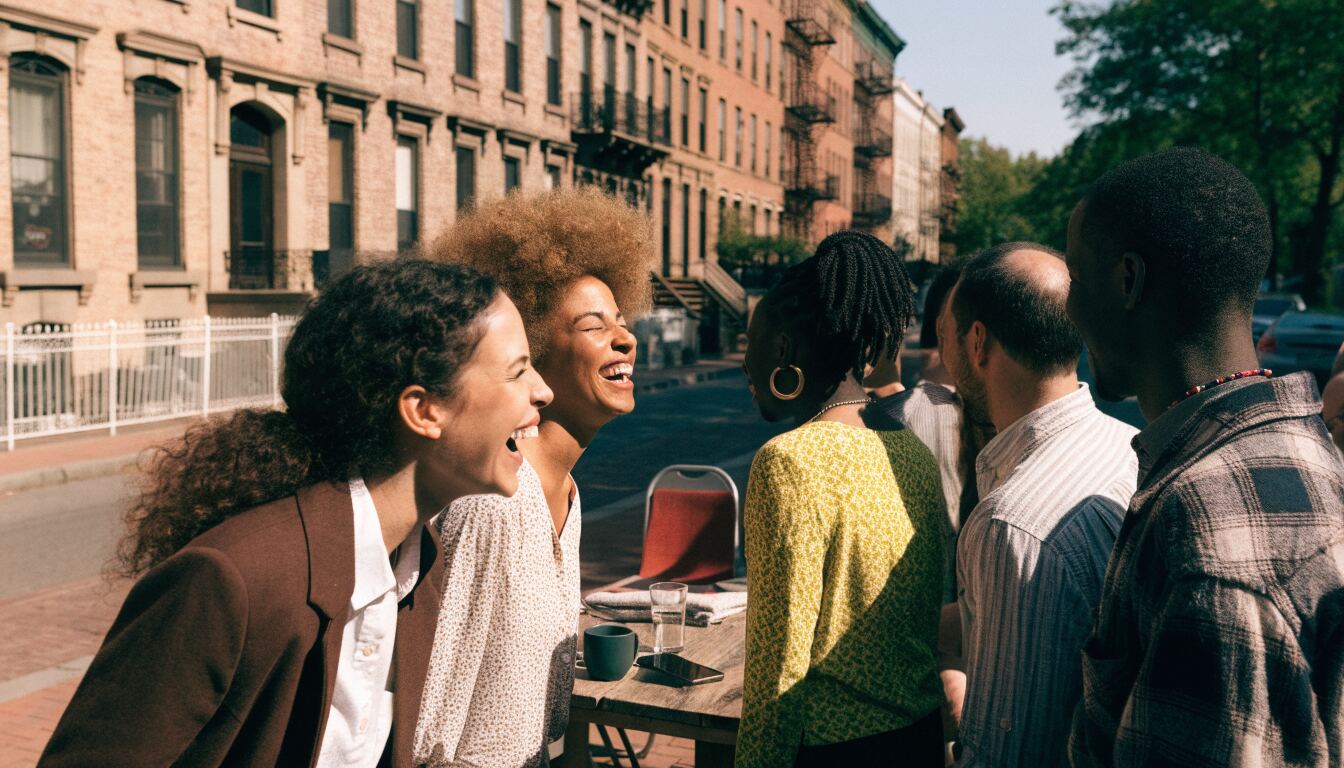
In response to screen fatigue, many Brooklynites are gravitating toward organized face-to-face events. Singles mixers, speed dating nights, and themed social hours are popping up across the borough. These gatherings offer something an app cannot: immediate, unfiltered presence. You bypass the heavily edited photos and painstakingly crafted one-liners, diving straight into conversation with a real human being. The environment often includes icebreakers or shared activities, which eases the initial awkwardness. While walking into a room full of strangers can spike your anxiety, the potential reward is a genuine spark that no digital profile can fully convey. You get to sense tone, body language, and the subtle energy that defines chemistry.
Venturing Into Alternative Lifestyle Spaces
For those exploring non-traditional relationship structures, Brooklyn offers a range of physical venues designed for connection. Lifestyle clubs and social groups provide a consensual setting where like-minded adults can meet without judgment. These environments prioritize clear communication and respect for boundaries, making them distinct from the typical bar or club scene. It is crucial to research any venue beforehand, ensuring its values align with your own comfort level and expectations. Attending an educational workshop or a low-pressure meet-and-greet can be an excellent entry point. These spaces foster a sense of community that extends beyond a single evening, often leading to lasting friendships as well as romantic possibilities.
Finding Love Through Shared Passions
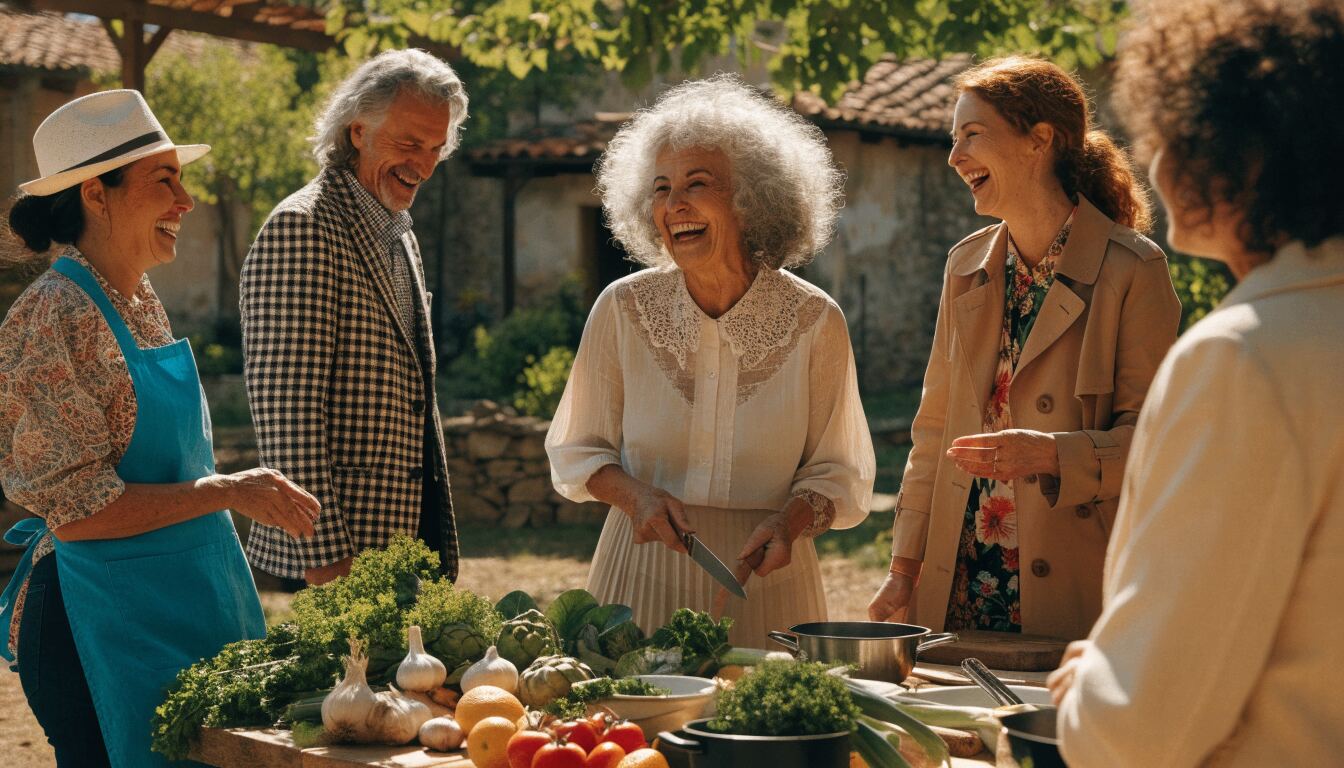
Beyond explicitly romantic events, the broader Brooklyn community teems with opportunities for organic connection. Joining a book club, volunteering at a local garden, signing up for a pottery class, or participating in a recreational sports league can yield surprising results. The beauty of these settings is that the pressure of dating evaporates. You connect over a mutual interest, allowing affection to grow naturally rather than through forced interview-style questioning. Even if a romantic link never materializes, you still spend time doing something you genuinely enjoy, surrounded by people who share your enthusiasm. This low-stakes approach often produces the most authentic and enduring bonds.
Weighing the Financial Drain of Digital Dating
The True Price Tag of Premium Features
Most dating apps market themselves as free, but the reality is far more transactional. Basic accounts often bury your profile so deep that visibility becomes nearly nonexistent. To be seen, you are nudged toward monthly subscriptions that can range from ten to over fifty dollars. The costs don't stop there. Additional pay-per-use features—profile boosts, super swipes, or the ability to see who already liked you—quietly drain your bank account. What begins as a casual free download can quickly morph into a recurring bill that rivals a gym membership or streaming service.
The Ripple Effect on Your Wallet
The financial impact extends well beyond the app store. A higher volume of matches typically translates to a higher volume of dates, each carrying its own expense. Coffee meetings, cocktail hours, and dinner outings accumulate rapidly. If you are actively engaging with multiple platforms, you might find yourself going out four or five nights a week, each occasion chipping away at your monthly budget. This creates a paradoxical cycle: you pay to access potential partners, then you pay again to spend time with them, often with no guarantee of a second meeting.
A Side-by-Side Expense Comparison
When you tally the numbers, the cost of app-dependent dating can look staggering compared to offline alternatives. Imagine a typical month: a premium subscription at thirty dollars, an extra twenty dollars for boosts and other add-ons, and four dates averaging fifty dollars each. That totals two hundred and fifty dollars. Now contrast that with a single admission ticket to a singles mixer or a swing dance evening, which rarely exceeds fifty dollars and often includes a drink or activity. Community classes and volunteer events frequently cost nothing at all. From a purely financial standpoint, real-world socializing often delivers far greater value, both monetarily and experientially.
The Inner Workings of the Swiping Mind
Fantasy Versus Flesh and Blood
Dating apps encourage a kind of mental projection that real life can rarely satisfy. Each profile is a carefully selected highlight reel, prompting you to fill in the gaps with your own desires. You might construct an elaborate fantasy around a handful of photos and a witty bio, only to meet the person and realize the image in your head doesn't match the human across the table. This gap between idealization and reality is a frequent source of disappointment. In-person encounters, by contrast, are messy and unrehearsed—they force you to confront the whole person from the start, imperfections and all.
The Hidden Emotional Weight
Beneath the surface of casual swiping lies a significant psychological burden. The experience can feel like a relentless audition where you are perpetually judged and found lacking. The gamified design—with its match counts, read receipts, and ghosting patterns—can erode self-esteem and foster anxiety. Many users report feelings of loneliness that intensify rather than diminish with app usage. The cycle of hope and rejection, condensed into a pocket-sized device, takes a measurable toll on mental well-being. Recognizing this emotional drain is the first step toward deciding whether the platform serves you or harms you.
The Irreplaceable Texture of Presence
While digital tools offer efficiency, they strip away the rich nuances of human interaction. In a face-to-face meeting, you absorb countless micro-signals: the way someone laughs, their posture, the warmth in their eyes, the hesitation before a difficult answer. These details build a three-dimensional portrait that no profile can replicate. Real-world engagement also demands a different kind of attention. You cannot simply close an app when the conversation lulls; you must navigate the silence, which often leads to a deeper exchange. This discomfort, while challenging, is precisely where genuine intimacy begins to form.
When Swiping Leads to Something Real
Couples Who Beat the Algorithm
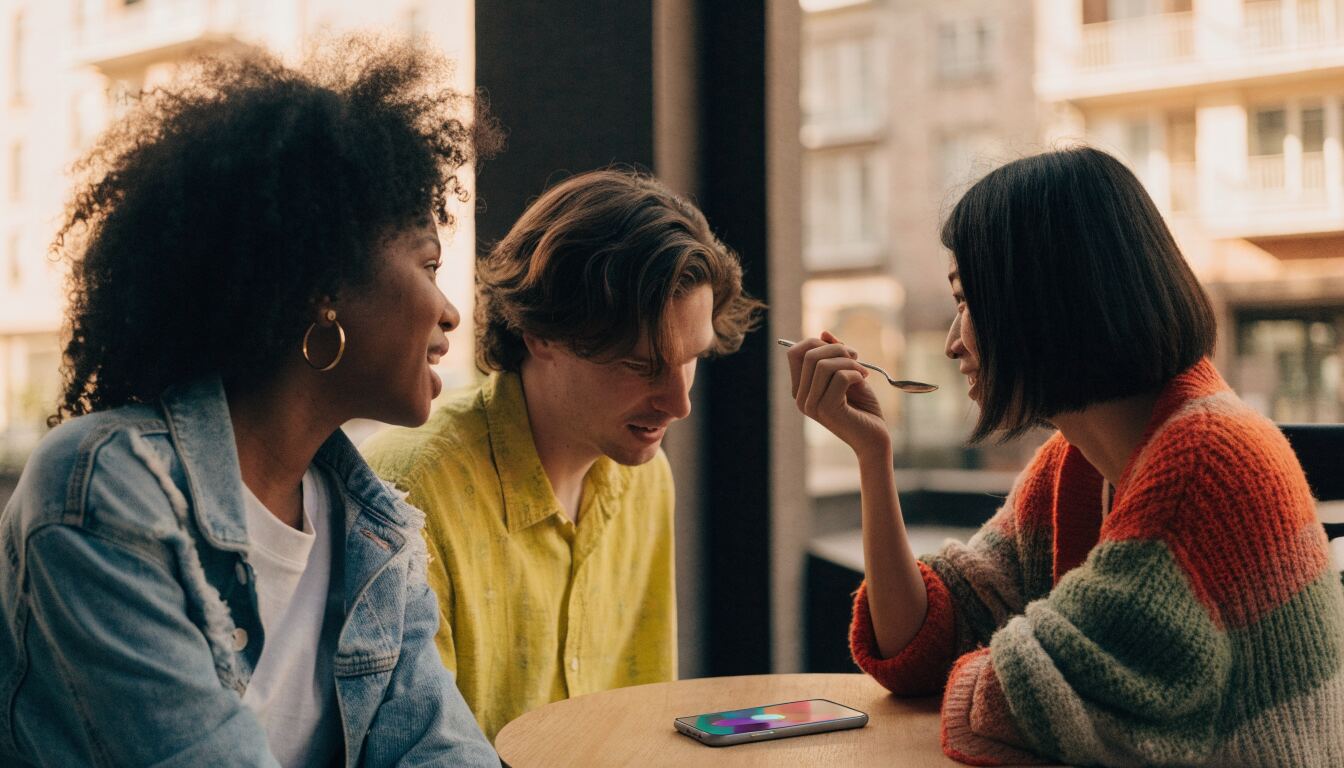
Despite the widespread complaints, countless Brooklyn residents have forged lasting relationships through digital means. Consider the story of two neighbors who matched on Hinge and discovered they lived three blocks apart and shared an obsession with vintage jazz. Or the pair who connected on Bumble over a mutual love for obscure graphic novels and now run a small bookshop together. These narratives remind us that the medium is not the sole determinant of outcome. Authentic connection can bloom even in the most artificial of settings, provided both people are open and intentional.
The Role of True Compatibility Filters
Many platforms tout their ability to assess compatibility through detailed questionnaires and behavioral data. While no algorithm is foolproof, these tools can serve as a useful preliminary filter. They help surface individuals whose values, lifestyle preferences, and long-term goals align with your own, cutting through the noise of sheer volume. The key is to treat these indicators as a starting point rather than a definitive verdict. Real compatibility reveals itself through conversation, shared experience, and the quiet feeling of being understood—none of which can be reduced to a percentage score.
Turning a Fleeting Gesture Into a Shared Future
It may seem improbable that a split-second swipe could launch a decades-long partnership, yet it happens regularly. The initial physical attraction or clever profile quip is merely the doorway. What sustains the relationship beyond that threshold are the timeless ingredients: honest dialogue, aligned values, mutual respect, and a willingness to navigate conflict together. The app provides the introduction; the people involved must do the rest. Those who succeed are often the ones who move the conversation offline quickly, treating the digital exchange as a brief prelude rather than a protracted virtual courtship.
The Hurdles of Meeting Off the Screen
Confronting Nervousness Head-On
For many, the prospect of walking up to a stranger at a bar or mingling at a party triggers genuine anxiety. Unlike the controlled environment of an app, where you can craft and edit every word, live conversation is immediate and irreversible. Your mind might go blank, your palms might sweat, and you might stumble over a simple greeting. This discomfort is entirely normal. The skill of spontaneous connection is like a muscle—it strengthens with practice. Starting with structured events where an activity provides a natural talking point can ease the transition back into real-world socializing.
Decoding Signals Without a Profile
Online, intentions are often telegraphed through profile prompts or relationship status labels. Offline, the landscape is far murkier. You might enjoy a long, engaging chat with someone at a friend's dinner party, only to spend the next day wondering whether they were flirting or simply being friendly. Determining mutual interest requires reading subtle cues and, eventually, mustering the courage to ask directly. This ambiguity can be exhausting, but it also preserves a sense of mystery and discovery that digital dating often eliminates prematurely.
Embracing the Unpolished Moments
Real-life interaction is inherently unpredictable. Drinks get spilled, jokes fall flat, and moments of awkward silence stretch longer than expected. There is no delete button for a poorly chosen word, no filter to soften an unflattering expression. Yet this very messiness is the birthplace of authenticity. You witness how someone handles a minor embarrassment or navigates an uncomfortable pause, which reveals far more about their character than a curated text exchange ever could. Learning to accept—and even appreciate—these imperfections is essential for anyone seeking connection beyond the screen.
Where Brooklyn Romance Is Heading
Emerging Patterns in Courtship
The future of dating in this borough appears to be a hybrid model. Digital platforms are not disappearing, but their role is evolving. More people are using apps as a discovery tool while reserving the deeper work of connection for in-person settings. Niche communities are flourishing, both online and off, catering to specific interests, identities, and relationship philosophies. Simultaneously, event organizers are innovating, blending technology with physical presence—think apps that facilitate real-world meetups rather than endless chatting. The trend points toward intentionality: people want to spend less time scrolling and more time genuinely engaging.
Striking a Personal Equilibrium
There is no universal formula for romantic success. The healthiest approach often involves a conscious balance tailored to your personality and needs. If you thrive on slow, thoughtful conversation, you might prioritize community events and hobby groups. If you appreciate the efficiency of filtering many people quickly, a well-chosen app can serve that purpose. The danger lies in defaulting to one method without reflection. Periodically evaluating how a given platform or activity makes you feel—energized or depleted, hopeful or cynical—can guide you toward a more satisfying mix.
Broadening Perspectives on Relationship Styles
Brooklyn has long been a haven for diverse ways of living and loving, and attitudes toward alternative relationship models continue to evolve. There is growing recognition that monogamy, while valid, is not the sole blueprint for happiness. Communities centered on ethical non-monogamy, kink, and other lifestyle choices are becoming more visible and accepted. This cultural shift is reflected in the proliferation of inclusive events, discussion groups, and social clubs that welcome a spectrum of identities and desires. As openness increases, so does the opportunity for individuals to find arrangements that genuinely fit who they are, rather than contorting themselves to fit a conventional mold.
Closing Reflections
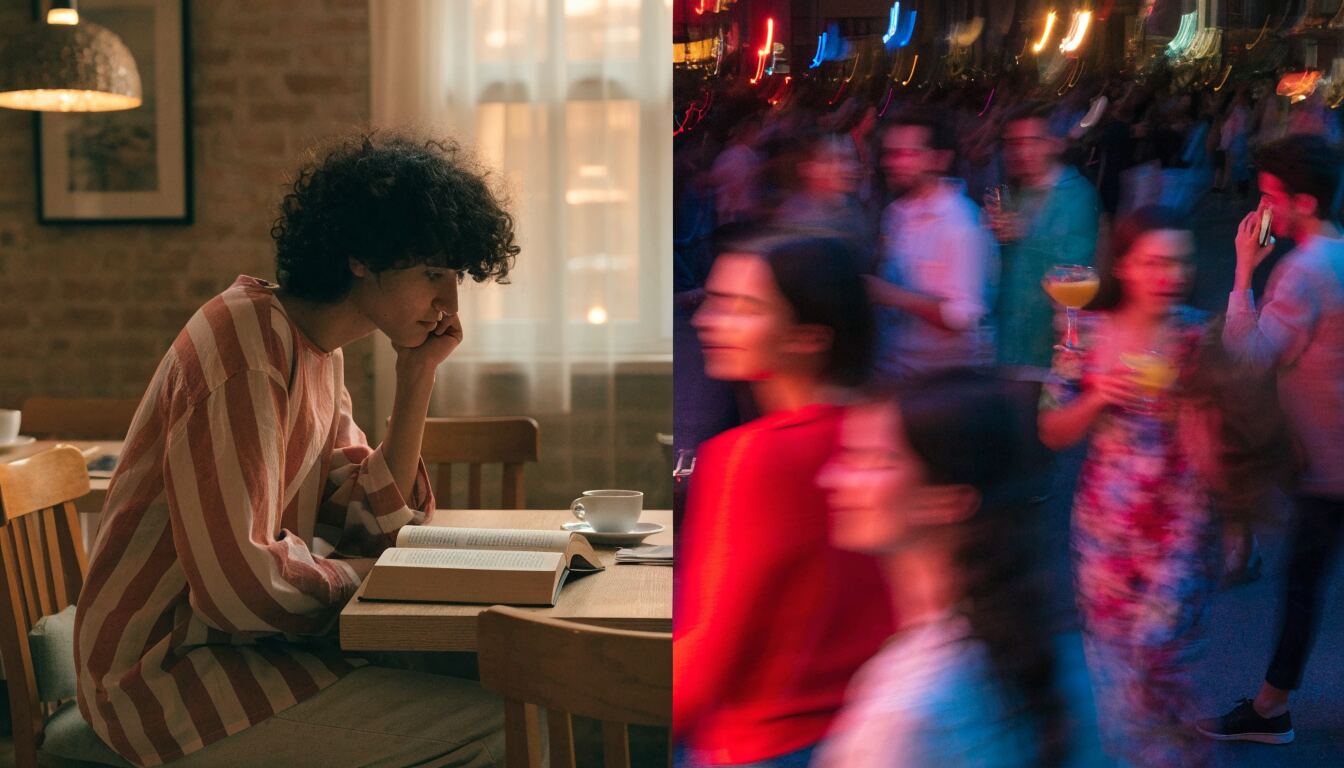
The Brooklyn dating landscape is a study in contrasts. On one side sits the sleek efficiency of the app, promising instant access to thousands of singles at the tap of a finger. On the other side lies the unpredictable, sometimes awkward, but deeply human realm of face-to-face encounter. Neither path is inherently superior; each carries its own set of costs, joys, and frustrations. The apps can feel like a treadmill designed to extract money and attention, yet they have also facilitated countless genuine love stories. Offline events can spark electric chemistry that no algorithm could predict, but they demand a vulnerability that many find terrifying. Ultimately, the search for connection is not about choosing a single method for all time. It is about staying curious, trying different avenues, and remaining open to the possibility that love—however you define it—might be waiting in a place you least expect. Whether you are swiping right on a Sunday morning or walking into a mixer on a Friday night, the goal remains the same: to be seen, understood, and valued by another person. Keep showing up, in whatever form that takes, and the odds will tilt in your favor.
Common Questions About Brooklyn Dating
Which apps are most widely used in Brooklyn right now?
The most active platforms in the area tend to be Tinder, Bumble, and Hinge, though Feeld and OkCupid also have strong followings among those seeking alternative relationship styles or more detailed profiles.
Do dating apps make face-to-face meetings harder?
They can. By fostering idealized expectations and offering an endless stream of alternatives, apps sometimes make people less patient with the natural friction of real-world interaction. However, they also provide a low-pressure way to initiate contact that can lead to in-person dates.
What offline options exist for meeting new people in Brooklyn?
The borough offers a rich variety: singles mixers, speed dating events, swing dance nights, lifestyle club gatherings, volunteer projects, recreational sports teams, and creative workshops. These settings allow you to connect over shared activities rather than just a profile photo.
Are dating apps a significant financial commitment?
They can be. While basic access is often free, meaningful visibility typically requires a paid subscription. Additional features like boosts and super likes add up quickly, and the associated cost of frequent dates can strain your budget further.
What advantages does in-person meeting offer over digital matching?
Meeting in person provides immediate access to nonverbal cues, vocal tone, and physical chemistry—elements that are impossible to capture fully in a profile. It also encourages a more present, engaged form of attention that can accelerate genuine intimacy.
How can I manage nervousness about attending a social event alone?
Start with gatherings that have a clear structure or activity, such as a board game night or a guided mixer with icebreakers. Arriving early, setting a small goal (like talking to three people), and remembering that most attendees share your jitters can all help ease the initial discomfort.