The Quiet Revolution in How We Meet
Think back a decade or two. Finding a romantic or sexual partner typically meant relying on chance encounters, social circles, or a bold introduction at a gathering. Today, that landscape has been quietly but thoroughly transformed. The smartphone in your pocket has become the most popular matchmaker, and for a growing number of adults, especially younger ones, digital platforms are the primary gateway to both fleeting flings and lasting bonds. It’s not just about convenience; it’s a fundamental shift in social behavior. Nearly one in four couples in the United States now trace their origin to an online interaction, a statistic that would have seemed unthinkable in the pre-app era. What started with early websites in the mid-1990s has blossomed into a sprawling ecosystem where a simple gesture on a screen can lead to a no-strings encounter or a deep conversation.
This new reality brings a mix of excitement and uncertainty. The ability to connect with someone outside your immediate environment opens up a world of possibilities, but it also challenges our traditional ideas about courtship, patience, and emotional investment. We’re navigating a terrain where the rules are still being written, often learning as we go. The shift hasn’t just changed where we meet; it’s altered the very rhythm of romance, speeding up initial contact while sometimes slowing down the development of real trust. Understanding this digital wave is the first step toward using it wisely, rather than letting it use us.
The Anatomy of App-Based Attraction
Platforms like Tinder, Bumble, and Hinge have perfected a formula that feels almost effortless. You upload a few photos, jot down a clever line or two, and suddenly you’re part of a vast network of potential partners. The process has been compared to browsing a menu or flipping through a catalog—it’s visual, immediate, and designed for snap judgments. This efficiency is the core of its appeal. For someone with a busy schedule or a shy disposition, the ability to sift through dozens of profiles during a lunch break can feel liberating. You set your preferences, you scan, you decide. No awkward cold approaches, no guessing if someone is available. The app does the initial vetting, presenting you with people who are at least theoretically open to a connection.
Yet this streamlined experience comes with a subtle cost. When interactions begin with such a strong emphasis on appearance and a short bio, it’s easy to overlook the nuances that make someone truly compatible. The depth of a person’s humor, their kindness under pressure, the way they listen—these qualities don’t always translate into a curated profile. We become accustomed to evaluating human beings with the same rapid criteria we’d use for picking a new jacket. Over time, this can condition us to prioritize the superficial, even if our conscious goal is something more profound. It’s not that meaningful relationships can’t emerge from an app; countless couples prove they can. But the environment nudges us toward a faster, more disposable mode of thinking, and recognizing that nudge is key to maintaining agency over our own romantic lives.
The Endless Scroll and Its Grip on Us
There’s a reason checking a dating app can feel so compelling, even compulsive. The design borrows heavily from the psychology of gaming and social media. Each swipe delivers a tiny hit of anticipation—could this be the one? A match triggers a small burst of validation, a signal that someone out there finds you appealing. This intermittent reward system is powerful. It keeps you coming back, chasing the next notification, the next conversation starter. The whole experience can start to resemble a game where the objective is collecting matches rather than cultivating intimacy. You might find yourself swiping during moments of boredom, not out of genuine desire to meet someone, but out of habit or a need for a quick emotional lift.
This loop can be hard to break. The illusion of infinite choice fosters a nagging sense that a better option is always waiting in the next batch of profiles. Why invest time in a decent but imperfect conversation when a potentially flawless match might be one swipe away? This mindset, sometimes called the paradox of choice, can leave you perpetually unsatisfied. You might accumulate dozens of matches and still feel oddly alone, because none of those digital connections have been given the chance to deepen. The very tool that promises abundance can trap you in a cycle of superficial engagement, always looking ahead instead of being present with the person already on your screen.
The Freedom of No-Strings Intimacy
Let’s acknowledge the genuine positives. For many, the rise of casual dating culture represents a meaningful expansion of personal liberty. The ability to seek out physical connection without the expectation of a traditional relationship is a valid and empowering choice. It allows people to explore their desires, understand their own bodies, and experience intimacy on their own terms. This is especially significant for those exiting long partnerships, focusing on career goals, or simply not interested in the demands of a committed bond. A no-strings approach can be a form of self-discovery, a way to learn what you enjoy and how you connect with different personalities without the pressure of a shared future.
This autonomy shifts the power dynamic. You’re not waiting to be chosen; you’re actively choosing what fits your current needs. It can be a refreshing break from the narrative that sex must always be tied to deep emotional entanglement. In this context, a casual encounter isn’t a failure to find love; it’s a deliberate, satisfying activity in itself. The key, however, lies in honest communication. When both parties are clear about their intentions, these arrangements can be respectful, fun, and mutually beneficial. The problem arises not from the act of casual intimacy itself, but from the confusion, unmet expectations, and lack of transparency that sometimes surround it.
When Plenty Feels Like Poverty
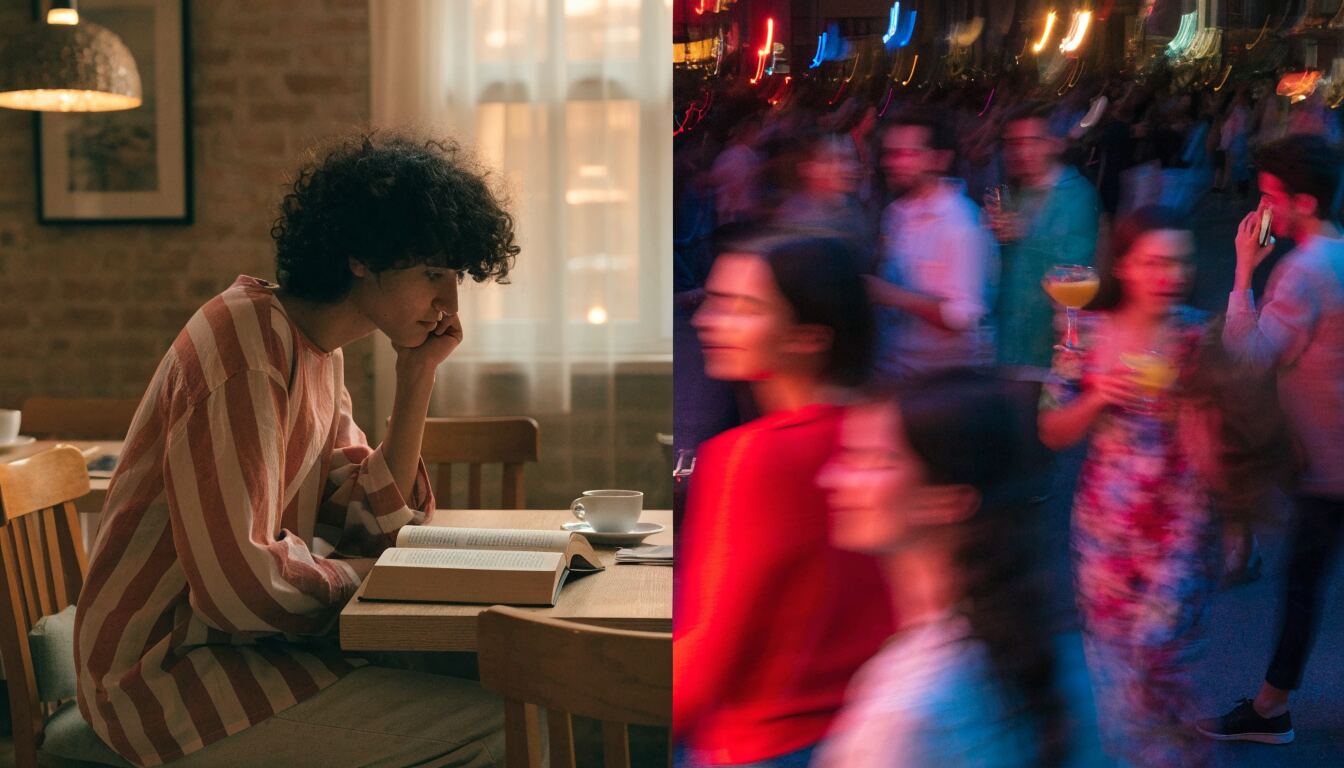
Despite the freedom, a curious emptiness can creep in. You might have a full queue of chats and a calendar dotted with dates, yet still feel a gnawing sense of disconnection. This is the shadow side of abundance. Purely physical encounters, while exciting, rarely nourish the deeper human need for being understood and valued as a whole person. Think of it like a diet of only appetizers: they’re delicious and varied, but they never quite satisfy your hunger. After a series of brief, surface-level interactions, you might start to crave something with more substance—a conversation that lingers in your mind, a shared laugh that feels genuine, a sense that someone sees beyond your profile highlights.
This feeling isn’t a sign of weakness or a rejection of modern freedom. It’s a natural emotional response to a lack of authentic connection. The excitement of novelty fades, and what’s left can be a quiet loneliness. You’re surrounded by options but starved for intimacy. Recognizing this pattern is crucial. It doesn’t mean you need to abandon casual dating altogether, but it suggests that a balance is missing. Acknowledging the desire for something more meaningful doesn’t invalidate your enjoyment of freedom; it simply points toward a more nuanced, integrated approach to your romantic and sexual life.
The Marketplace Mindset and Its Impact
One of the more subtle transformations brought about by dating apps is how we perceive potential partners. The format encourages a consumer mentality. You browse profiles the way you might browse products, filtering by attributes like height, job, or astrological sign. A quick assessment is made, and the person is either selected for further review or discarded. This isn’t necessarily malicious; it’s a natural adaptation to the tool’s design. But it can gradually erode our ability to see people as complex, multifaceted individuals. When someone becomes a profile to be evaluated, their humanity can get lost in the transaction.
This mindset can bleed into our behavior. Ghosting—abruptly cutting off communication without explanation—becomes easier when the person on the other end feels less like a real human with feelings and more like a chat window you can close. Breadcrumbing, where you send sporadic messages to keep someone on the hook without genuine intent, is another symptom. These behaviors aren’t new, but the digital environment makes them frictionless. Combating this requires a conscious effort to slow down and remind yourself that behind every carefully chosen photo is a person with insecurities, hopes, and a capacity for hurt. Treating each interaction with basic courtesy and respect, even if it doesn’t lead anywhere, helps preserve your own empathy and makes the dating landscape a little kinder for everyone.
The Toll on How We Feel About Ourselves
Navigating this fast-paced digital sphere can take a quiet but significant toll on emotional well-being. The cycle of excitement, brief connection, and sudden disappearance can be draining. It’s common to feel a sense of burnout, a fatigue that comes from managing multiple simultaneous conversations that may fizzle out at any moment. When a promising chat ends in unexplained silence, it’s easy to internalize the rejection. You might start questioning your own worth, wondering if your photos aren’t good enough, your opening lines aren’t clever enough, or your personality isn’t engaging enough. The curated, often unrealistic, portrayals of relationships on social media amplify this, creating a comparison trap where your real, messy experiences feel inadequate against someone else’s highlight reel.
This can lead to a distorted self-image. You might begin to see yourself as a collection of attributes to be marketed, rather than a whole person worthy of connection. The constant evaluation can chip away at self-esteem, making you more guarded and less willing to be vulnerable. It’s important to recognize these feelings not as personal failings, but as predictable responses to an environment that often prioritizes quantity over quality. Building in breaks from the apps, engaging in activities that ground you in your body and your offline relationships, and talking to trusted friends about your experiences can all serve as protective buffers against this emotional wear and tear.
Decoding the Language of Modern Love
If you’re re-entering the dating world or just trying to make sense of it, the vocabulary can be bewildering. New terms have emerged to describe the ambiguous, often frustrating, dynamics that apps facilitate. Understanding this lingo isn’t just about being trendy; it helps you identify situations and articulate what you’re experiencing or hoping to avoid. A situationship, for instance, describes that murky zone where you’re more than friends but not quite partners—there’s intimacy and regularity, but no defined commitment or label. It can be thrilling in its freedom but agonizing in its uncertainty, especially if one person develops deeper feelings.
Ghosting is perhaps the most infamous term: it’s when someone you’ve been communicating with vanishes without a trace, leaving you to wonder what went wrong. It’s a uniquely modern form of rejection, made easy by the digital barrier. Then there’s breadcrumbing, a more insidious behavior where a person drops just enough attention—a like here, a flirty message there—to keep you interested, without any real intention of pursuing a meaningful connection. Recognizing these patterns can save you a lot of heartache. If you find yourself in a dynamic that feels confusing or one-sided, naming it can be the first step toward setting a boundary or walking away with your dignity intact. The goal isn’t to become cynical, but to become literate in the unspoken rules of the current playing field.
Charting a Course Toward Something Real
Given all the challenges, how does someone who craves a deeper bond find it without abandoning the digital tools entirely? The answer lies not in rejecting technology, but in using it with far greater intention. It starts with clarity about your own desires. Before you even open an app, ask yourself what you’re truly looking for at this stage of your life. Is it a casual fling, a new friend, a potential life partner, or are you open to whatever unfolds? Your answer can guide everything from the platform you choose to the way you craft your profile. A profile that honestly reflects your personality and intentions will attract people on a similar wavelength.
Once you match with someone, resist the urge to keep things entirely on the surface. It’s okay to move beyond witty banter and ask thoughtful questions. Share a small vulnerability or a genuine interest. This doesn’t mean unloading your life story on the first message, but it does mean treating the conversation as a chance to connect with a person, not just to assess a profile. Suggest meeting in person sooner rather than later, as a real-world interaction is the only way to gauge true chemistry. A simple coffee date or a walk in a park can reveal more in twenty minutes than weeks of texting. Prioritize quality over quantity: invest your energy in a few promising connections instead of juggling a dozen half-hearted ones. This shift from passive swiping to active, mindful engagement can transform your experience from a draining chore into a meaningful journey.
Building Bridges Beyond the Screen
Finding balance also means ensuring your digital dating life doesn’t consume your entire social world. Nurture your offline friendships, pursue hobbies that bring you joy, and cultivate a life that feels full on its own. When your sense of worth and happiness is anchored in a variety of sources, the ups and downs of app-based dating have less power to destabilize you. A rejection or a ghosting stings less when you have a strong support network and a rich life to return to. This also makes you a more attractive partner. Someone who is genuinely engaged with their own passions and communities brings a depth and independence that is magnetic.
Open communication remains the bedrock of any healthy connection, casual or committed. Practice stating your needs and boundaries clearly and kindly. If you’re enjoying a casual dynamic but don’t see it evolving, say so. If you’re developing feelings and want to check if they’re mutual, have the courage to ask. These conversations can feel awkward, but they prevent far greater pain and confusion down the line. They also signal a level of emotional maturity that can deepen a bond, even if the answer isn’t what you hoped for. Ultimately, reclaiming meaningful relationships in the digital age is about being brave enough to be real in a space that often encourages performance.
Tomorrow’s Intimacy: Tech, Touch, and the Blurring Lines
As we look ahead, the intersection of technology and intimacy promises to become even more intertwined. Innovations are pushing the boundaries of how we experience connection across distances. We’re already seeing the emergence of app-controlled intimate devices and virtual reality spaces where people can interact as avatars. These tools could redefine long-distance relationships, allowing couples separated by geography to maintain a physical dimension to their bond. They also open new avenues for exploring sexuality in safe, imaginative environments. The concept of intimacy is expanding beyond the purely physical, incorporating digital touch and shared virtual experiences.
This evolution will further blur the lines between our online and offline selves. For many, social media and dating platforms are already a seamless extension of their social lives. You might meet someone on an app, follow them on social platforms, see them at a social event, and continue the interaction across all these channels. This constant connectivity can foster a sense of closeness, but it also creates new pressures. The temptation to compare your relationship to others, the potential for digital jealousy, and the feeling of always being on display are challenges that future couples will need to navigate. The key will be learning how to integrate these tools in a way that serves the relationship, rather than letting the digital tail wag the real-world dog. Setting shared boundaries around phone use and social media engagement can become an important part of building a healthy modern partnership.
Practical Steps for a Healthier Digital Dating Life
So, how do you take these insights and turn them into a more satisfying experience? It begins with small, deliberate changes. Instead of opening the app whenever you have a spare moment, schedule specific, limited times for checking it. This prevents it from becoming a constant background distraction. When you do engage, be fully present. Look beyond the first photo and read the bio carefully. Ask yourself if this person’s words and energy suggest a potential for the kind of connection you want. If you initiate a chat, put genuine thought into your opening message, referencing something specific from their profile. A small investment of effort sets a tone of respect and intention.
Another powerful practice is to periodically audit your emotional state. After a session of swiping or a date, check in with yourself. How are you feeling? Energized, hopeful, drained, disappointed? Your emotional responses are valuable data. If you consistently feel worse after using an app, that’s a signal to take a break or change your approach. Don’t be afraid to delete apps for a week or a month to reset. The digital dating world will still be there when you return, and you’ll come back with fresh eyes and a stronger sense of self. Finally, remember that the goal of all this technology should be to facilitate human happiness, not detract from it. If a tool isn’t serving your well-being, you have every right to set it down and look for connection in the world of eye contact, shared laughter, and real-time presence.
Frequently Asked Questions
Why does swiping on dating apps feel so addictive?
The addictive quality comes from the design itself. Apps use a variable reward system, similar to a slot machine. Each swipe holds the potential for a match, and each match delivers a small burst of validation. This unpredictability keeps you engaged, always hoping the next swipe will bring a reward. It’s a cycle that exploits our brain’s natural desire for social approval and novelty, making it easy to spend more time on the app than you intended.
Can having too many choices on a dating app make you unhappy?
Absolutely. While choice seems like a good thing, an overwhelming number of options can lead to what’s called the paradox of choice. You might constantly second-guess your decisions, worried that a better match is just one more swipe away. This can prevent you from investing in a good connection you already have, leaving you in a constant state of seeking and never feeling satisfied. The sheer volume can also be mentally exhausting to process.
What does a situationship look like in real life?
A situationship is a romantic or sexual relationship that exists in a gray area without clear definitions. You might go on dates regularly, be physically intimate, and even meet each other’s friends, but you haven’t had the conversation about commitment or labels. It often lacks the clear expectations and security of a defined partnership. They can be fun and low-pressure but often become a source of anxiety if one person wants more and the other doesn’t.
How has social media changed our idea of a good relationship?
Social media tends to showcase highlight reels, not reality. Constant exposure to curated photos of happy couples on lavish vacations can create unrealistic standards. This can lead to unhealthy comparisons, making your own connection feel dull or inadequate by comparison. It can also pressure couples to perform their happiness online rather than nurturing it in private, shifting the focus from genuine connection to external validation.
Is it possible to find a serious, long-term partner on a casual dating app?
Yes, it’s absolutely possible, and many people have. The key is in how you use the tool. A profile that clearly states your intention for something serious, combined with intentional swiping and a willingness to move from online chat to a real-world date quickly, can filter for like-minded people. The platform itself is just a medium; the outcome depends on the clarity and effort you bring to it.
What are some signs that I need a break from dating apps?
If you notice that using apps consistently leaves you feeling drained, anxious, or bad about yourself, it’s a clear sign to pause. Other indicators include swiping out of boredom rather than genuine interest, feeling a sense of dread at the thought of another conversation, or finding that you’re treating people poorly because you’re burned out. A break can help you reconnect with your own sense of worth and return with a healthier mindset.