A New Chapter in Personal Freedom
Across Brooklyn, a quiet but powerful transformation is unfolding in how people approach intimacy and partnership. Far from the rigid scripts of previous generations, a growing number of residents are crafting relationship models that prioritize honesty, exploration, and mutual agreement. This isn't a fleeting trend confined to one neighborhood; it reflects a wider cultural awakening to the idea that there is no single correct way to structure love and connection. Instead of following a predetermined path, individuals and couples are asking deeper questions about what truly fulfills them and building their lives around those answers.
This movement encompasses a broad spectrum of experiences, from couples who explore together socially to those who cultivate multiple loving bonds simultaneously. What unites these varied approaches is a dedication to transparency and a rejection of shame. The conversation has moved beyond secrecy and into the light of community gatherings, thoughtful dialogue, and a shared pursuit of authenticity. In this article, we'll unpack the roots of this scene, the principles that hold it together, and the lessons it offers for anyone curious about forging a more intentional romantic life.
The Foundations of a Community
How a Culture of Exploration Took Root
The presence of a vibrant, non-traditional relationship community in Brooklyn didn't materialize by accident. Its origins are intertwined with the borough's historical identity as a sanctuary for artists, thinkers, and those who challenge convention. During the broader shifts of the mid-20th century, when society began to publicly question restrictive norms around gender and sexuality, Brooklyn provided fertile ground. The convergence of diverse cultural backgrounds and a general spirit of open-mindedness allowed ideas about relational freedom to not just surface, but to be actively cultivated in social circles.
What began as private gatherings among trusted friends gradually evolved into a more organized, though still discreet, network. The emphasis was never solely on physical interaction; from the start, the core was a philosophical commitment to pushing against boundaries and designing relationships based on personal truth rather than external expectation. This historical foundation of intellectual and social curiosity remains a defining feature of the community today, setting a tone that values emotional depth as much as adventurousness.
Core Pillars of the Lifestyle
Understanding this way of life requires looking beyond superficial stereotypes. At its heart, it is a practice built on several non-negotiable pillars that distinguish it from casual or secretive encounters. The primary foundation is a couple-centric approach, where partners embark on the journey as a united team, making decisions that strengthen their primary bond. This is supported by an unwavering commitment to radical honesty; feelings, desires, and concerns are not hidden but are brought into the open as essential information for navigating the path together.
Respect for personal limits is another defining characteristic. Every participant is empowered to define their own comfort zone, and those boundaries are treated with the utmost seriousness. This creates a container of safety where people can be vulnerable without fear of being pushed into something they don't genuinely want. It’s a dynamic of co-creation, where the rules are not assumed but are meticulously discussed and agreed upon, forming a unique blueprint for each couple or group.
The Vital Role of Social Gatherings
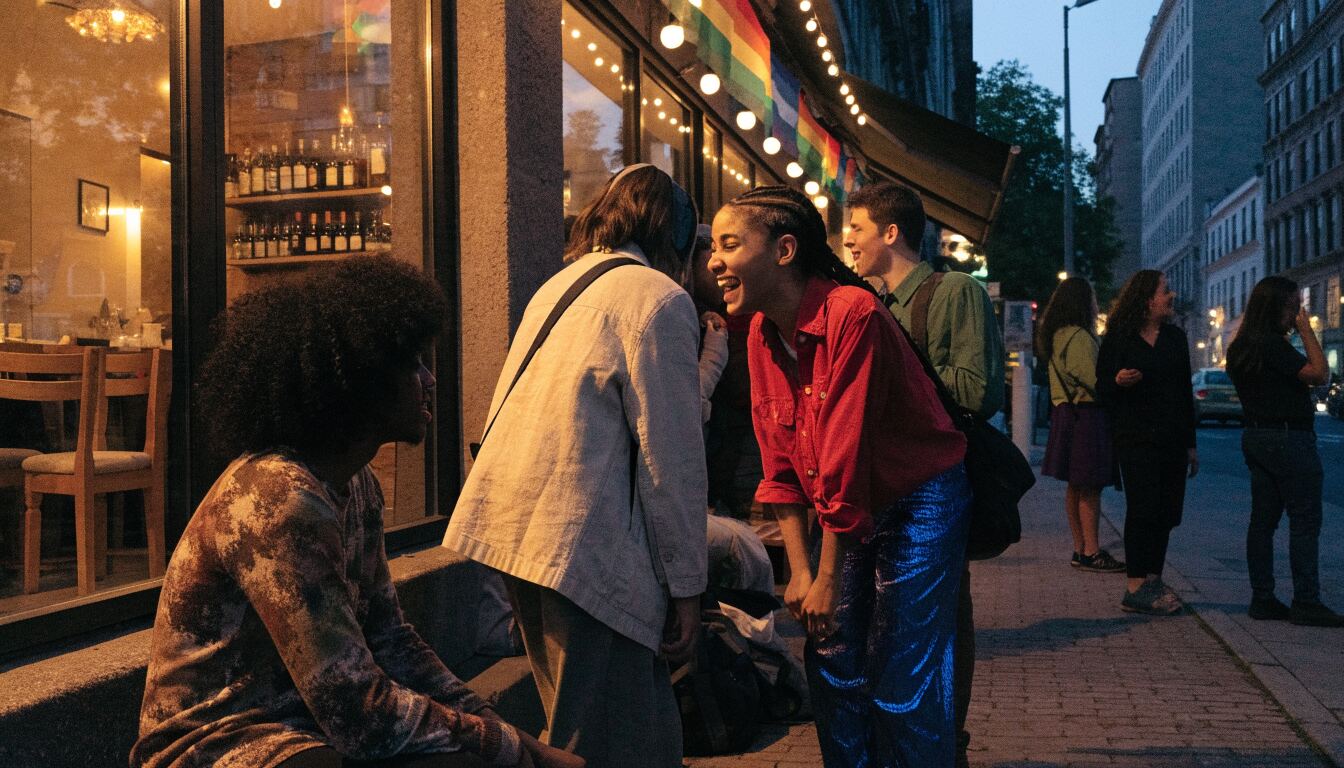
For many, the theoretical principles of this lifestyle come to life at organized social events. These are not haphazard parties but carefully curated spaces designed to foster connection in a respectful atmosphere. They serve as a crucial social infrastructure, providing a place to meet like-minded people, share experiences, and feel a sense of belonging that can be hard to find in mainstream settings. The environment is often one of warmth and conviviality, where the pressure to perform is replaced by a focus on genuine interaction.
These gatherings can range from intimate house mixers to larger, themed events at private venues. Common elements include clear dress codes that encourage a sense of occasion and playful self-expression, as well as explicit guidelines about conduct that reiterate the primacy of consent. For newcomers and veterans alike, these events are a touchstone, transforming an abstract identity into a tangible community. They are a reminder that this is a shared human experience, not just a private fantasy, and they play a key role in normalizing and celebrating diverse expressions of intimacy.
A Broader Cultural Awakening
What Defines This New Era of Openness?
The local scene is just one expression of a much larger shift that has been described as a new sexual revolution. This contemporary movement differs from its 20th-century predecessor in its focus on deconstructing the entire architecture of relationships, not just liberating physical acts. It’s about dismantling the one-size-fits-all model and acknowledging that human connection is fluid, diverse, and deeply personal. The revolution is visible in the growing visibility and acceptance of LGBTQ+ identities, the mainstreaming of concepts like asexuality and aromanticism, and a widespread questioning of whether lifelong monogamy is the only path to a successful, meaningful life.
This cultural shift is driven by a desire for autonomy. People are increasingly unwilling to outsource their happiness to a single partner or to follow a script that leaves them feeling unfulfilled. Instead, there is a move toward designing relationships that are conscious, negotiated, and adaptable. It’s a journey of self-discovery where individuals are encouraged to understand their own needs first, then seek partners who can co-create a dynamic that honors those needs, whether that involves a traditional marriage, a polyamorous network, or something entirely unique.
Then and Now: A Sea Change in Norms
To appreciate the magnitude of this change, it helps to contrast the old and the new. In previous generations, the dominant social script was one of conformity and discretion. Repression was a virtue, and deviation from the norm was a source of profound shame, often kept hidden. Sexuality was framed within a narrow context of procreation and marital duty, and conversations about pleasure, especially for marginalized genders, were effectively silenced.
Today, the pendulum has swung toward expression and acceptance. The modern ideal is not to conceal one's desires but to understand and articulate them with a partner. Open dialogue about sex and intimacy is seen as a sign of a healthy relationship, not a breach of decorum. This transformation has been fueled by education and activism, which have provided the language and frameworks to discuss complex feelings. The result is a cultural space where individuals feel more able to craft an authentic romantic life without the same level of social penalty, making it possible to explore paths that were once unimaginable.
The Digital Catalyst for Connection
It is impossible to overstate the role of technology in accelerating this cultural evolution. The internet has been a profound democratizing force for sexual and relational freedom. Digital platforms have torn down geographic and social barriers, giving people access to information and communities that were previously inaccessible. For someone questioning their relationship structure, the ability to find articles, forums, and personal accounts with a simple search can be life-altering, turning a source of isolation into a shared identity.
Online dating apps have fundamentally changed how people find partners, allowing for upfront filtering based on specific interests and relationship styles. This reduces the awkwardness and potential for misunderstanding in a traditional dating context. Furthermore, social media has created a space for public storytelling and advocacy, normalizing diverse lifestyles through everyday visibility. While challenges like online harassment and misinformation are real, the net effect has been a powerful engine for liberation, making it easier than ever to find one’s tribe and explore desires with greater confidence and safety.
Navigating Multiple Loves and Open Agreements
The Growing Embrace of Polyamory
Within the broader spectrum of non-monogamy, polyamory—the practice of engaging in multiple loving, intimate relationships with the full knowledge and consent of everyone involved—is gaining significant visibility. This isn't simply about having more partners; it’s a philosophical orientation that views love as an abundant rather than a finite resource. It challenges the deep-seated cultural belief that a romantic bond must be exclusive to be meaningful, proposing instead that you can build deep, committed connections with more than one person simultaneously.
In a place as diverse and progressive as Brooklyn, the conditions are ripe for this model to flourish. A network of support groups, discussion circles, and informal meetups has sprung up to serve the polyamorous community, providing spaces to share the unique joys and complexities of this path. The motivation is often a search for a more complete form of authenticity, where different needs can be met by different connections, all within an ethical framework. The increasing media representation of polyamory, from television shows to non-fiction books, is also helping to demystify it and present it as a viable, thoughtful choice.
The Art of the Open Relationship
While similar in their rejection of strict monogamy, open relationships often take a slightly different form, typically where a committed couple agrees that outside sexual or romantic experiences are permissible. This is not a sign of a failing partnership but a conscious, mutual decision to add a layer of adventure and freedom to a solid foundation. It is a deliberate architecture, not a state of chaos, and its success hinges on meticulous design and constant maintenance.
Making this structure work requires a proactive approach. Couples must become skilled architects of their own agreement, specifying what is and isn't on the table. This often involves practical rules, like safer-sex protocols, limits on emotional involvement, or guidelines about how much information is shared about outside encounters. Regular, scheduled check-ins are essential to process feelings, renegotiate terms, and ensure the primary relationship remains secure. It’s a practice of ongoing calibration, where the conversation never really ends, it just evolves.
The Dual Nature of Non-Monogamy
Choosing a non-monogamous path, in any form, brings a unique set of both profound rewards and significant hurdles. On the positive side, practitioners often report a deep sense of freedom, personal growth, and a relationship that feels more honest and resilient. The necessity for high-level communication skills can strengthen the primary bond immeasurably, creating a level of intimacy that is hard to achieve through assumption and silence. It can also relieve the pressure of expecting one partner to fulfill every single need.
However, the challenges are equally real. The biggest is often the external world's judgment. Navigating social stigma, dealing with family who don't understand, and the constant, exhausting process of coming out can take a toll. Internally, managing complex emotions like jealousy and insecurity requires a level of emotional literacy that must be actively learned and practiced. It’s a path that demands more, not less, effort than a traditional relationship, and it is not a solution for existing problems but a lifestyle that amplifies both the strengths and weaknesses of a connection.
Where Empowerment Meets Intimacy
Feminism's Role in Reshaping Desire
The influence of feminist thought on modern intimacy is profound and pervasive. The movement's core tenet—that personal lives are political—has directly led to a critical examination of power dynamics in the bedroom and beyond. Feminism has given people the tools to question why certain desires are considered normal while others are shamed, and to challenge the historical narrative that positions one partner's pleasure as paramount. This has opened up a space for a more egalitarian and pleasure-centric approach to sex.
This means moving away from a performance-based model of sex toward one centered on mutual satisfaction and exploration. It involves deconstructing the idea that a person's worth is tied to their sexual history and instead championing the right to define one’s own erotic life. The emphasis on bodily autonomy and the right to say both “yes” and “no” with equal conviction has become a cornerstone of ethical non-monogamous communities, where these principles are not just theoretical but actively practiced.
Finding Power Through Exploration
For many, the act of consciously exploring their sexuality and relationship style is a direct route to personal empowerment. It is a process of reclaiming one's body and desires from a culture that often seeks to control them. By breaking free from the
Practical Steps for Starting Your Journey
Venturing into new relationship styles can feel overwhelming, but starting small makes it manageable. Begin with honest self-reflection: what are you truly hoping to discover? Write down your curiosities and fears without judgment. Then, initiate a low-pressure conversation with your partner, focusing on shared values rather than specific scenarios. Many find it helpful to read a book or listen to a podcast together before taking any action. Finally, consider attending a social event simply to observe and chat, with no expectation of participation. This gradual approach respects both your comfort zone and your partner's, turning anxiety into gentle excitement.
Common Missteps and How to Avoid Them
Even with good intentions, people often stumble into predictable pitfalls. A frequent error is rushing the process under the guise of enthusiasm, which can bulldoze a partner's need for time to adjust. Another is treating rules as rigid fortresses rather than flexible agreements that evolve with new insights. Some couples mistakenly open their relationship to fix a lack of intimacy, only to find it magnifies existing cracks. The antidote is consistent, transparent communication paired with regular “check-in” conversations. Viewing missteps as learning opportunities, rather than failures, builds the resilience needed for this deeply human exploration.
Navigating a Real-Life Scenario: The First Social Event
Scenario: Jenna and Marcus have decided to attend their first meet-and-greet at a local lounge. They are both nervous and unsure of the unspoken rules.
Tips for the situation:
- Set a shared intention beforehand: Decide together if the goal is just to mingle, watch, or dance. A united front eases social awkwardness.
- Establish a subtle signal: Agree on a word or gesture that privately means “I need a check-in” or “Let’s step outside to talk.”
- Politely decline with grace: If approached for something beyond your comfort zone, a simple “We’re just enjoying the atmosphere tonight, thank you” works without explanation.
- Debrief afterward: On the way home, share what felt good and what didn’t, without critique. This builds trust for the next adventure.