A Borough in Constant Motion
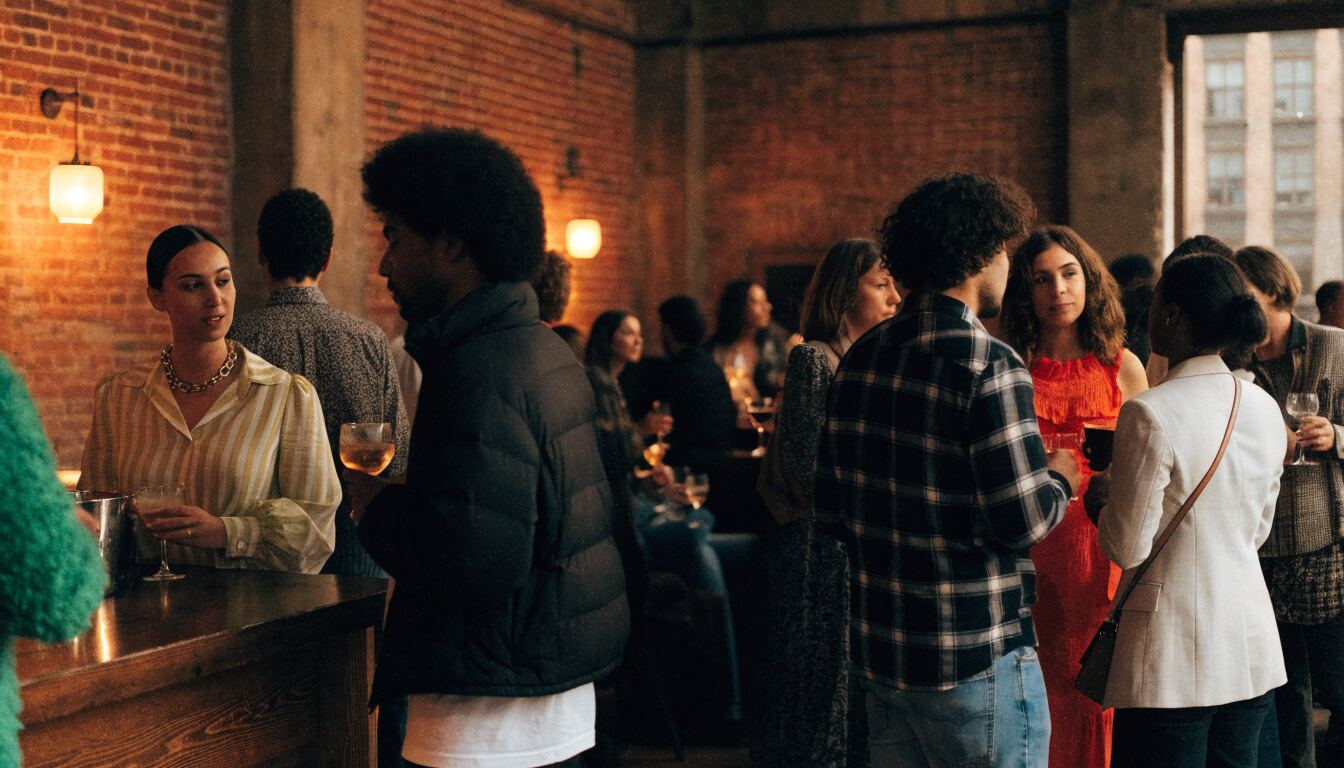
Brooklyn has long shed its image as a sleepy counterpart to Manhattan. Today, it pulses with an energy all its own, drawing people from every walk of life who are eager to experience something authentic. This transformation isn't just about new coffee shops or art galleries; it's about how people are rethinking connection, intimacy, and community. The borough's evolution has created a fertile ground for alternative social scenes, where adults can explore lifestyles beyond the conventional in a setting that feels both worldly and intimate. From the tree-lined streets of Park Slope to the industrial lofts of Bushwick, a new chapter in urban living is being written daily.
What makes Brooklyn particularly magnetic is how it balances anonymity with neighborly warmth. You can be a regular at a neighborhood bar one night and attend a private gathering in a converted warehouse the next. This fluidity supports a thriving ecosystem for those interested in ethical non-monogamy, kink-friendly environments, and other relationship models. The borough's rhythm encourages exploration without judgment, offering spaces where curiosity is met with openness.
A Rich Tapestry of Cultures and Connections
Brooklyn's identity is built on the incredible variety of people who call it home. Walk through any neighborhood and you'll hear a symphony of languages, smell foods from a dozen different traditions, and see styles that range from Hasidic attire to avant-garde fashion. This isn't simply a case of different groups living side by side; it's a dynamic interplay where traditions mix and new subcultures are born. For adults navigating alternative lifestyles, this multicultural backdrop provides a natural comfort with diversity. When difference is the norm in your daily life, branching out into less traditional relationship structures feels like just another facet of the borough's character.
The local vernacular itself reflects this blend, with phrases and attitudes that signal a shared understanding of the area's unique social codes. In many circles, there's an unspoken acknowledgment that people are living their lives in varied and interesting ways. This cultural vibe makes it easier to find your tribe, whether you're new to the scene or a seasoned participant. The openness isn't just performative; it's woven into the fabric of daily interactions at farmers' markets, community gardens, and block parties.
Neighborhoods as Microcosms of Lifestyle
Each pocket of Brooklyn has its own distinct flavor, and this granularity means there's truly a place for every preference. Areas with deep Caribbean roots offer a warmth and communal spirit that can be incredibly welcoming for those seeking genuine connection. Neighborhoods shaped by Eastern European history might have tucked-away social clubs where discretion and old-world charm meet modern sensibilities. Meanwhile, the Latin American influences in parts of Williamsburg and Sunset Park bring a celebratory, family-oriented energy that extends into nightlife and social gatherings.
This geographic diversity allows for a kind of lifestyle exploration that feels organic. You might start your evening at a low-key wine bar in Fort Greene and end it at a themed event in Gowanus. The proximity of these different worlds, accessible by a short bike ride or subway trip, means you can curate your social experiences precisely. For those in the swinging or polyamorous communities, this translates to a calendar that can be as varied as the borough itself, with house parties, discussion groups, and dance nights all within reach.
Art, Food, and the Spirit of Reinvention
Creativity permeates Brooklyn's streets, and it's a major driver of its social scene. The DIY ethos that took root decades ago has matured into a sophisticated network of artist-run spaces, underground supper clubs, and immersive experiences. This creative undercurrent is a natural ally to adult lifestyle communities, which often thrive on the same principles of self-expression and boundary-pushing. Art here isn't confined to white-walled galleries; it spills out onto murals, into pop-up performances in lofts, and onto the plates of experimental chefs.
The culinary landscape mirrors the borough's ethos of mixing things up. You can find a hole-in-the-wall serving traditional jerk chicken next to a chef experimenting with Nordic-Japanese fusion. This willingness to innovate and blend traditions resonates deeply with those who question conventional relationship scripts. Just as a chef might deconstruct a classic dish and rebuild it with unexpected ingredients, many Brooklynites are deconstructing traditional monogamy and building relationship models that suit their specific needs. The dinner table often becomes the first place these conversations happen, lubricated by excellent food and a shared sense of adventure.
Where Music and Mingling Meet
Live music venues, from iconic Williamsburg clubs to intimate back-room bars in Bed-Stuy, serve as crucial gathering points. They're places where the focus is on shared experience rather than direct one-on-one pressure, making them ideal neutral ground for meeting like-minded people. The soundtrack of Brooklyn—ranging from Afrobeat to indie rock to underground electronic—sets a mood that encourages letting your guard down. Many alternative lifestyle groups host meet-and-greets at these venues, leveraging the existing atmosphere of creative energy to facilitate connections.
The theatrical side of Brooklyn also plays a role. Experimental theater, burlesque shows, and drag performances often explore themes of gender, sexuality, and relationship dynamics in ways that resonate with kink-aware and polyamorous audiences. Attending these shows can be both entertainment and a form of community bonding, sparking conversations that might be harder to start in a traditional bar setting. The shared experience of witnessing bold artistic expression creates an instant shorthand among attendees.
Shifting Landscapes: Affordability and Community Ties
The evolution of Brooklyn's neighborhoods has brought undeniable tension. As renovated brownstones and gleaming high-rises appear, the economic fabric of long-established communities is strained. For those involved in alternative lifestyles, this shift presents a paradox. On one hand, new residents often bring progressive attitudes and a desire for the kind of social experimentation Brooklyn is known for. On the other, the displacement of working-class families and artists threatens the very authenticity that made the borough attractive in the first place.
The conversation around gentrification is particularly relevant for lifestyle communities that value inclusivity. When rents climb, the spaces that once hosted play parties, discussion circles, or communal dinners can vanish overnight. Long-running venues are replaced by chain stores, and the informal networks that took years to build can be fractured. This economic pressure forces communities to become more intentional and resilient, often pooling resources in creative ways to maintain their foothold.
Navigating the Housing Puzzle
Finding an affordable place to live in Brooklyn is a significant challenge, and it directly impacts how adults build their social and romantic lives. Many people opt for shared housing arrangements, which can organically foster a communal, open-minded atmosphere. Large apartments with multiple roommates often become de facto hubs for gatherings, blurring the lines between private and public space. For those practicing polyamory or who simply value a fluid home environment, these living situations can be ideal, though they require strong communication skills.
There are also grassroots efforts to preserve affordability. Housing cooperatives and community land trusts have gained traction, embodying the values of cooperation and shared responsibility that mirror many relationship philosophies in the lifestyle scene. Getting involved in these initiatives can be a way to meet people who share not just your romantic outlook but your commitment to equity. Practical tips for newcomers include:
- Look beyond the most hyped neighborhoods to areas like Flatbush or Sunset Park, where community ties remain strong.
- Explore co-living spaces designed for adults, which often host social events and attract a creatively minded crowd.
- Network through interest groups on social platforms to find roommate situations that align with your lifestyle values.
Pushing Back to Preserve Character
It's not just about passively watching change happen. Across Brooklyn, residents are actively organizing to protect the soul of their neighborhoods. This resistance can be seen in campaigns to save local dive bars from demolition, in community land-use meetings, and in the support of legacy businesses. For those in the lifestyle, participating in these efforts is a powerful way to embed yourself in the community. You'll find that the same people advocating for a new community center might also be the ones hosting a themed social night later that week.
This activism builds a different kind of intimacy. Working side by side on a neighborhood clean-up or a fundraiser for a local shelter creates bonds that are sturdy and meaningful. It's a reminder that alternative lifestyles aren't just about what happens behind closed doors; they're about how you show up for the broader community. The friendships forged in these settings often become the bedrock of a strong social network that supports all other aspects of life.
Embracing the Outdoors and the Night
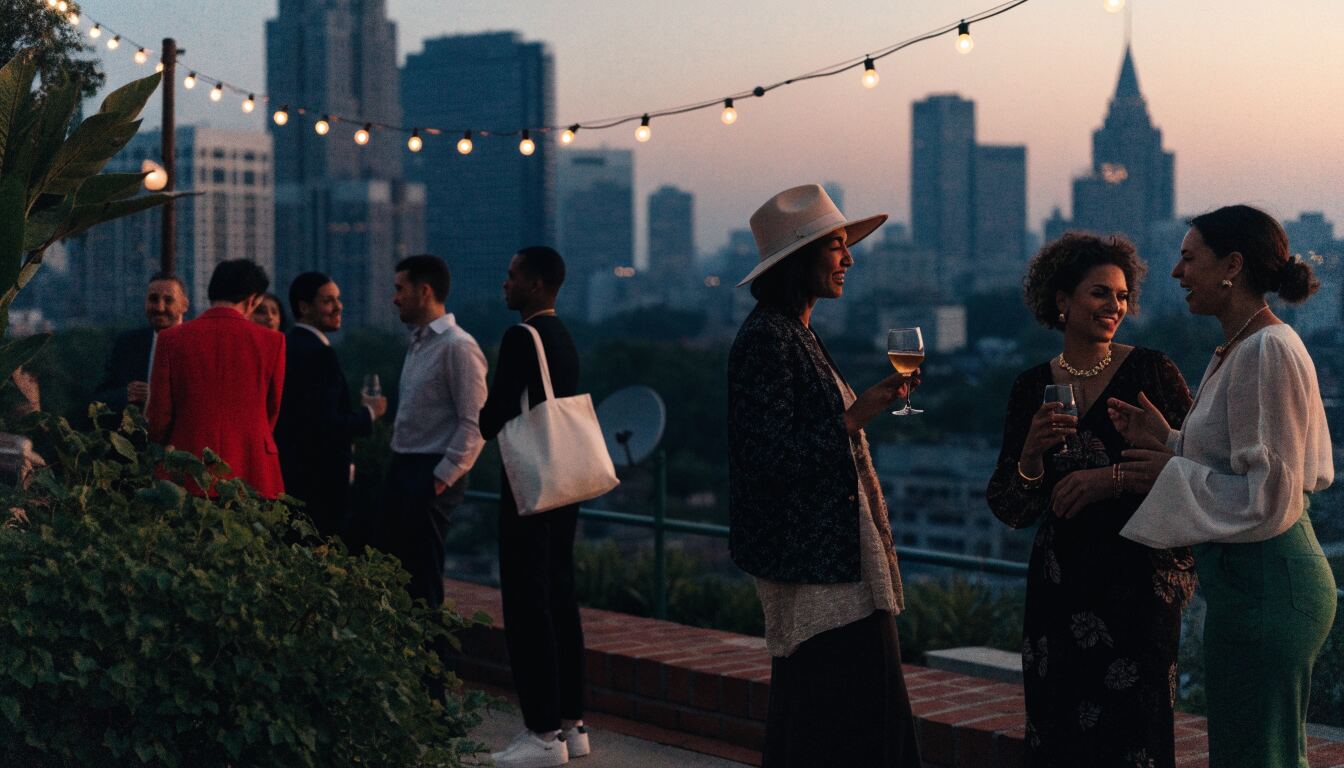
Brooklyn's lifestyle isn't confined to indoor venues. The borough's parks and waterfronts serve as a communal backyard, especially during warmer months. Prospect Park becomes a sprawling tapestry of picnics, drum circles, and sunbathers, while Brooklyn Bridge Park offers stunning views and a more polished atmosphere. These public spaces are where you can organically meet people in a low-stakes environment. A casual conversation over a shared bench or a frisbee game can lead to discoveries of shared interests and mutual connections.
For those who prefer more structured outdoor socializing, there are countless recreational clubs. From running groups that end at a bar to queer-friendly bike rides, these activities blend fitness with socializing. They attract a demographic that values health and connection, and they often serve as a soft entry point for people who might be curious about alternative scenes but aren't ready for a club environment. The endorphin rush of a good workout combined with a relaxed post-activity hangout creates a natural, unforced chemistry.
The Many Layers of After-Dark Entertainment
When the sun goes down, Brooklyn offers a spectrum of nightlife that caters to every comfort level. The beauty of the scene is its lack of a central hub; you can find what you're looking for in nearly every corner of the borough. Dive bars with cheap drinks and jukeboxes provide a casual backdrop for conversation, while upscale cocktail lounges in Williamsburg offer a more curated, sensual atmosphere. For those specifically seeking lifestyle-friendly spaces, there are venues that host regular theme nights where the dress code might be fetish wear or simply a signal of open-mindedness.
The key is understanding the rhythm of different nights. A bar that's a quiet date spot on a Tuesday might transform into a vibrant dance party with a polyamorous meetup on a Friday. Staying connected to local event calendars and following the social media of key venues is essential. Tips for navigating the scene include:
- Start with mixed-interest events like burlesque bingo or trivia nights at known lifestyle-friendly bars to scope out the vibe without pressure.
- Look for venues that prioritize consent and have clear policies, which indicates a safer and more respectful environment.
- Don't overlook neighborhood bars in less trendy areas; they often have the most loyal and welcoming regular crowds.
Getting Around and Staying Connected
The practical side of Brooklyn life—how you move through the borough—directly shapes your social experience. The subway system, while famously imperfect, knits neighborhoods together and makes it feasible to live in one area and play in another. However, the lack of accessibility at many older stations is a real barrier, and it's a reminder that not everyone can participate in the borough's offerings equally. Advocacy for better transit is part of making the social scene truly inclusive.
The expansion of bike lanes and the Citi Bike program has been a game-changer. Cycling offers a sense of freedom and a direct connection to the streetscape. You notice more on a bike: the hidden murals, the new pop-up shop, the person you might want to chat with at a red light. For those living a non-traditional lifestyle, this mode of transport can feel symbolically fitting—efficient, a little adventurous, and integrated with the city's pulse. It also makes bar-hopping or event-hopping across neighborhoods like Bushwick and Ridgewood incredibly easy.
Walkability as a Social Tool
Brooklyn's walkable scale is one of its greatest assets for building community. You can spend an afternoon wandering through Cobble Hill, stopping into independent bookstores, grabbing a coffee, and inevitably running into acquaintances. These spontaneous street-level interactions are the glue of a social scene. It's much easier to invite someone to a gathering when you've just bumped into them and had a genuine, unhurried chat. The pedestrian-oriented improvements, like wider sidewalks and plazas, encourage this kind of lingering.
For adults in lifestyle communities, this walkability supports a healthy, public-facing way to connect before any private encounters. A walk across the Brooklyn Bridge or along the waterfront in DUMBO is a classic, low-pressure date option that allows for real conversation. The simple act of strolling together, detached from the intensity of a bar or club, can build a foundation of comfort and trust that is essential for any kind of alternative relationship dynamic.
Where Old Bones Meet New Tech
Brooklyn's architectural story is one of constant adaptation. Historic brownstones stand alongside converted factories, and new glass towers reflect the sky. This physical layering of old and new mirrors the social landscape. The Brooklyn Navy Yard, once a shipbuilding hub, now houses tech firms and a distillery. Industry City in Sunset Park has transformed massive warehouse spaces into a campus of creative businesses and food halls. These revitalized zones are neutral, interesting territory for dates and meetups, charged with a sense of history and reinvention.
The preservation of heritage isn't just about aesthetics; it provides a sense of continuity that grounds the fast-paced changes. For lifestyle communities, which can sometimes feel transient, anchoring activities in historic venues—a converted church turned event space, a former bank that's now a bar—adds a layer of ritual and significance. It connects the present-day exploration of relationships to a longer narrative of human connection and gathering in these very spaces.
How Digital Life is Reshaping Intimacy
Technology has fundamentally altered how Brooklynites work and love. The remote work revolution means many people are no longer commuting into Manhattan, freeing up time and energy for local social pursuits. Coffee shops and co-working spaces in neighborhoods like Greenpoint and Crown Heights are filled with laptops during the day, but these same spaces can be where you meet a new friend or partner. The line between professional and social life blurs, which can be both a challenge and an opportunity for those seeking connections.
Brooklyn has become a magnet for tech startups and the digital nomad culture. This influx brings a demographic that is often comfortable with online tools for dating and community organizing. Apps and private social networks are commonly used to find events, vet potential partners, and maintain communication within polycules or kink circles. The tech-savvy nature of the borough means there's a high level of fluency in navigating consent discussions and boundary-setting through digital means before meeting in person. This can lead to more thoughtful, deliberate connections.
Looking Ahead: A Sustainable and Engaged Future
The trajectory of Brooklyn points toward a deeper integration of sustainability and community-driven planning. For the lifestyle scene, this means a growing number of events and spaces that are environmentally and socially conscious. Expect to see more community gardens doubling as gathering spots for open-minded adults, and event organizers prioritizing zero-waste principles. The values of care and mutual responsibility that underpin healthy alternative relationships are finding expression in how people want to treat their borough.
Urban planning is getting more innovative, with a push for mixed-use developments that keep life localized. This 15-minute city concept, where your work, leisure, and home are all nearby, could lead to stronger micro-communities. For those in the polyamorous or swinging worlds, such close-knit neighborhoods can offer a village-like support system, where multiple partners and chosen family members can live within walking distance. It's a modern take on an old idea, facilitated by thoughtful design.
Making Your Voice Heard
The future of Brooklyn's social fabric depends heavily on civic participation. Town hall meetings, online forums, and community board sessions are where decisions get made about liquor licenses, noise ordinances, and public space usage—all of which directly impact adult social venues. Getting involved in these processes is a way to ensure that the borough remains hospitable to diverse lifestyles. It's also a surprisingly effective way to meet civically minded people who may share your personal values.
Supporting local organizations is another tangible action. Whether it's a mutual aid group, an arts non-profit, or a tenant's union, these groups are the connective tissue of Brooklyn life. The skills of communication, negotiation, and empathy that are honed in alternative relationship styles are incredibly valuable in these settings. By showing up, you not only help shape Brooklyn's future but also weave yourself into a community that extends far beyond any single scene or interest.
Navigating the Brooklyn Vibe: Common Questions
How does Brooklyn's diversity benefit alternative lifestyle communities?
The sheer variety of cultural backgrounds means there's a widespread baseline acceptance of different ways of living. When you're surrounded by countless traditions and family structures daily, the concept of ethical non-monogamy or a kink-oriented relationship doesn't seem so unusual. It's simply another thread in a rich social tapestry. This environment makes it easier to find events and social circles where your lifestyle is met with curiosity rather than judgment, and where you can learn from perspectives vastly different from your own.
Is it still possible to find affordable space for community events in Brooklyn?
While the era of dirt-cheap warehouse lofts is largely over, creative solutions are thriving. Many groups pool funds to rent out back rooms of bars on off-nights, or they use communal apartments for rotating gatherings. Outdoor spaces in parks are free and widely used for picnics and meetups during good weather. The key is to look beyond the most obvious neighborhoods and build relationships with local business owners who may be open to hosting private events during slow hours. Co-ops and shared artist studios also often double as event venues.
What outdoor activities are popular for meeting like-minded adults?
Beyond the typical bar scene, there's a huge culture of social sports and recreation. Kickball leagues, particularly those with a tongue-in-cheek, fun-first attitude, are legendary for their post-game socializing. Queer and inclusive hiking groups organize trips to nearby state parks. Paddleboarding and kayaking on the Gowanus Canal or at Brooklyn Bridge Park Boathouse are other great options. These activities attract a health-conscious, open-minded crowd and provide a natural, unpressured way to form bonds over a shared activity.
How has remote work changed the social landscape for Brooklyn adults?
The elimination of the daily Manhattan commute has given people hours of their life back, much of which is being reinvested in local community. Daytime socializing is now a thing. You'll see people on "work dates" at cafes, or taking a mid-afternoon yoga class together. This flexibility has also made it easier for people to host or attend events on weeknights without being exhausted. The boundary between professional networking and personal connection has blurred, often leading to more holistic and integrated social lives.
What does the future hold for nightlife and alternative venues in Brooklyn?
The trend is toward more curated, experience-driven events rather than generic club nights. Think immersive theater mixed with a dance party, or a wellness workshop followed by a social hour. There's also a growing emphasis on safer spaces with explicit codes of conduct and trained consent advocates. Venues are likely to become more multi-purpose, functioning as a coffee shop by day, a co-working space in the afternoon, and an intimate event space at night. This adaptability will be key to surviving in a changing economic landscape.