A Fresh Chapter in Brooklyn's Social Fabric
Something has shifted across the borough. Beyond the familiar craft cocktail bars and indie music venues, a different kind of social scene has been quietly flourishing, one rooted in openness, curiosity, and a redefinition of modern intimacy. Brooklyn is earning a reputation not just for its artistic edge, but as a genuine hub for people exploring consensual non-monogamy. This isn't a fleeting trend tied to one generation or a single neighborhood—it's a reflection of a broader cultural conversation about what relationships can look like when honesty and mutual exploration take center stage. The borough's natural blend of creativity, acceptance, and vibrant nightlife has created a perfect ecosystem for this community to thrive, making it a fascinating case study in how urban spaces can shape personal connections.
Why the Lifestyle is Gaining Momentum Here
A Broader Embrace of Diverse Relationship Models
The conversation around exclusive, traditional partnerships is no longer the only one on the table. For a growing number of people, the appeal lies in crafting a relationship blueprint that genuinely fits their individual needs and desires, rather than squeezing into a one-size-fits-all mold. This involves a deep commitment to transparency—discussing attractions, setting clear personal boundaries, and co-creating experiences with a primary partner or as a single individual. The stigma that once surrounded such choices is dissolving, replaced by a pragmatic view that sees ethical exploration not as a threat to commitment, but as a potential enhancement for couples who are secure in their bond. This intellectual and emotional shift is the bedrock upon which the local scene is built, allowing people to step into these spaces with less fear of judgment and more focus on genuine connection.
The Digital Connective Tissue
It's impossible to ignore the role of online platforms in this evolution. The digital world has dismantled the isolation that curious individuals once felt, replacing it with accessible hubs of information and community. Private forums, dedicated social media groups, and specialized dating applications act as modern-day town squares where newcomers can lurk, learn the etiquette, and eventually engage. These platforms demystify the experience, offering everything from glossary terms to event calendars. They allow people to vet venues, understand what to expect at a meet-and-greet versus a full-fledged party, and connect with others who share specific interests before ever walking through a physical door. This digital layer provides a crucial safety net and a learning curve, making the entire scene far more approachable for those taking their first tentative steps.
A Generational Mindset Shift
Attitudes are visibly transforming, especially among younger demographics who often prioritize experiential living and reject rigid social scripts. There's a greater willingness to decouple physical intimacy from emotional ownership, and a prevailing ethos that relationships should be designed, not defaulted. This doesn't mean a rejection of deep emotional bonds; rather, it's an expansion of the definition. The community in Brooklyn increasingly reflects this nuanced understanding, where swinging is seen as just one point on a vast spectrum of non-monogamous possibilities. This philosophical openness attracts a diverse crowd—from long-married couples seeking to reignite a spark to solo adventurers who value autonomy within their intimate connections. The result is a dynamic, ever-evolving social pool that feels more like a collaborative experiment than a rigid subculture.
Inside a New Breed of Social Venue
Crafting an Elevated, Comfortable Space
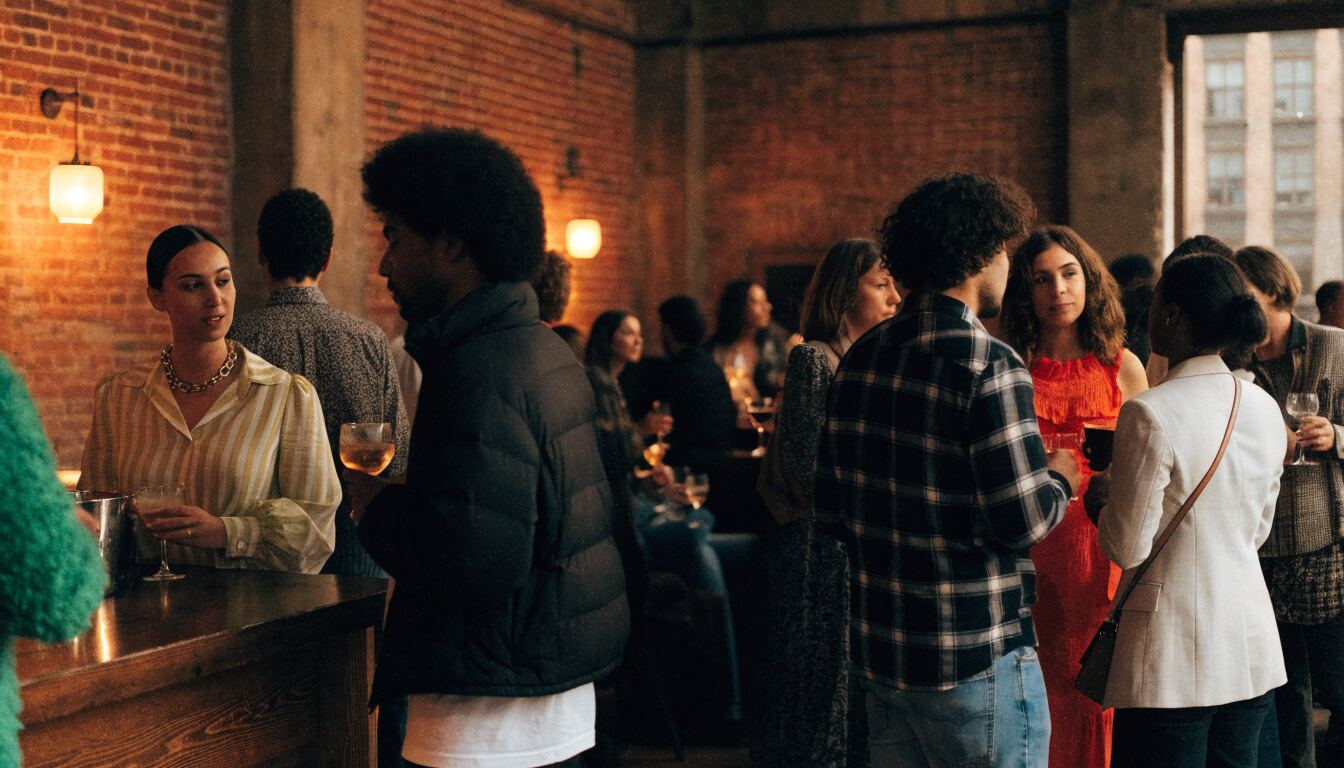
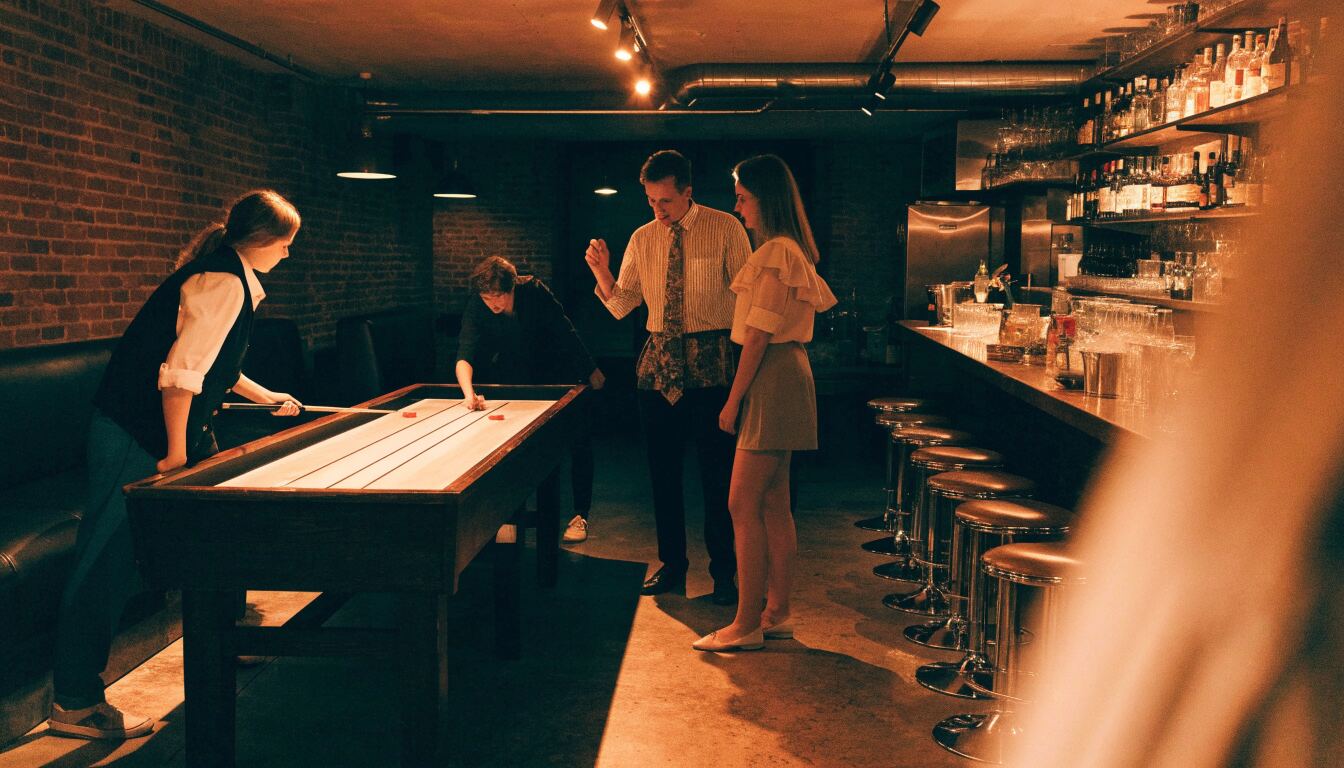
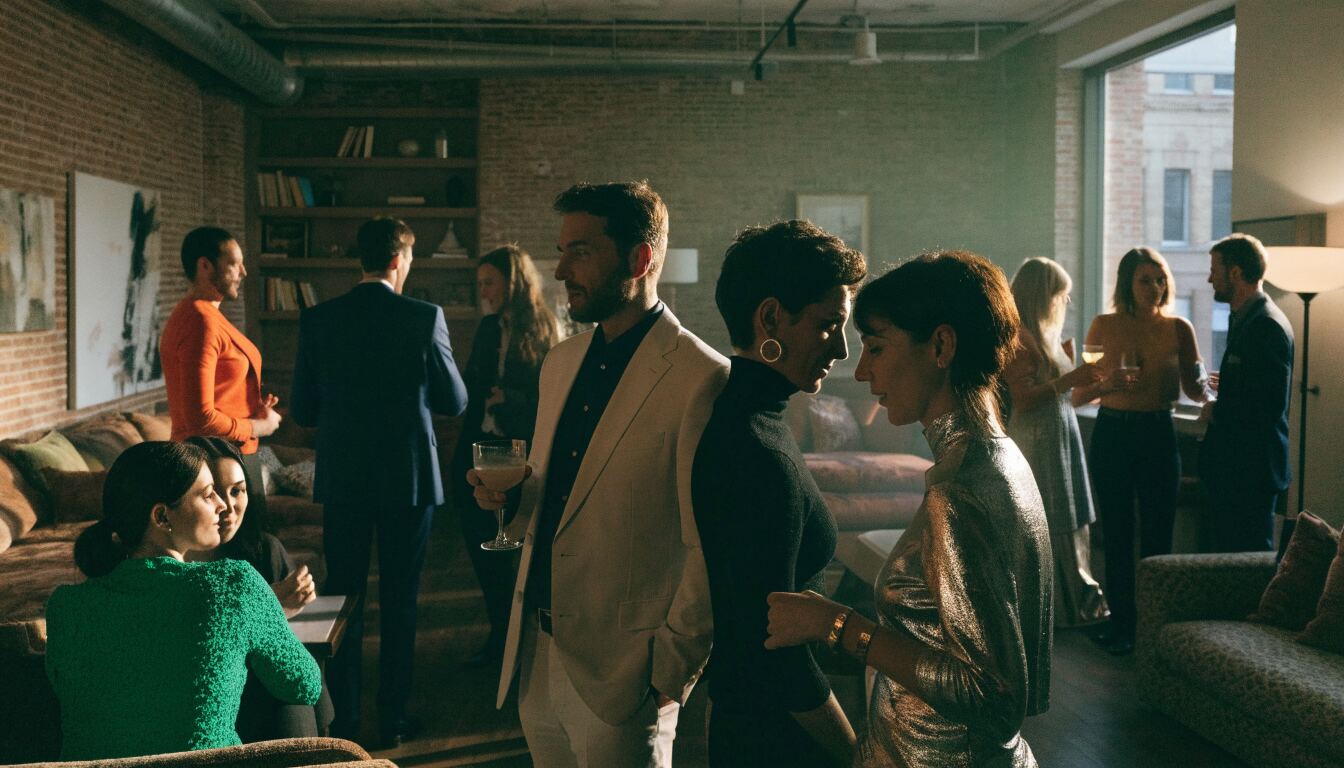
Gone are the days when the mental image of a lifestyle club defaulted to something dimly lit and clandestine. A new wave of venues is intentionally designing environments that feel chic, sophisticated, and genuinely warm. The goal is to create a space where you could feel equally comfortable having an in-depth conversation over a craft cocktail or moving to a more playful area as the evening progresses. Think of a well-appointed private loft party—exposed brick, curated art, plush seating areas that encourage conversation, and a dance floor that balances energy with intimacy. This design philosophy signals a critical message: this is a place for respectful adults to connect, not a place of desperation. The aesthetic alone acts as a filter, attracting individuals who value ambiance and mutual respect, and who see the experience as a holistic social outing rather than a purely transactional event.
A Calendar Designed for Discovery
The programming at these forward-thinking venues is anything but generic. The emphasis is on creating distinct experiences that cater to a wide array of comfort levels and curiosities. You won't just find a generic "party night" on the roster; instead, you'll see a carefully curated lineup designed to break the ice and foster organic interaction. This might include:
- Themed Immersive Evenings: Events like elegant masquerade balls, retro disco nights, or fantasy-inspired gatherings give attendees a playful persona to step into, easing social friction.
- Sensory Exploration Workshops: Some nights might focus on the art of touch, communication exercises, or introductory classes on kink, providing an educational entry point that doesn't immediately assume everyone is ready for a full-play scenario.
- Live Performance Nights: Burlesque shows, aerialist performances, or live musicians add a layer of artistic spectacle, giving guests a shared focal point to discuss and enjoy before the social mingling deepens.
- Low-Pressure Social Mixers: Specifically designed for newcomers, these are often held in a cordoned-off section of the venue or earlier in the evening, with hosts on hand to make introductions and explain the house rules, ensuring no one feels like they've been thrown into the deep end.
Championing a Mosaic of Identities
A defining characteristic of the modern Brooklyn scene is its explicit push for inclusivity. The most respected venues and event organizers are building their reputations on being spaces where diversity is not just tolerated but celebrated. This extends beyond the baseline of welcoming all races, body types, and sexual orientations; it involves actively curating a member base that reflects the actual diversity of New York City. For a single woman, a queer couple, or a person of color, walking into a space and seeing others like themselves is profoundly reassuring. It shifts the dynamic from one of potential otherness to one of belonging. This commitment to inclusivity creates a richer social fabric, as people are exposed to a wider range of perspectives and expressions, ultimately leading to more authentic and unexpected connections.
Navigating the Rich Tapestry of Events
Beyond the Standard Play Party
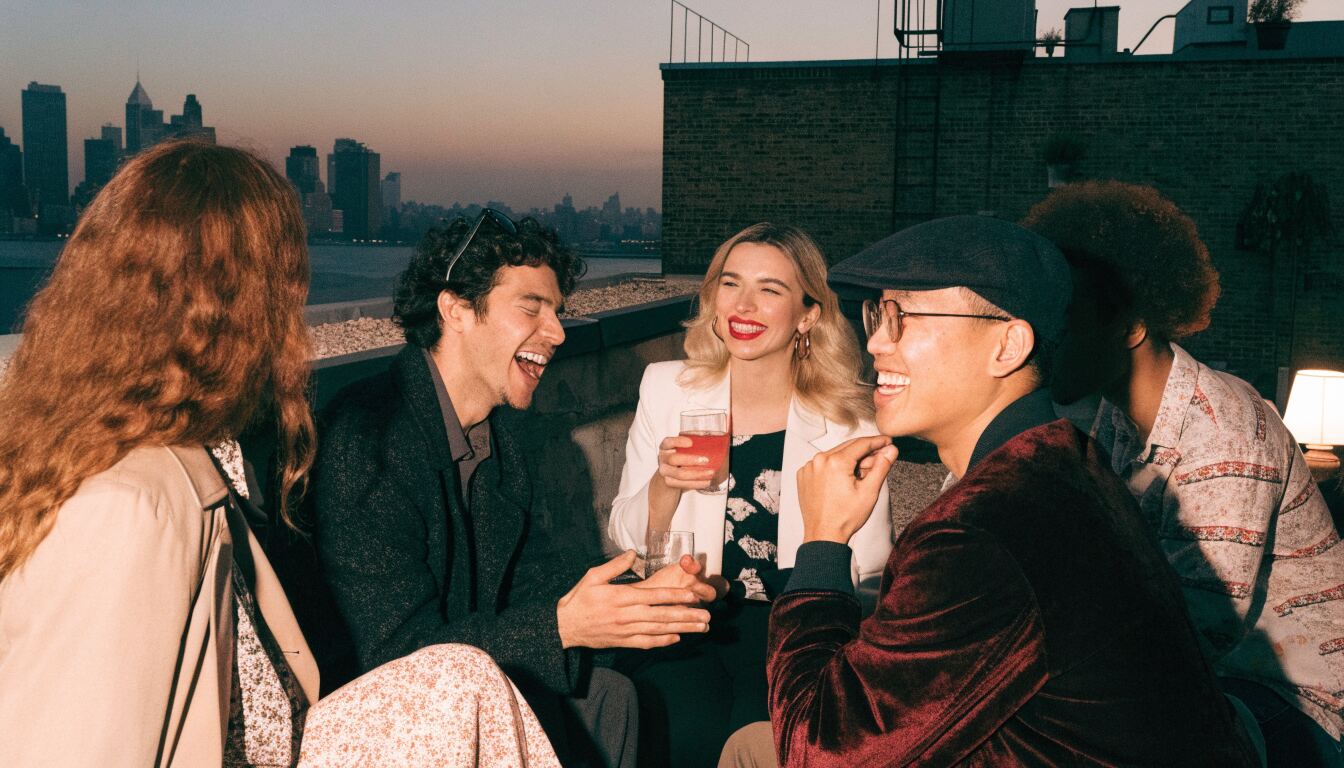
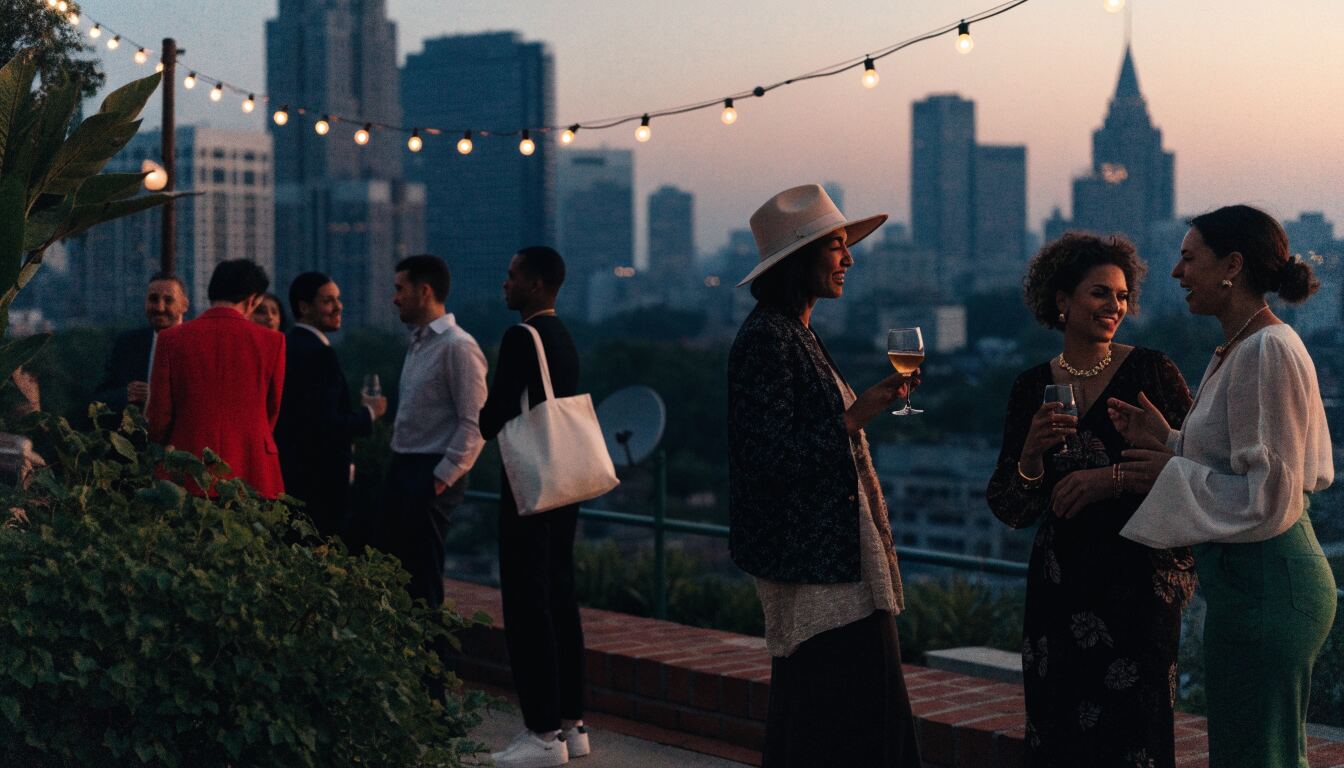
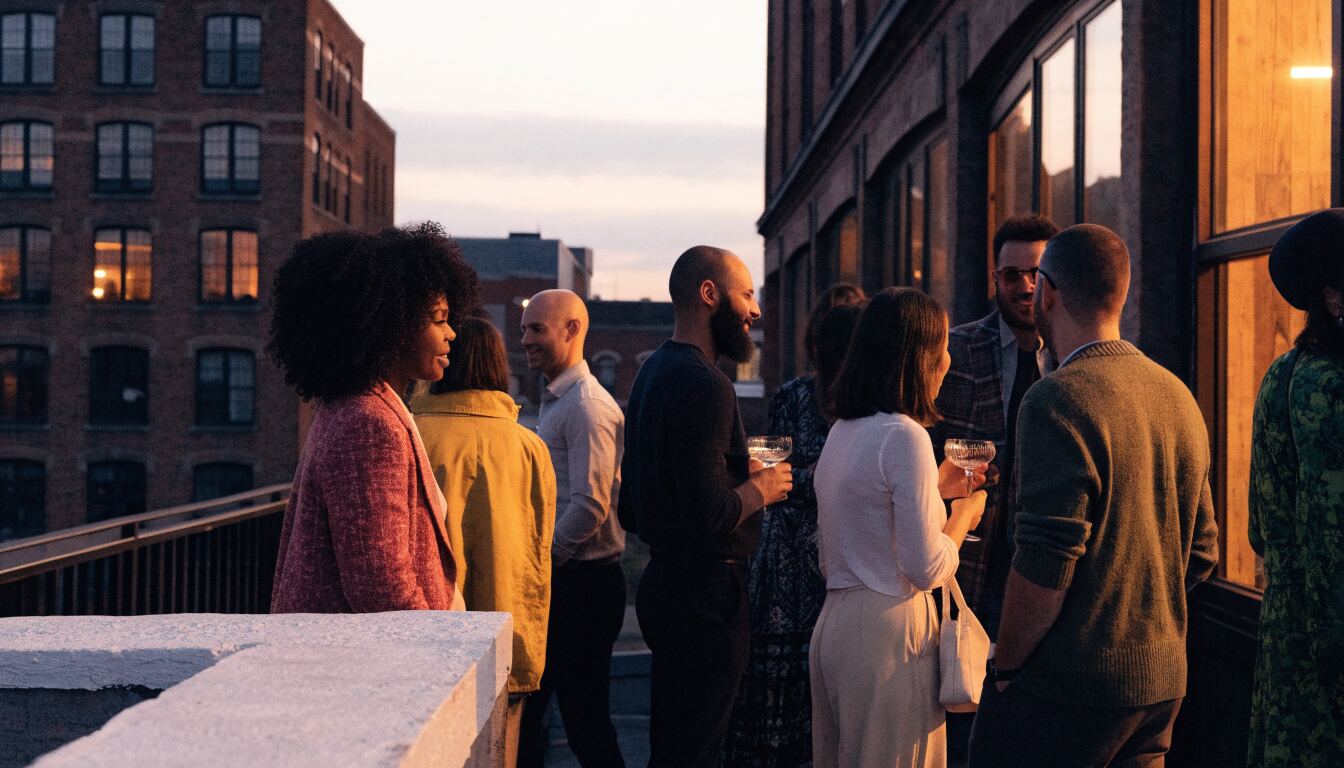
The ecosystem of gatherings in Brooklyn extends far beyond the walls of any single club. The borough is a playground for curated experiences that blur the lines between social club, art happening, and intimate exploration. For those who find the idea of a dedicated lifestyle club too intimidating, these alternative events offer a softer, more layered entry point. You might find a private dinner series for ethically non-monogamous (ENM) individuals, a rooftop yoga class followed by cocktails for body-positive explorers, or a curated art gallery opening with a guest list that subtly overlaps with the community. These events prioritize the social and intellectual connections first, understanding that physical chemistry often ignites more organically when people have already bonded over a shared cultural experience.
Building Your Circle Through Themed Gatherings
Themed parties serve a crucial function beyond just offering a fun dress code. A well-chosen theme acts as a conversational catalyst. When you're at a "Great Gatsby" soirée or a neon-themed 80s prom, you have an immediate, lighthearted topic to discuss with a stranger. It strips away the mundane small talk about careers and replaces it with playful banter about costumes and characters. For those new to the scene, this is an invaluable tool. It transforms the daunting prospect of "approaching a couple you're interested in" into the much simpler task of "complimenting someone on their clever costume." These themes also allow individuals to explore different facets of their personality in a safe, temporary container, adding a layer of theatrical fun to the night.
The Power of Consistent Meetups
Community is not built at a once-a-year blowout; it's forged in the rhythm of regular, smaller check-ins. Across Brooklyn, you'll find a network of recurring meetups that serve as the community's backbone. These might be weekly pub nights in a private back room, monthly book clubs focused on relationship and sexuality texts, or recurring discussion groups where people share their triumphs and challenges in the lifestyle. The power of these gatherings lies in their consistency. They allow the same faces to reappear, transforming acquaintances into confidants and play partners into genuine friends. For many, this support network becomes the most valuable aspect of the entire experience. It's a space where you can speak candidly about the complexities of jealousy, compersion, or navigating a new relationship dynamic, and receive advice from people who have walked that same path.
The Magnetic Pull of the Borough After Dark
An Ecosystem of Energy and Art
Brooklyn's nightlife infrastructure is uniquely suited to support this community. The borough doesn't just offer venues; it offers a vibe. The pervasive creative energy, from the street art in Bushwick to the live jazz in Fort Greene, creates a backdrop that feels inherently more interesting than a generic club district. For a couple on a date night that might later evolve into a lifestyle event, the ability to start with a world-class meal, catch an avant-garde performance, and then seamlessly transition to a private party is a huge draw. This progression allows for a full-spectrum evening where the focus is on shared experience, and the "lifestyle" element is simply an optional, exciting finale, not the sole purpose of going out.
Logistical Ease and Neighborhood Diversity
From a purely practical standpoint, Brooklyn is remarkably navigable. The extensive subway lines, the prevalence of ride-sharing, and the distinct character of each neighborhood make planning a multi-stop evening straightforward and enjoyable. Each area offers a different flavor: the industrial-chic lofts of East Williamsburg, the historic brownstone charm of Park Slope, or the waterfront views in DUMBO. This variety means event organizers can choose a setting that perfectly matches the tone of their gathering, and attendees can often find a hotel or Airbnb nearby, eliminating any late-night travel stress. The convenience factor lowers the barrier to entry, turning what could be a logistical headache into a carefree adventure.
Forging Deeper Bonds Beyond the Physical
From Play Partners to Confidants
One of the greatest misconceptions about the lifestyle is that it's purely about sexual variety. The reality, as many seasoned participants will attest, is that the most lasting reward is often the platonic community. The act of engaging in such a vulnerable and honest pursuit with others creates a powerful accelerator for friendship. You quickly move past surface-level personas. The connections forged here are often characterized by a rare degree of candor and a lack of pretense. It's not uncommon for people to find that their lifestyle friends become their primary support system for all of life's ups and downs, from career changes to family issues, because the foundation of the friendship was built on radical authenticity from day one.
A Network That Understands
Mainstream society rarely provides a space to process the unique emotional landscape of an open relationship. Your traditional friends might not understand the concept of compersion, or why you'd need to debrief after a party about feelings of unexpected jealousy, even when everything went "well." The community in Brooklyn provides a ready-made network of people who get it without judgment. This peer support is a vital resource, offering a sounding board that normalizes complex emotions. Whether it's a group chat that lights up after an event or a regular brunch where "vanilla" life is left at the door, this network acts as an emotional anchor, helping individuals and couples navigate their journey with greater stability and insight.
The Glue of Shared Memory
Ultimately, a community coalesces around shared stories. The inside jokes from a particularly wild theme night, the collective memory of a weekend retreat in the Catskills, or the mutual support shown during a member's personal crisis—these are the threads that weave a group of individuals into a tribe. These shared experiences create a sense of continuity and belonging that is deeply human. For many, this sense of tribe becomes the primary draw, with the erotic exploration serving as the initial catalyst for entry into a rich, multifaceted social life. It's about finding your people—the ones you can laugh with, dance with, be vulnerable with, and yes, also explore with.
The Non-Negotiable Pillars: Safety and Consent
The Art of the Pre-Game Discussion
No successful swinger experience happens by accident. The real work begins long before the outfit is chosen, in a series of brutally honest conversations between partners. This isn't a one-time chat but an ongoing dialogue. It involves defining hard limits (acts or scenarios that are entirely off the table), soft limits (things that might be okay in the right context), and enthusiastic desires. A practical tip is to use the "traffic light" system: clearly define your personal "red" (hard no), "yellow" (proceed with extreme caution, check-in required), and "green" (enthusiastic yes) activities. These boundaries are not a sign of distrust; they are a gift of clarity you give to each other and to any new person you engage with. Revisiting this conversation after each event is equally crucial, as boundaries can and should evolve with experience.
Communication as an Active Practice
In the moment, communication must shift from a theoretical discussion to an active, ongoing practice. This means using clear, unambiguous language. "I'm not comfortable with that" is a complete sentence. A more subtle but equally important skill is reading non-verbal cues from everyone involved. Is your partner's body language open or closed? Does the person you're talking to seem engaged or are they scanning the room for an exit? The community's gold standard is enthusiastic, continuous consent, which can be revoked at any moment without explanation. A simple "I need a break" or "Let's slow down" should be met with immediate, gracious acceptance. The ability to handle a "no" with poise is what separates a safe play partner from a potential risk.
Shared Responsibility for a Secure Space
Creating a safe environment is a collective responsibility, not just the job of a venue's security staff. Seasoned community members understand they play a role in maintaining the container. This includes being an active bystander—if you observe behavior that seems pushy or a person who looks isolated and uncomfortable, it's appropriate to gently check in or alert a staff member. Respecting personal space is paramount; never assume a welcome, and always ask before touching. Furthermore, the community is increasingly embracing proactive sexual health conversations. Discussing recent STI testing status, safer sex practices, and protection preferences is normalized, not stigmatized, within these circles. It's treated as a mature, essential part of the negotiation, demonstrating care for the entire community's well-being.
Looking Ahead: The Next Evolution
Hyper-Niche and Experiential Trends
The future of the Brooklyn scene points toward greater specificity. As the community matures, expect to see a proliferation of micro-events catering to hyper-specific interests, far beyond general themes. Think parties designed exclusively for geeks, gatherings for parents who navigate the lifestyle, or events that blend high-level artistic performance with erotic exploration. We're also likely to see a rise in weekend-long immersive retreats that take the community out of the city, offering a deeper, more contained experience. Technology will continue to play a role, not just in dating, but in creating digital vetting systems and private social networks that prioritize privacy and compatibility matching based on nuanced preferences.
Education and Mainstream Integration
A significant growth area lies in formalized education. The demand is rising for expert-led workshops on ethical non-monogamy, jealousy management, and advanced communication skills. This could evolve into regular seminar series or partnerships with relationship therapists who specialize in alternative models. Simultaneously, expect to see a more seamless integration between mainstream nightlife and lifestyle events. A popular bar might host a private, ticketed "after-hours" mixer for the ENM crowd, or a well-known restaurant could offer a discreet dinner club experience. These collaborations serve to normalize the lifestyle, presenting it as just another facet of a rich adult social life.
The New Guard's Influence
Newer participants are entering the scene with a different operating system. They are digital natives, highly adept at using apps to connect and vet, and they bring a deeply ingrained ethos of social justice and inclusivity. This generation is more likely to challenge hierarchies, demand transparency from event organizers, and prioritize emotional safety to the same degree as physical safety. Their influence will likely steer the scene toward being even more fluid, queer-friendly, and politicized, viewing the act of building a consensual, pleasure-positive community as a radical and positive social statement. They aren't just joining a scene; they are actively reshaping it to align with their values, ensuring the future of swinging in Brooklyn is as thoughtful and dynamic as the borough itself.
Common Questions Unpacked
What exactly defines the swinger lifestyle?
At its core, swinging refers to a practice where committed couples, or sometimes singles, agree to engage in recreational social and/or sexual activities with other people. The defining characteristic is that it's done with the full knowledge and consent of everyone involved. It’s not about secret affairs but about a shared adventure that a couple embarks on together, although the specific rules of engagement vary wildly from one relationship to the next. For some, it's about "soft swapping" (activities like kissing or touching with others), while for others, it involves a "full swap." The common thread is a foundation of radical honesty and a commitment to prioritizing the primary partnership's health.
Is it genuinely a safe activity to participate in?
Safety, both physical and emotional, is the absolute priority within reputable circles. The safety is not inherent to the act itself but is actively constructed through a strict code of conduct. This code is built on continuous, enthusiastic consent, sober communication, and respect for boundaries. Venues and event organizers who are pillars of the community enforce these rules rigorously, often having staff on hand specifically to ensure guidelines are followed. The risk level is managed by the participants themselves through meticulous vetting, clear negotiation, and a zero-tolerance culture for any form of coercion or boundary violation.
How can a curious couple discover events in Brooklyn?
The journey typically begins online. Dedicated lifestyle platforms and private social media groups are the primary directories. Searching for terms related to ethical non-monogamy and the local area will yield results. It's wise to start by finding a reputable event listing site that vets its postings. Many events require an application or a brief introductory call to ensure you're a good fit and understand the etiquette before the address is even shared. This screening process is a green flag, not an obstacle, as it shows the organizers care about the safety of their guests. Look for "meet and greets" or "newbie nights" as your ideal entry point.
Is membership a universal requirement for these parties?
It varies significantly from event to event. Private clubs often operate on a membership model for legal and community-curation purposes, offering different tiers that might include access to a calendar of events. Other gatherings, especially those held in rented lofts or bar backrooms, are ticketed on a per-event basis without requiring an ongoing membership. Always check the specific event's website or listing for its entry requirements. A membership requirement is often a sign of a more established, community-focused organization that invests in the quality and safety of its environment.
What is the expected dress code for a lifestyle event?
Dress codes are as diverse as the events themselves, but the overarching goal is to look and feel your best. A common baseline is "dress to impress"—think upscale cocktail attire for a night out in Manhattan. Some parties will have strict thematic dress codes (e.g., all-white party, leather and lace) that you are expected to follow. The key is to read the invitation carefully. Many venues have a policy where you can arrive in stylish street wear and change into something more revealing or theme-specific once inside. The emphasis is always on a polished, intentional look that signals respect for the venue and the other guests.
Are single individuals welcome, or is it only for couples?
This is one of the most variable factors. Many events are couple-centric, especially on Saturday nights, to maintain a specific gender balance and dynamic. However, there is a growing number of events that warmly welcome solo individuals, particularly single women. Some parties host specific nights where single men are permitted, often with strict behavioral guidelines and a capped number of tickets to ensure a comfortable atmosphere for everyone. The event description will always explicitly state its policy on singles. If it's not clear, reaching out to the organizer is the best course of action to avoid showing up and being turned away.