A City of Secrets and Celebration
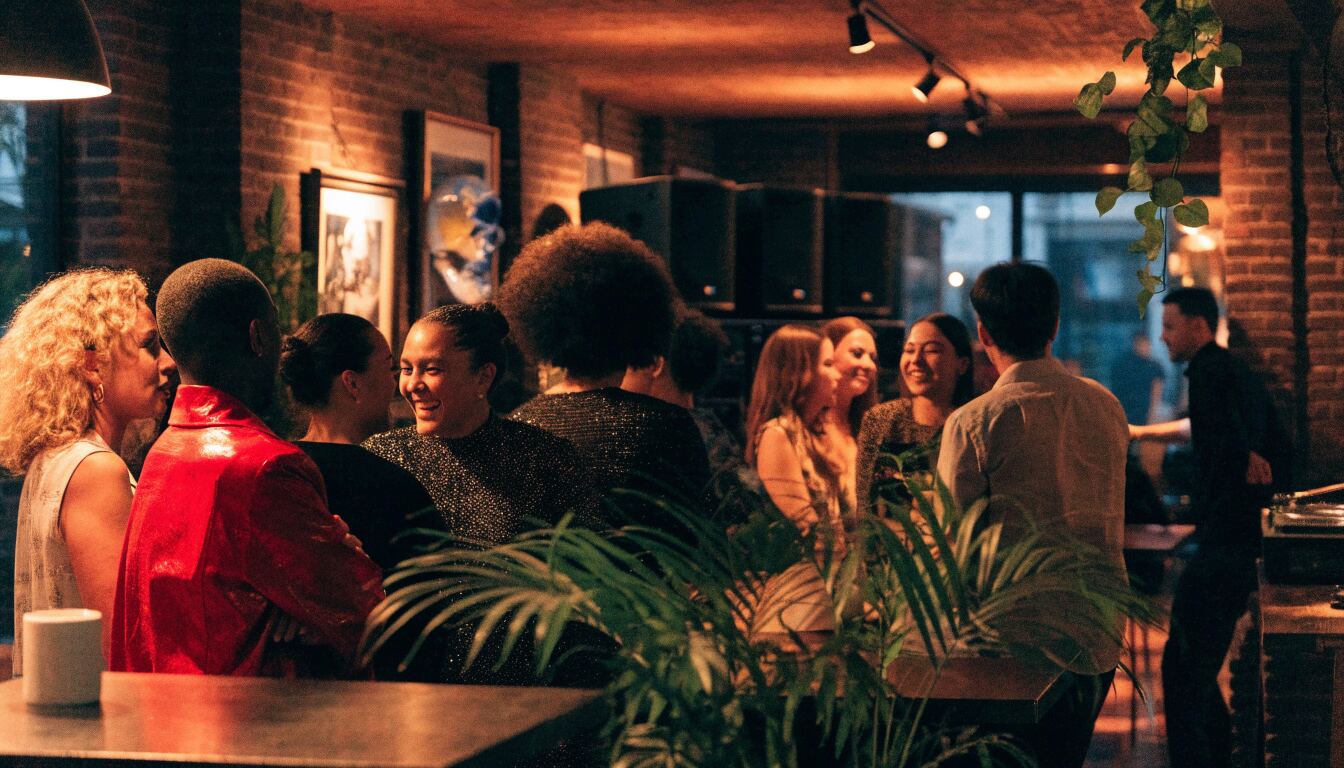
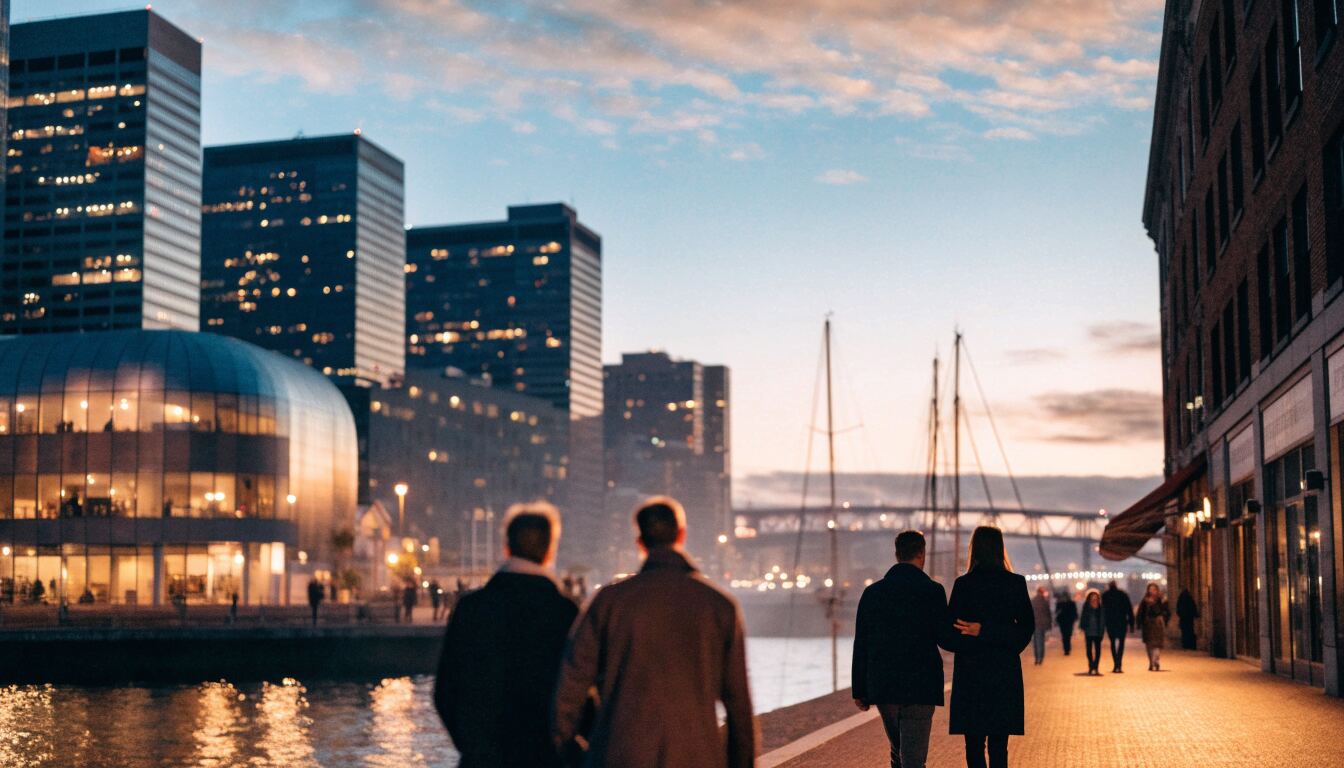
Baltimore’s evening landscape has always been more than a simple collection of watering holes and dance floors. It’s a living archive of personal histories, whispered rumors, and groundbreaking cultural shifts. Behind unmarked doors and down dimly lit staircases, a parallel social world has flourished for decades—one defined by freedom, artistry, and an unshakeable sense of community. This journey into the city’s storied adult nightlife is not about graphic detail, but about understanding a unique subculture: the famous figures who wandered in, the eerie tales that refuse to die, and the transformative power of spaces where people could truly be themselves.
Brushes with Fame in the Moonlight
Unexpected Patrons and Low-Key Encounters
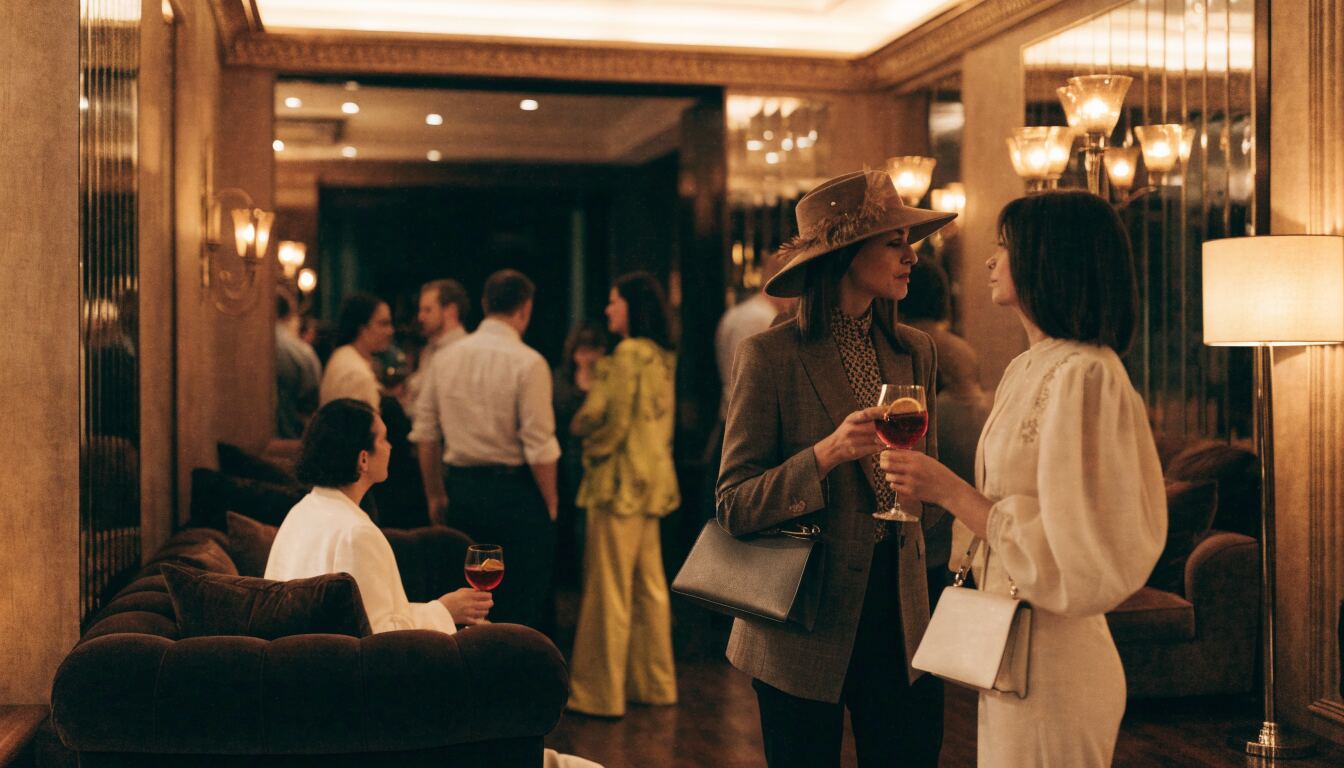
It’s a common misconception that celebrities only frequent velvet-rope hotspots in Los Angeles or New York. In reality, Baltimore’s scene has long been a magnet for well-known faces seeking anonymity and a genuine, unpretentious atmosphere. Touring musicians, weary from stadium performances, have historically slipped into local spots to decompress without the pressure of a public persona. Film and television actors, in town for months-long shoots, often discovered these venues as a refuge from the isolating nature of temporary residences and hotel bars. What drew them wasn’t extravagance, but authenticity. The chance to be a face in the crowd, to share a drink without a selfie request, made these clubs a priceless sanctuary. This dynamic created a culture of respectful discretion that remains a cornerstone of the community today.
Performers Who Became Local Pillars
Beyond fleeting celebrity sightings, the true heartbeat of the nightlife has always been the performers who built their careers on local stages. Before national recognition, numerous bands cut their teeth in these intimate venues, forging a raw sound that could only be born from a tight-knit, receptive audience. Similarly, drag artists and burlesque performers have not merely entertained; they have shaped the very identity of Baltimore’s nightlife. Many became legendary figures, their weekly shows evolving into unmissable community rituals. Electronic music pioneers and DJs also deserve credit for crafting the sonic backdrop, blending genres in ways that mirrored the eclectic mix of people on the dance floor. These artists weren’t just background entertainment—they were the architects of the room’s emotional journey.
The Unsung Architects of Atmosphere
While performers bask in the spotlight, a venue’s soul is often curated by those behind the scenes. Club proprietors, event promoters, long-serving bartenders, and even dedicated regulars collectively weave the social fabric. A thoughtful owner might design a space to feel like a private living room, encouraging conversation over spectacle. A skilled promoter understands the delicate alchemy of curating a crowd, ensuring a diverse and harmonious mix of energy. Bartenders act as informal hosts and confidants, remembering a patron’s preferred drink and checking in on their week. These individuals transformed commercial spaces into genuine community hubs, where the feeling of belonging was the most intoxicating offering of all. Their legacy is a blueprint for how intentional hospitality can foster a powerful sense of connection and safety.
Whispers in the Shadows: Local Myths and Folklore
Spectral Dancers and Unseen Inhabitants
No exploration of an old city’s nightlife is complete without its ghost stories, and Baltimore’s venues are rich with them. One enduring legend speaks of a performer from a bygone era who, it is said, never truly left her favorite stage. Staff and patrons alike have reported inexplicable phenomena in certain historic buildings: a sudden chill in a warm hallway, the faint echo of music when the speakers are silent, or a fleeting glimpse of a figure dressed in period-appropriate attire. Rather than frightening, these tales are often recounted with a sense of protective fondness. The spectral presence is seen not as a haunting, but as a permanent resident spirit, a guardian of the venue’s long and vibrant history, ensuring the party never truly ends.
Rumors of Vanishing Acts and Hidden Networks
More unsettling are the urban legends that deal with disappearances and secret societies. Fueled by the late-night hour and a collective love for mystery, stories persist of individuals who allegedly vanished after a night of revelry. Most of these accounts are likely just that—stories—amplified by the era’s lack of instant communication and a touch of sensationalism. Yet, they contribute to a palpable mystique. Another layer of lore involves a rumored subterranean network: a system of Prohibition-era tunnels connecting various buildings. The tales suggest these brick-lined passages were used for bootlegging, discreet travel for public figures, and the kind of secret rendezvous that fuel a novelist’s imagination. Whether factual or completely apocryphal, the idea of a hidden city beneath the streets adds a thrilling dimension to the history of these social spaces.
The Transformation of Social Sanctuaries
Tracing the Arc from Speakeasy to Safe Space
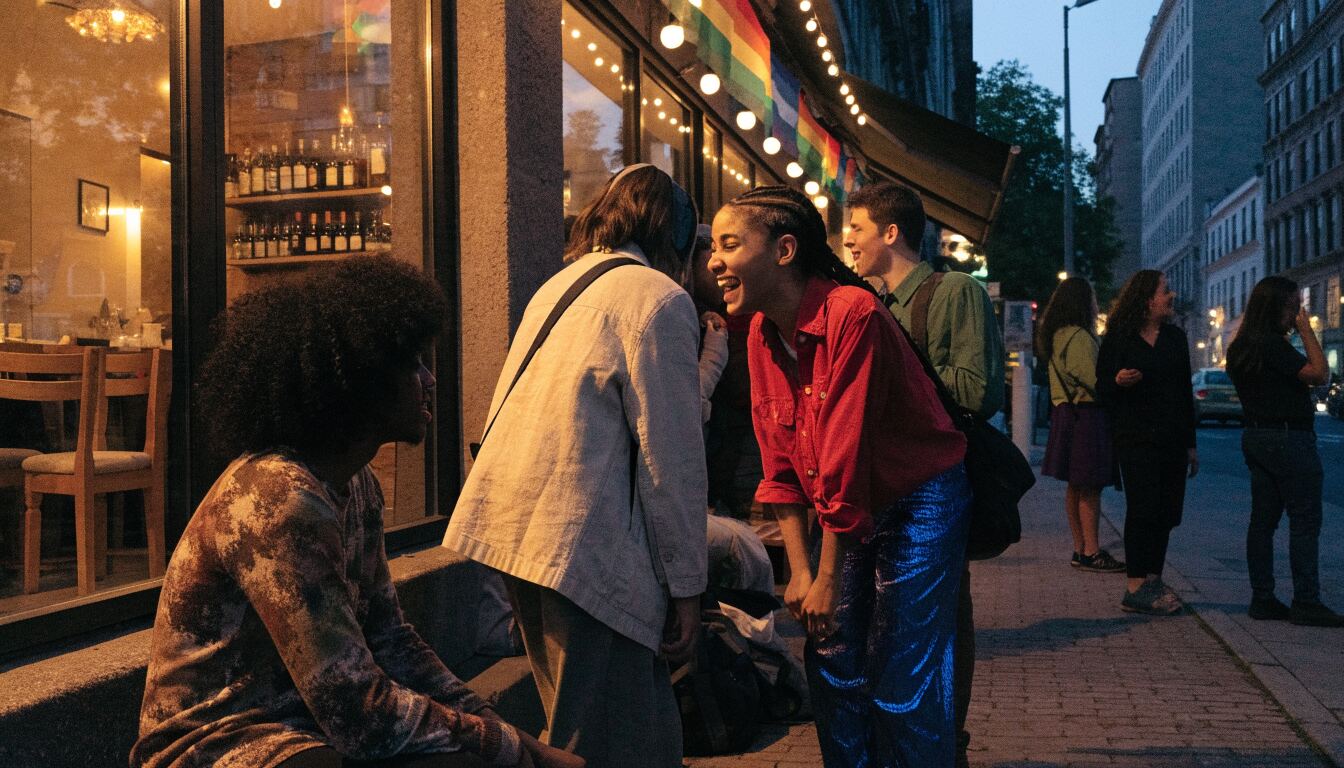
The evolution of Baltimore’s adult social clubs is a direct reflection of broader societal shifts. What began in the shadows of prohibition—secret, word-of-mouth gatherings in basements and back rooms—slowly transformed through the decades. The mid-century saw a cautious emergence, while the sexual revolution and subsequent decades brought a demand for more open, yet still protected, environments. Crucially, these spaces have played a vital role as sanctuaries for the LGBTQ+ community, providing a rare and essential place for expression and connection long before mainstream acceptance. The history of these clubs is therefore inseparable from a story of resilience, activism, and the quiet courage of simply living openly. They evolved from hidden gems into intentional communities built on a foundation of mutual respect and shared identity.
Landmarks of a Living History
Unassuming Exteriors and Extraordinary Interiors
Some of the most significant venues in this narrative are easily missed during a daytime stroll. Their power lies in their discretion. A former bar that slowly cultivated a reputation for avant-garde theme nights, a building rumored to have once housed a classic speakeasy with sealed-off rooms, a simple rowhome converted into a multi-level performance space—these are the hidden gems where character wasn’t manufactured, but organically grown. They lack the polished sheen of a corporate chain, opting instead for a patina of history that tells a story in every scuff on the bar and every faded poster on the wall. These locations became legendary not through aggressive marketing, but through the authentic, word-of-mouth endorsement of the people who found a home within their walls.
Cultural Hubs That Defined Generations
Certain establishments transcended their role as mere venues to become full-fledged cultural hubs. Much like the legendary CBGB in New York or Studio 54, a few key Baltimore spots came to define an entire era’s aesthetic, sound, and social attitude. They were incubators for musical movements, fashion trends, and progressive thought. These were the places where boundaries were playfully tested and social norms were challenged, creating a ripple effect that influenced the wider city’s culture. To have been a regular at one of these iconic clubs was to participate in a living piece of Baltimore’s cultural history, a moment in time that shaped the identities of an entire generation of free thinkers and creatives.
More Than a Bar: The Art of Community Forging
The most profound function of these adult social spaces has always been community building. For a newcomer, walking into such an environment could be daunting, but a well-run establishment served as a gentle gateway. Bars and lounges within the scene often acted as a first point of contact, offering a neutral ground to observe, learn, and connect before venturing further. They hosted educational workshops, social mixers for specific groups, and fundraisers for local causes, solidifying their role as a civic-minded anchor. They provided a platform for local artists to display their work and for musicians to experiment with new sounds. This multifaceted role can be summarized in the core functions they served:
- A structured entry point that helped newcomers acclimate to the community’s norms and etiquette in a safe, low-pressure setting.
- A consistent stage for emerging and established performers, directly nurturing local artistic talent.
- A central meeting hub for various sub-communities and non-profit organizations, extending their purpose far beyond nightlife entertainment.
The Creative Pulse: Where Art and Sensuality Merge
Bodies as Canvases: Performance Art in Intimate Spaces
The intersection of art and erotica in these clubs is a tradition of profound, often confrontational, expression. Performance art in this context moves beyond simple titillation to explore complex themes of identity, power dynamics, and raw emotional release. A performance might involve a silent, ritualistic movement piece, an interactive theatrical vignette, or a spontaneous act of creative improvisation that blurs the line between artist and audience. The unique, permissive atmosphere allows for a type of work that traditional galleries and theaters might find too risky. In this symbiotic relationship, the artist gains a receptive, non-judgmental audience, and the club gains a layer of intellectual and emotional depth that elevates the entire experience.
Capturing the Ephemeral: Visual Art Born from the Night
The kinetic energy and emotional honesty of the club environment have long served as a muse for visual artists. Painters, sculptors, and photographers are drawn to the unique interplay of light, shadow, and texture, the uninhibited body language, and the stories etched on faces in a moment of abandon. Some creators choose to document the scene directly, translating the night’s fleeting moments into permanent works of art. Others form a more integrated loop, displaying their paintings and photographs on the very walls of the club that inspired them. This creates a deeply immersive environment where the boundary between the art on the wall and the living art on the dance floor dissolves completely, making the entire venue a gallery of shared human experience.
Curating Emotion Through Sound
Music is not merely an accessory in these environments; it is the foundational architecture of the atmosphere. A skilled DJ or musician operates as an emotional conductor, reading the room’s energy and sculpting it with a carefully chosen soundtrack. The right sonic texture can foster a sense of anticipation, build a wave of collective euphoria, or create pockets of deep intimacy. The connection between genre and emotional impact is a precise science within the scene:
- Deep House and Techno: Its consistent, hypnotic rhythms create a trance-like state conducive to movement and physical connection.
- Neo-Soul and R&B: Smooth, melodic, and deeply sensual, this music promotes a relaxed and intimate atmosphere perfect for conversation and close dancing.
- Darkwave and Industrial: A harsher, more experimental sound palette that cultivates an edgy, theatrical, and often fashion-forward environment.
Voices from the Inner Circle
Tales from the Faithful Patrons
The truest history is preserved in the memories of the regulars. One long-time attendee recalled meeting his future spouse not through a dramatic encounter, but by bonding over a shared, passionate, and slightly embarrassing appreciation for 80s synth-pop and uncoordinated dancing. Another woman reflected on how the club provided a sanctuary of non-judgment she couldn’t find anywhere else, a place where her personality could finally take center stage without the weight of societal expectations. These personal accounts consistently reveal a truth that outsiders often miss: these venues were rarely about the surface-level perception. They were about the profound human need to find one’s tribe, to be seen, and to share a laugh in a space that felt genuinely safe and uniquely theirs.
Unforgettable Theme Nights and Celebrations
Special events have always been the high points of the social calendar, and the stories they generate are legendary. One such night involved a “Twisted Fairy Tales” costume ball that saw an explosion of creativity: a steampunk Cinderella, a gender-fluid Little Red Riding Hood wielding a prop chainsaw, and a group dressed as a zombie royal court. The night spiraled into an impromptu dance marathon that greeted the sunrise. Another deeply moving account describes a drag performance so powerful and emotionally raw that it moved an entire room to joyful tears, a collective catharsis that cemented the event’s place in local lore. These weren’t just parties; they were communal art projects and emotional landmarks.
An Owner’s Perspective on Stewardship
From the operator’s side, the experience was a complex balancing act of business management, regulatory navigation, and emotional labor. A former owner once described his role less as a businessman and more as a steward of a fragile ecosystem. He emphasized that the core mission was never profit maximization, but the deliberate cultivation of a specific feeling. This boiled down to three key principles he considered non-negotiable:
- A meticulously curated music policy that respected the venue’s identity and its patrons’ diverse tastes.
- Hiring and training a staff who were genuinely friendly, empathetic, and skilled at reading a room’s social dynamics.
- An absolute, unwavering commitment to physical and emotional safety, enforced through clear rules and a zero-tolerance policy for disrespect.
Navigating the Digital Age
The Dating App Revolution and Its Ripple Effects
The rise of digital dating has fundamentally rewritten the script for how people enter this social world. In the past, a club was the primary discovery mechanism; you walked in to find a connection. Now, many connections are pre-forged online, leading to couples or groups arriving with a specific plan. This shift has arguably made the environment safer and more intentional, reducing the uncertainty of a solo venture. However, it has also subtly altered the spontaneous magic of a chance encounter on a dance floor. The modern club now serves a dual purpose: a meeting ground for digital matches and a cherished analog space for those seeking unscripted, in-person serendipity. The culture has adapted by becoming more about a shared experience for pre-formed connections.
Virtual Frontiers and Immersive Tech
While still in its infancy, the integration of virtual reality (VR) and other immersive technologies presents a fascinating new frontier. A handful of forward-thinking venues are experimenting with VR stations to offer completely novel sensory experiences, creating digital dreamscapes that complement the physical environment. This isn’t about replacing human contact but enhancing the palette of shared experiences. Its widespread adoption is uncertain, but the potential to create hybrid physical-digital social spaces is an intriguing development to watch. It points to a future where the club’s walls can dissolve into any imaginable world, adding a new layer of fantasy to the night.
Social Media’s Role as a Modern Promoter
For better or worse, social media has become the indispensable town square for modern nightlife. It’s the primary tool for announcing events, showcasing a venue’s unique aesthetic through high-quality photography and video, and, most importantly, constructing a digital community that mirrors the physical one. A cleverly run social media presence doesn’t just advertise a party; it tells a story, shares a meme that resonates with its audience, and creates a sense of FOMO (fear of missing out) that drives real-world attendance. It allows for a continuous, week-long conversation with patrons, turning a Saturday night event into a perpetual, living social organism.
The Enduring Allure of Baltimore’s Nightscape
To understand Baltimore’s adult social clubs is to look past the sensational and see a complex cultural tapestry. These are spaces woven from threads of artistic daring, historical struggle, and a deeply human quest for connection. They have been a refuge for the famous seeking normalcy, a stage for legendary performers, and a canvas for rumors both eerie and enchanting. More than anything, they stand as monuments to community, built not by bricks and mortar, but by the countless individuals who found a home within their walls. As technology and society continue to evolve, the core need for these sanctuaries of authenticity remains unchanged. Whether you’re a curious observer of local history or someone seeking a place with an open mind, the story of these clubs offers a compelling glimpse into the city’s vibrant and enduring soul.
Frequently Asked Questions
Have well-known personalities really been part of Baltimore’s adult club culture?
Absolutely. Over the decades, a variety of touring musicians, television and film actors, and other notable figures have been spotted enjoying the discreet and authentic atmosphere of these local venues, often seeking a break from their public lives.
What is the nature of the ghost stories connected to these venues?
The folklore includes tales of spectral figures, such as a former performer who is said to still frequent a now-historic building. Patrons and staff have reported unexplained chills, strange sounds, and fleeting visual apparitions, which are often spoken of with a sense of protective fondness for the venue’s history.
How have these adult social spaces changed over time?
They have evolved dramatically, originating from secretive, members-only gatherings and Prohibition-era speakeasies. Over time, they transformed into more open, diverse, and intentionally crafted community spaces, playing a crucial role as safe havens for various marginalized groups and reflecting wider cultural shifts.
What makes a club truly “iconic” in this scene?
An iconic venue often features an unassuming exterior that hides a character-rich interior. These places have significantly shaped local culture by incubating musical movements, fashion trends, and fostering a powerful sense of community that spans generations, much like famous cultural hubs in larger cities.
In what ways do art and creative expression influence the atmosphere?
Art is a foundational element. Performance art explores themes of identity and emotion, visual artists often display work inspired by or within the clubs, and the music is carefully curated by DJs to sculpt the emotional journey of the night, creating a fully immersive sensory experience.
How has modern technology changed the way people engage with this social world?
Technology has had a profound impact. Online dating apps allow people to form connections before arriving, while social media platforms are essential for club promotion and digital community building. Emerging technologies like virtual reality are also beginning to be explored as a new layer of immersive experience.