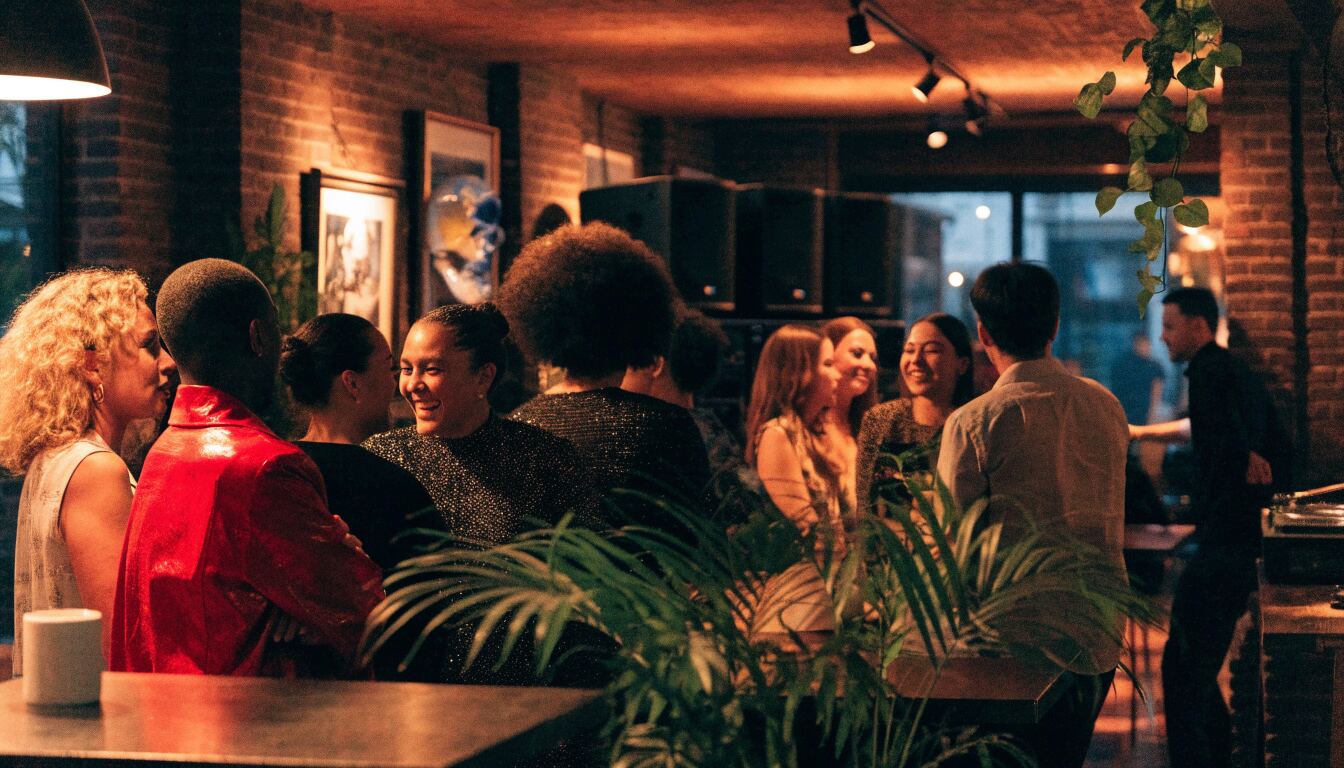
Discovering a Different Rhythm in Baltimore's Social Spaces
When people discuss vibrant nightlife, their minds often jump to the relentless energy of New York, the tech-infused cool of San Francisco, or the historic underground pulse of Chicago. Baltimore, however, operates on a different frequency. It’s a city where the social scene, particularly within adult lifestyle clubs, is less about spectacle and more about substance. There's a genuine, unvarnished quality here that prioritizes personal connection and creative expression over high-gloss production. This exploration delves into the heart of Baltimore's unique club culture, comparing its community-driven ethos, artistic foundations, and the hurdles it navigates to the scenes in more frequently lauded metropolises.
The Distinctive Pulse of Baltimore's After-Hours World
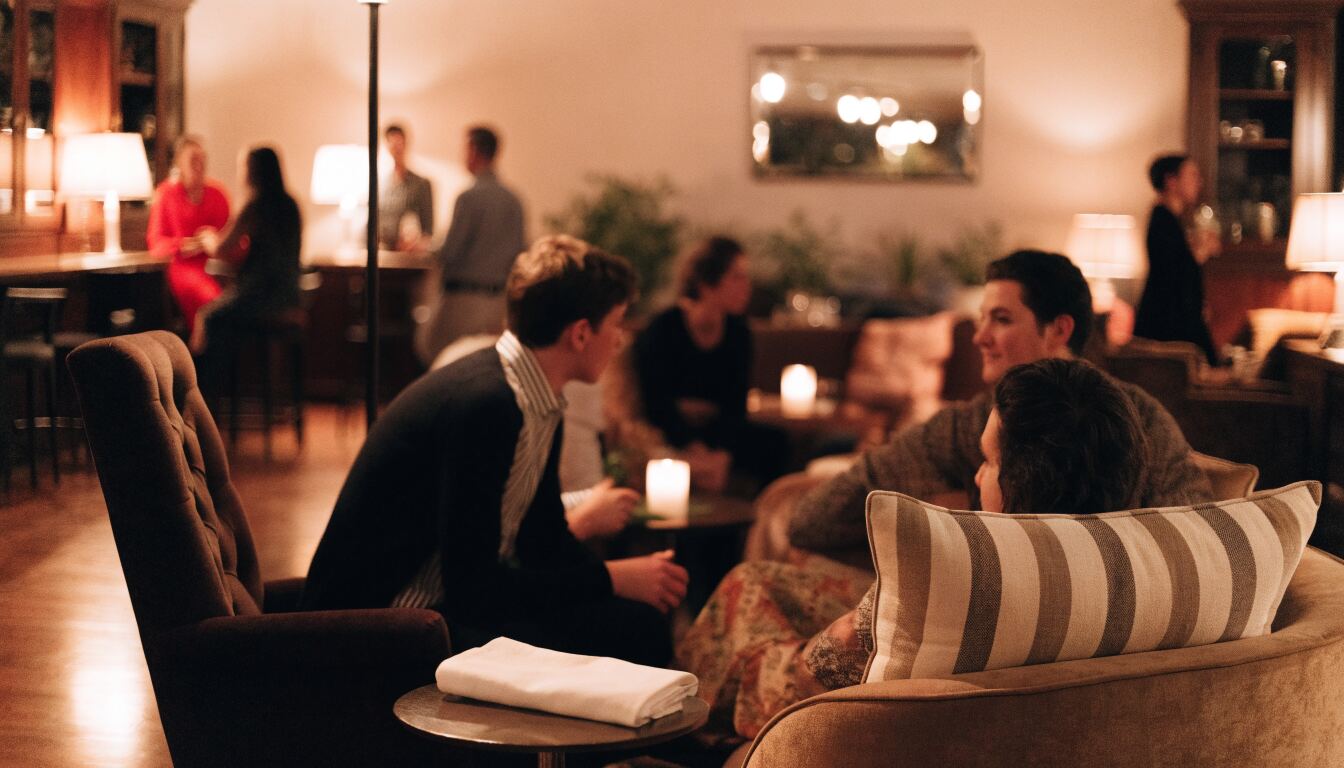
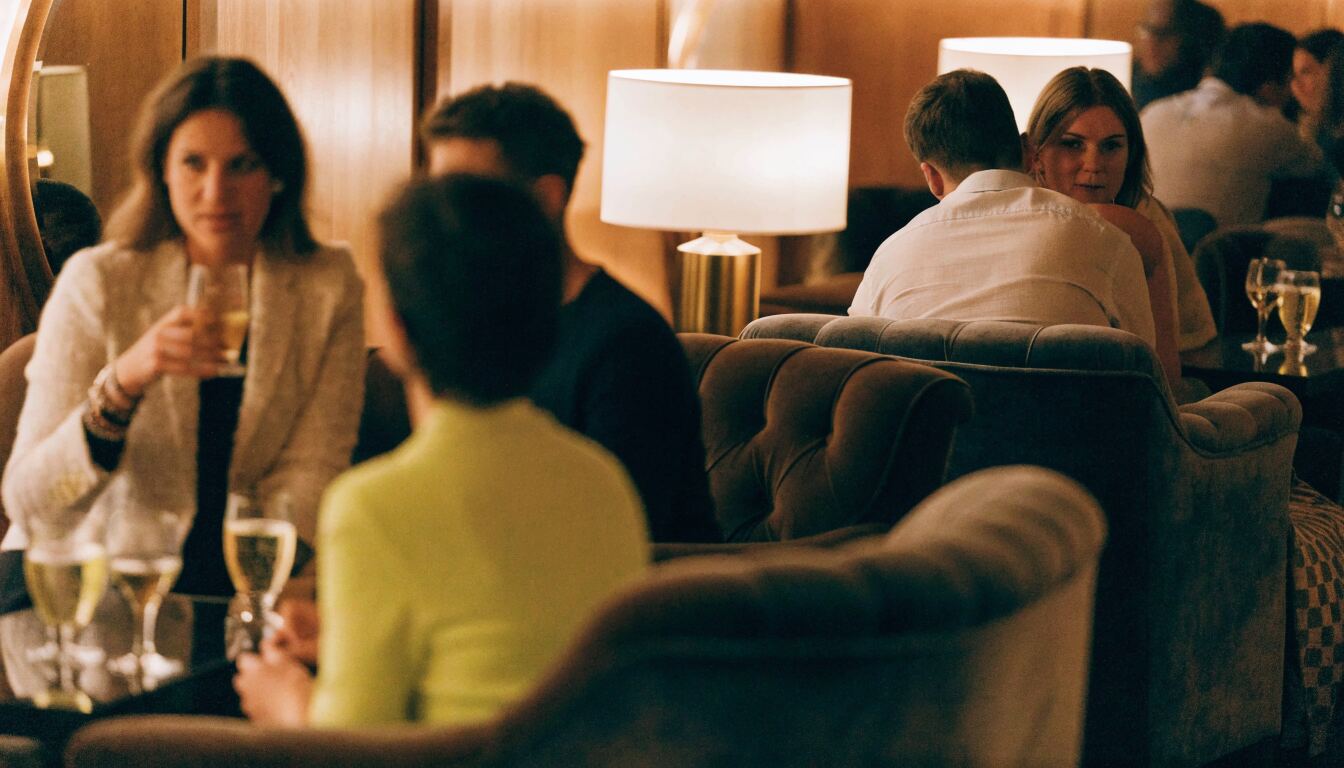
Baltimore’s nightlife identity isn't a manufactured brand; it's a living entity shaped by a confluence of historical depth, sonic innovation, and a deeply ingrained sense of mutual support. The experiences available range from covert, word-of-mouth gatherings in reclaimed industrial spaces to well-established venues that have served as community anchors for years. This spectrum creates a landscape that feels both adventurous and accessible, a key component of what makes adult socializing here feel so distinct.
Tracing the Roots of a Gritty, Authentic Vibe
The character of Baltimore's entertainment districts didn't materialize overnight. The city’s legacy as a major port and its blue-collar backbone instilled a culture of authenticity that permeates its venues. There's an absence of pretension, replaced by a straightforward, welcoming atmosphere. Looking back through the decades, you can trace a clear lineage: early entertainment was anchored by grand theaters and lively music halls. By the mid-20th century, the landscape shifted toward smoky jazz lounges and blues bars that nurtured raw talent. This foundation set the stage for today's focus, which has pivoted toward electronic soundscapes and a thriving underground movement that values intimacy and artistic risk-taking above all else. This historical layering gives current spaces a feeling of timelessness, as if the walls themselves are steeped in stories of revelry and refuge.
The Soundtrack of a City: How Bmore House Shapes the Mood
You cannot separate Baltimore's club scene from its most famous cultural export: its music. The city birthed a genre known as Bmore House, a high-energy fusion of hip-hop breaks, soulful house vocals, and syncopated rhythms that is impossible to stand still to. This isn't just background noise; it's the lifeblood of many adult social venues. The sonic landscape directly influences the atmosphere, encouraging a physical and emotional release that breaks down social barriers. Emerging in the 1980s, this sound has been relentlessly pushed forward by local producers and DJs who treat the dance floor as a laboratory. Beyond purely electronic sets, many spaces also champion live performances spanning a wide array of genres, ensuring the musical backdrop is always fresh and unpredictable. This commitment to a living, breathing musical identity creates an immersive environment where connection is facilitated through a shared physical experience of rhythm.
More Than a Venue: The Role of Community Stewardship
Perhaps the most defining characteristic of Baltimore's social clubs is their function as communal pillars. Many of these establishments are not merely businesses; they are gathering points that host fundraisers, art showcases, and social mixers designed to strengthen interpersonal bonds. This philosophy fosters a remarkably welcoming and inclusive environment. The focus shifts from transactional interaction to genuine relationship-building. You’ll find active patronage of local visual artists and performers, with their work often displayed or featured on stage. It’s common for nightlife spaces to double as platforms for community dialogue and celebration. The result is a culture where people don't just attend a party; they invest in a shared ecosystem, making the atmosphere feel more like a private gathering of friends than a commercial enterprise.
How Major City Scenes Compare to Baltimore's Approach
To truly appreciate what Baltimore offers, it’s useful to look at the defining traits of other prominent nightlife capitals. Each has a distinct personality, but Baltimore’s scale and community focus create a markedly different participant experience, especially within lifestyle-oriented settings.
New York City: The Colossus of Constant Reinvention
New York’s scene is a sprawling, ever-mutating ecosystem. It spans the extremes of opulent, bottle-service rooftops and clandestine, gritty basement parties. The sheer density of the population guarantees a crowd for almost any niche, but it also creates a highly competitive and often transient atmosphere. The city’s formal efforts, such as the creation of an Office of Nightlife, highlight the constant negotiation between preserving cultural spaces and managing the pressures of real estate and noise complaints. While diversity is vast, the scale can feel impersonal. Finding a tight-knit community within a New York club requires effort, whereas in Baltimore, that community is often the foundational premise of the space itself.
Chicago: The Cathedral of House and DIY Ethos
Chicago shares a kinship with Baltimore through its profound musical heritage, specifically as the birthplace of house music. The Windy City’s scene is characterized by a raw, unpolished energy and a steadfast dedication to the music above all else. Venues are often smaller, independently owned, and driven by a strong do-it-yourself ethic. The focus is squarely on the DJ’s craft and the sound system’s quality, with less emphasis on décor or high-end amenities. While both cities value authenticity, Baltimore’s scene tends to be more overtly interdisciplinary, frequently weaving in visual art and performance in a way that Chicago’s single-minded musical focus sometimes bypasses. Chicago’s inclusivity is powerful, but Baltimore’s smaller size often translates to a more immediately navigable and personally interconnected network.
San Francisco: The Blueprint for Values-Driven Spaces
San Francisco’s nightlife is indelibly marked by its progressive political history and countercultural roots. The city has pioneered models for explicitly inclusive and safe spaces, with a strong institutional emphasis on consent, harm reduction, and creating havens for LGBTQ+ individuals and people of color. The policies and educational frameworks developed in the Bay Area have influenced venues worldwide. Baltimore shares this commitment to safety but expresses it through a more organic, community-enforced lens rather than a top-down policy approach. The intimacy of Baltimore’s scene allows for social accountability to function as a primary safety mechanism—people look out for each other because they genuinely know each other.
The Heart of the Matter: Community as a Core Value
Adult social clubs, when stripped of sensationalism, can serve as profoundly important communal resources. Their true value often lies not in their overt purpose, but in their capacity to foster belonging, security, and mutual respect among their patrons.
Architects of Secure Environments
The most successful and respected clubs operate on a foundation of meticulous safety protocols and a culture of enthusiastic consent. This is about proactively designing an environment where individuals feel empowered to explore their boundaries without apprehension. It involves more than just posted rules; it requires a trained, vigilant staff that can read a room and a community-wide agreement that coercion or disrespect is absolutely unacceptable. The goal is to cultivate a space where vulnerability is protected, and every interaction is framed by a clear, non-negotiable standard of mutual respect. This deliberate construction of a secure container is what allows for genuine freedom of expression.
A Refuge and Network for Marginalized Voices
For many, particularly those from communities that have historically been ostracized or marginalized, these clubs provide a vital lifeline of acceptance. They transform into sanctuaries where individuals can connect with others who navigate the world through a similar lens, fostering deep bonds of solidarity. This support structure often extends beyond social nights to include organized peer-support groups, educational workshops dissecting topics like communication and sexual health, and dedicated spaces for LGBTQ+ expression where identity can be celebrated without reservation. The club becomes a nexus for finding chosen family and accessing resources that mainstream spaces fail to provide.
Beyond the Dance Floor: Fostering Connection Through Events
The programming in community-minded venues often extends far beyond standard club nights. It’s common to see a calendar filled with diverse activities designed to deepen intellectual and emotional connections. These might include skill-sharing workshops, themed discussion groups, potluck dinners that encourage casual socializing, or charity events that channel the collective energy of the community toward a positive external impact. By hosting game nights or art viewings, these clubs lower the barrier to entry and create multiple pathways for participation, ensuring that the community is built on a broad base of shared interests, not just a single activity. This holistic approach transforms the venue into a multifaceted community center.
Movement as Language: Dance and Music in Cultural Dialogue
The physical and auditory experiences within a club are not mere entertainment; they are forms of communication. In Baltimore, this is understood on a deep, almost intuitive level, with dance and music serving as primary vehicles for storytelling and identity formation.
The Expressive Power of Voguing and Ballroom Culture
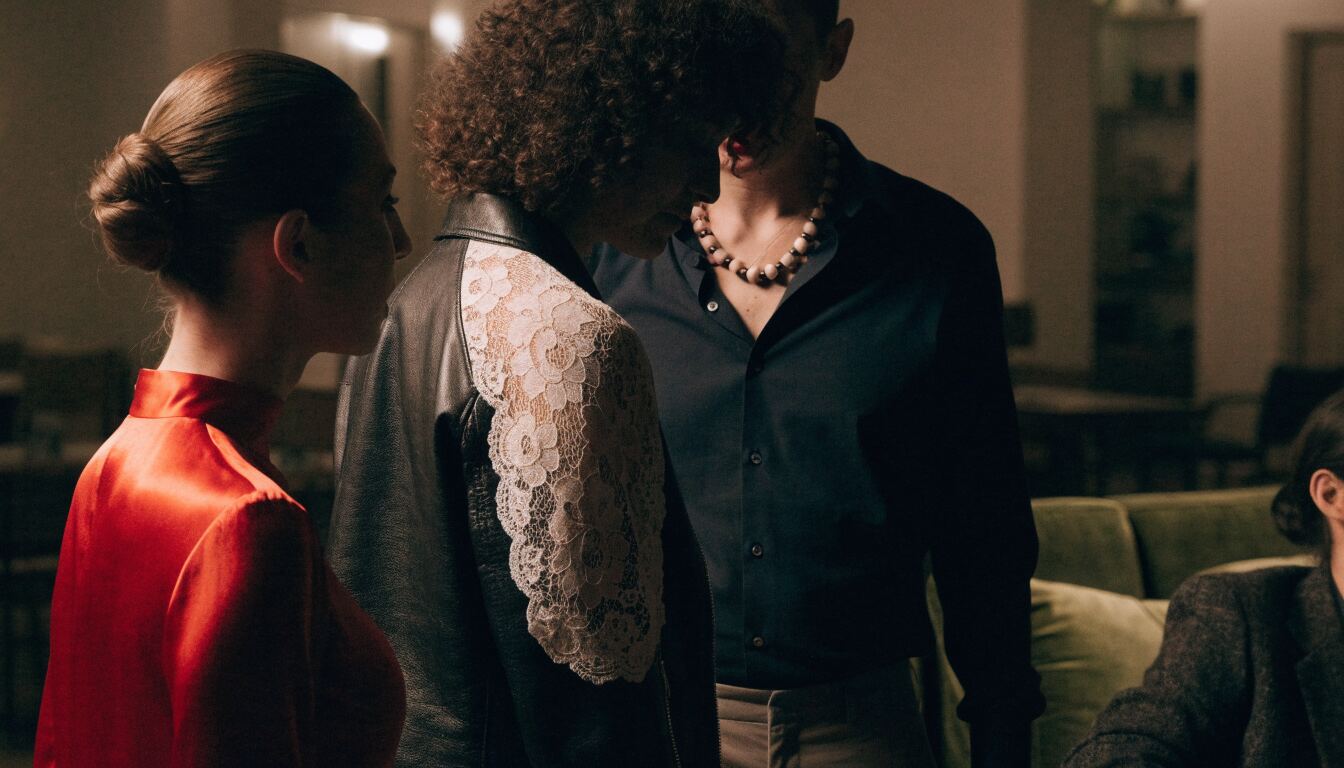
While born in Harlem, the art of voguing has found fertile ground in cities like Baltimore that value authentic self-expression. It’s a dance form that transcends movement, operating as a powerful narrative tool, particularly for queer and trans individuals. Through precise, angular poses and fluid transitions, dancers explore and project facets of their identity, playing with gender presentation and personal mythology. It creates a competitive yet deeply supportive stage where creativity, style, and personal power are the ultimate currency. The influence of this culture infuses the broader club scene with a spirit of dramatic, unapologetic self-invention, encouraging everyone to treat the night as a canvas for their truest self.
The Unstoppable Energy of Bmore House Music
Bmore House is more than a genre; it’s a visceral, unifying force. Its characteristic broken beats and repetitive, hypnotic vocal chops are engineered to create a collective trance. In a Baltimore club, the relationship between the DJ and the crowd is a dynamic conversation. The intimacy of the spaces means you’re often just feet away from the person creating the sound, and you may well know them. This collapses the distance between performer and participant, fostering a shared sense of ownership over the night. The music is designed to induce a state of raw, ecstatic release that can be achieved without any external substances—the pure, driving energy of the rhythm is the drug, and the communion on the dance floor is the high.
Interdisciplinary Fusion: When Art Forms Collide
Baltimore’s scene consistently blurs the lines between artistic disciplines. A night out might seamlessly blend a DJ set, a live painting performance, and a dance showcase, creating a rich, multi-sensory tapestry. These collaborations are not gimmicks; they represent a conscious effort to push creative boundaries and build larger, more impactful experiences. The synergy between visual artists, musicians, and dancers creates a feedback loop of inspiration, resulting in events that feel unique and unrepeatable. This collaborative spirit is a practical necessity and a creative choice, pooling resources and audiences to produce shows that leave a lasting impression on the city’s cultural landscape.
Prioritizing Well-Being and Broad Representation
A night out should never come at the cost of personal safety or dignity. The conversation in Baltimore is increasingly focused on systemic changes that make nightlife safer and more representative of the city’s diverse population.
Proactive Measures for Patron Protection
Ensuring safety requires a shift from reactive security to proactive care. Many forward-thinking venues are investing in comprehensive training for all staff, not just designated security personnel. This training focuses on de-escalating tense situations, recognizing the signs of predatory behavior or medical distress, and providing compassionate assistance to anyone who feels vulnerable. Staff become guardians of the space. Technology also plays a supporting role, with improved lighting and surveillance acting as deterrents, alongside apps and partnerships that help patrons plan safe journeys home. The entire operational philosophy is being reoriented to treat safety as a core service, not an afterthought.
The Imperative of Diverse Ownership
The atmosphere of a venue is profoundly shaped by its leadership. When ownership reflects a broad spectrum of backgrounds, races, genders, and sexual orientations, the space organically becomes more attuned to the needs of a diverse clientele. It’s not about fulfilling a quota; it’s about bringing a wealth of varied life experiences to the decision-making table. This leads to more thoughtfully curated events, more inclusive hiring practices, and a fundamental sense of welcome that can’t be faked. Supporting diverse ownership requires active pathways, such as mentorship programs that guide aspiring entrepreneurs from underrepresented groups, providing access to capital and financial resources that have historically been denied, and creating networking opportunities that break down old-boy networks.
Ground-Level Initiatives for Creating Havens
Grassroots ideas are often the most effective at creating a culture of care. One powerful model is the implementation of designated "calm-down" or "safe space" zones within a venue. These are quiet, monitored areas staffed by trained volunteers where a person can retreat if they feel overwhelmed, anxious, or harassed, and receive immediate support or help connecting with external resources. Another critical initiative is widespread bystander intervention training, which equips patrons with the skills and confidence to safely step in when they witness a potentially harmful situation. Combined with crystal-clear, visible reporting mechanisms for harassment, these initiatives distribute the responsibility for safety across the entire community, creating a web of mutual protection.
Navigating the Headwinds in Baltimore's Scene
Despite its resilience and creative energy, Baltimore's independent venue scene faces a gauntlet of serious challenges that threaten its unique ecosystem.
The Constant Squeeze of Financial Viability
The economic landscape for small, independent clubs is brutal. Soaring commercial rents in gentrifying neighborhoods, crippling liability insurance costs, and the ever-present pressure of operating on thin margins create a state of perpetual financial precarity. This reality forces many beloved spaces, particularly those serving niche or alternative communities, to close their doors. The strong DIY ethic that defines the city can only stretch so far against a tide of economic forces. Balancing the need to keep events financially accessible for a diverse community while generating enough revenue to simply survive is a high-wire act with no safety net.
Complexities of the Regulatory Maze
For independent operators, dealing with city bureaucracy can feel like an adversarial process. The labyrinthine requirements for entertainment licenses, liquor permits, and zoning compliance are often time-consuming and prohibitively expensive. While these regulations are essential for public safety, their application can sometimes feel arbitrary and stifling, particularly for small, unconventional spaces without the budget for legal navigators. Stories of venues being hit with unexpected inspections or struggling to interpret shifting legal codes are common, creating a climate of uncertainty that can smother innovation and force promoters to operate in the shadows.
Confronting Enduring Social Stigma
Adult social clubs and alternative lifestyle spaces continue to battle against a powerful current of cultural stigma and misconception. These venues are frequently subjected to unfair and damaging stereotypes, painted as inherently seedy, dangerous, or morally questionable. This prejudice can manifest in tangible ways, from difficulty securing bank loans or finding landlords willing to lease space, to organized opposition from neighborhood groups. Dispelling these myths requires a continuous, proactive effort to educate the public, reframing these spaces as legitimate, safe, and valuable contributors to the city’s cultural fabric. Common falsehoods include the notions that all such clubs are unsafe or exploitative, that alternative spaces are inherently disreputable, or that their patrons are somehow deviant.
What Lies Ahead: Emerging Trends and Future Visions
The future of Baltimore’s nightlife is being written right now by a new generation of creators who are building on the city’s legacy while charting a bold new course.
The Rise of a New Creative Vanguard
A wave of emerging artists and DJs is poised to redefine the city’s sonic and cultural identity. These innovators are fearlessly blending disparate genres and pushing against the boundaries of their mediums. The scene is becoming an incubator for hybrid sounds, with musicians drawing on Baltimore’s rich rhythmic history while infusing it with global influences and modern production techniques. This has led to a surge in cross-genre collaborations, more platforms dedicated to showcasing local talent, such as curated open-mic nights and producer showcases, and a strong emphasis on original composition over formulaic sets. This new vanguard is generating a creative buzz that is increasingly attracting national attention.
Reimagining the Physical Space
The concept of what a venue can be is undergoing a radical expansion. The future points toward more creative and fleeting concepts that move beyond the traditional four-walled club. We’re seeing a rise in nomadic pop-up events that activate unusual and unexpected locations, from warehouses to galleries to outdoor public spaces. Immersive experiences that fuse art installations with live music are becoming more popular, as are micro-venues that cater to hyper-specific interests. This trend toward innovative spaces is about crafting a memorable narrative for the night, making the environment itself a central character in the experience.
Embracing a Sustainable and Ethical Future
A growing environmental consciousness is beginning to reshape operational practices within the nightlife industry. Sustainability is transitioning from a niche concern to a core value. Venues are increasingly adopting eco-friendly measures, such as implementing robust recycling and composting programs to drastically reduce landfill waste, switching to energy-efficient LED lighting and high-efficiency sound equipment, and sourcing food and beverage ingredients from local, sustainable producers. This shift reflects a maturing awareness of the environmental footprint of nightlife and a genuine commitment to ensuring the scene can thrive responsibly for decades to come.
Concluding Thoughts on an Authentic Scene
In a world of increasingly homogenized nightlife experiences, Baltimore’s adult social club scene stands as a testament to the power of authenticity. It may lack the glossy, high-budget sheen of its larger counterparts, but it more than compensates with a raw, heartfelt, and genuine character that resonates deeply with those who experience it. The strength of this world lies not in its scale, but in its tightly woven social fabric, where the bonds of community and the freedom of creative expression are paramount. It's a place where people aren't just anonymous faces in a crowd, but active participants in a shared cultural project. For the curious explorer, diving into this world offers not just a night out, but an eye-opening glimpse into a community built on mutual respect, artistic passion, and unbreakable connection.
Common Questions About Baltimore's Social Club Culture
What sets Baltimore's nightlife apart from larger cities?
The primary distinction lies in its scale and authenticity. Baltimore’s scene is built on a foundation of rich local history, a unique and influential music scene, and a powerful sense of community. This creates an intimate, unpretentious atmosphere that can be harder to find in the sprawling, more commercialized environments of major metropolises.
How does the adult club experience in Baltimore compare to that in New York City?
New York City offers a vast and highly diverse landscape, but its sheer size can feel impersonal. Baltimore’s scene, in contrast, is more intimate and accessible. The focus here is less on high-end exclusivity and more on fostering personal connections and a strong sense of community within a smaller, more navigable network of spaces.
Why is community such an important element in these venues?
Community is the bedrock of Baltimore's club culture. These spaces often function as more than just entertainment venues; they are safe havens where people, particularly those from marginalized groups, can express themselves freely, find support, and build genuine relationships. This communal focus creates a welcoming and protective environment.
How do dance and music shape the atmosphere of a Baltimore club?
Dance and music are the central languages of the scene. The city’s own Bmore House music provides a high-energy, unifying soundtrack, while dance forms like voguing allow for powerful, narrative-driven self-expression. Together, they break down social barriers and create a shared, immersive experience that defines the night.
What safety measures are common in Baltimore's nightlife venues?
A growing number of venues are implementing proactive safety measures. These include comprehensive staff training in de-escalation and care, the creation of designated safe spaces within clubs for people who need a break or support, and a strong, community-enforced culture of consent and mutual respect.
What are the biggest challenges facing Baltimore's club scene today?
The independent venue scene faces significant economic pressures from rising rents and operational costs, complex regulatory and licensing hurdles, and enduring cultural stigmas that unfairly paint adult social clubs in a negative light, affecting their ability to operate and thrive.