How Baltimore's Adult Social Venues Have Transformed
The story of adult-oriented nightlife in Baltimore is one of steady evolution, moving away from hushed whispers and into open conversation. These establishments haven't always been the polished, community-focused spaces some are today. Their roots stretch back to eras when secrecy was essential, and over decades, they've adapted to shifting cultural winds, legal frameworks, and the needs of their patrons. Looking at this journey reveals not just a change in entertainment but a broader reflection of how society engages with adult socializing.
Origins in Discretion and Burlesque
Long before current venues opened their doors, the seeds of this scene were planted in the Prohibition period. During that time, underground drinking spots—often called speakeasies—became hubs for pushing social boundaries. Though not labeled as adult clubs, many incorporated elements like burlesque performances and provocative dancing. These gatherings thrived on a shared thrill of defiance, hidden away from public view. The atmosphere was one of coded invitations and trusted recommendations, laying a foundation for how discreet communities would form later on.
As decades passed, these clandestine meetings gradually morphed into more structured nightlife options. The transition wasn't abrupt; it mirrored the slow relaxation of public morals and the occasional loosening of enforcement around vice laws. What began as occasional underground events slowly solidified into places with regular hours and returning crowds, even if they still operated with a degree of quiet caution.
Wider Cultural Movements and Growing Visibility
Societal attitudes played an enormous role in bringing these spaces further into the light. The waves of feminism, the sexual revolution, and the fight for LGBTQ+ rights all chipped away at rigid norms. People began questioning why consensual adult interactions in dedicated venues should be stigmatized. This shift didn't mean universal acceptance—far from it—but it did create pockets of tolerance that allowed clubs to operate with less fear of immediate crackdowns. Over time, the idea that adults could gather for social and sensual purposes without shame gained traction, and the venues reflected this new openness with more public-facing identities.
This cultural thaw also diversified the offerings. No longer just dimly lit rooms, these spaces began incorporating themes, performances, and educational events. The influence of queer communities, in particular, brought an emphasis on inclusivity and celebration of diverse expressions. The result was a richer, more varied landscape that welcomed a broader range of people seeking connection.
Legal Shifts and Their Ripple Effects
Regulation has always been a double-edged sword for this industry. Changes in zoning laws, licensing requirements, and enforcement strategies continually reshape what's possible. When rules tighten, venues may close or retreat back into more secretive operations. When oversight relaxes or becomes more predictable, established spots can flourish and even market themselves to a wider audience. Inconsistent enforcement, however, creates a climate of uncertainty where some operators are targeted while others face few consequences, often based on factors like location or perceived clientele.
For anyone curious about the historical backdrop, it's helpful to recognize this constant dance between legal boundaries and social desires. The clubs that survive are often those that build strong community ties and maintain transparent practices, positioning themselves as legitimate businesses rather than hidden backroom affairs. This strategy has helped many transition from the margins to a more recognized place in Baltimore's nightlife ecosystem.
Spotlight on Current Venues and Their Unique Flavors
Today's landscape in Baltimore features a mix of well-known establishments and lesser-known hideaways, each catering to different tastes and comfort levels. What unites them is a focus on creating environments where guests feel at ease exploring social and sensual sides of themselves. From upscale lounges to themed party spaces, the variety means almost anyone can find a fit with a bit of research.
Pioneering Establishments That Set the Tone
Certain venues have become cornerstones of the scene, often referenced by longtime locals as catalysts for change. One such spot, often simply called a clubhouse by regulars, distinguished itself early on with meticulously planned theme nights. Whether it was a masquerade evening or a particular dress code event, these gatherings drew crowds who appreciated the effort put into ambiance. The focus wasn't solely on physical encounters but on crafting a full sensory experience—music, lighting, decor—that made people feel they were stepping into a different world for a few hours.
These trendsetters also prioritized clear communication about rules. They posted guidelines on consent, designated staff to monitor comfort levels, and built a reputation for being places where single women, couples, and groups could mingle without pressure. This approach not only attracted loyal visitors but also set a standard that newer venues often emulate. The lesson here is that success comes from treating the venture as a hospitality business first, with adult elements woven into a broader framework of respect.
Discovering Baltimore's Lesser-Known Circles
Beyond the widely advertised locations, a network of smaller, more intimate gatherings operates through private channels. These aren't found on typical event listings; instead, they rely on word-of-mouth, closed social media groups, and personal vouching. For those willing to do a little digging, these hidden treasures offer a different pace—often slower, more conversational, and deeply niche. Some cater to specific kinks or relationship styles, while others simply aim for a cozy gathering of like-minded friends.
Finding these circles typically involves attending public events at established venues and connecting with people. Many organizers prefer this organic growth method because it naturally filters for individuals who understand community norms. If you're new, showing up respectfully, engaging in non-pushy conversation, and expressing genuine curiosity often leads to invitations over time. It's a reminder that in this world, relationships and trust are currency.
Moving Toward Broad Acceptance
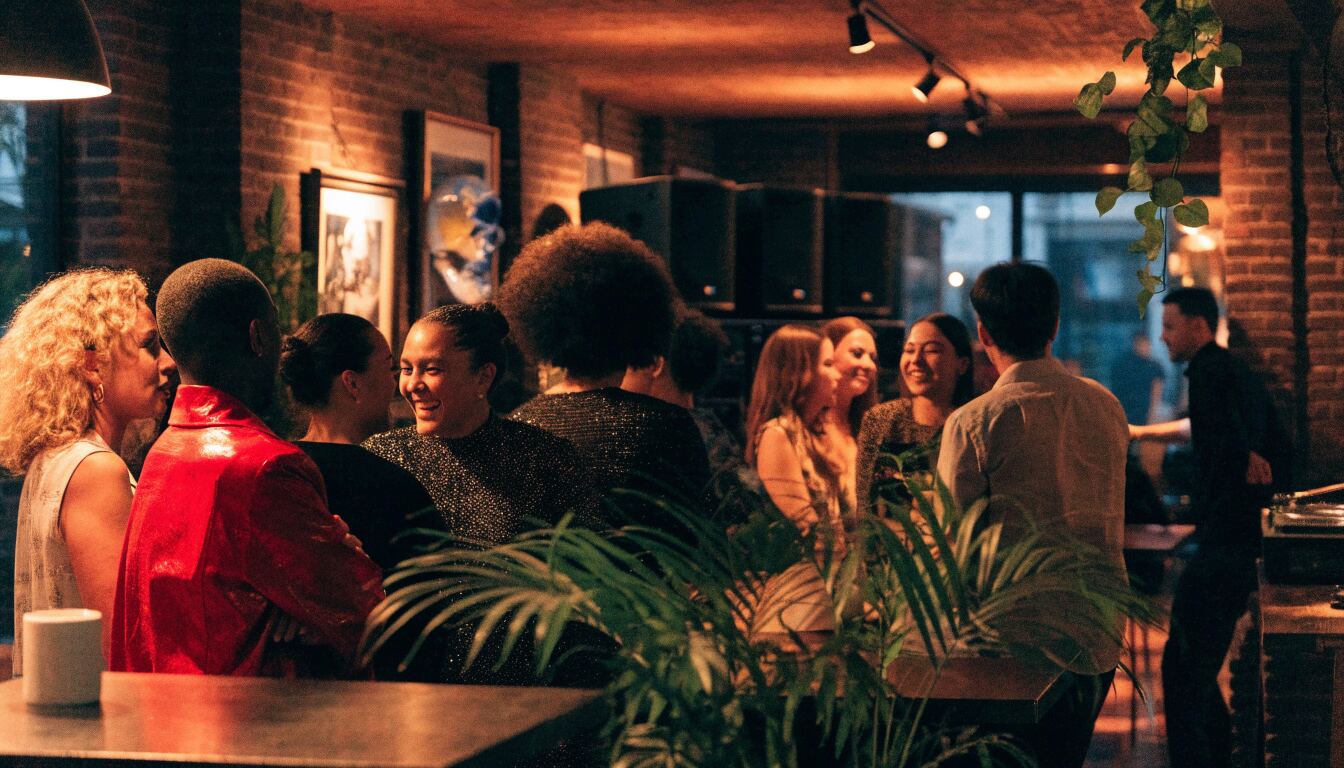
A notable trend is how some venues now position themselves as part of the general nightlife scene, not segregated from it. They might collaborate with local artists for gallery nights, host live music, or partner with restaurants for pre-event dinners. This integration helps normalize adult social clubs as just another option for an evening out, alongside bars, theaters, and dance clubs. The design often reflects this shift, with upscale furnishings, craft cocktails, and a focus on conversation areas as much as play spaces.
This mainstreaming doesn't mean a loss of identity. Instead, it broadens the appeal to those who might have been curious but intimidated by stereotypes. The emphasis is on choice: guests can engage as much or as little as they like, whether that means dancing, discussing philosophy, or simply people-watching in a judgment-free zone. The result is a more diverse crowd spanning ages, backgrounds, and experience levels.
The Community's Role in Building Better Spaces
No venue exists in a vacuum. The strength of Baltimore's adult social scene is deeply tied to the people who participate, advocate, and hold spaces accountable. This collective involvement shapes everything from safety protocols to the overall vibe, making the community not just consumers but co-creators of the environment.
Grassroots Support and Advocacy
Local support can be the deciding factor in whether a club thrives or closes under pressure. When neighbors, city officials, or external groups express opposition, having a vocal community makes a huge difference. This support takes many forms: attending public hearings, sharing positive experiences online, or simply showing up consistently to keep a venue financially viable. Some activists also work behind the scenes, pushing for fair regulations that recognize adult businesses as legitimate contributors to the local economy.
This advocacy often extends to the wellbeing of workers in the industry. Groups may form to provide resources, mental health support, or legal guidance for those employed in adult entertainment. By framing these venues as workplaces deserving of labor protections, the conversation shifts away from moral judgment and toward practical fairness. Patrons can contribute by choosing clubs that treat staff well and by respecting the labor that goes into creating a good experience.
Prioritizing Safety and Inclusivity
A core function of community involvement is upholding standards of safety. This goes beyond physical security to encompass emotional comfort and clear consent practices. Effective clubs often have a set of written house rules, visible upon entry, that outline expectations: no means no, ask before touching, respect people's space. Staff are trained to spot discomfort and intervene discreetly, and many venues appoint community liaisons who guests can approach with concerns.
Creating a truly inclusive space means acknowledging different identities and experiences. This includes having gender-neutral facilities, hosting nights specifically for queer communities, and ensuring marketing materials reflect diversity. It also involves ongoing education—workshops on communication, negotiation, and boundaries are becoming common offerings. The goal is for everyone, regardless of gender, orientation, or relationship structure, to walk in and feel like the space is for them.
The Lasting Impact of LGBTQ+ Culture
It's impossible to discuss Baltimore's adult social scene without recognizing the profound influence of LGBTQ+ communities. Many venues were founded or shaped by queer organizers who understood the need for spaces free from mainstream judgment. The emphasis on chosen family, radical acceptance, and celebration of difference became woven into the fabric of these clubs. Even venues that don't explicitly identify as queer often adopt practices that originated in those communities, such as explicit consent models and zero tolerance for discrimination.
This cultural inheritance also shows up in aesthetics and programming. Drag performances, themed balls, and celebrations coinciding with Pride are common. The music, art, and fashion in these spaces often draw heavily from queer nightlife traditions. For many patrons, the club is not just a place for sexual expression but a sanctuary for broader identity exploration, and that depth of meaning is a direct gift from LGBTQ+ history.
Navigating Obstacles in the Current Climate
Despite progress, adult social venues in Baltimore face a persistent set of challenges. Understanding these hurdles explains why some places struggle and helps patrons become more supportive participants.
Addressing Persistent Stigma
Negative stereotypes remain a major barrier. Many people still associate adult clubs with exploitation, seediness, or desperation, images often fueled by outdated media portrayals. This stigma can affect everything from a venue's ability to secure a lease to how patrons feel about admitting their attendance to friends. Overcoming these misconceptions requires consistent, positive representation—showing that these spaces are about mutual enjoyment, not illicit activity.
Education is a key tool. When clubs host open houses, participate in community events, or share testimonials from diverse members, they chip away at the caricatures. Patrons can help by speaking honestly about their experiences when safe to do so, highlighting the friendships, self-discovery, and fun involved. Changing deeply rooted views is slow work, but every conversation helps normalize the idea that consensual adult socializing is a valid leisure choice.
Complex Legal Landscapes
The legal environment remains tricky. Zoning laws often restrict where adult businesses can operate, pushing them to industrial edges or areas with little foot traffic. Licensing processes can be expensive and opaque, with requirements that change depending on political winds. Venues must also navigate laws around nudity, alcohol service, and live entertainment, which sometimes conflict. A single citation can lead to costly legal battles or even closure.
For club operators, staying informed is a constant job. Many hire specialized attorneys and build relationships with local officials to stay ahead of changes. For visitors, understanding that what's legal in one county might not be in another is important—rules can vary sharply across city lines. Supporting advocacy groups that push for reasonable, clear regulations benefits the whole scene by reducing uncertainty.
Economic Realities and Market Competition
Running an adult venue involves the same financial pressures as any hospitality business, plus extra layers. Rent, utilities, insurance, and staffing costs are significant, and marketing is constrained by platform policies that often restrict adult content. Competition comes not only from other clubs but from dating apps, online communities, and private house parties that offer similar social connections without overhead costs.
To survive, venues must constantly innovate. This might mean offering membership tiers, hosting special guests, or diversifying into daytime events like brunches or workshops. Building a loyal community that sees the venue as a second home provides a buffer during lean times. Patrons who buy passes, donate, or volunteer their skills contribute directly to sustainability, turning casual attendance into invested stewardship.
What Lies Ahead for Baltimore's Adult Social Spheres
Looking forward, the landscape is poised for further change, driven by technology, demographics, and evolving tastes. The venues that thrive will likely be those that adapt while holding onto core values of consent and community.
Emerging Patterns in Adult Entertainment
Several trends are shaping the future. Themed immersive experiences—think weekend retreats or curated dinner parties with a sensual edge—are gaining popularity over traditional club nights. People want stories and atmospheres, not just rooms. There's also a rise in educational offerings, with clubs hosting speakers on topics like ethical non-monogamy, kink safety, or tantra, positioning themselves as learning hubs as much as social ones.
Inclusivity continues to expand, with more spaces explicitly welcoming people of all body types, ages, and abilities. Events tailored to specific groups—such as those over 50 or people with disabilities—are filling gaps that mainstream nightlife often ignores. This trend toward segmentation means there's likely a niche for almost every preference, making the scene more accessible to newcomers who might feel out of place in a broad-appeal setting.
Room for Growth and New Ventures
There's still untapped potential in Baltimore. Underserved neighborhoods could support new venues if operators work closely with local residents to address concerns. Creative formats, like pop-up events in repurposed warehouses or collaborative takeovers of existing bars, offer lower-risk ways to test markets. Partnerships with artists, chefs, and musicians can draw crowds who might not otherwise consider an adult-oriented event.
Expansion also means diversifying ownership. When venues are owned and run by people from the communities they serve, policies tend to be more attuned to real needs. Encouraging new entrepreneurs—especially from historically marginalized groups—can bring fresh ideas and prevent the scene from becoming stagnant. Mentorship programs and small business grants aimed at inclusive nightlife ventures could accelerate this growth.
Technology's Dual Role
Digital tools are transforming how people connect before, during, and after events. Private social networks allow communities to stay in touch between gatherings, share photos (with permission), and coordinate rideshares. Some clubs experiment with apps for checking consent or signaling interest non-verbally. Virtual reality and livestreaming open possibilities for remote participation, though they raise questions about privacy and authenticity.
However, technology also brings risks. Data breaches could expose attendees' identities, and the permanence of digital records requires careful handling. Venues that prioritize cybersecurity and clear data policies will earn trust. Looking ahead, the most successful spaces will likely blend high-tech convenience with high-touch human connection, using apps to facilitate but never replace the in-person magic that makes these gatherings special.
The Deeper Meaning of These Gathering Spaces
Creative Expression Beyond the Surface
These clubs often function as impropmtu galleries for personal art. Costumes, makeup, and performance become vehicles for exploring facets of identity that don't fit into daily life. A person who spends their workweek in a conservative office might find liberation in crafting an elaborate fantasy persona on a Saturday night. The club becomes a stage where self-expression is not just tolerated but celebrated, and that creative release can have profound effects on self-esteem and mental health.
This artistic dimension extends to the venues themselves. Many collaborate with local muralists, sculptors, or lighting designers to create immersive environments. The line between nightclub and art installation blurs, attracting creative types who might not engage with a purely utilitarian space. Recognizing this artistic value can help shift public perception toward seeing these venues as cultural assets rather than nuisances.
Forging Social Bonds and Support Networks
For many regulars, the primary draw isn't physical activity but the sense of belonging. In a world where loneliness is epidemic, these spaces offer a antidote: a place where you can show up alone and leave with new friends. Regular events build continuity, with people celebrating birthdays, supporting each other through breakups, and forming chosen families. The shared vulnerability of being in an adult space accelerates intimacy, creating bonds that often extend far beyond the club walls.
This social hub function is especially vital for people exploring non-traditional relationship structures. Finding others who understand polyamory or swinging can be isolating; having a physical gathering place validates those choices and provides models for how to navigate them. The wisdom exchanged in these conversations—about jealousy, communication, scheduling—is a form of grassroots education that no book can replicate.
The Inevitable Intersection with Politics
Adult venues exist at a contentious crossroads of personal freedom and public policy. Debates over their legality, location, and regulation are never purely practical—they're loaded with moral assumptions and political agendas. How a city treats its clubs often reflects broader attitudes toward sexuality, autonomy, and who gets to use public space. Advocating for fair treatment of these businesses is, in a real sense, advocating for bodily autonomy and free assembly.
This political dimension means that patrons and owners often find themselves engaged in local activism, whether they planned to or not. Attending zoning meetings, writing to council members, or simply being visible and respectable in the neighborhood are all ways the community asserts its right to exist. Over time, these efforts can shift policy and public opinion, making the city more hospitable to diverse expressions of adult social life.
Voices from Inside: Real Experiences
Stories Shared by Attendees
To understand these spaces, it helps to listen to the people who fill them. One attendee described her first visit as terrifying until a stranger offered a genuine, non-pressured welcome, turning anxiety into excitement. Another spoke of finding a group of friends who became his core support system after a divorce, noting that the club was the first place he felt okay being vulnerable again. A couple shared how attending together deepened their communication, forcing conversations about desires they'd avoided for years.
These narratives highlight common themes: initial nervousness giving way to relief, the importance of respectful greeters, and the unexpected emotional depth of casual encounters. They also underscore that the most memorable moments often aren't the most physically intense but the ones filled with laughter, surprising kindness, or a sense of being truly seen.
Unforgettable Evenings That Define the Scene
Every long-term participant has stories of nights that stood out. One involved a Halloween party where guests committed so fully to their characters that the whole venue felt like a living theater production. Another recalled a New Year's Eve where, at midnight, strangers and friends alike joined in a spontaneous, joyful group embrace that set the tone for the year ahead. These peaks aren't about spectacle alone; they're about the collective energy that arises when a group of people decide to be fully present and open.
Such events often rely on careful planning by organizers who understand pacing and atmosphere. They know when to shift the music, when to introduce a performance, and when to let the room breathe. For those considering hosting their own events, studying these rhythms is invaluable. The best nights feel effortless but are usually the result of thoughtful design and a deep understanding of human psychology.
How Participation Reshapes Lives
Engagement with this scene can ripple outward into everyday existence. Many report increased confidence in social situations, better negotiation skills, and a clearer sense of their own boundaries. The practice of articulating desires and limits in a club context often translates to more honest conversations in romantic relationships and even workplaces. Some find that exploring a hidden side of themselves unlocks creativity or reduces anxiety in other areas.
Of course, there can be complications. Navigating secrecy with family or employers is stressful for some, and not every relationship survives the introduction of new dynamics. But for those who approach the scene with intentionality and care, the benefits often outweigh the costs. The key is to go slowly, communicate relentlessly, and treat the experience as a journey of self-discovery rather than a race to check boxes.
Common Questions About Baltimore's Adult Social Spots
What's the general atmosphere in these venues now?
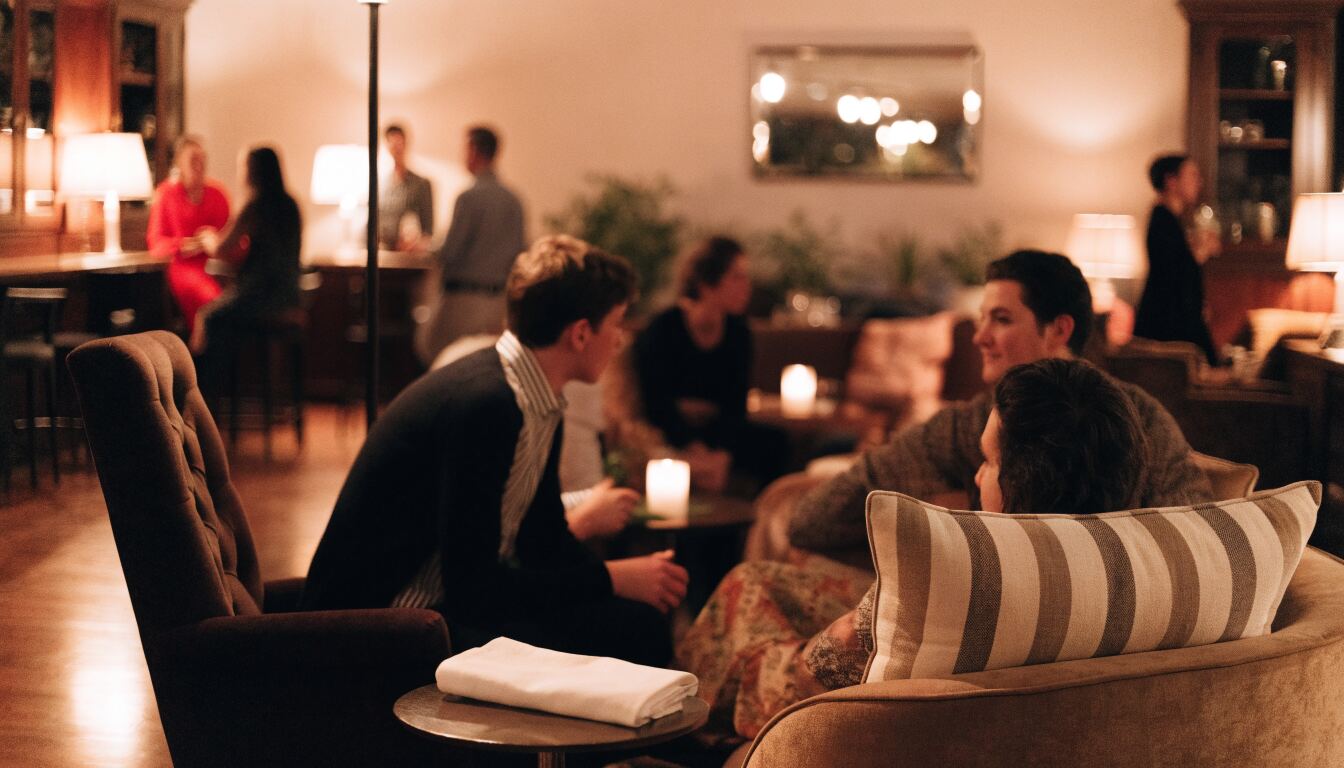
The vibe varies widely, but a common thread is an emphasis on comfort and consent. Many places feel more like upscale lounges with conversation areas, dance floors, and optional back rooms. The days of purely clandestine, high-pressure environments are fading in favor of spaces where you can chat, watch, or participate at your own pace. Checking online reviews or attending a low-key intro night can give you a sense of a particular venue's personality before committing.
Are there guidelines I should know before visiting?
Absolutely. Every reputable venue has a code of conduct, often posted on their website or at the entrance. Common rules include always asking before touching, respecting the word "no," no photography without explicit permission, and maintaining confidentiality about who you see there. Some places have dress codes—anything from casual chic to themed attire—so checking ahead prevents awkwardness at the door. Following these rules isn't just polite; it's the foundation of a safe environment.
Who is welcome at these clubs?
Most venues require guests to be at least 18 or 21, depending on local laws and whether alcohol is served. Beyond age, many actively welcome people of all genders, orientations, and relationship configurations. Some nights may be specifically for couples, single women, or queer communities, so checking the event description is wise. The trend is toward greater inclusivity, with many spaces explicitly stating that discrimination or harassment of any kind will result in removal.
How do these clubs give back to the community?
Many venues engage in philanthropy and activism beyond their doors. They might host fundraisers for local charities, offer their space for community meetings, or sponsor events like Pride celebrations. Some provide free or low-cost educational workshops on sexual health and relationships. By positioning themselves as community hubs, they build goodwill and demonstrate that they're invested in Baltimore's wellbeing, not just their own profits.
What difficulties do these establishments encounter?
They grapple with lingering public disapproval, which can manifest in everything from zoning battles to social media censorship. Legal compliance is an ongoing process, with regulations that can shift after elections or public outcry. Financially, they compete with a vast array of entertainment options and must constantly innovate to retain members. Understanding these pressures can make patrons more empathetic and willing to support venues through tough periods.
What might the coming years bring for this scene?
Expect continued blending of technology with physical spaces, more niche events catering to specific interests, and a stronger focus on education and personal growth. As younger generations, who tend to be more open about sexuality, come of age, the demand for well-run, inclusive venues is likely to increase. The clubs that survive will be those that listen to their communities and remain flexible in the face of change.