How Los Angeles Became a Mosaic of Cultures and Lifestyles
Los Angeles stands as a sprawling metropolis where countless traditions and identities converge, crafting a social fabric unlike any other. The city's energy comes from its ability to absorb and remix influences, and this extends into how people form connections, including within more adventurous circles. To really grasp the local adult scene, you need to look at the historical and cultural forces that shaped neighborhoods and brought different groups together. It's not simply about listing who lives here, but understanding how interactions across communities have redefined what it means to belong in LA.
Take a stroll through any district, and you'll see layers of history that go back generations. These roots matter because they set the stage for today's social dynamics. The blend of old traditions with new ideas creates spaces where people feel free to explore their identities, whether that's through food, art, or personal relationships. This ongoing fusion is what keeps the city's lifestyle communities fresh and ever-evolving.
The Roots of Neighborhood Identity in Los Angeles
Much of LA's character comes from the formation of distinct ethnic quarters over the past century. These areas often grew from practical needs—immigrants wanted familiar faces, languages, and support systems. Places like Boyle Heights or Chinatown didn't just preserve customs; they became launchpads for cultural exchange. Over time, these enclaves have shifted, welcoming new residents while holding onto core traditions. That mix of stability and change is a hallmark of the city, and it influences how people today seek out like-minded companions in lifestyle scenes.
Consider how these historical pockets fostered tight-knit bonds. When you have a neighborhood where everyone knows each other, trust builds naturally. That same principle applies to modern adult communities, where shared backgrounds or interests create safe environments for exploration. The legacy of these enclaves reminds us that community is often built on a foundation of mutual understanding and shared experience.
How Urban Planning and Race Shaped the City
The layout of Los Angeles didn't happen by accident. For decades, policies around housing, lending, and infrastructure often divided racial groups, creating invisible walls between neighborhoods. This history of segregation left marks that are still visible today, but it also sparked resilience. Communities turned inward, strengthening internal networks and cultural pride. Understanding this past helps explain why certain lifestyle groups form around ethnic or cultural ties—they offer a sense of safety and familiarity in a city that hasn't always been welcoming to everyone.
Yet, these boundaries are blurring. Younger generations, raised in a more interconnected world, are crossing lines that once seemed fixed. In the adult lifestyle realm, this means you'll find gatherings that celebrate diversity rather than enforce separation. The city's painful history with race and space is gradually giving way to new patterns of interaction, where people bond over shared desires rather than just shared demographics.
Redefining Community Beyond Zip Codes
Today, what defines a neighborhood in LA isn't just geography. Shared passions—be it for fitness, art, or alternative relationships—create their own maps. A person might live in the Valley but find their true community in a downtown club or a beachside meetup. These interest-based tribes transcend traditional boundaries, drawing people from all over the metro area. For those in the swinging or polyamory scenes, this means your network isn't limited to your block; it's spread across the city, connected by apps, events, and word-of-mouth.
This shift is powered by a few key factors. The entertainment industry's influence means people are used to reinventing themselves. The car-centric layout makes it easy to travel for socializing. And digital platforms let you find your crowd before you ever leave home. Together, these elements create a fluid social landscape where lifestyle communities thrive on mobility and shared interests rather than static locations.
The Magnetic Pull of Glamour and Self-Display in LA
There's a reason Los Angeles is often called a fantasy factory. The city exudes a vibe that celebrates visibility, beauty, and a touch of theatricality. This atmosphere seeps into every corner of life, including how people approach dating and relationships. It's a place where projecting an image isn't seen as shallow—it's part of the game. For those navigating the adult social world, this means opportunities to craft personas and explore sides of themselves that might stay hidden elsewhere.
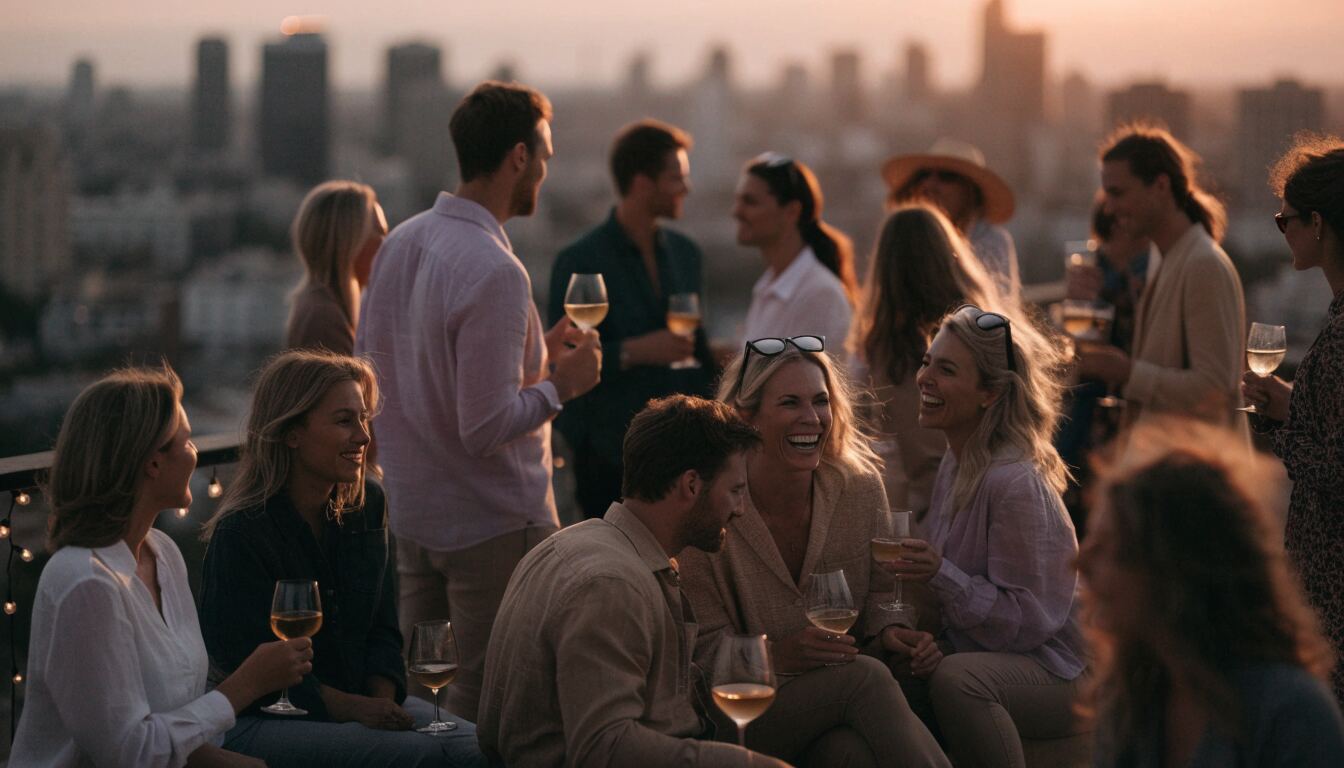
This glamour isn't just about celebrities. It's baked into everyday routines, from the way people dress for brunch to the design of public spaces. The city's amenities cater to a population that values aesthetics and leisure, creating endless backdrops for social encounters. Whether you're at a rooftop bar or a laid-back coffee shop, there's an unspoken understanding that you're part of the city's ongoing performance.
What Makes the LA Vibe So Distinct
The phrase "LA-LA Land" captures a specific energy: a blend of ambition, creativity, and a dash of unreality. It's a mindset that encourages people to chase their dreams, whether that's stardom or a fulfilling personal life. In the context of alternative lifestyles, this translates to a willingness to experiment and push boundaries. The city's mythology, constantly fed by films and media, creates a backdrop where unconventional choices feel more acceptable. You're not just living your life; you're starring in your own story.
This pursuit of an idealized self is deeply ingrained. It influences fashion trends, fitness routines, and even how people structure their social calendars. The desire to be seen and admired isn't just about ego; it's a form of social currency. In adult communities, this can manifest as a focus on presentation and confidence, where putting your best self forward is part of the etiquette.
Urban Amenities That Fuel a Social Lifestyle
Look around LA, and you'll notice a landscape designed for interaction. The sheer number of stylish cafes and juice bars provides casual settings for first meetings or group hangouts. High-end car dealerships dot the boulevards, not just for transport but as symbols of status and taste. The concentration of creative professionals—writers, musicians, designers—adds an artistic charge to any gathering. Even the abundance of children's boutiques hints at a culture that prizes presentation from an early age. All these elements combine to support a lifestyle where socializing is an art form.
For lifestyle enthusiasts, these amenities serve as neutral ground. A coffee shop in Silver Lake can host a discreet meet-and-greet, while a trendy restaurant in West Hollywood becomes the prelude to a night out. The city's infrastructure supports the flow from public to private spaces, making it easier to navigate the nuances of adult socializing. The film industry's dominance also means there's always a sense of occasion, a feeling that anything could happen when the sun goes down.
Where the Spotlight Shines Brightest
Certain neighborhoods amplify this glamorous energy more than others. Hollywood, with its walk of fame and historic clubs, pulses with a desire to be part of something bigger. Beverly Hills offers a more polished, exclusive version of the dream. The Sunset Strip remains a legendary stretch for nightlife, where music and mingling go hand in hand. These areas attract people who thrive on visibility and excitement, and they often host private events for those in the know. The adult lifestyle scene finds natural homes here, tucked behind unassuming doors or at exclusive house parties.
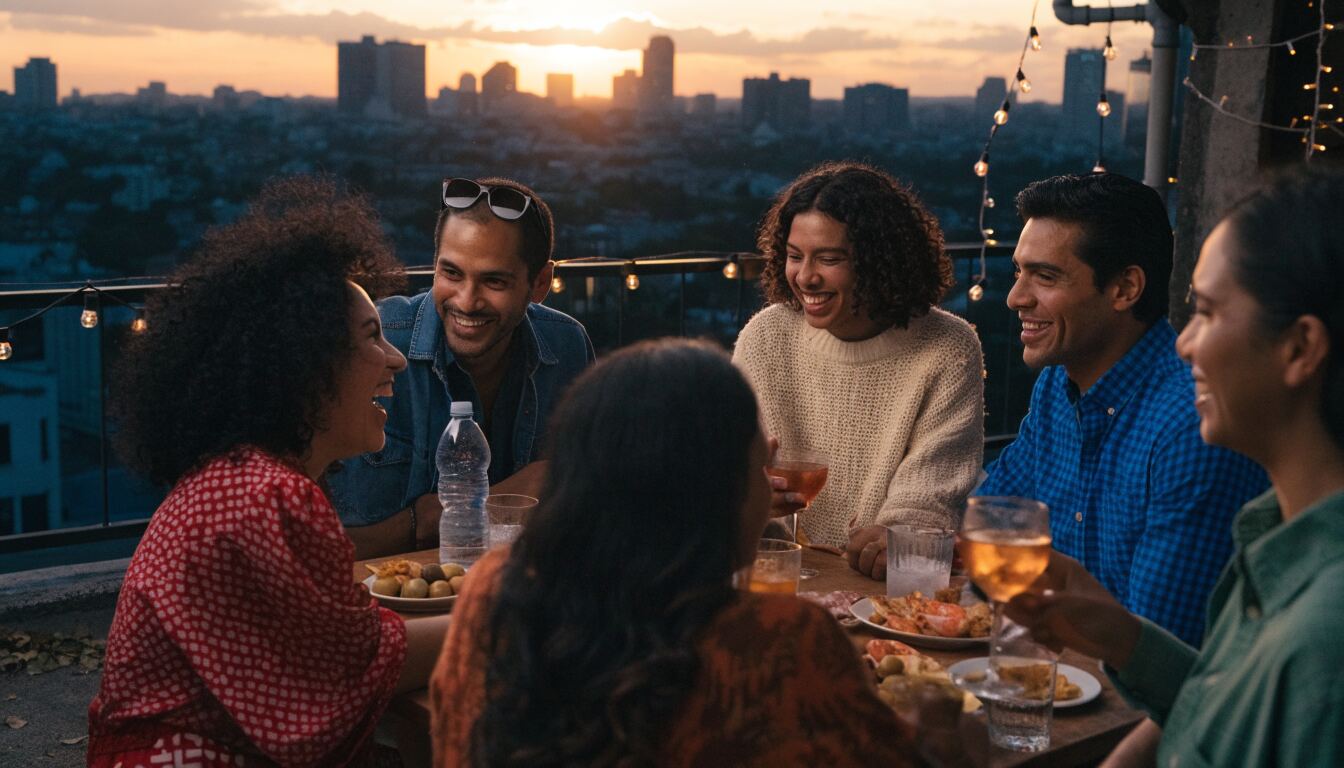
Yet, the glamour isn't confined to the west side. Downtown LA has undergone a renaissance, with rooftop lounges and art spaces drawing a diverse crowd. The key is that these locales provide a stage. For Hispanic swingers and others, these settings offer a chance to merge cultural flair with the city's love of spectacle, creating nights that feel both authentic and extraordinary.
The Deep Imprint of Hispanic Culture on City Life
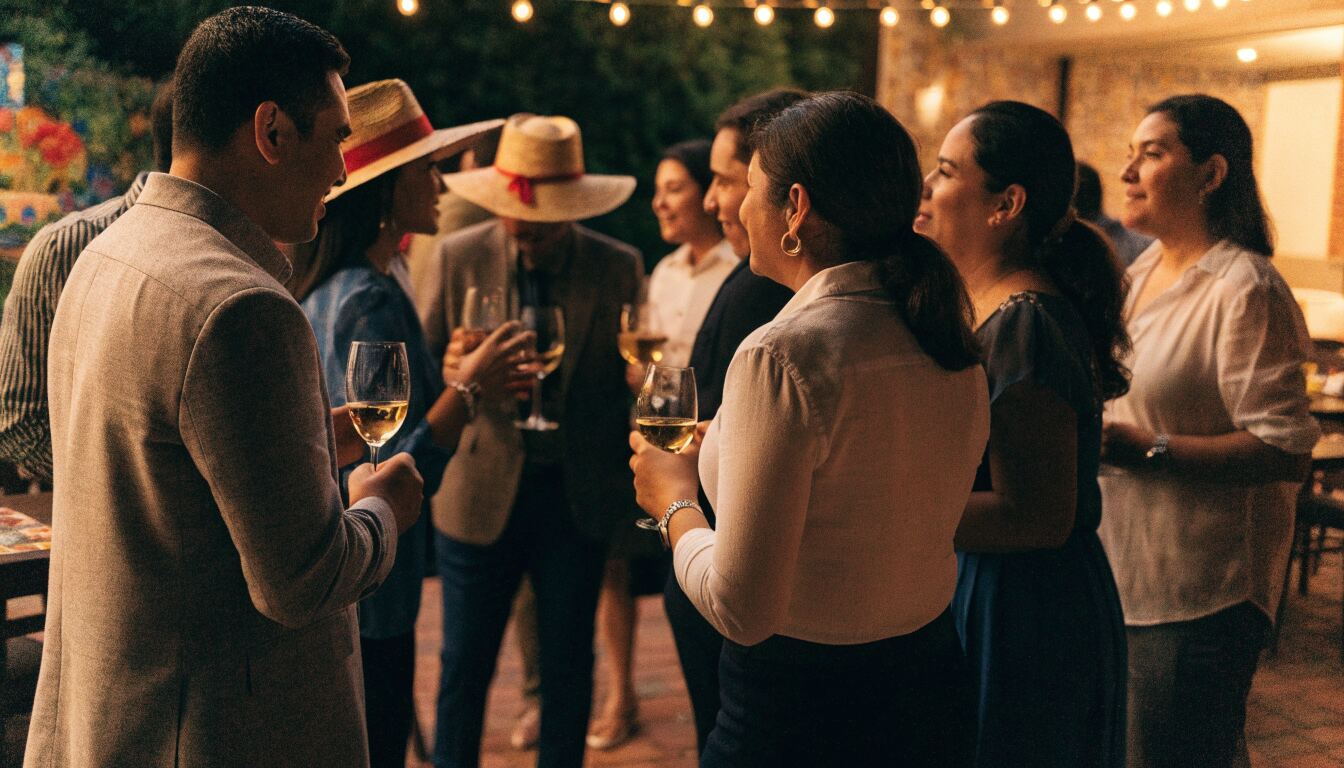
Hispanic heritage isn't just one thread in LA's tapestry—it's part of the loom itself. From the city's founding as a Mexican pueblo to today's vibrant barrios, this influence shapes language, food, music, and community values. For those involved in adult social circles, this cultural richness adds layers of meaning to gatherings and relationships. It's about more than ancestry; it's about a living tradition that emphasizes warmth, family, and celebration, all of which can translate into how lifestyle communities operate.
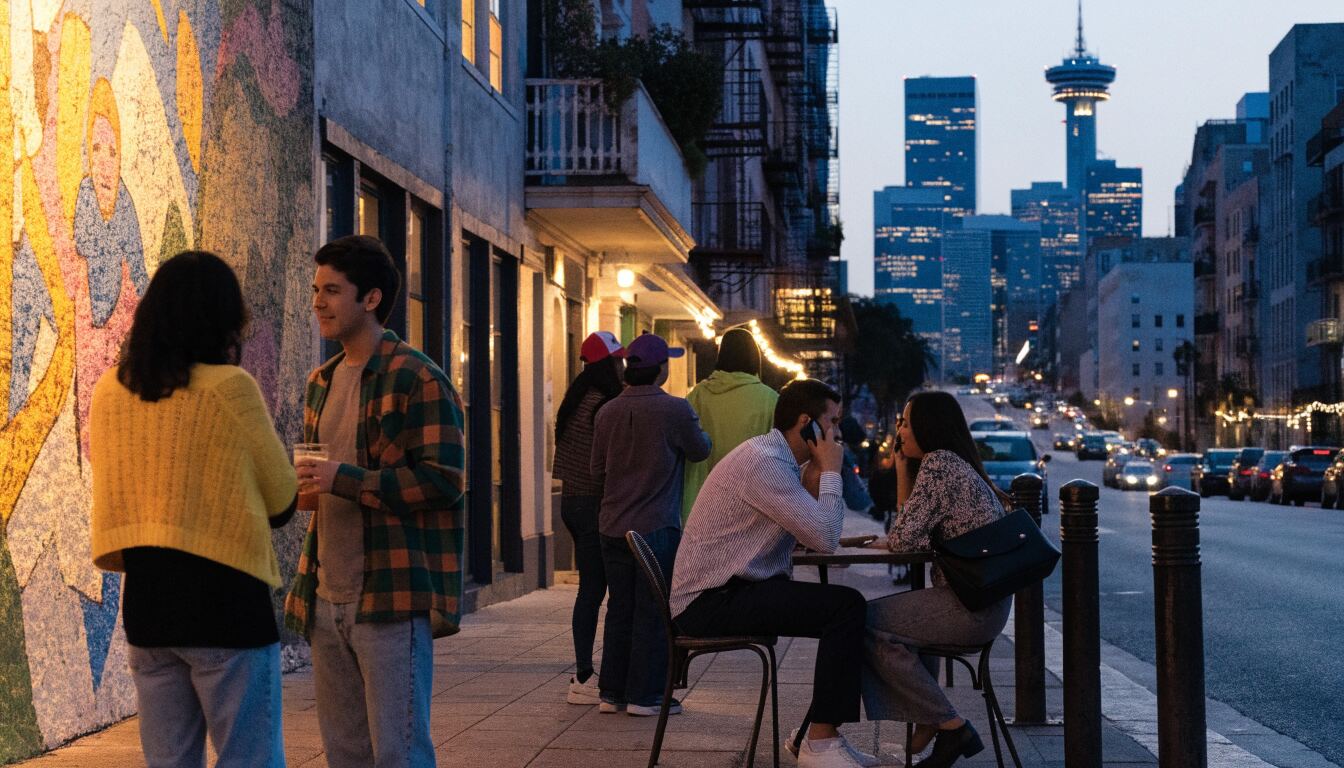
This heritage is visible in everyday life. Murals on building walls tell stories of struggle and pride. The sounds of mariachi or salsa drift from open windows. Markets overflow with ingredients that carry memories of home. These sensory experiences create a foundation for connection, reminding people of shared roots even as they explore new horizons. In the swinging scene, this can foster a sense of hospitality and inclusivity that feels distinctly rooted in Hispanic values.
Art, Music, and Tradition in Public Spaces
Walk through areas like East LA or Pacoima, and you'll encounter cultural expression at every turn. Street art honors icons from César Chávez to Frida Kahlo, turning walls into canvases of identity. Festivals like Día de los Muertos bring entire blocks alive with altars, face paint, and communal remembrance. These aren't just tourist attractions; they're vital practices that bind generations. For lifestyle participants, these events can serve as informal meeting grounds where connections spark over shared cultural pride.
Music venues, from grand theaters to humble bars, keep traditions like banda, norteño, and Latin jazz thriving. Dance halls become places where bodies communicate in ways words can't. This physical, joyful aspect of Hispanic culture easily meshes with the open-minded ethos of adult communities. Learning to dance salsa, for instance, can be a gateway to meeting people who share both cultural interests and lifestyle curiosities.
Building Bonds Through Collective Experiences
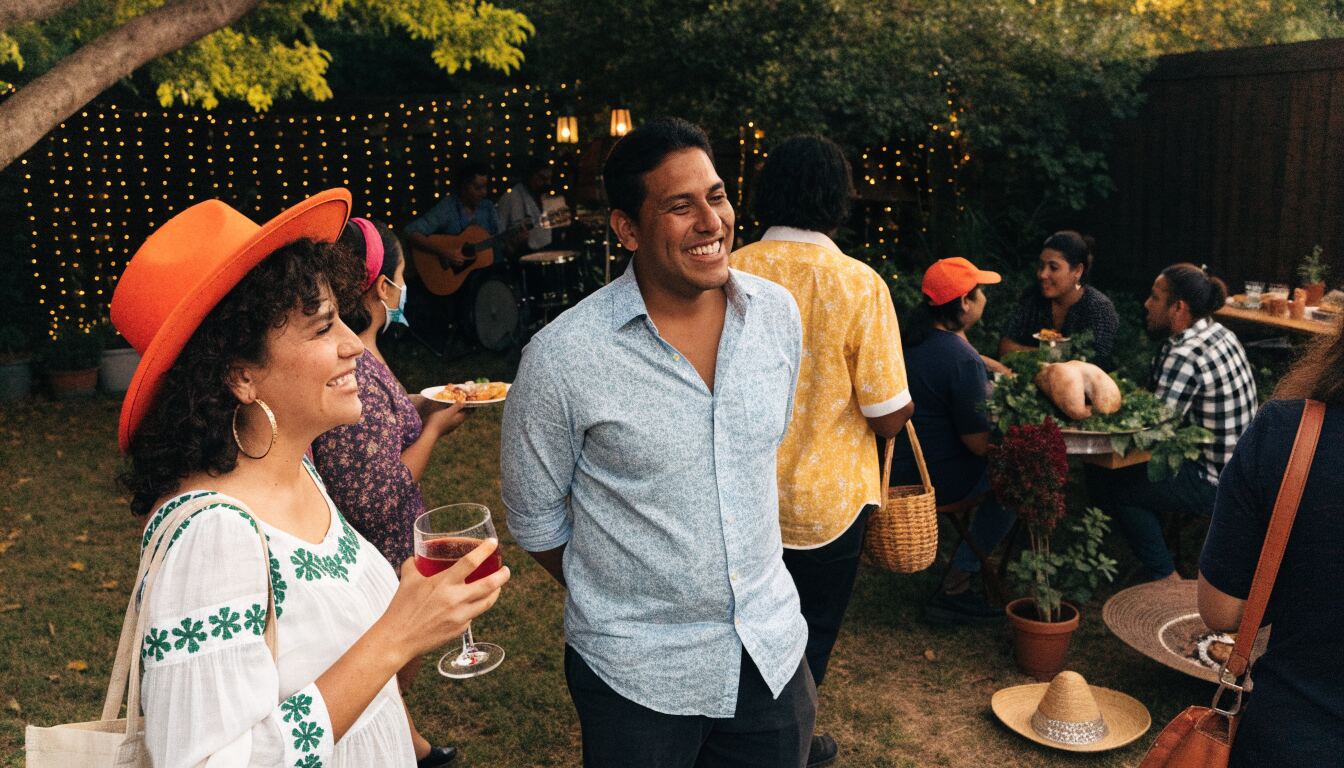
At the heart of Hispanic community life are gatherings that reinforce relationships. Sunday family barbecues, baptism celebrations, and quinceañeras aren't just parties; they're the glue that holds networks together. This emphasis on togetherness carries over into how people approach dating and alternative relationships. Trust is built through time spent, food shared, and stories told. For those entering the swinger world, having a cultural framework that values tight-knit circles can make the experience feel less transactional and more like an extension of community.
Faith-based events also play a role, even for those who don't attend church regularly. The calendar is dotted with feast days and processions that draw crowds. These moments of collective celebration remind people of their interconnectedness. In lifestyle groups, similar principles apply: regular meetups, themed parties, and group outings create a rhythm of belonging. The Hispanic approach to community—warm, inclusive, and resilient—offers a model for how adult social networks can thrive.
Navigating Bold Social Spaces and Their Dynamics
Every city has underground currents, spaces where norms are questioned and new identities are tested. In Los Angeles, these transgressive scenes range from avant-garde art collectives to nightclubs that cater to specific fetishes or relationship styles. They attract people who feel constrained by mainstream expectations and seek environments where they can breathe freely. Understanding these spaces is key to seeing how diverse groups, including Hispanic participants, find acceptance and adventure.
These aren't necessarily hidden, but they operate on different rules. The focus is on consent, exploration, and mutual respect. For many, these venues provide the first taste of a lifestyle that aligns with their inner desires. The decor might be edgy, the music experimental, but the underlying need is universal: to connect with others who get it.
What Defines a Transgressive Environment?
Transgressive spaces thrive on pushing against societal boundaries. This could mean a club where gender norms are fluid, a party where monogamy isn't assumed, or a workshop that explores kink in a safe setting. The common thread is intentionality. People come to these places to shed everyday roles and try on new ones. The atmosphere often blends intimacy with anonymity—you might know someone's screen name but not their day job. This creates a unique social contract based on shared vulnerability.
In LA, these environments often reflect the city's creative spirit. They might incorporate performance art, immersive theater, or elaborate costume themes. The goal is to create a container where exploration feels both exciting and secure. For Hispanic individuals who grew up in more conservative households, these spaces can be liberating, offering a way to reconcile cultural identity with personal desires without judgment.
Who's Joining These Scenes Today?
The demographics of transgressive spaces are shifting. While young people still flock to them, you'll also find older adults who've been part of these communities for decades. Economic factors play a role—when rents rise, scenes move, drawing new crowds. Social media has also democratized access, so someone in the suburbs can learn about a warehouse party downtown. Increasingly, these spaces attract people from varied ethnic backgrounds, including a strong presence of Latino and Hispanic attendees who bring their own cultural flair to the mix.
This diversity enriches the experience. A themed event might blend reggaeton beats with classic goth aesthetics, creating something entirely new. The influx of different perspectives keeps scenes from becoming stale. For those seeking Hispanic adult connections, this means you're likely to find a welcoming niche where your background is seen as an asset, not a curiosity.
Finding Support in Nightlife Networks
For many, nightlife is more than entertainment—it's a lifeline. In transgressive communities, the bonds formed at late-night gatherings can become deep friendships. People share not just drinks but advice, resources, and emotional support. This is especially true for those who feel isolated in their daily lives. A club can become a second home, where the DJ knows your name and the regulars check in on you. This sense of family is a powerful draw.
Within these networks, people look out for each other. There's often an informal code of conduct around consent and safety. Newcomers are mentored, and harmful behavior is called out. This creates a resilient social fabric that sustains people through life's ups and downs. For Hispanic swingers, tapping into these networks can provide both a social outlet and a support system that understands the nuances of their lifestyle choices.
Unlikely Connections: How Diverse Groups Find Common Ground
At first glance, LA's social scene might seem fragmented, with different tribes keeping to themselves. But look closer, and you'll see bridges everywhere. Shared human needs—for food, fun, and fellowship—create opportunities for interaction that cross lines of race, class, and lifestyle. These moments of connection are where the city's true magic happens, and they're essential for building the kind of inclusive adult communities that thrive here.
It's often the simple things that bring people together. A taco stand that draws everyone from construction workers to screenwriters. A pickup basketball game where backgrounds don't matter. These everyday encounters chip away at stereotypes and build familiarity. In the lifestyle world, similar dynamics occur when people bond over a shared interest before they ever discuss their ethnic or economic differences.
Pop Culture as a Shared Language
Mainstream entertainment provides a universal reference point. Catchy pop songs, blockbuster movies, and viral memes circulate across all communities. Sports fandom is another unifier—cheering for the Lakers or Dodgers cuts across demographics. These shared cultural products give strangers an easy way to start conversations. At a swingers' meetup, talking about the latest hit show can break the ice and reveal unexpected commonalities before deeper topics emerge.
Food culture works similarly. LA's obsession with everything from Korean BBQ to vegan bowls means that culinary adventures are a safe, enjoyable way to connect. Lifestyle events often incorporate food as a centerpiece, recognizing that sharing a meal is a primal form of bonding. When people sit down together, differences in background often fade into the background, replaced by the immediate pleasure of good company and good flavors.
Activities That Reshuffle Social Divides
Certain hobbies have a unique power to mix people up. Martial arts studios, for example, often attract students from wildly different walks of life who bow to each other on the mat as equals. Recreational sports leagues, hiking groups, and dance classes create settings where collaboration matters more than credentials. These activities forge bonds through shared effort and mutual encouragement.
For those in alternative relationship communities, these kinds of activities can serve as entry points. Joining a co-ed soccer team might lead to friendships that later open doors to private parties. The key is that the initial connection is based on a shared passion, not a shared lifestyle. This organic approach reduces pressure and allows trust to develop naturally. Over time, these bridges help diversify and enrich the adult social scene, making it more reflective of the city as a whole.
The Growth and Transformation of Lifestyle Communities
Adult lifestyle communities in LA aren't static clubs; they're living ecosystems that evolve with the city. As people's priorities shift and new generations come of age, the way these groups form and function changes. Understanding this evolution helps you navigate the scene with greater awareness and find the spaces that feel right for you. It also highlights how the Hispanic community's influence continues to shape these transformations.
One major shift is the move away from rigid hierarchies. Older scenes might have been dominated by a few key figures or venues, but today's networks are more decentralized. Online platforms allow anyone to organize a meetup, and pop-up events have replaced standing club nights in many cases. This democratization means more voices are heard, and niche interests within the broader lifestyle can flourish.
Moving Past Income and Status Markers
Traditionally, people might have assumed that lifestyle participants came from certain economic brackets. But that's changing fast. Today, you'll find teachers, artists, tech workers, and small business owners all mingling at the same events. What draws them together isn't net worth but shared values: curiosity, respect, and a desire for authentic connection. This shift makes scenes more accessible and less intimidating for newcomers who might not fit a stereotypical mold.
For Hispanic individuals, this is significant. It means you don't need to conform to a specific image of wealth or status to participate. Your cultural background, with its emphasis on warmth and hospitality, can be your greatest asset. The focus on genuine connection over superficial markers aligns well with community-oriented values, making these spaces feel more like extended family gatherings than exclusive clubs.
How Amenities Drive Community Formation
The physical spaces we inhabit shape our social lives. A new cocktail bar with a speakeasy vibe can become the unofficial headquarters for a local polyamory group. A renovated warehouse turned dance studio might host after-hours kink workshops. The availability of interesting, adaptable venues directly influences how scenes grow. LA's abundance of creative spaces—from rooftop gardens to discreet lounges—provides fertile ground for lifestyle communities to put down roots.
These amenities act as magnets. When a neighborhood gains a reputation for being lifestyle-friendly, more events cluster there. This can lead to a kind of informal district where like-minded people feel comfortable being themselves. For those seeking Hispanic-friendly environments, areas with strong cultural amenities—like authentic restaurants and Latin music venues—often overlap with lifestyle hubs, creating a best-of-both-worlds situation.
The Fluidity of Where We Live and Connect
Residential patterns in LA are no longer set for life. People move neighborhoods as their interests change, chasing the vibe that suits their current phase. A couple might start in a quiet suburb but relocate to a more central area to be closer to the action. This mobility keeps scenes dynamic, as new blood constantly refreshes the community. It also means that lifestyle networks are distributed across the metro area, with pockets of activity in unexpected places.
This fluidity benefits the Hispanic swinging community by spreading its influence. Instead of being confined to one barrio, cultural traditions travel with people, infusing events across the city with Latin music, food, and warmth. The result is a lifestyle landscape that's richer and more varied, where you can find a salsa-themed play party in the Valley one night and a low-key potluck in Long Beach the next. The city's very restlessness ensures that there's always something new to discover.
Staying True to Yourself in the Urban Jungle
Amid all this movement and mixing, the search for personal authenticity remains central. Los Angeles can be overwhelming, with so many scenes and subcultures vying for attention. But the city also offers unparalleled freedom to craft an identity that feels true. For those exploring swinging, polyamory, or other paths, this means finding spaces where you don't have to hide parts of yourself. The goal is to align your public life with your private desires, creating a sense of wholeness.
This pursuit often involves trial and error. You might try a club that doesn't fit, or a group where the vibe is off. That's part of the process. The key is to keep listening to your instincts and seeking out the people and places that resonate. The Hispanic cultural value of "orgullo"—pride in oneself and one's heritage—can be a guiding force here, reminding you to honor where you come from even as you explore where you want to go.
Finding Your Stage for Self-Expression
The city provides countless platforms for showing the world who you are. It could be a dance floor where your movements tell a story, a discussion group where you share your philosophy on relationships, or a private party where you dress in a way that feels empowering. These outlets are essential for mental and emotional health. They let you test boundaries, receive feedback, and refine your sense of self. In lifestyle communities, this expression is often celebrated as a core value.
Look for venues that encourage creativity. Art walks, open mic nights, and themed gatherings attract people who value individuality. These spaces lower the stakes; you're not just looking for dates or play partners, you're engaging in a broader cultural exchange. For Hispanic adults, bringing traditional elements—like a particular style of dress or a musical recommendation—can be a powerful form of self-expression that enriches the whole group.
Linking Your Lifestyle to Your Environment
Ultimately, the neighborhoods you frequent and the events you attend become an extension of your identity. Choosing a gym with a body-positive ethos, a restaurant that sources ethically, or a club known for its inclusive policy are all ways of voting with your feet. These choices build a life that reflects your inner values. For those in the lifestyle, this might mean seeking out venues that explicitly welcome diversity and have clear codes of conduct.
This alignment creates a feedback loop. As you feel more accepted, you express yourself more freely, attracting others who appreciate your authenticity. Over time, you build a personal network that feels less like a scene and more like a community. In a city as vast as LA, carving out this kind of niche is both a challenge and a reward. The Hispanic swinging community, with its rich blend of cultural pride and open-minded exploration, exemplifies how fulfilling that reward can be.
Frequently Asked Questions
How did LA's history create such distinct cultural neighborhoods?
Los Angeles grew through waves of immigration, with different groups settling in areas where they found support and familiarity. Over decades, these neighborhoods developed their own identities—think of the Jewish roots of the Fairfax district or the Japanese American history in Sawtelle. These enclaves preserved languages, cuisines, and traditions, but they also evolved as new residents moved in. Today, while some boundaries have blurred, the legacy of these close-knit communities continues to influence how people socialize and build networks, including within adult lifestyle circles.
What exactly is the "LA-LA Land" atmosphere?
It's a term that captures the city's blend of ambition, fantasy, and visual flair. You'll encounter it in areas heavy with nightclubs, high-end boutiques, and entertainment industry hubs. It's about the thrill of being seen and the pursuit of an idealized image. This vibe isn't confined to Hollywood; it spills into the west side and downtown, where the energy is all about performance and possibility. For lifestyle communities, this atmosphere provides a backdrop where creative self-presentation is part of the fun.
In what ways does Hispanic culture shape daily life in LA?
The influence is everywhere, from the city's name itself to the prevalence of Spanish language, Mexican cuisine, and vibrant public art. Family-centric values, religious festivals, and a strong sense of community are hallmarks. You'll see it in the murals of East LA, the sounds of Latin music from passing cars, and the packed taquerias at all hours. This cultural depth offers a template for building warm, inclusive social circles, which translates naturally into how Hispanic individuals approach friendship and dating within lifestyle scenes.
What are transgressive social spaces, and who frequents them?
These are environments where people challenge mainstream norms around identity, relationships, and expression. They can be underground clubs, private parties, or artistic collectives that embrace kink, non-monogamy, or gender fluidity. Attendees range from curious newcomers to seasoned veterans, spanning ages and backgrounds. Increasingly, these spaces attract diverse ethnic participation, including many Latino and Hispanic individuals seeking communities where they can explore freely while still honoring their cultural roots.
What brings different LA communities together despite their differences?
Shared interests often bridge divides. Popular culture—movies, music, sports—gives everyone a common language. Food is another great unifier, with the city's culinary scene drawing crowds from all walks of life. Activities like hiking, dance classes, or recreational sports create settings where collaboration overshadows background. In lifestyle contexts, these shared passions become entry points for deeper connections, helping people from varied ethnic and socioeconomic groups find common ground.
How are people choosing where to live and socialize in cities today?
Modern urbanites are guided less by traditional markers like income and more by lifestyle preferences. Access to certain amenities—craft coffee spots, yoga studios, or specific nightlife—drives decisions. People move to be near their tribe, whether that's artists, techies, or adult lifestyle communities. This fluidity means residential patterns keep shifting, with neighborhoods gaining reputations for certain vibes. For Hispanic swingers, this means you can find welcoming pockets across the metro area, not just in historically Latino neighborhoods.