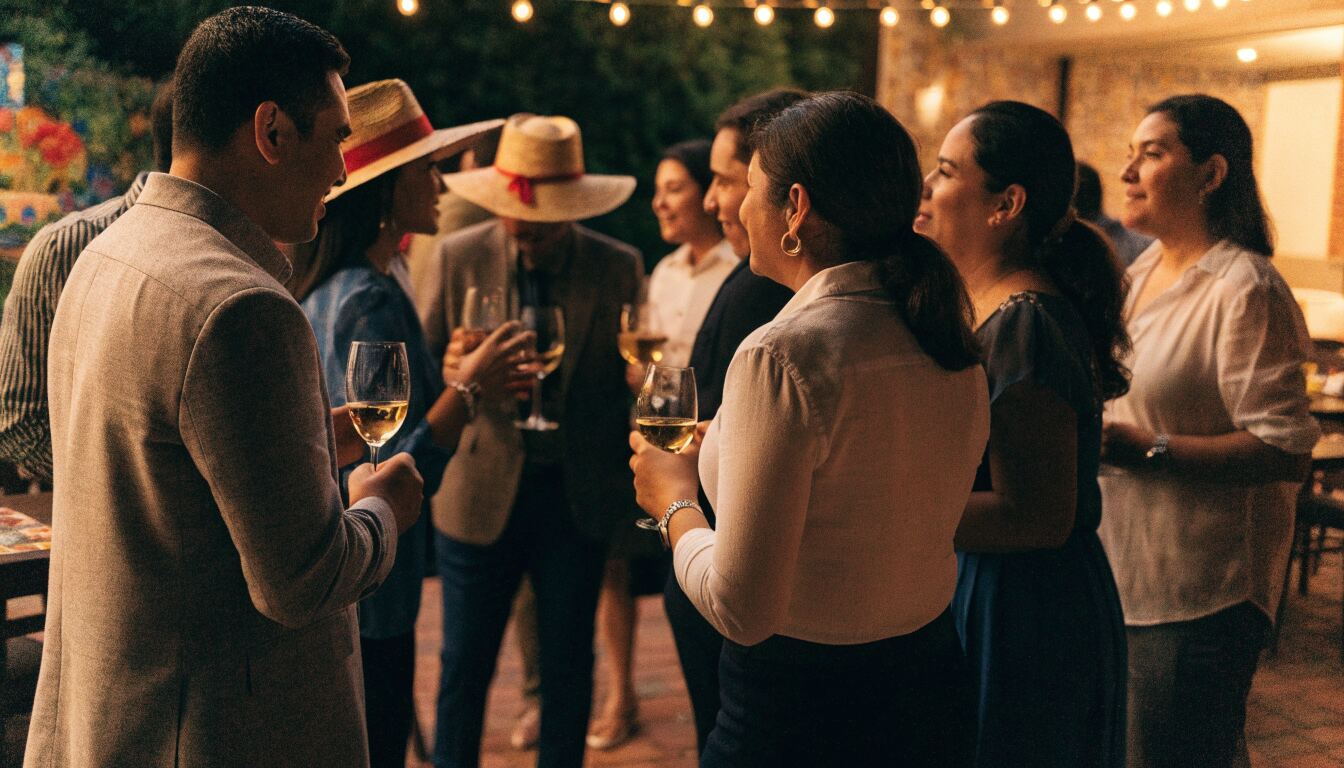
Where Generations Meet: A Colorful Tapestry of Connection
Picture a lively social circle where decades of life experience blend with fresh perspectives, all under the warm umbrella of Hispanic heritage. The open-relationship landscape within these communities isn’t a monolith—it’s shaped by the distinct rhythms of each age group. From those who came of age in quieter times to digital natives reshaping conversations, every cohort contributes its own texture. This piece dives into how Boomers, Gen X, Millennials, and Gen Z navigate the scene, balancing cultural roots with personal freedom, and what we can all learn from their approaches.
The Boomer Blueprint: Grace, Privacy, and Reinvented Bonds
Redefining Commitment After Decades of Change
For many older adults in these circles, the journey toward open relationships often begins with a profound personal reckoning. Raised in an atmosphere where marriage was expected to follow a strict script, they’ve spent years quietly challenging those blueprints. Instead of viewing partnership as a fixed set of duties, they’ve gradually reshaped it into something more equitable—where both individuals can voice desires without shame. This shift doesn’t happen overnight; it involves unpacking layers of internalized expectation. Some may wrestle with lingering guilt, wondering if their choices betray family teachings or religious upbringing. Others discover that opening up actually deepens their primary bond, replacing silent resentment with honest dialogue. Practical steps include weekly check-ins with a spouse, journaling to trace emotional patterns, and seeking out older mentors who’ve walked a similar path. The result isn’t a rejection of tradition but a thoughtful expansion of it, proving that lifelong learning applies to intimacy too.
Why Discretion Still Matters
Privacy isn’t just a preference for this generation—it’s a hard-earned lesson from eras when any deviation from the norm could invite harsh judgment. Many Boomers recall times when gossip could damage careers or family reputations, so they’ve developed an art of moving through the world with quiet confidence. This translates into deliberate habits: they might use first names only at events, avoid posting anything lifestyle-related online, and carefully separate their social circles. When vetting new acquaintances, they prioritize trust signals like mutual friends or long-standing community members. The emphasis isn’t on secrecy born of shame, but on protecting what’s precious. Tips for anyone valuing this approach include setting clear digital boundaries, choosing meeting spots away from hometown eyes, and practicing a calm, unbothered demeanor if questions arise. It’s about curating a safe bubble where exploration flourishes without external noise.
Thriving in Age-Specific Spaces
There’s a unique comfort in gathering with peers who understand the cultural and generational context you carry. Many Boomers gravitate toward lounges, private house parties, or resort gatherings designed for mature crowds. These venues often feel less like frantic hookup zones and more like relaxed social clubs—think soft music, ample seating for conversation, and a pace that honors connection over conquest. The ethos here centers on respectful banter, genuine curiosity about others’ stories, and a collective understanding that everyone has a history. Organizers might host potluck-style dinners where people bond over shared recipes before any physical play, reinforcing that community is the foundation. For newcomers, seeking out these environments can ease the intimidation factor; start by attending a low-pressure meet-and-greet or joining an online forum specifically for older adults in the lifestyle, where discussions often cover everything from empty-nesting to rediscovering sensuality later in life.
Gen X: The Bridge Builders of Pragmatism and Passion
Juggling Responsibilities Without Losing Yourself
Often sandwiched between aging parents and growing children, Gen Xers in Hispanic lifestyle circles have mastered the delicate art of compartmentalization. They’re not just spontaneous thrill-seekers; they’re planners who color-code calendars to protect date nights and weekend escapes. This balancing act requires fierce communication with a primary partner—negotiating who handles school pickups or family obligations while the other enjoys a free evening. Many couples in this bracket find that the structure actually enhances their adventures, because the anticipation builds during the mundane workweek. Practical tools include shared digital calendars with color-coded entries, setting aside a monthly “no-kids” weekend for exploration, and building a reliable network of trusted sitters or family members who can step in without prying questions. The key is to treat lifestyle time as sacred, not an afterthought, which reinforces its value to both partners.
Online Savvy Meets In-Person Warmth
Having witnessed the internet’s birth and evolution, Gen X moves comfortably between screens and real-world handshakes. They’ll use dedicated platforms to browse profiles and exchange messages, but they’re quick to suggest a coffee meetup to gauge chemistry beyond pixels. This blend of efficiency and authenticity serves them well: they can filter for compatibility online while insisting on that irreplaceable face-to-face spark. When crafting a profile, they lean toward honesty—mentioning hobbies, cultural interests, and what they seek without oversharing. A tip for this group is to treat initial online chats like a friendly interview: ask about favorite local spots or recent travel, then pivot to boundaries and expectations only after rapport is built. Many also rely on regional Facebook groups or older forums where moderation is tighter and conversations feel less fleeting than on newer apps.
Consent as a Living Conversation
This generation occupies a unique space where they respect traditional codes of conduct but aren’t afraid to question them. They’ve watched the cultural shift around consent unfold and actively integrate its lessons. For Gen X Hispanic swingers, this might mean explicitly discussing what “yes” looks like in different scenarios—perhaps using a stoplight system (green for go, yellow for slow down, red for stop) during parties. They’re also more likely to challenge outdated assumptions, such as the idea that men always initiate or that women should defer. Instead, they encourage everyone at the table to voice limits and desires equally. Workshops on communication skills, often hosted by local lifestyle groups, have become popular among this cohort. The overarching message is that respect isn’t static; it’s negotiated moment by moment, with everyone’s comfort held as the highest priority.
Millennials: Weaving Tech, Ethics, and Fluidity Into the Fabric
How Social Platforms Reshape Visibility
For Millennials, the line between online life and real-world identity is practically invisible. They use Instagram stories to hype up private events, TikTok to share coded humor about the lifestyle, and chat groups to coordinate meetups—all while carefully managing privacy settings. This digital fluency amplifies the scene’s reach, making it easier for curious newcomers to find communities. However, it also invites scrutiny; a careless tag or public comment can ripple outward. Smart practitioners in this age bracket curate multiple accounts—one for vanilla life, another for lifestyle connections—and use features like “close friends” lists to share selectively. The benefit is a vibrant, visible network where educational content about consent and safety spreads quickly. For anyone hesitant, start by following reputable lifestyle educators on social media to absorb the culture before diving into direct interaction.
Championing Inclusivity and Ethical Ground Rules
If there’s a hallmark of Millennial involvement, it’s the insistence that all spaces feel welcoming and safe. They’re quick to champion guidelines that go beyond basic politeness: enthusiastic consent where silence isn’t enough, active bystander intervention when someone seems uncomfortable, and zero tolerance for pushy behavior. Many events organized by this generation feature mandatory orientation circles where attendees state their boundaries upfront. They also push for representation, ensuring that plus-size individuals, LGBTQ+ folks, and people with disabilities see themselves reflected in event marketing and leadership. Practically, this looks like using inclusive language in invitations, offering sliding-scale pricing for events, and having designated “consent angels” who roam parties to check on guests. The result is a environment where participants can relax knowing the framework prioritizes their well-being.
Embracing the Full Spectrum of Identity
Millennials are less likely to box themselves into fixed labels. In Hispanic lifestyle circles, this means more conversations about bisexuality, pansexuality, or simply “questioning” without pressure to declare. They view relationships as flexible constructs—perhaps a married couple explores separately, or a group defines itself as a chosen family with romantic layers. This fluidity can feel liberating but also requires extra communication to avoid misunderstandings. A tip is to use “getting to know you” sheets at events where people list their preferred pronouns, current relationship configurations, and what they’re open to exploring that evening. By normalizing these discussions, Millennials dismantle the idea that there’s one “right” way to participate, encouraging everyone to author their own script.
Gen Z: Fresh Voices, Radical Honesty, and Social Consciousness
Normalizing Through Open Conversation
The youngest adults in the scene bring a remarkable fearlessness about destigmatizing alternative relationships. They’ll host live Q&A sessions on platforms like Discord or Twitter Spaces, answering curious questions from friends and strangers alike. By speaking plainly about their experiences—the joys, the awkward moments, the lessons—they strip away the mystique that often breeds judgment. This transparency extends to their offline lives too; many are open with close family members about their choices, framing it as a valid relationship orientation rather than a secret. For older generations, watching this candor can be both inspiring and unnerving, but it undeniably shifts the cultural needle. Practical takeaways include practicing how to explain your lifestyle to a trusted friend using clear, non-defensive language, or joining Gen Z-led discussion groups where vulnerability is celebrated.
Consent as an Ongoing, Enthusiastic Pact
For Gen Z, consent isn’t a checkbox you tick once—it’s a continuous, dynamic agreement. They introduce concepts like “aftercare” (checking in emotionally after an encounter) and “revocable consent” (the right to withdraw permission at any moment, no questions asked). This generation is also swift to call out red-flag behaviors, using group chats to warn others about individuals who violate boundaries. In practice, this means scenarios are negotiated in granular detail beforehand: “I’m comfortable with X, but not Y, and I’ll signal if I need a break.” Some groups even use nonverbal cues like tapping a wrist or holding up a colored bracelet to communicate status silently during play. The emphasis on enthusiastic participation—where a hesitant “maybe” is treated as a “no”—creates a profoundly safer ecosystem. Anyone can adopt these habits by initiating pre-event negotiations with partners and respecting every pause or withdrawal without guilt-tripping.
Honoring Every Layer of Identity
Gen Z recognizes that a person’s experience in the lifestyle is shaped by their whole self—race, gender, class, ability, and more. They actively work to create spaces that don’t just tolerate difference but center it. This could mean hosting events with Spanish-language facilitators, ensuring venues are wheelchair-accessible, or spotlighting indigenous and Afro-Latino perspectives within the community. They challenge stereotypes head-on, refusing to let anyone be fetishized for their ethnicity or reduced to a cultural caricature. For event organizers, this translates into diverse planning committees and feedback loops where marginalized voices shape policies. For individuals, it means approaching every interaction with cultural humility—asking about someone’s background with genuine interest rather than assumption, and speaking up when you witness microaggressions.
Weaving Generations Together: Lessons from the Mosaic
Uncovering Shared Ground
Strip away the surface differences—the apps, the slang, the music—and you’ll find core principles that unite all ages. Honesty with oneself and partners, a commitment to clear communication, and the pursuit of mutual pleasure form the backbone of every healthy interaction. Recognizing these commonalities can soothe intergenerational friction. A Boomer might find common cause with a Gen Zer over the importance of family, even if they express it differently; both may prioritize discretion in front of children or extended relatives. Similarly, Millennials and Gen Xers often bond over the challenges of balancing career and lifestyle. By focusing on these overlaps during mixed-age gatherings—perhaps through icebreaker games that highlight shared values—communities become stronger and more cohesive.
The Gift of Cross-Generational Mentorship
Every age group holds a piece of wisdom the others can benefit from. Older members have navigated decades of relationship evolution and can offer perspective on weathering jealousy or maintaining long-term passion. Younger members bring updated knowledge about consent culture, digital safety, and inclusive language. Gen X often excels at translating between these worlds, having adapted to massive cultural shifts themselves. Structured mentorship doesn’t need to be formal; it can look like a seasoned couple inviting a newer pair for dinner to share stories, or a Gen Z member hosting a workshop on pronoun usage for older community members. The exchange works both ways: younger folks learn patience and the art of face-to-face charm, while elders gain fresh tools for communication. To foster this, communities can host “story swap” nights where different generations share their journeys, building empathy and breaking down stereotypes.
Crating a Table Where Everyone Eats
Building an intergenerational haven requires intentional effort. Language matters—avoiding phrases like “back in my day” that dismiss newer perspectives, or “okay, boomer” that trivialize experience. Event organizers should consider varied schedules: afternoon socials for those who avoid late nights, and late-night dance parties for night owls. Music playlists can blend classics with current hits, and activities can range from salsa dancing to board games. Accessibility also means offering a range of participation levels—some may only want to socialize, while others seek more, and all choices must be respected without pressure. Regular community meetings where anyone can voice concerns help ensure no group feels sidelined. The goal is a vibrant ecosystem where a 25-year-old and a 65-year-old can share a laugh, learn from each other, and perhaps discover unexpected chemistry.
Cultural Threads: Hispanic Identity Woven Through the Scene
Navigating Familismo and Personal Liberty
Hispanic culture often elevates family loyalty and interconnectedness, which can create a beautiful but complex backdrop for open relationships. Many individuals feel a deep pull between honoring their parents’ expectations and pursuing their own definitions of fulfillment. This tension isn’t necessarily a conflict—it can be a creative negotiation. Some choose to keep their lifestyle entirely separate from family gatherings, viewing it as a private garden they tend away from relatives’ eyes. Others gradually introduce the concept through broader conversations about modern relationships, testing the waters without full disclosure. The key is to define your own boundaries without guilt: you can love your family deeply and still make choices they might not understand. Practical support comes from finding other Hispanic lifestyle members who share this cultural context; they can offer advice on navigating quinceañeras, Sunday dinners, and nosy tías with grace and discretion.
Fiestas, Comunidad, and Belonging
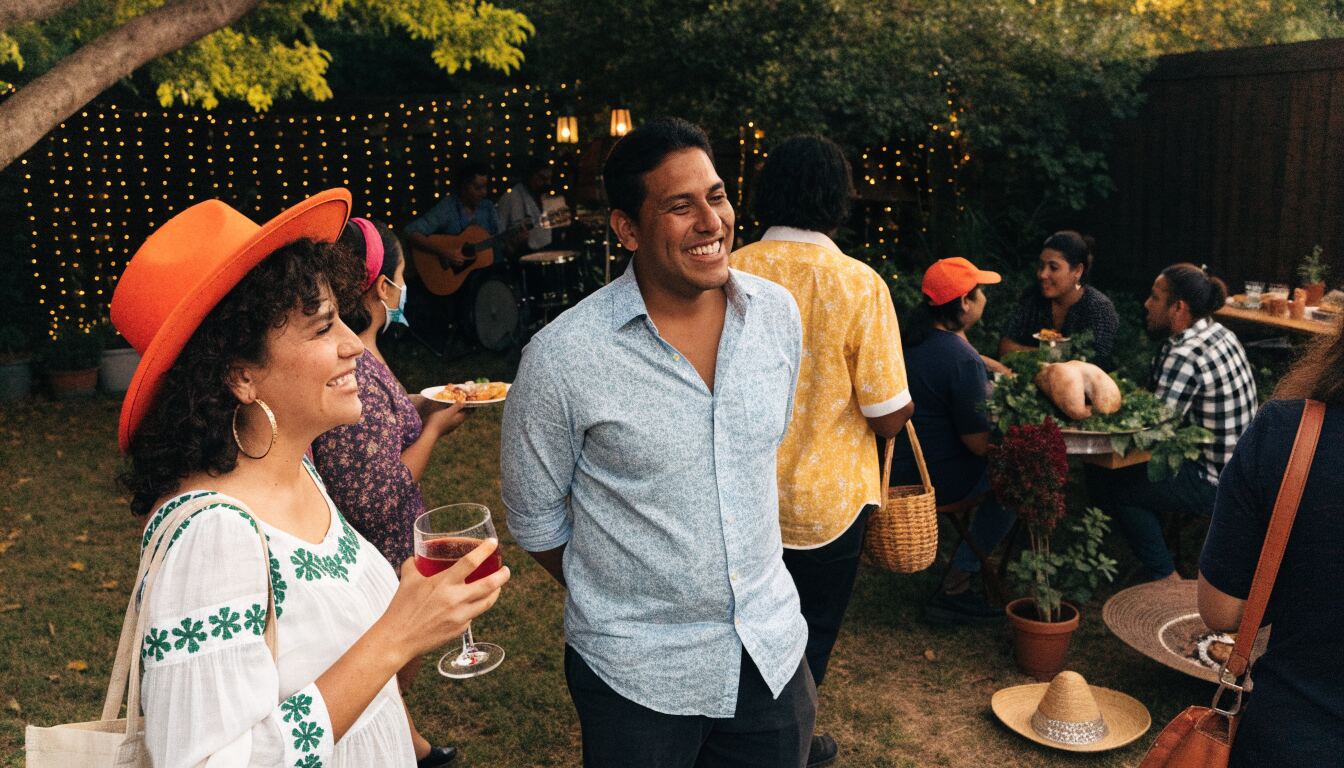
The Hispanic love for celebration infuses lifestyle events with a distinctive warmth. Gatherings might feature a taco bar, live mariachi, or salsa dancing before any other activities begin, grounding the experience in cultural joy. This isn’t just decoration—it’s a deliberate way to build trust and camaraderie. When people share food, music, and laughter, they connect on a level that transcends the purely physical. Many groups organize holiday parties that blend tradition with openness: a Día de los Muertos-themed event where attendees honor ancestors while embracing life’s pleasures, or a Nochebuena potluck that doubles as a meet-and-greet. These occasions attract a diverse age range, creating natural intergenerational mingling. For those seeking such communities, search for regional lifestyle groups that explicitly mention cultural celebrations or bilingual communication in their outreach.
Confronting and Dismantling Stereotypes
Unfortunately, Hispanic individuals in open-relationship scenes often face a double layer of misconception: stereotypes about the lifestyle itself, and ethnic clichés about being “spicy” or “exotic.” Many work actively to educate others, both inside and outside the community. This involves calmly correcting assumptions—for instance, explaining that being a swinger doesn’t equate to infidelity, or that Hispanic women are not inherently submissive or hyper-sexual. Within the scene, efforts focus on promoting diverse representation in leadership and event imagery, so no single narrative dominates. Workshops on cultural sensitivity, led by Hispanic community members, can help non-Hispanic participants understand nuances like the importance of respeto (respect) and personalismo (warm, personal connection). By addressing these issues head-on, the community becomes a microcosm of the broader social justice conversations Gen Z champions, with everyone playing a role in education.
Here’s a snapshot of how cultural attitudes might subtly differ across generations, though individual variation always reigns:
- Boomers: Often prioritize family privacy; may view lifestyle as a private rebellion against rigid norms; seek culturally familiar spaces.
- Gen X: Balance familial duties with personal exploration; use bilingual platforms to connect; pragmatic about blending old and new values.
- Millennials: Actively fuse cultural pride with lifestyle openness; host inclusive cultural events; challenge machismo and marianismo stereotypes.
- Gen Z: Center intersectional identity; openly discuss decolonizing sexuality; use social media to highlight diverse Hispanic voices in the scene.
Polishing the Art of Etiquette Across Ages
Why Clarity Is the Ultimate Kindness
Misunderstandings flourish in ambiguity. What one person considers a flirtatious hint, another might interpret as mere friendliness—especially when generational communication styles clash. To bridge this, adopt a policy of kind directness. Instead of hoping someone reads your signals, use gentle but unmistakable language: “I’m enjoying our conversation and would be open to more, but only if you’re comfortable.” This removes guesswork and honors everyone’s time. Similarly, if you’re not interested, a warm but firm “I’m flattered but not feeling a connection” is far more respectful than ghosting or vague excuses. For older generations who might favor indirectness, practice this skill in low-stakes settings first, perhaps role-playing with a partner. The payoff is interactions where everyone leaves feeling respected, regardless of outcome.
Boundaries Are Personal, Not Generational
Assuming that someone’s age dictates their comfort zone is a recipe for missteps. A 70-year-old may be far more adventurous than a 30-year-old, or vice versa. The only way to know is to ask—and to listen without projecting. Before any encounter, engage in a boundaries conversation that covers physical touch, emotional involvement, and privacy preferences. Some find it helpful to use a “yes/no/maybe” checklist that both parties fill out independently, then compare. This tool, popularized by younger generations, is now embraced across ages for its clarity. Also, be aware that boundaries can shift within an evening; check in periodically with a simple “How are you feeling?” The golden rule is that no boundary is too trivial to voice, and no one should ever be made to feel prudish or old-fashioned for stating theirs.
Digital Manners and Real-World Grace
The internet is a powerful connector, but it also creates pitfalls unique to the lifestyle. Before meeting someone from an app, do a video call to verify identity and gauge chemistry—this step, championed by Gen X and Millennials, prevents awkward surprises. Never share someone’s photos, real name, or personal details without explicit permission; this applies even in private group chats. When transitioning from online to in-person, be punctual, dress appropriately for the venue’s vibe, and keep your phone tucked away to signal presence. After a meetup, a brief message expressing gratitude (or politely declining future meets) maintains goodwill. For those less tech-savvy, don’t hesitate to ask for help navigating apps—most community members are happy to guide newcomers through privacy settings and etiquette. The blend of digital and analog courtesy ensures that technology enhances rather than cheapens connections.
Looking Ahead: A Community in Constant Bloom
The Hispanic open-relationship scene thrives because it doesn’t stand still. Each generation plants seeds that the next one nurtures, creating a garden of diverse blooms. From the quiet dignity of Boomers to the bold activism of Gen Z, every approach adds a necessary hue. The magic happens in the intersections—when a Millennial’s ethical framework meets a Gen Xer’s practical wisdom, or when a Zoomer’s candor inspires a Boomer to voice a long-held desire. Cultural richness amplifies this, infusing gatherings with music, food, and warmth that transcend the purely physical. By embracing both the wisdom of age and the innovation of youth, these circles model a kind of community that the wider world could learn from: one built on respect, joy, and the courage to define love on one’s own terms. Whether you’re just curious or deeply immersed, there’s a place for you at the table—come ready to listen, share, and grow.
Common Curiosities Addressed
How do strong family values coexist with open lifestyles in Hispanic culture?
Many navigate this by compartmentalizing with care—treating their personal choices as a private realm that doesn’t diminish their devotion to family. Others gradually introduce broader conversations about modern relationships to relatives, fostering understanding over time. The balance rests on defining your own ethical boundaries and finding community members who share similar cultural touchstones for support and advice.
Where can someone new find welcoming Hispanic lifestyle circles?
Start with online platforms that cater to the lifestyle and allow filtering by interests or cultural background. Look for regional groups that host bilingual events or celebrate cultural holidays. Attending a low-key social, like a potluck or dance night, is a great first step—these environments prioritize connection and often pair newcomers with experienced members to ease the transition.