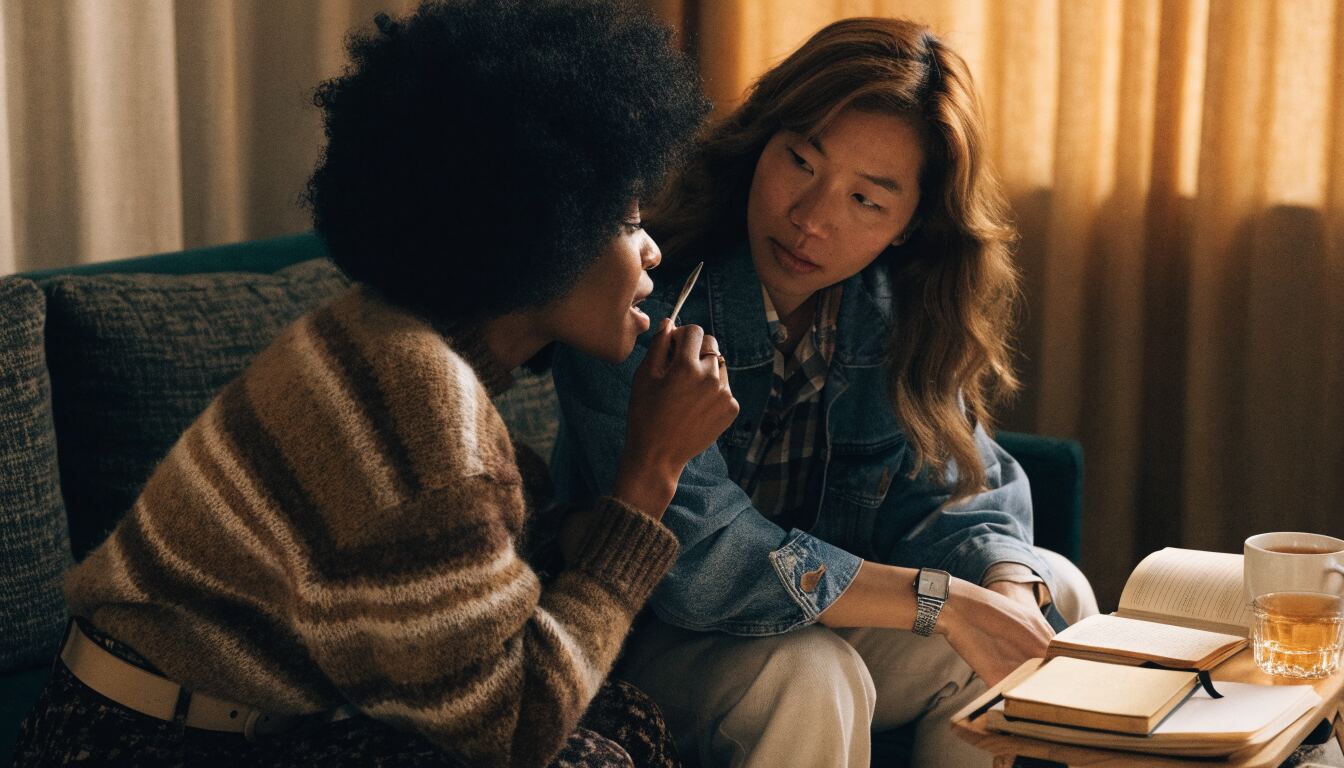
Why Couples Choose to Explore Together
For many pairs, the idea of venturing beyond traditional monogamy stirs up a blend of curiosity and hesitation. It’s natural to wonder what it might look like to invite new experiences into a committed relationship without weakening the foundation you’ve built. This is where the concept of couple-centered consensual non-monogamy enters the picture, offering a path that keeps the primary partnership at the heart of every decision. Instead of drifting apart, partners often find that a thoughtful approach to shared exploration can actually deepen their connection, injecting fresh energy and mutual understanding into their dynamic.
At its core, this style of relating is about designing adventures you embark on as a unit. It’s not about replacing what you have or seeking emotional fulfillment elsewhere; it’s about amplifying the trust and honesty already present. When both people feel heard and respected, the process becomes less about the outside encounters and more about the internal growth of the relationship. Let’s walk through what that really means, from the motivations that spark the conversation to the practical steps that make it sustainable.
What Couple-Centered Non-Monogamy Actually Looks Like
When people hear terms like “open relationship,” their minds often jump to images of individuals dating multiple people separately. But couple-centered non-monogamy flips that script. Here, the duo functions as the central axis around which all other interactions revolve. Any outside connection is approached with the understanding that the original bond comes first, and both partners actively shape the boundaries of what’s permissible.
Placing the Relationship at the Forefront
In this model, the couple isn’t just a label; it’s the guiding principle. Every choice, from who you engage with to how you structure an evening, filters through the lens of “Does this strengthen us?” This doesn’t mean outside people are treated as disposable—far from it. It means the emotional and logistical priority remains squarely on the primary partnership. Think of it as a team sport: you win together, you adjust together, and you never leave your teammate behind. This focus can actually relieve pressure, because neither person is navigating solo desires in a vacuum. Instead, you’re co-creating a shared map of what’s off-limits and what’s worth exploring.
One practical way to maintain this focus is through regular “relationship audits”—scheduled check-ins where you discuss how you’re both feeling, not just about swinging but about your day-to-day connection. These conversations can cover everything from emotional needs to logistical hiccups, ensuring the primary bond stays nourished even as you introduce novelty.
How This Differs from Polyamory
It’s easy to blur the lines between different forms of consensual non-monogamy, but the distinctions matter. Polyamory typically involves cultivating multiple romantic relationships, each carrying significant emotional weight and often developing independently. Swinging, by contrast, tends to center on sexual exploration with a lighter emotional footprint. While friendships and genuine fondness can certainly grow between swingers, the driving force is usually the shared thrill of a new experience rather than building a separate love story.
Understanding this difference can save a lot of confusion when you’re first starting out. If you’re looking for deep emotional entanglements with others, swinging might not scratch that itch. But if you’re craving variety and playfulness within a secure container, this approach offers a framework that honors your primary commitment while leaving room for adventure.
The Inner Workings of Shared Exploration
So what actually fuels the desire to open up a relationship in this way? The answers are as varied as the couples themselves, but certain themes emerge again and again. Far from being a sign of dissatisfaction, many partners describe it as a proactive way to keep their connection vibrant.
Sparking Novelty and Rediscovery
Long-term relationships can fall into predictable rhythms, and that’s not a failure—it’s human nature. Swinging can act as a circuit breaker, introducing elements of surprise and discovery that echo the early days of dating. The anticipation of a new encounter, the shared secret of an upcoming event, even the post-experience debrief can all reignite a sense of playfulness. It’s akin to learning a new hobby together: the learning curve can be awkward, but the shared growth often brings you closer.
Some couples find that articulating fantasies they’ve never voiced before becomes easier once they’ve opened the door to non-monogamy. Maybe one partner has always been curious about a particular dynamic, or perhaps both discover a mutual interest they’d never explored. The process of naming these desires, without shame, can be profoundly liberating. It shifts the conversation from “What’s wrong with us?” to “What else is possible for us?”
Building a Deeper Trust Through Honesty
It might seem paradoxical, but inviting others into your intimate life can actually fortify the trust between you and your partner. Why? Because it demands a level of transparency that few other experiences require. You have to talk about insecurities, set limits, and confess feelings that might be uncomfortable. Doing so consistently builds a muscle of honesty that extends well beyond the bedroom.
This ongoing dialogue creates a private language unique to your relationship. You learn to read each other’s subtle cues at a party, to offer reassurance with a glance, and to celebrate each other’s pleasure without comparison. When you can navigate something as complex as consensual non-monogamy together, everyday challenges often feel more manageable by comparison. The intimacy that emerges isn’t just physical; it’s the deep knowing that comes from being fully seen and accepted.
Practical Foundations for a Smooth Journey
Moving from curiosity to action requires more than just enthusiasm. The couples who thrive in this lifestyle tend to invest heavily in the groundwork—those unglamorous but essential conversations that set the stage for positive experiences. Skipping this phase is like building a house without a blueprint; things might hold up for a while, but cracks are likely to appear under pressure.
Crafting Clear Boundaries Together
Boundaries are not about restriction; they’re about safety. They define the container within which exploration can happen freely, without anxiety. Before you engage with anyone else, sit down with your partner and map out the specifics. This isn’t a one-time chat but an evolving discussion that adapts as you learn more about yourselves.
Consider creating a shared document or journal where you outline your agreements. This can include:
- Physical parameters: What acts are on the table? Is kissing reserved for your partner, or is it part of the experience? How do you feel about oral sex versus intercourse? Be granular; ambiguity here leads to misunderstandings.
- Emotional engagement: How will you handle it if one of you develops a crush? Is ongoing communication with outside partners allowed, or do you prefer one-time encounters? Decide whether emotional connections are a welcome bonus or a boundary you’d rather not cross.
- Presence and participation: Do you always want to be in the same room, or are separate play sessions acceptable? Some couples thrive on watching each other; others prefer to split up and reconvene later. There’s no right answer, only what feels good to both of you.
- Health and safety protocols: This area is non-negotiable. Agree on protection methods, STI testing frequency, and how you’ll communicate these expectations with new partners. Having a united front on safety prevents awkward or risky situations.
- Check-in rhythms: Decide how you’ll touch base during events. A simple signal—a squeeze of the hand, a specific phrase—can convey “I’m okay” or “I need to talk” without disrupting the mood.
Keeping the Conversation Alive
Setting boundaries is just the beginning. The real work lies in maintaining open channels of communication over time. Feelings shift; what felt fine last month might suddenly trigger jealousy or discomfort. Normalize the idea that you can revisit any agreement without blame. Phrases like “I thought I’d be okay with X, but I’m realizing I need to adjust that” should be welcomed, not criticized.
After each experience, carve out time to process together. Ask open-ended questions: “What was the highlight for you?” “Was there any moment that felt off?” “How connected do you feel to me right now?” These debriefs aren’t interrogations; they’re opportunities to align and deepen your understanding of each other. Over time, you’ll develop a rhythm that feels natural rather than clinical.
Navigating Jealousy and Insecurity
Jealousy is not a moral failing; it’s an emotional signal. In the context of swinging, it can flare up even in the most secure partnerships. The key is to approach it with curiosity rather than panic. When that pang hits, pause and ask yourself: What’s underneath this? Is it fear of being replaced? A sense of inadequacy? Loneliness in the moment? Naming the root can strip it of its power.
Share these feelings with your partner without accusation. “I felt a wave of jealousy when I saw you laughing with them, and I think it’s because I was worried you were having more fun than with me” is a vulnerable but constructive opener. From there, you can problem-solve together. Maybe you need extra reassurance afterward, or perhaps a boundary needs tweaking. Some couples find that scheduling a “reconnection ritual”—like a favorite meal, a long walk, or dedicated cuddle time—after any outside encounter helps soothe raw edges. The goal isn’t to eliminate jealousy entirely but to handle it as a team, proving to yourselves that your bond can withstand complex emotions.
Different Styles of Couple-Based Exploration
One of the beauties of this lifestyle is its flexibility. There’s no single script you have to follow. Couples can tailor their involvement based on comfort levels, curiosities, and the stage of their journey. Understanding the spectrum of options can help you find a starting point that feels manageable.
Soft Swap vs. Full Swap Dynamics
A major distinction in the community revolves around the depth of physical interaction. Soft swapping generally refers to activities that stop short of penetrative sex with others. This might include kissing, touching, manual stimulation, or oral sex, often with both partners present and engaged with each other as well. The emphasis stays on the couple’s shared arousal, using the outside interaction as a form of foreplay or enhancement rather than the main event. Many beginners find this a comfortable entry point because it maintains a clear boundary while still introducing novelty.
Full swapping, meanwhile, involves intercourse with people outside the primary relationship. This can take many forms: partner exchanges, group scenarios, or other configurations where penetration occurs. Couples who choose this path often describe it as a more immersive form of exploration. It requires exceptionally clear communication and a solid foundation of trust, but for those who are ready, it can open up a new dimension of shared sexuality. The decision between these styles isn’t permanent; plenty of couples move between them depending on the situation or evolve over time.
Staying Together as a Unit
Some couples adopt a “same-room” or “together-only” policy, meaning they don’t engage with others unless both are present and involved. This approach reinforces the idea that the experience belongs to the couple, not to the individuals. Even if one partner is more actively engaged at a given moment, the other is part of the scene—watching, participating, or simply holding space. This can alleviate fears of secrecy and ensure that nothing feels hidden. It also allows for real-time check-ins and adjustments, which can be especially reassuring during early explorations.
Social Gatherings and Community Spaces
Beyond private encounters, many couples find value in the social fabric of the lifestyle. Swinger parties, clubs, and meet-and-greet events offer structured environments where you can connect with like-minded people. These spaces usually have explicit codes of conduct: consent is paramount, pressure is frowned upon, and respect is mandatory. They range from upscale hotel takeovers with themed dress codes to casual house parties hosted by experienced couples.
For newcomers, these events can serve as a low-stakes introduction. You can attend with the agreement to simply observe, chat, and soak in the atmosphere without any expectation of participation. Seeing how other couples interact, negotiate boundaries, and navigate the space can be educational and demystifying. It also normalizes the experience, reminding you that you’re not alone in your curiosities.
The Ethical Compass of Shared Exploration
Engaging with others demands a strong ethical framework. Without it, the line between consensual adventure and harmful behavior can blur quickly. Ethical practice isn’t just about following rules; it’s about cultivating an attitude of care for everyone involved.
Consent and Respect as Non-Negotiables
At every step, consent must be enthusiastic, informed, and revocable. This applies to your partner, to any new people you meet, and to yourself. Checking in verbally—“Is this still feeling good?” “Would you like to slow down?”—keeps everyone aligned. Respect means honoring a “no” or “maybe later” immediately and without sulking. It also means treating outside partners as full human beings with their own boundaries, not as props for your fantasy.
Creating a culture of consent within your relationship also involves recognizing that either of you can pause or stop the exploration at any time, for any reason. Maybe a situation feels off, or an old insecurity surfaces unexpectedly. Having a pre-agreed signal or phrase that means “I need us to step away right now” can be a lifeline. The ability to prioritize your partner’s emotional safety over a fleeting opportunity is a hallmark of ethical engagement.
Distinguishing This from Cheating
It’s worth stating plainly: swinging and infidelity are fundamentally different. Cheating relies on deception, broken promises, and hidden actions. It erodes trust and often leaves lasting damage. Swinging, by design, operates in the open. Both partners know what’s happening, have agreed to the parameters, and can access information about encounters if desired. The presence of mutual knowledge and ongoing consent transforms the act from a betrayal into a shared project. If you find yourself wanting to hide details or circumvent agreements, that’s a red flag that something needs to be addressed within the relationship, not outside it.
Protecting Physical and Emotional Well-Being
Safety extends beyond the emotional realm. Practical measures like consistent condom use, regular STI testing, and honest disclosure of health status are essential. But emotional safety matters too. This means being mindful of how you speak about outside partners, avoiding comparisons that could breed insecurity, and checking in with your primary partner about their mental state. If someone feels drained, anxious, or disconnected, it’s time to pause and recalibrate. The lifestyle should enhance your well-being, not compromise it.
Taking the First Steps as a Couple
If you’ve read this far and feel a flicker of excitement mixed with trepidation, you’re in the right headspace. Beginning this journey is less about dramatic leaps and more about small, intentional moves. Rushing in rarely serves anyone; a measured pace allows both of you to acclimate and discover what truly resonates.
Broaching the Topic with Your Partner
Initiating the conversation can feel daunting. Choose a calm, private moment when neither of you is stressed or distracted. Frame it as an exploration of ideas, not a demand. You might say, “I’ve been reflecting on our relationship and how we keep things fresh, and I came across the idea of couples exploring together. I don’t have a fixed plan—I’m just curious about your thoughts.” This invites dialogue rather than putting your partner on the defensive.
During this talk, be prepared for a range of reactions. Your partner might be intrigued, hesitant, or outright opposed. All of those are valid. Listen more than you speak. Ask about their associations with the concept, their fears, and their fantasies. You might discover that they’ve had similar curiosities but didn’t know how to bring them up. Even if the initial response is negative, planting the seed can lead to more reflection over time—as long as you don’t pressure or pester.
Topics to explore in these early dialogues include:
- Your personal motivations: Be honest about why this appeals to you. Is it a desire for variety, a specific fantasy, a wish to see your partner experience pleasure, or something else entirely?
- Your partner’s emotional landscape: What worries come up for them? Do they fear losing you, feeling inadequate, or crossing a moral line? Validate these concerns without dismissing them.
- Defining the vision together: If you were to try this, what would the ideal scenario look like? Would it be a one-time experiment or an ongoing exploration? Paint a picture collaboratively, even if it’s hypothetical.
- Preliminary boundaries: Without locking anything in, start discussing what feels off-limits. This can make the idea feel more contained and less overwhelming.
Connecting with Like-Minded Communities
Once you’ve had those foundational talks and both feel a tentative green light, the next phase often involves finding your people. Online platforms designed for consensual non-monogamy can be a great resource. Look for spaces that emphasize profile verification, clear consent policies, and respectful communication. Many sites allow you to browse anonymously at first, which can help you get a feel for the culture without committing to anything.
When evaluating communities, consider:
- Community values: Does the platform’s ethos align with yours? Read their guidelines and see how they handle reports of misconduct.
- User base: Are there active members in your area? Do the demographics and interests match what you’re seeking?
- Privacy features: Can you control who sees your profile? Are there options for discreet photos or selective sharing?
Beyond digital spaces, local meetups or educational workshops can offer a more personal introduction. Some cities host discussion groups or social mixers specifically for newcomers. Attending one of these with no agenda other than to listen and learn can be incredibly valuable. You’ll hear real stories, witness healthy dynamics, and maybe make friends who can mentor you through the early stages.
Preparing for Your Initial Experiences
When you’re ready to move from theory to practice, thorough preparation makes all the difference. Start by finalizing your boundary list and ensuring you’re both crystal clear on the details. Then, choose a low-pressure setting for your first outing. A meet-and-greet at a bar, a club orientation night, or a private party where you can simply observe are all excellent options. Give yourselves permission to leave at any time, and agree beforehand that there’s no expectation to “perform” or even interact sexually.
Pack a bag with anything you might need: protection, a change of clothes, maybe a small token that reminds you of your partner. Discuss how you’ll handle it if one of you wants to stay longer than the other, or if an unexpected emotion arises. Having a plan reduces anxiety and keeps you focused on each other.
Afterward, prioritize the debrief. This isn’t just about analyzing what happened; it’s about reconnecting. Ask each other what felt exciting, what felt awkward, and what you might do differently next time. Celebrate the courage it took to try something new, regardless of the outcome. Every experience, even the imperfect ones, is data that helps you refine your approach and deepen your understanding of each other.
Separating Fact from Fiction in the Swinging World
When people hear the term "swinging," their minds often jump to exaggerated scenes or unfair assumptions. The reality is far more nuanced, grounded in mutual respect and shared adventure. Let's clear the air by tackling some persistent myths head-on.
Myth: It's a Chaotic Free-for-All
A widespread misunderstanding paints swinging as an anything-goes environment where emotions are disregarded. In truth, the foundation of this lifestyle is deliberate consent. Couples don't stumble into these experiences; they design them together. It's a coordinated journey, not a solo escapade. Partners co-create their boundaries, ensuring every step is a joint decision rather than an impulsive act.
Myth: It Signals a Troubled Relationship
Another flawed belief is that couples turn to swinging as a desperate repair kit for a failing bond. The opposite is often true. Those who thrive in this dynamic typically report robust, deeply connected partnerships. They view these explorations as an enhancement—a way to inject novelty and deepen intimacy—not as a crutch for unresolved issues. A shaky foundation rarely survives the complexities of non-monogamy; solid ones can flourish.
Cheating Versus Consensual Exploration: A Clear Divide
This distinction is crucial and, once understood, removes much of the confusion. Infidelity operates in the shadows, defined by concealment and violated promises. It's a unilateral breach that erodes the core of a relationship. Swinging occupies the opposite end of the spectrum, thriving in full transparency. Every action is known, discussed, and agreed upon beforehand. Think of it this way:
- Infidelity: Relies on hidden agendas, shatters mutual reliance, and typically inflicts emotional wounds.
- Swinging: Depends on radical honesty, continuous dialogue, and a spirit of cooperative discovery.
The critical element isn't the physical act itself but the presence or absence of a shared agreement. When both individuals co-author their rules, the experience transforms from a betrayal into a bonding activity.
Navigating External Criticism and Cultural Pushback
Choosing a path outside mainstream monogamy can invite uncomfortable scrutiny. Friends, relatives, or colleagues may express disapproval, often rooted in unfamiliarity rather than informed opinion. This societal pressure stems from deeply ingrained narratives that present monogamy as the sole legitimate model for commitment. Anything deviating from that script can be unfairly labeled as dysfunctional or unethical.
Yet, countless couples demonstrate that consensual non-monogamy, including swinging, can be equally—if not exceptionally—healthy. These arrangements demand rigorous communication and self-awareness, skills that benefit any relationship. Overcoming stigma requires a shift in perspective: recognizing that successful partnerships are defined by the happiness and fulfillment of those inside them, not by rigid external templates. A relationship's validity isn't determined by its structure but by the care and respect woven into its daily fabric.
Practical Insights and Final Thoughts
At its heart, swinging represents a deliberate choice for couples eager to broaden their erotic horizons while safeguarding their primary connection. It's a path paved with alignment, ongoing dialogue, and a profound regard for each other's comfort zones. This lifestyle isn't a universal fit; it demands emotional maturity, relentless sincerity, and consistent effort. However, when approached with intentionality—placing mutual agreement and clear communication at the forefront—it possesses the remarkable potential to draw partners closer. It serves as a powerful reminder that romantic configurations come in countless varieties, and their worth is measured solely by the well-being of those who build them.
Commonly Asked Questions
What does swinging actually involve?
Picture a couple jointly deciding to engage in sexual activities with other people while preserving their emotional commitment to one another. The emphasis lies on physical enjoyment and shared novelty, not on forming romantic attachments. It's akin to scheduling playful encounters with other duos or individuals, always with everyone's enthusiastic approval as the guiding principle.
How does this differ from being unfaithful?
Unfaithfulness is characterized by secrecy, falsehoods, and a rupture of confidence—one person acts without the other's knowledge or blessing. Swinging, conversely, operates on a bedrock of openness. Both individuals consent to the exploration, proactively discussing their limits and emotions. It's a collaborative venture, not a covert transgression.
Can this lifestyle genuinely strengthen a bond?
For many, absolutely. The process of candidly expressing desires, jointly establishing guidelines, and supporting one another through novel situations can cultivate immense trust and closeness. It mirrors tackling any challenge as a united front and emerging more resilient. Additionally, the shared excitement often reignites a playful spark within the relationship.
What if feelings of jealousy arise?
Jealousy is a natural human emotion and can certainly surface. The solution lies in addressing it immediately and compassionately with your partner. Successful couples often devise specific protocols to ensure everyone feels secure and honored. Through transparent conversation and a willingness to understand each other's vulnerabilities, partners can navigate jealousy and gain deeper insights into their own needs and dynamics.
How do couples begin exploring this path?
The journey typically begins with an honest, private conversation. Partners need to openly share their curiosities, define what feels safe, and establish non-negotiable boundaries. Many find it beneficial to connect with a community of like-minded people—through digital platforms or social gatherings designed for swingers—to learn from others' experiences and meet potential friends in a low-pressure environment.
Are there different styles or approaches?
Indeed, there's a spectrum. Some couples prefer "soft swapping," which might include various forms of physical intimacy but stops short of penetrative intercourse with others. Others embrace "hard swapping," which encompasses full sexual encounters. Preferences also vary regarding context: some only play together in the same room as a unified pair, while others enjoy attending clubs or private events to socialize and connect with new people.