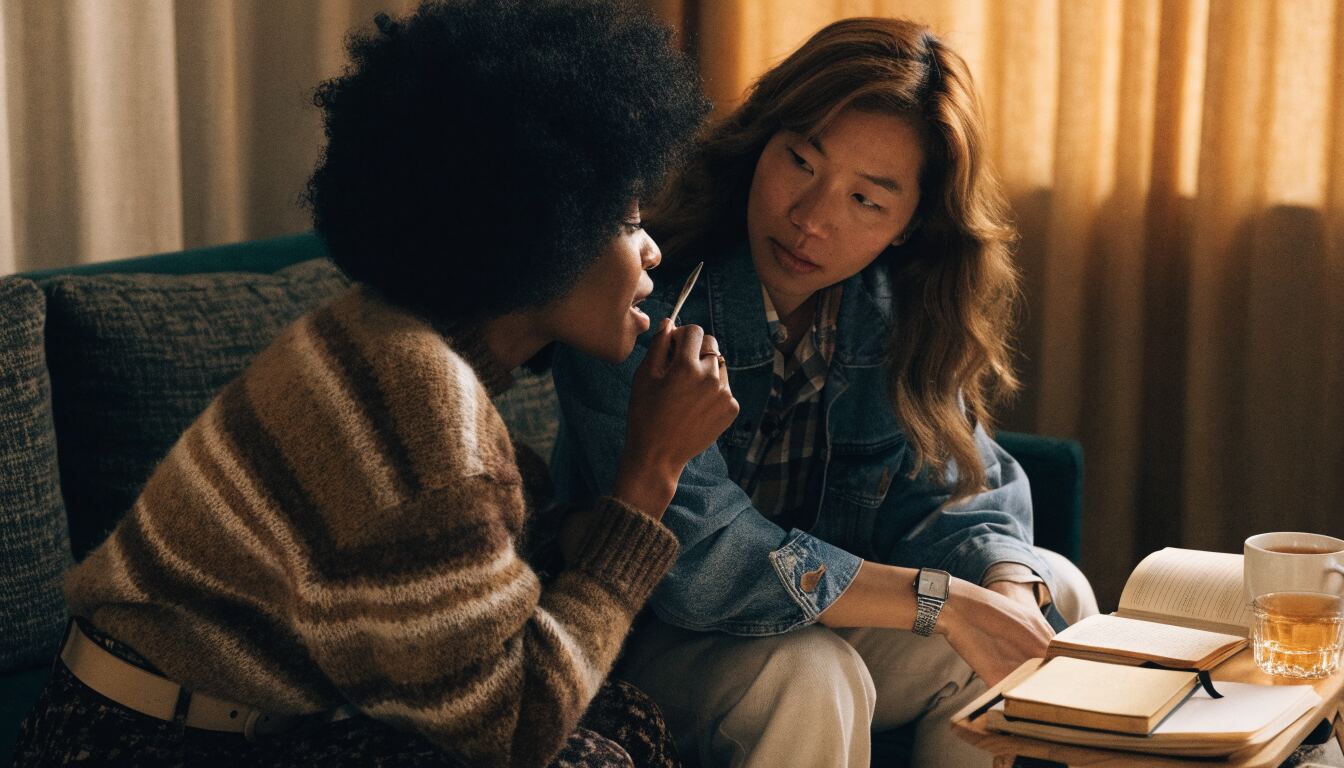
Why More Millennials Are Exploring This Path
If you’ve been daydreaming about stepping into a more open relationship model, rest assured—you’re in good company. A growing number of millennials are questioning the traditional one-size-fits-all script for romance and intimacy. For many, the appeal lies in crafting a relationship that feels authentic rather than following a preset formula. This shift isn’t about rejecting commitment; it’s about expanding the definition of connection. The idea is to explore together with your partner, not in secret, and to build a dynamic rooted in radical honesty. What draws Gen Z in particular is a blend of curiosity, a hunger for new experiences, and a deep-seated value for clear consent.
Before diving into the practical steps, it helps to understand what the landscape actually looks like. At its essence, this is a practice where couples in a committed relationship mutually agree to share intimate experiences with others. It can range from soft exchanges—like kissing or touching—to more involved group scenarios, depending entirely on what each person wants. The common thread is that everybody involved is genuinely enthusiastic and informed. It has nothing to do with fixing a broken bond. In fact, many duos discover that navigating this terrain together strengthens their trust, because it demands a level of transparency that can deepen their original partnership significantly.
Clearing Up the Biggest Myths
Before you get too far, let’s sweep away some of the dustier misconceptions that still float around. First, the idea that this lifestyle is a last-ditch effort to rescue a faltering relationship is simply false. Couples who thrive here typically report that their foundation was already solid, and that shared adventures only added a new layer of closeness. Second, it’s not exclusively about physical gratification. Sure, pleasure is part of the picture, but the emotional camaraderie—the friendships formed with other couples, the laughter over late-night conversations—often becomes just as meaningful. Third, don’t let anyone convince you it’s a drama-free shortcut. Like any human interaction involving feelings, it requires work. You’ll need to negotiate, revisit agreements, and sometimes navigate discomfort. The payoff, however, is a relationship built on truly knowing each other.
Another myth worth busting is that everyone in these spaces is older. While previous generations may have dominated the scene, the demographics are shifting rapidly. Adults under 35 are showing up with fresh perspectives, emphasizing emotional intelligence, inclusivity, and a playful approach to dismantling outdated norms. They aren’t necessarily looking to replicate what they’ve seen in media portrayals; they’re reinventing the experience on their own terms, with a focus on mutual growth and well-being.
Finding Your Footing in Digital Spaces
Picking Platforms That Match Your Vibe
The online world is vast, and not every corner of it will suit your needs. Some websites cater to broad local networks and event listings, while others zero in on particular interests or kinks. Spend a bit of time researching before you sign up. Read recent reviews from people in your age bracket, ask in discreet online forums what’s currently active in your region, and pay attention to how a platform handles privacy features. A community that feels welcoming and well-moderated will make your early steps far less intimidating. Look for spaces where the tone aligns with your values—some are more social, others more explicitly focused. There’s no rush to commit; you can always test the waters with a free profile before investing fully.
Building a Profile That Reflects the Real You
Think of your profile as a handshake before the conversation. It doesn’t need to be a novel, but it should feel genuine. Choose photos that are recent, clear, and show you in your element—smiling, relaxed, maybe engaged in a hobby. Avoid heavy filters or group shots where nobody can tell who you are. In your written description, skip the clichés and instead paint a small picture of your personality. Mention what excites you about meeting new people, what kind of connections you’re hoping to cultivate, and what your general boundaries look like. A little vulnerability goes a long way. When couples or individuals read your profile, they should get a sense of your energy, not just a checklist of desires. And remember to proofread; a polished profile signals that you’re thoughtful and serious about respectful interaction.
Staying Smart While You Connect
Digital safety isn’t about paranoia—it’s about common sense. In the early stages of messaging, keep personal details like your full name, workplace, or address to yourself. Use the platform’s chat features rather than jumping straight to personal phone numbers. If someone’s story feels inconsistent or they push for intimate photos immediately, trust that little internal alarm bell. Before meeting face-to-face, consider a video call; it’s a low-pressure way to confirm that the person matches their profile and to gauge chemistry. When you do arrange a first date, pick a busy café or bar where you both feel safe. Let a trusted friend know where you’ll be, and have a clear exit strategy in case you feel uneasy. The goal is to protect your well-being while still leaving room for genuine connection to bloom.
Building a Foundation of Trust and Clarity
Why Conversations Are Your Superpower
If there’s one skill that will make or break your experience, it’s communication. This isn’t just about stating what you want; it’s about listening—truly listening—to your partner’s hopes, fears, and curiosities. Start with a relaxed, no-pressure chat in a neutral setting, like a walk or a quiet dinner at home. Ask open-ended questions: “What does an ideal scenario look like for you?” or “What would make you feel most secure?” These dialogues shouldn’t be a one-and-done affair. Make them a regular ritual, especially after attending events or meeting new people. The more you normalize these talks, the less awkward they become, and the faster you’ll catch small concerns before they balloon into bigger issues.
Mapping Out Your Personal Comfort Zones
Boundaries are not barriers to fun; they’re the guardrails that keep everyone safe. Sit down individually and jot down what feels like a full yes, a soft maybe, and a hard no. Your list might cover physical actions, emotional involvement, and even logistical details like whether you’re comfortable playing in separate rooms or only together. Physical boundaries could specify types of touch or areas of the body that feel off-limits. Emotional boundaries might address how much private information you share with others or whether you’re open to ongoing friendships versus one-time encounters. Activity boundaries can range from specific acts you’re curious about to things you know you never want to try. Once you’ve each clarified your own limits, compare notes and craft a shared agreement. Remember, this document is alive—you can and should revise it as you grow.
Consent Is an Ongoing Conversation
In any group setting, consent isn’t a box you tick once and forget. It’s a continuous, enthusiastic “yes” that can be withdrawn at any moment. Pay attention to body language as much as words. If someone seems hesitant, freezes up, or avoids eye contact, pause and check in. A simple “Is this still feeling good for you?” can make all the difference. Never assume that because someone agreed to one activity, they’re automatically on board for another. And if you’re the one having second thoughts, speak up without guilt. The most respected participants are those who honor their own limits and respect everyone else’s. A culture of genuine consent creates a space where people can relax, knowing they won’t be pressured into anything they’re not fully embracing.
Discovering Your People and Places
Local Gatherings Worth Exploring
Online chats are useful, but nothing replaces face-to-face interaction. Local events come in many flavors: low-key meet-and-greets at a rented bar, themed house parties, or more structured club nights. These gatherings give you a chance to observe the vibe of your local scene and see how you mesh with different personalities in real time. When you arrive, take a breath and remember that nearly everyone felt nervous their first time. Introduce yourself to the hosts if possible; they can often give you a quick lay of the land and introduce you to friendly regulars. Don’t put pressure on yourself to participate in any physical activity at first. Simply showing up, chatting, and getting comfortable with the environment is a victory in itself.
Tapping into Virtual Communities
Beyond the big dating-style platforms, you’ll find a wealth of smaller, more intimate online groups. These can be private forums, chat servers, or social media circles dedicated to specific regions or interests. The advantage here is the ongoing conversation: you can ask questions anonymously, read about others’ experiences, and slowly build a reputation as a thoughtful contributor. Look for groups that emphasize respectful discourse and have active moderators who keep out spam and hostility. Over time, these digital spaces can become a genuine support network, offering advice, event announcements, and sometimes even lasting friendships that extend offline.
Cultivating Authentic Bonds
Trust doesn’t materialize overnight. It grows through consistency, honesty, and small gestures of reliability. When you meet new couples or individuals, focus first on the human connection rather than the potential physical one. Attend a board game night, go for a hike, or simply share a meal. These low-stakes interactions allow you to see how people treat each other, how they communicate, and whether their approach to boundaries aligns with yours. Be the kind of person who keeps confidences, who doesn’t gossip, and who shows up when you say you will. In a world where vulnerability is part of the deal, being a trustworthy presence is one of the most attractive qualities you can offer.
Getting Ready for Your Debut Experience
The Atmosphere at a Typical Party
Walking into your first event can feel surreal, but knowing what to expect helps enormously. Most parties are far more socially ordinary than you might imagine—conversations about work, travel, and hobbies flow just like any other gathering. The difference is an undercurrent of openness. Some venues have designated play areas that are clearly separated from the social spaces, so you can choose when and if you want to engage. Others might be entirely clothing-optional from the start. Contact the organizers beforehand and ask about the layout, the schedule, and the general demographic. This information will help you mentally prepare and decide if the event aligns with your comfort level. Some groups even offer newcomer orientations, which can be a goldmine of practical tips.
What to Wear and How to Behave
The dress code can range from casual chic to themed extravagance, but the golden rule is to wear something that makes you feel both attractive and at ease. For women, that might be a flowing dress, a stylish jumpsuit, or well-fitted jeans with a striking top. For men, dark jeans or chinos paired with a crisp shirt often work well. Pay extra attention to grooming—fresh breath, clean nails, and a subtle scent go a long way. In terms of etiquette, politeness is paramount. Never interrupt a private conversation, don’t touch anyone without explicit permission, and if you’re unsure whether a space is public or private, ask. Respect the host’s property, clean up after yourself, and always thank the organizers before leaving. These small courtesies build a sterling reputation faster than anything else.
Practical Tips for a Smooth Night
To set yourself up for success, establish a clear intention with your partner before you arrive. Maybe your goal is simply to introduce yourselves to three new people, or to dance together and soak up the energy. Whatever it is, having a shared purpose keeps you grounded. Pace yourself with alcohol; a light buzz can ease nerves, but overindulgence clouds judgment and muddles consent. Agree on a discreet signal or code word that means “I need to step away and talk” or “I’m ready to leave.” This gives you both an instant escape hatch without having to explain yourself in front of others. Finally, remember that you never have to do anything you don’t enthusiastically want to do. A polite “No, thank you” is a complete sentence, and a good community will always respect it.
Nurturing Your Emotional Landscape
Navigating Jealousy with Grace
Jealousy is not a sign of failure; it’s a natural human response that can surface even in the most secure relationships. The trick lies in how you handle it. Instead of pushing the feeling away, get curious about it. Is it triggered by a specific person, a particular activity, or a deeper insecurity about your own desirability? Bring these reflections to your partner not as accusations, but as vulnerable insights: “I noticed I felt a pang when I saw you laughing with her, and I think I need some reassurance.” Together, you can strategize ways to soothe that sting—perhaps by creating a special reconnection ritual after events, or by adjusting a boundary temporarily while you process the emotion. Over time, confronting jealousy head-on can actually fortify your bond.
Learning to Celebrate Your Partner’s Joy
There’s a word for the warm, generous feeling you get when you see your partner thriving in someone else’s company: compersion. It’s often described as the opposite of jealousy, but it’s not about suppressing darker feelings; it’s about cultivating a genuine delight in your partner’s happiness, wherever it blooms. This mindset shift can take practice. One way to nurture it is to ask your partner to share their positive experiences with you afterward, framing it as a story you get to enjoy together. Focus on the trust that allows such adventures to happen in the first place, and remind yourself that their enjoyment doesn’t subtract from your connection—it’s an addition to the rich tapestry of your shared life.
Keeping Your Primary Relationship Central
With all the novelty and excitement, it’s easy for the lifestyle to start consuming all your free time and mental energy. Guard against this by intentionally protecting your relationship’s core. Schedule regular date nights that have nothing to do with swinging—just the two of you, reconnecting over a favorite meal or a long walk. Maintain the hobbies and inside jokes that are uniquely yours. Check in frequently about how each of you is feeling, not just about the lifestyle but about life in general. If one of you starts feeling disconnected, don’t hesitate to hit pause on external activities until you’ve recentered. A thriving partnership is the bedrock upon which all other explorations are built; neglecting it is like forgetting to water your garden while admiring the neighbors’ flowers.
Prioritizing Health and Physical Safety
A Straightforward Approach to Sexual Health
Let’s be direct: regular testing is a non-negotiable pillar of ethical participation. Make it a habit to get screened every three to six months, or more frequently if you have multiple partners. Familiarize yourself with the concept of window periods—the time between potential exposure to an infection and when a test can reliably detect it—so you’re not operating on false reassurance. Keep your results organized and be prepared to share them openly. When you initiate a health conversation, you’re not being awkward; you’re demonstrating that you care about everyone’s well-being. Frame it as a mutual exchange: “I was last tested on this date and these were my results. How about you?” This normalizes the dialogue and sets a standard of transparency that responsible partners will appreciate and reciprocate.
Practical Protective Measures
Barrier methods should be a standard part of your kit. Carry your own supply of condoms (both external and internal types) and dental dams, so you’re never reliant on someone else’s preparedness. Use them consistently for vaginal, anal, and oral sex—no exceptions until you’ve had explicit, ongoing conversations about fluid bonding within a closed circle of trust. Pay attention to hygiene around toys as well; wash them thoroughly with appropriate cleaners before and after each use, and consider using fresh condoms on shared toys if they’re being passed between people. Simple habits like washing your hands frequently and keeping your play area tidy contribute to an environment where everyone can relax.
Making Health Chats Less Daunting
If the thought of discussing STI status makes your palms sweat, you’re not alone. The key is to practice. Start by stating your own status clearly and calmly, without self-judgment. You might say, “I want us to have a fun and safe experience, so here’s where I stand with my health.” This invites the other person to match your candor. If someone is evasive or refuses to discuss their testing history, treat that as important information about their overall approach to safety. You’re never obligated to proceed if you feel uneasy. Remember, a brief moment of awkwardness is infinitely preferable to long-term health consequences. Over time, these conversations become as routine as discussing your favorite music.
Evolving Over Time on This Adventure
Mining Each Experience for Wisdom
Every party, date, or conversation holds a lesson if you’re willing to look for it. After an event, carve out quiet time—alone and with your partner—to reflect. What felt exhilarating? What felt off? Did a boundary you set turn out to be too restrictive, or did you discover a new limit you hadn’t anticipated? Some couples find it useful to keep a shared journal, jotting down thoughts while they’re fresh. This practice transforms even awkward or disappointing encounters into valuable data points that refine your future choices. Instead of labeling an experience as “bad,” you can reframe it as “clarifying.” Over months and years, this reflective habit accelerates your emotional intelligence and deepens your self-knowledge.
Staying Flexible as You Grow
Your desires are not carved in stone. What thrilled you at twenty-five might feel lackluster at thirty, and that’s perfectly natural. You might start out loving large, high-energy parties and later gravitate toward intimate dinners with just one other couple. Or perhaps your comfort with certain activities expands as your confidence grows, while other interests quietly fade. Give yourself permission to evolve without judgment. Update your boundaries document regularly, and don’t cling to an identity you’ve outgrown. The most sustainable approach is one that honors who you are right now, not who you thought you’d be when you first started. Check in with your partner about these shifts, and treat your relationship agreements as a living, breathing framework.
Acknowledging How Far You’ve Come
In the hustle of daily life and the excitement of new connections, it’s easy to forget to celebrate your progress. Maybe you’ve become markedly more assertive in stating your needs. Perhaps you’ve conquered a jealousy trigger that once felt insurmountable. Or you’ve built a circle of friends who truly understand a side of you that used to be hidden. These milestones matter. Take time to honor them—plan a special weekend getaway with your partner, write a letter to your past self, or simply raise a glass to the growth you’ve achieved. Recognizing your own evolution not only boosts your confidence but also reinforces the positive aspects of the journey, reminding you why you embarked on it in the first place.
Common Questions When Starting Out
What exactly does this lifestyle involve?It involves couples mutually agreeing to explore intimate connections with others. The scope can vary widely—from watching and being watched, to soft touching, to full shared experiences—depending entirely on the preferences of everyone involved. It’s rooted in partnership and shared adventure, not secrecy.
Is it solely focused on physical intimacy?Far from it. While physical connection is a component, many participants find that the friendships, the sense of community, and the emotional growth are equally rewarding. The social aspect—meeting fascinating people, sharing stories, and feeling accepted—often becomes a primary draw.
How do I stay safe while exploring?Start with thorough communication with your partner about your shared limits. Use barrier protection consistently, get tested regularly, and never hesitate to ask potential playmates about their health practices. Trust your instincts; if a situation feels wrong, it’s okay to step away.
What if feelings of jealousy arise?Jealousy is a normal emotion, not a red flag. The healthiest response is to acknowledge it without shame and discuss it openly with your partner. Often, jealousy points to an unmet need or a boundary that needs adjusting. Working through it together can strengthen your relationship.
Is this compatible with a long-term committed partnership?Absolutely. Many long-term couples engage in this lifestyle precisely because it deepens their trust and communication. The key is maintaining a foundation of honesty, regularly reaffirming your commitment to each other, and ensuring that external explorations enhance rather than distract from your core bond.
Where can I locate gatherings or like-minded people?You can discover local events through online platforms dedicated to the lifestyle, private social media groups, and community forums. Many cities host regular meet-and-greets, club nights, and themed parties. Start with a low-pressure social event to get a feel for the local scene before committing to anything more involved.
The road ahead is rich with possibility. By approaching it with curiosity, respect, and a commitment to ongoing dialogue, you’re setting the stage for experiences that can expand your understanding of intimacy, connection, and yourself. Take your time, stay true to your values, and remember that the most rewarding adventures are those you navigate together, at a pace that feels genuinely right for you.