A World of Quiet Nods and Secret Languages
Have you ever spotted a pineapple motif on someone's porch and wondered if it meant more than just tropical decor? Or noticed a plain black ring on a person's right hand and felt a flicker of curiosity? You're not alone. In certain social circles, ordinary objects have taken on extraordinary meanings, serving as discreet signals for those who share a particular lifestyle. These aren't loud declarations but gentle whispers, designed to connect like-minded adults while maintaining privacy in a world that might not fully understand their choices. The rise of these symbols in popular culture has made them more visible than ever, blending seamlessly into everyday life while carrying a hidden message for those in the know.
Tracing the Pineapple's Path from Welcoming Gesture to Coded Message
An Emblem of Gracious Hosting Through the Centuries
For hundreds of years, the pineapple stood as a universal beacon of hospitality and warmth. In the 17th and 18th centuries, these prickly fruits were incredibly rare and costly to import, making them a status symbol for the wealthy. Displaying a pineapple at a gathering wasn't just about serving food; it was a grand gesture that announced, "I value your company and have spared no expense to welcome you." Hosts would incorporate the fruit's image into architecture, carving pineapples onto bedposts, gateposts, and door lintels. It became a visual shorthand for generosity, signaling that visitors would be treated with care and respect. This deep-rooted association with friendly reception is what makes the fruit's modern double life so intriguing.
When a Simple Fruit Takes on a Playful Subtext
So how did a symbol of innocent welcome acquire a spicier reputation? The shift happened gradually, fueled by the growth of online forums and specific travel destinations where adults sought to connect. The key transformation involved orientation: a right-side-up pineapple retained its classic meaning, but an upside-down one began to whisper something different. This subtle flip allowed the fruit to function as a quiet identifier, a visual handshake that could be displayed without drawing unwanted attention. The dual nature of the pineapple is its genius—common enough to blend into any setting, yet distinctive enough to catch the eye of someone who understands the code. This evolution showcases how communities can repurpose everyday objects, layering new significance onto familiar forms while preserving the original meaning for everyone else.
Deciphering the Upside-Down Pineapple in Everyday Life
Cruise Ships and the Birth of a Floating Signal
Picture yourself aboard a massive cruise liner, surrounded by thousands of strangers. How do you find others who share your interests without broadcasting your preferences to the entire ship? According to widespread accounts, the upside-down pineapple emerged as a clever solution. Travelers began decorating their cabin doors with pineapple magnets or wearing clothing printed with the inverted fruit. These small choices acted as a calling card, a way to say, "I'm open to meeting like-minded people" without speaking a word. The practice turned hallways into subtle social spaces, where a casual glance could spark a connection. This phenomenon highlights how groups develop creative communication methods when they seek both community and discretion.
Beyond the Ocean: RV Parks, Resorts, and Private Gatherings
The upside-down pineapple didn't stay confined to the high seas. It migrated to land-based destinations where adults congregate, such as RV parks and lifestyle-friendly resorts. In these settings, you might notice pineapple decorations on trailers, garden flags fluttering by campsites, or accessories that seem just a touch out of place. The signal isn't always about immediate action; often, it's a way to test the waters and see if anyone else recognizes the cue. Think of it as a quiet question posed to the world: "Are you part of this community too?" The beauty lies in the ambiguity, allowing individuals to acknowledge shared interests without explicitly stating them. This approach creates a layer of comfort, letting people engage at their own pace.
The Psychology Behind Covert Community Markers
Why do these hidden signals resonate so deeply? Human beings naturally seek belonging, and symbols provide a powerful way to affirm group identity. Psychologist Henri Tajfel's Social Identity Theory explains that people categorize themselves and others into groups, using shared markers to reinforce connection. For those in alternative lifestyle communities, an object like the upside-down pineapple becomes a badge of membership. It allows individuals to recognize each other in public spaces without exposing their private lives to unintended audiences. This balance of visibility and concealment is crucial; it protects personal boundaries while fostering a sense of solidarity. The symbol becomes a bridge between the desire for openness and the need for privacy, a tool that empowers people to navigate social situations on their own terms.
The ways people incorporate this signal into daily life are wonderfully varied:
- Clothing and accessories: T-shirts, hats, socks, and even subtle jewelry featuring the inverted fruit.
- Home and outdoor decor: Doormats, porch signs, garden stakes, and RV decorations that display the flipped image.
- Personal items: Keychains, phone cases, and tote bags that carry the symbol into public spaces.
Each of these choices allows for a personalized expression of identity, ranging from bold to barely noticeable. The versatility of the symbol means it can adapt to any comfort level, making it an enduring part of the community's visual vocabulary.
Pop Culture Catches On: Pineapples in the Mainstream Spotlight
From Supermarket Aisles to Shopping Cart Conversations
It's remarkable how everyday environments have absorbed this coded imagery. Consider your local grocery store: a pineapple decoration dangling from a shopping cart handle or a tropical-print reusable bag might seem purely aesthetic. Yet for those familiar with the subtext, these items can function as quiet conversation starters. Most shoppers remain blissfully unaware, focused on their grocery lists, while a select few might exchange a knowing glance. This layering of meaning transforms mundane errands into potential social opportunities, all without disrupting the normal flow of public life. The pineapple's ability to operate in plain sight is what makes it so effective; it's a secret that hides by being completely ordinary.
Digital Spaces: Emojis, Profiles, and the New Social Landscape
The internet has supercharged the pineapple's dual identity. On social media platforms, users sprinkle pineapple emojis into bios or post photos with carefully placed fruit imagery. Dating apps, especially those designed for non-traditional relationships, have embraced the symbol as a quick filtering tool. A profile featuring an upside-down pineapple or a prominent pineapple graphic can serve as a clear indicator of lifestyle preferences. This digital adaptation streamlines the process of finding compatible connections, turning a simple fruit into a powerful sorting mechanism. It's a modern evolution of old-school signaling, updated for the age of swipes and hashtags.
The Tiny Emoji That Speaks Volumes
The pineapple emoji 🍍 deserves special attention. On its own, it's innocent—a representation of tropical fruit, summer vibes, or vacation dreams. But context transforms it. When paired with other suggestive emojis or used within specific online communities, the same tiny icon becomes a loaded symbol. It's a digital wink, a nudge that carries significant weight for those who recognize its alternative meaning. This flexibility is the emoji's strength; it allows users to communicate on multiple levels simultaneously, maintaining plausible deniability while still getting the message across. The pineapple emoji exemplifies how digital communication has created new spaces for subtle, layered expression.
Why the Pineapple? Unpacking the Allure of This Tropical Icon
The Perfect Marriage of Innocence and Suggestion
What makes the pineapple so ideally suited for this role? It starts with the fruit's spotless reputation. For centuries, the pineapple has represented nothing but warmth, welcome, and good cheer. This wholesome history provides perfect cover; the vast majority of people see a pineapple and think only of hospitality or tropical aesthetics. That inherent innocence is the secret to its success as a covert signal. An upside-down pineapple doesn't scream anything scandalous—it simply looks like a quirky decoration choice to the uninitiated. But for those who understand the code, that same image conveys a world of meaning. This duality creates a safe space for expression, allowing people to signal their interests without risking exposure to those who might judge or misunderstand.
Whispers and Folklore: The Sensory Connection
There's also a persistent bit of folklore that adds to the pineapple's mystique. A common rumor suggests that consuming pineapple can sweeten certain bodily experiences. While scientific evidence for this claim remains debatable and somewhat personal, the legend itself contributes to the fruit's suggestive aura. It introduces a cheeky, sensual dimension that aligns with the playful spirit many people bring to alternative lifestyles. This whisper of enhanced pleasure, whether fact or fiction, layers additional meaning onto the symbol, making it resonate on both intellectual and sensory levels. It's not the primary reason for the pineapple's adoption, but it certainly adds a delightful layer of intrigue.
Plausible Deniability: The Art of the Gentle Suggestion
Perhaps the most valuable feature of the upside-down pineapple is the shield of plausible deniability it provides. If a neighbor notices your pineapple garden flag, you can simply say you love coastal decor. If a coworker comments on your pineapple-print shirt, you can laugh it off as a vacation souvenir. This ability to deflect and maintain privacy is essential for many people exploring lifestyle communities. It allows them to express their identity and seek connections without forcing uncomfortable conversations with employers, family members, or casual acquaintances. The signal operates on a opt-in basis: only those who already understand the meaning will recognize it, while everyone else remains oblivious. This creates a safe, low-pressure environment for social exploration, turning the pineapple into a tool of empowerment rather than exposure.
Expanding the Lexicon: Other Everyday Objects with Hidden Meanings
Lawn Ornaments That Tell a Story
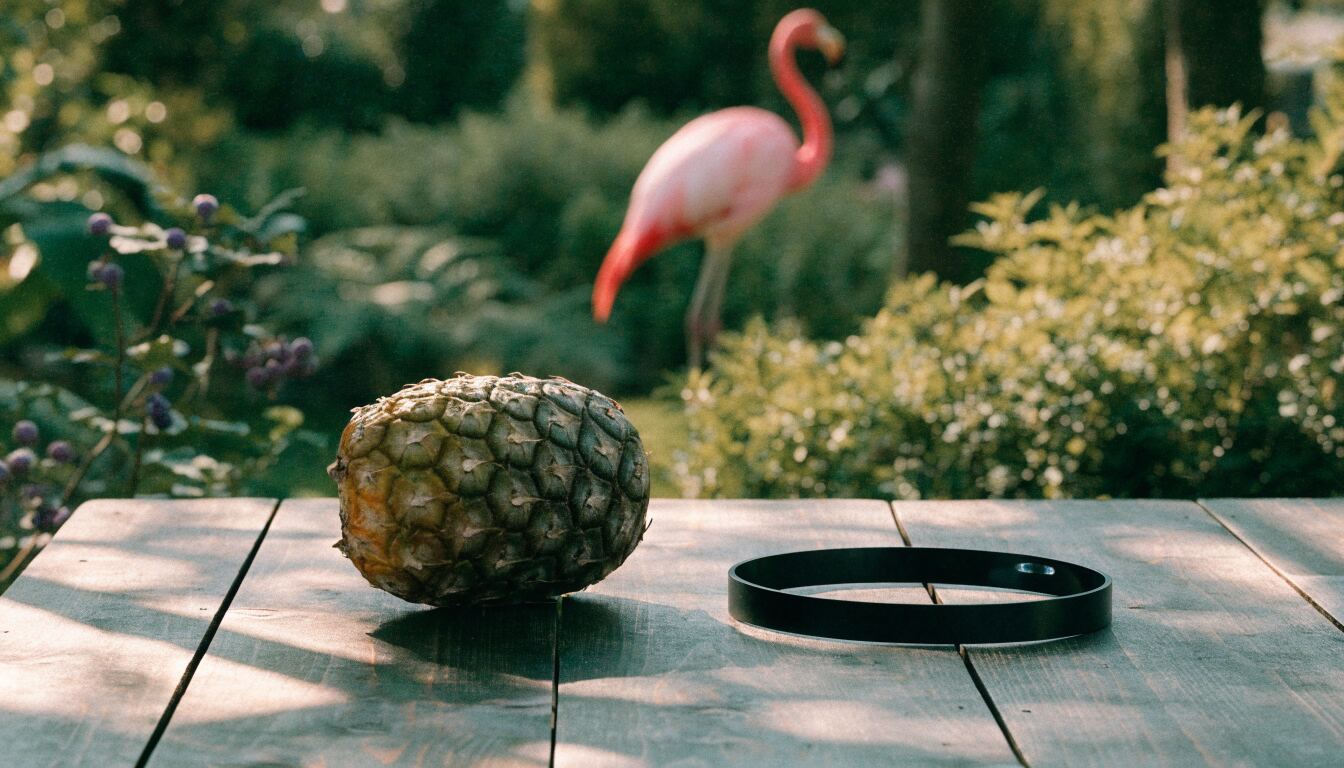
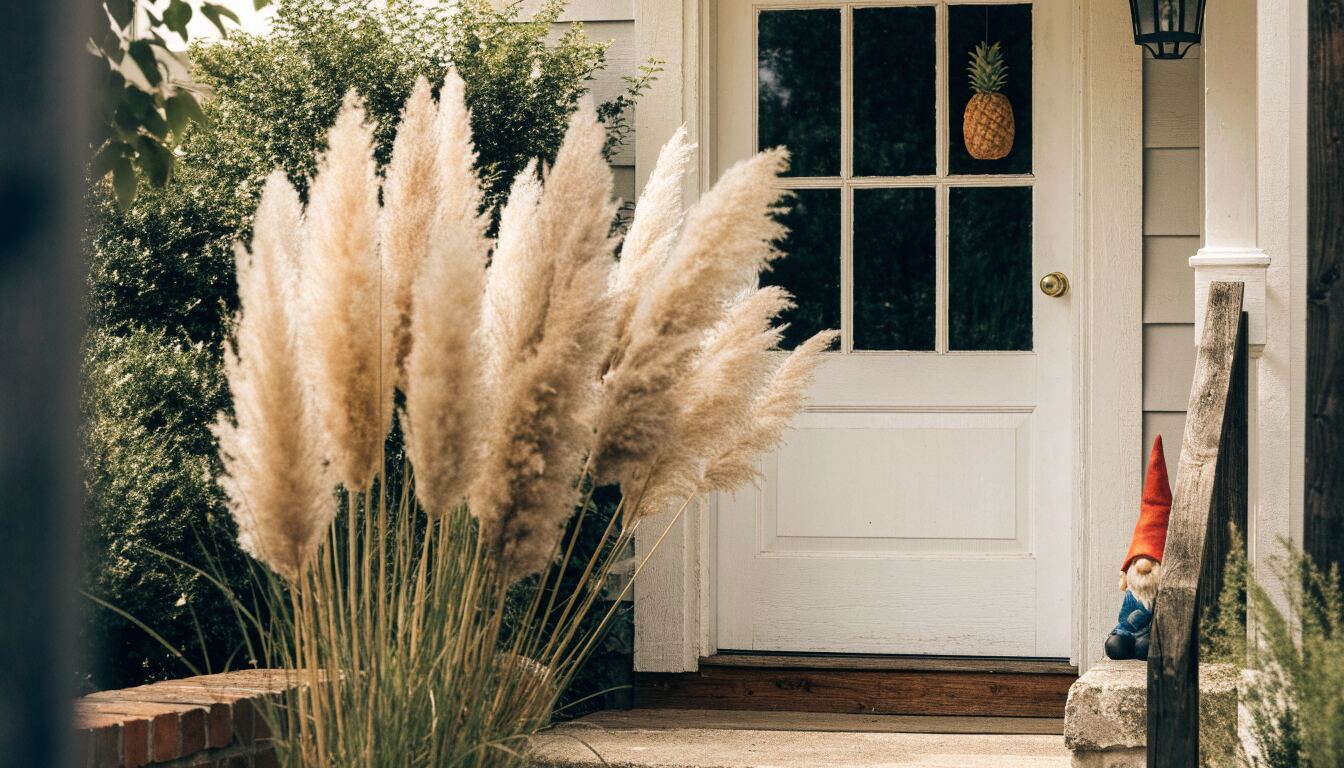
The pineapple may be the most famous, but it's far from the only object carrying secret significance. Take a stroll through certain neighborhoods or RV parks, and you might notice patterns in the landscaping. Pink flamingos, for instance, have become associated with lifestyle communities, particularly in camping and resort settings. These whimsical birds serve as cheerful yet coded markers, signaling openness to connection. Similarly, garden gnomes—those bearded figurines that populate many a front yard—can carry hidden meaning when placed intentionally. Even something as simple as white landscaping rocks, arranged in particular patterns, can function as part of this visual vocabulary. The key is context and combination; a single flamingo might be just a quirky decoration, but paired with other signals, it becomes part of a larger message.
Jewelry as Quiet Communication
Jewelry offers another subtle avenue for signaling. A plain black ring worn on the right hand has emerged as a understated identifier within swinger circles. It's not flashy or attention-grabbing; to most observers, it's simply a piece of accessory. But for those familiar with the code, it serves as a quiet declaration. Other jewelry choices can also carry meaning, such as anklets worn in specific ways or thumb rings that seem deliberately chosen. Even the simple act of switching a wedding band from the left hand to the right can function as a signal, indicating a shift in availability or intention. These small adjustments allow for nuanced communication without ever speaking a word.
A Quick Guide to Lifestyle Symbols
The world of covert symbols is rich and varied, extending well beyond pineapples and jewelry. Here are a few more items you might encounter:
- Pampas grass: This feathery, tall grass often appears in yards and can serve as a subtle indicator, especially when planted prominently.
- Garden lights: Specific colors or arrangements of outdoor lighting can carry meaning in certain communities.
- Specific color combinations: Certain color pairings in decor or clothing might be more than just aesthetic preferences.
- Household items: Even something like a particular style of wind chime or a themed mailbox can be part of the code.
It's important to remember that these symbols aren't universal; their meanings can vary by region and community. The real skill lies in observing patterns and understanding context rather than jumping to conclusions based on a single item.
Navigating the Signals: When a Pineapple is Just a Pineapple
The Danger of Over-Interpretation
With all this talk of hidden meanings, it's easy to start seeing signals everywhere. But here's a crucial reality check: most pineapples are just pineapples. The vast majority of people who wear tropical prints or decorate with fruit motifs do so simply because they enjoy the aesthetic. A right-side-up pineapple on a Hawaiian shirt is almost certainly nothing more than a fashion choice. The coded meaning only activates when the symbol is deliberately inverted and placed in a context where such signals are recognized. Jumping to conclusions based on assumptions can lead to awkward misunderstandings, so it's always wise to err on the side of caution and look for multiple confirming signals before drawing any conclusions.
Home Decor That Might Be Saying More Than You Intend
Your living space reflects your personality, and if your personality loves tropical vibes, you might unintentionally send signals you didn't mean to. A cute pineapple doormat is probably just a friendly welcome. But if that doormat features an upside-down pineapple, or if it's accompanied by flamingos, pampas grass, and specific garden lights, someone familiar with the code might interpret your home differently. It's like accidentally speaking a few words of a foreign language; most people won't notice, but a native speaker might catch your drift. This doesn't mean you should purge your decor—it simply means being aware that symbols can carry multiple meanings depending on the audience.
Context Transforms Everything
The single most important factor in interpreting any symbol is context. The same pineapple decoration can mean entirely different things depending on where and how it appears. Consider these scenarios:
- Cruise ships: In adult-only areas or lifestyle-themed cruises, an upside-down pineapple is widely understood as a clear signal.
- Mainstream resorts: At a family-friendly resort, a pineapple decoration is almost certainly just decor.
- Grocery stores: A pineapple on a shopping cart is likely just a personal touch, not an invitation.
- Specific communities: In neighborhoods or parks known for lifestyle-friendly atmospheres, the same symbols carry more weight.
Understanding this contextual nature is key to navigating the world of covert signals respectfully and accurately. When in doubt, assume innocence—the beauty of these symbols is that they're designed to be recognized only by those who already understand them.
The Enduring Power of Subtle Communication
The story of the pineapple and its companion symbols reveals something fundamental about human connection. People have always found creative ways to recognize each other, to build community while maintaining boundaries. These everyday objects—fruits, jewelry, lawn ornaments—become vessels for meaning because they allow for expression without confrontation. They create spaces where individuals can be seen by those who matter while remaining invisible to those who don't. As pop culture continues to absorb and reflect these symbols, their meanings may shift and evolve, but the underlying need they serve remains constant: the desire to find one's people in a vast and often indifferent world. Whether you're simply curious about the pineapple on your neighbor's porch or actively seeking to understand lifestyle communication, approaching these symbols with respect and an open mind ensures that the conversation remains friendly, discreet, and entirely on your own terms.
How a Tropical Fruit Became a Cultural Phenomenon
The shift from a quiet, insider symbol to a widely recognized emblem is nothing short of remarkable. The pineapple's evolution shows us how cultural markers can gain momentum, moving from private circles into the broader public eye. It's no longer just a quirky piece of trivia; it's a part of our shared visual language, popping up in unexpected places and prompting curious glances from those who might not fully grasp its layered meaning.
Modern Relationships and the Rise of Open Dialogue
As society has grown more comfortable discussing relationship models beyond traditional monogamy, symbols like the upside-down pineapple have flourished. Ethical non-monogamy and swinging are no longer topics whispered about in shadows. Instead, people are sharing their journeys through blogs, podcasts, and social media, creating a tapestry of voices that normalizes diverse ways of connecting. The pineapple serves as a playful emblem within this movement, a way for individuals to signal their identity or curiosity without needing to spell it out in words.
This growing openness has several key benefits for those exploring alternative lifestyles:
- Enhanced Community Ties: Shared symbols foster a sense of belonging. When you spot that familiar fruit, it can instantly spark a feeling of camaraderie, whether you're at a social event or scrolling through an app.
- Discreet Communication: The pineapple offers a low-pressure way to identify like-minded people. It's a subtle invitation to connect, rather than a bold declaration, making it easier to navigate social situations with grace.
- Cultural Normalization: As these symbols enter mainstream consciousness, they help reduce stigma. The more we see them, the more we accept that there are many valid ways to structure relationships.
From Hidden Code to Everyday Conversation
Think back to a time when deviating from the standard relationship script felt taboo. Those days are fading. The pineapple's journey mirrors this cultural thaw. It has transitioned from a guarded secret to a more visible marker, allowing people to find their tribe with greater ease. Whether you're at a hotel, a campground, or connecting through digital platforms, this symbol acts as a beacon. It represents a shift away from concealment and toward a more authentic, if still somewhat coded, expression of self.
The beauty of this evolution lies in its balance. It remains a nod between those who understand, yet it doesn't scream for attention. This duality is powerful. A pineapple decoration might be just a love of tropical aesthetics to one person, while to another, it's an opening line. This layered meaning is what makes the symbol so enduring and effective in today's world.
A Meme, a Marker, and a Digital Handshake
In the age of internet culture, the upside-down pineapple has achieved meme status. You'll encounter it on graphic tees, in playful social media bios, and as a cheeky addition to profiles on dating platforms. It has become a form of shorthand—a quick, visual cue that conveys a message without a lengthy explanation. For those outside the lifestyle, it might seem like a random design choice, perhaps a nod to retro kitsch. But for insiders, it's a sophisticated digital handshake, a way to say, "I see you, and we might share something in common."
This phenomenon highlights how everyday objects can take on extraordinary significance. A simple fruit, turned on its head, can now carry the weight of identity, desire, and community. It's a reminder that symbols are not static; they breathe and change with the cultures that adopt them. Even spotting a pineapple in someone's grocery cart can now prompt a moment of playful speculation, adding a layer of mystery to mundane interactions.
Practical Tips for Navigating Pineapple Symbolism
If you're curious about engaging with this cultural code, a few practical pointers can help you navigate its nuances. First, context is everything. The meaning of an upside-down pineapple can shift dramatically depending on where you see it. A sticker on a cruise cabin door often carries a different weight than a pattern on a beach towel at a family resort. Pay attention to the setting and other accompanying signals.
Second, don't assume that every pineapple is an invitation. Many people genuinely adore the fruit or the mid-century aesthetic it represents. If you're interested in connecting, let the symbol be a conversation starter rather than a definitive label. A casual comment like, "I love your pineapple decor; it's such a fun symbol," can open a door without putting anyone on the spot.
Finally, if you choose to display the symbol yourself, be mindful of your environment. In spaces known for lifestyle gatherings, like certain resorts or private parties, an upside-down pineapple can be a clear and effective signal. In more mixed settings, it might simply add a dash of whimsy to your decor. The key is intentionality: know what you're communicating and where.
The Broader Landscape of Lifestyle Symbols
While the pineapple is the star of the show, it's part of a larger constellation of symbols used by those in alternative relationship communities. Understanding this broader language can deepen your appreciation for how people create connection. These signals often share common traits: they are everyday items that can easily blend in, yet they hold special meaning for those who know what to look for.
For instance, you might encounter garden gnomes in unexpected places, flamingo ornaments, or specific jewelry choices like a black ring worn on a particular finger. Each of these carries its own story and subtext. They function as quiet invitations, helping individuals find each other without broadcasting their personal lives to the world. This network of signs creates a rich, layered culture where recognition feels like discovering a secret garden.
These symbols also serve a practical purpose. They allow for community building in spaces that aren't explicitly designated for lifestyle events. A couple might notice a subtle signal at a coffee shop or during a vacation and feel a spark of connection. It's a way of weaving potential friendships and relationships into the fabric of everyday life, making the world feel a little more interconnected.
Embracing the Evolution of Connection
The story of the upside-down pineapple is ultimately a story about human creativity in communication. When people want to find each other, they invent beautiful, playful ways to do so. This tropical fruit has traveled from being a symbol of high-society hospitality to a secret handshake for the adventurous at heart. It's a testament to how we layer meaning onto the world around us, turning the ordinary into something extraordinary.
As conversations around relationship diversity continue to grow, symbols like this will likely become even more nuanced and widespread. They remind us that connection doesn't always need grand announcements. Sometimes, it's a quiet wink, a flipped fruit, or a shared smile of recognition. So, the next time you notice that spiky, sweet symbol perched in a surprising spot, you'll appreciate the rich tapestry of meaning it might hold—a subtle nod to the ever-changing dance of human relationships.
Frequently Asked Questions
Why are pineapples linked to the swinging lifestyle?
The connection comes from the practice of using the fruit, particularly when positioned upside down, as a discreet signal among those in open or swinging relationships. It functions like a subtle nod, allowing people to identify themselves to others who share the same interest without having to explicitly state it. The tradition grew as a way to foster connection in a private manner.
How did this tradition begin?
Historically, the pineapple represented warmth and welcome. The shift to its current meaning seems to have roots in social gatherings and vacation spots, like cruise ships, where people began adopting the upside-down version as a covert sign for the lifestyle. It's a clever repurposing of an old symbol for a new context.
If I see an upside-down pineapple, does it always mean someone is a swinger?
Not necessarily. While it is a recognized signal within the community, many people simply enjoy the look of pineapples or tropical themes without any hidden meaning. The setting matters a lot. A decoration in a specific online group or on a cruise cabin door is more likely to be a deliberate signal than one on a random piece of clothing in a grocery store.
Are there other secret signals used by swingers?
Yes, the pineapple is just one part of a larger system of symbols. Others can include items like flamingos, certain types of garden ornaments, or wearing a black ring on the right hand. These signals help create a sense of community and make it easier for like-mined people to find each other quietly.
Could I accidentally send the wrong message with my home decor?
It's quite unlikely in most everyday settings. The average person won't interpret a pineapple print as anything more than a cheerful design. However, if you're in an environment known for lifestyle gatherings, such as certain resorts or RV parks, displaying an upside-down pineapple intentionally might be noticed by those familiar with the symbol.
Is the pineapple symbol becoming more well-known?
Absolutely. With the increase in open discussions about ethical non-monogamy and diverse relationship models, this symbol has gained significant traction. It has evolved into a pop culture reference, appearing in memes and media, and serves as a way for people to connect, whether they're deeply involved in the lifestyle or simply find the concept amusing.