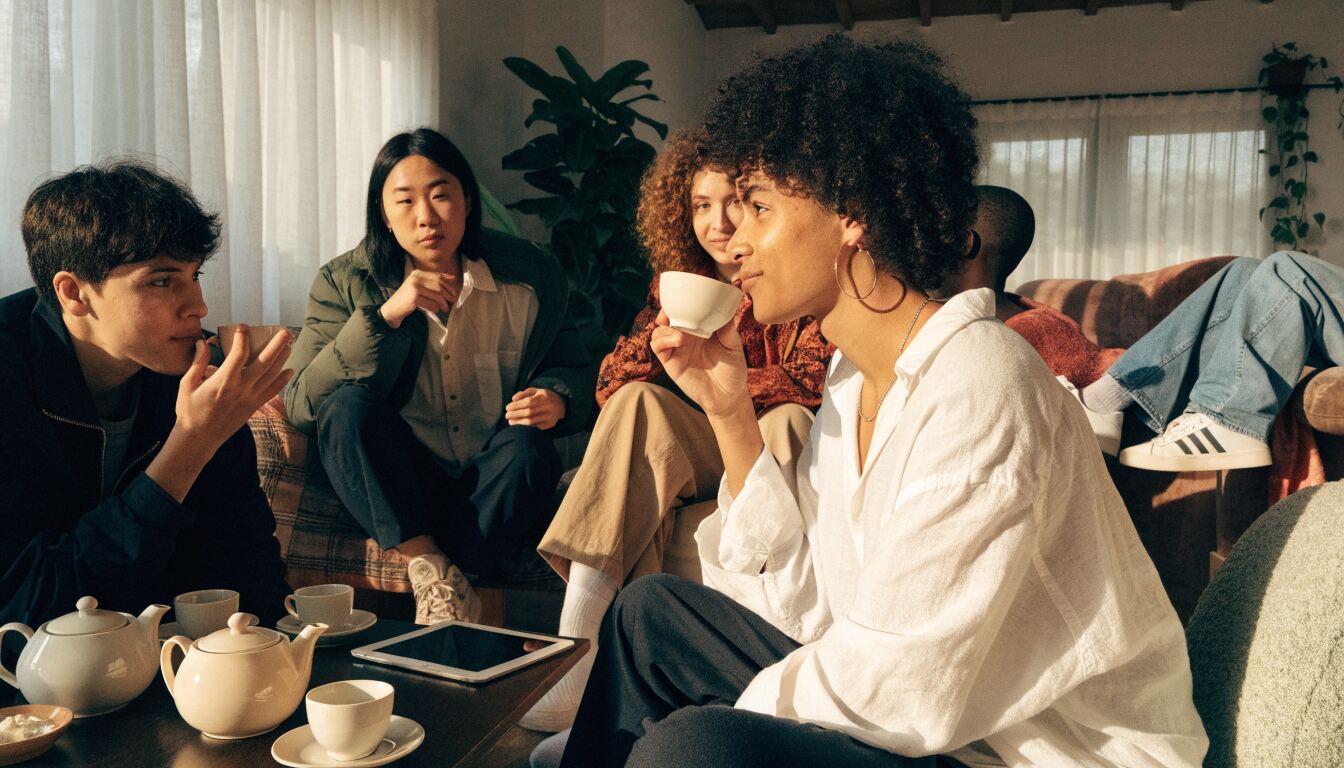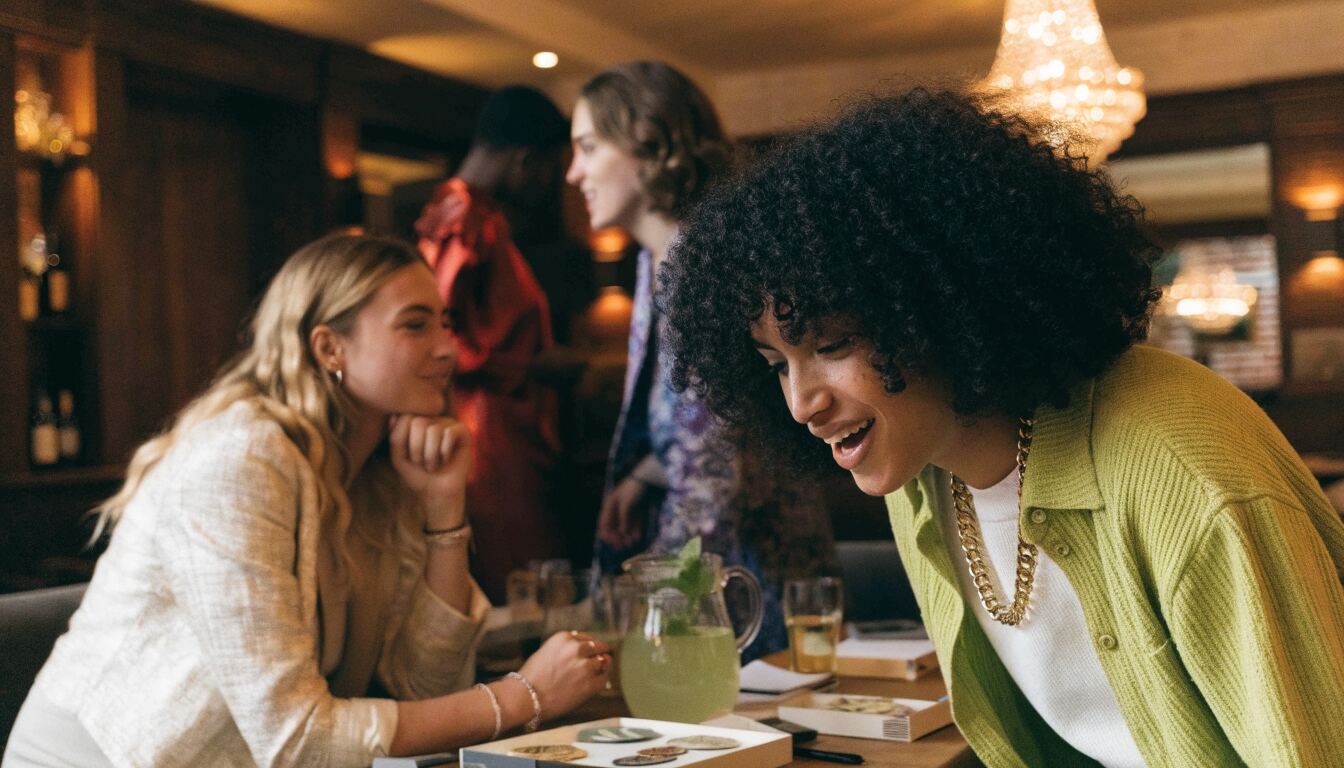
A New Chapter in Social and Intimate Exploration
The way younger adults approach social bonding, nightlife, and intimate relationships has undergone a quiet revolution. For those in their twenties and thirties, the old rules no longer apply. They're crafting a world where personal expression, digital convenience, and emotional safety intertwine, especially within alternative lifestyle communities. This generation isn't just participating in established scenes; they're redesigning them from the ground up. The result is a more fluid, tech-savvy, and intentionally connected culture that prioritizes experience over tradition.
At the heart of this shift lies a reimagining of what it means to explore consensual non-monogamy. The term "swinging" itself has expanded far beyond its mid-century connotations. Where previous generations might have whispered about key parties, today's explorers talk openly about a full spectrum of possibilities. The motivations are as varied as the people involved: some are looking to deepen an existing bond, others are satisfying a curiosity, and many are simply embracing a broader definition of intimacy.
What ties these diverse paths together is a commitment to clarity and mutual respect. Conversations about personal limits and desires happen early and often, creating a framework where exploration feels safe rather than risky. This emphasis on communication isn't just a nicety; it's the foundation upon which everything else is built. As we'll see, technology has become a powerful ally in facilitating these dialogues and forging connections that might never have happened otherwise.
Redefining Labels and Embracing Fluidity
One of the most noticeable differences in how younger generations approach the lifestyle is their relationship with labels. Rigid categories like straight, gay, or even "swinger" can feel confining to a group that values lived experience over fixed identity. Sexual fluidity is now a recognized and respected part of the social landscape. It's less about declaring a permanent state and more about acknowledging that attraction and desire can evolve.
This perspective naturally influences how people engage with partner swapping and group dynamics. Instead of viewing it as a distinct subculture you must fully adopt, many see it as one avenue among many for self-discovery. You might explore a connection at a club one weekend and choose a quiet night in with a primary partner the next, without feeling the need to justify either choice. This flexibility reduces pressure and allows for a more organic, personalized path.
Cultural shifts have also played a massive role in normalizing these conversations. Television series and films have brought polyamory and open relationships into mainstream living rooms, portraying them not as scandalous outliers but as complex, relatable human stories. Meanwhile, online spaces have given rise to thriving communities where people can lurk, learn, and eventually participate at their own pace. The stigma hasn't vanished overnight, but it has certainly softened, making the lifestyle more accessible to those who might have been too intimidated to explore it before.
The Digital Gateway to Community
It's impossible to overstate the impact of digital platforms on modern social connections. For the lifestyle community, technology has moved from a helpful tool to a central nervous system. Dating apps, once considered a last resort, are now a primary entry point. But the way they're used has become far more nuanced. People aren't just swiping for a quick date; they're using detailed profiles to filter for specific relationship structures, interests, and levels of experience.
This upfront transparency saves an enormous amount of time and emotional energy. A couple can clearly state they're looking for another couple for soft swap play, or a single person can indicate they're open to joining an existing dynamic. The apps provide a digital handshake that allows everyone to align expectations before anyone invests in a real-world meeting. The sheer reach of these platforms means you're connecting with potential matches far beyond your immediate social circle, which is a game-changer for those in smaller towns or more conservative areas.
Social media plays a parallel role, though often in a less direct way. While most mainstream platforms prohibit explicit content, they're still powerful engines of normalization and discovery. A tasteful photo from a lifestyle-friendly resort, a thoughtful caption about relationship anarchy, or a story shared about a positive first club experience can plant seeds in the minds of followers. It creates a sense of ambient awareness: you see people you admire or relate to living this way, and it starts to feel attainable. The impact of this subtle exposure on modern relationships shouldn't be underestimated.
Finding Your Tribe in Dedicated Spaces
Beyond the major apps and social networks, specialized online communities provide the deepest level of support. Forums, private groups, and membership-based platforms serve as digital clubhouses where people can speak freely without fear of judgment from the vanilla world. These spaces are invaluable for practical education. Newcomers can ask questions about negotiating boundaries, seasoned veterans can share tips on hosting events, and everyone can access a collective wisdom that was once passed only through whispered word-of-mouth.
These communities often become the organizing hubs for real-world gatherings. A private group might announce a meet-and-greet at a local bar, or a forum thread could evolve into a planned trip to a resort. The online space builds the trust that makes offline vulnerability possible. Features you'll commonly find include:
- Dedicated discussion boards for topics ranging from jealousy management to venue reviews.
- Calendars listing upcoming parties, workshops, and casual social mixers.
- Verified profiles that add a layer of safety and accountability.
- Private messaging systems for more personal, one-on-one conversations.
When used thoughtfully, these digital tools don't replace human connection; they act as a highly efficient bridge to it. They help you find the right people, have the hard conversations early, and show up to a first meeting feeling like you already know each other a little bit.
The Sober Shift in Social Spaces
Walk into many modern nightlife venues and you'll notice something different: the bar isn't necessarily the center of attention. Alcohol consumption has been on a steady decline among younger adults for years now. This isn't a temporary trend or a moral panic; it's a fundamental reassessment of the role substances play in socializing. Health consciousness, financial priorities, and a desire for more authentic interactions are all driving the change.
This shift has profound implications for the lifestyle community. Swinging and club culture have historically been intertwined with alcohol, which was often used as a social lubricant to ease nerves and lower inhibitions. But relying on drinking comes with obvious downsides: impaired judgment, fuzzy memories, and the risk of consent lines becoming blurred. A move toward clarity and presence is, in many ways, a natural fit for a community that places such high value on explicit communication and mutual agreement.
Embracing the "Sober Curious" Philosophy
The sober curious movement isn't about mandatory abstinence. It's an invitation to question the default assumption that every social event requires a drink in hand. It encourages mindfulness: asking yourself if you truly want that cocktail, or if you're just reaching for it out of habit or social anxiety. This mindset has given rise to a much richer culture of alternatives. Mocktail menus are now crafted with the same care as cocktail lists, featuring complex flavors, house-made syrups, and beautiful presentations.
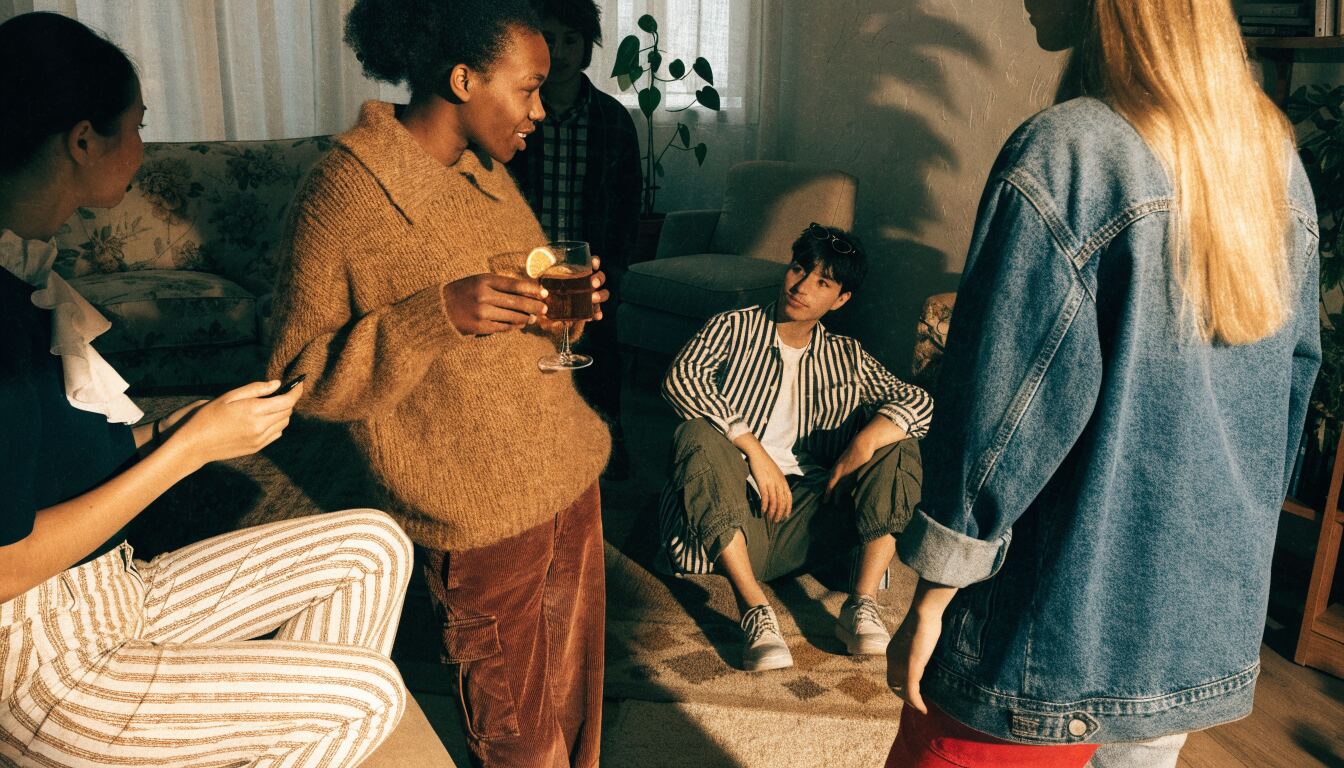
Non-alcoholic beers, wines, and spirits have also seen a dramatic improvement in quality. They're no longer sad afterthoughts but genuinely enjoyable beverages in their own right. This means a person choosing not to drink can still participate fully in the ritual of toasting, holding a glass, and savoring a complex flavor. The focus shifts from the substance itself to the experience surrounding it.
Redesigning Nights Out
As the role of alcohol diminishes, the very architecture of a night out is being reimagined. People are seeking venues that offer a compelling activity, not just a place to stand around and drink. Think immersive art shows, late-night café hangouts with live acoustic music, or outdoor adventure meetups that just happen to end with a bonfire. These environments naturally facilitate the kind of genuine interaction that the lifestyle community craves. You connect through a shared task or a beautiful moment, building a foundation that goes beyond surface-level chatter.
This evolution is a positive development for inclusivity. Not everyone drinks, and for some, the pressure of a booze-centric environment can be a barrier to entry. By creating spaces where the activity itself is the star, venues welcome a wider range of people and allow connections to form on a more stable, authentic ground.
The Rise of Doing, Not Just Drinking
We're living in the heart of the experience economy. For younger generations, spending money on a memorable activity often feels more valuable than buying a physical object. This preference has fueled an explosion of venues designed around participation and playful competition. These aren't your grandfather's bowling alleys. We're talking about sophisticated mini-golf courses with craft cocktails, high-tech axe-throwing lanes, immersive escape rooms with cinematic production value, and arcade bars stocked with both retro and cutting-edge games.
These spaces are perfectly suited for the lifestyle community. They provide a built-in icebreaker and a shared focus that eases the initial awkwardness of meeting new people. You can flirt over a round of Skee-Ball, collaborate on solving a puzzle, or engage in some friendly trash talk on the bocce court. The activity gives you something to talk about and a way to gauge chemistry through action, not just conversation. It's a form of competitive socializing that builds camaraderie quickly and organically.
Many of these new-wave venues are also making intentional choices about inclusion. They're designing accessible layouts, offering games with adjustable difficulty, and training staff to create a welcoming atmosphere for people of all backgrounds, body types, and abilities. This conscious effort to remove barriers is a direct response to a customer base that demands better. The old model of a dark, crowded, inaccessible club is losing ground to places where everyone can feel comfortable joining the fun.
This shift is pressuring traditional nightlife to evolve or fade. A simple bar with a DJ now competes with a venue offering a full night of interactive entertainment. In response, many old-guard establishments are incorporating elements of competitive socializing, like trivia nights, karaoke leagues, or temporary themed pop-ups, to stay relevant and offer something that can't be replicated by staying home and streaming a show.
Building Spaces Where Everyone Belongs
The demand for inclusivity is reshaping the physical spaces where the lifestyle community gathers. It's no longer enough to simply open the doors and declare everyone welcome. Venue owners and event organizers are thinking deeply about what true accessibility and representation look like. This isn't just good ethics; it's smart business, as a diverse and loyal customer base is built on a reputation for genuine hospitality.
True accessibility goes well beyond the basic requirements of ramps and door widths. It involves a holistic look at the entire guest experience. Sensory considerations are a prime example. A club might offer a quiet lounge area away from the main dance floor for people who get overwhelmed by loud music and flashing lights. Clear, readable signage and communication methods that don't rely solely on sound are also critical. Most importantly, this commitment must be backed up by thorough staff training, so that every team member knows how to assist respectfully and proactively.
Cultural diversity is celebrated through programming, not just acknowledged in a mission statement. Venues are hosting nights dedicated to specific musical traditions, art forms, and cultural celebrations. These events provide an opportunity for cross-cultural connection and education, enriching the entire community. When you walk into a space and see your culture or identity reflected in the music, the decor, and the crowd, a powerful message of safety and belonging is sent. These gatherings often double as fundraisers for social causes, weaving a thread of community support into the fabric of the fun.
Technology on the Horizon
The digital evolution within the lifestyle is far from over. We're just beginning to see how emerging technologies might further reshape the landscape of connection. Imagine a matching algorithm that learns from your real-world feedback, suggesting potential partners not just based on stated preferences but on a deep analysis of compatibility indicators you might not even be consciously aware of. Event platforms could curate personalized party schedules for you, highlighting the gatherings where you're statistically most likely to have a positive and fulfilling experience.
Virtual and augmented reality present even more radical possibilities. These tools might initially seem at odds with the deeply physical nature of the lifestyle, but they offer solutions to some real challenges. A curious couple could take a virtual tour of a club before their first visit, demystifying the environment and reducing anxiety. Augmented reality could be used to overlay icebreaker prompts or shared interest indicators in a real-world social setting, giving a subtle digital nudge to face-to-face interaction. The goal of this technology isn't to replace physical presence but to make the path toward it smoother and more comfortable.
As these tools develop, the community will need to engage in ongoing conversations about ethics and norms. We'll have to navigate questions about data privacy, the potential for AI-driven bias in matching, and how to maintain the primacy of human intuition in a data-rich environment. The core values of consent and clear communication will need to be translated into these new digital contexts, creating a code of conduct for a technologically augmented social life.
The Irreplaceable Human Element
With all this talk of apps, algorithms, and virtual worlds, it's crucial to keep our focus on the ultimate goal: genuine, flesh-and-blood connection. Technology is a magnificent tool for discovery and screening, but it's only the prologue to the real story. The most beautifully curated digital profile is no substitute for the subtle magic of in-person chemistry—the way someone laughs, the energy they bring into a room, the unspoken understanding that can pass between people sharing an experience.
Finding the right balance between the digital and the physical is a skill in itself. A healthy approach uses online platforms as a filtering and introductory layer. You might spend a week chatting in a group forum, then move to a video call, and finally arrange a low-stakes public meeting like a coffee or a walk in the park. This gradual escalation builds trust and allows you to verify that the digital persona matches the real-world person. It's about letting technology serve the human connection, not dominate it.
Trust, the absolute bedrock of the lifestyle, is built through small, consistent actions over time. In online communities, this means showing up authentically, respecting the privacy and boundaries of others, and contributing positively to the collective knowledge. Being a reliable, honest, and kind presence in a digital space is the best way to build a reputation that opens doors in the physical world.
Ultimately, the memories that define our lives are built on shared moments. The private joke exchanged during a game night, the collective awe of a beautiful sunset at a lifestyle resort, the vulnerability of a deep conversation that stretches into the early morning hours—these are the treasures. The lifestyle, at its best, is a framework for creating these potent, shared experiences. It's about weaving a tapestry of connection, exploration, and mutual joy that is far richer and more complex than any single physical act. The heart of it all remains beautifully, stubbornly, human.
Charting the Path Forward
The landscape of social and intimate connection is being redrawn by a generation that values authenticity, inclusivity, and intentionality. They've inherited the legacy of the lifestyle community and are thoughtfully reshaping it with the tools and values of their time. From sober-curious gatherings to digitally facilitated meetups, the new paradigm is about creating a container for exploration that is safe, transparent, and deeply respectful of individual autonomy.
As this evolution continues, we can expect the boundaries between different relationship styles to become even more fluid and personalized. The venues and platforms that thrive will be those that listen to these shifting desires and create spaces—both digital and physical—that prioritize genuine experience over stale tradition. It's a dynamic, exciting moment of transformation, and the future of connection is being written, one respectful, playful, and authentic interaction at a time.
Common Questions About the Modern Lifestyle
What is the current definition of swinging?
In a modern context, swinging refers to consensual sexual activity between couples or singles in a social setting. It encompasses a broad spectrum of play, from watching and being watched to full partner exchange, and it is characterized by a strong emphasis on open communication and predefined boundaries.
How has technology changed the way people explore the lifestyle?
Digital platforms like specialized apps and social media have become essential. They allow people to be upfront about their interests, find like-minded partners across a wide geographical area, and join supportive communities where they can learn and share experiences before ever meeting in person.
Are younger adults moving away from drinking at social events?
Yes, a significant trend shows younger generations consuming less alcohol. Many are drawn to the sober curious movement, which encourages mindful drinking or complete sobriety, leading to a preference for venues that offer high-quality non-alcoholic drinks and engaging activities.
What is the sober curious movement all about?
The sober curious movement is a choice to examine and often reduce your relationship with alcohol. It's not necessarily about permanent abstinence but about being more intentional, questioning social drinking habits, and finding joy in social connection without the need for intoxication.
How are nightlife venues adapting to these new preferences?
Nightlife is shifting from a focus on drinking to a focus on activities. Experience-based venues like game bars, immersive art spaces, and competitive socializing clubs are booming, providing built-in social catalysts that don't revolve around alcohol.
Why is inclusivity such a key focus in today's lifestyle spaces?
Inclusivity is essential for creating a safe and welcoming atmosphere where everyone can relax and connect. It goes beyond physical accessibility to include cultural representation, sensory-friendly environments, and a conscious effort to make people of all identities and backgrounds feel they belong.