Fresh Perspectives on Intimate Connections
Over the past few years, something intriguing has been happening in the world of relationships. A younger crowd, often defined as those born between the late 1990s and early 2010s, is stepping away from conventional scripts and experimenting with arrangements that would have raised eyebrows not long ago. Among these shifts is a growing curiosity about swinging—a practice where couples or individuals consensually explore sexual encounters with others. This isn't a rebellion for rebellion's sake. It reflects a deeper rethinking of intimacy, fueled by openness, a hunger for authentic bonds, and a desire to craft personalized experiences rather than follow a one-size-fits-all model. So what exactly is pulling this generation toward such a lifestyle? Let's unpack the cultural currents at play.
Rethinking Relationship Blueprints
For decades, the standard template for romance followed a predictable arc: date, commit, marry, and remain exclusive forever. That model works beautifully for many, but it's no longer the only option on the table. A quiet revolution is underway, one that questions whether a single framework can truly serve every heart.
The Growing Acceptance of Multiple Partnerships
Non-monogamy has moved from whispered conversations to mainstream chatter. You'll encounter it in think pieces, podcasts, and even casual brunch discussions. This isn't a fleeting trend but a genuine expansion of what people consider viable. A big driver here is a shift in values. Individuals are increasingly asking themselves what genuinely fulfills them rather than simply inheriting societal expectations. They crave flexibility, transparency, and the liberty to form various kinds of connections without hiding parts of themselves. This mindset is especially pronounced among younger adults who feel less tethered to traditional timelines and more committed to personal evolution and sincere self-expression. While not everyone will choose this path, the growing visibility of ethical non-monogamy signals a broader cultural appetite for relationships built on honesty and mutual design.
Decoding Consensual Open Dynamics
Within the umbrella of non-monogamy, open relationships hold a distinct space. Here, partners mutually agree that outside romantic or physical involvements are permissible. The operative word is agreement—there's no deception or betrayal involved. Instead, couples engage in ongoing dialogues about what feels acceptable and what crosses a line. One pair might establish specific guidelines about the types of outside interactions allowed, while another focuses more on safeguarding emotional intimacy. No two arrangements look identical. The foundation rests on both people feeling heard and respected. Making this work demands substantial communication, self-awareness, and trust, but for those who thrive in it, an open dynamic can actually fortify their core bond and allow each person to honor their individual longings.
Why Partner Swapping Holds Allure
Swinging, sometimes called partner swapping, zeroes in on sexual adventures shared with other couples or singles in a social context. Many see it as a way to inject novelty and spice into an existing relationship, treating it as a collaborative journey rather than a solo pursuit. The excitement might stem from the thrill of unfamiliar chemistry, while for others, the draw is about deepening their primary connection through shared exploration. It certainly isn't for everyone—navigating this terrain requires immense trust and robust communication. Consent sits at the center of every interaction, and everyone involved must feel genuinely comfortable and valued. Common motivators for entering this scene include a hunger for erotic variety, a wish to strengthen partnership ties, and the chance to explore sexuality in a secure, consensual container.
Cultural Waves Reshaping Sexual Expression
Every generation seems to nudge the boundaries of what's discussable, and today's young adults are no exception. They exhibit a remarkable ease when talking about desire, kinks, and pleasure, cultivating a sex-positive atmosphere that chips away at old shame. While previous eras certainly had their own underground dialogues, the current climate places those conversations squarely in the open.
Dismantling Stigmas Around Intimacy
The willingness to speak candidly about sexual topics is dissolving taboos that once silenced people. This generation approaches erotic wellness with the same matter-of-factness they apply to mental health or fitness. They swap tips, share stories, and educate each other without the weight of judgment. This cultural shift means that practices like group encounters or alternative relationship styles are less shrouded in secrecy and more viewed as legitimate lifestyle choices. The result is a landscape where individuals feel freer to articulate their needs and curiosities without fearing social exile.
Digital Platforms as Catalysts
Social media has profoundly influenced modern dating and erotic norms. Beyond dedicated hookup apps—which certainly play their part—platforms like forums, video channels, and image-sharing sites have become spaces for broadcasting personal experiences and informed opinions about sex. People openly review products, recount their journeys into various relationship models, and offer advice on navigating complex emotions. This steady stream of candid content normalizes what previous generations might have considered fringe. As a consequence, activities such as group play are increasingly seen as just another facet of human sexuality rather than something scandalous.
Rewriting the Rules of Normal
Younger adults are actively challenging the assumption that everyone must slot into a monogamous, till-death-do-us-part narrative. They're experimenting with diverse connection styles and questioning inherited scripts. This exploration spans several forms, including consensual open arrangements, polyamorous networks, and recreational swinging. It's a period of remarkable creativity in how people structure their intimate lives, driven by a belief that relationships should be designed, not defaulted into.
Fostering Togetherness and Belonging
Swinging extends far beyond physical exchanges; for many participants, it's fundamentally about cultivating a vibrant social circle. It offers a pathway to widen one's network and meet others who resonate with similar values around autonomy and erotic expression. These bonds often blossom into deep friendships and a profound sense of community that might be absent in other areas of life. It's akin to discovering a chosen family where you can be transparent about your desires without encountering censure. In a society that frequently pressures people toward conventional molds, finding such a tribe can feel both liberating and anchoring.
Locating Your People
Connecting with compatible individuals is crucial for a positive experience, yet it can require patience. It's not merely about locating willing participants; it's about identifying those who are respectful, articulate about their boundaries, and share your core principles. This process often involves trial and error, and it's wise to remain selective rather than settling for situations that don't feel right. Stories abound of people forging incredible links through this lifestyle, but there are also cautionary tales from those who rushed in without prioritizing genuine compatibility. The key lies in knowing what you want and being discerning.
Common avenues for meeting kindred spirits include:
- Online discussion boards dedicated to alternative lifestyles
- Private social media groups with vetted members
- Local meet-and-greet gatherings in relaxed settings
The Vital Role of Organized Happenings
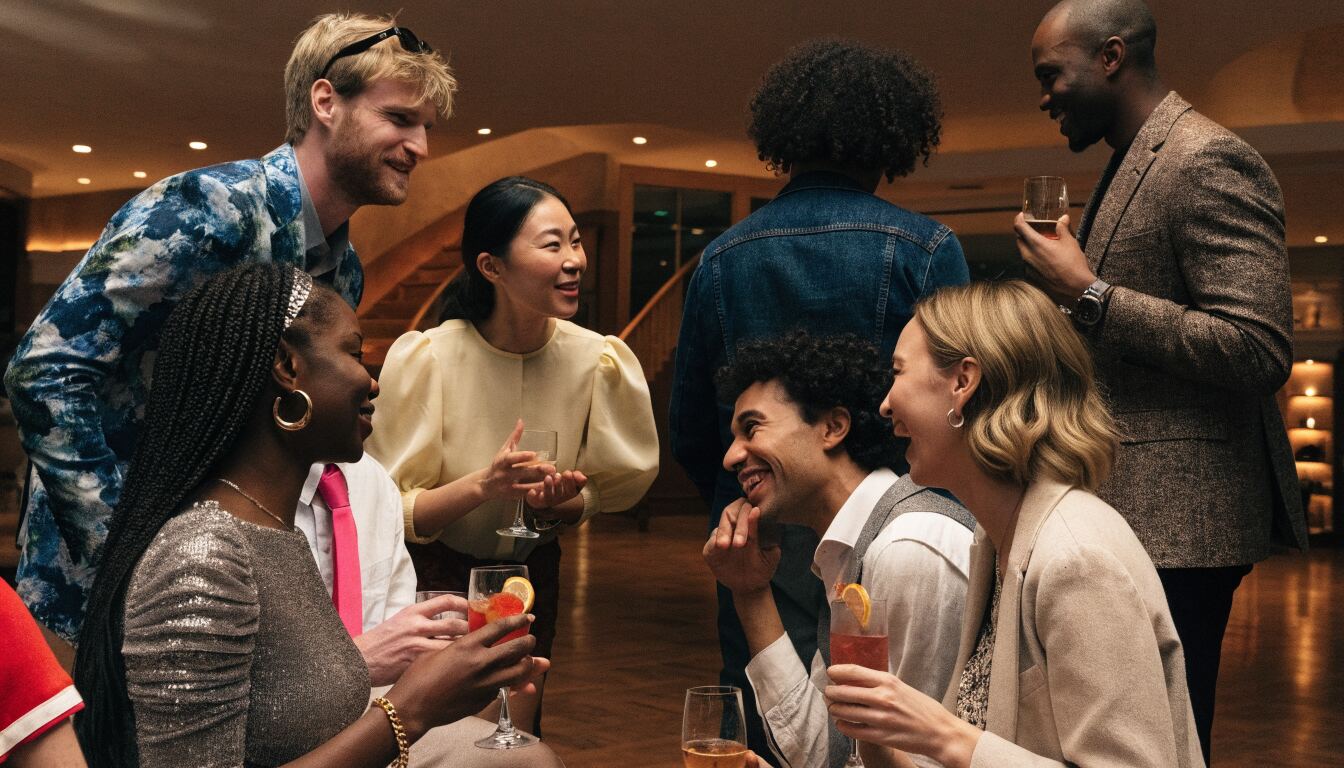
Events and socials form the backbone of the swinging community. These gatherings create structured environments where people can mingle, converse, and explore interests in a safe, consensual atmosphere. They range from intimate house parties hosted by experienced members to large-scale hotel takeovers or resort trips with organized activities. For newcomers, these events provide a low-pressure way to observe and acclimate. For veterans, they're a chance to reconnect with friends and enjoy new encounters. The spectrum of options means there's something for nearly every comfort level. The important thing is to research events beforehand, understand the etiquette, and choose settings that align with your personal boundaries.
How Digital Tools Are Transforming the Scene
Technology has radically altered how swingers discover one another and maintain connections. Gone are the days of relying solely on word-of-mouth or obscure magazine ads. Today's landscape is digital, streamlined, and constantly evolving.
Specialized Platforms for Connection
Dating apps are no longer exclusively for those seeking monogamous soulmates. A robust ecosystem of platforms now caters specifically to the swinging and non-monogamous crowd. These services simplify the process of finding other couples or singles who share your interests, bypassing the awkwardness of guessing someone's preferences in a generic bar. Features like identity verification, group chat functions, and integrated event calendars make the search for compatible partners more efficient and secure. Users can be upfront about their desires from the start, fostering a culture of clarity.
Online Networks and Advice Hubs
Beyond matchmaking apps, a wealth of virtual communities and discussion forums exist where swingers exchange insights and support. These spaces function as collective wisdom pools where people can pose questions, recount experiences, and seek guidance on everything from communication techniques to managing complex feelings. Whether you're curious about first-time jitters or negotiating a tricky boundary, you'll likely find a thread full of empathetic responses. This digital camaraderie helps individuals feel less isolated and more integrated into a larger, understanding collective.
Navigating Discretion and Security
With increased online activity comes a heightened need for vigilance around privacy. Sharing personal details on any platform carries inherent risks, and it's essential to exercise caution. Savvy users avoid revealing identifying information too quickly, utilize apps with robust blocking and reporting features, and stay mindful that digital footprints can be durable. Discussions about cybersecurity, photo anonymity, and safe meeting protocols are common within these communities, reflecting a collective commitment to protecting members' well-being.
Finding Strength in Sexual Autonomy
The embrace of alternative lifestyles among younger adults isn't solely about hedonism; it's deeply tied to a sense of empowerment. This generation has been encouraged to author their own identities, and that extends into their erotic lives. They are proactively figuring out what they genuinely want and pursuing it without apology, even when it defies convention. For individuals who have long felt constricted by society's expectations, this reclamation of personal desire can be profoundly transformative.
Centering Enthusiastic Agreement
Consent forms the unshakeable foundation of the contemporary swinger scene, and younger participants treat it as an evolving dialogue rather than a one-time checkbox. They excel at articulating their limits and honoring the limits set by others. This emphasis on clear, ongoing, and enthusiastic agreement distinguishes current practices from more ambiguous norms of the past, contributing to a safer and more enjoyable environment for all involved. Many educational resources, including popular podcasts, delve into the nuances of practicing consent in group settings.
Working Through Envy and Defining Limits
Jealousy is a natural human emotion, but the approach to it within these circles often displays considerable emotional maturity. People acknowledge that twinges of envy can arise and are prepared to address them constructively. They establish explicit boundaries and engage in frank conversations about their feelings. This proactive stance allows them to manage jealousy effectively and sustain healthy dynamics, even within a non-monogamous framework. It's a continuous process of youthful exploration and self-discovery.
A common framework for handling boundaries involves:
- Dialogue: Speak openly and honestly about your needs and limits without blame.
- Honor: Respect a partner's boundaries completely, even if their reasoning differs from yours.
- Flexibility: Be prepared to negotiate and find creative compromises that satisfy everyone's core needs.
Contrasting Generational Viewpoints
The way younger adults engage with swinging and other alternative models looks quite different from the approaches of their predecessors. Where older cohorts might have treated swinging as a clandestine escape or a countercultural statement, today's participants often frame it as a normalized, integrated aspect of a well-rounded social and romantic life. They are more inclined to speak about it openly with friends and see it as part of a broader spectrum of relationship possibilities. This transformation is partly attributable to the instant availability of information and the rapid evolution of social mores.
Millennial Groundwork
The millennial generation deserves credit for laying much of the groundwork that makes current acceptance possible. The normalization of open relationships among millennials brought discussions about ethical non-monogamy into the public sphere. Millennials were also early adopters of online communities and dating apps, creating the digital infrastructure that allows people to connect across geographies and explore different relationship formats. This foundational work smoothed the path for the next generation to adopt and further adapt these practices with even greater fluency.
What Lies Ahead for the Lifestyle
Looking forward, the trajectory of swinging, particularly among the younger set, appears intertwined with ongoing technological innovation and shifting social attitudes. We can anticipate deeper integration of online platforms, with increasingly sophisticated apps and immersive virtual communities tailored to lifestyle trends. The strong generational focus on consent, clear communication, and inclusivity will likely steer the development of even safer and more ethical community standards. It's also plausible that the distinctions between various forms of non-monogamy will continue to blur, with individuals and couples fluidly exploring a wider repertoire of relationship styles without rigid labels.
Prioritizing Well-Being in the Lifestyle
Engaging in any form of non-monogamy requires a dedicated focus on health—both physical and emotional. A responsible approach ensures that the pursuit of pleasure doesn't come at the cost of personal or community wellness.
Vigilance Around Sexual Health
Sexual health is paramount, regardless of relationship structure, but it takes on added significance when multiple partners are involved. Routine STI testing is non-negotiable and should be treated as a standard topic of discussion before intimacy occurs. It might feel awkward to initiate a conversation about recent test results, but that brief discomfort pales beside the potential consequences of neglect. Barrier methods also remain a crucial tool; experimenting to find what feels comfortable and using them consistently is a hallmark of considerate participation.
Positive Impacts on Mental State
The benefits of swinging aren't confined to the physical realm. Many individuals report feeling more connected to their primary partner, more in tune with their own sexuality, and liberated from stifling norms. This sense of empowerment can translate into a significant confidence boost that spills into other areas of life. Yet it's important to acknowledge the emotional complexities, too. Situations can sometimes stir up insecurities or feelings of exclusion. This is why robust communication channels are essentia. If feelings of anxiety or sadness surface, leaning on a partner or seeking guidance from a therapist familiar with non-traditional relationships is a sign of strength, not weakness.
Strengthening Bonds Through Dialogue
Communication acts as the adhesive that holds relationships together, and in a swinging context, it's more like industrial-strength epoxy. Partners must be radically transparent about their desires, limits, and emotional states. Assumptions and secrets have no place here. Establishing regular check-ins to discuss how the journey is unfolding—are both people still enthusiastic? do any protocols need adjusting?—keeps the dynamic healthy. This is an ongoing, evolving conversation, never a one-and-done agreement. When both partners feel heard and aligned, the result can be a deeply satisfying and resilient relationship.
Embracing a New Chapter of Connection
It's clear that a fresh cultural chapter is being written around intimacy and relationships. A generation known for questioning norms is applying that same curious, adventurous spirit to how they build connections. The swinger scene represents just one facet of this larger transformation, demonstrating a remarkable openness to experiences once considered taboo. Whether driven by a quest for fun, a desire for community, or a wish to meet people in a radically honest way, this lifestyle is entering the mainstream dialogue. The takeaway is unmistakable: a new wave of adults is ready to honor their desires and craft a life of connection on their own terms, guided by principles of consent, communication, and mutual respect.