Understanding the Landscape of Male Same-Sex Interactions
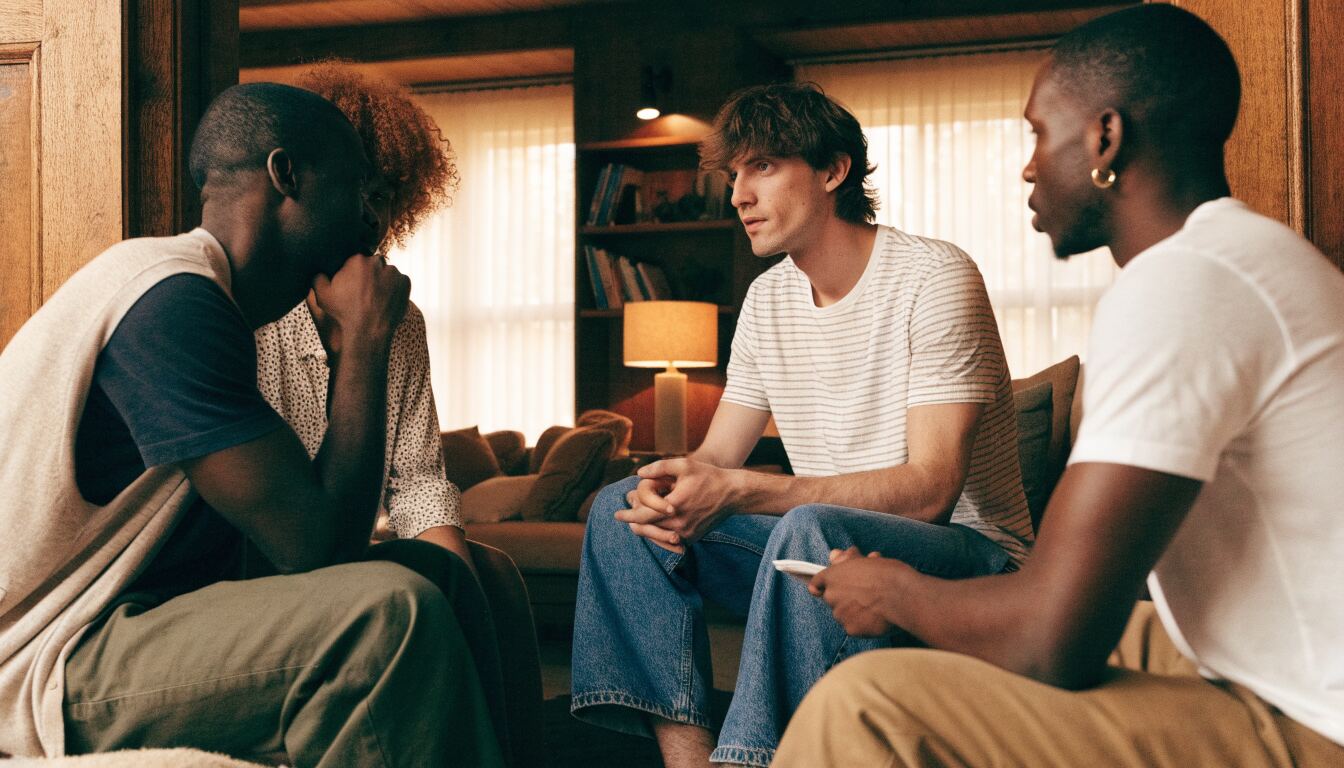
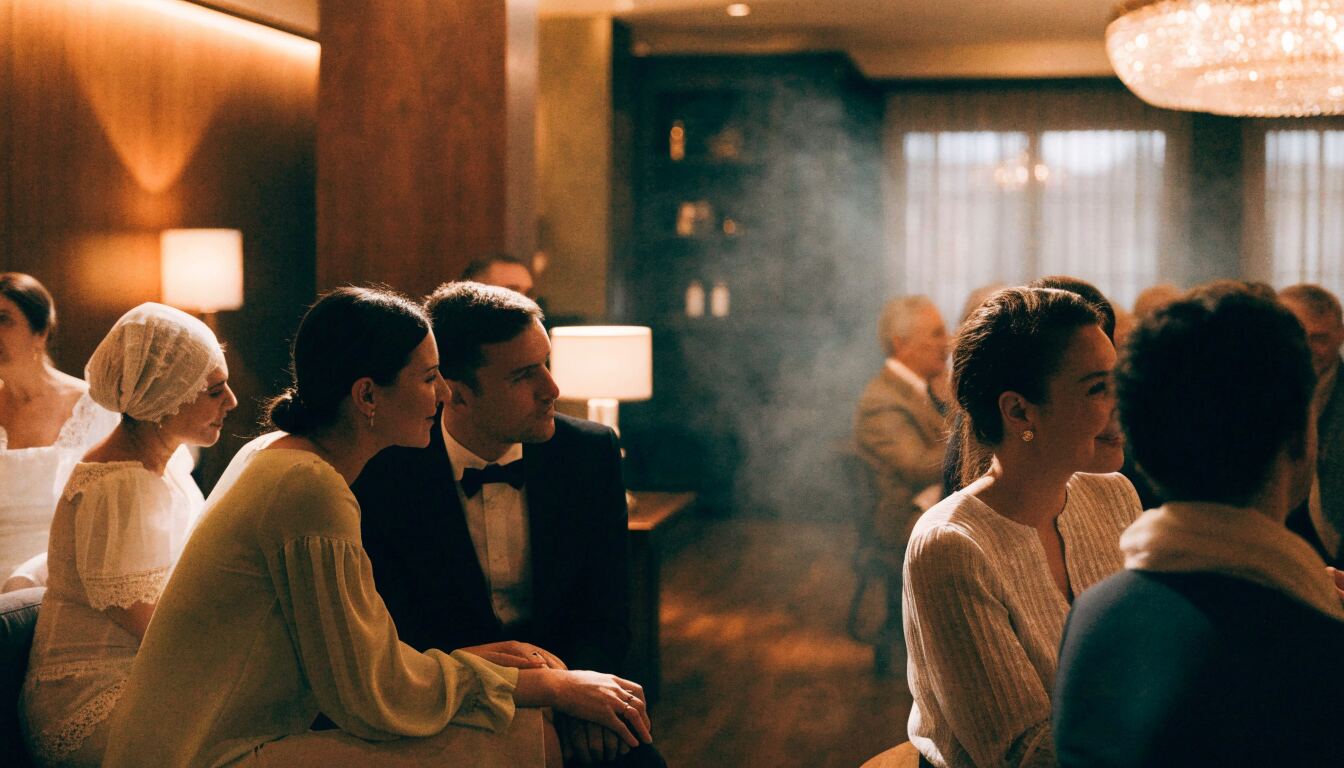
Exploring how men form bonds and express intimacy with each other reveals a rich and varied landscape. The settings range from fleeting glances in a park to curated experiences at exclusive events, each carrying its own unwritten rules and emotional weight. This exploration covers the full spectrum—public parks, vibrant nightlife venues, and controlled home gatherings—examining the motivations, challenges, and social dynamics at play. It's about more than just physical encounters; it's about identity, community, and the constant negotiation between personal desire and external judgment.
Reading the Room in Public Environments
The Private-Public Divide in Showing Warmth
A noticeable gap exists between how affection is expressed behind closed doors and how it's shown in open settings. In the sanctuary of a home, comfort reigns supreme for nearly all couples, regardless of orientation. Yet, for men engaging in same-sex interactions, stepping into a public square often triggers a mental shift. The wish to casually touch a partner's arm or share a gentle kiss doesn't fade—it might even intensify as a form of self-assertion—but the surrounding reality complicates its fulfillment. The contrast is stark: what feels natural at home becomes a deliberate, sometimes fraught, decision outdoors.
Walking the Tightrope of Visible Affection
For many men, public displays of warmth can feel like navigating a precarious path. A strong longing to be authentic wrestles with an undercurrent of anxiety about possible repercussions. This often results in a noticeable reduction in open gestures compared to heterosexual pairs, who typically enjoy a broader social license. Interestingly, comfort levels can shift based on company; many report feeling safer showing tenderness around trusted friends whose reactions are predictable, rather than amidst strangers. This isn't about concealment but about risk management. A brief handhold or a light touch on the back transforms into a calculated choice, balancing a need for connection against the potential for cold stares, muttered comments, or outright hostility.
The Weight of Constant Alertness
This persistent scan of one's environment is commonly termed vigilance—a state of low-level readiness where every setting is assessed before any intimate gesture, however small. It functions as a protective shield, but its constant use can be mentally draining. While many develop a resilient mindset to cope, the foundational stress remains tangible. This reality sharply contrasts with the relative ease many heterosexual couples experience, for whom public affection is rarely a safety calculation. The concern extends beyond mere social awkwardness; it's rooted in physical safety and emotional preservation. Whether in discreet cruising areas or more visible social hubs, the required level of awareness is far higher than in the secure confines of a private party or home.
The Social Fabric of Clubs and Organized Events
Venues as Community Anchors
Nightclubs and themed gatherings often stand as central pillars for LGBTQ+ social life. Stepping into such a space can feel like a release, providing a rare opportunity to mingle with others who share similar life experiences. These aren't just spots for music and drinks; they are essential social arenas where same-sex attraction can be investigated with greater freedom. A deep sense of community and validation often blossoms here, offering a reprieve from the daily pressures of less affirming environments. The freedom to be oneself, to laugh and flirt without a constant defensive posture, is a powerful draw.
Decoding the Unspoken Rules of Engagement
Mastering the social choreography of these venues is crucial. It involves a delicate dance between self-expression and situational awareness. Successfully navigating a club means tuning into body language, gauging the collective mood, and discerning which types of interactions are being welcomed by those around you.
- Sensing the Atmosphere: Is the collective vibe loose and inviting, or is it more subdued and watchful? The energy of a room can shift quickly.
- Learning from Others: How are other men connecting? What kinds of touch, proximity, or conversation seem to be the norm? Observation is a key learning tool.
- Honoring Personal Boundaries: What feels genuinely comfortable for you and your companion(s) in that moment? Self-check-ins are essential to avoid performing for others.
The human desire for open connection is genuine, yet the anticipation of a negative response remains a powerful force, subtly molding behavior even within these supposedly safer harbors.
How the Crowd Shapes the Experience
Even inside a welcoming venue, the composition of the audience exerts a strong influence. While the baseline comfort is higher than on a public street, the presence of various groups can still modulate behavior. For example, the dynamic might feel profoundly different in a space filled primarily with other gay men compared to a mixed crowd that includes straight allies or bachelorette parties. The perception of being observed or, conversely, being truly among one's own, directly impacts how freely affection is expressed. This internal calculation happens continuously, adjusting the level of openness to match the perceived safety of the immediate social circle.
The Controlled World of Private Gatherings
Forging Sanctuaries for Connection
When discussing men-only social events, private residences offer a distinct atmosphere compared to commercial venues. These are widely regarded as more manageable settings where guests can shed a layer of public vigilance. The goal is to construct a temporary bubble, a secluded haven, where the usual anxieties of the outside world can be temporarily suspended. It's about fostering a micro-community, perhaps just for a single night, where shared experiences, attractions, and curiosities can be navigated with significantly less external worry. The foundation of these events rests on mutual trust and an implicit respect among all attendees.
Navigating Private Party Etiquette
Even within the privacy of someone's home, a code of conduct exists. It's not a free-form environment devoid of expectations. Consider the context: Who is the host, and what atmosphere are they trying to cultivate? Some soirées are centered on relaxed socializing and building friendships, while others may be intentionally designed for more specific types of physical exploration. The ability to read the room remains just as critical here. Being attentive to the boundaries of others is paramount. This is a curated social experience with its own set of norms, even if they are never formally stated.
Here are several guidelines to internalize:
- Prioritize Personal Space: The private setting does not grant automatic permission for physical touch. Consent must still be actively sought and given.
- Monitor Noise Levels: Be considerate of the venue, especially if it's in an apartment complex or a quiet residential street. Discretion protects the space.
- Communicate with Clarity: If someone catches your interest, express it with tact and respect, and be gracefully prepared to accept a rejection without pressure.
- Leave No Trace: If you create a mess, take responsibility for tidying it up. This shows respect for the host and the space.
Harmonizing Impulse and Social Boundaries
A private party can act as a pressure valve, allowing desires that are often suppressed in daily life to surface. Yet, internal and social constraints don't simply vanish at the door. Every guest is still a complex individual with personal history, fluctuating comfort zones, and unspoken expectations. The collective mood can pivot dramatically based on the mix of people and the energy they bring. It's a nuanced balancing act: expressing one's authentic self while simultaneously preserving the delicate social harmony of the gathering. Frequently, a personal desire for a specific connection might collide with the subtle realities of the social situation, demanding a blend of emotional intelligence, patience, and situational finesse.
When Personal Longing Meets Social Stigma
A fundamental tension exists between an innate human drive for connection and the weight of societal judgment. The impulse to reach out and hold a partner's hand, to share a spontaneous laugh and a gentle touch, is a natural expression of bonding. It feels affirming and grounding. But for some, this simple act is layered with complexity due to pervasive social stigma.
This is the collision point where the desire for visible affection clashes directly with broader cultural attitudes. For individuals in same-sex relationships, a mundane gesture like holding hands can feel monumental. It's not solely an expression of love; it's also a public declaration of identity. Consequently, a state of constant alertness, a hyper-vigilance, takes hold. There's a perpetual internal scan evaluating who might be observing and what their reaction could be. This preemptive assessment is a cognitive burden rarely carried by those in mixed-sex relationships, who can typically navigate public spaces without this layer of calculation.
The practical impact of this dynamic is clear and measurable:
- Frequency of Public Affection: The internal wish to share gentle touches in public is equally strong across orientations, but the actual behavior is far less frequent for same-sex couples. A significant gap separates what is felt from what is safely enacted.
- Shifting Comfort Zones: While private time with a partner is universally comfortable, and time with friends is generally manageable, the comfort level for same-sex couples drops precipitously in undefined public spaces compared to their heterosexual counterparts.
- Dread of Negative Reactions: The mere anticipation of a hostile glance or a derogatory comment generates real stress. This leads many to preemptively avoid public affection, not from a lack of desire, but from a protective instinct against judgment or physical threat.
This ongoing negotiation between inner desire and outer pressure can be emotionally exhausting. It serves as a powerful reminder that public spaces are not neutral territory for everyone. Researchers continue to explore how these stigmatized relational practices are managed across different physical environments, highlighting the adaptive strategies people develop to find moments of safe connection.
How the Setting and Company Reshape Affection
The Powerful Role of the Audience
It's remarkable how drastically the location and the surrounding people can alter the experience of sharing affection. For men in same-sex relationships, the audience is not a passive backdrop; it's an active variable that dictates comfort. A gesture that feels entirely effortless and unguarded in a private space can become a source of intense self-consciousness the moment one steps into a public arena.
Consider the spectrum of audiences:
- Strangers: This category often presents the greatest challenge. The unpredictability of a stranger's reaction creates a background hum of anxiety. The fear of hostile attention or outright aggression leads many couples to adopt a reserved, platonic demeanor in public.
- Friends: A supportive friend group can act as a social buffer, creating a micro-environment where affection feels more permissible and relaxed. However, even here, a subtle consciousness of being perceived as 'different' can linger.
- Family: This context can be surprisingly complex. Despite the expectation of unconditional acceptance, expressing romantic warmth in front of parents or older relatives can generate significant discomfort for all parties, but is often amplified for same-sex couples. This may stem from the family being the original site of learning about relationships, where romantic gestures can inadvertently signal a sexual dimension that some relatives struggle to acknowledge or accept.
Comparing Private Openness and Public Restraint
When examining the frequency of affectionate acts, the setting emerges as the decisive factor. In private realms—be it a home or a trusted friend's residence where safety is assured—affection flows with greater liberty. Research indicates that same-sex couples might even feel a deeper sense of comfort expressing physical intimacy in these private sanctuaries than mixed-sex couples do, suggesting the private sphere is where the most unfiltered expressions of self can occur without hesitation.
However, once the door opens to the outside world, a dramatic shift occurs. The frequency of even small public displays of affection contracts sharply for same-sex pairs. This is not a reflection of diminished feeling but a direct adaptation to a less certain environment. The potential for invasive stares, whispered judgments, or more direct forms of hostility compels a strategy of holding back. The pattern is unmistakable: free and frequent in private, guarded and infrequent in public.
The Buffer of Friends vs. the Anonymity of Strangers
The people immediately surrounding a couple fundamentally shape their experience. Being encircled by a group of close, affirming friends can create a protective bubble, making gentle touches like an arm around a shoulder or a linked hand feel safer. The friends' visible acceptance can neutralize some of the perceived hostility of a broader public space, offering a form of social armor.
In stark contrast, being immersed in a sea of strangers is an entirely different psychological proposition. The anonymity of a crowd rarely translates into safety; more often, it amplifies a sense of vulnerability. The mental process of continuously scanning for negative reactions, of trying to instantly gauge the mood of dozens of unknown faces, is a taxing form of hyper-awareness. This vigilance can effectively smother the spontaneous urge to be openly affectionate. It's a persistent balancing act, a trade-off between the wish for authentic connection with a partner and the imperative of self-protection from ambiguous social consequences.
Moving Past Clichés: A Spectrum of Motivations
Debunking the Myth of Uniform Desire
It's a common and lazy assumption that all men who pursue same-sex encounters are driven by identical impulses, but this couldn't be further from the truth. The underlying motivations are as diverse and individual as the people themselves. While the yearning for open, public affection is a significant driver for some, it's merely one thread in a complex tapestry. For many others, the primary drive is a quest for belonging, a search for a space where they can explore facets of their identity in an atmosphere of safety and affirmation. These connections can be about finding a mirror for one's own experience.
Questioning the Stereotype of Promiscuity
A stubborn and damaging stereotype paints men who seek same-sex encounters as inherently promiscuous. This notion demands a critical reassessment. While some individuals may indeed be exploring a phase of casual connections—a valid choice in itself—many others are seeking a depth of connection that the stereotype completely obscures. The pursuit can be about profound intimacy, emotional bonding, or simply a fleeting yet powerful moment of shared, wordless understanding. The societal pressure to conform to these narrow labels adds a heavy emotional burden. Motivations often include:
- Seeking a sense of validation and self-acceptance.
- Exploring the fluid landscape of personal identity and desire.
- Finding a network of community and shared life experiences.
- Discovering forms of intimacy that exist outside of conventional relationship frameworks.
Intentional Encounters and Forming Bonds
It's important to recognize that not every interaction is a spontaneous event. A great many men plan their social engagements with clear intentions, sometimes with specific relational objectives in mind. These goals can span a wide range, from the search for a long-term romantic partner to the exploration of polyamorous structures, or even the simple, profound desire to build a more robust and supportive social circle. This speaks to a high level of intentionality and a frequent yearning for a meaningful, enduring connection, rather than just an ephemeral moment. Understanding these planned dynamics is essential to moving past a simplistic view that equates all same-sex socializing with anonymous encounters.
The Broad Continuum of Identity and Behavior
Finally, it's crucial to remember that human sexuality rarely conforms to rigid, binary categories. Individuals identify and behave across a vast continuum. A man might identify as gay, while another might identify as bisexual, pansexual, or may reject labels entirely, existing somewhere fluid on the spectrum. Their reasons for pursuing same-sex connections are profoundly influenced by this personal sense of identity. Recognizing this complexity means acknowledging that attraction and behavior are multi-layered phenomena that resist being forced into tidy, pre-defined boxes. This intricate reality is often the first casualty when we rely on broad, sweeping stereotypes to understand human connection.
Understanding the Emotional Landscape of Public Affection for Men
For many men in same-sex relationships, the decision to hold hands or share a gentle kiss in public isn't just a spontaneous gesture—it's often a calculated choice. Unlike couples whose relationships align with traditional societal norms, these men frequently navigate an extra layer of emotional labor. The fear of negative attention or outright hostility can transform a simple act of love into a moment of risk assessment. This dynamic stems from lingering social stigmas that, while improving in some areas, still cast a shadow over everyday interactions. It's not that the desire for connection is any less fierce; rather, external pressures can dampen the freedom to express it openly.
Navigating Safety and Desire in Shared Spaces
The tension between wanting to show affection and needing to stay safe creates a unique psychological burden. Research consistently shows that men in same-sex partnerships yearn for public displays of closeness just as deeply as their heterosexual counterparts—sometimes even more so, as a way to affirm a bond that society often overlooks. Yet the reality is that these moments of tenderness are often suppressed. Imagine seeing your partner across a park bench and feeling a surge of warmth, but instead of acting on it, you pause to scan the faces around you. This internal conflict can lead to a disconnect between genuine feelings and outward behavior, a gap shaped by the unpredictable reactions of strangers. Practical tip: if you're in this situation, consider starting with small, less conspicuous gestures, like a brief touch on the arm, to test the waters in unfamiliar environments before building up to more visible displays.
The Role of Curated Environments in Fostering Comfort
Not all spaces feel equally charged with judgment. Venues designed with the LGBTQ+ community in mind—such as themed bars, dance clubs, or social gatherings—often provide a welcome reprieve. In these settings, the atmosphere tends to be more permissive, allowing men to express attraction without the same level of scrutiny. Think of it as stepping into a zone where shared understanding acts as a buffer against the outside world. Private parties take this a step further, offering an even greater sense of security. When you're surrounded by familiar, trusted faces, the guard can come down entirely, making it easier to relax into authentic interactions. A helpful approach is to gradually explore different types of spaces, from public-friendly venues to more intimate private events, to discover where you feel most at ease.
Decoding the Habit of Constant Alertness
There's a term for the ongoing watchfulness many men practice: vigilance. It's more than just being aware of your surroundings; it's a persistent, low-grade surveillance of potential threats. For someone in a same-sex relationship, this might look like mentally noting exits, tracking who glances your way, or gauging the mood of a crowd before reaching for a partner's hand. This state of high alert isn't just tiring—it can drain mental reserves even when no confrontation occurs. The mind stays in a defensive mode, scanning for disapproval cues that may never materialize. To manage this, it can be useful to develop grounding techniques, such as focusing on the positive sensations of the moment with your partner, to counterbalance the instinct to constantly monitor the environment.
The Hidden Toll on Personal Well-Being
Living with this extended caution isn't without consequences. The ongoing strain, often labeled as minority stress, can chip away at both emotional and physical health over time. It's akin to carrying an invisible backpack filled with rocks; you might adapt to the weight, but it still slows you down. Some individuals build resilience through support networks or personal coping strategies, yet the cumulative effect can manifest as anxiety, fatigue, or even a suppressed immune response. Recognizing this impact is the first step toward addressing it. Small acts of self-care, like debriefing with a trusted friend after a tense public outing or engaging in relaxation exercises, can help offset the burden and restore a sense of balance.
Diverse Motivations Behind Same-Sex Encounters
It's a mistake to assume that all men who pursue same-sex connections, particularly in discreet or public settings, share a single mindset. The stereotype of reckless promiscuity or social ineptitude misses the rich tapestry of human motivation. For some, these encounters are a quiet exploration of identity, a way to understand long-suppressed feelings without immediate disclosure. Others might be searching for genuine emotional intimacy in a world that offers few safe outlets. Still, there are those navigating dual lives, constrained by societal or familial expectations that make open expression impossible. Each path is distinct, shaped by personal history and circumstance. By moving past broad generalizations, we can better appreciate the nuanced journeys that bring men together in these spaces.
Embracing Authenticity While Staying Grounded
The interplay between public and private worlds for men in same-sex relationships is complex, woven with threads of desire, caution, and resilience. The key takeaway is that while external pressures can shape behavior, they don't define the depth of feeling or the validity of connection. By understanding the forces at play—from the stress of vigilance to the sanctuary of accepting spaces—individuals can make more intentional choices about how and where to express their bonds. Whether in a bustling club or a quiet living room, the goal remains the same: to honor the impulse for closeness in a way that feels both true and safe. As social attitudes slowly evolve, the hope is that the gap between wanting to show affection and actually doing so continues to shrink, allowing more men to experience the simple joy of being seen with the one they care for.