Stepping Into the World of Consensual Non-Monogamy
When you first encounter concepts like open relationships and polyamory, it’s easy to feel a bit lost. These terms circulate widely in conversations about modern dating, yet they often get muddled together as if they describe the identical approach to love and intimacy. In reality, they share a common foundation of mutual agreement among everyone involved, but their core intentions and daily rhythms diverge in meaningful ways. Whether you’re simply curious or actively considering a new relationship structure, grasping these nuances can illuminate what might resonate with your own desires.
Think of consensual non-monogamy as a broad canopy sheltering a variety of dynamics. Beneath it, you’ll find paths that emphasize sexual adventure, others that prioritize deep romantic ties, and many that blend elements of both. This article unpacks the primary contrasts between open relationships and polyamory, examining how they operate, what drives them, and how personal identity shapes the choice. By the end, you’ll have a clearer lens for understanding these distinct ways of connecting with others.
Unpacking Open Relationships: The Role of Sexual Exploration
At the heart of many open relationships lies a primary partnership that serves as the emotional home base. Two people commit to each other as the central unit, yet they agree that sexual encounters with others are permissible under certain conditions. The emphasis here tilts heavily toward physical freedom rather than cultivating additional romantic bonds. It’s a setup where the couple remains the anchor, and outside experiences orbit around that core without threatening its stability.
Imagine a sturdy tree with branches that stretch outward but always trace back to the same trunk. The primary connection provides nourishment and grounding, while the branches represent consensual sexual connections that add variety and novelty. Partners might craft specific guidelines about how they meet new people, what kinds of physical intimacy are allowed, and how often they engage with others. Some duos even explore swinging together, attending events or meeting other couples as a team, which keeps the shared adventure front and center while safeguarding their romantic exclusivity.
This model appeals to those who cherish their primary bond deeply but crave a wider range of physical experiences. It’s not uncommon for couples to view this as a way to satisfy distinct curiosities or desires without dismantling the relationship they’ve built. The framework often includes practical rules: maybe dates happen only on certain nights, or partners share details afterward to maintain transparency. These agreements aren’t rigid decrees but living understandings that evolve as comfort levels shift. A major advantage is the potential for reversibility—if the arrangement stops feeling right, the couple can decide to close the relationship again, returning to a fully exclusive dynamic without necessarily damaging the foundational trust.
Clear communication acts as the glue holding everything together. Regular check-ins help ensure neither person feels neglected or overwhelmed. For instance, a couple might set aside time each week to discuss how they’re feeling about the openness, addressing any twinges of jealousy or logistical hiccups before they swell into larger issues. Safety practices, particularly around sexual health, also demand ongoing dialogue and consistency. When handled thoughtfully, an open relationship can inject excitement and growth while reinforcing the primary partnership’s resilience.
Defining Polyamory: A Tapestry of Romantic Connections
Polyamory shifts the spotlight from a single couple to the individual’s capacity for loving multiple people simultaneously. Instead of cordoning off romantic feelings for one person, this approach welcomes the possibility of deep, committed bonds with several partners at once. The emotional dimension takes precedence over purely physical exploration, though sex often plays a natural role within these multifaceted relationships. For many practitioners, polyamory isn’t just a choice—it feels woven into their identity, much like an orientation that shapes how they relate to others regardless of their current relationship status.
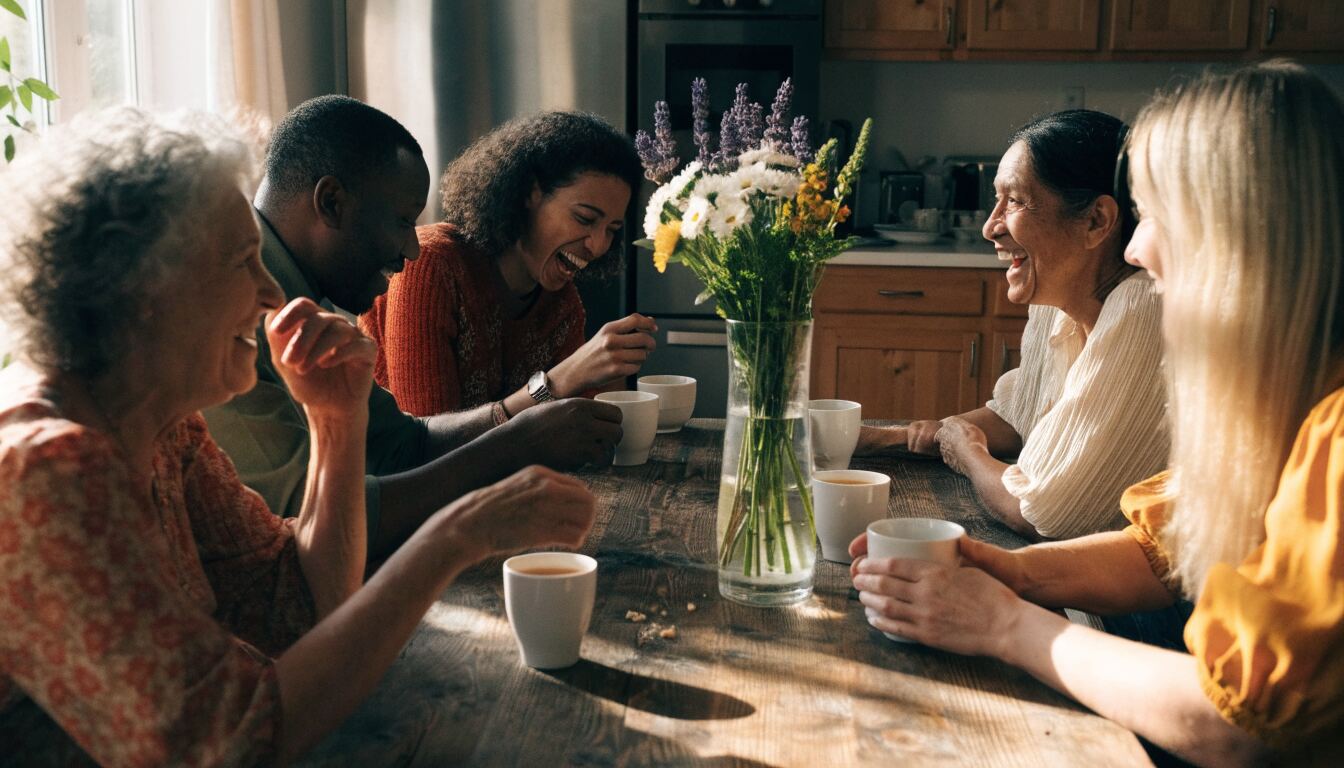
Picture a web of interconnected threads rather than a hub with spokes. Each connection holds its own weight and significance, and there isn’t always a designated “primary” partner who automatically outranks others. Some polyamorous folks do embrace hierarchy, where a nesting partner or long-term companion receives more time or decision-making power, but others strive for non-hierarchical arrangements where all relationships are treated with equal care. The term “polycule” captures this network—a constellation of people linked through romantic or intimate ties, sometimes including metamours (your partner’s other partner) who become friends or chosen family. This can foster a rich support system, often called “kitchen-table polyamory,” where everyone feels comfortable gathering around the proverbial table.
Building multiple romantic bonds requires intentional effort. Scheduling becomes an art form, with shared calendars tracking dates, quiet nights, and group hangouts. Emotional labor also multiplies; you’re not just maintaining one deep connection but nurturing several, each with its own needs and rhythms. Someone new to polyamory might start by reading books, joining discussion groups, or working with a therapist familiar with non-traditional relationships to build skills like compersion—the joy in seeing a partner happy with another person. Practical tips include designating regular one-on-one time with each partner, practicing radical honesty about your feelings, and staying flexible when plans shift. The reward is a life where love feels abundant rather than finite, and where personal growth emerges from navigating complexity with grace.
The Core Distinction: Love Versus Sex
When comparing these two styles, the simplest divider is often the primary goal. Open relationships typically carve out space for sexual variety while preserving romantic fidelity to one person. Polyamory, by contrast, invites multiple loving relationships to flourish alongside each other. Of course, real life rarely fits into neat boxes. An open relationship might unexpectedly develop deeper emotional layers, and a polyamorous setup might include casual flings that don’t evolve into full romance. But the guiding intention usually points in a clear direction.
Consider a couple who adores their life together but wants to explore physical chemistry with others. They might set up an open arrangement where outside connections remain firmly in the casual zone, with rules like no overnight stays or no repeated dates with the same person to guard against emotional entanglement. On the flip side, someone practicing polyamory might invest months cultivating a new relationship, introducing that partner to friends, and weaving them into life decisions—all while maintaining another committed bond. The distinction isn’t about superiority; it’s about alignment. Asking yourself whether you’re seeking fresh sexual experiences or additional loving partnerships can clarify which path fits your current chapter.
Communication remains the bedrock across both styles. Without it, assumptions breed resentment. A helpful practice is to articulate your desires explicitly: “I want to keep our romantic connection exclusive while we both enjoy casual sex with others” lands in open relationship territory, while “I want to build loving relationships with multiple people who all know about each other” points toward polyamory. Being this specific upfront prevents heartache down the road and helps potential partners decide if they’re on board.
Key Trraits of Open Relationships
The Central Pair as the Anchor
In most open relationships, the original dyad functions as the sun in a solar system. Other connections, however enjoyable, revolve around that central gravity. This doesn’t diminish the respect owed to outside partners, but it does establish a clear pecking order. The primary couple’s health gets top priority, and decisions about the relationship’s future typically rest with them. For example, if one person feels uncomfortable with a particular outside partner, the couple might agree to end that connection to protect their core bond. This hierarchy provides structure and can reduce anxiety for those who thrive on clear boundaries.
Maintaining this focus requires ongoing nurturing. Date nights, shared projects, and emotional check-ins keep the primary relationship vibrant. Some couples create a “relationship agreement” document that outlines everything from how they’ll handle unexpected feelings to what happens if one person wants to close the relationship again. This isn’t about control but about co-creating a container that feels safe for both people. When the central partnership feels solid, the freedom to explore elsewhere often feels less threatening and more like a shared adventure.
Sexual Freedom Without Romantic Entanglements
The “open” in open relationship most commonly refers to sexual access. Partners grant each other permission to experience physical intimacy with others, whether through solo dates, swinging together, or other configurations. The focus stays on bodily pleasure and novelty rather than building a parallel romantic life. This can look like attending lifestyle events, using dating apps with clear profiles stating the arrangement, or meeting people through mutual friends in the community.
To keep things running smoothly, many pairs establish specific protocols. They might agree to always use protection, to share basic details about encounters, or to avoid bringing outside partners into their shared home. These aren’t punishments but tools for preserving trust. A practical tip: revisit these agreements every few months. What felt comfortable at the start might need tweaking as you gain experience. Flexibility within a clear framework allows the relationship to breathe while minimizing misunderstandings.
Adaptability and Fluidity
One underappreciated aspect of open relationships is their capacity to change shape. A couple might open up for a season—say, during a period of long-distance or after a mutual decision to explore—and then close again when circumstances shift. This isn’t failure; it’s responsiveness. The structure can also morph: starting with threesomes together, moving to solo dates, then pulling back to only occasional group play. The key is that both partners remain in dialogue and consent to each evolution.
This flexibility makes open relationships accessible to people who aren’t ready for a full-scale redefinition of monogamy but want to experiment. It can serve as a stepping stone, a way to test the waters of non-monogamy without committing to a permanent identity shift. Just beware of using openness as a bandage for underlying issues—adding more people rarely fixes a cracked foundation. Instead, approach it as an enhancement to an already sturdy partnership.
Key Characteristics of Polyamorous Relationships
Centering the Individual, Not Just the Pair
Polyamory often reframes the entire concept of relationship. Instead of starting from a couple that “opens up,” it begins with each person as an autonomous agent who forms multiple bonds. This means your connection with one partner doesn’t automatically define or limit your connection with another. Each relationship stands on its own merits, with its own inside jokes, rituals, and growth trajectory. For someone accustomed to couple-centric thinking, this can feel radically liberating—or disorienting, at first.
Embracing this mindset involves unlearning the idea that one person must meet all your needs. You might share intellectual conversations with one partner, physical adventure with another, and domestic cozyiness with a third. None of these connections is “less than”; they’re simply different facets of a full life. To make this work, individuals must cultivate strong self-awareness and communication skills. Knowing your own needs, boundaries, and capacity helps you show up honestly for each relationship without overpromising.
Embracing Multiple Emotional and Romantic Bonds
This is where polyamory truly distinguishes itself. The belief that love is not a finite resource underpins the entire philosophy. You can adore one person deeply and still have room for another profound connection that grows alongside it. These bonds often involve the full spectrum of intimacy: emotional vulnerability, shared goals, conflict resolution, and long-term commitment. Some polyamorous people even raise children together, buy property, or blend finances across their network.
Nurturing multiple romantic relationships demands intentionality. It helps to schedule regular “state of the union” talks with each partner, where you discuss how things are going and address any concerns. Practicing compersion—actively cultivating happiness for your partner’s other joys—can counterbalance jealousy. It’s not about suppressing hard feelings but about reframing them: instead of “I’m losing something,” try “my partner is gaining something, and that enriches their life.” Over time, this shift can transform how you experience love altogether.
The Polycule and Interconnected Networks
A polycule isn’t just a quirky term; it describes the living, breathing web of relationships that forms around polyamorous individuals. You might be directly involved with two people, each of whom has other partners, and those partners might have their own connections. This network can provide remarkable support—childcare swaps, emotional backup during hard times, or simply a wider circle of people who understand your lifestyle.
Navigating a polycule requires diplomacy. Metamour relationships (connections between you and your partner’s other partner) can range from close friendship to cordial distance, and there’s no one right way. The golden rule is respect: you don’t have to be best friends, but treating each other with kindness and clear communication keeps the ecosystem healthy. Some people find that regular group dinners or check-ins help maintain harmony, while others prefer parallel polyamory, where metamours interact minimally. Honor what works for everyone involved.
Navigating Dynamics and Personal Boundaries
Hierarchical Versus Non-Hierarchical Polyamory
Within polyamory, a significant fork in the road is whether to adopt hierarchy. Hierarchical polyamory designates certain partners as primary, often based on factors like shared living space, marriage, or length of relationship. This primary partner might have veto power over new connections or receive more time and resources. For some, this structure provides clarity and security, especially when juggling multiple commitments.
Non-hierarchical polyamory, sometimes called egalitarian polyamory, rejects the idea of ranking partners. Each relationship is valued for its unique qualities, and no one automatically gets priority. Decisions get made through discussion among all affected parties, not by a single “main” couple. This approach can feel more aligned with the core polyamorous value of abundant love, but it also requires more negotiation and emotional maturity. Neither model is inherently better; the right choice depends on your temperament and the needs of the people you’re involved with.
Crafting Agreements in Open Dynamics
Open relationships often run on explicit agreements that spell out the rules of engagement. These cover territory like: How much information do you share about other encounters—full details, just the basics, or only if asked? What types of intimacy are on the table—strictly casual sex, or are ongoing friendships okay? Where and how can you meet new people—certain apps, social events, or only when traveling? And critically, what are the safe-sex protocols, including testing frequency and barrier use?
These agreements work best when they’re co-created and regularly revisited. A couple might start with a rule like “no sleeping with mutual friends,” then realize that feels too restrictive or, conversely, that it’s essential for comfort. Adjusting the terms isn’t a sign of weakness; it’s a sign of a living, breathing arrangement. The goal is to design a container that both people feel good about, not to follow a one-size-fits-all template. Writing things down can prevent “I thought you meant…” disputes later.
Juggling Time, Energy, and Needs
Whether you’re in an open relationship or a polyamorous network, you’re dealing with finite resources: hours in the day, emotional bandwidth, and physical energy. Balancing these across multiple connections is perhaps the most practical challenge of consensual non-monogamy. It starts with honest self-assessment: How much time can you realistically dedicate to outside relationships without shortchanging your primary bond or your own well-being? How do you recharge—alone, with a partner, or in a group?
Calendars become indispensable tools. Color-coded schedules, shared digital planners, and regular planning sessions help everyone feel considered. But it’s not just logistics; it’s also about emotional presence. When you’re with one partner, be fully there rather than distracted by texts from another. Some people set specific communication boundaries, like no phones during date nights, to protect quality time. And don’t forget self-care: you can’t show up generously for others if you’re running on empty. Build in solo time, hobbies, and rest as non-negotiable parts of your rhythm.
Shared Foundations Across Styles
Despite their differences, open relationships and polyamory rest on common ethical pillars. The most fundamental is informed consent: every person involved knows the nature of the arrangement and genuinely agrees to participate. This transparency separates ethical non-monogamy from infidelity. It means no hidden partners, no vague “don’t ask, don’t tell” policies that breed anxiety, and no pressure to accept terms you’re uncomfortable with. Consent is ongoing, too—you can renegotiate or withdraw it as your feelings evolve.
Communication serves as the lifeblood of these relationships. It’s not a one-time conversation but a continuous practice. Regular check-ins, whether weekly sit-downs or casual daily touchpoints, keep everyone aligned. Topics might include how you’re feeling about the arrangement, any jealousy flare-ups, or logistical adjustments. The skill lies in expressing your truth without blame and listening without defensiveness. Many people find that learning nonviolent communication techniques or working with a therapist accelerates this growth.
Then there’s the unavoidable reality of jealousy and insecurity. Even in the most ethical setups, these feelings arise. Maybe you feel a sting when your partner lights up about a new date, or you worry you’re being replaced. The goal isn’t to eliminate jealousy but to handle it constructively. Start by naming the feeling without judgment: “I’m noticing some jealousy right now.” Explore its roots—is it fear of loss, a need for reassurance, or something from your past? Then communicate your needs clearly: “I could use some extra quality time this week” or “Can we talk through what I’m feeling?” Over time, this process can deepen intimacy rather than erode it.
Personal Fit and Identity Considerations
Figuring out whether open relationships or polyamory suits you involves looking inward. Society feeds us a steady diet of monogamous scripts, so even considering alternatives can feel like stepping off a map. But your relationship style should reflect your authentic self, not just cultural defaults. It’s okay to experiment, to change your mind, and to land somewhere in between. The journey itself teaches you about your needs, boundaries, and capacity for connection.
Open Relationships as a Chosen Framework
For many, an open relationship is a deliberate structure adopted to enhance a primary bond. It’s a practical choice, not necessarily an identity. You and your partner might decide, “We love our life together, and we also want to explore sexually with others while keeping our emotional commitment exclusive.” This works well when both people value the security of a central partnership and view outside encounters as recreational or exploratory rather than romantic.
This framework can be especially appealing if you have a strong, communicative primary relationship and a shared sense of adventure. It allows you to sample variety without fundamentally restructuring your life. The key is ensuring both partners are genuinely enthusiastic, not just going along to please the other. Resentment brews quickly when one person feels coerced. If you’re considering this path, start with small steps: maybe just flirting at first, then debriefing how it felt, before jumping into full encounters.
Polyamory as an Inherent Orientation
For some, polyamory goes beyond a lifestyle choice and feels more like an intrinsic orientation. These individuals experience the desire for multiple loving relationships as a core part of who they are, similar to how someone might identify as gay or straight. They may have felt “different” long before they had language for it, sensing that their heart naturally gravitated toward multiple connections. For them, polyamory isn’t just about having more partners; it’s about honoring a fundamental way of relating to love.
If this resonates, you might find that monogamous relationships feel constraining or inauthentic, even when you deeply care for someone. Exploring polyamory can feel like coming home to yourself. It’s important to seek out community—local meetups, online forums, or polyamory-friendly therapists—to navigate the unique challenges and joys. Remember, identity doesn’t mandate action; you can be polyamorous by orientation and still choose, at times, to be in a monogamous or single phase.
How Personality Shapes Your Path
Your temperament influences which style fits best. Are you someone who thrives on deep, intricate emotional landscapes and enjoys managing complex social webs? The polyamorous life, with its multiple romantic threads and polycule dynamics, might energize you. Do you prefer clear structures, a strong home base, and compartmentalizing sexual exploration from romantic entanglement? An open relationship could align more naturally with your wiring.
Consider also your relationship with jealousy, communication, and independence. If you process emotions internally and need lots of alone time, parallel polyamory or a more casual open setup might suit you. If you’re a verbal processor who loves group harmony, kitchen-table polyamory could be a dream. There’s no personality test that spits out the right answer; it’s about self-reflection and honest trial. Pay attention to what feels expansive versus draining, and let that guide you.
Practical Tips for Your Journey
Regardless of which path calls to you, a few practices can smooth the way. First, educate yourself thoroughly. Read books, listen to podcasts, and learn from others’ experiences before diving in. Knowledge helps you anticipate common pitfalls and approach things with eyes wide open. Second, start slowly. You don’t need to overhaul your entire relationship landscape overnight. Dip a toe in, assess how it feels, and adjust accordingly.
Third, build a support network. Find friends, communities, or professionals who understand non-monogamy and can offer guidance without judgment. Isolation amplifies challenges, while connection normalizes them. Fourth, prioritize your existing relationships. The excitement of new connections shouldn’t come at the expense of neglecting partners who’ve been with you. Regular appreciation and quality time go a long way. Finally, be patient with yourself and others. Unlearning monogamous conditioning and developing new skills takes time. Mistakes will happen; what matters is how you repair and learn from them.
Your relationship journey is uniquely yours. Whether you land on open relationships, polyamory, or something that blends elements of both, the goal is the same: crafting connections that bring genuine fulfillment, rooted in honesty and care. Stay curious, keep communicating, and trust that the right structure will emerge as you honor your truth and the truths of those you love.
Common Questions About Open Relationships and Polyamory
How Do Open Relationships Differ From Polyamory at Their Core?
Picture a couple who decides to allow sexual encounters outside their partnership while preserving their exclusive emotional bond—that's the essence of an open relationship. The romantic heart of the connection stays between the two original partners. Polyamory takes a different path, embracing the possibility of forming multiple romantic attachments simultaneously. Rather than limiting love to one person, it celebrates the capacity to nurture deep emotional ties with several partners, all with everyone's informed consent.
Does Sex Drive the Open Relationship Model?
Generally speaking, open relationships are built around physical exploration. Partners may seek out new sexual experiences with others, but they typically keep their primary romantic focus on each other. While fondness or affection can emerge from these outside encounters, the couple usually draws a line to safeguard their central emotional connection. This makes open relationships a practical choice for those who want variety in their intimate lives without redefining their core partnership.
Can You Truly Love More Than One Person in Polyamory?
Yes, and that's the whole point. Polyamory rests on the belief that the heart isn't a limited resource—you can share profound, committed love with several individuals at once. These connections aren't superficial flings; they involve genuine emotional intimacy, care, and long-term dedication. The magic lies in everyone being aware and agreeable, creating a transparent environment where multiple loving relationships can flourish side by side.
What Exactly Is a Polycule?
Think of a polycule as a living map of interconnected hearts. It's the entire web of people linked through romantic or sexual ties within a polyamorous circle. Some individuals might be dating each other directly, others might share a common partner, and still others might simply be close friends who orbit the same relationship network. This term captures the beautiful complexity of how polyamorous communities weave together, acknowledging that love rarely follows a straight line.
Do Jealousy Still Appear in These Relationship Styles?
Absolutely—jealousy doesn't magically vanish just because you've chosen non-monogamy. It's a natural human response that can surface in any relational setup. What matters is how people handle it. Successful open relationships and polyamorous dynamics rely on honest communication, clear boundaries, and a willingness to unpack insecurities together. Many find that addressing jealousy head-on actually deepens trust and self-awareness over time.
Is Polyamory the Same as Having Multiple Spouses?
Not at all. While polyamory involves multiple romantic partners, it doesn't dictate living arrangements or legal ties like traditional marriage does. Some polyamorous individuals might designate a primary partner they cohabitate with or share finances with, while others strive for equality across all connections. The beauty of this approach is its flexibility—you and your partners craft the structure that fits your unique needs, whether that means nesting together or maintaining separate households.
Navigating the landscape of non-monogamy means understanding that open relationships and polyamory serve different emotional appetites. One prioritizes sexual freedom within a secure romantic base, while the other invites love to multiply across multiple bonds. Both require ongoing dialogue, mutual respect, and a willingness to grow. By clarifying these distinctions, you can better choose a path that aligns with your own desires and values, building connections that feel authentic and fulfilling.