What Draws People to a Closely Connected Polyamorous Life?
Mant people exploring ethical non-monogamy are searching for more than just a series of separate romances; they crait a sense of belonging that feel like an extended chosen family. This approach, often describe as a communal or tight-knit style, invites everyone involve to interact comfortably, share meals, and build genuine bonds beyond the primary couple. It's a vision where metamours—your partner's other partners—aren't strangers but trusted companions in a larger supportive network.
But how do you know if this intimate, all-hands-on-deck model matches your own heart? In this piece, we'll walk through the warmth and the hurdles of this dynamic. We'll look at the practical payoffs, like pooling resources and building a deep sense of security, alongside the emotional hurdles, such as managing envy and dividing your time fairly. By the end, you'll have a clearer map to assess whether this path fits your values, your lifestyle, and your vision for love.
What Exactly Is a Communal, Kitchen-Table Polyamorous Style?
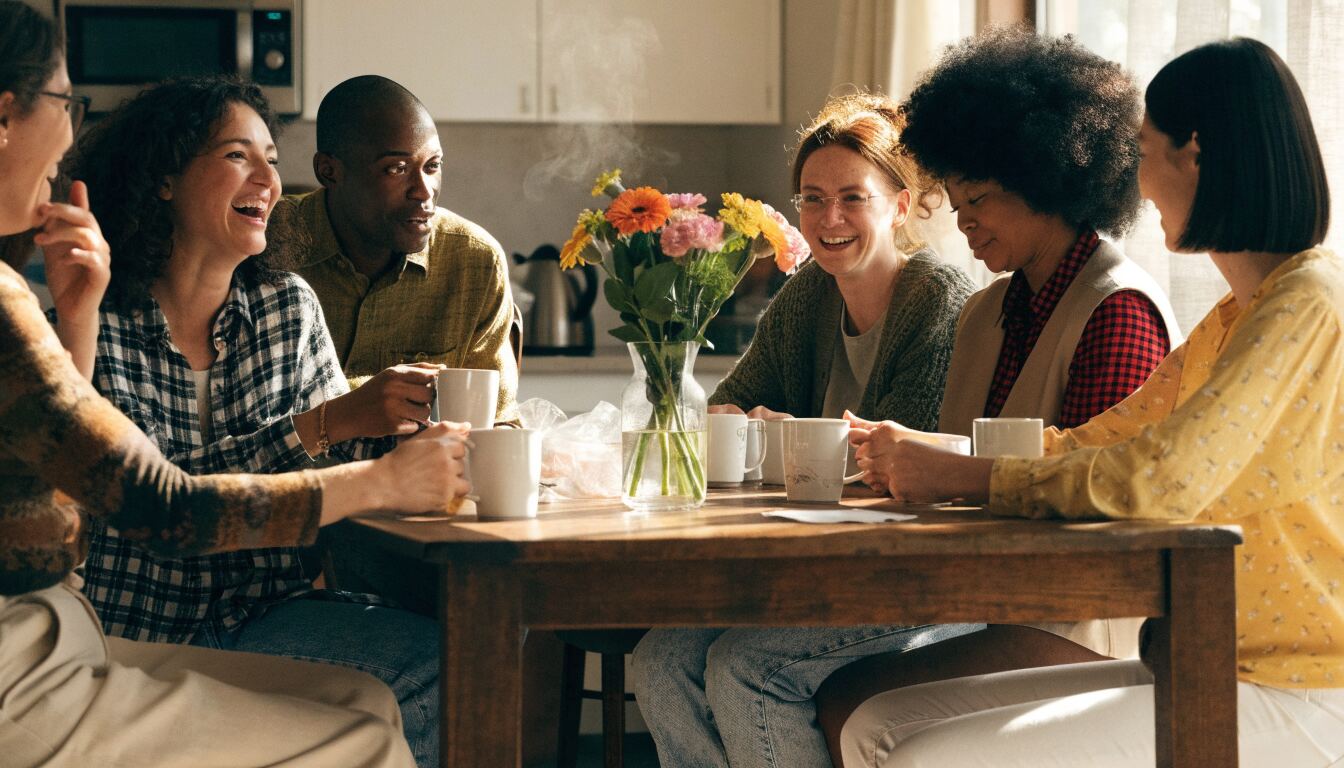
Picture a scenario where every person in your romantic network feel comfortable enough to drop by unannounced, share a coffee, and chat about their day. That's the heart of this philosophy. It moves beyond simply knowing *of* each other and into the realm of active, caring friendship. The aim is to nurture a space where everyone feels seen, valued, and part of a cohesive unit, much like a family where not everyone is married but everyone is committed to mutual well-being.
Cornerstone Characteristcs of This Dynamic
Several defining features set this style apart from more detached forms of non-monogamy. First, transparent dialogue is non-negotiable. Feelings, needs, and worries are shared openly, not hidden to keep the peace. Second, there's an intentional effort to cultivate bonds between metamours. These aren't just polite acquaintances; they're people you might call in a crisis or invite to a movie night. Third, group socializing is common, from Sunday dinners to holiday traditions, reinforcing the shared connection. Fourth, a spirit of reciprocity means offering both emotional encouragement and practical help—think picking up groceries for a busy partner or providing a listening ear after a tough week. Finally, flexibility is key. The structure must adapt as individual relationships grow and shift, with everyone willing to revise agreements along the way.
Distinguishing This Model from Parallel or Hierarchical Systems
Other polyamorous frameworks operate with different boundaries. In parallel polyamory, individuals often prefer their relationships to exist in separate lanes, with little to no interaction between metamours. A hinge partner might split their time cleanly, but the two sides of their life rarely intersect. Hierarchical polyamory, meanwhile, assigns priorities—a primary relationship might hold veto power or central decision-making authority, which can clash with the egalitarian spirit of a communal style where connection and equity are prized. The communal model actively pushes against separation, encouraging overlapping circles and shared experiences. Whether that feels enriching or exhausting depends entirely on the personalities involved.
The Bright Sides: Benefits of an Intertwined Polyamorous Network
For those who thrive on closeness, this relationship architecture can offer profound rewards. The benefits extend beyond romantic fulfillment into practical, day-to-day support and emotional resilience.
Deepened Communication and Unshakable Trust
When everyone is expected to sit at the same table—both literally and metaphorically—regular, honest check-ins become a natural habit. There's no room for secrecy or avoidance because issues ripple through the entire group. This constant flow of dialogue doesn't just prevent misunderstandings; it actively forges a deeper level of trust. You're not just aware of what's happening in your partner's other relationship; you understand their partner's perspective, which humanizes them and reduces the fear of the unknown. Over time, this transparency can make the entire network feel safer and more stable than a collection of isolated dyads.
A Robust Suppor System and Shared Joy
One of the most celebrated advantages is the creation of a true community. This isn't just a dating pool; it's a safety net. The emotional benefits include:
- Having multiple people to lean on during personal crises, job losses, or health scares.
- Celebrating milestones—birthdays, promotions, personal victories—with a group that genuinely cheers for you.
- A ready-made social circle that understands your relationship choices without judgment, offering a refuge from a world that often centers monogamy.
This kind of village can be a lifeline, especially for individuals who live far from their biological families or who have built their lives around chosen kinship. It transforms the polyamorous experience from a series of private romances into a collective, shared adventure.
Poolng Practical Responsibilities and Resources
Beyond emotional perks, there are tangible, logistical advantages. When a network operates as a cohesive team, the burdens of daily life can be distributed more evenly. Consider the possibilities:
- Dividing household tasks like cooking, cleaning, and yard work across a larger group, making chores less overwhelming for any single person.
- Sharing childcare duties, which can be a game-changer for parents juggling careers and personal time, providing built-in babysitters who are already family.
- Combining financial resources for shared goals or simply to ease individual strain, whether that means splitting rent on a larger home, sharing subscription costs, or supporting a partner through a lean period.
This doesn't require a fully communal bank account—many groups keep finances separate but coordinate contributions—but the opportunity to lighten loads through teamwork is a powerful draw. It's about leveraging collective strengths so everyone can breathe a little easier.
The Hard Parts: Navigating the Choppy Waters
For all its warmth, this model isn't a fairytale. It demands high emotional intelligence and constant effort from everyone involved. The very closeness that creates support can also generate friction, much like in any tight-knit family.
Confronting Jealousy and Personal Insecurities
Envy can be a persistent specter. When you regularly witness your partner's affection for someone else—sharing inside jokes, offering comfort, or displaying physical intimacy—it can trigger feelings of inadequacy or fear of replacement. This isn't a sign of failure; it's a human response. The key lies in acknowledging these waves of emotion without letting them dictate behavior. Strategies include: normalizing jealousy as a signal to explore a need, not a crisis; scheduling regular, structured emotional check-ins with all involved parties; and considering individual therapy or coaching to build self-soothing tools. The goal isn't to never feel jealous, but to handle it with grace and curiosity.
The Constant Juggle: Balancing Time and Focus
A major logistical puzzle is ensuring no one feels like a background character in someone else's story. With multiple relationships demanding attention, it's easy for one connection to unintentionally monopolize time, leaving others starved. This can breed quiet resentment or a sense of being taken for granted. Successful balancing requires deliberate scheduling, not just spontaneous hangouts. It means using shared calendars, planning regular one-on-one dates that are as sacred as group time, and being honest when you're overextended. The
Practical Steps for Making It Work Day to Day
Bringing a communal polyamorous vision to life requires more than good intentions. Many people find that starting with small, intentional habits makes the difference between a dream and a lasting reality. A shared calendar, whether digital or physical, becomes the heartbeat of the household. It’s not just about scheduling date nights; it’s about blocking out quiet coffee mornings, group meal prep sessions, and even solo recharge time. Everyone’s rhythms and needs get a visible space, which cuts down on the guesswork that can lead to friction.
Another cornerstone is the regular check-in. This doesn’t have to be a stiff, formal meeting. It can be a Sunday evening walk where everyone shares a highlight and a worry from the week. The goal is to create a safe rhythm for airing small tensions before they swell into bigger conflicts. Some groups use a talking stick or a simple app to share moods daily. The key is consistency, not perfection. Over time, these rituals build a shared language of care, where asking for a hug or a night off feels as natural as discussing who’s picking up groceries.
Creating shared rituals also weaves the emotional fabric tighter. Think of a monthly potluck where each person cooks a dish that reminds them of a fond memory, or a seasonal camping trip where roles rotate naturally. These aren’t grand gestures but small deposits into a collective emotional bank account. They remind everyone why they chose this interconnected path, especially when the logistics feel overwhelming. A group playlist for road trips, a communal garden plot, or even a silly board game night can act as an anchor, reinforcing that joy is meant to be multiplied.
Common Pitfalls and How to Steer Clear of Them
Even with the best intentions, certain missteps can quietly erode the warmth of a communal polyamorous setup. One frequent trap is assuming that closeness means constant togetherness. People may feel guilty for craving alone time or one-on-one connections, fearing it signals rejection. This can lead to burnout and resentment. The remedy is to explicitly name and honor the need for dyad time. A date between two people isn’t a betrayal of the group; it’s a thread that strengthens the whole tapestry. Scheduling these moments just as intentionally as group gatherings helps everyone feel valued without the pressure to perform constant unity.
Another subtle pitfall is the “couple plus” dynamic, where an existing pair unwittingly dominates decisions or emotional space. Newcomers or less assertive members may feel like guests rather than co-creators. This often shows up in small ways: who chooses the movie, whose dietary needs steer the meal plan, or who’s feelings get prioritized during a disagreement. Breaking this pattern requires honest self-audits and a willingness to redistribute influence. Rotating who facilitates check-ins or plans the weekly menu can slowly shift the balance toward true equity.
Gossip disguised as venting is a third danger. In a tightly knit network, it’s tempting to process frustrations about one partner with another. While support is vital, this can create invisible triangles of tension and erode trust. Instead, groups can agree on a boundary: emotional processing about a relationship stays between the people directly involved, or is brought to the whole group with care. If outside perspective is needed, a polyamory-friendly therapist or a trusted friend outside the immediate circle is a healthier outlet. This protects the intimacy from becoming a web of unspoken alliances.
Finally, neglecting individual identity can leave people feeling lost in the collective. The warmth of the group should amplify, not absorb, each person’s hobbies, ambitions, and friendships. A common mistake is letting the relationship structure become the sole source of meaning. Encouraging each other to take that solo pottery class, maintain a separate gym routine, or nurture a non-romantic friendship keeps the soil rich. It also brings fresh energy back into the communal space, preventing the stagnation that comes when everyone’s world shrinks to just the household.
Real-Life Scenarios: Navigating the Everyday Terrain
Consider a household of four adults where two work from home and two have external jobs. Morning chaos can brew silently: the remote workers feel interrupted by the commuters’ noisy departures, while the commuters feel guilty for disrupting the peace. A real-life fix involved a simple huddle: they created a “quiet morning” pact from 8 to 10 a.m., with headphones and a shared signal for when someone needs deep focus. They also started a 15-minute coffee catch-up at 10:15, which became a cherished ritual. This small structural tweak honored both the need for productivity and the desire for connection, showing that practical solutions often ease emotional strain.
Another scenario involves jealousy over a new partner’s arrival. Imagine a tight-knit trio where one person starts dating someone outside the core group. The other two feel a mix of compersion and fear of displacement. Instead of letting hurt fester, they used a “welcome dinner” approach. The new person was invited to a casual meal where everyone shared stories, not as an interview but as a genuine getting-to-know-you. Ground rules were simple: no cross-talk about relationship dynamics, just personal anecdotes. This humanized the newcomer and allowed the original members to voice insecurities later in their private check-in. It transformed a potential threat into an expansion of the community’s warmth.
Financial entanglement is another fertile ground for real-world friction. In one communal polycule, three members wanted to pool resources for a shared vacation fund, while a fourth preferred financial autonomy. The solution wasn’t a one-size-fits-all approach. They opened a joint account for shared goals but maintained individual accounts for personal splurges. They also agreed on a monthly “money date” where they reviewed shared expenses with curiosity, not judgment. This honored different comfort levels while still building a collective safety net. It’s a reminder that practical systems need to flex around emotional realities, not the other way around.
Lastly, illness or crisis can test the resilience of any network. When one member in a communal polyamorous home faced a health scare, the initial response was a flurry of care that quickly led to caregiver burnout. They learned to create a care calendar, where tasks rotated and included specific “no-care” days for each supporter. They also tapped extended chosen family: friends, neighbors, and ex-partners who still held affection. This wider net prevented resentment and modeled that the community’s strength lies not in doing everything alone, but in knowing when to reach out. It reinforced that interdependence means sharing both the joys and the burdens, with wisdom and grace.
Frequently Asked Questions
How do you handle holidays and family events when your structure isn’t widely understood?
Many groups adopt a flexible approach, blending traditions. Some choose to host a “chosen family” gathering where everyone can be authentic, while others attend biological family events in configurations that feel safe. A common strategy is to discuss in advance: who needs to be introduced as a roommate, who as a partner, and what boundaries feel right for each person. The goal isn’t universal approval but mutual protection and comfort. Over time, some families grow more accepting, but the priority is always the emotional safety of the people within the relationship.
What if one person in the network wants to shift to a more parallel style?
This is a delicate but navigable shift. It start with open, non-blaming dialogue to understand the underlying needs: is it burnout, a specific conflict, or a deeper change in values? The group can then negotiate boundaries, like reducing the frequency of shared meals or creating a separate living space within the home. The key is to avoid framing it as a failure. Relationships evolve, and a communal style can sometimes ebb and flow. With patience, a hybrid model can emerge that still preserves core connections while honoring the need for more separateness.
How do you introduce new romantic interests to an established communal group?
There’s no one-size-fits-all script, but a gradual, low-pressure approach tends to work best. Start with a brief mention to existing partners, followed by a casual group activity like a game night or a walk, where the focus is on shared fun rather than evaluation. Allow the new person to build individual friendships within the network at their own pace, without forcing instant closeness. Check in regularly with everyone about comfort levels, and respect that some members may need more time or may never feel a deep bond. The goal is integration without assimilation.
Can communal polyamory work with children involved?
Absolutely, and many families find it enriches their children’s lives with more supportive adults. The key is age-appropriate honesty and consistency. Children need to know who is in their care circle and what to call each person. Stability comes from routines, not from conforming to outside norms. It’s also vital to shield children from adult relationship drama and to ensure that parenting decisions are made collaboratively and clearly. Legal protections, like guardianship papers, can add an extra layer of security. When done thoughtfully, kids often thrive with multiple caring figures who model respect and open communication.