Getting Acquainted with Regional Lifestyle Communities in Eastern Pennsylvania
When couples start exploring the adult social scene in eastern Pennsylvania, names tied to local groups often surface in conversations—especially around the Berks and Montgomery County areas. These regional communities tend to operate with a low public profile, not out of secrecy, but because privacy is a cornerstone of the lifestyle. For many participants, knowing that personal details stay within trusted circles makes the experience feel safer and more relaxed.
This article is designed as a comprehensive primer for couples who are curious about attending events hosted by groups like these. Rather than dissecting one specific organization, we’ll walk through the typical atmosphere, unspoken rules, and practical logistics that define well-run gatherings. Whether you’re hoping to simply meet new friends, dip a toe into the social pool, or eventually attend a full-themed party, understanding the foundational norms can transform first-night jitters into excited anticipation.
One universal truth about established lifestyle events is that they prioritize clear boundaries, respectful mingling, and ironclad protections for guests’ identities. You’ll often encounter stated policies like “ask before you act,” the firm understanding that “no is a complete sentence,” and strict bans on phones or recording devices in any intimate areas. These aren’t suggestions—they’re the backbone of the experience.
If you’re eyeing a particular regional group, treat this piece as your orientation manual: what clues to look for in an event description, which questions to pose beforehand, and how to prepare emotionally and practically so that your first outing feels like a shared adventure. Because the specifics of any given night—guest caps, themes, single attendee rules, check-in windows—can shift, always defer to the host’s most recent communication for concrete details on age checks, confidentiality expectations, and behavioral standards.
Understanding the Purpose and Audience of Regional Gatherings
Lifestyle networks based in Pennsylvania’s Berks and Montgomery corridors generally cater to couples who prefer a more familiar, community-rooted experience over large-scale hotel takeovers or bustling city clubs. The appeal lies in accessibility and intimacy: events are often close to home, populated by people you might run into again, and shaped by hosts who know their regular attendees.
While much of the detailed information circulates through private channels, newcomers naturally want a preview before committing. These local circles exist to give open-minded adults a relaxed entry point—somewhere you can connect with like-minded pairs without the pressure of a massive, anonymous crowd. The events themselves can take several forms, which we’ll explore more later, but the common thread is a focus on comfort and genuine social interaction.
For couples just starting their research, it helps to frame this guide as a “couples-first” introduction to the regional landscape. Instead of zeroing in on one calendar listing, we’ll examine the broader culture you’re likely to encounter and how to navigate it with grace. Typical questions from beginners include: Is the mood more chatty or high-energy? Will we feel out of place as newcomers? What cues signal good etiquette when talking with other guests? Getting a handle on these basics ahead of time can dissolve much of the anxiety that accompanies stepping into the unknown.
It’s also worth noting that lifestyle events in Pennsylvania frequently use advance booking and age gates. Most require attendees to be at least 21, and many cap admissions to preserve a balanced, respectful ratio—particularly to ensure couples feel at ease. Before you commit to any gathering, scrutinize the latest event post for venue type, who’s allowed in (couples only, couples plus single women, or a controlled number of single men), the expected attire, and the arrival protocol. Privacy policies, consent frameworks, and RSVP deadlines should all be crystal clear before you walk through the door.
Venue Varieties and What They Mean for Your Night
When people ask “Where do these events happen?” the answer is rarely a fixed address listed on a public website. Instead, regional lifestyle groups in Pennsylvania typically use three venue models, each with its own flavor and set of expectations. The exact location is often revealed only after your RSVP is confirmed, a practice that safeguards everyone’s privacy.
The Private Residence or Estate
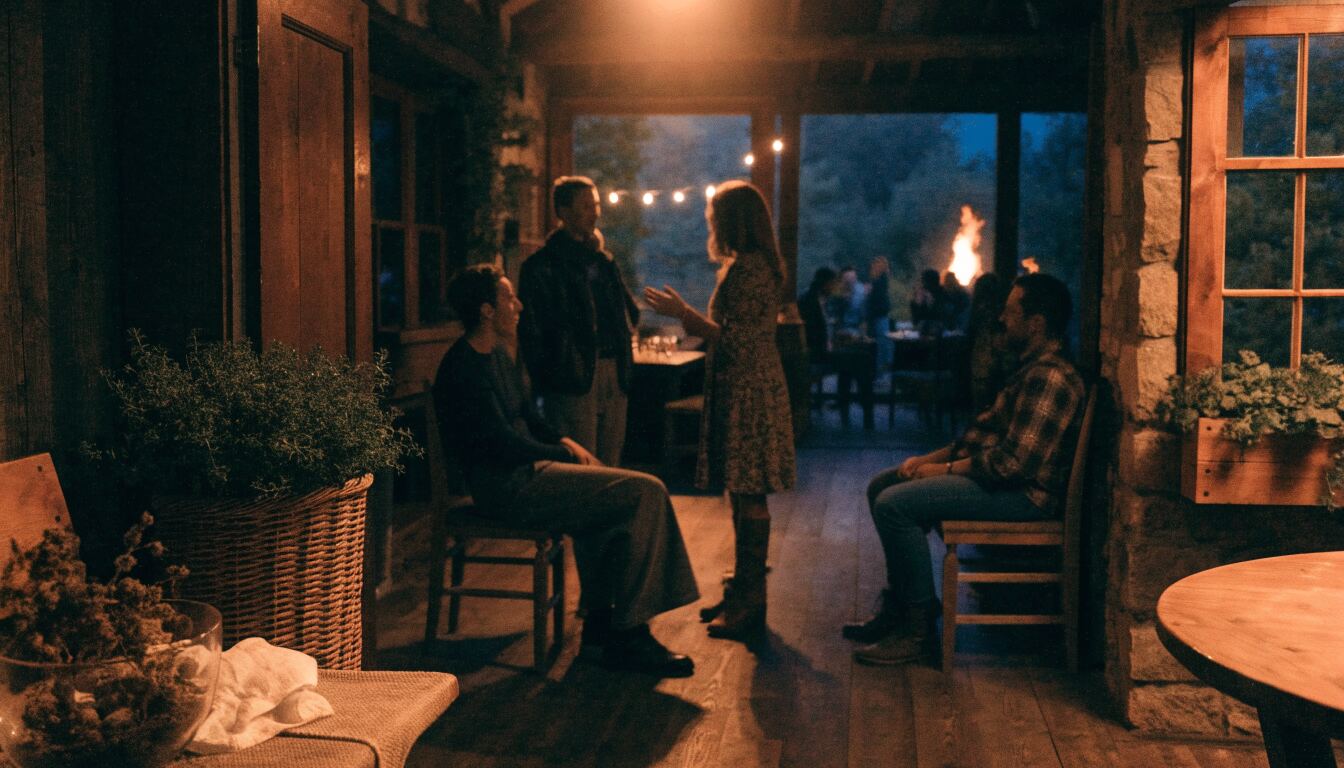
Some hosts open their own properties for curated gatherings. These can range from spacious homes with designated social and play areas to larger private estates. The atmosphere here tends to be more personal; hosts often greet guests directly, and there’s a strong emphasis on treating the space with care. Expectations around discretion are paramount—what you see and who you meet stays strictly within those walls. You’ll likely encounter explicit rules about keeping your phone tucked away, respecting locked doors, and maintaining a low profile when arriving or departing.
Membership-Style Lifestyle Clubs
Other events are held at established clubs that operate on a membership or nightly-pass basis. These venues are built for the purpose, so they often feature dedicated dance floors, themed rooms, BYOB bars, and locker areas. The benefit is a more turnkey experience: the lighting, music, and amenities are already calibrated for adult socializing. Clubs usually have well-documented house rules covering everything from dress code to consent, and staff are on hand to enforce them. Newcomer orientations are common here, giving you a quick tour and a rundown of the code of conduct before you join the party.
Hotel-Based or Rented Event Spaces
Finally, some groups opt for rented halls or hotel setups, especially for larger themed parties or holiday celebrations. In these cases, a block of rooms might be offered at a group rate, allowing guests to retreat to their own private space when they choose. The public areas serve as the social hub, while after-parties may spill into suites. Privacy is still a concern, so organizers typically brief attendees on how to interact discreetly with hotel staff and other guests not part of the event.
No matter the format, walk-in attendance is virtually unheard of. Pre-registration is the norm, and you’ll usually need to provide some form of identification at check-in—both to verify age and to match the name on the guest list. This structured entry process helps hosts cultivate a safe, vetted environment where everyone can relax.
The Rhythm of the Evening: From Arrival to Last Call
Stepping into a lifestyle event can feel disorienting if you’re expecting a typical nightclub scene. The reality is more akin to a private gathering with a thoughtful arc designed to help people warm up at their own speed. Understanding that arc can make the difference between feeling like a wallflower and genuinely enjoying the ride.
Check-In and First Impressions
Your first interaction will likely be with a host or venue staff member who confirms your reservation and checks your ID. If it’s your inaugural visit, many places offer a brief orientation—sometimes a casual walk-through, sometimes a more formal sit-down. This is when you’ll learn the layout: where the dance floor is, where the quieter conversation nooks are, and where any play spaces begin. Pay attention here; knowing the geography helps you navigate the night with confidence. This phase sets a calm, welcoming tone, signaling that safety and comfort are top priorities before the energy ramps up.
Settling into the Social Zones
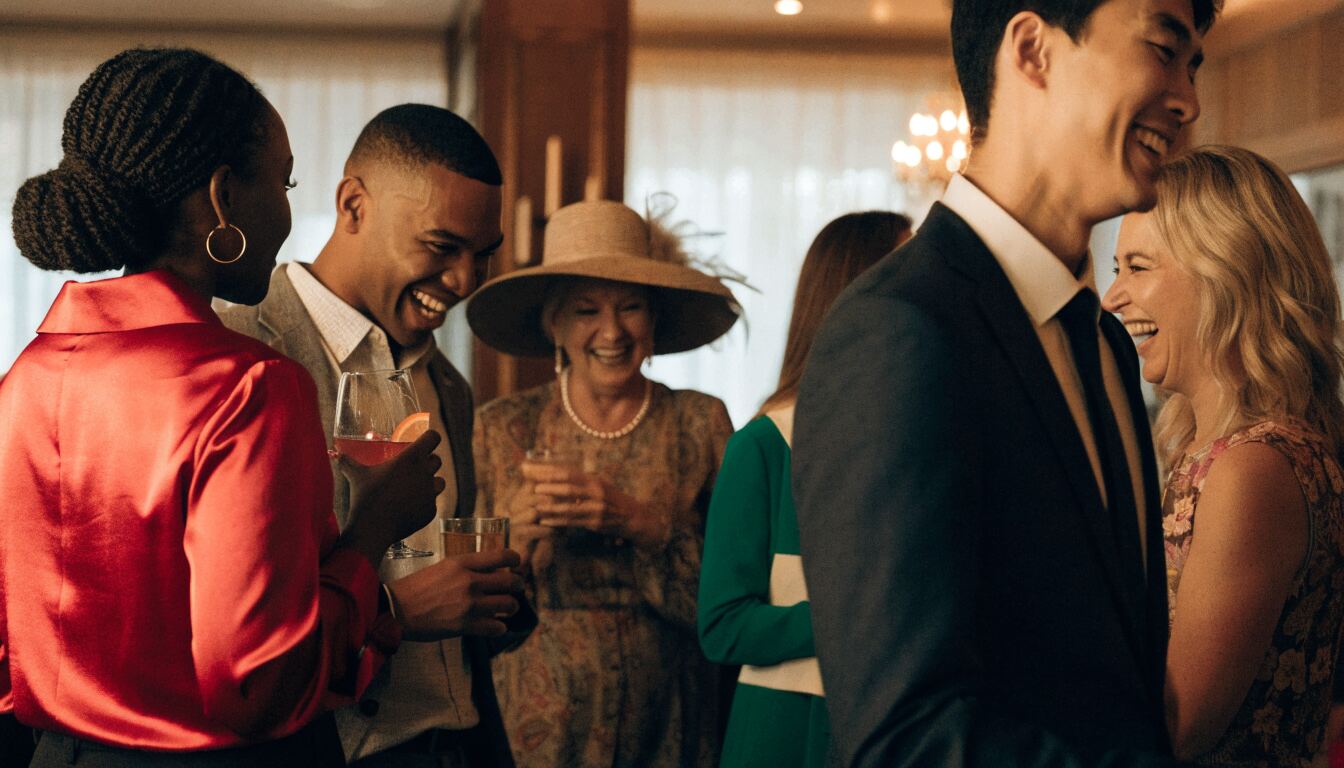
Once you’re inside, the early hours are all about mingling. Think of it as an upscale cocktail party with a playful edge. Couples chat over drinks, people-watch, and test the waters with light conversation. If there’s a dance area, you’ll see couples swaying or showing off moves, but the vibe remains approachable rather than intense. Some events feature entertainment—burlesque performances, go-go dancers, or interactive games tied to the theme—which serve as natural icebreakers. Maintaining good personal hygiene and keeping shared spaces tidy is part of the unspoken social contract; it’s one reason these environments often feel classier than a standard bar.
The Energy Shift
As the night progresses, the focus often transitions from broad socializing to deeper connections. In venues equipped for it, this is when guests might drift toward lounge areas or dedicated adult-only spaces. These can range from completely private rooms for couples who want seclusion to more open, voyeur-friendly setups where the energy is shared. Some Pennsylvania lifestyle clubs publicly describe amenities like hot tubs, multiple themed chambers, and even overnight stay options or VIP suites. While the specific offerings vary, they give you a sense of what a full-featured evening can include.
Throughout all phases, the golden rule is that nothing is expected of you. The best approach is to treat the night as a couples’ date first: enjoy the music, engage with people you genuinely click with, and let any further exploration unfold only when both of you feel enthusiastic and clear about your boundaries. Respectful socializing is the standard, and anyone who pressures or disrespects that will quickly find themselves shown out.
Attendance Policies: Who’s Welcome and How to Get Approved
A natural question for any couple researching a regional group is, “Who else will be there?” While specific policies can shift from event to event, the broader lifestyle community in Pennsylvania tends to follow patterns designed to protect the couple-centric atmosphere. Avoid assuming any permanent rule unless it’s stated in the host’s current materials, but you can expect a framework that prioritizes balance and comfort.
Couples as the Core
Most gatherings are built with couples at the center. This doesn’t always mean a strict “no singles” policy, but it does mean the environment is calibrated so that pairs feel at ease. Additional admission categories often include single women, and sometimes a limited number of single men. When single men are permitted, their entry is usually more tightly controlled—they may face higher fees, a separate approval process, or caps on numbers. This isn’t about exclusion; it’s about maintaining a dynamic where couples don’t feel outnumbered or overwhelmed.
Verification and Age Requirements
Across reputable venues, you’ll encounter a consistent requirement: guests must be at least 21 years old. This is non-negotiable and tied to both legal compliance and the mature atmosphere organizers aim to cultivate. Beyond age, most events operate on a pre-registration basis. You might need to submit an online form, join a private group, or receive a direct invitation. Walk-ins are rarely accommodated because hosts need to vet attendees, manage headcounts, and sometimes balance gender ratios.
What to Bring and Expect at the Door
When you arrive, have a valid photo ID ready. The name should match the one on the guest list. Some venues also require a membership card or a printed confirmation. This process might feel formal, but it serves multiple purposes: it confirms you’re of age, it verifies you’re the person who was approved, and it contributes to the overall sense of security. For couples, knowing that everyone inside has gone through the same screening can be a significant comfort.
Before you go, read the event listing carefully for any additional stipulations. Are single men allowed that night? Is it a couples-and-single-women-only affair? What’s the deadline for RSVPs? These details are usually spelled out clearly to avoid confusion. By respecting the process, you’re helping to uphold the very atmosphere you’re seeking to enjoy.
Consent Culture, Privacy Protocols, and Behavioral Standards
If there’s one area where lifestyle events diverge sharply from mainstream nightlife, it’s the explicit, enforced emphasis on consent and discretion. These aren’t abstract ideals; they’re operational rules that shape every interaction. Understanding them deeply can help you relax and focus on the social rewards.
The Consent Framework
At the heart of every well-run gathering lies a simple principle: no physical contact without a clear, enthusiastic yes. This means you ask before you touch—every time, with every person. It’s not enough to assume because someone is dancing near you or laughing at your jokes. Verbal confirmation is the gold standard. In many clubs, violating this rule leads to immediate ejection without refund, and possibly a permanent ban. For newcomers, this creates a surprisingly liberating environment. You can engage at your own pace, knowing that your boundaries will be respected and that you’re expected to respect others’ in return.
“No Means No” and Beyond
Closely linked is the unwavering acceptance of a “no.” When someone declines an invitation—whether it’s to dance, to chat, or to explore something more—the matter ends there. No sulking, no bargaining, no pressure. This standard ensures that every guest can navigate the space without fear of being cornered or guilted. Many seasoned couples point to this culture of clean rejection as a major upgrade over regular clubs, where persistence can sometimes cross into harassment.
Privacy as a Shared Responsibility
Discretion is the lifestyle’s currency. Nearly every event enforces a strict no-photography and no-video rule, especially in areas where people may be in various states of undress. Phones often must be stowed in pockets or checked at the door; some venues provide stickers to cover camera lenses. Beyond technology, there’s a social pact: you don’t gossip about who you saw or what they did. “What happens here stays here” isn’t just a catchy phrase—it’s a foundational ethic that protects careers, families, and personal lives. If you run into someone from an event in the grocery store, the polite norm is to give a subtle nod or simply pass by without acknowledgment, unless you’ve both agreed otherwise.
Respecting Physical Spaces
Venues also set rules about personal and private areas. If a door is closed or a space is marked as occupied, you don’t enter or linger. In open play areas, watching may be permitted, but only from designated spots and without intrusive behavior. Always check the specific venue’s policy on voyeurism—some encourage it as part of the atmosphere, while others restrict it to certain rooms. When in doubt, ask a staff member or observe posted signs.
Entry Procedures as a First Filter
All these standards are reinforced by the structured entry we discussed earlier. The ID check, the RSVP requirement, the orientation—these aren’t bureaucratic hurdles. They’re filters that ensure everyone walking in has acknowledged the rules and accepted the terms. This shared understanding is what allows the party to feel free yet secure, adventurous yet controlled.
Dressing the Part: Style Guidelines and the Atmosphere They Create
What you wear to a lifestyle event does more than satisfy a dress code—it signals your respect for the occasion and helps conjure the collective mood. While the exact requirements can vary by host and theme, the overarching expectation is “date night elevated.” Think polished, alluring, and intentional.
The General Standard: Dress to Impress
Across many lifestyle venues that publish their expectations, the mantra is “dress to impress.” This translates to attire you’d choose for a chic night out: cocktail dresses, stylish separates, sharp button-downs, tailored pants, and elegant footwear. The goal is to create an environment that feels special and slightly glamorous, a step above the everyday. When everyone makes an effort, it lifts the entire room and reduces the awkwardness that can come from feeling over- or under-dressed.
What’s Typically Discouraged or Prohibited
To preserve that upscale vibe, many venues explicitly bar clothing that reads as overly casual or utilitarian. Common items on the “please avoid” list include sweatpants, gym shorts, camouflage prints, construction boots, baseball caps, hoodies, and ripped or heavily worn jeans. The reasoning isn’t snobbery; it’s that these pieces can drag down the ambiance and make the event feel more like a sports bar than a curated adult social. Some clubs may turn away guests who don’t meet the standard, so it’s worth taking the guidelines seriously.
Specifics for Men
Men’s attire often faces stricter scrutiny because it heavily influences the room’s overall tone. A good rule of thumb: collared shirts, fitted tees with a blazer, dress pants, or dark, unblemished jeans paired with leather shoes or clean, minimalist sneakers. Avoid anything you’d wear to the gym, to a ballgame, or to do yard work. Accessories like a nice watch or a pocket square can add personality without overdoing it. If you’re unsure, lean toward the smarter end of the spectrum—you can always relax your look later if the vibe permits.
Freedom and Expression for Women
Women’s dress codes tend to be more expansive and encourage creative expression. Many attendees use the occasion to wear outfits that feel bold and confident: lingerie-inspired pieces, corsets, bodycon dresses, or costumes aligned with the evening’s theme. The key is to balance allure with the event’s specific tone. A themed party might call for a playful costume, while a general social mixer might lean toward elegant cocktail attire. Comfort matters too—choose fabrics and silhouettes that let you move, dance, and relax without constant adjustment.
Theming and Special Nights
Some events revolve around a central theme—think “Glow Night,” “Masquerade Ball,” or “Leather and Lace.” Participating adds a layer of fun and can serve as an instant conversation starter. If a theme is announced, don’t feel pressured to go all-out, but a nod to it shows you’re engaged. Even a small accessory that ties in can help you feel part of the collective energy.
When specific dress guidelines aren’t posted, default to the “upscale date night” approach. Arriving polished and put-together helps you settle in faster and signals to others that you’re ready to engage. Remember, the clothes are a backdrop; the real point is the confidence they give you to navigate the evening with ease.
Practical First-Timer Tips for a Smooth Experience
Beyond the big-picture norms, a handful of practical strategies can make your first event feel less like a leap into the unknown and more like a planned adventure. These tips come from the collective wisdom of experienced couples and event hosts.
Communicate with Your Partner Before, During, and After
Before you even RSVP, have an honest conversation about what you’re both hoping for and what your boundaries are. Are you there just to watch and socialize? Are you open to parallel play in the same room? What about full swaps? You don’t need rigid scripts, but a shared understanding prevents misunderstandings in the moment. During the event, check in with each other regularly—a simple “How are you feeling?” can go a long way. Afterward, decompress together. Talk about what you enjoyed, what surprised you, and what you might do differently next time.
Arrive Early, Leave When You’re Ready
Arriving during the early window has several advantages. You’ll have time to go through check-in and orientation without feeling rushed, you can get the lay of the land while it’s still quiet, and you can meet people in a lower-pressure setting before the crowd thickens. There’s also no rule that says you must stay until the end. If you’ve had your fill by midnight, it’s perfectly acceptable to head home. Your night, your pace.
Bring Essentials, but Travel Light
Most clubs and private events operate on a BYOB basis, so pack your preferred drinks in a small cooler if permitted. Check the listing for specifics—some provide mixers and ice, others don’t. Bring a form of ID, any membership cards, and cash for incidentals like coat check or tips. For comfort, consider a small bag with breath mints, a phone charger, and a change of shoes if you plan to dance. Many venues have lockers or a secure area for personal items.
Manage Expectations Around Connection
Not every event will yield deep connections or wild stories—and that’s okay. Some nights you’ll meet fascinating people and exchange numbers; other nights you might mostly enjoy each other’s company in a novel setting. Treat the experience as a unique date night first, and let any additional connections be a bonus rather than a goal. This mindset reduces pressure and often leads to more organic, enjoyable interactions.
Learn the Lingo and Social Cues
Spend a little time familiarizing yourself with common lifestyle terms—soft swap, full swap, unicorn, parallel play—so you’re not caught off guard in conversation. Pay attention to body language. In these settings, people tend to be more direct but also more polite about disengaging. If someone’s gaze is drifting or they’re giving short answers, take the hint and move on gracefully. It’s not personal; chemistry is just specific.
Respect the Host and Venue
If the event is at a private home or rented space, treat it better than you would your own. Clean up after yourself, follow all posted rules, and thank the host before you leave. Building a good reputation can open doors to future invitations and more intimate gatherings.
Common Questions Couples Ask Before Attending
Even after reading guides, most couples have lingering concerns. Here are answers to the queries that surface most frequently in lifestyle circles, framed for a regional Pennsylvania context.
Will we be pressured to do anything we’re not ready for?
No. A defining feature of reputable lifestyle events is the absence of coercion. Consent culture means that every activity—from dancing to touching to anything more—requires an enthusiastic yes from all involved. If anyone makes you feel pressured, report them to the host or staff immediately. You can attend purely to socialize and never step foot in a play area, and that’s entirely valid.
Is it obvious that we’re new? Will we stand out?
Everyone was new once, and most attendees remember that feeling vividly. You might feel a bit nervous, but that’s rarely visible to others. Stick together, observe for a while, and don’t be afraid to mention you’re first-timers—many couples will go out of their way to make you feel welcome. Hosts often keep an eye on newcomers to ensure they’re settling in.
How do we handle running into someone we know?
This is a common fear that almost never materializes in the way people imagine. If you do spot a familiar face, remember you’re both there for the same reason. A discreet nod or a quick, private check-in (“Are we okay acknowledging each other?”) handles it. The mutual commitment to privacy usually means you’ll both keep the encounter confidential.
What if we just want to watch?
Voyeurism is a recognized and accepted part of many lifestyle environments, but it must be done respectfully. Some venues have designated viewing areas; others require you to stay behind marked lines. Never enter a private room or hover intrusively. If you’re unsure about the etiquette for a specific space, ask a staff member.
Do we need to bring anything for play areas?
Most venues provide essentials like linens, wipes, and condoms, but it’s wise to bring your own preferred brands of protection and any personal items you might want—such as a robe, slippers, or a small toiletry kit. Check the event details to see what’s supplied and what’s BYO.
How do themes work, and are they mandatory?
Themes are meant to add fun, not stress. Participation is usually optional, though it’s encouraged. Even a small accessory—a mask, a certain color, a piece of jewelry—can show you’re in the spirit without requiring a full costume. If the theme doesn’t appeal to you, simply dress to the general standard of the event.
Can we leave early if we’re not feeling it?
Absolutely. There’s no obligation to stay for the entire event. If you’ve had enough, quietly gather your things and head out. It’s your date night; you control the schedule.
Building Your Confidence for a Successful First Outing
Stepping into the lifestyle scene is as much about mindset as it is about logistics. By absorbing the norms around consent, privacy, attire, and social flow, you’re already ahead of the curve. The couples who have the best experiences tend to be those who communicate openly with each other, approach the evening with curiosity rather than rigid goals, and trust that the structures in place are designed to protect their comfort.
Remember that every event is a living, breathing entity shaped by its hosts and attendees. What you read here provides a reliable template, but the real texture comes from showing up and being present. Start with a low-key social mixer if you can; it’s a gentler introduction than a full-blown themed party. Use the early hours to acclimate, ask questions if you’re unsure about anything, and let the night unfold organically.
Above all, keep in mind that the lifestyle community, at its best, is built on mutual respect and shared enjoyment. The rules aren’t there to restrict you but to free you—from worry, from unwanted advances, from the fear of exposure. When everyone buys into those standards, the result is an environment where couples can explore, connect, and play in whatever way feels right for them.
Preparing for Your First Visit
Attending a lifestyle social event for the first time can feel both exciting and a little uncertain. A helpful mindset is to view the evening primarily as a shared adventure with your partner, with the social setting as a backdrop rather than the main focus. Many organized venues in the Berks and Montgomery region have structured systems in place—such as age verification, advance sign-ups, and check-in procedures—designed to create a secure and relaxed atmosphere for everyone. Typically, you'll need to be at least 21 years old and register ahead of time, so confirming these details early prevents last-minute surprises.
Before you go, sit down together for an honest discussion about your expectations. What does an ideal evening look like for both of you? It could be as simple as absorbing the ambiance, chatting with new people, or just enjoying a night out as a couple. There's absolutely no pressure to move beyond your comfort zone, and reputable gatherings emphasize that mutual agreement and personal limits are the foundation of every interaction.
Navigating the Social Space
The early part of the night usually revolves around easing into the environment. It's completely normal to spend time mingling, moving to the music, or quietly taking in the scene while you figure out how you'd like to engage. A core principle of respectful conduct in these circles is to always seek clear permission before any physical touch, and to gracefully accept a "no" without pushing further. This etiquette helps maintain a sense of safety and mutual respect for everyone present.
Keeping a strong connection with your partner throughout the event is especially crucial during your first outing. Brief, private check-ins—like asking "How are you feeling?" or "Would you like to stay a bit longer?"—go a long way in preserving trust. These tiny touchpoints allow you to recalibrate if things feel too intense or if one of you simply needs a breather. Remember, you can step back at any moment; pacing yourselves is part of the experience.
Privacy and Discretion
Protecting everyone's identity is a cornerstone of these communities. Most venues enforce strict no-camera rules, banning photography and video entirely to safeguard guest anonymity. Beyond the event itself, there's an unspoken code of confidentiality: what happens at the gathering stays there. Avoid discussing other attendees or specific activities outside of the venue, whether in person or online. This ongoing discretion is what allows the community to thrive with a sense of trust.
After the Evening Ends
Veteran couples often suggest carving out time to reflect together once the event is over. Whether you chat on the drive back or save the conversation for a relaxed moment the following day, exploring your reactions can be incredibly bonding. Talk about what felt enjoyable, what surprised you, and what you might be curious to try next time. These debriefs do more than just process a single night—they strengthen your communication skills and help you decide, as a team, whether to dive deeper into the scene. For many, these gatherings become treasured not just for the lively atmosphere, but because they provide a unique pathway for couples to explore new dimensions of their relationship through open, honest dialogue.
Wrapping It Up
Stepping into the lifestyle scene around Berks and Montgomery counties is ultimately about shared exploration and mutual comfort. By treating your first event as a collaborative date, communicating openly before and after, respecting every person's boundaries, and honoring the community's privacy, you set the stage for a positive and memorable introduction. Every couple moves at their own rhythm, and the true reward lies in the deepened connection that can emerge when you navigate these new experiences together.