The Appeal of Curated, Private Gatherings
For many couples exploring the lifestyle, the idea of walking into a busy, open-door club can feel overwhelming. A different path exists—one defined by smaller, intentionally designed events where the guest list is controlled and comfort takes center stage. One such example from Pennsylvania offers a blueprint for what these private experiences can look like. While this particular series is currently on pause, its structure provides valuable insight for couples seeking a more selective environment. Think of this as a snapshot of a past model, highlighting what to anticipate should similar opportunities arise.
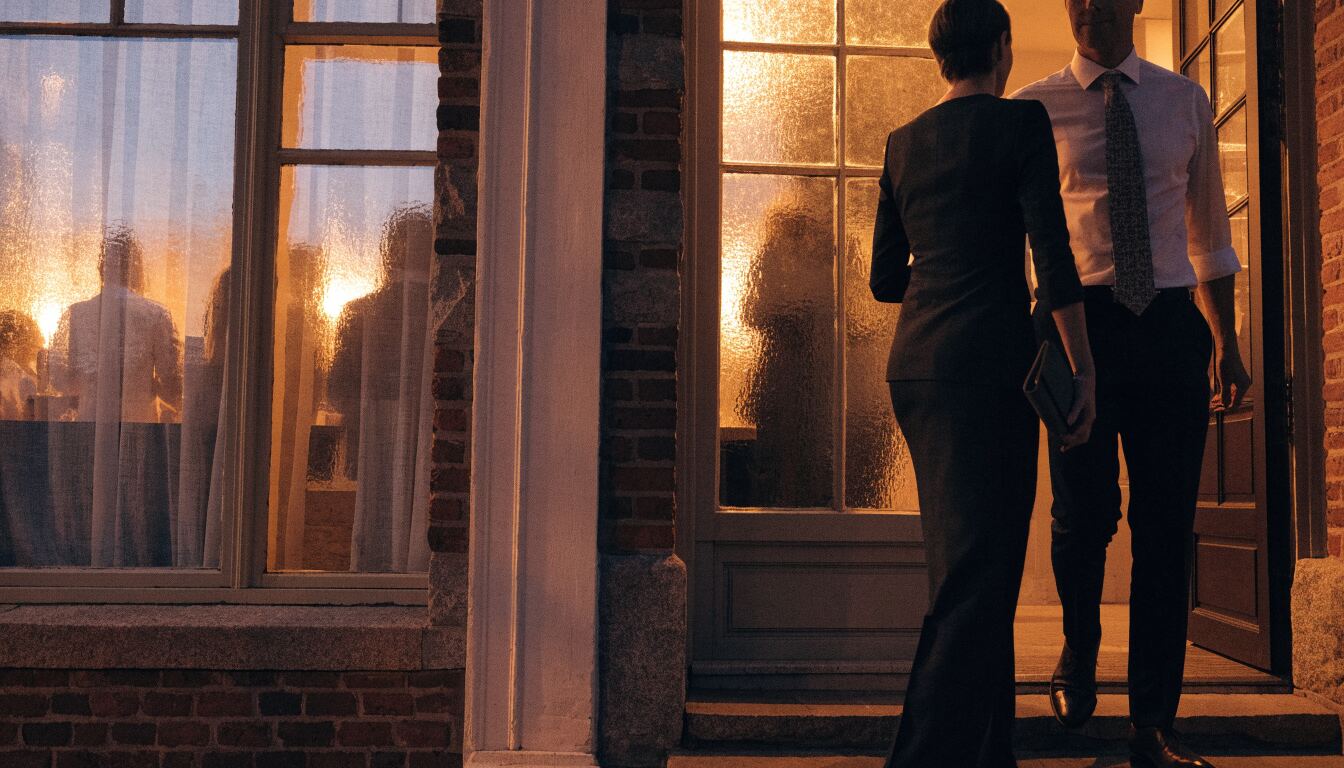
The event brand, known for its discreet and couples-forward approach, operated in the Bath, PA vicinity. Instead of a public venue with nightly hours, it functioned through invitation-only parties and social mixers. Every detail, from location to attendance rules, was crafted to prioritize privacy and a balanced atmosphere. The organizers described two main formats: relaxed Meet & Greets in reserved VIP spaces and immersive House Parties at secluded rural properties. Both shared a foundation of clear etiquette, consent, and a friendly, non-cliquey vibe.
Two Distinct Ways to Connect
The series was not a one-size-fits-all affair. Couples could choose their comfort level by selecting between social-forward mixers or more private, all-night celebrations. Each format served a different purpose but maintained the same core values of discretion and respect.
Social Mixers in Controlled VIP Settings
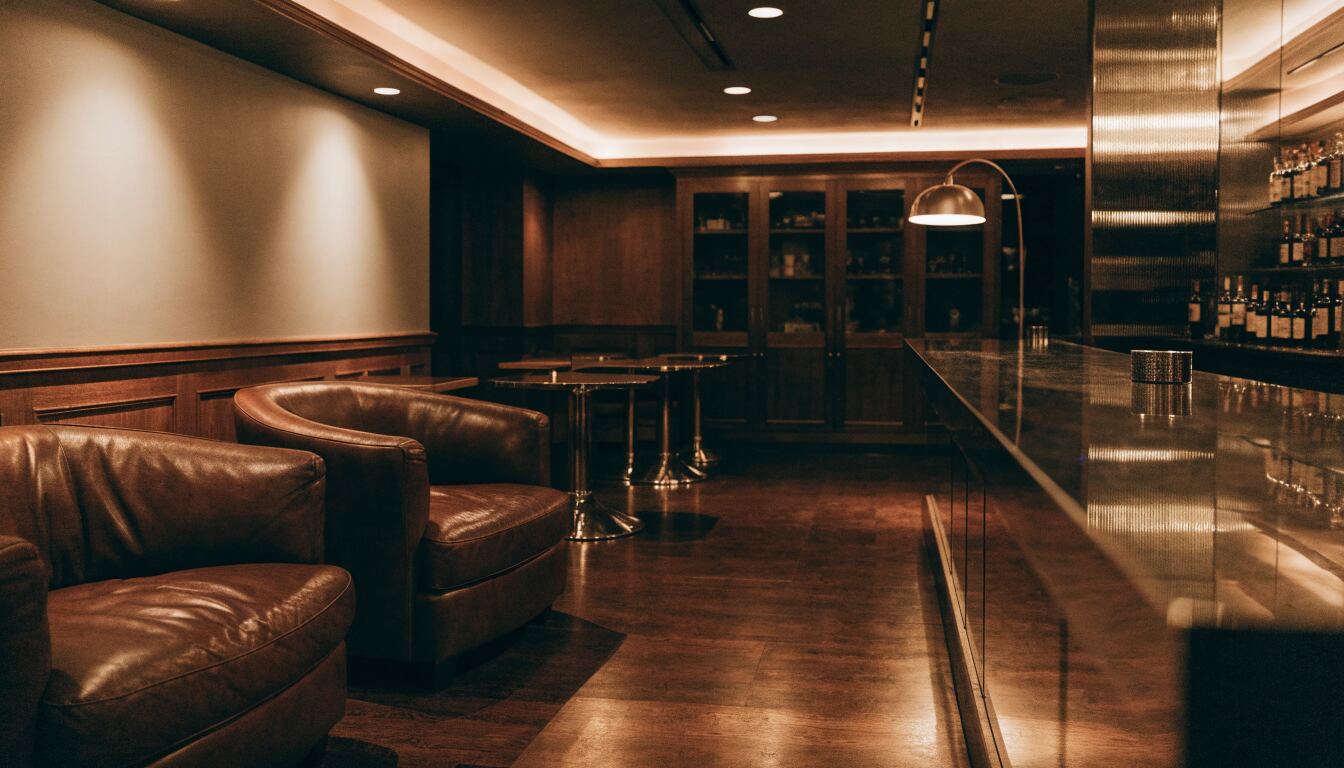
These gatherings were designed as a gentle entry point. Rather than renting an entire venue, the hosts would reserve a private section within a bar or hotel lounge. This setup meant that while the public could be present elsewhere, attendees enjoyed an exclusive area managed by security. Access was granted through a wristband system provided after a donation, ensuring only confirmed guests could enter the designated zone.
For couples, this format had several practical advantages. The primary focus was on conversation and meeting new people without the immediate expectation of play. It fostered a low-stakes environment where flirting and socializing could unfold naturally. If a connection sparked, the proximity to hotel accommodations—often a deliberate choice by the organizers—allowed the night to continue privately on the couple's own terms. However, it was made clear that these were not hotel takeovers; other guests and standard hotel policies were always to be respected. Amenities like pools or fitness centers remained off-limits unless you were a registered hotel guest.
This approach is ideal for those who prefer to build rapport first. It removes the pressure of a dedicated play party and lets the social energy guide the evening. The controlled access also provided a sense of security, knowing that everyone in the VIP area had been vetted and invited.
Immersive House Parties in the Countryside
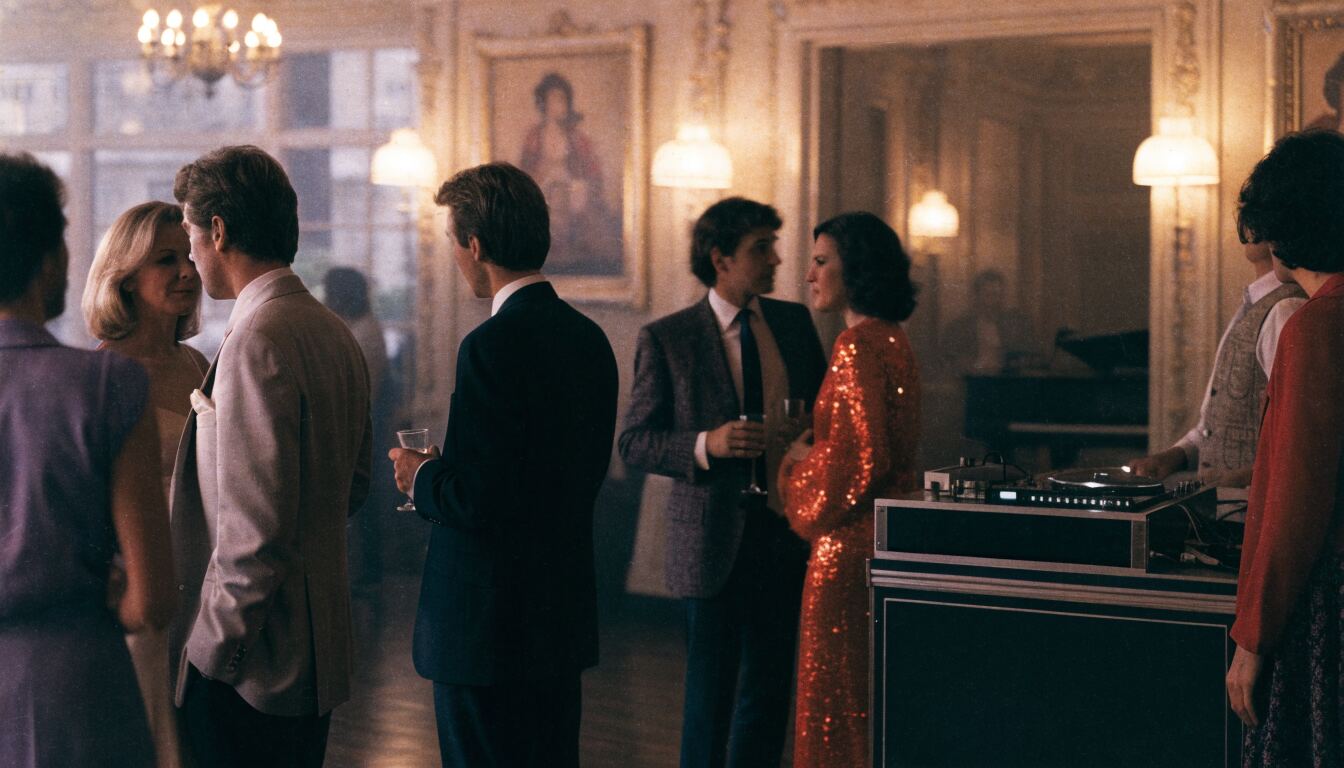
For a deeper dive, the organizers hosted parties at a private rural home. These events were crafted to feel like an escape, with ample parking and a secluded setting that allowed guests to fully relax. The atmosphere was enhanced by practical touches: a DJ providing music, a bar area stocked with mixers and light snacks, and a BYOB policy where hosts could mark your bottle upon request. Occasionally, a bartender would be present to serve drinks.
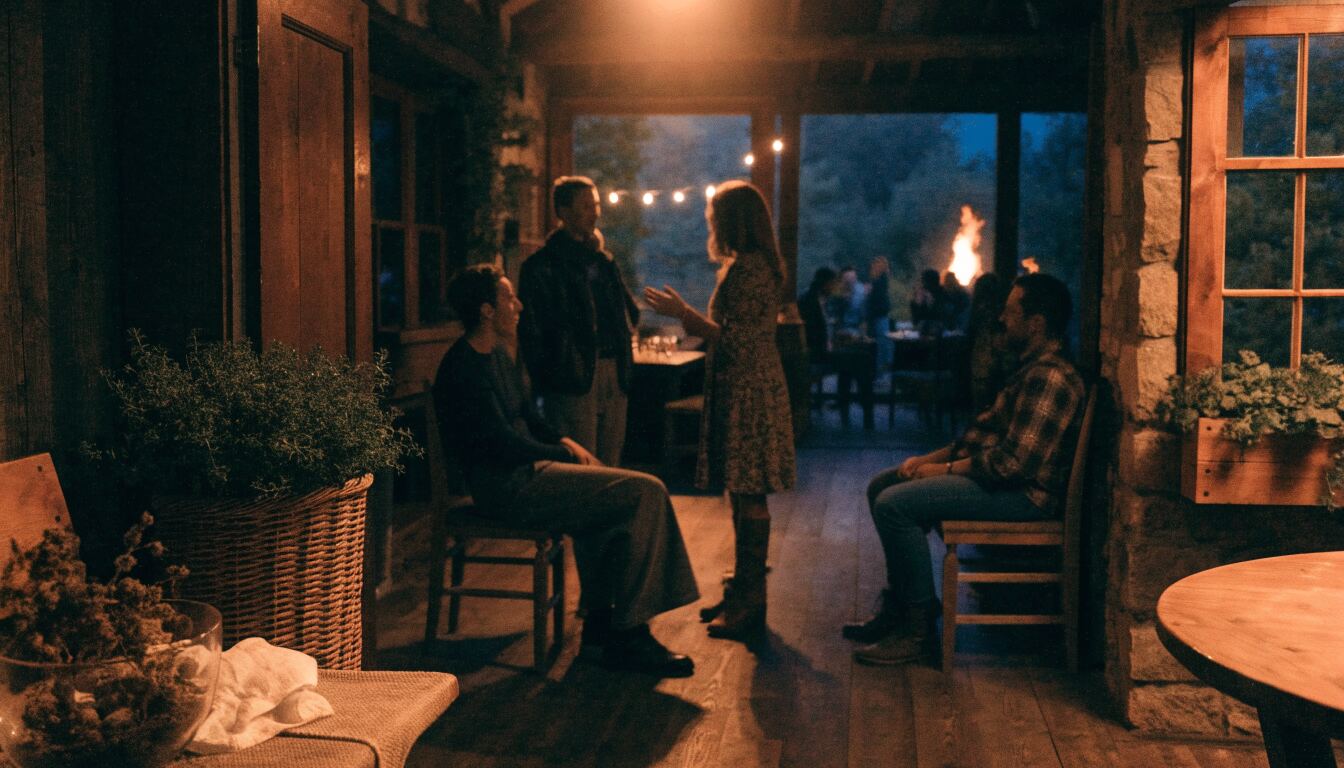
The physical layout was thoughtfully arranged to manage intimacy and privacy. Multiple designated play rooms—often four or five—were clearly marked and stocked with essentials like condoms, wipes, tissues, and mints. For those comfortable with a more open experience, common areas were also available. To maintain boundaries, certain bedrooms were strictly off-limits with posted signs. Multiple bathrooms were accessible for cleanup, and weather permitting, an outdoor bonfire offered a social focal point away from the main action.
Safety and comfort extended to the end of the night. The hosts actively discouraged drinking and driving, suggesting ride-share options and offering limited indoor sleeping spaces on a first-come basis. In warmer months, tenting on the property was even a possibility. The events often had a late, open-ended finish, described as lasting until the last person turned in, which allowed the night to evolve organically without a strict curfew.
Themed Nights and Seasonal Flair
To keep the energy fresh, many events incorporated creative themes. These added a playful layer of expectation and helped guests get into a festive mindset. Past examples included holiday-inspired house parties with names like "Spanksgiving" or "Sex-Giving," Halloween costume dances, and birthday celebrations. These themes served as an icebreaker, giving attendees a shared starting point for conversation and connection. While these are historical examples, they illustrate how themed elements can elevate a private gathering from a simple party to a memorable experience.
Who These Events Were Designed For
The entire structure was built around couples. The pricing, approval process, and atmosphere all positioned couples as the foundation, not an afterthought. This focus created an environment where pairs could feel like the norm, exploring at their own pace, whether that meant staying social all night or moving into more private settings by mutual choice. The goal was to prevent the chaotic, imbalanced crowd dynamics that can sometimes occur in less curated spaces.
A Welcoming Space for Single Women
Single women were not just welcomed; they were often invited free of charge, especially at house parties. This policy signals a deliberate effort to cultivate a comfortable, balanced, and respectful atmosphere. It often correlates with stronger overall etiquette and a setting where women feel at ease, which benefits everyone attending.
Carefully Vetted Single Men
The presence of single men was managed with great intention. Only a limited number were approved per event, and their acceptance was contingent on the total attendance and the preferences of the couples and single women present. This was a comfort and safety control, not just a pricing tier. The vetting process was rigorous, often requiring a paid membership on a lifestyle platform, a minimum number of certifications from other users, and open photo verification to confirm identity at the door. This ensured that any single man attending was familiar with the community's etiquette and had a track record of respectful behavior, thus minimizing pressure on couples and women.
The Role of Verification and Secure Sign-Up
Entirely discreet, event locations were never publicly posted. Details were shared only after a confirmation and vetting process, typically managed through a well-known lifestyle platform. This system served multiple purposes: it protected guest privacy, prevented unapproved drop-ins, and allowed the hosts to carefully control the guest list, particularly the ratio of single men. For couples, this extra layer of security is often a key factor in deciding to attend a private event, as it assures them that their comfort and anonymity are top priorities.
This model was best suited for couples who prefer a selective, private experience over a public walk-in club, value a social-first environment with the option for more, and are comfortable with an online verification step to RSVP. It was less ideal for those seeking predictable weekly schedules or anyone uncomfortable with sign-up requirements.
The Atmosphere and Flow of an Evening
Understanding the emotional journey of the night can help demystify the experience. The hosts intentionally designed events to feel friendly and inclusive from the moment you arrived, actively discouraging insular cliques and encouraging openness to new connections. The core etiquette was woven into the fabric of the night: always ask permission, accept a "no" gracefully, and look out for fellow guests.
A Typical Flow at a Social Mixer
The evening would begin with check-in, where you received your access wristband. From there, the energy was purely social. The reserved area became a bubble for like-minded adults to chat, laugh, and flirt over drinks, often with specials negotiated for the group. The beauty of this format was its simplicity. There was no agenda beyond connection. If you met someone intriguing, the nearby hotel provided a convenient and discreet option to continue the evening, but only if you chose to. The boundaries were clear: the wristband granted access to the VIP section and its perks, but it did not grant any special privileges outside that zone.
The Immersive Journey of a House Party
Arriving at a secluded property set a different tone. The privacy was immediate. After parking, you might be greeted by the sound of a DJ and the glow of a bonfire. Inside, you could fix a drink at the bar—perhaps from a bottle you brought and had marked—and survey the layout. The clearly marked play rooms removed guesswork, allowing you to understand the geography of the space. You could spend hours by the fire, dance, or simply observe until you felt ready. The open-ended timeline meant there was no rush. As the night deepened, the energy might shift from the communal areas to the more private rooms, all while respecting the off-limits zones. The practical supplies in the play areas demonstrated a thoughtful, guest-focused approach to comfort and hygiene.
Essential Etiquette and Shared Values
Across both formats, a signature style emerged based on mutual respect. The atmosphere was built on the principle that everyone's comfort is a shared responsibility. This manifested in several key ways: discretion was paramount, with locations guarded and guest lists managed; a couples-forward balance was actively maintained; and standard swinger etiquette was not just suggested but expected. This included being friendly but never pushy, seeking enthusiastic consent, and practicing a safety-minded approach to alcohol consumption and getting home.
For couples, this consistency is reassuring. It means you can step into a situation where the social contract is clear. You don't have to guess whether your boundaries will be respected because the entire system is designed to uphold them. This structure reduces the uncertainty that can often accompany new lifestyle experiences, making it easier to relax and be present.
What Couples Typically Gained from the Experience
Even without a current event calendar, the value of this model is clear. Couples gained access to a low-pressure social laboratory where they could meet others at their own speed. The controlled guest list protected their comfort, while the clear etiquette expectations supported a culture of consent. The dual-format system allowed them to calibrate their level of engagement, choosing a public-feeling mixxer or a private, immersive party based on their mood. Ultimately, it provided a structured yet organic way to explore connections, whether that meant a night of stimulating conversation or something more intimate, all within a framework that prioritized saftey and discretion.
How S&S Built a Comfortable and Respectful Atmosphere
S&S Celebrations, also known as S&S Forbidden Fantasies, placed a strong focus on making every attendee feel at ease through clear rules around behavior, consent, and personal safety. Since their last known update mentioned a pause in activities starting February 2020, the following insights draw from the guidelines they shared during active periods. These principles remain valuable as a reference for anyone exploring similar private lifestyle events, whether S&S returns or you're scouting comparable experiences.
A Foundation of Clear Consent
At the heart of S&S gatherings was an unwavering rule: always ask before acting, and accept a "no" without question. Guests were reminded that pushiness had no place, and that personal preferences varied widely. Hosts took an active role in watching over attendees, reinforcing that this was a space where limits were honored without debate or coercion. For couples, this signals a social setting built on mutual respect, where you can relax knowing your boundaries will be taken seriously.
Mingling Over Cliques
One subtle but powerful expectation was the push against forming tight, exclusive groups. Even though many regulars knew each other, the culture encouraged circulating and welcoming newcomers. This matters enormously for first-time couples, who might otherwise feel like they're intruding on a private party. The goal was to keep the environment open and approachable, so no one felt shut out or overlooked. If you're writing for beginners, highlight this point—it directly lowers the intimidation factor and makes the whole scene feel more inclusive.
Respecting the Venue and Local Laws
For social events held in bars or hotel bar areas, S&S made it clear that the wristband granting VIP access didn't override the establishment's own policies or legal requirements. Because renting an entire venue was often cost-prohibitive, they carved out a semi-private zone within a public space. This approach balanced affordability with a sense of seclusion. Attendees were also reminded that these weren't full hotel takeovers, and other guests deserved courtesy and discretion—a small but significant nod to maintaining a low profile.
Organized Spaces at Private Gatherings
During house parties, S&S designated specific rooms for play and posted signs to mark others as strictly off-limits. This layout served two purposes: it protected personal privacy and eliminated guesswork about where certain activities were acceptable. For couples, such structure creates a more predictable and less chaotic atmosphere, which naturally feels safer. It's the difference between a free-for-all and a thoughtfully arranged evening.
A Practical Approach to Safety
Beyond the party itself, S&S encouraged guests to look out for each other and strongly advised against driving after drinking. They offered practical solutions like crashing on-site or even pitching a tent when weather allowed, though they noted sleeping space could be limited or require a heads-up. This shows the organizers cared about well-being from start to finish, not just during the event's peak hours. It's a detail worth including because it reflects a holistic safety mindset.
The Core Philosophy in One Sentence
If you want a crisp summary of what S&S expected from couples, it boils down to this: be warm, circulate, ask first, honor limits, and prioritize safety and discretion. That line captures their repeated emphasis on a curated, consent-driven environment designed with couple comfort in mind.
Understanding Entry, Costs, and Screening
S&S Celebrations operated as private gatherings with a donation-based entry model, steering clear of conventional ticket sales. Since their last public note indicated a hiatus from February 2020, the details below reflect how pricing and verification were handled in their event listings when active. If the series resumes, these are the patterns couples should expect to navigate.
A Flexible Donation System
Across various events, S&S described entry fees as contributions meant to offset expenses like DJ services and party setup. While exact amounts shifted slightly depending on the specific gathering and year, a consistent structure emerged from their published posts. Typically, couples paid between $15 and $20 total, single women often attended at no cost, and single men faced a higher bar—usually $25 to $30 each, with only a handful approved. Because S&S never published a single permanent price list, the safest way to phrase this for readers is that pricing was donation-based and varied by event, so always double-check through the official sign-up route.
Selective Approval for Single Men
S&S was upfront that single men weren't guaranteed entry. Instead, the number allowed in depended heavily on the overall attendance mix—specifically, how many couples and single women were coming, and whether those groups had expressed interest in interacting with single men. This curated approach was framed as a way to preserve a relaxed vibe and minimize pressure, particularly for couples and women who might otherwise feel overwhelmed. It's a deliberate balancing act that prioritizes the collective comfort of the event.
Verification Steps, Especially for Single Men
Several event listings outlined specific vetting requirements, particularly for single men. These included having a minimum number of positive verifications—often described as at least three "certs"—on the lifestyle platform they used, unless the hosts knew the person directly. In some cases, single men also needed to hold a paid membership on that platform. Guests were instructed to unlock their photos so hosts could confirm identity at the door, and some events stressed that without visible photos, an application would be ignored. This reads as a purposeful screening system designed to enhance safety and avoid awkward surprises during check-in.
The Sign-Up Process and Privacy
S&S consistently pointed interested guests toward a specific sign-up procedure, often involving a form or direct message through their chosen platform. They explained that event specifics, especially addresses, were typically kept under wraps until confirmation was complete. This served multiple purposes: it safeguarded attendee comfort and discretion, helped manage headcount, and restricted unvetted single men from showing up. For your blog post, this is a crucial point because it clarifies why some S&S gatherings never publicly listed a venue location.
Door Controls and the VIP Bubble
For Meet & Greets in public bars, S&S used a wristband system to create a private enclave. Upon making their donation, guests received a bracelet that unlocked the reserved VIP section. Security personnel enforced this boundary, ensuring only invited individuals entered. So even though the event technically took place in a shared venue, S&S effectively constructed a protected social pocket within it.
Typical Event Inclusions
Based on their listings, S&S events often featured DJ entertainment, especially at house parties and special occasions. Drink mixers and light snacks were commonly provided, with guests encouraged to bring their own additional alcohol—and sometimes a bottle to contribute. House parties boasted multiple private areas and play rooms, plus ample parking in their rural settings, and occasionally outdoor perks like a bonfire if the weather cooperated. Since offerings varied from one event to the next, your article should frame these as commonly included features rather than fixed promises.
Next Steps Given the Hiatus
With S&S's own site indicating a pause since early 2020 and no newer updates available, couples should approach any claims of current activity with caution. The best move is to verify through the organizer's official channels, the sign-up platform they historically used, or any direct email contact that might still be monitored.
Frequently Asked Questions About S&S Events
Because S&S positioned itself as a private lifestyle series rather than a walk-in club, the questions couples tend to ask center less on logistics like addresses and more on how private events function, how screening works, and what the overall atmosphere feels like. The answers below draw strictly from the official details S&S shared, and they're worded to stay relevant even with the series on hold.
1. Are S&S Celebrations currently active? The group's website states that S&S Forbidden Fantasies has been on hiatus since a post dated February 8, 2020. With no later updates available, it's safest to assume the series isn't running unless the orgnizer confirms otherwise through official means.
2. What kinds of events did they host? Their site and listings describe two primary formats: Meet & Greets set in VIP sections of bars, often connected to hotels, and House Parties held in private rural locations with multiple designated spaces.
3. Were these events only for couples? Not exactly. S&S regularly listed entry categories for couples, single women, and single men. The defining feature was a curated attendance model, with single men especially limited to maintain a balanced and comfortable environment.
4. How did single male approval work? Only a small number of single men were selcted, with decisions hinging on the ratio of couples and single women attending. Requirements often included a certain number of platform verifications, sometimes a paid membership, and open photo access for identity checks.
5. Why weren't locations always publicized? For privacy and safety, venue details were usually shared only after sign-up confirmation. This helped protect guest comfort, limit crashers, and control the number of unvetted single men.
6. How did Meet & Greets differ from House Parties? Meet & Greets were social-first, held in reserved VIP areas with wristband entry, and guests had to follow the bar's rules—these weren't hotel takeovers. House Parties were more immersive and private, with mixers, light food, BYOB, and clearly marked private spaces, with some rooms explicitly off-limits.
7. What etiquette rules were emphasized? S&S's guidelines included: be friendly and avoid cliquey behavior, always ask permission, accept "no" immediately, don't apply pressure, watch out for each other, and never drive after drinking. Sleeping arrangements were sometimes discussed as an alternative.
8. Did they provide food or drinks? Mixers and light refreshments were typically supplied, while guests brought their own alcohol beyond that—and sometimes a bottle to share. Specifics varied by event.
9. How long did events usually last? Timing depended on the event. Meet & Greets had set windows, while some house parties were described as running late into the night. For any future events, always confirm timing through the official sign-up source.
Parting Advice for Couples Exploring Private Lifestyle Events
Whether you're eyeing a potential S&S revival or a similar private series, these final pointers will help you approach the experience with confidence and clarity.
See Privacy as a Perk, Not a Barrier
S&S's model—controlled access, selective approvals, and limited public details—was intentionally designed. For many couples, that very structure makes a private event feel more secure and less overwhelming than a public club night. Embrace the curation as a feature that filters for respect and comfort.
Pick the Right Format for Your Comfort Zone
If you're new or prefer a gentler introduction, start with a Meet & Greet. These are social, conversational, and low-pressure by design. If you're ready for a deeper, longer experience with maximum privacy, a House Party offers a more immersive setting. Know your own pace and choose accordingly.
Arrive with a Shared Plan
The most rewarding nights often begin with a simple couple's agreement. Decide together: "We're here to socialize first," "We'll stay together unless we both agree otherwise," "We'll check in with each other every hour." Private events flow more smoothly when you're aligned from the start. This isn't about restriction—it's about creating a foundation that lets you both relax.
Treat Consent as Your Greatest Asset
S&S hammered home the importance of asking first and respecting a "no." Couples who thrive in these spaces are the ones who keep interactions friendly, straightforward, and free of pressure. That mindset isn't just polite—it's magnetic. It signals safety to others and opens doors to genuine connection.
Verify Through Trusted Channels
Given the hiatus notice, be wary of any external claims about current S&S events. Always confirm directly through the orgnizer's official communication lines. A little caution upfront saves a lot of potential confusion later.
In the end, private lifestyle events like those S&S once hosted are built on a simple formula: thoughtful curation, clear expectations, and a community that looks out for one another. For couples willing to engage with that spirit, the experience can be both exhilarating and surprisingly comfortable.
Navigating First-Time Jitters: Practical Steps for a Smooth Entrance
Walking into a private lifestyle gathering for the first time can feel like stepping onto a foreign planet. To ease the transition, many couples find it helpful to arrive early, when the atmosphere is calmer and conversations flow more naturally. This allows you to settle in, observe the space, and meet hosts or a few attendees before the energy peaks. Avoid overthinking your outfit—choose something that makes you feel confident but fits the event's dress code, whether it's cocktail attire or a themed costume. A simple trick is to agree on a subtle signal with your partner, like a touch on the wrist, to silently check in on each other's comfort level throughout the evening. Remember, it's perfectly acceptable to simply watch and soak in the vibe without actively participating in any activities.
Common Pitfalls That Can Derail the Experience
Even well-intentioned couples can stumble into avoidable mistakes. One frequent error is arriving with mismatched expectations—one partner might crave a wild adventure while the other seeks quiet conversation. A candid, no-pressure talk beforehand can align your goals. Another misstep is overindulging in alcohol or substances, which blurs judgment and can lead to boundary violations. Stick to a drink limit you've both agreed upon. Also, avoid the trap of comparing your journey to others'; some couples bond instantly, while others prefer a slow burn. Forgetting to respect the venue's rules—like designated quiet zones or no-phone policies—can get you gently escorted out. Finally, don't monopolize a single person or couple; circulate naturally to keep the dynamic fresh and inclusive.
Real-Life Scenario: When a Conversation Turns Uncomfortable
Picture this: You're at a countryside house party, and a charming attendee starts pressing for more than you're ready to give. In this moment, a graceful exit is your superpower. Use a pre-planned phrase like, "We're going to grab some fresh air—catch you later!" to disengage without drama. If the person persists, seek out a host or organizer; well-run events have discreet staff trained to handle such situations. Another scenario: You and your partner feel a sudden disconnect mid-evening. Instead of forcing it, step into a quiet area to reconnect privately. Many venues offer cozy nooks for exactly this purpose. The key is to prioritize your relationship's rhythm over external pressure, treating every interaction as a learning moment rather than a performance.