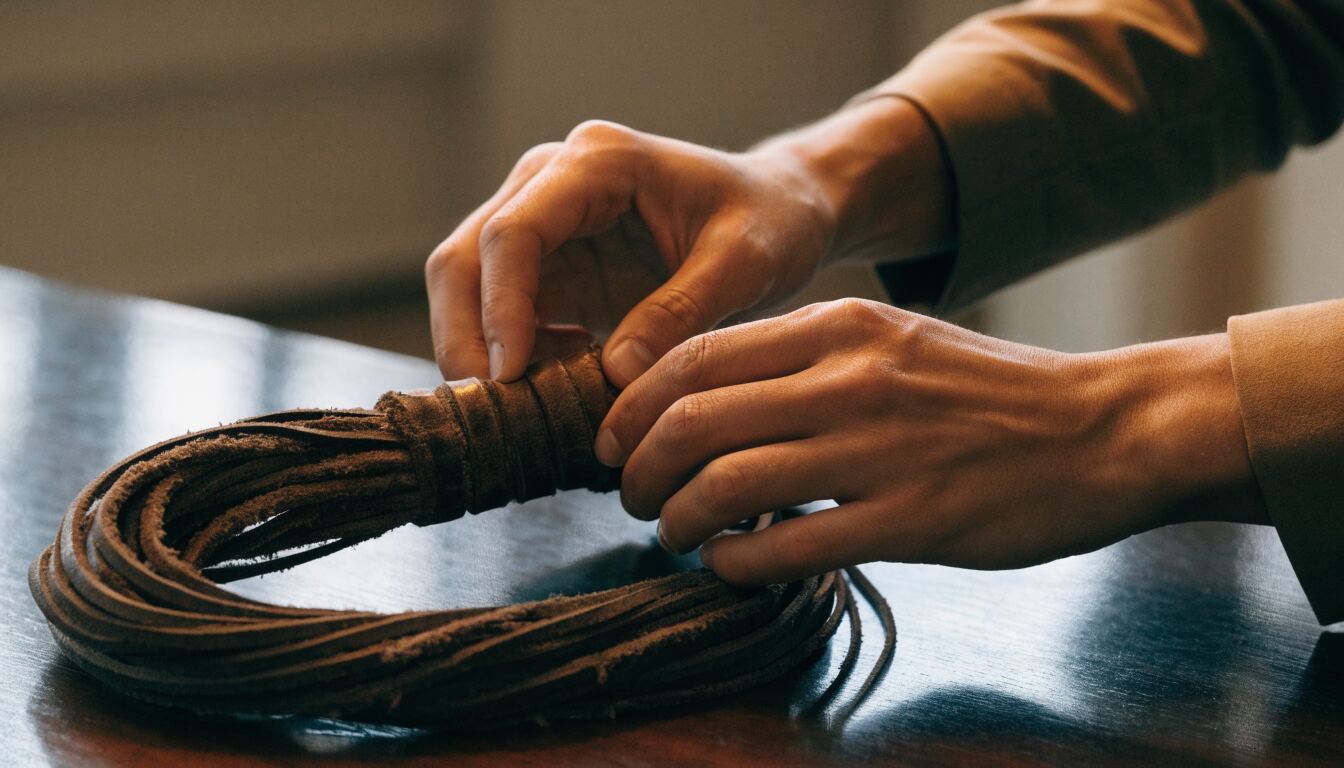
Embracing the Cool-Down: Why Aftercare Matters
When an erotic flagellation scene reaches its end, the experience doesn't simply stop with the final stroke. What unfolds afterward—the period of intentional cooldown and mutual support—holds immense importance for everyone involved. This phase, commonly referred to as aftercare, serves as a bridge that helps both individuals shift from heightened states back to everyday equilibrium. It's a practice rooted in compassion, focusing on physical soothing and emotional grounding. Think of it as a deliberate wind-down that reassures each person they are safe, valued, and connected beyond the dynamics of the scene itself. This guide explores the layers of effective post-flagellation care, offering practical insights to nurture both body and mind.
Attending to the Physical Self After Intense Play
Once the intensity subsides, your body deserves immediate and gentle attention. The goal here is to guide your physical state from one of heightened alertness and possible strain toward a place of calm and restoration. This involves more than just addressing visible marks; it's a holistic approach to physical wellbeing that honors the entire experience. By focusing on comfort and recovery, you lay the groundwork for emotional healing as well.
Replenishing Fluids and Energy
After a demanding session, your body may feel depleted, much like after strenuous exercise. Sweating, elevated heart rate, and expended energy are common, so rehydration becomes a first priority. Offer cool water, diluted juice, or an electrolyte beverage to restore balance. A quick source of sugar can help steady blood sugar levels, especially following an adrenaline surge. Consider having light snacks on hand—slices of fresh fruit, a handful of nuts, a small piece of dark chocolate, or a granola bar can work wonders. For many, a warm drink like herbal tea or hot cocoa provides deep comfort, signaling internally that the active phase has concluded and recovery can begin. Preparing these items ahead of time ensures you can focus entirely on each other without interruption.
Tending to Skin Marks and Soreness
Depending on the intensity and tools used, your skin might show signs ranging from faint pinkness to deeper bruising or minor abrasions. It's wise to gently inspect each other's bodies for areas needing care. Clean any small scratches or cuts with a mild antiseptic solution or wipe. For bruises, a wrapped cold pack can minimize swelling if applied soon after, while a warm compress later on may ease muscle aches. Some people find relief through applying a fragrance-free lotion or a specialized balm with soothing ingredients like aloe or calendula. Perform these actions slowly and with clear communication, checking in about pressure and sensitivity. This process isn't about clinical treatment but about conveying tenderness and attention.
Crafting a Peaceful Atmosphere
After addressing immediate physical needs, shift the environment to support relaxation. Soften harsh lighting by dimming lamps or lighting unscented candles. Introduce calming sounds such as ambient music, nature recordings, or simply enjoy quiet together. Temperature matters too; intense play can leave people feeling chilled afterward, so keep cozy blankets, robes, or warm socks within reach. The aim is to transform the space into a sanctuary where both of you can decompress. Small touches like a favorite pillow or a familiar scent can anchor you in the present moment, reinforcing safety and nurturing.
Switching to Comforting Attire
Changing out of scene-specific clothing or gear is a powerful physical cue that the play has ended. If you wore restrictive items, leather, or latex, now is the moment to slip into something soft and loose—think cotton shirts, fleece pants, or plush robes. For the person who received impact, draping a gentle fabric over sensitized skin can feel incredibly reassuring. This simple act communicates care and a desire for their ease. Even small details like offering warm socks or a weighted blanket can deepen feelings of being looked after and secure.
Cultivating Emotional Closeness After the Scene
While physical comfort is vital, the emotional landscape after flagellation requires equal attention. Intense sensations and power dynamics can stir up complex feelings—euphoria, vulnerability, exhaustion, or unexpected emotions. Aftercare provides the space to process these together, reinforcing that you see each other as whole people, not just play partners.
Practicing Open Dialogue and Attentive Listening
Once the immediate intensity fades, engaging in conversation helps integrate the experience. This goes beyond surface-level remarks; it's about exploring how each of you genuinely felt. Did any moment catch you off guard? Did a particular sensation unlock an unexpected emotion? Start with a gentle check-in like, "How are you feeling right now?" and give the answer your full presence. Share your own perspective honestly but kindly, discussing what resonated, what felt challenging, and what you appreciated. Listen without jumping to fix or judge—sometimes a partner just needs to be heard. You might structure a debrief around questions such as: What moment stood out most for you? Was anything too intense or not quite right? What would you be curious to explore in the future? Remember that some people become quiet or spacey afterward; if so, don't force conversation. Simply stay near, offer a hand, and let them return at their own pace. The talk can happen hours later or even the next day.
Affirming Each Other's Emotional Reality
After scenes involving pain or power exchange, emotions can be unpredictable. You might feel exhilarated, drained, shaky, or a mix of all three—and all of that is completely valid. Show your partner their feelings are accepted through verbal reassurances like, "You did so well," "I'm grateful you trusted me," or simply "I'm here with you." If degrading language was part of the scene, balance it afterward with words that affirm their worth and your appreciation. Physical gestures also speak volumes; a long hug, gentle hair stroking, or sitting close can communicate safety and empathy. The key is to meet emotions without trying to dismiss or rationalize them away.
Stepping Out of Roles and Reconecting as Equals
During play, you may have inhabited specific roles—dominant, submissive, or other dynamics. Aftercare is the time to consciously step back into your everyday identities. This transition reinforces that the scene was a consensual exploration, not a definition of your relationship. Small shifts help: if you used formal titles during play, switch to first names or affectionate nicknames. Engage in mundane, shared activities like brewing tea, watching a lighthearted show, or chatting about ordinary topics. Laughter can be especially bonding; a gentle joke or a shared giggle about something silly can dissolve lingering tension and remind you of your connection beyond kink. These moments say, "That was play, and this is us, together."
Personalizing Aftercare for Unique Needs
No two people experience intensity the same way, so aftercare must flex to fit individual preferences. What soothes one person might overwhelm another. Paying attention to these differences shows deep respect and strengthens trust.
Supporting Neurodivergent Partners
If you or your partner are neurodivergent—for instance, on the autism spectrum or managing ADHD—sensory processing can differ significantly. Some individuals may need reduced stimulation after a scene: dimmer lights, minimal noise, or even a period of solitude to decompress. Others might seek specific textures for comfort, like a weighted blanket or a soft piece of fabric. Gentle, repetitive motions such as slow back rubbing might help regulate. Ask direct questions about what feels okay and what doesn't, avoiding vague language. Allow extra processing time without rushing; some people need longer to articulate their feelings. Clear, straightforward communication helps avoid misunderstandings and fosters a sense of safety.
Honoring Varied Emotional Processing Styles
People process post-scene emotions in distinct ways. Some are verbal processors who need to talk through every detail immediately. Others are more internal, requiring quiet reflection before they can share. Still others might prefer to engage in a simple, grounding activity like folding laundry together or taking a short walk. Respect these differences by not imposing your own style. Create space for both talking and silence, and check in about what would feel most supportive. The goal is to let each person's natural processing unfold without pressure.
Planning for Ongoing Support
Aftercare doesn't always end when you part ways. Emotions can surface hours or even days later, especially after particularly intense scenes. It's wise to plan for this. Agree to a check-in call or message the next day, or simply let each other know you're available if feelings need further discussion. This extended care demonstrates that your concern for each other's wellbeing extends beyond the immediate moment. Discussing these plans beforehand—part of your negotiation—ensures everyone feels held and considered.
Easing the Transition from Intense Sensations
Coming down from a flagellation scene should feel gradual, not jarring. Think of it like slowly decelerating after a sprint rather than stopping abruptly. This phase helps your nervous system recalibrate while reinforcing emotional safety.
Removing Gear with Mindfulness
Begin by carefully taking off any equipment or items used during play. If wax was involved, gently peel or wipe it away with a warm, damp cloth. For clamps or restraints that may have limited circulation, remove them slowly and massage the area afterward to encourage blood flow—this might tingle or sting briefly but is important for recovery. Take off any scene-specific makeup, costumes, or wigs; wiping away dramatic elements can feel like shedding a persona, helping both of you return to yourselves. Approach this as a ritual of closure, moving deliberately and checking in about comfort throughout.
Soothing the Skin and Easing Muscles
Once free of gear, turn attention to calming the skin. A warm shower or bath can wash away sweat and tension while providing gentle heat. If oils or lotions were used earlier, now is a good time to apply a mild, hydrating product. Light massage can release muscle tightness from sustained positions or physical exertion. Use slow, steady strokes, asking about pressure preferences. This physical care honors the body's efforts and signals that it's time to rest. Think of it as a way of saying thank you to the body for its participation.
Cleansing Symbolically and Physically
Washing away the physical remnants of the scene—sweat, lubricant, maybe tears—serves both hygenic and symbolic purposes. It marks a clear end to the intensity. Whether you shower together or use warm washcloths, this act can feel like a reset. As the water runs, visualize releasing the scene's energy, emerging clean and refreshed. This ritualistic washing helps the mind register that the active play is complete, making space for relaxation and connection.
Deepening Intimacy Through Aftercare Practices
The moments following intense play offer a unique opportunity to strengthen your bond. Beyond physical recovery, aftercare tends to the emotional openness that flagellation can create. This is where deeper trust and understanding can really flourish.
Using Physical Touch to Foster Closeness
Gentle, non-sexual touch after a scene communicates volumes. Soft stroking, holding hands, cuddling, or simply leaning against each other can ground both partners. These actions remind you of your connection beyond any roles you played. For someone who felt vulnerable during the scene, this physical presence is a potent way to feel safe and cherished. It's a wordless affirmation: "I'm here, and you matter to me."
Sharing Vulnerability in Conversation
Talking about the experience afterward builds a unique kind of trust. This doesn't need to be a formal debrief—though that can help—it can be casual sharing about what felt good, what surprised you, or what felt overwhelming. Being able to express these feelings openly, without fear of judgment, allows you to see each other more clearly. Discuss questions like: What sensations were most enjoyable? Were there moments that felt particularly intense emotionally? What did you learn about yourself or your partner? These honest exchanges deepen your understanding of each other's inner worlds.
Building Trust and Mutual Understanding
Consistent, thoughtful aftercare demonstrates that you prioritize each other's wellbeing. This reliability builds a solid foundation of trust over time. Knowing you'll be cared for after play makes it easier to explore more deeply and be vulnerable during scenes. It creates a positive cycle: the care you give strengthens trust, that trust enables richer experiences, and those experiences call for even more attentive care. This ongoing process helps you grow together in profound ways.
Extended Care for Deeper or More Intense Scenarios
When play pushes boundaries or involves significant physical intensity, standard aftercare might not feel sufficient. These scenes can leave you feeling utterly drained, shaky, or with lingering discomfort that requires extra attention. Planning for extended care shows foresight and deep commitment to each other's health.
Checking for and Managing Injuries
After a particularly rough session, perform a thorough but gentle check for any injuries. This includes not just obvious cuts or bruises but also subtler signs. Examine skin for breaks, deep scratches, or unusually raw areas. Palpate muscles for soreness—gentle stretching or very light massage might help, but avoid aggravating anything. Check joints for pain or stiffness from awkward positioning. If anything seems concerning or you're unsure how to treat it, don't hesitate to consult a medical professional. Being cautious is always wise.
Monitoring Skin Health Over Time
Skin can take days to fully reveal the effects of flagellation. Keep an eye on how it heals. Watch for persistent redness or irritation that doesn't fade or worsens, as this could indicate a reaction. While rare, any broken skin carries infection risk, so note increased pain, swelling, warmth, or discharge. Bruises often deepen in color over 24-48 hours; track their progression to ensure normal healing. Use gentle, unscented moisturizers to soothe, avoiding products with alcohol or strong fragrances that could sting. This ongoing attention shows care that extends well beyond the scene.
Supporting Recovery with Nutrition
Intense physical and emotional experiences deplete your body's resources. Refueling properly aids recovery significantly. Continue hydrating with water or electrolyte drinks if you sweated heavily. Focus on balanced meals with lean proteins for tissue repair and complex carbohydrates to restore energy. While a favorite comfort food can lift spirits, don't let it replace nourishing choices. Planning meals or snacks ahead of time means you won't have to think about it when you're tired, allowing you to focus on each other. This nutritional support is a practical yet profound way to demonstrate care.
Integrating Aftercare into Your Dynamic
Ultimately, aftercare is not a one-size-fits-all checklist but an ongoing conversation and practice. It evolves as you learn more about yourselves and each other. By prioritizing both physical comfort and emotional connection, you transform the period after flagellation into a cornerstone of your relationship. It becomes a space where vulnerability is honored, trust is reinforced, and intimacy deepens. Whether through a warm cup of tea, a quiet embrace, or a heartfelt conversation the next day, these acts of care remind you that the connection you share extends far beyond any single scene.
Bringing the Experience to a Gentle Close
When an erotic flagellation scene winds down, the care you offer each other becomes the final, tender chapter of the encounter. This phase isn’t just a polite add-on—it’s a deliberate way to honor your partner and the vulnerability you’ve shared. Think of it as a soothing descent from the heights of intensity, where both physical comfort and emotional reassurance intertwine. By tending to each other’s needs, you transform the memory into something securely positive, ensuring that the trust built during play carries forward. Skipping this step risks leaving a raw edge, but embracing it makes the whole journey feel fulfilling and safe.
Attending to the Body’s Signals
After the adrenaline fades, your body craves gentle restoration. Start with hydration—sipping water helps stabilize your system and eases that post-scene dryness. A light snack, like fruit or nuts, can lift your energy if you’re feeling drained. Slip into soft, loose clothing that wraps you in warmth without pressure. This is the physical equivalent of a calming embrace, signaling to your nervous system that it’s time to relax. For areas that feel tender or show signs of play, such as reddened skin or minor scratches, a mild, unscented lotion can soothe, while a cool compress reduces swelling. Treat these steps as mindful first aid with an extra layer of affection—checking over each other’s bodies not only heals but also deepens your connection through touch.
Nurturing Emotional Equilibrium
The mind needs just as much attention as the body. Open conversation acts as a bridge, helping you both unpack the experience and align your feelings. Share what resonated, what felt off, and what you might explore differently next time. This exchange isn’t about critique—it’s a heartfelt check-in that affirms you’re on the same wavelength. If your partner retreats into silence, don’t push for words. People process intensity in varied ways: some seek dialogue, others prefer quiet closeness. Sitting side by side, holding hands, or simply staying present can speak volumes. Let them set the pace, reassuring them that your support is steady and patient. This emotional tending weaves a thread of understanding that lingers long after the scene ends.
Tailoring Care to the Intensity
Not all scenes leave the same footprint. When play has been particularly vigorous, aftercare demands a more layered approach. Extended rest becomes essential—think cozy downtime with blankets and dim lighting. Any marks or abrasions need meticulous cleaning with gentle antiseptics, and you might want to monitor them over the following days, checking in with your partner about comfort levels. A brief daily conversation can catch subtle shifts in mood or physical sensation, preventing small issues from growing. This heightened attention shows that you’re invested in their well-being beyond the moment, reinforcing a bond built on mutual responsibility.
Strengthening Your Connection Through Aftercare
Far from a routine task, aftercare is a powerful tool for relationship growth. When you prioritize each other’s recovery—physically soothing sore muscles, emotionally validating shared vulnerability—you’re laying bricks of trust and respect. It turns an intense encounter into a collaborative act of love, where both people feel seen and cherished. Over time, these practices cultivate a deeper intimacy, making your partnership more resilient and attuned. Ultimately, the care you give after the play isn’t just about recovery; it’s a celebration of the bond you’ve chosen to nurture together.
Recognizing Your Partner's Unspoken Cues
After an intense session, your partner might not always verbalize their needs. Pay close attention to body language: trembling, avoiding eye contact, or unusual quietness can signal emotional or physical overwhelm. A gentle check-in, like placing a warm blanket over their shoulders or offering a steady hand, can open a channel for comfort without pressure. This silent awareness builds a safety net, ensuring no one feels abandoned in recovery.
Common Pitfalls to Avoid During Aftercare
Even with good intentions, certain habits can undermine the healing process. Common mistakes include:
- Rushing to analyze the scene before emotional stability returns.
- Assuming one-size-fits-all care—what worked last time may not suit the current moment.
- Neglecting quiet presence; sometimes, simply being there speaks louder than words.
Avoid these to keep the focus on genuine restoration rather than a routine checklist.
Real-Life Scenario: When One Partner Needs Space
Consider a couple where one person craves immediate cuddling while the other retreats into solitude after play. Forcing closeness can breed resentment. Instead, agree on a temporary compromise: a brief, reassuring touch followed by a set time for solitude, then a planned reunion for a warm drink. This respects divergent needs while maintaining the thread of connection, turning a potential conflict into a moment of mutual respect.