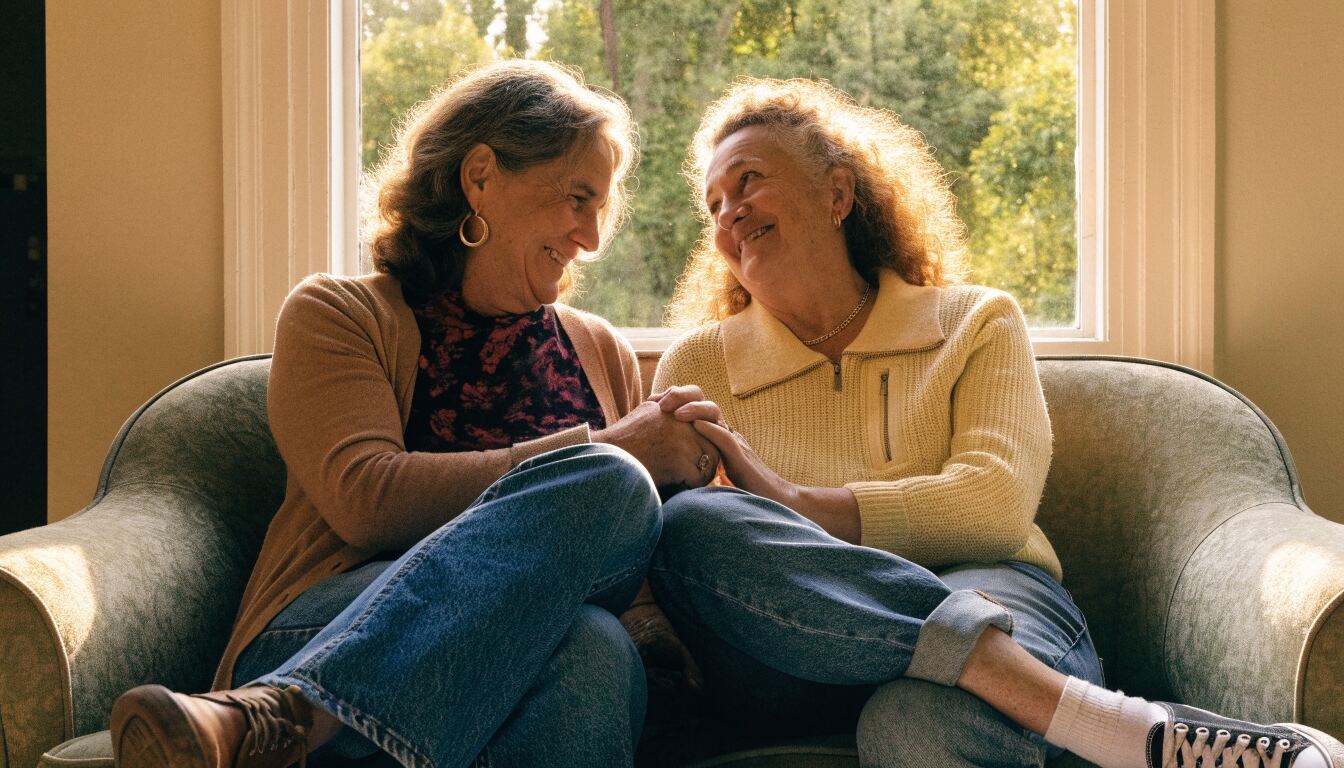
When the Nest Empties, a Door Opens
The instant the final child loads up and heads out can feel dreamlike—as though a sudden hush settles over your home. For ages, your world rotated around school drop-offs, weekend games, and communal meals. Now, you face a peculiar mix of freedom and sorrow. Some pairs dive into voyages or return to abandoned pastimes, while others gaze across the room, pondering what lies ahead. It is a shift equally disorienting and promising, an opening to reshape your shared identity. One route drawing increased attention currently is swinging, and it is far less extreme than one might assume. More empty nesters are embracing this way of life to renew closeness and bring vital energy to their bond. Let us examine why this season can serve as a launchpad for reigniting intimacy, and what pulls so many to consider swinging earnestly.
Empty Nest Syndrome as a Launchpad for Renewal
After decades of parenting, the shift to an empty home marks a major turning point. The routines that once filled every hour dissolve, leaving couples alone with each other in ways they haven't been for years. It's common to feel a mix of relief and aimlessness—the house feels too big, the silence too loud. Experts note that this emotional cocktail of loss and freedom is entirely normal, and it often pushes people to rethink their relationship goals.
One of the finest methods to reawaken romance after children depart is simply granting yourselves permission to uncover who you have become. Many people lose sight of what makes them chuckle or what delighted them before parenting consumed their days. Reviving past interests, engaging in extended chats about deferred aspirations, or sampling new activities jointly—these modest actions help form a renewed identity, separately and as a pair. The crucial thing is to view this stretch not as a conclusion, but as an open canvas.
Dealing with Loss and Seeking Deeper Connection
When the daily bustle fades, it's easy to feel adrift or wonder if you even know your partner outside of carpool duty. The sadness that creeps in isn't something to brush aside—it can actually point you toward the kind of connection you're missing. Here are some practical ways to navigate it:
- Name the feelings and talk them through together, rather than pretending everything's fine.
- Carve out space for closeness—this might mean scheduling regular date nights or simply sitting down for distraction-free conversations.
- Show care through small gestures, like preparing a favorite meal or leaving a handwritten note on the bathroom mirror.
For couples seeking more intimacy tips, physical touch and simple affection often bring surprising comfort. A hand on the back, a spontaneous hug, or just sitting close on the couch can ease the awkwardness of finding a new rhythm. Remember, feeling uncertain is part of the process—it doesn't mean something's wrong.
Filling the Gap with Shared Thrills
It's not unusual for couples to chase excitement once their parenting duties wrap up. The itch for adventure is real, and while some book trips or take up painting, others look to shake up their romantic or sexual dynamic. This hunger for novelty can stem from a desire to feel alive again, to break the monotony that long-term relationships sometimes fall into. Whether it's dancing at a club, learning a new skill, or exploring swinging, the common thread is a willingness to step outside comfort zones—together.
What Draws Empty Nesters Toward Swinging?
Empty nest syndrome frequently steers partners into unfamiliar emotional terrain that few openly address. With decreased obligations and more open schedules, couples gain room to reflect, try new things, and meet each other afresh. While some face loneliness in this shift, others view it as an opportunity for a genuine renewal, which can spark meaningful evolution in their bond. It's hardly surprising that many develop interest in open arrangements, seeking to reconnect on a different level.
Midlife Sexual Awakening
For many married folks over 50, decades of routine can spark a hunger for something new. Embracing swinging at this stage isn't about reckless abandon—it's about using newfound freedom to shed stale patterns, explore desires you've kept quiet, and talk openly about what truly feels good. Many couples uncover deeper closeness simply by being braver about expressing their wants.
You suddenly have more privacy, which makes experimentation less daunting. You and your partner finally have the time and self-assurance to figure out what's been missing or what secretly excites you. The awkwardness of early relationship years has faded; now, fun and curiosity take center stage, with less room for judgment. This phase often brings a sense of liberation, where pleasure becomes a shared project rather than a source of pressure.
Unpacking Long-Held Desires Together
If raising children dominated your daily existence, you probably set aside certain longings for years. Reconnecting now typically involves direct conversations about fantasies—perhaps the first in many years. Here's what countless couples encounter:
- Less fear of criticism, since you've both lived enough to shed petty insecurities.
- A team mindset as you navigate new experiences or meet new people side by side.
- Swinging for married couples over 50 tends to focus less on novelty for its own sake and more on shared moments that strengthen your bond.
These conversations can feel awkward at first, but they often lead to a sense of relief and excitement. Even if you never act on every fantasy, the act of sharing them builds trust and reminds you that you're still growing together.
Releasing Societal Presures
Today's older couples are less inclined to adhere to strict relationship formulas. Societal attitudes have progressed, as have the possibilities for deep connection. When self-criticism and blame recede, genuineness can emerge. Releasing conventional expectations permits you to pursue what genuinely suits your current life. Digital networks and modern tools mean you are not alone if you're curious or simply want to observe how others travel this road. Partners frequently discover reassurance seeing fellow empty nesters who have taken up swinging or open arrangements—and are visibly flourishing.
This fresh phase doesn't need to feel frightening or flat. If you're willing, rediscovering closeness can spring from stepping into the surprising as a team. At times, simply discussing shared curiosities is enough to spark momentum.
Questioning Monogamy and Exploring New Models
For numerous empty nesters, the advantages of non-monogamy within longstanding marriages grow difficult to dismiss. Following decades of careers, child-rearing, and adhering to a foreseeable life pattern, some couples begin questioning what they truly desire from their union. Alternative frameworks—such as open arrangements, polyamory, and swinging—are gaining notice as individuals look for routes to feel more alive and linked.
- Open arrangements let couples enjoy closeness with others while keeping their primary connection at the center.
- Polyamory welcomes romantic feelings for multiple people, with everyone's informed consent.
- Swinging centers on mutual, shared adventures, often within social group settings.
These conversations rarely surface at dinner parties, but behind closed doors many partners are considering whether alternative relationship styles might suit them. The idea isn't to swap what you already share—it's to explore what fits the people you've become now that your circumstances have shifted.
Embracing Non-Traditional Dynamics
In the past, stepping beyond monogamy felt off-limits for most. Today, more people recognize that relationship rules aren't universal. This openness is growing partly because:
- Taboo subjects are easier to broach thanks to online forums and candid podcasts.
- People see peers trying "open monogamy"—staying committed while welcoming flexibility.
- Age cultivates confidence; you become less troubled by outside judgments and more focused on what brings you contentment.
Some pairs wish to speak aloud fantasies they have held quietly for years. Others seek a touch of the unexpected after enduring sameness. For many, merely engaging in these dialogues offers a sense of release, even if they choose not to alter anything in the end. The act of talking itself can be life-shifting.
Building Trust in Non-Monogamous Setups
As you move away from familiar routines, trust rises to the forefront. If you are venturing into uncharted territory—whether voicing wants, mingling at an event, or taking things further—openness is vital. Here are some components that support this:
- Honest, even awkward, conversations—including admitting when something feels off.
- Defined agreements that can adjust as you progress (it is natural for limits to adapt as ease increases).
- Regular pulse checks to gauge how everyone's feeling emotionally.
Trust isn't built overnight; it's reinforced through consistent honesty and a willingness to prioritize each other's wellbeing, even when exploring outside the relationship.
Open Talk as the Foundation for Adventure
Honest communication serves as the foundation for empty-nest couples venturing into swinging. After long stretches of child-rearing and repetition, shifting to direct talks about wants and boundaries may seem awkward initially, yet it's the key to nurturing durable trust. Here's how sincere conversation becomes the core of joint intimate exploration.
Seting Boundaries and Comfort Zones
Boundaries are not simply limitations—they are compacts that protect both individuals' emotions and sense of safety. Every couple's restrictions will vary and probably shift as ease expands. For some, that means specifying who, what, and where beforehand. For others, it's about establishing a subtle cue when something feels off.
- Write out personal limits and wishes before any encounter.
- Talk through scenarios, including potential "what if" moments, and decide how you'll handle them.
- Revisit these boundaries regularly, tweaking them so both partners stay secure.
Staying proactive prevents confusion and nurtures trust as you explore together. Think of boundaries as a living document, not a rigid contract.
Handling Jealousy and Insecurities
Jealousy is a common—even foreseeable—reaction when first opening a relationship. The aim is to address it openly rather than allowing it to brew in silence. Being honest about what triggers unease helps you face challenges jointly instead of drifting apart. Constructive responses include calmly expressing feelings and requesting comfort; destructive ones involve snapping, withdrawing, or tallying grievances. After novel encounters, carve out moments to process reactions and gauge each other's emotional well-being. This demonstrates that the partnership matters more than any external interaction.
Regular Check-Ins for Emotional Safety
You can't simply guess your partner's emotional state, particularly during periods of change. Consistent check-ins—whether planned or informal—give both of you space to express needs, acknowledge wins, and tackle worries before they grow. Some pairs approach it like a post-experience review; others prefer chatting during a relaxed coffee break. Reserve uninterrupted time to speak freely. Try questions like, "Is there something you'd change about how things went?" or "What part felt especially positive for us?" Hear each other fully and offer steady reassurance.
For couples whose children have moved out, swinging often becomes more about reigniting their connection than focusing on the physical side. Honest dialogue can transform this life stage into an exciting new beginning. Seeking out novel avenues for pleasure as you grow older can also bring a refreshing charge.
The Alure of Mature Connections in Swinging
Midlife brings a unique form of freedom. Children have moved out, professions may be slowing, and time opens up to refocus on yourself and your partnership. For numerous couples, this is the period when thoughts of swinging emerge. It's not purely about thrills; there's a meaningful attraction in linking with people who share the maturity and self-knowledge you've built across the years.
Self-Assurance and Poise in Later Life
By your 50s or 60s, the self-doubts of earlier decades frequently dissolve. Self-acceptance makes sampling new experiences simpler—especially within intimate contexts. You recognize your tastes and are not reluctant to voice them. Many seasoned couples share this grounded sense, which renders exploring swinging together more relaxed. When you gather with people in a comparable life phase, exchanges happen effortlessly, with reduced stress to impress and greater attention on authentic, pleasurable moments.
- Years of experience shape a clearer understanding of personal desires.
- Open communication feels less daunting with age.
- Partners are often more willing to experiment, backed by mutual trust.
Pursuing Emotional and Physical Fulfillment
Let's face it: physical attraction alone seldom fulfills most seasoned couples. Many note that swinging during this phase centers as much on emotional bonding as on physical intimacy. Creating connections with one another—and occasionally with other pairs—can rekindle the vibrancy that often fades in lengthy commitments. Sincere exchanges, shared humor, and mutual eagerness become equally essential as any private moment.
At times, swinging actually strengthens partnerships by sharpening communication and prompting both individuals to regularly assess desires, emotions, and boundaries. As a couple jointly uncovers what brings satisfaction, they grow more connected. Swinging can reawaken closeness and reliability—qualities many long-established pairs crave after years of routine.
Understanding the 'Cougar' Dynamic
The so-called "cougar" trend is one element empowering some older women today. Cultural perceptions are shifting, and a mature woman's self-assurance is now admired rather than concealed. Younger companions frequently find this mixture of experience and poise appealing, and couples who lean into this dynamic can access a renewed sense of sensuality—and sheer enjoyment!
Here's why this dynamic stands out:
- Mature women typically know what they want and communicate boundaries clearly.
- They frequently offer a calm, receptive approach to intimacy that younger people often find inviting.
- The age gap introduces a different energy and reduces pressure to conform to standard relationship molds.
Swinging in middle age is not solely about reckless fun; it's about what develops from decades of self-awareness, growing together, and being prepared to shed old limitations. For many, that stands as the true treasure worth pursuing.
Adding Freshness and Excitement to Long-Term Marriages
Reigniting Passion and Curiosity
After lengthy partnerships, habits can harden and early passion may wane. Many pairs describe their physical connection as routine, nearly rote, and it's natural to long for something beyond mere familiarity. The bright side? You needn't overhaul everything to stir excitement. Start modestly—shift the time or location, investigate mutual daydreams, or bring in fresh ideas. For some, trying playthings or role scenarios can notably shift the dynamic, and beginning now is perfectly fine. Retirement or the child-free stretch often marks the turning point where couples finally feel at liberty to pursue previously imagined adventures. This could involve incorporating items like lubricants or fun accessories to deepen exploration.
Shared Exploration and Growth as a Team
Uncovering fresh experiences as a team is one of the surest paths to deepening your connection. When both people candidly voice their hopes or hidden fascinations, it builds a base for truthful exchange and mutual support. Approaching curiosity as allies can truly bring you nearer—not solely as romantic partners, but as steadfast friends. Below are a few practical ways to venture forward together.
- Draft a "bucket list" for your relationship—let imaginations run wild!
- Set up regular "adventure nights" where you try something unconventional (a new cuisine, a dance lesson, or even a deep conversation over wine).
- Swap fantasy stories or scenarios and follow the conversation wherever it leads.
- Encourage each other to express needs without criticism or shame.
These shared experiences, even the clumsy ones, can morph into humorous anecdotes or inside jokes that enrich your partnership.
Cultivating Playfulness and Spontaneity
If closeness seems caught in repetition, a measure of lightheartedness often provides the solution. Sometimes, it involves loosening up and abandoning the notion that intimacy must always be solemn or routine. Think back to how you once teased, astonished each other, or acted foolishly just for amusement. Restoring that spirit does not require large displays. Here is a way to start:
- Leave each other flirty notes or unexpected texts during the day.
- Plan a surprise outing without revealing any details beforehand.
- Play a board game—or invent your own rules for more intimate stakes.
A willingness to be impulsive can turn a routine Tuesday evening into a lasting cherished memory. Enduring marriages can certainly thrive on newness, though it's less about dramatic surprises and more about traveling the path side by side, no matter the scope.
Shifting Perspectives on Relationships in Later Life
Over the past few decades, the way society views non-traditional partnerships has transformed significantly. Once whispered about in hushed tones, open relationships, polyamory, and the swinging lifestyle are now topics you might hear discussed at a casual gathering or even on a daytime talk show. While monogamy remains a popular choice, it’s no longer seen as the sole path to fulfillment, particularly for couples entering their fifties, sixties, or beyond. This cultural softening means that empty nesters who feel a spark of curiosity about exploring new dynamics can voice those desires without facing the same level of judgment their parents’ generation might have encountered.
People today are placing a higher value on authentic connections, and they’re growing bolder about seeking those bonds outside the confines of convention. Sure, some stigma still lingers, but the overall environment is far more welcoming. Instead of focusing solely on betrayal or infidelity, conversations now center on mutual agreements, personal limits, and shared exploration. Neighborhood discussion circles, both virtual and face-to-face, provide genuine encouragement. Even many popular dating platforms have adapted, offering profile settings for couples interested in non-monogamous arrangements or other alternative setups.
How Technology Opens Doors for Curious Couples
The internet acts as a gentle entry point for empty nesters who are just beginning to entertain the idea of swinging. It’s a digital safety net, allowing couples to gather information and connect with others before taking any real-world steps. Private social media groups, specialized forums, and messaging apps become spaces where newcomers can dip their toes in the water. Someone might post a question about managing first-time jitters, ask what dress code really means at a local event, or seek tips on identifying a gathering that matches their comfort level. Within hours, they often receive a handful of candid, supportive responses from people who have walked that path before.
The advice shared in these online circles covers a wide spectrum. On the practical side, you’ll hear reminders about bringing your own protection, staying hydrated, and having a safe word or signal ready. On the emotional front, seasoned participants often reassure beginners that a twinge of jealousy is completely natural and can be navigated with open dialogue. This blend of logistical and heartfelt guidance helps demystify the experience and makes the whole venture feel less intimidating.
What Digital Tools Make Possible
Modern technology essentially hands couples a toolkit for exploration. It breaks down geographic barriers, connecting people who are navigating the same new chapter of life, even if they live hundreds of miles apart. These digital connections often bloom into real friendships, and occasionally, a more experienced individual or duo steps into a mentorship role, sharing hard-won wisdom from their own journey. They’ll talk about the mistakes they made, how they recalibrated, and what they learned along the way—a form of guidance that feels far more relatable than any textbook advice.
Here are a few concrete ways these peer networks prove valuable:
- Candid discussions you’d never get from a casual acquaintance, covering topics like navigating awkward moments or reconnecting after a play session.
- A rich mix of narratives, from cautionary tales that help you avoid common pitfalls to uplifting accounts of unforgettable evenings that inspire you to take the next step.
- Practical strategies for tackling tough conversations, managing complex emotions like envy, or simply figuring out how to craft an honest online profile that reflects both of you.
Beyond forums and chat groups, dedicated apps and websites designed for the lifestyle offer layers of privacy and verification, which can be especially reassuring for older adults who value discretion. You can browse at your own pace, have lengthy chats to gauge compatibility, and even attend virtual meet-and-greets before deciding to show up somewhere in person. This gradual, low-pressure approach is often the perfect fit for couples who want to move forward thoughtfully.
Finding Your Footing and Building a Support Circle
Asking for support in this arena can feel daunting at first—there’s always that worry about being misjudged. Yet one of the greatest gifts of the digital age is its ability to unite a widely dispersed group of individuals who are all embarking on a similar adventure. Suddenly, you’re not the only couple in your town wondering about this; you’re part of a broader community that spans cities and states. Bonds form over shared anxieties and triumphs, creating a sense of belonging that can be profoundly reassuring.
Within these circles, you’ll encounter a spectrum of voices. Some will share stories of missteps that turned into valuable lessons, while others will recount nights that strengthened their bond in ways they hadn’t anticipated. Both types of stories serve a purpose. The former helps you sidestep unnecessary heartache; the latter fuels your excitement and gives you a vision of what’s possible. You’ll also pick up scripts for how to handle delicate moments—like what to say if one person feels left out or how to gracefully exit a situation that doesn’t feel right.
Charting a New Course Side by Side
When the last child moves out, the sudden quiet can feel disorienting. The rhythms you leaned on for years dissolve, and you’re left staring at a wide-open calendar. For some couples, this transition is the perfect moment to shake off the dust and rediscover each other. Exploring the swinging scene together is one avenue for doing just that. It’s not a universal solution, but for those who feel a genuine pull toward it, the journey can be filled with discovery, laughter, and a renewed sense of partnership. You might even find yourselves falling for one another in a fresh, deeper way.
The absolute cornerstone of this entire process is communication. Before you venture into any new territory, sit down and have those raw, honest conversations. Talk about your hopes—what excites you about the idea? Then, dig into your fears—what makes you anxious? Clearly define your boundaries as a team, and agree that those boundaries can shift and be renegotiated over time. If, after all that dialogue, you both feel a spark of genuine enthusiasm, then you have a solid foundation to start exploring what this next phase might hold. Ultimately, it’s about crafting moments of joy and connection on your own terms. And if nothing else, you’ll certainly gather a collection of memorable tales along the way.
Common Questions About Empty Nesters and Swinging
What exactly is Empty Nest Syndrome, and how does it impact a marriage?
Empty Nest Syndrome refers to the emotional shift parents experience when their children leave home, often bringing a mix of newfound freedom and a sense of loss. Initially, partners might feel adrift or notice a distance between them, but this period also opens a door to reconnect and jointly pursue fresh interests.
What motivates some couples in this stage to try swinging?
After dedicating decades to raising a family, many couples are eager to inject a sense of adventure and rekindle their intimate bond. Swinging offers a shared project where they can uncover different facets of their relationship and experience thrilling moments as a united pair.
Is the swinging lifestyle solely focused on physical intimacy?
Hardly. While physical connection is a component, many participants say the deeper rewards lie in strengthening trust, sharpening communication skills, and fostering a profound sense of teamwork. It often prompts partners to speak more transparently and comprehend each other on a more intimate level.
What strategies do couples use to manage feelings of jealousy?
Feeling jealous is a very human reaction. Successful couples address it by establishing firm, clear agreements upfront and maintaining a constant, honest flow of dialogue about their emotions. Regular emotional check-ins and prioritizing each other’s comfort are key to keeping the experience positive and secure for both people.
Are people in their later years really confident about exploring something like swinging?
Absoutely. With age often comes a clearer sense of self and a stronger grasp of one’s own desires. Many older adults find they care far less about outside opinions and feel more liberated to investigate new experiences, drawing on a lifetime of emotional experience to guide them.
How can technology assist older couples who are curious about the lifestyle?
Technology serves as a discreet and convenient gateway. Through online communities, private forums, and specialized apps, couples can connect with kindred spirits, access a wealth of information, pose questions anonymously, and receive guidance from peers—all before deciding to attend any in-person event.