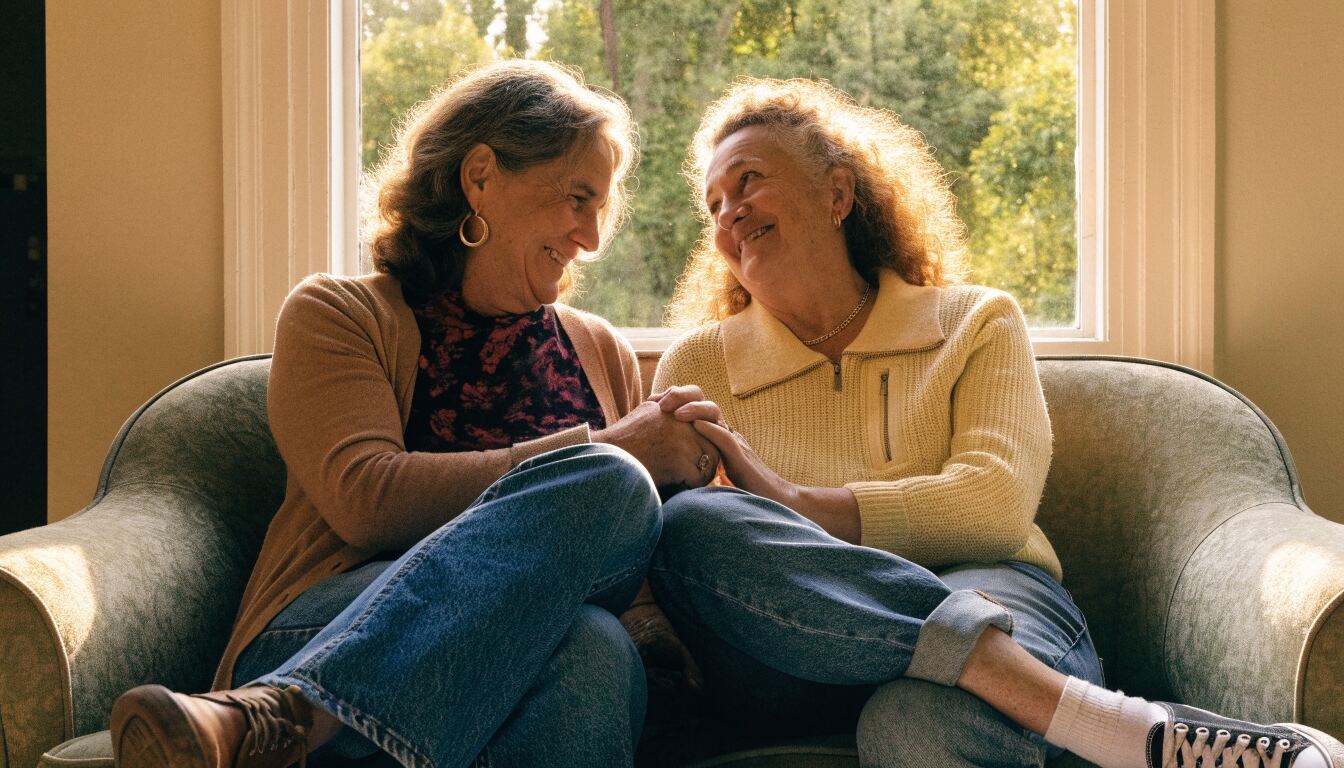
Embracing a Fresh Chapter When the Nest Empties
The initial quiet after children depart can feel unsettling—rooms once bustling with energy now echo with stillness. Yet this transition marks an extraordinary opening to reshape your life as a duo. Without the constant demands of school runs and extracurricular schedules, you gain the freedom to refocus on what truly matters: your partnership and personal fulfillment. Many couples discover that this period isn't about loss but about reclaiming joy, trying unconventional activities, and deepening bonds in ways they hadn't imagined. Whether it's exploring new social dynamics, revisiting forgotten passions, or simply savoring unhurried moments together, the empty nest years can become a vibrant, transformative journey.
Reawakening Romance and Closeness After Kids Leave
With the household rhythm no longer dictated by parenting duties, you finally have space to nurture your romantic connection. This is the ideal moment to shift from logistical conversations—who's picking up whom, what's for dinner—to meaningful exchanges that strengthen your emotional ties. Start by carving out dedicated time each week for uninterrupted dialogue, free from phones or television. Ask open-ended questions about each other's aspirations, fears, and hidden curiosities. Practice reflective listening, where you paraphrase what your partner shares to show genuine understanding. Humor becomes a powerful tool here; lighthearted teasing or recalling funny memories can dissolve tension and remind you of your playful history. Small gestures, like leaving a handwritten note or a spontaneous compliment, rebuild intimacy gradually. Remember, emotional safety paves the way for physical closeness, so prioritize these heartfelt connections as the foundation for everything else.
Uncovering Joint Interests and Pastimes
Years of focusing on children often sideline the activities that once brought you together. Now is your chance to dust off old hobbies or dive into entirely new ones. Consider creating a shared list of pursuits you've both been curious about—anything from pottery classes to birdwatching excursions. The key is to approach this with a sense of experimentation, not pressure. Some couples thrive on structured plans, like weekly dance lessons or a monthly book club for two, while others prefer spontaneous outings. Here are a few ideas to spark inspiration:
- Take a culinary tour of your own city, sampling restaurants from different cuisines each week.
- Join a local hiking group and tackle trails you've never explored.
- Start a small garden project together, even if it's just herbs on a balcony.
- Attend live music events or theater performances you'd normally skip.
- Volunteer for a cause you both care about, blending purpose with partnership.
These shared ventures aren't just about filling time—they create fresh stories and inside jokes that reignite a sense of teamwork. When you learn something new side by side, you see each other in a different light, which can be incredibly attractive and energizing.
Boosting Intimacy Through Emotional Connection
Physical closeness often flourishes when emotional bonds are strong. Begin by discussing what intimacy means to each of you now, as desires may have shifted over the years. Schedule regular date nights but leave room for impromptu moments—a slow dance in the kitchen, a spontaneous weekend away. Experiment with different settings or times of day to keep things fresh. Celebrate incremental progress; a quiet evening cuddling can be just as valuable as more passionate encounters. The goal is to create an environment where vulnerability feels safe and exploration is mutual. This process isn't about meeting external expectations but about discovering what genuinely brings you closer.
The Unexpected Perks of Exploring New Social Circles as a Couple
Stepping beyond traditional relationship boundaries can inject a surprising vitality into long-term partnerships. For many empty nesters, engaging with like-minded pairs or groups introduces novelty that refreshes their own dynamic. This isn't solely about physical experiences—it's about the ripple effects on communication, trust, and shared excitement. When you navigate these adventures together, you often find yourselves flirting and laughing like you did in the early days of dating. The energy of meeting new people and learning from their perspectives can make you feel more youthful and alive, breaking the monotony that sometimes settles into decades-long relationships.
Opening Up Honest Dialogues About Wants and Limits
One of the most profound shifts comes from the candid conversations that these lifestyle choices require. Suddenly, you're discussing preferences, boundaries, and curiosities that might have remained unspoken for years. This level of transparency doesn't just apply to the specific activity—it spills over into everyday life, making you both more comfortable expressing needs of all kinds. Consider how topics evolve:
- Before exploring: Talks often revolve around surface-level logistics or unspoken assumptions.
- During exploration: Conversations dig into personal desires, insecurities, and mutual respect for limits.
- After establishing routines: Communication becomes a natural, ongoing practice rather than a special event.
This openness builds a safety net where both partners feel heard without judgment. Even if certain ideas never move beyond discussion, the act of sharing them strengthens your emotional intimacy. It's a reminder that you're a team navigating this terrain together, not individuals guessing at each other's thoughts.
Fortifying Trust and Partnership Bonds
Engaging in lifestyle adventures relies entirely on a foundation of trust. Every step works only when both people feel secure and prioritized. By saying yes to new experiences as a unit, you reinforce loyalty and commitment. Many couples report that working through challenging emotions like jealousy—with total honesty—actually brings them closer. It teaches you to navigate discomfort constructively, emerging with greater respect for each other's resilience and dedication. This journey becomes a shared project that reminds you why you chose each other in the first place.
Seizing Freedom and Crafting Adventures Together
The empty nest phase gifts you something priceless: unstructured time and the autonomy to use it however you please. No longer tethered to school calendars or family obligations, you can finally act on those “someday” dreams. Whether it's booking a last-minute flight or joining a community sports league, this is your moment to embrace spontaneity. The shift can feel like removing a weight you didn't realize you were carrying—a strange but exhilarating liberation.
Designing Your Dream Travel Itineraries
Remember when vacations meant kid-friendly resorts and strict schedules? Now, you can choose destinations based purely on what excites you both. Maybe that means hiking through Patagonia, attending a cooking school in Provence, or simply road-tripping to quirky small towns. To make the most of this freedom:
- Craft a joint bucket list over morning coffee, letting each person contribute wild and practical ideas alike.
- Aim for a mix of grand trips and micro-getaways—a week-long adventure paired with a few overnight escapes each year.
- Look for travel experiences that involve hands-on learning, like photography workshops or sailing courses, to deepen your bond.
- Consider off-season travel for quieter, more affordable experiences that still feel luxurious.
The planning process itself becomes a bonding activity, filling evenings with excitement and anticipation. Even local explorations—like being tourists in your own city—can feel novel when approached with fresh eyes.
Diving Into Group Activities and Retreats
Group settings offer a unique energy that solo couple time sometimes lacks. Joining a painting class, yoga retreat, or cycling club introduces you to new faces and shared laughter. These environments reduce social awkwardness because everyone is there to engage and learn. The benefits extend beyond the activity itself:
- You gain built-in social time without the pressure of one-on-one small talk.
- Sharing a learning curve with your partner creates inside jokes and mutual encouragement.
- Being beginners together in a group normalizes vulnerability and makes trying new things less intimidating.
Look for local workshops, travel clubs, or weekend retreats tailored to couples or midlife adventurers. The connections you form can evolve into lasting friendships with people who understand your stage of life.
Inviting Spontaneity and Playfulness Back In
When was the last time you made an impulsive decision just for fun? The empty nest years are your invitation to reclaim that lightheartedness. Try leaving one weekend a month completely unplanned—wake up, see what sounds appealing, and go with it. Say yes when your partner proposes something quirky, like a midnight picnic or a karaoke night. Make playful wagers on silly competitions, whether it's mini-golf or who can cook the better meal from random ingredients. Stepping outside your comfort zone together often leads to the most memorable moments. Growth and connection frequently arise from surprises, not meticulously laid plans. Embrace the dorky, the weird, and the unexpected—these are the threads that weave a rich, joyful shared life.
Cultivating Inner Growth and a Positive Mindset
With the parenting role no longer defining your daily identity, you have a rare opportunity to turn inward and rediscover who you are now. This process can feel messy and disorienting at first, but it's also deeply rewarding. The quiet isn't a void to fill frantically—it's a canvas for self-exploration. Give yourself permission to sit with the discomfort of change without rushing to mask it. Acknowledge that feeling adrift is natural when a long-held role shifts. Then, start envisioning what you want this next chapter to look like.
Releasing Old Identities and Welcoming Transformation
Moving on from being a day-to-day parent involves grieving what's lost while opening to what's possible. You might catch yourself questioning your purpose or value without the constant demands of caregiving. This is normal and temporary. To navigate the transition:
- Make a list of responsibilities you no longer have—and a separate list of things you've always wanted to try.
- Remind yourself that mixed emotions are valid; you can miss your kids and still relish your freedom.
- View this period as a renovation, not a demolition. You're building on the foundation of your past, not erasing it.
Letting go of perfectionism helps. Some days will feel productive and exciting; others might feel lonely or aimless. Both are part of the journey.
Pursuing Personal Passions and New Skills
Now is the time to act on curiosities you shelved during busier years. Whether it's learning a musical instrument, joining a community theater group, or training for a marathon, personal growth looks different for everyone. Create a short wish-list of activities and commit to trying one this month. Join local clubs or online courses that align with your interests. Set small weekly goals—finishing a chapter of a novel, experimenting with a new recipe, or exploring a nearby park you've never visited. These pursuits build confidence and remind you of your capabilities beyond parenting. They also give you fresh topics to discuss with your partner, enriching your conversations.
Finding Contentment in Simple Daily Moments
Happiness often resides in ordinary, unhurried experiences. Savoring a quiet morning coffee, taking a leisurely walk without a destination, or having an impromptu phone call with an old friend can bring profound joy. Consider keeping a gratitude journal where you note three small pleasures each day. Experiment with mindful pauses—a few deep breaths before starting a task, or a moment of appreciation for sunlight streaming through a window. These practices shift your focus from what's missing to what's present. Self-discovery is an ongoing, non-linear process. It will likely involve discomfort and surprises, but that's how genuine growth happens. Be patient with yourself as you navigate this evolving terrain.
Expanding Social Networks and Community Ties
After children leave, social circles often shrink, leaving a gap that can feel isolating. The good news is that this stage grants you the freedom to build connections on your own terms, without the constraints of parenting schedules. Stepping into new social environments—even ones that initially feel outside your comfort zone—can lead to some of the most fulfilling relationships of your life. The key is showing up consistently and being open to the awkwardness that often precedes genuine connection.
Forming New Friendships Through Shared Activities
Meeting people as an adult requires intentionality. Seek out local book clubs, dinner groups, or hobby-based meetups advertised on community boards or online platforms. Attend workshops—pottery, walking tours, trivia nights—where interaction is built into the experience. Volunteering for causes you care about connects you with generous, like-minded individuals. Remember, most participants are also hoping to expand their social circles, so the initial discomfort is universal. Approach each outing with curiosity rather than expectation, and friendships will develop organically over time.
Connecting with Couples Who Understand Your Journey
The empty nest phase is an ideal time to bond with other pairs navigating similar transitions. Seek out couples' travel groups, themed dinner parties, or interest-based clubs like cycling collectives or foodie societies. Being open about the realities of midlife—the mixed emotions, the rediscoveries—serves as a powerful icebreaker, cutting through superficial chatter to foster authentic dialogue. These connections provide mutual support and inspiration, reminding you that you're not alone in this experience.
Finding Encouragement in Peer Networks
Peer groups fill an essential role, offering understanding ears and practical advice. Explore online communities like Facebook groups or forums dedicated to empty nesters. Attend local meetups designed for midlife adventures, from arts festivals to charity walks. Support groups, often hosted by community centers, address the emotional ups and downs of this transition. Plugging into these networks combats isolation and provides a sense of belonging during a time of significant change.
Enhancing Physical, Emotional, and Mental Wellbeing
Wellness after the kids leave isn't about achieving perfection—it's about cultivating balance and genuine contentment. The extra hours in your schedule are a gift you can invest in health, both individually and as a couple. Small, consistent habits often yield the most significant results, grounding you in vitality and peace.
Building Healthy Routines Together
Creating new habits side by side strengthens your bond while boosting wellbeing. Block off time for shared movement—daily walks, yoga sessions, or pickleball games. Experiment with cooking whole-food meals together, trying new recipes that make nutrition enjoyable. Establish a consistent sleep schedule that leaves you both feeling rested. For added structure and social connection, join local group classes or recreational leagues. Accountability to each other and to a community makes routines stick.
Alleviating Stress and Increasing Life Satisfaction
The empty nest can trigger a rollercoaster of emotions, from exhilaration to loneliness. Managing stress effectively involves practical shifts. Practice daily mindfulness, even for just five minutes of quiet breathing. Try journaling to process thoughts and capture positive moments. Accept that not every feeling needs immediate resolution—sometimes, sitting with discomfort is part of healing. If anxiety or sadness persist, seeking counseling is a sign of strength, not weakness. Lowering daily stress unlocks a genuine sense of ease and helps you redefine happiness on your own terms.
Staying Motivated Through Joint Goals
When old routines disappear, motivation can waver. Setting playful, achievable goals as a couple provides direction and shared purpose. Ideas include:
- Training for a charity walk or fun run together, celebrating each milestone.
- Cooking your way through a new healthy cookbook over several months.
- Joining a dance or art class purely for the joy of learning something fresh.
- Scheduling regular health check-ups and turning them into positive, self-care rituals.
What matters most is claiming this time as yours—shifting from perpetual caregiving to living well for yourself and each other. If you stumble on your routines, simply start again without shame. Progress always outweighs perfection.
Navigating Evolving Family Dynamics with Grace
As children become independent, family relationships naturally shift. Some adjustments feel seamless; others require careful negotiation. Approaching these changes with patience and flexibility helps everyone thrive.
Setting Kind Boundaries with Adult Children
Boundaries aren't about creating distance—they're about defining healthy, respectful relationships. Discuss preferred communication methods and frequency—whether weekly calls, texts, or visits work best. Clarify financial expectations if adult children move back home or need support. Agree to honor each other's autonomy while staying connected. Clearly express your own needs alongside theirs. Think of boundaries as guardrails that keep everyone safe without blocking connection.
Balancing Grandparenting and Caregiving Roles
Many empty nesters find themselves juggling new responsibilities, from grandparenting to caring for aging parents. It's easy to feel stretched thin. Discuss what you're realistically able to offer—in terms of babysitting, travel, or financial help. Set limits that protect your wellbeing while allowing you to show up meaningfully. For those in the "sandwich generation," planning practical routines to manage competing demands is crucial. Honesty about your capacity prevents resentment and burnout.
Preserving Personal Joy Amid Family Obligations
It's common to lose yourself in meeting everyone else's needs. Yet you can miss your children and still embrace your newfound freedom—these feelings coexist naturally. Give yourself permission to say no or ask for help when overwhelmed. Schedule solo time for hobbies, rest, or quiet reflection. Remember, you're constructing a new life phase, not abandoning the old one. Caring for your own happiness enables you to show up more fully for loved ones. Some days will feel off-balance, but staying flexible and self-compassionate carries you through.
Stepping Boldly Into Your Next Adventure
The empty nest isn't an ending—it's a beginning dressed in unfamiliar clothes. This phase invites you to shake up routines, explore long-deferred dreams, and reconnect with yourself and your partner on deeper levels. Whether you're picking up a neglected hobby, traveling to places you've only pinned on a map, or simply reveling in a peaceful morning coffee, this chapter is yours to design. Some days will feel strange or lonely; that's part of the transition. The key is to remain curious and receptive to new experiences. Rekindle your partnership, reach out to old friends, and welcome new ones. Prioritize your mental and physical health without guilt. There's no single correct path, but leaning into the possibilities can make this one of the most fulfilling eras of your life. So go ahead—try something unexpected. You've earned this adventure.
Common Questions from Empty Nesters Exploring Swinging
What Exactly Is Swinging, and What Draws Empty Nesters to It?
Swinging refers to a consensual arrangement where couples engage in intimate or romantic encounters with others, either jointly or independently. For those whose children have recently left home, this lifestyle can inject a fresh sense of adventure and help partners rediscover their bond. After years of prioritizing family routines, many find that this practice sparks renewed energy and mutual focus.
Is It Typical to Feel Anxious About New Experiences?
Feeling a flutter of nerves is completely natural when stepping into unfamiliar territory. Embracing change often feels daunting, yet it can also lead to personal development and joy. Numerous empty nesters acknowledge initial hesitations before venturing beyond their comfort zones, but they frequently report greater happiness and self-assurance once they take that leap. The key is to move at a pace that feels right for both individuals.
How Might Swinging Strengthen a Relationship?
This lifestyle can foster deeper communication, encouraging couples to express desires and emotions more candidly. It often reignites a spark by introducing shared adventures, while building a foundation of trust. Many pairs describe feeling a heightened sense of intimacy and unity after exploring these boundaries together, as they navigate the journey as a team and reinforce their commitment.
What If Partners Have Differing Views on Swinging?
Open and honest dialogue is essential when perspectives don’t align. If one person feels reluctant, that sentiment deserves full respect. There’s no pressure to proceed; the priority remains honoring each other’s comfort levels and arriving at decisions that safeguard the relationship’s well-being. Sometimes, simply discussing the idea can clarify shared values without taking further action.
Are There Potential Downsides for Empty Nesters?
As with any new endeavor, there are considerations to weigh. Establishing clear agreements, discussing limits, and ensuring mutual safety and respect are vital steps. Practicing safe intimacy and maintaining transparency about emotions helps mitigate concerns. Regular check-ins can prevent misunderstandings and keep the experience positive for everyone involved.
How Can You Connect With Like-Minded Couples?
Seek out local social circles, clubs, or digital forums tailored to empty nesters seeking novel experiences. Some pairs participate in travel groups or attend gatherings designed to foster connections with people who share similar curiosities. Before joining any community, verify that it promotes a welcoming and secure atmosphere, allowing you to explore at your own comfort level.
In conclusion, swinging offers empty nesters a chance to revitalize their partnership through shared exploration and honest communication. By addressing concerns, respecting boundaries, and finding supportive communities, couples can navigate this path with confidence. The journey isn’t about following a set script but about discovering what brings renewed closeness and fulfillment to your unique relationship. Embrace the opportunity to redefine this chapter together, keeping mutual trust at the heart of every step.