Introduction
In an age where our lives unfold across screens, sharing personal moments has shifted from an occasional act to a daily rhythm. We upload snapshots, craft statuses, and broadcast reflections, weaving private experiences into a public tapestry. This ongoing display—this form of digital exhibitionism—profoundly molds our sense of self and the impressions we leave on others. It’s as though we each occupy a virtual stage, and the curated glimpses we offer reveal not just who we are, but who we aspire to become. This article kicks off a two-part exploration into how these performances shape identity, relationships, and well-being.
The Shifting Nature of Personal Exposure in the Digital Era
Not long ago, revealing a photograph meant passing around a physical print among close friends. That tactile ritual has largely vanished, replaced by instantaneous uploads that can reach thousands in seconds. The entire landscape of self-display has transformed—what was once a private exchange is now a continuous, polished performance.
Moving Past Old-School Definitions
Classic notions of exhibitionism often conjure images of shocking public acts or boundary-crossing behavior. But online, the concept takes on a far subtler character. It’s less about startling strangers and more about meticulously constructing a persona for public consumption. We decide what facets to highlight, when to share them, and how to steer reactions. This evolution means we are perpetually editing our digital reflections, fine-tuning the narrative we present to the world.
From Hidden Journals to Open Platforms
Earlier generations tucked diaries into drawers and stored photo albums on shelves. Today, social feeds function as wide-open amphitheaters. Every post, image, or quick update becomes a potential act for an unseen audience. This steady stream of disclosure normalizes broadcasting details that were once guarded closely. The transition from guarded privacy to eager publicity is a cornerstone of modern digital interaction. It’s remarkable how swiftly this shift occurred—we’ve moved from guarding personal stories to distributing them freely, all as part of assembling a carefully managed online self. This new openness demands a thoughtful approach, especially considering the need to safeguard younger participants, as ongoing studies into digital exploitation remind us to remain vigilant.
What Drives Our Urge to Share?
Why do so many of us feel compelled to pour our lives into the digital sphere? It’s hardly just a way to pass time. A complex blend of psychological rewards and social mechanics fuels this steady performance.
The Pleasure Chemical Behind Every Notification
Notice that subtle buzz when someone approves your latest post? That small rush stems from dopamine, a brain chemical tied to satisfaction and incentive. Researchers have observed that disclosing personal details online activates neural pathways similar to those sparked by enjoying a favorite meal or receiving unexpected money. This pursuit of acknowledgment through hearts and remarks can become genuinely habit-forming. A cycle emerges: you share, receive a minor reward, experience a lift, and then share again. It’s easy to see how this loop escalates, transforming casual sharing into a compulsion for continuous approval. Essentially, we condition ourselves to seek external markers of worth.
Taking the Director’s Chair for Our Own Image
Another powerful motivator is the ability to steer perception. Digital spaces, particularly social platforms, offer a venue where we can scrupulously craft how we come across. Unlike face-to-face encounters, which can be messy and spontaneous, online we get to edit, filter, and handpick exactly what the audience witnesses. It’s akin to serving as the screenwriter, cinematographer, and lead actor of your own production. You choose which scenes make the final cut and which end up discarded. This refined version of ourselves can feel more secure, more sleek, and more aligned with our aspirational image. It’s a method for managing impressions and offering a life snapshot that might be more idealized or simply less tangled than reality. This power to mold our digital persona is a huge draw, letting us control the narrative.
Standing Out in Smaller Digital Ponds
Have you ever sensed like a prominent figure within your tight online circle, even if that stature doesn’t extend far beyond? That’s the ‘big-fish-little-pond’ dynamic in action. In digital communities, it’s frequently easier to gain visibility. You might accumulate a sizable following, receive abundant positive feedback, and feel genuinely influential inside your niche group. This can deliver a significant ego lift. It’s a realm where you can feel acknowledged and valued, even if that recognition stays confined to a specific digital enclave. This sensation of significance can be highly compelling, nudging us to sustain the performance to preserve that standing. It’s a route to feeling notable in a world that can sometimes seem vast and faceless. The interplay involves distinct roles:
- The Sharer: Actively posts to attract notice and affirmation.
- The Observer: Consumes content, frequently evaluating or looking for connection.
- The Loop: Sharers pursue validation from observers, who in turn evaluate and are evaluated, perpetuating an unbroken cycle.
Using Self-Disply to Build Who We Are
Constructing an online identity isn’t about tossing out haphazard content. Rather, we all act as mini-directors, shaping a distinctive digital presence. We selectively reveal aspects of ourselves, and over time, that performance starts to feel authentic, even to our own minds.
How Online Behavior Hints at Core Traits
It’s surprising but true: research indicates that your clicks, likes, and shares can reveal substantial insights into your personality. One investigation discovered that algorithms could forecast traits like openness or conscientiousness with impressive precision merely by examining Facebook likes. This makes you ponder how much of our inner world seeps out through our digital trail. It’s akin to scattering clues, except instead of leading to a fairy tale cottage, they guide observers toward your fundamental characteristics.
Designing Personas for Digital Spectators
Consider this: you wouldn’t attend a formal meeting in sleepwear. Similarly, we tend to refine our online selves. We project a version we believe will earn approval or that matches the image we aim to cultivate. This isn’t inherently deceptive; it’s more about calculated self-expression. We’re effectively devising characters for our digital audiences, determining what they perceive and what stays hidden. This can serve as a way to experiment with different sides of ourselves or to gain entry into particular online circles. It’s a perpetual balancing game between our genuine nature and our desired perception.
The Act of Seeming Real While Being Watched
Here’s where the dynamics grow truly fascinating. We hunger for genuineness, yet we dwell in a setting where broadcasting intimate details is routine. People often attempt to stage authenticity, disclosing vulnerable episodes or personal hardships to forge bonds with others. It’s a delicate line to tread. When does sharing become excessive? When does openness feel sincere rather than like a calculated bid for engagement? This is a nuanced interplay, and the boundaries between actual life and digital performance are less distinct than ever. Such sharing can be a potent method for building closeness, but it also leaves us open to scrutiny and can strain our psychological health.
The Marketplace of Focus and Selling Our Own Stories
Think back to when journals stayed tucked under mattresses. Today, our deepest musings spill onto Stories for hundreds or thousands to view. It’s an odd transformation. We possess more tools than ever to maintain secrecy, yet we seem to voluntarily place our lives on display. It’s as if we no longer simply exist; we arrange, transmit, and precisely choreograph every instant. This goes beyond sharing—it touches on how our personal experiences become raw inputs for tech firms and marketers.
How Our Daily Moments Fuel Corporate Machines
Reflect on this: each photo you upload, each status you craft, each short clip you circulate—it’s all information. This data holds immense worth. Technology conglomerates leverage it to comprehend us, anticipate our actions, and, crucially, to keep us glued to their interfaces. It’s a loop where our focus serves as the actual tender. The longer we scroll, react, and remark, the more data they harvest, and the better they can fine-tune their formulas to keep us captivated. It’s an enterprise model founded on capturing and retaining our attention, converting our digital existence into a commodity.
User Involvement as the Engine for Ad Dollars
This is where the financial stream truly originates. Platforms such as Meta, which runs Facebook and Instagram, derive the overwhelming bulk of their income from advertising. They vend ad placements to businesses aiming to reach defined demographics. And who composes those demographics? Us. The more minutes we linger on these platforms, the more promotions we encounter, and the more intelligence these entities have to target those promotions precisely. It’s a reciprocal connection, but one where we are the item being traded, not the client. Our participation directly powers their enormous ad profits. It’s a nonstop show, and the spectators are footing the bill.
When Personal Struggles Become Marketable Content
It’s no longer just about cheerful occasions or flawless images. Even our hardships, our sensitivities, and our sorrow can morph into content. Following a public figure’s death, social channels overflow with homages, frequently paired with selfies from grievers. Is it authentic sadness, or is it a display for approval and interaction? Often, it’s a mixture. This tendency extends to content producers who open up about personal obstacles, sometimes leading to a scenario where their difficulties become a duty to their followers, as observed with certain creators on subscription-based platforms. The distinction between heartfelt sharing and measured performance blurs, and our profoundest sentiments can turn into a product in the chase for notice and involvement.
Consider how user actions translate into advertising returns:
- Time Spent: More hours on a platform equal more ad views.
- Data Collected: Detailed profiles allow advertisers to pinpoint ideal customers.
- Revenue Generated: Companies pay premium rates for effective targeting.
This underscores just how pivotal advertising is to the operational model of most major social platforms. They depend heavly on maintaining user engagement to deliver ads efficiently. The longer you remain on these sites, the more chances they have to present advertisements, and the more income they accumulate. It’s a robust incentive for them to keep us endlessly scrolling.
How Constant Display Affects Confidence and Emotional Health
When nearly every moment can be posted, the relentless act of self-disply alters our internal self-view. The repercussions of digital self-presentation reach beyond public figures or content creators—they touch anyone eager to share and be noticed. While there’s excitement in unveiling slices of our lives, it can become exhausting rapidly. Here’s how online openness influences our self-worth, moods, and daily psychological state.
The Weight of Always Being On
Feeling as though you must perpetually perform can lead to deep fatigue. With each image or update, a subtle rivalry simmers: whose weekend was more exciting, who appears more content, who can surpass everyone else? When every instant is a potential post, it’s hard to discern whether you’re living for your own joy or for your viewers. You might find yourself:
- Devoting hours to refining a single selfie because it must meet an impossible standard
- Organizing your schedule around share-worthy events rather than activities you genuinely love
- Feeling restless if your newest update fails to attract significant notice
Unease and the Fear of Disappearing When Silent
Social channels can create a sensation that we need to match everyone else’s pace—posting constantly to stay relevant. If you step back for a few days, that familiar FOMO (fear of missing out) emerges, not just regarding gatherings, but regarding the opportunity to be seen and recognized.
- Worrying that being offline means losing your chance to join the conversation
- Feeling invisible or excluded when other people’s posts dominate your social circle’s discussions
- Compulsively monitoring alerts for any hint of engagement
The Connection Between Persistent Self-Promotion and Dwindling Mental Health
Investigations repeatedly tie the cycle of performance and comparison to mood declines, particularly among younger users. The constant urge to exhibit a joyful, triumphant self can fuel:
- Heightened anxiety over maintaining appearances
- A drop in self-esteem when reality doesn’t match the curated feed
- Emotional exhaustion from the labor of constant self-editing
The reality is, most individuals feel the weight of digital self-presentation, even when they don’t openly discuss it. Occasionally it feels liberating, but frequently, it’s simply draining. Finding moments to step away from the stage becomes essential for preserving inner balance.
How Public Figures Magnify the Culture of Display
Ponder this: the personal diary was once concealed, while the public platform was always open. Social media essentially fused these two realms. Today, we stage closeness, wrap up what seems like genuineness, and even profit from our vulnerabilities. It’s striking how even mourning can be repackaged as content. After a well-known individual passes, you witness a flood of selfies paired with sorrowful messages. Is it heartfelt grieving, or is it a calculated act? Realistically, it’s likely a blend of both.
This phenomenon isn’t entirely novel. In ancient times, Roman combatants staged deadly exhibitions for crowds. Monarchs performed intricate ceremonies. The major shift now is the sheer magnitude. Anyone with web access functions as both performer and spectator, creator and reviewer, all simultaneously.
Forging Professions Through Unceasing Visibility
For numerous public personalities, their entire livelihood rests on being observed. It’s no longer solely about skill; it’s about orchestrating an uninterrupted flow of public visibility. Consider reality television participants or digital influencers—their existence is the merchandise. They carefully select what we see, morphing ordinary moments into material that keeps us captivated.
The Function of Media and Direct Platforms in Crafting Renown
Photographers once served as the primary conduit for celebrities to gain exposure, frequently catching them unprepared. Currently, social platforms grant public figures direct command over their portrayal. They can disclose what they choose, when they choose, sidestepping conventional media filters. This establishes a more instant, and frequently more potent, bond with their followers. It’s a mutual exchange: celebrities supply the media apparatus with material, and the media, in response, extends their influence.
Public Icons as Pioneers of Digital Conduct
Celebrities essentially function as the pioneers for how we all behave online. Their actions—the manner in which they reveal their days, the effects they apply, the narratives they spin—frequently cascade down to the rest of us. They establish the benchmark for what sort of material captures notice and what kind of persona succeeds. They demonstrate what’s achievable when you perfect the craft of the digital showcase. It’s an ongoing loop of copying and invention, where the division between personal life and public act grows hazier by the day.
As we continue to navigate this landscape, it’s worth reflecting on how these performances serve us. Are we sharing to connect, or to collect? Are we living for the moment, or for the post? These questions don’t have easy answers, but they invite a deeper awareness of the stage we’ve all stepped onto. In the next part of this series, we’ll explore practical ways to balance self-expression with genuine well-being, ensuring that the digital spotlight illuminates rather than consumes.
When Every Moment Feels Like a Public Display
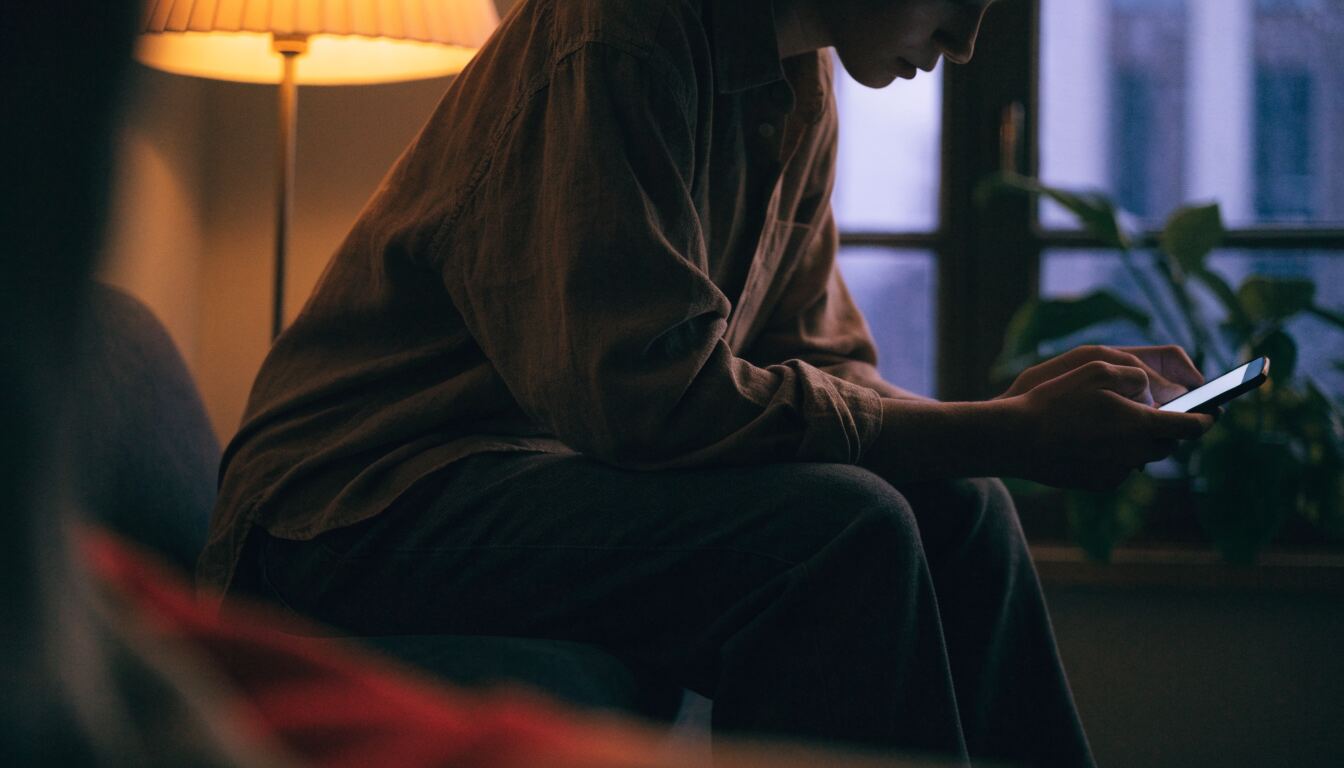
It’s hard to escape the sense that we’re living under a spotlight. The distinction between our inner worlds and the personas we broadcast has grown incredibly thin, fueled by the constant flow of personal updates we willingly pour into digital spaces. We’re all architects of a social media identity, carefully constructing how we appear to others. This can be exhilarating, but it also raises a tricky question: what do we do when we crave stillness, or when the audience feels just a little too close?
The Vanishing Quiet and the Fear of Being Forgotten
There was a time when stepping away from the grid was unremarkable. You could simply exist without documenting it. That era feels almost mythical now. Today, an absence from posting can spark curiosity or even concern. People might assume something is wrong, or that you’re deliberately concealing a part of your life. This relentless push to maintain visibility drains energy. It subtly reinforces the idea that if an experience isn’t shared, it barely counts. The pressure morphs into an obligation, compelling us to reveal more than we’re comfortable with, just to prove we’re still here and thriving.
Building Fences in a Borderless World
Regaining a sense of calm doesn’t require a complete vanishing act. It’s more about thoughtfully constructing barriers that protect your mental space. Imagine drawing a boundary around your digital property, where you decide who steps in and when. This practice can take many practical forms. For instance, you might set firm windows for engaging with social platforms, such as only browsing during your morning coffee or after dinner. Silencing app alerts prevents those constant tugs on your focus, letting you engage on your own terms. Dive into your privacy settings and curate your audience carefully, sharing different layers of your life with different circles. And don’t underestimate the power of a deliberate pause—perhaps a full day each week or a weekend each month where you consciously avoid scrolling or broadcasting. This isn’t about becoming a digital hermit; it’s about mastering the tap of your own story, ensuring you’re the author, not just a character reacting to notifications.
Harmonizing the Spotlight and the Shadows
Ultimately, we’re all navigating a delicate equilibrium. We have a genuine need for connection and self-expression, yet we equally require unhurried, unobserved moments to simply breathe. It’s perfectly healthy to protect areas of your existence that remain untouched by filters and feedback loops. The aim isn’t to abandon all forms of digital performance, because sharing and interacting are woven into the fabric of modern life. Instead, it’s about recognizing that the show we put on is just one act in a much larger play. Behind the curtain lies a rich, private backstage world that holds equal, if not greater, significance. Discovering that middle ground lets us participate in the online realm without losing sight of the person who exists when the screen goes dark.
The Performer and the Person
Does it feel like we’ve all become actors on a vast, interconnected stage? At times, it certainly does. Our experiences become curated exhibits, and our sense of value can get tangled up in counts of approval and reposts. It’s simple to get swept into the performance, forever chasing the next burst of virtual affirmation. Yet perhaps the real wisdom isn’t found in refusing to perform at all. It’s in holding onto the knowledge that a full, complex life unfolds away from the camera. Cultivating those quiet, unposted moments can be profoundly transformative. Because, in the grand scheme, the most authentic version of ourselves isn’t the one collecting the loudest applause. It’s the one that finds peace in the stillness once the audience has gone home.
Common Questions About Online Self-Display
What does it mean to be an online exhibitionist?
Online exhibitionism involves turning your digital presence into a stage for self-revelation. It’s the act of sharing fragments of your daily life, inner thoughts, or physical image primarily to attract notice and reactions from a network of viewers. You can think of it as a shift from the locked diary of the past to a live performance on platforms built for public applause.
What drives the powerful urge to share so much of ourselves?
Several forces are at play. Receiving likes and encouraging comments triggers a pleasant neurological reward, creating a cycle that can feel compelling. Many people also enjoy the power of shaping their own image, carefully selecting what to reveal in order to craft a specific persona. Beyond that, a simple desire to feel significant or acknowledged often fuels this behavior, especially in an environment where we constantly measure our lives against the highlight reels of others.
In what ways does this behavior mold our identity?
The content we choose to broadcast can significantly influence our self-perception and even our personality traits over time. We might find ourselves developing a sort of character aimed at pleasing an online audience, striving to come across as genuine and easy to connect with, even when the version being presented is a meticulously edited snapshot rather than a full portrait.
Is the quest for attention the only motivation?
While the pursuit of attention is a central element, the broader context of the "attention economy" matters. Technology companies utilize the content we generate as raw material for profit, largely through targeted advertising. Our personal moments and our focus become a commodity that marketers pay to access, turning our self-expression into a product within a vast commercial system.
Can excessive online sharing harm mental well-being?
Absolutely. The constant strain of feeling the need to perform or uphold a flawless image can breed stress, anxiety, and a sense of exclusion if you’re not actively participating. It can create a dangerous mental link where your self-worth feels directly dependent on the quantity of attention you receive.
How can we strike a healthier balance between openness and privacy?
The key lies in establishing clear personal limits. This might involve being more intentional and selective about what you post, scheduling regular breaks from social platforms, or designating specific times and spaces as strictly off-camera. The fundamental goal is to internalize the truth that your life retains its full value and meaning even when it isn’t being served up to an audience for approval.