Why We Can't Stop Sharing: The New Digital Stage
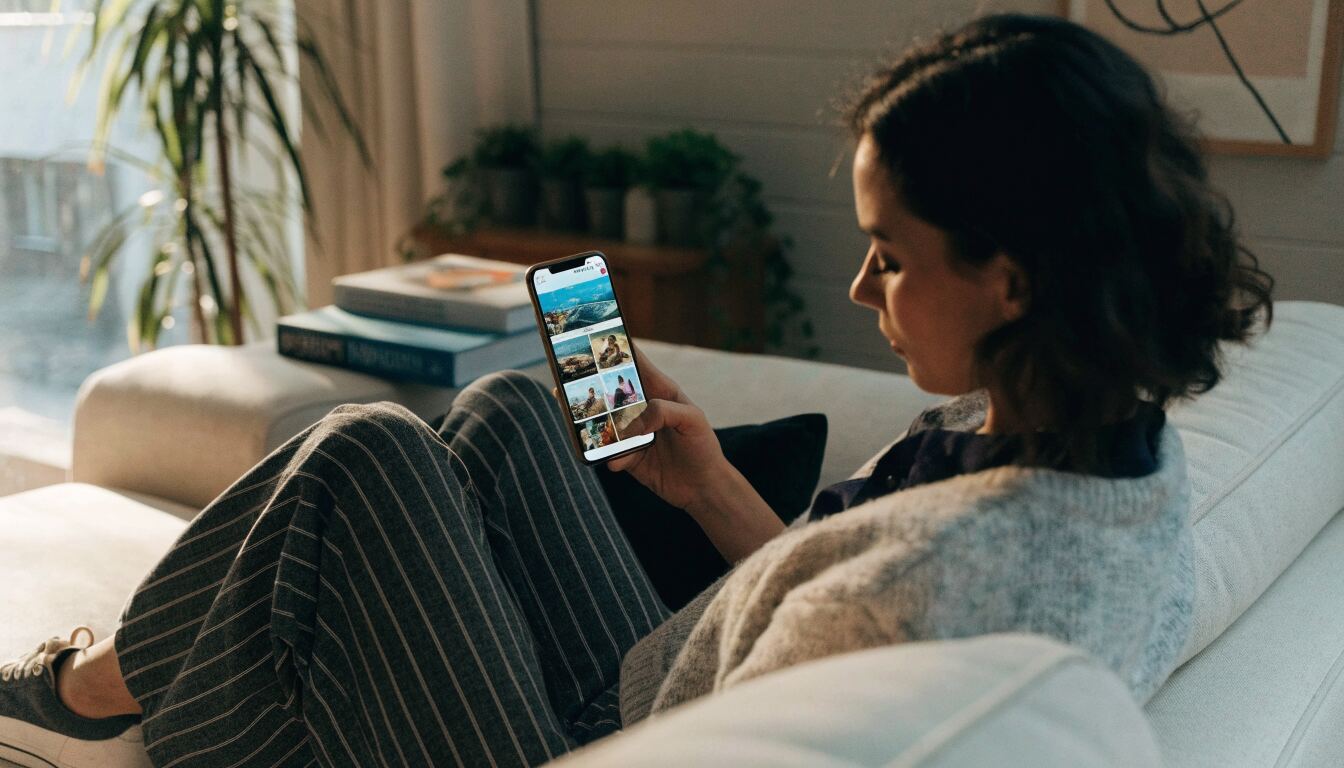
Think about the last time you scrolled through your favorite feed. Chances are, you encountered a parade of carefully framed moments—vacation highlights, culinary triumphs, fitness milestones, and flawlessly lit selfies. This isn't just casual sharing; it's a collective shift toward living life as a public performance. Social platforms have evolved from simple connection tools into vast arenas where we construct, refine, and broadcast versions of ourselves. The boundary between who we are in quiet, private moments and who we present to the world has grown thin, often blending into a single, curated identity.
This transformation raises important questions. What drives us to expose so much of our inner and outer lives? How does the architecture of these platforms—the likes, the comments, the endless scroll—shape our behavior and self-perception? And perhaps most crucially, what toll does this constant spotlight take on our emotional landscape? Unpacking these dynamics reveals a complex interplay of psychological needs, social pressures, and technological design that affects everyone from new social media users to seasoned professionals.
The Architecture of an Online Self
Long before the first post goes live, a silent process of identity construction begins. Creating a profile isn't merely filling in blanks; it's an act of deliberate self-fashioning. Every choice, from a username to a bio snippet, contributes to a narrative. We become the authors of our own digital stories, selectively highlighting chapters that align with a desired image. This isn't inherently deceptive—it's a natural human impulse to put our best foot forward. However, the digital realm amplifies this tendency, providing tools to polish and filter until the line between authentic representation and aspirational fiction blurs.
Crafting the Persona: More Than Just a Pretty Picture
Building an online presence involves a surprising amount of emotional labor. It's a multi-layered project that goes far beyond snapping a photo. Consider the mental checklist many of us run through before hitting 'share':
- Visual Curation: Selecting images isn't just about clarity; it's about conveying a mood, a status, or a value. Angles are chosen to flatter, backgrounds are scanned for unintended mess, and colors might be adjusted to fit a cohesive aesthetic grid.
- Narrative Framing: A caption can transform a simple picture into a statement. It might be witty, vulnerable, inspirational, or enigmatic. The goal is to frame the image in a way that resonates, invites engagement, and reinforces the persona you're building.
- Consistent Branding: Across platforms, a coherent identity often emerges. The tone of voice, the subject matter, and the overall vibe remain steady. This consistency makes the persona feel more real and reliable, both to the audience and, eventually, to the creator.
- Strategic Interaction: When and how you engage with others—replying to comments, liking posts, sharing content—is part of the performance. It signals your social position, your allegiances, and your availability, further cementing your place in the digital ecosystem.
The Selfie as a Social Currency
The selfie deserves special attention as a dominant form of modern communication. It's a quick, accessible way to say, "I was here, I looked like this, I felt this way." But the motivation behind the lens is rarely simple. For some, a selfie is a personal diary entry, a visual timestamp of a fleeting moment. For others, it's a tool for reclaiming confidence, an exercise in controlling one's own image. Yet, the act is almost always tinged with anticipation. The moment after posting becomes a waiting game, where the accumulation of likes and affirming comments delivers a tangible, quantifiable dose of social validation. This feedback loop is powerful, turning a simple photograph into a bid for connection and approval.
This shift toward personal branding means our offline and online selves engage in a constant dialogue. The person we project digitally starts to influence how we behave in the physical world, and vice versa. Maintaining this integrated, always-on identity can be draining, yet it feels increasingly essential for social belonging in a connected age.
The Engine of Validation: Why We Crave the Digital Nod
Remember when social feeds were filled with blurry, spontaneous snapshots of mundane moments? That era of casual, unpolished sharing has largely faded. Today's landscape is dominated by content that often looks professionally produced, prioritizing a glossy finish over raw authenticity. This evolution isn't accidental; it's a direct response to the incentive structures built into the platforms themselves. The algorithms that dictate what we see are trained to favor content that sparks high engagement, inadvertently creating a culture where self-promotion and attention-grabbing material thrive.
The Pull of External Approval
At the heart of online self-exposure lies a fundamental human need: the desire to be seen and validated. Platforms expertly tap into this, offering a steady drip of metrics that serve as a barometer of our social worth. A post that performs well triggers a small but real neurochemical reward, signaling that our thoughts, our appearance, or our lives are acceptable. The danger arises when this external feedback becomes the primary source of self-esteem. We can find ourselves in a precarious position, constantly checking our phones not for connection, but for confirmation that we measure up. This dynamic can pressure individuals to present an idealized self, one carefully engineered to harvest approval rather than reflect genuine complexity.
When Attention Becomes the Goal
In a crowded digital space where everyone is vying for a moment of visibility, standing out becomes a competitive sport. This can lead to a pattern of escalation. Content that was once considered too personal or provocative becomes normalized as users push boundaries to capture fleeting attention. The logic is simple: a stronger reaction, whether positive or negative, translates to more visibility. This environment can blur personal boundaries, encouraging disclosures that might later be a source of regret. The quest for a viral moment or a spike in notifications can temporarily overshadow long-term considerations about privacy and reputation.
The Narcissism Amplifier
Social media can function as a powerful amplifier for self-focused tendencies. While a degree of self-promotion is a healthy part of personal and professional life, the architecture of these platforms can magnify it to an extreme. The ability to constantly broadcast achievements, curate a flawless image, and present a highlight reel of existence can feed into narcissistic patterns. This isn't just about overt bragging; it often manifests as a subtle, persistent framing of every experience as content. The platforms reward this behavior, creating a feedback loop where self-centered material gets more engagement, which in turn encourages more self-centered posting. Over time, this can reshape social interactions, making them feel more transactional and performative.
The feedback loop is relentless: immediate metrics provide a quantifiable judgment on our self-worth, algorithms prioritize sensational content, and the resulting pressure to curate an idealized self can distort our authentic identity.
The Inner World: Psychological Consequences of Living Out Loud
While the external drivers of self-exposure are powerful, the most significant impacts occur internally. The habit of constantly presenting ourselves for public consumption can fundamentally alter how we perceive our own bodies, our lives, and our value as individuals. These psychological underpinnings are subtle but profound, often operating just below the level of conscious awareness.
Seeing Yourself Through a Stranger's Eyes
One of the most pervasive effects is self-objectification. This occurs when a person internalizes an observer's perspective of their own body, placing greater value on how they look rather than on what their body can do or how it feels. Scrolling through endless streams of curated, often digitally altered, images creates a harsh mental yardstick. We begin to habitually monitor our own appearance, scanning for flaws and comparing our behind-the-scenes reality to everyone else's highlight reel.
This process has several damaging components:
- Appearance Over Ability: The focus shifts from physical function and health to purely aesthetic concerns. The body becomes an ornament to be judged rather than an instrument to be lived in.
- Constant Body Surveillance: This is the mental habit of relentlessly checking in with your own appearance, almost as if you are a security guard monitoring yourself for any imperfections that might draw criticism.
- Chronic Body Shame: When the real, unedited body inevitably fails to match the idealized images seen online, the result is often a deep-seated feeling of shame or inadequacy. This isn't just about wanting to look better; it's a feeling of being fundamentally flawed.
The Trap of Social Comparison
Humans are wired for social comparison; it's how we understand our place in the world. However, social media weaponizes this natural instinct. It provides an infinite, constantly refreshed catalog of peers, celebrities, and influencers all seemingly living better, more beautiful, and more successful lives. This "compare and despair" cycle is particularly toxic because the comparisons are rarely fair. We measure our own complex, messy existence—complete with boring days and private struggles—against a sanitized, edited version of someone else's life. This constant upward comparison can erode self-esteem, fuel anxiety, and create a pervasive sense of falling short.
Digital Mirrors and Emotional Toll
Combining these forces, the digital sphere can transform into a psychological panopticon where individuals feel perpetually watched and judged. The pressure to maintain a perfect image extends to every comment, every shared article, every interaction. This relentless self-monnitoring is emotionally exhausting and can lead to a fracturing of identity, where the gap between the performed self and the felt self becomes a source of deep discomfort. The shame that arises from not meeting perceived idealds isn't just about looks; it can attach itself to our lifestyle, relationships, and accomplishments, making us feel like our entire lives are not good enough.
Living in the Spotlight: Vulnerabilities of Newcomers
For adults who are new to online communities—or new to the lifestyle—the pressures of online self-exposure are magnified. Social media is not just a tool but a central arena for social life, identity exploration, and status negotiation. In this crucible, the line between healthy self-expression and risky disclosure can become dangerously thin, with potential long-term consequences that are easy to underestimate in the moment.
When Sharing Crosses a Line
It's natural for adults exploring a new identity to test boundaries and share personal details as a way of building intimacy and figuring out who they are. However, the persistence and public nature of online platforms change the stakes. Sharing details about risky behaviors—such as heavy partying, drug experimentation, or other risky activities—can cement a reputation in ways that are hard to undo. These digital footprints can be unearthed by employers, clients, or new social circles years later. Moreover, such disclosures can normalize risky conduct within a peer group, creating a distorted perception of what is common or acceptable.
Navigating a Sexualized Digital Landscape
The pressure to present a sexually appealing image online can be intense, even for experienced adults. A desire for attention, coupled with the imitation of influencers and celebrities, can lead to sharing suggestive photos or discussing intimate encounters. The immediate payoff of likes and attention can feel validating, but it opens the door to profound risks. Unwanted attention from strangers, cyberbullying, reputational damage, and even exploitation are real dangers. The critical issue is the illusion of control; once an image or message is sent, it is irrevocably out of the sender's hands. A moment of misplaced trust can lead to a lifetime of digital vulnerability and deep regret.
The Blind Spot of Digital Egocentrism
A key cognitive factor at play is a form of digital egocentrism. This isn't about being conceited; it's a common blind spot where one's own social world feels all-important. A person might genuinely believe that their posts are only visible to their close-knit group of friends, failing to fully appreciate the vast, invisible audience that includes relatives, colleagues, future bosses, and malicious strangers. This cognitive bias leads to an underestimation of risk. They may not think about how a post made today could be judged by a different set of standards in five or ten years. The present moment—the inside joke, the shared rebellion, the bid for popularity—eclipses the future consequence.
The Jury of Peers: How Our Circle Shapes Our Online Self
Our online presentation is rarely a solo act. It is a dynamic, ongoing negotiation with the people whose opinions matter most to us. The imagined and actual reactions of our peers serve as an invisible hand, guiding what we post, how we comment, and even how we feel about ourselves. This social mirror is powerful, reflecting back a version of us that is constantly being adjusted to fit the mold of group acceptance.
The Weight of a Like
The simple act of tapping a heart icon carries immense psychological weight. A post that accumulates likes and positive comments delivers a potent dose of social affirmation. It says, "You are seen, and you are approved of." This feeling is especially salient for anyone whose sense of self is in flux. Conversely, a post that is met with silence or, worse, critical remarks, can feel like a genuine social injury. This creates a powerful conditioning loop. We learn to repeat behaviors that yield positive feedback and suppress those that don't, a process that can gradually sand away the unique, less "likeable" edges of our personality in favor of a more homogenized, socially safe version.
Identity as a Group Project
Peers act as active mediators in the construction of our identity. They don't just passively observe; their reactions help shape who we become online. If sharing adventuresome travel content gets a strong response, you're likely to prioritize that narrative. If posting about a niche hobby is met with crickets, you might keep that part of yourself offline. It's a subtle, often unspoken, collaboration. We present a draft of ourselves, our social circle provides feedback through engagement, and we revise accordingly. Over time, the online self becomes a composite, reflecting not just our own inclinations but the expectations and desires of our social group.
Learning the Unspoken Rules
Every online space, from a professional network to a niche meme group, has its own unwritten social code. What is celebrated on one platform can be ridiculed on another. We learn these norms through observation and trial and error, noting what gets rewarded and what gets sanctioned. This social learning can create immense pressure to conform, pushing individuals to present a version of themselves that fits the specific cultural context. The tension between fitting in and being authentic is a central struggle of digital life. Often, the desire to belong wins, leading to a fragmented sense of self where we show up differently depending on the digital room we're in.
The Long Shadow: Fallout from a Life on Display
When the performance never stops, the consequences accumulate. The habit of constant self-exposure is not a neutral act; it actively molds our mental health, our relationships, and our ability to simply be in the world without feeling watched. The fallout is a complex mix of emotional distress and social paradox.
Mental Well-being in the Age of the Feed
Tyinging your self-worth to the volatile metricis of likes and shares is like building a house on sand. The ground is never stable. This state of high alert can directly contribute to increased anxiety and depressive symptoms. The anticipation of a post's performance, the crash when it underperforms, and the constant pressure to create the next thing create a cycle of stress. Furthermore, the visual nature of these platforms is a powerful driver of body image issues. Even knowing intellectually that images are curated and edited doesn't fully protect against the emotional impact of constant comparison, leading to a distorted and often negative relationship with one's own appearance. The fear of missing out (FOMO) compounds this distress, transforming a scroll through other people's joy into a catalog of one's own perceived inadequacies.
The Paradox of Connected Isolation
It's a strange irony: platforms designed for connection can lead to profound social withdrawal. The mental energy spent on maintaining an online persona is energy not spent on cultivating real-world, flesh-and-blood relationships. When you're hyper-focused on how you're being perceived online, it can make you guarded and hesitant in spontaneous, unfiltered face-to-face interactions. A screen can feel safer, a place where responses can be crafted and edited. But this safety comes at a cost. Over-reliance on mediated communication can leave a person feeling profoundly lonely, even as they are technically more "connected" than ever. The depth of connection is sacrificed for its breadth.
Visibility's Double-Edged Sword
Being visible opens doors. It allows for networking, community-building, and creative expression. Yet, visibility also means exposure. The more you put yourself out there, the more surface area you create for judgment, misinterpretation, and unsolicited critique. It's like living in a glass house; you can enjoy the sunlight, but you also lose your privacy. This constant scrutiny can be mentally exhausting, creating a feeling of being perpetually evaluated. It can stifle authenticity, as the risk of a misstep or a poorly received post feels too high. The challenge becomes finding a way to harness the positive power of connection without succumbing to the burnout of constant exposure.
Finding Your Footing in a World of Screens
The goal is not to demonize social media or retreat entirely from digital life. For many, these platforms are vital for support, community, and self-expression. The key lies in shifting from an unconscious, reactive mode of sharing to a more mindful and intentional one. This involves a gentle but honest self-inquiry into our own motivations and habits.
Start by noticing the impulse behind a post. Before sharing, ask yourself: Am I seeking connection or validation? Is this a genuine expression of a moment, or a bid for attention? Neither answer is inherently wrong, but awareness is the first step to making a choice rather than acting on autopilot. Pay attention to how you feel after posting and after scrolling. If you notice a pattern of anxiety, envy, or depletion, that's valuable data. It might be a signal to set new boundaries.
Practical steps can help. Curate your feed ruthlessly, unfollowing accounts that trigger comparison or negative feelings. Create phone-free zones or times, such as during meals or the first hour after waking. Shift focus toward active, creative sharing rather than passive consumption. And remember that the most magnetic, relatable content is often the most authentic, which includes sharing imperfections and struggles, not just polished highlights. The aim is to use the tools as an extension of a full life, not as a replacement for one.
Common Questions About Online Self-Exposure
What exactly is meant by "digital exhibitionism"?
The term describes the phenomenon where social platforms encourage people to share extensive personal details, thoughts, and images, often more than they would in a face-to-face context. It's the performance aspect of online life, where we showcase ourselves for an audience, which can be empowering but also has significant downsides if it becomes compulsive or damaging.
How does social media warp our self-immage?
It provides the tools to build a highly curated, often idealized, version of ourselves. This "highlight reel" identity can distort our self-perception, making us feel that our real, messy lives are inadequate. We internalize an external, critical gaze and start to see ourselves through the metrics of likes and comments.
What drives people to post so many personal things, like selfies?
The motivation is a mix of self-documentation, creative expression, and a deep-seated need for social validation. Posting a selfie and receiving positive feedback is a quick way to feel seen, liked, and connected. It can boost confidence in the short term, but can become a crutch if that external approval becomes the primary source of self-esteem.
What are the main dangers of oversharing?
The risks are both internal and external. Internally, it can lead to social comparison, anxiety, body shame, and a fragile sense of self-worth tied to online feedback. Externally, it can cause reputational damage, unwanted attention, and the loss of privacy, as information shared impulsively can be permanent and widely distributed.
How do friends and likes influence our online behavior?
Peers and their digital feedback (likes, comments) act as a powerful social compass. They signal what is acceptable, cool, or valued within a group. This creates a conditioning effect, encouraging us to post more of what gets a positive reaction and less of what doesn't, powerfully shaping our online persona and sense of belonging.
Is sharing a lot about your life online always a bad thing?
Absolutely not. Sharing can foster deep connections, build communities, and be a powerful tool for self-expression and creativity. The issue is one of balance and motivation. It becomes problematic when the sharing is driven by compulsion, anxiety, or a need for external validation, and when it starts to negatively impact mental health or offline relationships. The key is mindful, intentional sharing.