Embracing a Unique Path in Love and Identity
Living as a monosexual lesbian while practicing polyamory can sometimes feel like stepping onto a road less traveled, one that doesn't always appear on conventional maps of romance. The journey blends a focused attraction to women with a desire for multiple meaningful connections, challenging both mainstream relationship ideals and assumptions within alternative communities. This article delves into the heart of this experience, offering insights on cultivating a supportive network, protecting emotional health, and forging a genuine sense of home within this distinctive intersection of identity and lifestyle.
Decoding the Intersection of Orientation and Relationship Style
When we talk about a monosexual lesbian engaging in polyamory, we're describing a person whose romantic and sexual feelings are centered on women, yet who chooses to build bonds with more than one partner simultaneously. This configuration isn't about being attracted to all genders—a common misunderstanding about non-monogamy—but rather about separating the direction of one's desire from the structure of one's relationships. It's a way of loving that honors a core lesbian identity while embracing the richness of multiple partnerships.
What Monosexuality Means in a Multi-Partner Context
Monosexuality refers to experiencing attraction primarily toward a single gender or a specific set of genders. For a lesbian, this focus lands squarely on women. This stands apart from identities like bisexuality or pansexuality, where attraction spans a wider spectrum. Within polyamorous circles, there's sometimes an unspoken expectation that being open to multiple people equates to being open to all genders, but that's a fallacy. Relationship architecture and sexual orientation operate on different planes. A woman can be deeply committed to loving several other women without her attraction ever shifting toward men or non-binary individuals. Recognizing this distinction is crucial because it validates the experiences of those who don't fit the presumed mold, allowing them to build fulfilling polycules that reflect their true selves.
Attraction Without Gendered Constraints
Navigating romance as a lesbian in a polyamorous framework introduces layers of both complexity and delight. The fundamental pull remains toward women, but the ways that pull manifests can vary widely. One person might find herself in a triad with two other lesbians, each connection distinct and nourishing. Another might partner with a woman who also has relationships with men or non-binary folks, yet her own intimate energy stays directed solely at her female partner. This requires ongoing dialogue and a willingness to map out emotional territories together. It's less about fitting into a predefined script and more about co-authoring a story where everyone's attractions are respected. The process often becomes a profound exercise in self-awareness, pushing individuals to articulate their needs clearly and listen deeply to the needs of others.
The Many Shades of Lesbian Polyamory
There's no single template for how a lesbian navigates polyamory. The spectrum is broad and beautifully varied. Some women form tight-knit networks where every member is a monosexual lesbian, creating a shared world centered entirely on sapphic love. Others are woven into larger, more diverse polyamorous webs, where they might be the only person whose attraction is exclusively oriented toward women. In those settings, maintaining a strong sense of lesbian identity can be an anchor, a reminder of who they are amid a sea of different relational configurations. The common thread is the search for belonging—a place where one's specific way of loving isn't just tolerated but celebrated. Finding that niche can take effort, especially when broader culture heavily promotes either strict monogamy or attractions that span multiple genders. Yet the bonds forged in these intentional spaces often carry a depth and resonance that make the search worthwhile.
Cultivating Meaningful Connections and Support Networks
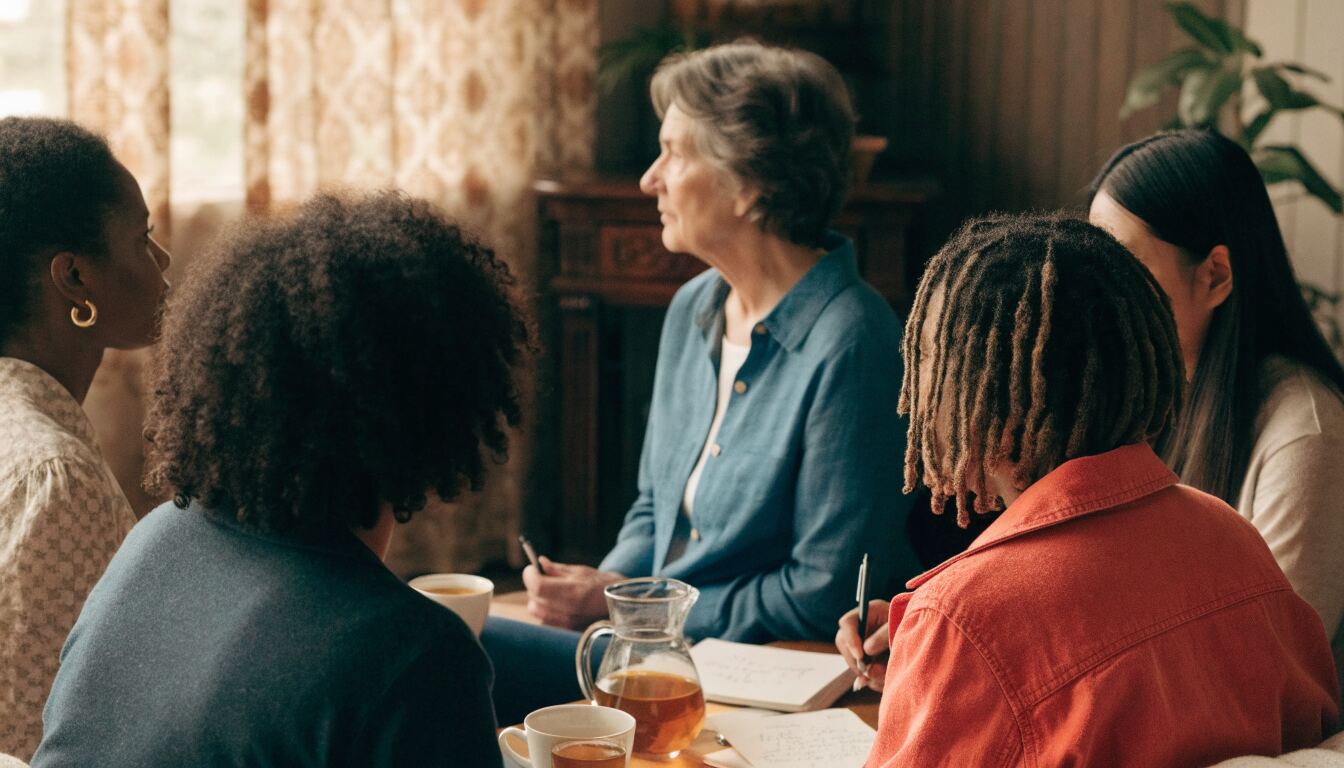
Searching for your community when you embody this particular blend of identities can resemble hunting for a rare constellation in an expansive night sky. It demands patience and intention, but the reward is a circle of people who truly see and affirm you. Building these connections involves more than just joining generic groups; it requires crafting or discovering environments where your full self is reflected and welcomed.
Locating Acceptance in Polyamorous Environments
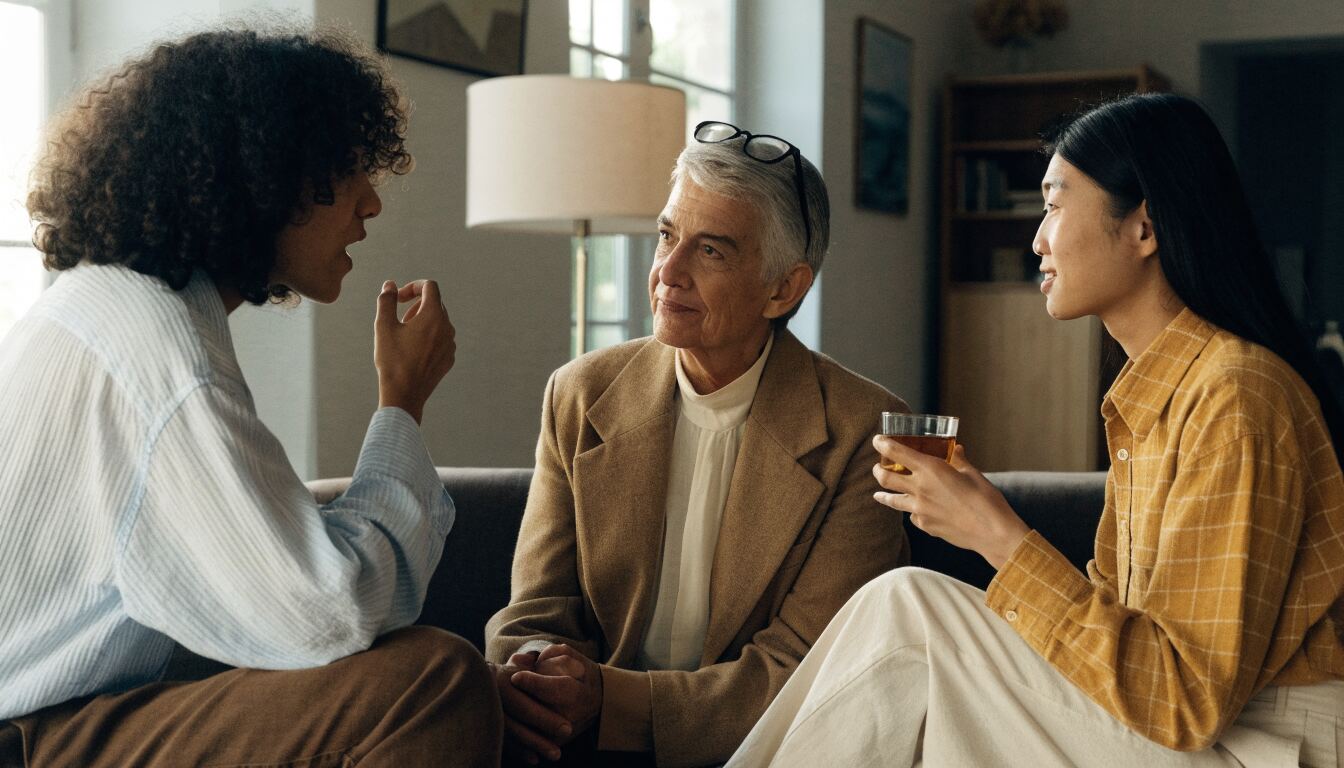
General polyamory meetups or online forums can serve as a starting point, but they often fall short in addressing the specific nuances of being a lesbian whose attractions don't waver. You might spend more energy educating others about your orientation than actually bonding over shared experiences. The real breakthrough comes when you find or help establish spaces tailored to queer women in non-monogamous dynamics. These could be digital communities dedicated to sapphic polyamory, local discussion circles that prioritize intersectional inclusivity, or even an intimate group of friends who intuitively grasp your relationship landscape. The key is to land in a setting where you don't have to constantly defend your identity or justify your desires. It's about resonating on a frequency of mutual understanding, not merely coexisting under the broad umbrella of non-monogamy.
The Binding Power of Common Experiences
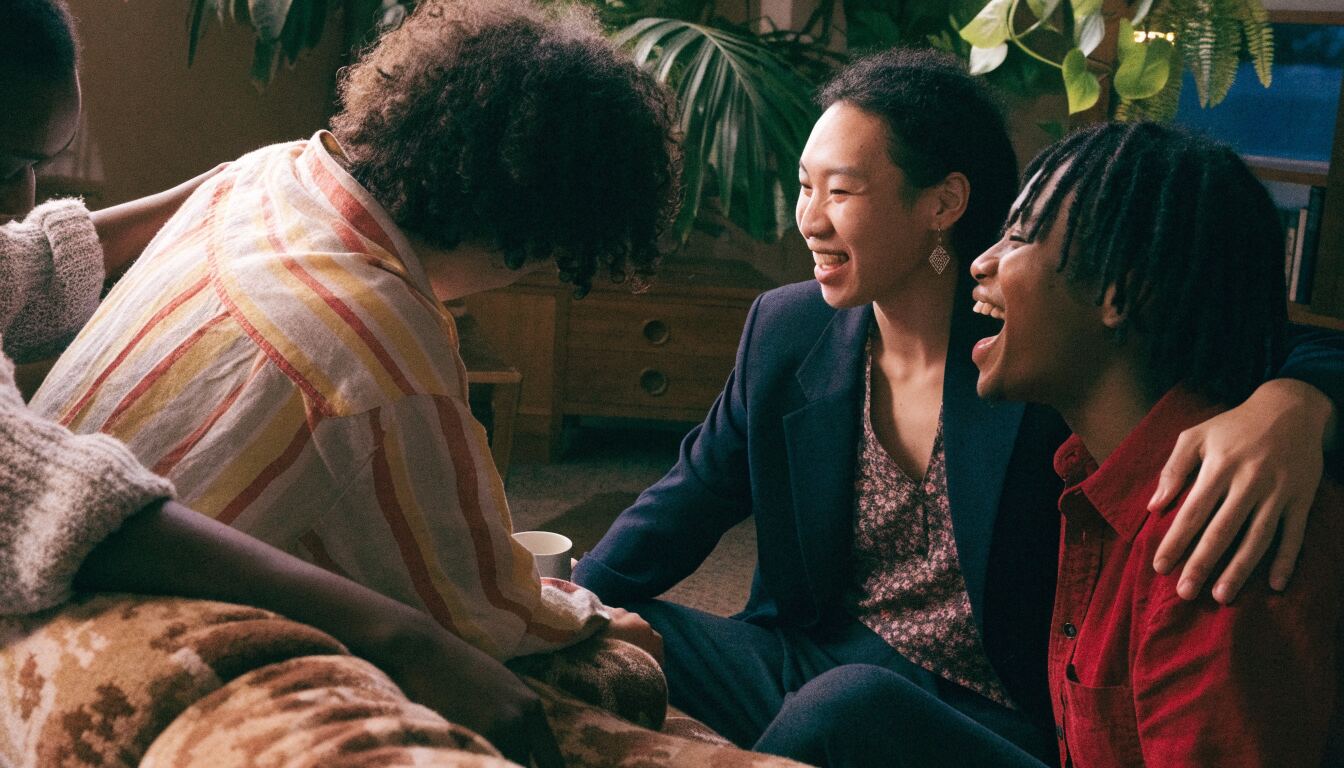
What truly cements a community is the texture of lived, shared moments. When you encounter other monosexual lesbians practicing polyamory, there's an immediate, unspoken recognition. You've likely navigated similar obstacles—explaining your life to confused relatives, managing jealousy in ways that honor your orientation, or feeling that peculiar blend of pride and isolation that accompanies this path. These collective experiences, whether they emerge from a humorous dating mishap or a vulnerable late-night talk about insecurity, weave a fabric of solidarity. It's akin to discovering a private language that only your tribe speaks. This accumulated history fosters deep trust and transforms a loose gathering of individuals into a resilient, nurturing community.
Pushing Back Against Societal Mononormativity
Society tends to operate on a default setting that romantic love should involve exactly two people, paired for life. This pervasive mindset, called mononormativity, can seep into every corner of life—shaping family expectations, workplace policies, and even our internal self-perceptions. For those constructing relationships outside that template, the pressure can be stifling. Actively building community becomes a form of resistance. By weaving our own support systems and celebrating diverse relationship forms, we demonstrate that love's architecture has many valid blueprints. This counter-narrative doesn't just benefit those within the community; it gradually shifts the broader cultural conversation, making room for experiences that have long been marginalized or rendered invisible.
Safeguarding Emotional and Relational Well-Being
Thriving in this lifestyle requires a deliberate focus on safety—both emotional and psychological. For monosexual lesbians in polyamorous arrangements, well-being hinges on addressing external stigmas, nurturing healthy internal dynamics, and maintaining robust support structures that buffer against isolation or misunderstanding.
Confronting Stigma From Multiple Directions
People in polyamorous relationships frequently encounter judgment, and when those relationships also involve a monosexual lesbian identity, the scrutiny can intensify. Outsiders may project confusion or negativity, assuming that attraction should be straightforward and that deviations signal instability. Even within polyamory circles, subtle biases can surface, privileging certain configurations or attraction patterns over others. It's essential to actively dismantle the myth that non-monogamy—or specific expressions of it—is inherently more problematic than monogamy. Let's break down some common sources of stigma:
- Internalized monosexism: Even in progressive spaces, societal messages about "normal" attraction can creep in, leading to self-doubt or a nagging feeling that one's orientation isn't legitimate. Unlearning these internalized beliefs is an ongoing process of self-compassion and affirmation.
- External misconceptions: The general public often holds reductive or misinformed views about polyamory, and those views can be magnified when layered with less-familiar identities like monosexual lesbian polyamory. This can manifest as intrusive questions, dismissive attitudes, or outright hostility.
- Community gatekeeping: Occasionally, polyamorous spaces develop unspoken hierarchies or preferences that make certain relationship styles feel less welcome. This could look like centering dynamics that involve multiple genders and sidelining those that don't, leaving monosexual lesbians feeling peripheral in their own communities.
Practical Tools for Navigating Relationships Healthily
Sustaining healthy connections across multiple partnerships demands consistent effort and skillful communication. For those centering lesbian identity in polyamory, this means being intentional about how affection, time, and commitment are distributed. Clear agreements provide a foundation, but flexibility is equally important as relationships evolve and new needs emerge. Here are some core strategies:
- Ongoing transparent dialogue: Establish regular check-ins with each partner to discuss emotional states, desires, and any friction points. This isn't a one-off conversation but a living practice that adapts as circumstances shift.
- Explicit boundary work: Define what feels comfortable and what doesn't for every person and every dyad. Boundaries might cover time allocation, emotional availability, physical intimacy, or information sharing. Revisit these periodically to ensure they still serve everyone.
- Constructive conflict resolution: Disagreements are inevitable. Cultivate skills like active listening, perspective-taking, and collaborative problem-solving. The goal isn't to avoid conflict but to navigate it in ways that strengthen rather than erode trust.
- Prioritizing personal restoration: Individual self-care isn't selfish; it's foundational. Burnout or emotional depletion can ripple through the entire polycule, so safeguarding time for rest, hobbies, and solo reflection is non-negotiable.
Building a Web of Emotional Support
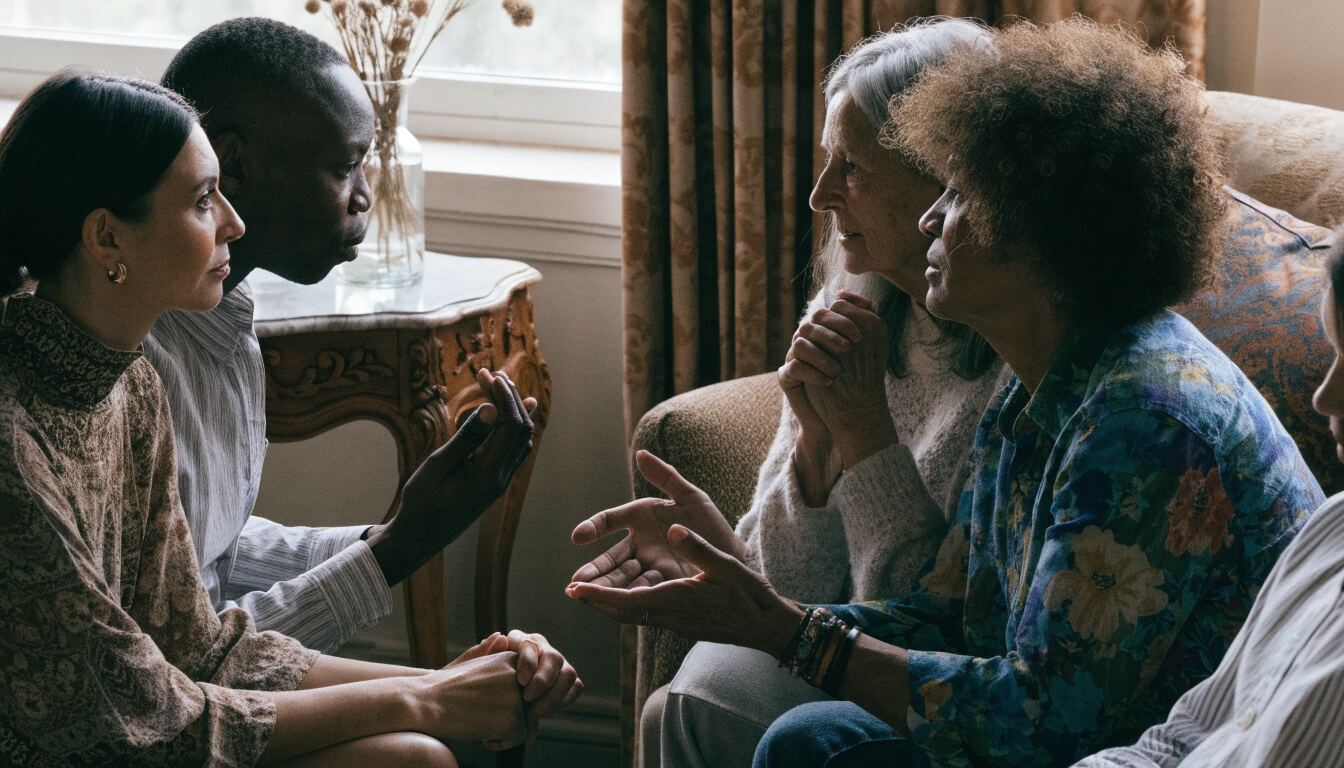
A sturdy support network acts as a lifeline, particularly for those in less conventional relationship structures. This network can draw from multiple sources, each offering a different kind of sustenance. Romantic partners within the polycule ideally provide mutual understanding and encouragement, grounded in a shared commitment to each other's happiness. Friends outside the romantic sphere offer fresh perspectives and a different flavor of emotional backup. Connecting with other polyamorous individuals, especially those who share similar identities, fosters a sense of collective strength and validation. And for times when challenges feel overwhelming, seeking guidance from a therapist well-versed in both non-monogamy and LGBTQ+ issues can be transformative. Professional support can equip you with tailored tools for managing complex feelings and relational dynamics, helping you navigate the terrain with greater clarity and resilience.
Discovering Deeper Joy and Authentic Living
Venturing beyond traditional relationship models can unlock unexpected dimensions of pleasure and self-expression, especially for a monosexual lesbian in a polyamorous framework. This isn't merely about increasing the number of partners; it's about accessing new emotional landscapes and feeling more aligned with your truest self. When you engage with a couple, for instance, you're not just adding another person—you're stepping into a dynamic already rich with shared history and established intimacy, which can amplify the experience in remarkable ways.
Expanding Erotic Horizons Through Multi-Partner Dynamics
For a lesbian dating within polyamory, particularly when couples are involved, the realm of erotic possibility broadens significantly. It's rarely about conforming to a rigid role. Instead, you might explore varied relational positions or encounter sensations that hadn't previously crossed your mind. The synergy among multiple people generates a distinct kind of electricity. Often, a couple possesses an intricate understanding of each other's bodies and desires, and they can bring that knowledge into your shared encounters, creating layers of intensity and fulfillment. It's as if they hold a detailed map of pleasure, and you get to journey through it alongside them, discovering new territories together.
Expressing Gender and Sexuality With Greater Freedom
These relational configurations can also serve as a powerful catalyst for authentic self-expression. For a monosexual lesbian, this might translate into feeling more at ease owning her specific attractions without the burden of constant explanation. If you're drawn to women and you're involved with a couple where one or both partners are women—or even if one partner is a man but the dynamic centers your sapphic attractions—it can feel profoundly affirming. The space created by multiple partners often allows for a more fluid exploration of gender and sexuality, both for you and for those you're connected with. It's less about squeezing into predefined categories and more about embracing the full spectrum of who you are and who captivates your heart.
Healing and Transformation Through Symbiosexuality
There's a term, symbiosexuality, that describes sexual and romantic dynamics involving couples. For some individuals, these experiences carry a surprising capacity for healing. It's not uncommon to feel as though you're connecting with a deeper layer of yourself, or even reframing past experiences in a newly positive light. Picture being in a situation where you feel genuinely seen and embraced—not just as a separate individual, but as part of a larger, interwoven experience. This can be immensely powerful, particularly if you've ever felt like an outsider in other contexts. It's about discovering a space where your desires are not merely tolerated but uplifted, fostering personal evolution and a profound sense of well-being.
Fostering Visibility and Affirmation
In many polyamorous communities, there's a quiet but persistent assumption that everyone experiences attraction to multiple genders. While that reality is perfectly valid, it can inadvertently render monosexual lesbians invisible, as if their focused desire is somehow less complex or noteworthy. Yet being attracted exclusively to women is a complete, vibrant orientation in itself, and it doesn't diminish the richness of polyamorous living. Our monosexuality isn't a footnote; it's a central thread in the tapestry of our relationships, and it deserves recognition. Acknowledging that attraction isn't a uniform experience—even within alternative relationship models—is a vital step toward true inclusivity.
Honoring the Diversity of Desire
Attraction exists on a vast, intricate spectrum. Some people are drawn to many genders, others to just one, and still others to specific types of individuals irrespective of gender categories. For monosexual lesbians practicing polyamory, desire is concentrated, and that concentration holds immense power. It means we're not seeking just any partner, but the right women partners who harmonize with our existing relational ecosystems. This isn't about being overly selective in a negative sense; it's about staying true to our orientation. It's about affirming that a lesbian who loves women and is polyamorous remains a lesbian, and her connections with women are every bit as real, deep, and meaningful as any other relationship model.
Advocating for Broader Inclusivity in Polyamorous Circles
So how do we shift the landscape? A good starting point is to use our voices. When discussions in poly spaces default to multi-gender attraction, we can gently introduce our perspectives. We can share our narratives and the textures of our daily lives. The aim is to ensure polyamory is understood as a practice that can encompass all orientations, not merely those that align with a narrow stereotype. We need to challenge the reflexive idea that polyamory inherently means being attracted to everyone. It doesn't. It means cultivating multiple relationships, and those relationships can be with people of any gender—or specific genders—that align with our authentic attractions.
Here are several actionable ways to promote a more inclusive environment:
- Share personal narratives: Storytelling is a potent tool. Opening up about your journey as a monosexual lesbian in polyamory can illuminate the experience for others and foster empathy.
- Educate with patience: When you encounter assumptions, offer gentle corrections. Explain what monosexuality means within a polyamorous context, framing it as an opportunity for mutual learning.
- Seek out or create affirming spaces: Actively look for communities where your whole identity is acknowledged and valued. If such spaces don't exist, consider spearheading their creation, whether online or in your local area.
Pulling It All Together
When individuals, particularly those identifying as lesbian or monosexual, explore relationships that involve couples or multiple partners, they often uncover a remarkably unique form of happiness and intimacy. The journey isn't without its hurdles—balancing varied needs, navigating external judgments, and managing complex emotions all require dedication. Yet for many, the rewards far outweigh the challenges. People describe feeling more witnessed, more authentically themselves, and experiencing a depth of connection and fulfillment that surpasses expectations. This reality pushes back against rigid cultural scripts about how love and desire should operate, revealing vast expanses of possibility for joy and belonging. Ultimately, it's about finding your people and your personal path to feeling whole, even when that path diverges from the well-worn route.
Frequently Asked Questions
What exactly is meant by "monosexual lesbian polyamory"?
This phrase describes a situation where a person identifies as a lesbian—meaning her primary romantic and sexual attraction is to women—while also engaging in polyamory, which involves maintaining multiple consensual romantic or sexual relationships at the same time. The term "monosexual" highlights that her core attraction is directed toward one gender (women, in this context), even as she navigates connections with several partners.
How does being a lesbian in polyamory differ from being a lesbian in a monogamous relationship?
In a polyamorous framework, a lesbian might cultivate romantic or sexual bonds with multiple women simultaneously. This contrasts with monogamy, where a lesbian typically commits to a single partner. Polyamory allows for a broader array of connections and shared experiences while remaining rooted in her attraction to women.
Is it contradictory to be both a lesbian and polyamorous?
It can feel confusing at first, largely because societal norms often equate monogamy with stability and assume attraction should be simple. However, for many women, polyamory is a natural extension of their identity. They remain lesbians because their primary pull is toward women; polyamory simply permits them to explore relationships with more than one person if that aligns with their authentic self.
What obstacles do people in monosexual lesbian polyamorous relationships commonly face?
Common challenges include societal misunderstanding—many people struggle to grasp how someone can hold both a lesbian and a polyamorous identity simultaneously. There can also be friction within polyamorous communities if those spaces don't fully embrace or comprehend identities that aren't centered on multi-gender attraction. Additionally, managing multiple relationships and ensuring every partner feels secure, respected, and valued demands significant emotional labor and communication skills.
How can monosexual lesbians find community within polyamory?
Finding community typically involves seeking out fellow polyamorous individuals, especially those who are also queer or lesbian-identified. Online platforms, local gatherings, and polyamory-focused events can serve as excellent starting points. Sharing experiences with others who intuitively understand these specific dynamics helps cultivate a sense of belonging and mutual validation.
What are the potential benefits of monosexual lesbian polyamory?
Benefits can encompass deeper emotional connections, increased opportunities for personal development, and the liberty to express one's sexuality and relational preferences in a manner that feels genuine. It allows for a rich, multifaceted tapestry of love and intimacy, all while remaining true to a core lesbian identity centered on attraction to women.